Page 938 of 6179
1 936 937 938 939 940 6.179

Las potencias mundiales acaparan las vacunas en detrimento de los países periféricos

Las potencias mundiales acaparan las vacunas en detrimento de los países periféricos

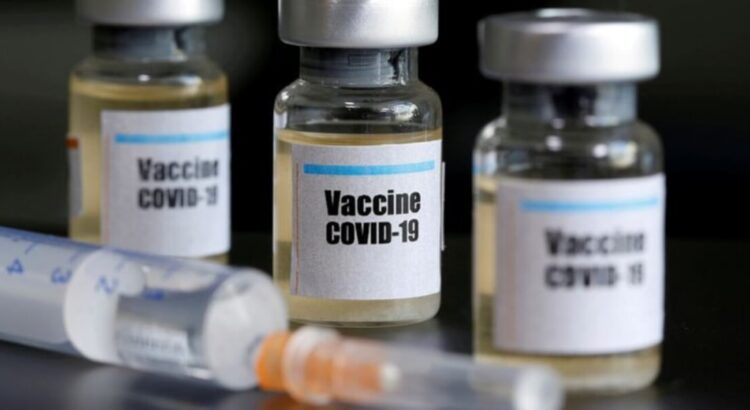
Estas últimas semanas, varias empresas farmacéuticas occidentales han anunciado que han desarrollado vacunas contra la covid-19. Es el caso, en particular, de la asociación de empresas Pfizer-BioNTech, de la farmacéutica estadounidense Moderna y de AstraZeneca en colaboración con la Universidad de Oxford. Los Estados imperialistas de uno y otro hemisferio se han apresurado a cursar pedidos y comprar a toda prisa el mayor número posible de dosis, en algunos casos incluso antes de la certificación de las vacunas por los organismos competentes. Esta auténtica rapiña imperialista de las vacunas está aniquilando de hecho las posibilidades de los países de la periferia capitalista de procurarse dosis para hacer frente a la pandemia.

Una actitud de predadores irracionales

Así, según el New York Times, “mientras que numerosos países pobres podrían estar en condiciones de vacunar como máximo al 20 % de su población en 2021, algunos de los países más ricos del mundo han reservado suficientes dosis para vacunar varias veces a sus propias poblaciones […]. Si les suministran todas las dosis que declaran haber pedido, la Unión Europea podría vacunar a sus habitantes dos veces, el Reino Unido y Estados Unidos cuatro veces y Canadá seis veces.” El mismo diario calcula que el número total de dosis que podría llegar a comprar EE UU a las diferentes empresas farmacéuticas asciende a 1.500 millones de unidades. Por su parte, las autoridades europeas afirman que han comprado más dosis de la vacuna “que las que hacen falta para todo el mundo en Europa”.

Además del poder financiero de estas potencias imperialistas, el principal argumento político que plantean para justificar esta prioridad de los poderosos es que estos Estados han invertido miles de millones de euros y dólares en apoyo a las investigaciones de las farmacéuticas privadas. Por su parte, países como India y Sudáfrica, a la cabeza de un grupo de países de renta baja o mediana, han solicitado a la Organización Mundial de la Salud (OMS) una suspensión de los derechos de propiedad intelectual, como las patentes, sobre los productos asociados a la lucha contra la pandemia, informa The Lancet. No obstante, la industria farmacéutica y numerosos países de renta alta, “entre ellos el Reino Unido, Estados Unidos, Canadá, Noruega y la UE, lo han rechazado categóricamente, afirmando que el sistema de propiedad intelectual es necesario para estimular nuevas invenciones de vacunas, pruebas de diagnóstico y tratamientos, que podrían estancarse en su ausencia.”

De este modo, en una situación que impone una urgencia al conjunto de la humanidad, estos gobernantes y multinacionales farmacéuticas consideran que únicamente el cebo de la ganancia y el afán de lucro pueden estimular la investigación y la innovación. Una lógica que revela la clase de mundo que defienden, pero que mucha gente combate, inclusive en el sector de la investigación y la innovación tecnológica. Sobre todo, al mostrarse incapaces de renunciar a la carrera por el beneficio en una situación de emergencia sanitaria mundial, los capitalistas obstaculizan la lucha contra la pandemia, demostrando una vez más el carácter absurdo del sistema que defienden.

El problema de la producción: el bluf de la industria farmacéutica

En efecto, la lógica del beneficio y de la propiedad privada está agravando un problema que podría afectar también a los países imperialistas: los límites de capacidad de producción de las empresas. El hecho de no compartir las patentes con los Estados periféricos y semicoloniales reduce la capacidad de producción de dosis de las vacunas, incluidas las demandadas por los países ricos. Así, el artículo del New York Times que ya hemos citado comenta a este respecto:

Ciertas empresas ya han revisado sus proyecciones en función de los problemas de producción. Pfizer declaró primero que produciría 100 millones de dosis de aquí al final del año, para reducir posteriormente esta cifra a la mitad. Novavax ha tenido que aplazar los ensayos clínicos en parte porque no podía producir un número suficiente de dosis. En otros casos, los fabricantes de vacunas o sus socios tal vez han prometido más dosis que las que pueden producir: se anunciaron 3.210 millones de dosis de la vacuna de AstraZeneca, pero los contratos de fabricación suscritos solo suman 2.860 millones, según Airfinity. Johnson & Johnson prometió 1.300 millones, pero solo ha garantizado la producción de 1.100 millones.

Esto significa que es muy probable que en 2021 no se puedan cumplimentar en su totalidad los pedidos cursados, mientras que, en lo que respecta a los países de la periferia capitalista, ciertas fuentes calculan que muchos de ellos tendrán que esperar hasta 2024 para conseguir vacunar e inmunizar al conjunto de su población. Otros expertos consideran que para entonces mucha gente podrá haberse contagiado y haber adquirido una forma de inmunidad natural, reduciendo la demanda de vacunas. Aunque esta posibilidad fuera real, se trata de un cálculo cínico, en el que se espera que la gente pobre se inmunice naturalmente, eso sí, arriesgando su vida, mientras que la ciudadanía de los países desarrollados esté protegida a base de vacunas cuyo desarrollo y producción han sido posibles en buena parte gracias al expolio de los países semicoloniales por parte de las potencias imperialistas.

Imperialismo y subdesarrollo

Claro que los recursos financieros no explican todo. Hay otros factores, que por mucho que estén vinculados con la cuestión económica, determinan esta desigualdad entre países. En efecto, las vacunas desarrolladas por Pfizer-BioNTech y Moderna tienen una eficacia de más del 90 %, pero estas vacunas tienen que conservarse a temperaturas muy bajas: –70 ºC. Esto implica que los países que adquieren dosis de estas vacunas han de disponer de la infraestructura necesaria para mantenerlas a estas temperaturas, pero normalmente solo los laboratorios de investigación disponen de esta clase de congeladores. Ni los hospitales, ni las farmacias los tienen, ni siquiera en los países capitalistas desarrollados.

En este sentido, Alex Berezow, especialista en ciencias, tecnología y sanidad pública, afirma que “los desafíos logísticos que supone la cadena de frío imposibilitan prácticamente que una vacuna llegue a las regiones cuyas infraestructuras son mediocres y el suministro eléctrico poco fiable”. Dicho de otro modo, para muchos países de África, Asia y América Latina, y otras regiones del planeta (incluidas ciertas zonas de los países imperialistas), el almacenamiento de las dosis de vacunas resulta casi imposible, y por tanto también la vacunación de la población.

Desde este punto de vista, la vacuna desarrollada por AstraZeneca presenta una ventaja, ya que puede almacenarse en congeladores como los que suelen emplearse en los hospitales y farmacias, a temperaturas no tan bajas. Sin embargo, la eficacia de esta vacuna es de apenas el 62 %. Por consiguiente, es más que probable que, en el caso de que se resuelva el problema de la producción, será este tipo de vacuna menos eficaz la que llegue primero a los países periféricos y semicoloniales.

Evidentemente, esta situación está lejos de ser una fatalidad, fruto de la suerte de unos países y la desgracia de otros. En realidad, el subdesarrollo de la gran mayoría de países del mundo es el resultado del funcionamiento del propio capitalismo, en que un puñado de potencias se reparten las riquezas producidas en el conjunto del planeta. Su desarrollo depende del subdesarrollo de otros países. Es el imperialismo el que impide el desarrollo de las infraestructuras mínimas que permitan a la población gozar de unas condiciones de vida mínimamente dignas.

Todos contra todos

Pero nos equivocaríamos si pensáramos que existe una especie de entendimiento armonioso entre las diferentes potencias imperialistas contra los países de la periferia capitalista. En realidad, como vimos en las primeras semanas de la pandemia y a lo largo de todos estos meses, las potencias capitalistas compiten encarnizadamente entre ellas, incluso para procurarse productos elementales para hacer frente a la pandemia, como mascarillas, gel antiséptico o respiradores.

Ahora, con la vacuna, un producto mucho más complejo y sofisticado, esta lucha encarnizada prosigue, si cabe con más brutalidad. En efecto, puesto que todo parece indicar que las empresas farmacéuticas no podrán cumplir sus promesas de suministro para el año 2021, es más que probable que las potencias imperialistas se libren a una competencia feroz para hacerse con las dosis de vacunas. No está descartados que asistamos a escenas de piratería moderna, a formas de saqueo a gran escala. Porque más allá del aspecto sanitario, la inmunización de la población constituye una gran baza económica: el país que reciba más dosis de vacunas podrá tratar de relanzar su economía antes y de este modo obtener una ventaja con respecto a los capitalistas de los demás países.

El ejemplo de las vacunas muestra una vez más el carácter devastador y reaccionario del capitalismo. Es esta lógica, guiada por el beneficio, la que alimenta la desconfianza de gran parte de la población con respecto a las vacunas y sirve de caldo de cultivo para las teorías conspiranoicas más absurdas. El hecho es que, de momento, la única solución a esta pandemia parece ser la vacuna. Y en esta situación, los capitalistas actúan como de costumbre: tratando de beneficiarse. Si la clase obrera puede extraer aunque solo sea una lección de toda esta pandemia, es que habría que nacionalizar la industria farmacéutica y la investigación científica, bajo el control de sus trabajadoras y trabajadores, financiadas por elevados impuestos sobre las grandes fortunas. Es así como la lucha contra pandemias como la covid-19, que no será la última, podrá guiarse únicamente por la urgencia sanitaria y no por imperativos económicos.

16/12/2020

http://www.revolutionpermanente.fr/Covid-19-Les-puissances-mondiales-s-accaparent-les-vaccins-au-detriment-des-pays-peripheriques

Traducción: viento sur

Fuente de la Información: https://vientosur.info/las-potencias-mundiales-acaparan-las-vacunas-en-detrimento-de-los-paises-perifericos/

Comparte este contenido:

Ecuador: Transformación educativa

Transformación educativa

El informe para segundo debate del proyecto de Reforma a la Ley de Educación está listo para ser tratado al regreso de la vacancia legislativa. Se han incorporado planteamientos de los educadores, mecanismos de prevención de violencia escolar y cambios importantes como dejar insubsistente el examen Ser Bachiller como requisito para ingresar a las universidades y retomar el bachillerato por especialidades.

La pandemia ha puesto en evidencia cómo la conectividad expone a los individuos al mundo y el mundo puede llegar a cada individuo mediante una pantalla. Si pensamos en sentido global, tenemos que comparar el nivel educativo de los ecuatorianos con los vecinos de la región, por lo menos, y más allá si pretendemos que nuestros bachilleres y profesionales accedan a programas de estudios de especialidades que no tenemos aquí.

Y si de trabajo se trata, también la pandemia nos ha mostrado cómo gran cantidad de gente perdió sus empleos. Ya sea por la tecnificación, por especializaciones o por la optimización de recursos y por el crecimiento poblacional, la tendencia en el mundo es que cada vez será más difícil conseguir empleos, por lo que el sistema educativo debe procurar que los estudiantes desarrollen el sentido crítico y el ingenio para propender hacia la innovación.

Vemos que hay un boom de las maestrías, a la par que muchísimos bachilleres se quedan sin cupo para la universidad.

Además de retomar el bachillerato por especialidades para que sea una opción acceder a empleos saliendo del colegio, podrían crearse institutos de oficios, incluso particulares, para en un término de uno o dos años entregar certificación; con ello se lograría mejorar el estándar y dar formalidad al sector artesanal.

Los cambios también contemplan mejoras salariales para los docentes y rubros para su profesionalización. Sean bienvenidas las reformas; sin embargo, es menester el compromiso de velar porque no queden en letra muerta. No sirve de mucho que haya la ley si no se garantiza su financiamiento e implementación. (O)

Fuente de la Información: https://www.eluniverso.com/opinion/2020/12/28/nota/9005260/transformacion-educativa#cxrecs_s

Comparte este contenido:

End arrests of political opponents in Uganda: UN independent experts

End arrests of political opponents in Uganda: UN independent experts

A group of independent UN human rights experts called on Ugandan authorities to end the arrest, detention and judicial harassment of political opponents, civil society leaders and human rights defenders.

The concerns, raised by the experts on Tuesday, come amid an uptick in violence ahead of Uganda’s 14 January presidential election and includes reports of the death of an opposition politician’s bodyguard along with injuries sustained by three journalists hit by tear gas canisters on Sunday.

«We are gravely concerned by the election-related violence, the excessive use of force by security personnel, as well as the increasing crackdown on peaceful protesters, political and civil society leaders and human rights defenders», said the experts.

UN experts have serious concerns about violence ahead of #Uganda’s presidential election. They urge the authorities to end arrest, detention and judicial harassment of political opponents and civil society groups. Read more: ow.ly/Tkar30rqv5l

Image

The group have also reiterated their worries regarding the misuse and abuse of health-related restrictions to curb dissent in the country ahead of the election: «time and again, we have emphasised that the fight against the COVID-19 pandemic should not be used as a pretext to infringe on fundamental freedoms. Combatting terrorism should never be used as a justification to undermine the credibility of associations or to unduly impede their legitimate work».

Appeal to authorities

The UN experts urged the authorities to drop all charges against all those who have been arrested during the election campaign period and to put an immediate end to judicial intimidation of human rights defenders, journalists, civil society leaders, peaceful protesters, political parties and those who express dissent.

«We warn against the impact of the actions taken by the police and the judicial system, which may have a chilling effect on dissent and on civic space in the run-up to the elections», continued the statement.

«The repression can in turn instil widespread fear and discourage an open and transparent campaign as well as free and fair elections».

The experts called on the Ugandan authorities to take all necessary measures to ensure an environment conducive to peaceful and transparent elections.

«Any action which may fuel further social tension must be avoided, and the voices of people and their representatives must be fully taken into account», they concluded.

Special Rapporteurs and independent experts are appointed by the Geneva-based UN Human Rights Council to examine and report back on a specific human rights theme or a country situation. The experts are not UN staff, nor are they paid for their work.

Fuente de la Información: https://news.un.org/en/story/2020/12/1081072

Comparte este contenido:

El juicio contra Julian Assange: una prueba de fuego para la libertad de prensa

El juicio contra Julian Assange: una prueba de fuego para la libertad de prensa

El próximo 4 de enero una corte británica decide si extradita o no a Estados Unidos al cofundador de WikiLeaks y periodista australiano, Julian Assange. Políticos alemanes piden sacarlo del aislamiento.

La presión es grande: una celda en la prisión de alta seguridad de Belmarsh en Londres. Nils Melzer, Relator especial de la ONU sobre la Tortura, le dice a DW que Assange es mantenido bajo confinamiento solitario. Tras siete años de asilo en la embajada de Ecuador y ante la amenaza de pasar el resto de su vida detrás de los muros de una prisión estadounidense, Melzer considera esto como una «tortura». Durante 10 años, el australiano Julian Assange ha sido perseguido por las autoridades de EE. UU. como un enemigo de Estado. El 4 de enero, la jueza Vanessa Baraitser en Londres anunciará su decisión sobre si el periodista de investigación será extraditado o no a Estados Unidos.

Para Margit Stumpp, parlamentaria de los Verdes, este juicio es una «prueba de fuego para Occidente y sus valores». Ella es fundadora del grupo parlamentario «Libertad para Julian Assange», compuesto por representantes de diversos partidos alemanes. Según la política alemana, «en el curso de los procedimientos de extradición se está violando el Estado de derecho», dice a DW. Esto comienza con la negación al acceso al juicio como observadora. «Ni en Turquía, en donde he estado varias veces, tuve problemas para entrar a los tribunales», afirma. Una comparación poco halagüeña con Inglaterra.

Los dictadores se alegran

Los dictadores ya lo saben: la credibilidad del mundo occidental como defensor de los derechos humanos ha sido socavada por el enjuiciamiento de Julian Assange. ¿Un ejemplo? A principios de noviembre, la corresponsal de la BBC, Orla Guerin, se enfrentó al Presidente de Azerbaiyán, Ilham Aliyev, con preguntas críticas sobre la libertad de prensa en su país. Aliyev respondió diciendo que, en vista del tratamiento de Assange, Inglaterra no tenía derecho a reprochar a otros estados en materia de derechos humanos y libertad de prensa.

Nils Melzer no solo es Representante Especial de la ONU para la Tortura. También enseña derecho internacional en la Universidad de Glasgow y está familiarizado con el derecho británico. Su veredicto sobre el manejo de Julian Assange es certero: «El proceso viola claramente las normas básicas de los derechos humanos, el debido proceso y el Estado de derecho». Además, dadas las revelaciones de Assange sobre los «crímenes de guerra, corrupción y otros crímenes graves» cometidos por las tropas estadounidenses, la motivación es obvia para Melzer: «EE. UU. está tratando de criminalizar el periodismo de investigación en Europa. Y el sistema británico, desafortunadamente, está siguiendo la pauta de Washington». El 21 de diciembre, Melzer apeló al presidente de EE. UU., Donald Trump, para que perdonara a Assange en sus últimos días en la Casa Blanca, algo que hasta ahora no ocurrió.

UK Ai Weiwei protestiert gegen mögliche Auslieferung von Assange

Defensores de derechos humanos conmocionados

Reporteros sin Fronteras (RSF) ha seguido el proceso de cerca bajo «lamentables circunstancias», revela Christian Mihr a DW. El director ejecutivo de RSF en Alemania estuvo en Londres durante el juicio y acusa a las autoridades británicas de «tratar de bloquear sistemáticamente a los observadores internacionales». Incluso el acceso a las grabaciones del proceso en video, inicialmente garantizado, fue retirado con poca antelación. A los pocos observadores no se les permitió entrar en la propia sala; tuvieron que seguir una mala transmisión de vídeo en una sala separada, en condiciones extremadamente incómodas, con frías temperaturas. Al final, Reporteros sin Fronteras fue la única ONG presente en el tribunal en cada día del juicio.

En cuanto a los testimonios de los testigos -la mayoría de los cuales fueron llamados por la defensa-. Mihr dice que no solo quedó claro que «esto es una cuestión de libertad de prensa». También ha quedado claro que «es una cuestión de vida o muerte para Julian Assange». Psicólogos y psicoterapeutas, e incluso un psiquiatra de la fiscalía, expusieron el preocupante estado de salud de Assange. «Existe un riesgo agudo de suicidio en las condiciones de confinamiento solitario», dijo Mihr.

En cuanto al veredicto del 4 de enero, Mihr tiene pocas esperanzas: «Siempre he dicho que este es un juicio político, con una inmensa presión política. Así que no me sorprendería que el tribunal accediera a extraditarlo».

Apelación ante Tribunal Europeo de Derechos Humanos

Cualquiera que sea el veredicto, ambas partes tienen la opción de apelar. Después de dos posibles instancias en el Reino Unido, el procedimiento de extradición podría acabar en el Tribunal Europeo de Derechos Humanos. Así que la pregunta de si Julian Assange será extraditado a EE. UU. podría seguir pendiente por años.

Es por eso que el 8 de diciembre, el experto en tortura de la ONU Nils Melzer pidió a las autoridades británicas sacar inmediatamente a Assange de la prisión. Mientras duren los procedimientos de extradición, las autoridades británicas podrían ponerlo bajo arresto domiciliario. Melzer insistió en que Assange no era un delincuente condenado, sino que estaba detenido únicamente como medida preventiva hasta que se determinara el resultado de los procedimientos de extradición.

Hay ejemplos destacados de arresto domiciliario en tales casos. Al dictador chileno Augusto Pinochet, por ejemplo, se le permitió esperar su procedimiento de extradición en la comodidad de una mansión en las afueras de Londres en los años 90. En Navidad, al criminal de lesa humanidad se le permitió incluso pedir un sacerdote que voló exclusivamente a Londres.

London Festnahme Julian Assange (Reuters/H. Nicholls)

Fuente de la Información: https://www.dw.com/es/el-juicio-contra-julian-assange-una-prueba-de-fuego-para-la-libertad-de-prensa/a-56077533


Comparte este contenido:

Estados Unidos: Minnesota students, professors say college during pandemic was ‘not a lot of fun’

Minnesota students, professors say college during pandemic was ‘not a lot of fun’

Months of online classes and social distancing took a toll on many. But the various campus life restrictions that institutions put in place appear to have paid off.

By  Star Tribune

Students lined up for COVID-19 tests at the University of Minnesota before the Thanksgiving holiday.

Minnesota colleges have closed the book on the strangest fall semester in recent memory, one in which students and professors alike spent much of their time perched behind a computer screen and isolated from their peers.

Months of online classes and social distancing took a toll on many students and faculty, who reported struggling with loneliness, stress and burnout. But the various campus life restrictions that institutions put in place appear to have paid off, as most Minnesota colleges managed to avoid large outbreaks of COVID-19. As they look toward the spring, college leaders say they will likely continue to operate under strict campus safety measures until vaccines become widely available.

«I think students have found that it’s not a lot of fun, and there’s a lot of fatigue for them,» said Minnesota State University, Mankato President Richard Davenport.

The traditional rituals of college life — from student group gatherings to homecoming and rush week for fraternities and sororities — were held virtually this fall. Students at many colleges spent little time in the classroom, as most courses were taught online or in a hybrid format.

About 1 in 3 community college students in Minnesota reported they were struggling or «in a bad place» this fall, according to a survey of more than 8,000 students conducted from Nov. 24 through Dec. 8 by LeadMN, the statewide community college student association. Two-thirds of students said they were concerned about their mental health, about 80% were afraid of catching COVID-19 and nearly 40% worried about affording food and housing.

Students also reported struggling with online learning. «I feel disinterested in learning because I am sick of watching everything on the computer screen. I used to be an A/B student but have now become a C student,» a student from Minnesota West Community and Technical College wrote.

Added North Hennepin Community College student and LeadMN President Priscilla Mayowa: «I don’t feel like I am getting an education. … You are practically teaching yourself.»

Other students said the semester went better than expected, though they admit to low expectations.

University of Minnesota freshman Robbie Wichterman was not able to connect with his classmates during online learning, but he did befriend students who lived in his dormitory, Middlebrook Hall. When the weather was warm, they got together in parks and ate at Dinkytown restaurants. Toward the end of the semester, they gathered in the dormitory’s common spaces and dining halls.

«I did meet some really awesome people. There was definitely ways to keep everyone safe,» he said.

U freshman Ethan Myos, who is studying computer science, said his online classes were easy to keep up with and his professors were responsive to students. Still, he said, learning in person «would have felt more like school.»

Distance learning has not been easy for professors, either. About 1 in 5 faculty members at the U reported high levels of burnout since the start of the pandemic, according to a research study surveying more than 1,000 faculty. Colleen Flaherty Manchester, a professor in the U’s Carlson School of Management who led the study, said she found professors often spent less time on their research because of increased teaching demands.

«I think there’s so much extra work that faculty are having to do to engage with their students,» Manchester said. «There could be not only immediate effects on how faculty are using their time, but longer-term effects on career success if research is what’s being pushed out the door.»

Professors and students should not expect college life to look much different when the spring semester begins in January.

State epidemiologist Cynthia Kenyon said the Health Department’s guidance for colleges will stay more or less the same, though officials may encourage schools to offer more testing now that the state’s capacity has increased.

«The guidance that we do have does seem to be working,» Kenyon said.

The U reported about 1,900 positive cases among students, staff and faculty at its Twin Cities campus between Aug. 1 and Dec. 12, according to state Health Department data. Some 52,000 students were enrolled at the Twin Cities campus this fall.

Minnesota State’s 37 colleges and universities cumulatively reported about 4,700 positive COVID-19 cases among students and employees through Dec. 16. The system serves more than 300,000 students.

U President Joan Gabel said there were no known cases of in-class transmission at the Twin Cities campus. Davenport, president of Minnesota State Mankato, noted just one student fell seriously ill with the virus and had to be airlifted to the Mayo Clinic in Rochester. Both Gabel and Davenport say they will finalize their colleges’ spring semester plans over winter break.

Other colleges have already announced their plans.

Carleton College in Northfield will begin its winter term Jan. 4, with the first two weeks of classes to be taught online. Students will be tested for COVID-19 upon arrival to campus and are expected to lay low until in-person classes resume. Carleton plans to double its testing of asymptomatic students, staff and faculty to 600 individuals per week. The school also will update its ventilation systems.

Students at Gustavus Adolphus College in St. Peter will return for a January term that will feature a mix of online, in-person and hybrid classes. The private college’s spring semester will start Feb. 1. Most spring courses will be taught online for the first two weeks. Classes will be taught online, in-person or hybrid for the remainder of the semester, as indicated by the instructor.

St. Cloud State University and the University of St. Thomas will also carry over their plans from the fall, holding spring classes in online, in-person and hybrid formats and maintaining masking and social distancing requirements.

Mike Dean, executive director of LeadMN, said colleges must work hard this spring to make sure students receive the academic and mental health support they need. Students who struggled this fall could be in an even worse position in the spring if schools don’t make efforts to support them, he said.

«Meeting students where they’re at is kind of a key part of this,» Dean said.

Fuente de la Información: https://www.startribune.com/minnesota-students-professors-say-college-during-pandemic-was-not-a-lot-of-fun/573484212/


Comparte este contenido:

How India’s competitive exam-prep treadmill ground to a halt

How India’s competitive exam-prep treadmill ground to a halt
In India’s brutally competitive testing culture, students focus on exam prep for years. But, despite their best intentions to study for success, the pandemic had other plans for them.

Early on 10 December, more than half a million students from across India tuned into a live address by the education minister, broadcast simultaneously on Facebook and Twitter. #EducationMinisterGoesLive was meant to address students’ concerns about upcoming university-entrance examinations, which have been shrouded in uncertainty due to the pandemic.

Although touted as an interactive session, it largely featured two parties talking past each other. The minister praised India’s education system for surmounting pandemic-related challenges, even as the livestream’s comment boxes were flooded with panicked students insisting that they were struggling to cope and that exams must be postponed.

Campaigns demanding exams be delayed have been a near-permanent fixture on Indian social-media timelines since the initial Covid-19-enforced lockdowns forced the suspension of all exams in March. The most crucial among the deferred exams were the Joint Entrance Examination (JEE) and the National Eligibility cum Entrance Test (NEET), which determine eligibility for courses in the fields of engineering and medicine.

Education is a brutally competitive arena in India, and competition in the STEM fields is toughest. The prestigious Indian Institutes of Technology (IITs) accept only one in 50 applicants. (For perspective, Harvard takes one in 19, and Oxford, one in six.) With hundreds of thousands of students applying every year, exams like the JEE and the NEET are specifically designed to eliminate large numbers of candidates. Losing a mark or two can mean sliding thousands of ranks down the pecking order.

Government attempts at rescheduling examinations have been met with protests by students demanding further postponement or cancellation (Credit: Alamy)

Government attempts at rescheduling examinations have been met with protests by students demanding further postponement or cancellation (Credit: Alamy)

To bend these seemingly impossible odds in their favour, students often spend most of their teenage years preparing for these exams. Most enrol in coaching institutes that specialise in training students to ‘crack’ the exams, prioritising exam prep to the exclusion of all other pursuits. It’s all in the hope that admission at a name-brand college like an IIT will set them up for a successful career. Graduates hired out of the best of these colleges receive salaries of around $50,000 on average. It’s a prize considered well worth the effort in a nation where the per capita income is just above $2,000.

However, this year, most of these students have had their standard exam preparation derailed by Covid-19, lockdowns and an uneven shift to online education. During the hour-long interaction with the minister, students complained that patchy internet connections and the stilted nature of learning over video had made classes difficult to follow and doubts impossible to clarify. The end result for many was that while they had ostensibly been taught the syllabus, they had understood little, and were woefully unprepared for the most crucial exams of their lives.

Operating almost entirely without regulation, India’s coaching institutes represented a $4bn industry by 2015. These institutes come in all shapes and sizes, from large chains with operations across the country to smaller mom-and-pop operations that cater to their immediate neighbourhoods. In some cases, the local economies of entire towns are dependent on their reputation as a hub for coaching centres. The most famous of these, Kota in the state of Rajasthan, attracts an estimated 100,000 students every year.

The prestigious Indian Institutes of Technology accept only one in 50 applicants; for perspective, Harvard takes one in 19, and Oxford, one in six

“Their only focus is preparing you for the university entrance exams,” explains Bindu Tirumalai, who works with the Centre for Education Innovation and Action Research at the Tata Institute for Social Sciences in Mumbai. “What they’re teaching students is how to crack these multiple-choice questions. They know them so well now – how they are designed, how to recognise patterns, how to eliminate definitely wrong answers, narrow down the options – these are the kind of design ideas they use, and they’re really good at it.”

Some coaching centres are extremely difficult to get into, even setting their own entrance exams. And the culture is notoriously exhausting. Ravali Prasad Edara, who got into an IIT in the early 2000s through a coaching institute and is now a teacher with a large coaching chain, describes the years she spent preparing for the JEE as “gruelling”. The classes she attended, in the city of Hyderabad, would start at 0400 and end at 1000, after which students could attend school. There were also strict dress codes and socialisation guidelines. She says, “Whether it was me back then, or whether it is the students I’m coaching now, there is absolutely no social life.»

Attending these coaching classes is a substantial commitment – but many students consider spending years on this arduous hamster wheel worth it if it translates into a coveted place at a top educational institution. But, despite students’ best intentions to revise, the pandemic had other plans for their exam preparation.

A busy coaching centre in the city of Lucknow advertises the successes of its former students (Credit: Alamy)

A busy coaching centre in the city of Lucknow advertises the successes of its former students (Credit: Alamy)

“When the lockdown was imposed, my daily study schedule was devastated, and I lost interest in studying. I was more concerned about tracking when the exam would be scheduled,” says Deepshikha, 19, who spent nearly four years preparing for the exam, juggling school with the demanding schedule of a coaching centre for two of those years.

Although most coaching centres finished teaching the syllabus before the lockdown was imposed, students lost out on time usually reserved for revision and mock tests. “With the switch to online mode, we struggled a lot,” says Asvini Thilai, 18, who took a year off after completing school to focus on preparing for the NEET. Although Thilai comes from the southern city of Chennai, she enrolled in a coaching centre in Delhi because she believed that living in a competitive environment would make her study harder. When lockdown was imposed, she had to return home, which was difficult. “Many couldn’t get used to it. Some couldn’t focus on studying because they lived with large joint families, while some had technical issues.”

According to Edara, the unique conditions the pandemic created affected students used to the rigorous discipline of the coaching centres. “These students have been forced to just study, study, study for years together. There’s little else to their lives. They hardly get 10 days off in a year, every Sunday they’re writing exams,” she says. “When you offer them that freedom midway, they’re obviously going to grab it. So, they stopped studying, they were watching a lot of TV, and they were trying to catch up on all the missed movies over the last few years.”

These students have been forced to just study, study, study for years together. There’s little else to their lives – Ravali Prasad Edara

After months of limbo, the government announced that both the NEET and JEE exams would be held in September, leading to intensified protests by students and reports of a number of suicides. Despite mounting pressure, Prime Minister Narendra Modi side-stepped the issue, choosing to use his monthly address to the nation to appeal to Indians to adopt native dog breeds instead. Students registered their protest by hitting the dislike button more than 800,000 times on a YouTube upload of the broadcast, which prompted the PM’s official channel to disable the functionality.

Jyotiraditya Raman Singh, who lives in Lucknow in the northern state of Uttar Pradesh, took the JEE in September. “I had to think about protecting myself from the virus and deal with the pressure of giving a big exam at the same time. In the exam centre, students and invigilators come from everywhere – so there was a huge fear of getting infected, which kept playing on my mind.” The pandemic severely hampered his preparations, and he failed to make the cut at any of the top engineering colleges he had hoped to get into.

For Deepshikha, this year was her second and final crack at the JEE. Her score wasn’t sufficient to get her into an IIT; she thinks she will now have to settle for a second-rung university in her home state of Jharkhand. Thilai, who attempted the NEET this year, also didn’t do as well as she had hoped. She is now in the process of applying to dental colleges, which have slightly lower eligibility criteria.

A student's temperature is taken before she enters a test centre to write the NEET in Kolkata (Credit: Alamy)

A student’s temperature is taken before she enters a test centre to write the NEET in Kolkata (Credit: Alamy)

The National Testing Agency, which conducts the JEE, has declared that students will be offered four attempts at the exam next year instead of the usual two. However, in order to accommodate the extra rounds, the 2021 exam schedule will begin from February instead of April. There’s been no official word on NEET yet, but it seems unlikely that it will be postponed either. Despite many coaching centres still being shut or operating online, and India closing in on 10 million Covid-19 cases, in a few months, students will be expected to travel to test centres to take their exams.

“They’re not prepared,” says coaching teacher Edara. “They’ve had online classes for five months, but they’re telling us they never studied at home, they just listened to classes or half the time they just muted us.” It’s little wonder, then, that social media is once again filled with demands for exams to be postponed.

Yet while the scheduling debate rages, there is little talk of re-evaluating the systemic issues in India’s higher education system – such as the lack of sufficient university seats and the resulting overemphasis on cracking exams at the cost of actual learning.

“The crisis could have been used to rethink the system, but it hasn’t panned out that way,” says Soumitra Pathare, a psychiatrist and Director of the Centre for Mental Health Law and Policy at the ILS Law College. Rather than long-term solutions, Pathare says the focus of public discourse has been around whether cancelling or further delaying exams would amount to wasting a year. “There’s one thing that has really killed a lot of hopes for young people this year and that is the uncertainty. It would’ve helped to have had a clear plan right from the beginning as to whether the exams would be held and when. Because if there’s anything that breeds anxiety, it’s uncertainty.”

For Rishit Polepeddi, a 17-year-old student from Hyderabad, next year’s JEE is a “career defining moment” for which he will be inadequately prepared. “Online classes haven’t been very useful. Our syllabus isn’t even half complete, and it’s very hard to understand even what has been taught because there’s no real interaction with the teachers.”

Disappointed with his coaching centre, Polepeddi has engaged a private tutor and turned to YouTube tutorials to help him make up the slack. “I think I may be able to complete the syllabus by myself by the exam date. If that doesn’t happen, then I will have to drop out and try again next year.”

Fuente de la Información: https://www.bbc.com/worklife/article/20201214-why-indias-competitive-testing-treadmill-never-stops

Comparte este contenido:

GOP group claims its carbon tax is better for the economy than climate mandates

GOP group claims its carbon tax is better for the economy than climate mandates

A Republican-backed group pushing for Congress to pass a carbon tax is out with a new study Friday showing it would achieve the same level of emissions reductions as a regulatory approach while producing better economic outcomes.

The group, the Climate Leadership Council, is seeking to shore up support for its carbon tax and dividend proposal as policymakers have gravitated toward other ideas.

Democrats, including President-elect Joe Biden, are instead embracing regulations and mandates for combating climate change, while Republicans oppose new taxes or regulations and are offering more limited policies. The council, led by former Republican Secretaries of State James Baker III and George Shultz, is seeking to counter that.

“The intent of this study was not to criticize any particular regulation, however, if our objective is to find a global solution to climate change and rapidly decarbonize in a way that promotes the economy and where U.S. families come out ahead, it’s clear our solution is the best approach,” Greg Bertelsen, CEO of the Climate Leadership Council, told the Washington Examiner.

The council commissioned the firm NERA Economic Consulting to model its proposal for a carbon tax beginning at $40 per ton, increasing 5% every year. The proposal, dubbed a “carbon dividend,” would return the revenue to taxpayers through equal quarterly payments to offset higher energy prices.

The study found the plan would cut carbon emissions in half by 2036, about the same as an approach featuring a mixture of regulations and mandates.

But the carbon dividends policy results in an additional $190 billion per year in gross domestic product, on average, and by 2036, annual GDP is $420 billion higher under that method.

The subsidy to taxpayers also would translate into greater purchasing power for households, as most lower- and middle-income people would collect more in dividends than they pay in increased energy costs.

By 2036, annual consumption per household is $1,260 higher with the carbon dividends approach than projected under the regulatory scenario.

The study attributes those benefits to the idea that the “price signal” from the tax would encourage energy producers and other businesses across the economy to switch to cleaner, non-fossil fuel alternatives.

By contrast, a regulatory approach that tackles each economic sector on its own is more siloed and could force some sectors to make higher-cost reductions.

The regulatory scenario projected in the study would consist of a mixture of policies.

These include a clean energy standard for electricity and efficiency targets for homes and buildings, a subsidy program to accelerate the adoption of electric vehicles, requirements for coal plants to adopt carbon capture technologies, stricter vehicle fuel efficiency standards, and a ban on fossil fuel leasing on federal lands.

Biden has broadly endorsed most of those policies, while his climate plan, as he proposed in the campaign, does not mention a carbon tax. But Bertelsen said the council is “delighted” that Biden is nominating Janet Yellen to be his Treasury Department secretary. Yellen, an economist and former Fed chair, is a longtime carbon tax supporter who has specifically endorsed the dividend approach as a founding member of the council.

“We know in working with Dr. Yellen that she cares deeply about finding a pragmatic solution to climate that promotes economic growth,” Bertelsen said.

Critics of carbon taxes say it’s attractive in theory but does not stand up to political reality.

Carbon taxes have routinely been rejected by voters in states, while more than half of states have been able to enact some form of clean electricity standard or mandate.

“I really worry that the ONLY carbon tax/dividend scenario that is examined is an idealized system and there is no evidence that such a system could exist in the real world,” David Victor, a professor at University of California San Diego’s School of Global Policy and Strategy, told the Washington Examiner in an email.

Joseph Majkut, director of climate policy at the Niskanen Center, said that «regulations might have more immediate traction» but «a carbon tax offers efficiency and well-understood designs to help households.»

Noah Kaufman, an economist at Columbia University Center on Global Energy Policy, said the council’s study adds to a “mountain of evidence showing that some form of carbon pricing is going to be part of a cost-effective decarbonization strategy.”

But Kaufman told the Washington Examiner that a carbon tax would be more effective if it were implemented alongside a portfolio of other climate policies, including regulations and standards.

Fuente de la Información: https://www.washingtonexaminer.com/policy/energy/gop-group-claims-its-carbon-tax-is-better-for-the-economy-than-climate-mandates

Comparte este contenido:
Page 938 of 6179
1 936 937 938 939 940 6.179