Page 334 of 571
1 332 333 334 335 336 571

Campaign for Education: Global Action Week for Education 2018 (22-28th April)

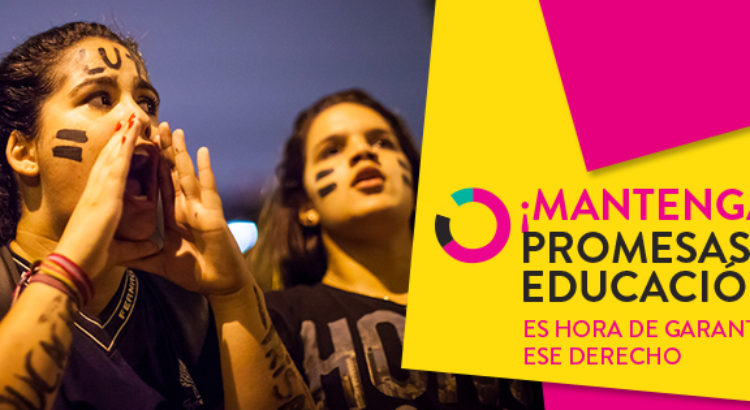
GCE’s Global Action Week for Education in 2018 takes place between the 22nd and 28th of April, following up on last year’s theme of accountability for SDG4 and active citizen participation. GAWE 2018, entitled “Accountability for SDG4 through Citizen Participation” will continue focusing on holding governments and the international community to account for implementing the full SDG4 agenda – asking governments to “Keep Your Promises”.

After the Global Partnership for Education’s (GPE) Financing Conference at the start of 2018, where developing country governments, donor countries and various partners pledged to increase funds to education, it is time for governments to prove they are actually working towards financing public, equitable, inclusive and free education – it is time to act. That is why we are calling for governments to “Keep Your Promises” – pledges made towards funding SDG4 must be implemented effectively, ensuring that children and adults around the world can receive quality public education.

Education underpins many of the SDGs, and it is fundamental to the realisation of other rights. Governments must deliver on this goal, and citizens must play their part in holding them to account for it.

For this, citizen and civil society participation must be institutionalised in any decision-making process which impacts on their lives. Yet in too many countries the voice of citizens is being stifled; across all regions of the world, certain national governments have taken aggressive actions to shrink civil society spaces, from restrictions on funding, repression of ‘political activity’ or protest, and even direct criminalisation of civil society activity.

This year, the Global Campaign for Education is calling on governments to:

  • develop credible roadmaps for implementation of the full SDG4 agenda, with clear mechanisms for transparency, allowing for active meaningful participation of civil society;
  • halt the criminalisation and shrinking of civil society spaces, both nationally and internationally;
  • strengthen public systems and state capacities to ensure that education is free, quality, and equitable and reject turning towards low fee/”affordable” private schooling as an answer to the education crisis.

We are asking teachers, students, education campaigners and members of the public to take part in events happening all around the world during Global Action Week for Education, which runs from 22-28th April 2018.

For more information visit www.actionweek.campaignforeducation.org !

ABOUT GLOBAL ACTION WEEK FOR EDUCATION

Global Action Week for Education is one of the major focal points for the education movement. Created and led by the Global Campaign for Education, it provides everyone campaigning for the right to education with an opportunity to make targeted efforts to achieve change on the ground, with the added support of millions of members of the public worldwide joining together for the same cause.

From: http://www.campaignforeducation.org/en/global-action-week/global-action-week-2018

Comparte este contenido:

England: Why I became a music teacher: my students make me a better musician

England/ 23.04.2018/ From: www.theguardian.com.

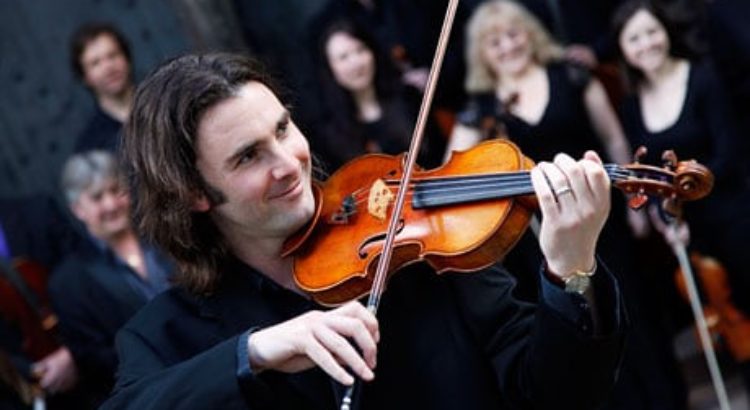
I started learning violin when I was around four years old. I’m a fifth generation violinist in my family. So playing the violin is part of my family history and I felt that keenly even as a little boy.

My own violin teaching was really outside of school. My dad found me an incredible teacher, Warren Jacobs, an Australian who taught mainly in Edinburgh and Glasgow. I do remember loving playing the violin from a very early age.

Even when I was a small boy I wanted to play music with other people. The National Children’s Orchestra (NCO) had a massive impact on my life and it’s so amazing to see it have the same affect on children now. Children aged eight to 14 are auditioned to find the finest musical talent in the UK. They come together at residential courses three times a year, at Easter, Christmas and the summer. As a boy it was so incredible to find and play with people who were as driven and passionate as I was.

I didn’t set out to become a teacher, I just knew I wanted to play the violin. I read music at Cambridge and then the Birmingham Conservatoir studies in violin.

I’ve never been taught how to teach, it’s something that has evolved over time. I always did a lot of informal teaching, but by the time I was 21, teaching violin had become a big part of my life.

It’s quite normal for classical musicians to teach alongside playing, as a way to make some money. When I’d finished my post grad at Birmingham I seriously needed to think about how I would make a living. I was a professional violin player but didn’t have a full time salary. More formal teaching was the obvious thing, but I found I just enjoyed it so much. A lot of performers teach because they have to. For me it was always very different, it was a pleasure not just a necessity.

Some of the greatest violin teachers I’ve met have spoken about how much we learn about ourselves as a player from teaching and that’s certainly true for me. I’ve always felt my teaching improves my performing and helps me to have an intelligent approach to my own practice. I literally don’t have any time to waste so I’ve got to get things done efficiently.

To begin with I taught privately. I’ve started children off learning to play the violin at the age of four. That’s something I really enjoy, to be there right at the start rather than ‘rescuing’ someone who may have been taught less well. It’s incredible when you see talent at a really early age, but at the same time less naturally talented students can do really well with good teaching

As my interest in teaching grew and I began to get regular freelance work with all different types of schools. I taught violin at Lichfield Cathedral school one or two days a week and worked on a fantastic scheme with Birmingham City Council music service where I taught group violin lessons in a number of state schools. There was even funding for one-to-one teaching if you came across a real talent. All the while I was performing all over the country.

Then I got married and my wife got tired of my driving all over the country all the time. So when the head of strings job at Uppingham School came up, I applied. Of course I’d had interviews for my freelance music teaching but this was a really serious process. I was so delighted to get the job three years ago and I’m enjoying it so much.

Before I was mainly teaching one-to-one violin but now I’ve got a proper job I’m also involved in organising musical events and of course I’m involved in pastoral care of our students as well.

My tip on keeping students inspired is to give them the responsibility for their music. I show them how to make their instrument sound as good as possible as early as possible. The target they have is to focus on making a brilliant sound and I try to empower them to teach themselves – to me that is the definition of being a successful music teacher.

It’s really wonderful to be involved in music teaching. I so enjoy watching young musicians and young people develop. I think every child should have the opportunity to learn an instrument – and there have been countless studies on how young people who are involved in classical music do better in their life and learning especially if they are involved in orchestras and can develop all that fantastic teamwork and ability to trust and interact with each other.

The National Children’s Orchestra (NCO) has remained a large force in my life. I now teach and conduct courses as well as auditioning for them in my spare time. It’s a real focus to go into state schools and identify the really talented children and we work closely with music hubs and services to do that. There are members of the NCO from all backgrounds – if we find the talent funding is there to make it happen. Last year we had a record number of more than a thousand kids auditioning, and there are 600 to 700 members of the orchestra, although not all of them play in the national concerts. So if music teachers reading this have discovered real talent in their students then they should get in touch with the NCO.

I’m so happy teaching and performing. I want to do more of the same and want to keep improving myself. That’s very much a musician’s mindset.

Alex Laing is head of strings at Uppingham school in Leicestershire. The National Children’s Orchestras of Great Britain are celebrating their 35th anniversary this year with a series of concerts including the Main Orchestra at the Barbican on Saturday 27 July.

From: https://www.theguardian.com/teacher-network/teacher-blog/2013/jul/21/teaching-music-musician-inspire-students


Comparte este contenido:

Libro: La (des)educación (PDF)

Estados Unidos / 22 de abril de 2018 / Autor: Noam Chomsky / Fuente: Google Books

A Noam Chomsky se le reconoce mundialmente como uno de los grandes intelectuales y educadores del siglo XX. Y, sin embargo, hasta ahora no se habían recogido en ningún libro sus escritos sobre la educación y la deseducación de los ciudadanos. En éste, el gran lingüista norteamericano critica duramente nuestro actual sistema de enseñanza. Frente a la idea de que en nuestras escuelas se enseñan los valores democráticos, lo que realmente existe es un modelo colonial de enseñanza diseñado primordialmente para formar profesores cuya dimensión intelectual quede devaluada y sea sustituida por un complejo de procedimientos y técnicas; un modelo que impide el pensamiento crítico e independiente, que no permite razonar sobre lo que se oculta tras las explicaciones y que, por ello mismo, fija estas explicaciones como las únicas posibles. Raras veces los profesores piden a los alumnos que analicen las estructuras políticas y sociales que informan sus vidas. Raramente se insta a los estudiantes a que descubran la verdad por sí mismos. En este libro, Chomsky nos proporciona excelentes herramientas para desmontar este tipo de enseñanza pensada para la domesticación de los ciudadanos: si los educadores rechazan el adiestramiento tecnocrático que les desintelectualiza para convertirse en intelectuales auténticos que denuncien la hipocresía, las injusticias sociales y la miseria humana, conseguirán que los estudiantes asuman el reto de ensanchar los horizontes de la democracia y de la ciudadanía y, junto a ellos, trabajarán para construir un mundo menos discriminatorio, más democrático, menos deshumanizado y más justo.

Link para la descarga:

https://drive.google.com/file/d/1uyodp3jiqr9LW1K9FD3LYn8XKOAeF7hL/view

Fuente de la Reseña:

https://books.google.com.mx/books/about/La_des_educaci%C3%B3n.html?hl=es&id=GQMH7v0KnZwC&redir_esc=y

Comparte este contenido:

Book: The State of Innovation in Higher Education: A Survey of Academic Administrators (PDF)

USA / April 22, 2018 / Autor: Dr. Jill Buban / Source: onlinelearningconsortium

The State of Innovation in Higher Education: A Survey of Academic Administrators
This report explores the drivers and barriers to innovation at U.S. higher education institutions. The report, which is based on a survey of more than 100 U.S. academic administrators, reveals what an innovative culture looks like and how higher education institutions define and employ innovation.

Download:

https://onlinelearningconsortium.org/read/state-of-innovation-in-higher-education/

Source:

https://onlinelearningconsortium.org/read/state-of-innovation-in-higher-education/

Comparte este contenido:

Revista de la Educación Superior: Volumen XLVII (1) Número 185 enero – marzo 2018 (PDF)

México /Autor: ANUIES / Fuente: ANUIES

Artículos

Reseñas

Link para la descarga:

http://resu.anuies.mx/archives/revistas/Revista185_S1ES.pdf

Fuente de la Reseña:

http://resu.anuies.mx/despliega/?Id=185

Comparte este contenido:

Libro: Pedagogía Waldorf una educación hacia la libertad

Informes del Movimiento Internacional de las Escuelas Waldorf
EDITORIAL RUDOLF STEINER

Título original: Erziehung zur Freiheit die pädagogik Rudolf Steiners Berichte aus der internatíonalen Waldorfshullbewegung
Traducción: María Luisa Varillas
Portada: Walther Roggenkamp
© 1972 Verlag Freies Geistesleben Gmbtt, Stuttgart
© 1989 Editorial Rudolf Steiner, Madrid

Descargar: Pedagogia Waldorf

Imagen tomada de: https://image.slidesharecdn.com/pedagogawaldorf-120901151119-phpapp01/95/pedagoga-waldorf-1-728.jpg?cb=1346512814

Comparte este contenido:

‘Las leyes de la termodinámica’: solo somos átomos, pero átomos enamorados

La cinta de Mateo Gil, una aproximación ‘a priori’ inédita a la comedia romántica que hibrida romance clásico con divulgación científica, funciona mejor en la teoría que en la práctica

«Lo fascinante de la ciencia es que tiene una explicación para todo», le asegura Manel (Vito Sanz) a su nueva pareja, Elena (Berta Vázquez), en lo que se supone que es una cena romántica. Joven apasionado de la física, este profesor ayudante en la universidad encaja en el rol prototípico de ‘geek’, el chico con unas habilidades para la ciencia y la tecnología inversamente proporcionales a sus dotes sociales. Manel lee el mundo y su propia vida a través de las leyes de la física, lo que le lleva a creer que todo está predeterminado. Y hasta aquí nada nuevo.

Pero la nueva película de Mateo Gil aplica la misma metodología de análisis a la propia historia de amor que narra. Desde un punto de partida de lo más original, ‘Las leyes de la termodinámica’ hibrida el documental de divulgación científica con la comedia romántica. Como el propio Manel, la película también examina los altibajos de la historia de amor del protagonista con Elena desde las reglas que marca el título. La hipótesis central sugiere que el deseo y la seducción no son tanto procesos químicos, como se dice habitualmente, sino físicos. Y así, las diferentes fases de una relación pueden explicarse a partir de leyescomo la que afirma que la energía no se crea ni se destruye, solo se transforma; que la evolución de algunos procesos es irreversible, o que nunca alcanzaremos el grado cero absoluto de enfriamiento… de una pasión.

Juan Betancourt, Berta Vázquez y Vito Sanz, en 'Las leyes de la termodinámica'. (Sony)
Juan Betancourt, Berta Vázquez y Vito Sanz, en ‘Las leyes de la termodinámica’. (Sony)

La película combina teoría y práctica desde estos dos registros opuestos. Por un lado, una serie de científicos de diversas partes del mundo nos explican de forma clara y pedagógica estas particularidades de su disciplina, centrada en la interacción del calor, desde el típico formato televisivo del busto parlante que habla a cámara. Por el otro, el filme nos muestra la aplicación práctica de esta teoría ejemplificada en la relación entre Manel y Elena. Así, lo que podría haber sido otra comedia romántica al uso, queda deconstruido a través de gráficos, vectores, análisis de movimiento y de trayectorias, y la pantalla como tablero explicativo.

Es cierto que el vínculo entre Manel y Elena responde a unos principios, pero sobre todo los de cierta comedia romántica. Su historia está planteada a través de esa atracción de los opuestos que se ha explotado en el género desde la ‘screwball comedy’. Manel es el enésimo hombre con un sentido muy rígido de su propia existencia que ve su sistema de valores tambalearse cuando se enamora de una mujer cuya concepción de la vida es mucho más espontánea. Él es el cerebral, introvertido y de apariencia física del montón; ella, emocional, extrovertida y modelo de profesión. La otra pareja de amigos que complementa la trama también responde a estereotipos del género. Pablo (Chino Darín) es un seductor compulsivo con pánico a comprometerse, aunque su nueva pareja, Eva (Vicky Luengo), quizá le haga cambiar de actitud.

 Chino Darín y Vicky Luengo, en 'Las leyes de la termodinámica'. (Sony)
Chino Darín y Vicky Luengo, en ‘Las leyes de la termodinámica’. (Sony)

A pesar de su perspectiva novedosa, ‘Las leyes de la termodinámica’ recuerda a cierto cine del cambio de siglo. Ese arranque en que colisionan, literalmente, las trayectorias de los protagonistas, así como la combinatoria entre los diferentes personajes, hace pensar en los filmes de historias cruzadas de finales de los noventa, que a su manera también llevaban a cabo un muestreo gráfico de las relaciones humanas en el mundo global y multicultural, y en tiempos de las emociones líquidas. Incluso la imagen que se transmite de Barcelona, el escenario de la trama, tiene más que ver con la ciudad que se puso de moda en los tiempos en que triunfaban hípsteres, publicistas y diseñadores gráficos que no con la actual urbe arrasada por la industria turística pero viva en movimientos sociales.

A pesar de su perspectiva novedosa, ‘Las leyes de la termodinámica’ recuerda a cierto cine del cambio de siglo

En otro momento de ‘Las leyes de la termodinámica’, un alumno inquiere en la clase de física donde Manel ejerce de ayudante el clásico «¿para qué sirve esto que nos estáis explicando?». Entonces, el protagonista se arranca a justificar cómo esa teoría abstracta se encuentra detrás de actos y situaciones cotidianas de lo más identificables. La cuestión del estudiante en parte recoge las inquietudes del espectador que, ya superada la mitad del metraje, también se plantea cuál es el sentido de todo ese despliegue teórico aplicado a un supuesto caso práctico.

Berta Vázquez y Juan Betancourt, en 'Las leyes de la termodinámica'. (Sony)
Berta Vázquez y Juan Betancourt, en ‘Las leyes de la termodinámica’. (Sony)

Hay que reconocer que las inesperadas aportaciones de los científicos en torno al tema que nos ocupa son de lo más interesantes y entendibles. Incluso cobran sentido en la estructura narrativa como paréntesis divulgativos que permiten respirar a la película cuando la trama romántica se estanca o deviene repetitiva.

Cartel de 'Las leyes de la termodinámica'.

Porque si la teoría funciona y resulta refrescante en el contexto de comedia romántica donde se introduce, la práctica en cambio flojea mucho más. Los personajes de ficción quedan demasiado limitados por su necesidad de responder a los planteamientos teóricos y formales, además de no desprender el suficiente atractivo para que sus aventuras y desventuras emocionales nos interesen más allá de lo que dictan las leyes de la termodinámica.​

Fuente: https://www.elconfidencial.com/cultura/cine/2018-04-20/cartelera-estrenos-leyes-termodinamica-mateo_1551916/

Comparte este contenido:
Page 334 of 571
1 332 333 334 335 336 571