Page 110 of 622
1 108 109 110 111 112 622

Educating Girls May Be Nigeria’s Best Hope Against Climate Change

Africa/ Nigeria/ 29.10.2019/ Fuente: www.sierraclub.org.

I will hammer with one hammer!
All day long!
All day long!

THE CALL-AND-RESPONSE IS ENTHUSIASTIC, rising above the sound of a fan whirring furiously in the corner of the room. About 50 women stand in a circle around the song leader, who pounds the air with an invisible hammer. When she gets to the second verse—»I will hammer with two hammers!»—she pumps both arms up and down, and the rest of the women follow. By the fourth verse, their feet have joined in, stomping the ground, and by the fifth, everyone is bobbing their head up and down too. As the song ends, the room erupts in laughter.

It’s a typical day at the Center for Girls’ Education. On this hot, breezeless afternoon in May, in the third week of Ramadan, most of the women are fasting, but their infectious energy gives no hint of this.

The Center for Girls’ Education (CGE) is located in a plain, single-story building on the campus of Ahmadu Bello University, in the northern Nigerian city of Zaria. Its offices are sparse: a big table, a few desks, a couple of computers. For large meetings, everyone sits on mats on the floor. The concrete walls are bare, save for sheets of paper scrawled with motivational messages like «Work Hard, Have Fun, Make a Difference.»

The purpose of today’s meeting is to give some visitors an overview of the organization, and it began with the center’s director, Habiba Mohammed, leading the staff in a «love clap» to make the visitors feel welcome: «[clap clap] Mmm, [clap clap] mmm, [clap clap] mmm, [clap clap] we love you.» Then staff members take turns introducing themselves. When it’s her turn, Mohammed says, «One thing I want you to remember about me is that I am still a girl.»

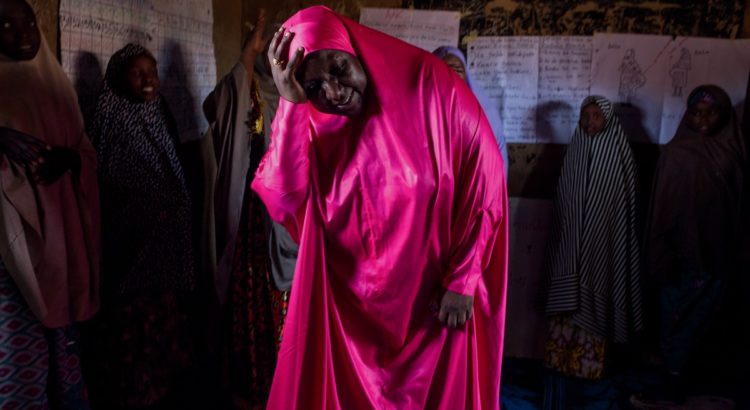
Habiba Mohammed, wearing a red hijab, acts out birthing pains while girls in the dark background are smiling.CENTER FOR GIRLS’ EDUCATION DIRECTOR HABIBA MOHAMMED ACTS OUT LABOR PAINS DURING A REVIEW OF REPRODUCTIVE HEALTH.

At 50, Mohammed isn’t exactly a girl, but with her friendly, open smile and generous laugh, she exudes youthful energy. Her statement seems meant to convey how closely she identifies with the girls CGE serves.

Over the past decade, CGE has helped thousands of impoverished adolescents in northern Nigeria stay in school or gain the skills they need to enroll. A joint program of the School of Public Health at UC Berkeley and the Population and Reproductive Health Initiative at Ahmadu Bello University, the center operates seven projects made possible by funding from institutions including the Bill and Melinda Gates Foundation, the MacArthur Foundation, and the Malala Fund. Thanks to such philanthropy, the center is growing fast. In 2016, its Pathways to Choice project expanded beyond Kaduna State into two other northern states. Another project, the Adolescent Girls Initiative, aims to reach 30,000 girls in at least three more states by the end of the year through a partnership with the United Nations Population Fund.

«In Nigeria, we have 10.5 million out-of-school children,» Mohammed says. «We are always hoping to help whoever wants to support girls, wherever that person is, even if we have to climb mountains or swim oceans.»

Since its inception, the Center for Girls’ Education has grown to a staff of about 70—nearly all of them Nigerian women, the majority of them Muslim, enabling the organization to fluently navigate northern Nigeria’s culturally conservative, mostly Muslim, rural villages to promote girls’ education. The organization’s local connections have allowed it to shift cultural norms without violating them as it advances the health and well-being of women and girls, and by extension entire communities.

«When a girl has an education, she will make a better person in her home, in the community, and everywhere she finds herself.»

The center’s success has broader implications too, as climate change starts to bear down on one of the world’s most populous nations. A large body of research confirms that when girls are educated, their families and communities are more resilient in the face of weather-related disasters and better able to adapt to the effects of climate change. Educated women have more economic resources, their agricultural plots reap higher yields, and their families are better nourished.

Staff members don’t tend to think about their efforts through the lens of climate change; nevertheless, they are helping to prepare the region to cope with, and try to avoid, the worst impacts of global warming.

THE CENTER FOR GIRL’S EDUCATION was founded in 2007 by US medical anthropologist Daniel Perlman. Northern Nigeria has some of the highest rates of maternal mortality in the world, and Perlman had been conducting research in and around Zaria on ways to prevent women from dying during childbirth. Maternal mortality is a multifaceted problem, but early marriage has been shown to be a significant factor—globally, complications from pregnancy and childbirth are the leading cause of death for 15-to-19-year-old women. In the communities where Perlman was doing his research, the average age of marriage for females was about 15, and sometimes girls would marry as young as 12.

Perlman found that while most families considered keeping girls in school a viable alternative to marriage, few were willing or able to enroll their daughters past primary school. Nigeria’s government-run schools are free except for registration fees and the cost of uniforms and supplies; for the poorest families, however, these expenses are prohibitive. The quality of education is also notoriously poor. One mother told Perlman that even though her daughter had graduated from secondary school, she didn’t know how to read or write, and the mother had decided not to send her younger daughters. According to Perlman’s research at the time, a quarter of the girls in the communities surrounding Zaria dropped out during the final years of primary school, compared with just 5 percent of boys. Of the girls who graduated from primary school, only a quarter went on to secondary school.

A teen girl in a purple hijab is bending over and writing on a chalkboard during a numeracy class in an out of school safe space.
A TEEN PRACTICES HER NUMBERS.

CGE set up its first program in the village of Dakace, a dusty collection of buildings inhabited by subsistence farmers and day laborers near Zaria. There, the center organized a handful of what it calls «safe spaces»—girls-only after-school clubs where 12-to-14-year-olds work with a mentor on reading, writing, math, and practical life skills. The hope was that with the extra support, girls would improve their academic performance at school, and families would be motivated to keep them enrolled, thus delaying marriage.

At first, the safe spaces were a hard sell. Mardhiyyah Abbas Mashi, an Islamic scholar and the chair of CGE’s board, led the center’s community-engagement efforts in Dakace. She met with thesarki—the village chief—and the local imam to enlist their support. A tall, elegant woman, Abbas speaks with calm authority. «As a teacher in Arabic and Islamic studies, and as a Hausa [the dominant ethnic group in northern Nigeria], I know the culture. I know the religion. So that is why we go to the community and we talk about the importance of girls’ education in Islam,» she says. «The very first commandment that came to the Prophet was to read. In Islam, knowledge is compulsory for you whether you are a man or a woman.»

The sarki and the imam agreed to the plan, but others in the community remained suspicious. Rumors flew: The real purpose of the safe spaces was probably to teach family planning, the point of which, everyone knew, was to get Muslim women to have fewer babies in order to reduce the Muslim population.

The sarki, Saidu Muazu, called a community meeting to address people’s fears. «I made them understand that there are a lot of boys continuing with their education, but girls are not continuing,» Muazu says, «and that when a girl has an education, she will make a better person in her home, in the community, and everywhere she finds herself.» Eventually, a small group of parents agreed to enroll their daughters in the safe spaces.
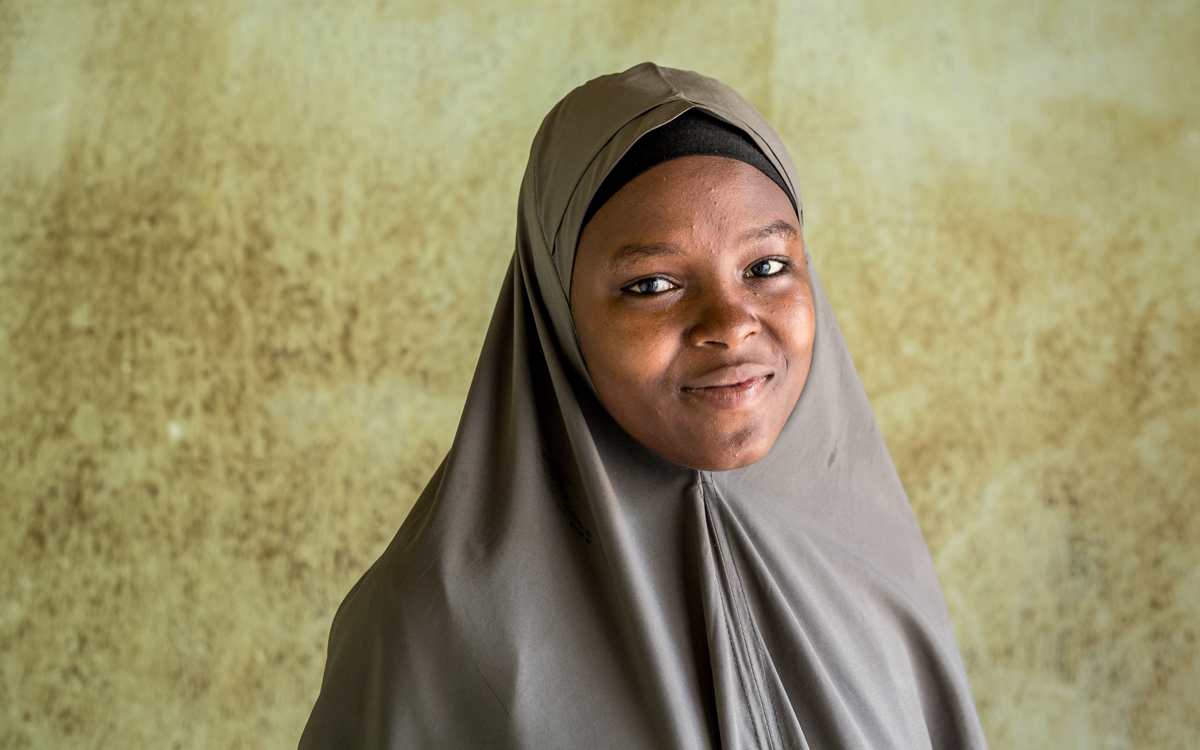
Amina Yusuf, 22, wears a brown hijab and smiles shyly at the camera.
AMINA YUSUF

Amina Yusuf was one of those girls. Despite having just finished primary school, she could barely recite the alphabet, let alone read a book. At the government-run primary school she had attended, she had been in classes with as many as 300 students. It was chaos. To maintain order, instructors would beat the students with sticks.

By the time Yusuf began attending a safe space at age 12, many of her friends were married. «I thought it was just a normal way of life,» she says. But her mother had received some education as a girl, and her father thought she should as well.

The safe space was held three afternoons a week. Unlike Yusuf’s teacher at school, the mentor knew her by name; if Yusuf didn’t understand a lesson, the mentor followed up with her individually. Plus, the snacks were good.

Yusuf would come home from the safe space and teach her seven siblings what she had learned and also share tips with her mother, like how to keep a clean kitchen so no one got sick. Her parents were impressed. In the past, her father had not paid much attention to her, but now he pointed her out to others, saying, «That’s my daughter.»

Mohammed was a mentor at one of the first safe spaces in Dakace. At the time, she was a teacher at a secondary school. Sometimes she had up to 90 students in a class, and she was also raising eight children. But in her first weeks as a mentor, she was taken aback by how difficult it was to work with the 15 12-year-olds in her safe space. They were unruly, and fights broke out, often for trivial reasons such as someone’s hand accidentally brushing someone else’s. «Whenever I came back home after my safe space, I had terrible headaches,» Mohammed recalls. «I’d think, ‘Should I continue this work? Am I really meant for it?'»

Mohammed had grown up in a family of three girls and one boy. Her mother had always encouraged her and her sisters to do their best. «In Nigeria, if you have a girl child, people tend to look down on you, thinking that you have not gotten a boy child that will carry the name of the family, but my mother always made us understand that a girl can do what a boy can do,» Mohammed says. «Even when I was married and I was going to school, my mother was always there to support me, helping me in whatever way she could.»

Thinking about this made Mohammed feel a deep responsibility to the girls in her care, despite the challenges of the work. She and the other mentors began meeting regularly to swap stories and advice, in essence forming a safe space for one another. Gradually, the girls’ behavior began to improve.

Over time, the center’s mentors, who are all volunteers, have gotten better at helping adolescent girls with little to no real education. They’ve incorporated movement, storytelling, and singing into their lessons to teach basic literacy and numeracy skills. It has been a quietly radical experiment, this refusal to give up on girls from the poorest families.

Maryam Albashir joined the program as a mentor in 2010 and is now a team leader for CGE’s Transitions Out of School project. «One good thing about working with this center is you learn to accommodate everybody, whether or not you are of the same status, wherever you are from,» she says. «We don’t really have that in our schools in this country. You get spanked; you get punished. However the teachers want to treat you, they treat you. We were supposed to enroll about 30 girls in a school, but the principal rejected them, and her reason was that she didn’t see people of their caliber coming into school. She didn’t give them a chance; she just defined them.»

In Dakace, Muazu says, there has been a big shift in attitudes toward girls’ education. «People within the community started seeing the impact in the girls, so they got impressed. Right now, the number of girls who are in school is more than the number of boys because of the help from the center.»

Girls who have graduated from the safe spaces frequently stay on and become what the center calls «cascading mentors.» Now 22, Yusuf works on a CGE project called the Girls Campaign for Quality Education, which teaches girls how to advocate politically for better access to education. She is enrolled in college and is studying science education. She is not married. «I want to make sure that I marry a man who will allow me to continue my education,» she says.

Perlman believes that the Center for Girls’ Education is succeeding in its original goal of decreasing maternal mortality: According to his research, the age of marriage for girls who participate has been delayed by an average of 2.5 years. But even if this were not the case, he would deem the program a success because of the way it has transformed the lives of girls like Yusuf. His data shows that 80 percent of the girls who went through the program in its first few years went on to graduate from secondary school. Now 70, Perlman still travels to Zaria frequently to collaborate with Mohammed and other staff members on program design and implementation. «Even old white men can be allies,» he likes to say, «as long as they understand that the people who have the problem have the solution.»

NIGERIA IS THE SEVENTH-MOST-POPULOUS nation in the world, with just over 200 million people living in an area roughly twice the size of California. And it’s growing fast—Nigerian women have, on average, five children. By 2050, the country is projected to have the third-largest population, with more than 400 million people, the vast majority of whom will be under the age of 24. Tens of millions of young people will need education and employment opportunities along with basic services like sanitation and clean water. Without these, they will be mired in poverty and vulnerable to extremism in a country that already contends with Boko Haram and other terrorist groups.

Add to this list of challenges the impacts of climate change. Nigeria’s northern border is perched on the edge of the Sahel, the semiarid belt that stretches across the southern rim of the Sahara Desert. By 2050, average temperatures in the Sahel could rise by as much as 2°C. Hotter temperatures will mean drier soil that retains less moisture, and this will make it harder to grow food, especially for subsistence farmers.

Yusuf Sani Ahmed, an agricultural expert at Ahmadu Bello University, says he already sees the signs of climate change in Zaria. «The temperature can be 44 Celsius, which is high, and the streams are becoming drier and drier.» Because the water table is low, he says, there’s less vegetation, and livestock have become thin and malnourished.

Ahmed is on good terms with the herders whose cattle graze near his fields, but he says that shrinking arable land coupled with too much development is exacerbating conflicts between farmers and herders throughout the north; violent clashes are on the rise. «There’s less available land, and also not much is growing because things are drier,» he says. «It is so competitive.»

Girls’ education plays an indirect but crucial role in helping to alleviate these complex problems. The book Drawdown—a compendium of strategies to reduce greenhouse gas emissions—places girls’ education at number six on its list of the 100 most effective solutions to climate change. Aside from helping communities become more resilient, girls’ education has a significant effect on population growth. «Women with more years of education have fewer, healthier children and actively manage their reproductive health,» the Drawdown researchers say, noting that, on average, a woman with 12 years of schooling has four to five fewer children than a woman with no education.

In a report for the Brookings Institution, Christina Kwauk and Amanda Braga call girls’ education «one of the most overlooked yet formidable mechanisms for mitigating against weather-related catastrophes and adapting to the long-term effects of climate change.» But they also warn that fixating too much on population growth in low-income countries can be fraught with ethical problems. «For one,» they write, «it places the cost for reproductive decisions on girls and women in the Global South while ignoring other anthropogenic factors that contribute to climate.» For example, the average American produces 16 tons of greenhouse gas emissions annually, while the average Nigerian emits only .55 tons.

Ultimately, improving girls’ access to education around the world helps address the strain that an increasing number of people places on fragile resources—for example, arable land and fresh water—in a way that advances basic human rights for women and girls. «If universal education for girls were achieved tomorrow,» Kwauk and Braga write, «the population in 2050 could be smaller by 1.5 billion people.»

When I feel labor pains begin, I go to the hospital!

HABIBA MOHAMMED STANDS before a group of about 20 girls in a dim room with mud-brick walls in the village of Marwa, not far from Dakace. She is a guest at today’s gathering, and she leads the girls in a call-and-response about going into labor and giving birth. While she sings, she trembles, grabs her back as if in pain, and doubles over. The girls imitate her gestures, their pink, red, blue, and green hijabs billowing.

This safe space began less than a year ago. The mentor, Khadijah Mohammed (no relation to Habiba), says that when they started, none of the girls could write their names. «Now they can write their names, the name of their community, their parents’ names, and so many other things,» she says. Most of these girls have never been enrolled in school; now they are preparing to take a placement exam to enter primary school. «They have ambitions now,» Khadijah says. «Some of them want to become doctors, some teachers. They have hope for their future.»

Today’s lesson is mostly a review of reproductive health—hence, Habiba’s call-and-response. «How do you know when you are pregnant?» Khadijah asks. «Once you are pregnant, when should you go to the clinic?» The girls talk over one another to answer.

CGE’s safe space curriculum includes a field trip to a medical clinic. For many students, it’s the first time they’ve been to one. Sometimes this is because the nearest clinic is far from where they live. Their families’ low social status can also interfere. «When they go to the hospital, they don’t feel very confident with the workers, so they don’t get what they want,» Khadijah says. On the field trip, the girls talk to nurses, doctors, and women who have just given birth. «Some of [the students] are very shy to the doctor during that visit,» Khadijah says, «but some of them are confident. They ask questions.»

Operating in a religiously conservative area, CGE does not explicitly teach family planning. Nonetheless, the girls who take part in the safe spaces are more likely to use birth control than those who don’t, partly because of the greater exposure to information they receive in school.

In their study, Kwauk and Braga also argue that higher levels of education are associated with strong measures of agency—or, «the ability to make decisions about one’s life and act on them to achieve a desired outcome, free of violence, retribution, or fear.» For this reason, girls’ education complements family-planning services, which on their own aren’t always effective.

Despite the efforts of CGE and other organizations working to advance girls’ education, fewer than one in three girls in sub-Saharan Africa attends secondary school. Advocates say that if some climate-adaptation funds—which are often focused on expensive, highly technical solutions—were delivered to organizations that educate girls, this low-tech, equity-focused response to climate change could rapidly scale up.

But for Perlman, Mohammed, and others at CGE, that isn’t really the point. Their work is, above all, about fostering female agency. The center has flipped the script that usually accompanies Western-led aid and development programs in poorer nations. Female education isn’t an instrument to some other goal—it is the goal, with the broader environment representing a kind of co-benefit. And this is exactly why it works.

«Something has really taken place to make people better,» Mohammed says, «and it is helping more girls to be able to have the support of their parents to allow them to continue schooling and to really achieve something with their life.

Source of the notice: https://www.sierraclub.org/sierra/2019-6-november-december/feature/educating-girls-may-be-nigerias-best-hope-against-climate
Comparte este contenido:

En Etiopia cada año mueren 96 mil bebes

África/ Etiopía/ 28.10.2019/ Fuente: www.trt.net.tr.

En el país en los años 2000 la muerte entre niños bajo 5 años fue  58 por mil y que esta cifra bajó hasta 37 por mil pero cada año los 96 mil bebés recién nacidos todavía por motivo de problemas de salud e higiene pierden la vida

En Etiopia por motivo de la insuficiencia en las condiciones sanitarias cada año 96 mil bebés perdieron la vida.

El informe preparado por el gobierno de Etiopia y el Fondo de las Naciones Unidas para la Infancia o Unicefque muestra la situación de mujeres y niños en distintos campos como salud y educación en el país, fue compartido con la opinión pública en la capital Adís Abeba.

En el país en los años 2000 la muerte entre niños bajo 5 años fue  58 por mil y que esta cifra bajó hasta 37 por mil pero cada año los 96 mil bebés recién nacidos todavía por motivo de problemas de salud e higiene pierden la vida.

El uso de agua insalubre e inseguro de nuevo a partir de los años 2000 bajó a 31% de 75%, en el país hay 2,6 millones de niños entre 7-14 años que no pueden ir a la escuela.

En el informe se señala que en el país hay casi 6 millones nueras minas bajo 15 años  y en este campo en los últimos 10 años fue obtenida una disminución de 20%.

En dicho informe fue señalado que Etiopia tiene que doblar los intentos para confrontar los objetivos de desarrollo sostenible de la ONU.

Fuente de la noticia: https://www.trt.net.tr/espanol/vida-y-salud/2019/10/21/en-etiopia-cada-ano-mueren-96-mil-bebes-1291979

Comparte este contenido:

Kenya: Ex Kasarani MP, 18 others summoned over Ksh 48m ghost school

Africa/Kenya/27-10-2019/Author(a): Claire Wanja/Source:www.kbc.co.ke

The Ethics and Anti-Corruption Commission (EACC) has directed nineteen people among them former Kasarani  Member of Parliament Elizabeth Ongoro to appear at Integrity Center over allegations of embezzlement of public funds amounting to 48,907,826 shillings.

Other allegations are failure to follow procurement laws by officials of Kasarani National Government Constituency Development Fund (NG-CDF) in relation to construction of non- existent Kasarani Girls ‘ High School.

In a statement Friday, EACC chief executive officer Twalib Mbarak said the commission established that the award of the contract for the construction of the school was made without due regard to the procurement laws, and that the school does not exist and that payments were made to different individuals and companies associated to the National Government Constituency Development Fund patron and committee members for services not rendered.

” Upon completion of the investigations and pursuant to section 35 of the Anti­ Corruption and Economic Crimes Act, the file was submitted to the Director of Public Prosecutions (DPP) who upon review has granted consent to charge twenty six (26) individuals and entities.” He said.

The persons will be charged with conspiracy to commit an offence of corruption; misappropriation of public funds; abuse of office; engaging in a project without prior planning; unlawful acquisition of public property; willful failure to comply with the law relating to procurement; fraudulent acquisition of public property;dealing with suspect property contrary to Section 47 (2) of the Anti­ Corruption and Economic Crimes and conflict of interest.

The commission has also arrested Kefa Omanga Omoi-Former Kasarani District Development Officer and Jecinta Akoth Opondi-Former Kasarani CDF Committee member over the ghost multi-million project.

The eighteen summoned are Mwalim Rashid Mrafi-Former Fund Manager, Kasarani CDF; Ruth Kanini Kitonyi-Former Kasarani District Development Officer; Silvan Onyango-Former CDF Committee member; Pamela Mudha-Former CDF Committee member; Nashon  Odongo – Former Provincial Accountant, Nairobi; Claperton  Ouda-Former CDF Committee member;Douglas Parshet-Former Fund Manager, Kasarani CDF and Vitalis Obunga Ogingo-Former Regional Accountant , Nairobi.

The others include businessmen Ferdinand Mas ha Kenga; Maric us Otieno;Peter A rning; Maurice Orongo; William Ogutu Wedo;James Juma Ochieng; Peter Ongeyo; Charles Owino; John Obonyo Owinga and James Miruka Dola.

EACC has been conducting investigations into the embezzlement of the funds and blatant abuse of procurement laws by officials of Kasarani NG-CDF.

Source and Image: https://www.kbc.co.ke/ex-kasarani-mp-18-others-summoned-over-ksh-48m-ghost-school/

Comparte este contenido:

Afganistán: Abusos en el parto

Redacción: Noticias ONU

Un estudio de la Organización Mundial de la Salud evidencia el abuso que sufren algunas mujeres durante el parto, al menos 60 civiles fueron asesinados en bombardeos estadounidenses a supuestos laboratorios de droga en Afganistán, y Costa Rica y España reciben premio de la UNESCO por dos proyectos que apoyan la educación de las niñas.

Mujeres abusadas durante el parto

Un estudio dirigido por la Organización Mundial de la Salud en cuatro países dejó en evidencia que más de un tercio de las mujeres sufren maltrato en los centros de salud durante el parto.

Esto puede incluir abuso físico y verbal, estigmatización y discriminación, procedimientos médicos sin su consentimiento, uso de la fuerza y abandono o negligencia por parte de los trabajadores de salud.

El estudio, realizado en Ghana, Guinea, Myanmar y Nigeria, encontró que el 42% de las mujeres experimentaron abuso físico o verbal, estigma o discriminación. El 14% sufrió abuso físico, generalmente bofetadas y golpes. También hubo altas tasas de cesáreas y exámenes vaginales no consensuados.

La investigación también evidenció que el abuso trasciende más allá del parto con altos niveles de abuso verbal, la mayoría de las veces con gritos, regaños y burlas. Algunas mujeres reportaron estigma o discriminación, típicamente con respecto a su raza u origen étnico.

La OMS recomienda a los Estados apoyo y capacitación a los proveedores de atención médica para garantizar que las mujeres sean tratadas con compasión y dignidad.

Fuente: https://news.un.org/es/story/2019/10/1463561

Comparte este contenido:

El empeoramiento de la calidad educativa en África complica el acceso de los jóvenes al mercado laboral

Redacción: El Economista

La calidad de la educación y de la formación profesional en los países africanos ha empeorado en el último lustro, lo que ha complicado el acceso de la población joven del continente al mercado labora, según un estudio de la Fundación Mo Ibrahim, con sede en Reino Unido.

El Índice Ibrahim de Gobernanza Africana (IIAG), el estudio más completo de este tipo, ha alertado de que «el ritmo de progreso actual va por detrás de las necesidades demográficas» en un país donde el grupo de edad mayoritario es ahora el de menores de 15 años.

Los expertos han establecido una correlación entre el empeoramiento de la calidad educativa y los obstáculos a la hora de obtener un empleo, especialmente en el sector terciario. «Esto ha provocado que la pujante población joven se enfrente cada vez a más complicaciones para entrar al mercado laboral», han advertido.

La ONU estima que el crecimiento poblacional a nivel mundial entre 2015 y 2050 recaerá en gran medida en África, continente al que corresponderá más de la mitad de esta subida en la cifra de habitantes del planeta. La organización estima que la población africana se duplicará antes de 2050 y podría doblarse de nuevo en el siguiente medio siglo.

Según el informe, solo ocho países africanos cuentan con un sistema de registros que haya cubierto en la última década al menos un 90 por ciento de los nacimientos, mientras que solo tres países cuentan con un nivel equivalente en el caso de las defunciones.

En general, los expertos echan en falta una base estadística clara, en la medida en que lastra la capacidad de las autoridades para supervisar los progresos y actuar en consecuencia. La fundación llama a atajar de forma «urgente» la «falta de datos», de tal forma que se pueda avanzar hacia un contexto en el que «nadie queda detrás».

El informe suspende a 54 países africanos en materia de seguridad

El informe suspende a 54 países africanos en materia de seguridad, Derechos Humanos, estabilidad económica, leyes justas, elecciones libres, corrupción, pobreza, sanidad, educación e infraestructuras, si bien en este último punto sí que se han detectado avances.

«Los gobiernos africanos no han logrado en términos generales traducir el crecimiento del PIB en oportunidades económicas a sus ciudadanos», han lamentado los expertos. «El progreso alcanzado desde 2014 se queda por detrás del rápido crecimiento de la población en edad de trabajar», han advertido

Fuente: https://www.eleconomista.es/ecoaula/noticias/10142455/10/19/El-empeoramiento-de-la-calidad-educativa-en-Africa-complica-el-acceso-de-los-jovenes-al-mercado-laboral.html
Comparte este contenido:

La educación en los campamentos de refugiados saharauis

África/25 Octubre 2019/ Ecsaharaui-Redacción Lehbib Abdelhay y Mariam Moulud/ ECS

Con la colonización española al Sáhara Occidental, la dinámica de la cultura saharaui cambió al mismo tiempo que cambiaron los roles tradicionales desempeñados por los hombres y mujeres saharauis. Después del descubrimiento de minerales en la tierra, muchos hombres trabajaban para el gobierno español en las minas de fosfato y otros entraban al servicio militar de la colonia. Aunque antes del colonialismo, la cultura literaria era más bien oral, sin embargo eran distinguidos en música y poesía. No obstante, después de un año de dominio español en el que tuvieron que adoptar nueva lengua y nuevas costumbres, los saharauis eran considerados de los más analfabetos de la región del Norte de África.

Siguiendo el ejemplo de sus países vecinos, quienes luchaban en contra del colonialismo, un grupo de jóvenes estudiantes formaron un movimiento de liberación que se ha conocido como el Frente Polisario, cuyo objetivo era conseguir la independencia del Sáhara Occidental y recuperar la cultura e identidad saharauis en los que la mujer era el centro de la sociedad. Y para ello, necesitaban la implicación directa de las mujeres. Entonces empezaron a combatir.

Por entonces, España había prometido al pueblo saharaui su independencia. Sin embargo, Marruecos y Mauritania reclamaban el territorio y tras el Acuerdo Tripartito de Madrid de aquel fatídico 14 de noviembre de 1975, firmado a espaldas del pueblo saharaui, el Sáhara Occidental fue invadida por Marruecos por el norte y Mauritania por el sur.

Ante la crueldad de la guerra, la mayoría de la población civil huyó a la parte suroccidental de Argelia donde se asentaron los campamentos de refugiados saharauis. La otra parte de la población quedó atrapada por la guerra. Mientras tanto, el recién formado Frente Polisario luchaba a doble bando contra Marruecos por un lado y Mauritania por otro. Entonces, las mujeres no dudaron en tomar las armas por primera vez en su historia y unirse a las filas del ejército del Polisario para luchar junto con sus compatriotas masculinos.

Las que se asentaron en los campamentos, tuvieron que construir con sus propias manos escuelas, centros de salud y demás administraciones públicas. A pesar de la poca base educativa, se convirtieron en médicas, enfermeras, estudiantes y profesoras. En fin, su participación fue clave en la construcción de la recién formada nación saharaui:

la República Árabe Saharaui Democrática (RASD). Durante estos tiempos cruciales, las mujeres recuperaron el papel que poseían antes de la invasión española, volviendo a convertirse en el pilar de la sociedad saharaui.

El Frente Polisario ha logrado conseguir una de los tasas de analfabetismo más bajas en toda África y en poco tiempo. El prestigioso británico The Guardian abordó el asunto.

Con el paso del tiempo y el conflicto bélico entre el Frente Polisario y Marruecos, las mujeres saharauis siguieron construyendo los campamentos, dándole prioridad a la educación de las generaciones siguientes. Y hoy en día, gracias a su gran labor, el pueblo saharaui puede sentirse orgulloso de haberse convertido en unos de los pueblos más educados de la región del Norte de África, con prácticamente el 100% de los niños escolarizados.

Después de 40 años en el exilio esperando una solución, las mujeres saharauis continúan siendo las protagonistas de la resistencia a la invasión marroquí en los territorios ocupados del Sáhara Occidental. Organizan manifestaciones, luchan por sus derechos como saharauis y se oponen diariamente a la opresión de las fuerzas de ocupación marroquí.

Mientras, en los campamentos saharauis, las mujeres ocupan cargos de liderazgo y tienen acceso a las mismas oportunidades educativas y profesionales que los hombres. Y la violencia machista es algo que no tiene cabida en la sociedad saharaui.

Las mujeres saharauis, tanto en los campamentos como en los territorios ocupados, luchan constantemente contra la ocupación y las duras condiciones de vida, sin embargo, siguen siendo una voz de esperanza y el símbolo de la liberación y la resistencia contra todo pronóstico.

Los campamentos de refugiados saharauis, albergan a más de 170,000 personas.

Aunque la vida en los campamentos de refugiados saharauis, uno de los más grandes del mundo con 170,000 habitantes, es dura, había una rica cultura de valoración a la educación que ha distinguido el Sáhara Occidental de todos los países de la región.

El Frente Polisario ha logrado conseguir una de los tasas de analfabetismo más bajas en toda África y en poco tiempo. «Estaba integrado en nuestra mente que la educación era la clave de todo», según resaltó la activista saharaui Tecber Ahmed Saleh en una entrevista con un diario australiano.

Durante cuatro décadas, la comunidad internacional no ha otorgado el derecho a la autodeterminación a la última colonia de África. Contra las armas de los militares marroquíes, la causa saharaui parece débil, contra el poder de las superpotencias parece pequeña, pero con su recurso natural más valioso, la educación y el intelecto, están construyendo las bases de un futuro Sáhara Occidental Libre. En el Sahara, añade la activista saharaui: “tratamos de hacer algo con esta vida para nosotros, pero la educación es la clave de nuestra lucha».

La tasa de analfabetismo en los campamentos saharauis baja a 0,9%

El Sáhara Occidental se convierte en el segundo país más alfabetizado del continente africano por detrás de Guinea Ecuatoria. Los expertos que trabajan sobre el terreno de las diferentes organizaciones internacionales admiran la labor de los líderes saharauis por fomentar e impulsar la educación en condiciones tan difíciles.

Los expertos de ACNUR señalan que al inicio de la invasión marroquí del Sáhara Occidental en el 1975, la tasa de alfabetización no superaba el 25% de la población. Por ello admiran la voluntad de los saharauis por aprender a pesar de las adversidades. Aunque reconocen que no es el primer caso de que un pueblo que fue expulsado de su tierra y en plena guerra, logre una proeza de este tamaño, la Autoridad Palestina ya lo logró en 2009.

La tasa de alfabetización del Sáhara Occidental es de un 96%, la cual se encuentra muy por encima de otros países como Marruecos, que cuenta con un 70,1 %, Egipto con un 66,4% o Túnez con un 77,7%.

Esto es en parte gracias a las medidas de educación impuestas por el gobierno del Sáhara Occidental, por sus acuerdos unilaterales con países como Cuba, Argelia, España entre otros (…) y sobre todo por las ayudas que proporciona a los estudiantes saharauis en las escuelas de los campamentos de refugiados (material escolar) y su deseo para seguir progresando y educando a los niños y jóvenes saharauis.

Se estima que en 2020, el analfabetismo será erradicado de la República Saharaui. Organizaciones sociales no gubernamentales elogian y admiran a los saharauis por tal logro, especialmente a los líderes que impulsaron la educación, una herramienta indispensable para crecer como persona. Además reconocen que no es muy usual en países en guerra encontrar altos índices de alfabetización.

El curso escolar comenzó la semana pasada, en concreto el día 15 de septiembre, en todos los campamentos de refugiados saharauis, un total de 40.000 alumnos iniciaron su rutina estudiantil, aquí lo detallamos: Inicia el curso escolar 2019 / 2020 en los campamentos de refugiados.

Fuente: https://www.ecsaharaui.com/2019/10/la-educacion-infantil-en-los.html

Imagen: https://scontent-mad1-1.xx.fbcdn.net/v/t1.0-9/72842469_3221198847906767_3616245013056323584_n.jpg?_nc_cat=111&_nc_oc=AQl-1BbcLvoNYotV

Comparte este contenido:

Migrantes africanos: más educación y nivel económico de lo esperado

Africa-Europa/25 Octubre 2019/Redacción Periodistas.es

Un informe de Naciones Unidas proporciona datos que contradicen la forma en que se percibe a los migrantes africanos en Europa, porque revela que conseguir trabajo no era la única motivación para mudarse y que no todos los migrantes irregulares eran pobres en África o tenían niveles de educación más bajos, informa James Reinl (IPS)

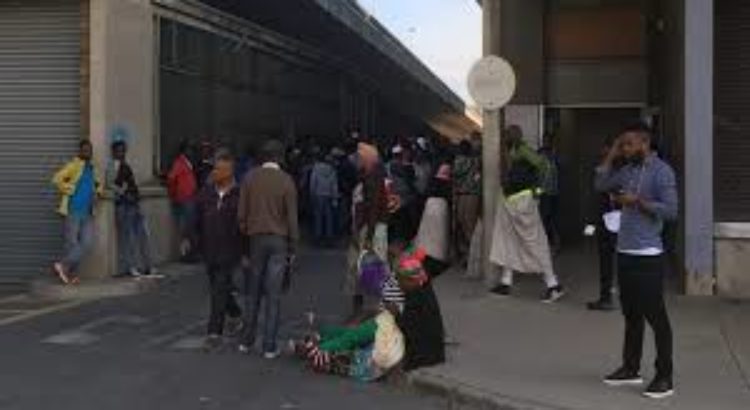
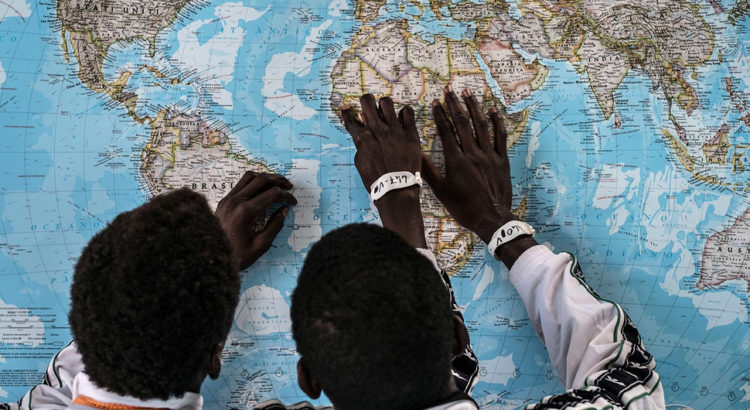
A menudo se asume que los migrantes del África subsahariana que arriesgan su vida para cruzar el mar Mediterráneo y llegar a Europa, son personas analfabetas y sin empleo, que buscan con desesperación huir de la violencia, la crisis económica y la corrupción en sus países de origen.

Pero una encuesta realizada entre cerca de 2000 africanos que viven como inmigrantes irregulares en Europa, reveló que tienen más educación de lo esperado y que en muchos casos habían dejado atrás empleos con mejores salarios del promedio nacional.

Es cierto, según ese sondeo, que los factores económicos impulsan a muchos migrantes africanos a salir de sus países, sortear los peligros del recorrido de miles de kilómetros a través del continente para llegar a las costas mediterráneas, atravesar sus aguas y, si no mueren en el intento, ingresar en forma irregular a Europa.

Pero el nuevo informe de las Naciones Unidas proporciona algunos datos sorprendentes que podrían cambiar la forma en que se percibe a esos migrantes africanos en Europa.

“El informe revela que conseguir trabajo no era la única motivación para mudarse y que no todos los migrantes irregulares eran pobres en África o tenían niveles de educación más bajos”, dijo el lunes 21 el portavoz de la Organización de las Naciones Unidas (ONU), Stephane Dujarric.

“Más de la mitad de los entrevistados estaban empleados o en la escuela en el momento de su partida, y la mayoría de los que trabajaban ganaban salarios competitivos”, indicó en la sede de la ONU en Nueva York.

El informe, llamado “Escalando vallas. Voces de inmigrantes africanos irregulares a EuropaS”, también encontró que 93 por ciento había pasado tribulaciones en su periplo como migrantes indocumentados, pero que aun así más de 90 por ciento de los encuestados se volverían a arriesgar en otro viaje similar si fuese necesario.

Los investigadores entrevistaron a 1970 migrantes de 39 países africanos que habían viajado sin la documentación requerida y vivían en trece naciones europeas. Habían migrado principalmente por motivos laborales y no buscaban asilo.

Descubrieron que los inmigrantes indocumentados a menudo no habían estado viviendo las experiencias que se consideran habituales en África subsahariana. Alrededor de 58 por ciento tenía trabajo o estaba estudiando cuando decidieron emprender un arriesgado viaje hacia el norte.

En promedio, los encuestados tenían tres años más de educación que el promedio de la gente de su edad en su país de origen. Además, aquellos que habían abandonado sus trabajos en sus tierras africanas, tendían a tener salarios mejores que el promedio.

Aun así, el dinero fue un gran factor de motivación para buscar una vida mejor. Alrededor de la mitad de los encuestados que dejaron el trabajo dijeron que no sentían que ganaban lo suficiente. Los salarios en Europa eran siempre mucho más altos que los que podían obtener en su tierra.

“El informe está destinado a mostrar una imagen más clara de por qué los migrantes irregulares se mudan de África a Europa”, agregó Dujarric.

El portavoz de la ONU consideró que “el informe pide más oportunidades y opciones en África al tiempo que mejora las oportunidades para pasar de la migración no gobernada a la gobernada”.

Según los investigadores, el empleo y el dinero no fueron los únicos factores. De los encuestados, 77 por ciento dijo que carecían de voz política en sus países de origen, y 62 por ciento dijo que sus gobiernos los habían tratado injustamente.

Achim Steiner, administrador del Programa de Desarrollo de las Naciones Unidas (PNUD), la agencia autora de del informe de 71 páginas, dijo que este muestra cómo los migrantes africanos a menudo abandonaron su hogar debido a lo que definió como “barreras a la oportunidad” y “falta de opciones” en economías plagadas de corrupción.

“El mensaje principal de este estudio es que la migración es una reverberación del desarrollo desigual y no suficientemente rápido para satisfacer las aspiraciones de la gente” que se produce en África.

También “le envía una fuerte señal a quienes hacen las políticas públicas”, dijo Steiner, para quien también habla “particularmente de una trayectoria de desarrollo que le está fallando a los jóvenes” africanos.

Los países de la Unión Europea han sido testigos del aumento de los flujos de migrantes en los últimos años, con personas que se ahogan en el mar durante travesías peligrosas en botes desvencijados y que a menudo se quedan atrapados en grandes e insalubres campamentos en Grecia y en otras naciones costeras europeas.

Esto ha aumentado las tensiones políticas dentro del bloque de 28 naciones, con Italia y otros adoptando políticas antiinmigrantes y gobiernos de países miembros luchando sin éxito por acordar una recepción común a los recién llegados.

“Tal como está, el bloque no tiene un sistema a través del cual los estados miembros puedan compartir la responsabilidad de acoger a los migrantes de manera justa”, dijo Shoshana Fine, miembro del grupo de expertos del Consejo Europeo de Relaciones Exteriores, en un informe este mes.

“Como consecuencia, continúan discutiendo entre sí sobre cuál de ellos debería albergar a los solicitantes de asilo y otros migrantes que llegan a las costas de Europa”, añadió.

Fuente: https://periodistas-es.com/migrantes-africanos-mas-educacion-y-nivel-economico-de-lo-esperado-135205

Imagen: https://i0.wp.com/periodistas-es.com/wp-content/uploads/2019/10/Migrantes-Yaounde-Mbom-Sixtus-IPS-.jpg?resize=696%2C438

Comparte este contenido:
Page 110 of 622
1 108 109 110 111 112 622