Page 403 of 622
1 401 402 403 404 405 622

Mozambique: Ferrao Leaves Government, Becomes Vice-Chancellor

Monzambique/28 de Noviembre de 2016/Allafrica

Resumen: El presidente Filipe Nyusi relevó el jueves al ministro de Educación, Jorge Ferrao, y lo nombró inmediatamente vicerrector de la Universidad Pedagógica (UP).

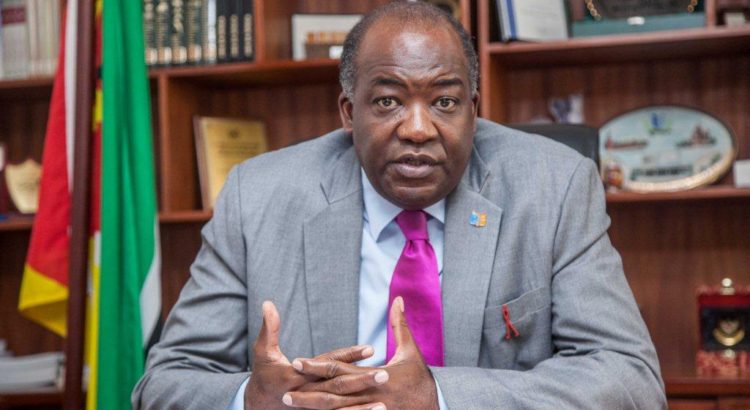
President Filipe Nyusi on Thursday relieved Education Minister Jorge Ferrao of his duties, and immediately appointed him Vice-Chancellor of the country’s largest university, the Pedagogic University (UP).

The main task of this university is to provide degree level training for teachers. It has around 52,000 students studying at its main campus in Maputo, and in its ten provincial delegations.

Ferrao replaces Rogerio Uthui, who had completed his second five year term as Vice-Chancellor. The appointment was something of a surprise since Ferrao’s name was not among those proposed to Nyusi by the UP University Council.

Ferrao has prior experience in running a university. He was the first Vice-Chancellor of Lurio University, in the northern city of Nampula, which was set up in 2006, and he was working there when Nyusi appointed him Education Minister in January 2015.

 Nyusi has not yet appointed a new Minister of Education to replace Ferrao.

Also on Thursday, Nyusi reappointed Orlando Quilambo as the Vice-Chancellor of the country’s oldest institution of higher education, the Eduardo Mondlane University. In this case, Nyusi accepted the advice of the University Council.

When the Council took its decision, Quilambo received 16 votes, and his two rivals, Louis Pelembe and Betencourt Capece, only picked up three votes between them.

Quilambo has been Vice-Chancellor since May 2010, and in the five preceding years he held the post of Deputy Vice-Chancellor for the academic area.

 Fuente: http://allafrica.com/stories/201611260013.html
Comparte este contenido:

Somalia: Unknown Gunmen Disrupt School Examinations in Kenya

Somalia/28 de Noviembre de 2016/Allafrica

Resumen: Desconocidos pistoleros han abierto fuego en un centro de exámenes en el condado de Wajir en el noreste de Kenia, interrumpiendo los exámenes en curso que están teniendo lugar en toda la nación de África Oriental.

Unknown gunmen have opened fire in an examination center in Wajir County in northeast Kenya, disrupting ongoing examinations which are taking place across the East African nation.

Regional government official Mohamud Saleh said a security operation has been launched to track down the suspects whom the locals and police say could not establish their motive. No injury was reported.

Saleh said the armed men forced their way into Abaqkorey High School and opened fire at the candidates just a few minutes after they had started their History paper, forcing the examiners to stop examinations for some minutes as security personnel there sought to establish the source of the gunshots.

«There were gunshots in the area that forced disruption of the sitting of History paper but security officials there did not establish the source and those behind the same.

«They fired back when the first shots rang,» said Saleh.

He added that there were six police officers manning the center at the time of the incident and some of them fired back when the shots were heard from outside.

The police said the students scampered for safety after they heard gunshots before the assailants fled into a nearby bush.

Wajir borders Somalia where Al-Shabaab have been mounting cross-border attacks.

Local police commander Caleb Wesa confirmed that no student was injured and that they had launched a manhunt for the two men.

«We are yet to establish the motive behind the attack but we are investigating the matter,» he said.

The center is in a small town and is in Habaswein district and near the border of Garissa and Wajir counties. The area is embroiled in clan fighting over boundary issues.

Saleh could not tell if those behind the shooting were Al-Shabaab gunmen or local militia involved in fighting over clan and boundary issues.

The Wajir region has been crippled by persistent insecurity incidents propelled by Al-Shabaab terrorists.

The incident comes after the police killed four Al-Shabaab militants in neighboring Mandera County on Sunday.

Al-Shabab has staged numerous cross-border raids since Kenya decided in October 2011 to send troops into Somalia to confront them. The group says it is fighting for an Islamic state in Somalia.

Fuente: http://allafrica.com/stories/201611250345.html

Comparte este contenido:

Si crees en la igualdad, tú eres feminista

Por: Gloria Lomana

Solo desde una visión liberadora e igualitaria acabaremos con la violencia machista.

Conmemoramos hoy el Día Internacional de la Eliminación de la Violencia contra la Mujer porque, desgraciadamente, al menos una vez al año debemos dar este aldabonazo contra lo que sigue siendo una auténtica pandemia global. Naciones Unidas considera que el 70% de las mujeres sufren violencia en su vida. Ejercida de muchas maneras: física (con un insoportable corolario de muertes que no cesa), psíquica (con no menos insoportables vejaciones hasta la destrucción de la mujer), social (imponiendo falaces estereotipos), laboral (impactando en los salarios y las oportunidades), educativa (ahogando la futura igualdad real). Todo lo que discrimina es violento, porque desconfigura el proyecto vital de una persona. Y la violencia de género puede ser tan sutil…

Cuando una niña tiene carácter es mandona; cuando el niño tiene carácter apunta relato de futuro. Cuando un hombre destaca, es triunfo; cuando una mujer es competente, se la presupone agresividad y ambición. Tanto tiempo atribuyendo a los hombres mayor capacidad de liderazgo y a las mujeres más sensibilidad, que no es de extrañar que las mujeres interioricen los mensajes negativos que reciben durante años. Y que la vida, luego, les evidencia. Por eso, tampoco es de extrañar que muchas mujeres abandonen en mitad de la carrera…

 La actriz Emma Watson, flamante embajadora de Buena Voluntad de ONU Mujeres, alertó hace dos años sobre los nocivos estereotipos con los que convivimos cotidianamente. Sin percatarnos. En su legendario discurso en Naciones Unidas dijo: “A los 14 años la prensa comenzó a sexualizarme… a los 18, mis amigos varones no expresaban sus sentimientos”. Emma presentaba la campaña mundial HeForShe, que ha delineado la visión del feminismo de nuestros días: el género no han de ser dos conjuntos opuestos. Ella lo expresó así: “Si apoyas la igualdad puedes ser uno de esos feministas involuntarios”. Hombre o mujer. De inmediato, Emma comenzó a recibir amenazas crueles. La violencia volvía a estar ahí.

Tras la liberación que nos legaron las hoy madres y abuelas, con su lucha en los sesenta, los hombres y mujeres de nuestros días sabemos que para erradicar la violencia machista primero debemos cambiar las mentes. De todos. Porque la equidad supera al género, alcanza los derechos humanos. Y se impone abandonar la idea de que la mujer es un hecho diferencial, cuando representa la mitad de la población. Sherill Sandberg, la exitosa directora de operaciones de Facebook, afirma en su revelador libro Lean in (Vayamos adelante) que “si las mujeres tuvieran el 50% de los puestos de mayor responsabilidad, sería prácticamente imposible sentir antipatía hacia tantas personas”. Cierto. Necesitamos un liderazgo femenino contundente.

Falta educación en las escuelas para acometer la decisiva tarea de educar por la igualdad a niñas y niños

Aupado en tacones si es nuestro gusto. Sin tener que aparentar masculinidad para demostrar liderazgo. Sin tener que acudir al trabajo con el bebé bajo el brazo para reivindicar derechos. Sin pretender sostener al niño con una mano y al trabajo con la otra. Los hombres no lo hacen. Las mujeres debemos renunciar a ser perfectas y aprender a compartir también las renuncias.

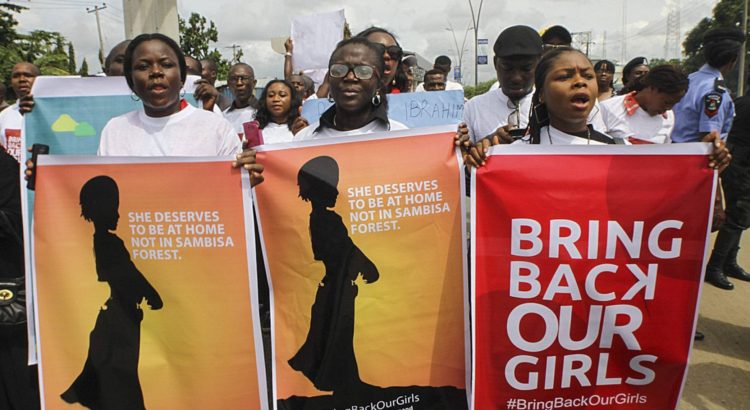
Solo desde esa visión liberadora e igualitaria acabaremos entre todos con la violencia machista. En nuestra cultura occidental. Fuera de nuestro círculo, la lucha ha de ser espeluznantemente más primaria: que las niñas no sean secuestradas, violadas, embarazadas y obligadas a matrimonios forzosos. ¿Quién se acuerda de las 200 niñas nigerianas secuestradas como esclavas sexuales?

Michelle Obama las recordó cuando llegó a España para explicar su campaña Lets girls learn y la espolearon porque venía de visitar África. Cierto que en España no estamos igual. Pero en España nos hemos tapado los oídos ante latrocinios muy cercanos, y no abrimos los ojos ante la educación que nos falta en las escuelas para acometer la decisiva tarea de educar por la igualdad a niñas y niños.

Ante la Embajada de Nigeria se habría manifestado, quizás sola, Soledad Cazorla, primera fiscal contra la Violencia sobre la Mujer, que ejerció hasta que la enfermedad se la llevó a la tumba. Sin ver en España su sueño cumplido: “Esto tan terrible de la maté porque era mía se va a acabar de una vez”. Pues no se ha acabado, Soledad. Nigeria es el infierno, sí, pero aquí las mujeres asesinadas siguen siendo un escarnio social. Y las mujeres maltratadas siguen temiendo denunciar al agresor.

Contra el maltrato machista, pintemos todos y todas, en los próximos días, “el mundo de naranja”, como nos invita a hacer Naciones Unidas. Para un futuro más brillante, sin violencia. El naranja era para el rey del color, Kandinsky, símbolo de alegría y triunfo. Buen presagio.

Fuente: http://elpais.com/elpais/2016/11/24/opinion/1480009294_964250.html

Comparte este contenido:

Ghana: Free Education – Praiseworthy but Not Feasible

Ghana/28 de Noviembre de 2016/Allafrica

Resumen: La educación puede ser vista como una fábrica donde los seres humanos son refinados y enviados al mercado de trabajo. Los seres humanos no nacen en blanco como expresó John Locke.

Education can be seen as a factory where human beings are refined and sent out into the labour market. Humans are not born blank as John Locke expressed.

Rather every individual is born raw. This implies that an individual is born with certain concealed abilities.

These endowments of humans are also referred to as inborn potentialities. Human abilities are blunt not blank and need analogous devices to sharpen them.

It is these fundamental principles that informed great philosophers and educationists from the classical orientation to stress the importance of education.

In fact, education has ranked as the best legacy any conscientious leader, government or parent bequeaths their wards and people.

But in all these quality education determines the standard of growth achieved by any society.

Some erudite philosophers such as John Stuart Mill, Alfred Marshal, Karl Marx, among others had succinctly argued that state investment in education is the most costly of all capital input in human beings.

Likewise, a Nigerian political genius and educationalist, the late Chief Obafemi Awolowo, opined that if Nigerians wanted to modernize and live in peace, free education at all levels must be provided for all the citizens (Awolowo, 1968).

This was strongly supported by Fawehinmi (1974) who maintained that free education at all levels in Nigeria would save the country from slow, lopsided economic development and other socioeconomic ills that plague an illiterate society. In Ghana, some political parties have promised to provide free (progressively free) Senior High School education.

These promises are confirmation of the position above. But, realistically, can education actually be free? It is to provide some answers to this question that this piece posits that however praiseworthy the idea of free education is, it may not be feasible.

 The concept of free education is a very intricate one.

The concept ‘education’ itself is so complex that it has no universally conventional definition. According to Nwagwu, «free education» entails so many things.

In other words, free education means the removal of every constraint to sound and quality education. It means the establishment of various kinds of schools and expansion of school curriculum to ensure that each child develops according to their ability, age, interest and so on.

It means the establishment and provision of library facilities, technical and vocational equipment, recruitment and retention of qualified and adequate manpower. It means tuition free; free feeding, free books; free accommodation, free transportation, free uniform and other personal uses of the learner.

Free education also means the removal of every socio-cultural impediment to the child’s education. Only when these impediments are totally removed can we talk about education being free.

The partial implementation of the above can never qualify the system as free because the presence of any one of the above constitutes a critical constraint to the child’s access to education (Nwagwu, 1976).

 In Ghana the argument has reigned for sometime now that free education is a feasible option to ensure that those who cannot afford education can also have one.

And that, it is disingenuous for people who benefited from free education to now oppose one meant for the unfortunate poor.

 In fact, Nana Addo and the NPP, in the run-up to the 2012 general elections in Ghana, argued that less than one percent of Ghana’s GDP, which translates into about 78 million Ghana cedis at the time, could be used for the first three months of their free SHS implementation in 2013, if they won the December 7 polls.

Assuming without admitting that this calculation was right, it will mean about 234 million Ghana cedis of our GDP would have to be used every quarter for the project. What is even not clear was how much of the proposed expenditures would take care of household average spending on education.

Households on average spent GHC88.65 on a household member’s education, according to Ghana Living Standard Survey 2010 report. So, the argument is whether the economy can absorb the cost of free education or not. To that extent one would not be faulted to argue that the idea is praiseworthy but not feasible.

Rather than commit such an amount to just one sector of the economy, we need to grow the economy where jobs will be created to absorb the masses, especially, the unemployed graduates as well as the skilled ones.

When the economy expands and grows and people have gainful employment with well measured incomes, they will be able to afford high school education on their own without guaranteed financial support from the government.

Not only will this boosts consumption, it will in turn spur more investments. It will also help alleviate poverty and lead to improvements in the standards of living for the ordinary Ghanaian. Enhanced incomes will also result in savings, which savings the banks will make available as loans for more business growth.

The expedient thing for our politicians to do now is to make sure that the requisite infrastructure is in place to encourage the private sector to set up businesses by creating more jobs. Government has to make sure that the country has adequate and unlimited, uninterrupted 24/7 energy supply; adequate water supply for consumption, sanitation, and industrial purposes; more good roads to move goods and people faster; a fair legal system; a robust banking sector; small and medium enterprise/business development agency; investment tax incentives, modern communication and ICT systems to mention but a few.

How can we industrialize when the above are wanting? It is just simply impossible to achieve industrialization of the economy without needed infrastructure in place.

What we need is concrete and sustained efforts to move the economy to its fullest development.

Instead of free senior high school education, what we need to do in terms of education is to resource the schools adequately and restructure the education process to make it relevant to the development of the economy.

We need to produce graduates with the requisite knowledge and skills suited for employment or continued education to the tertiary level.

Our educational system needs to be retooled to produce entrepreneurs who would start their own businesses. Ghanaians need jobs in order to enable them to pay their own bills, including the cost of senior high school education.

Our schools need better classrooms, well equipped science and computer laboratories, well trained, better remunerated, and highly motivated teachers, and above all, relevant development oriented curriculum suited for the 21st century.

We must, therefore, be careful not to reduce education to mass literacy and mass copying or even mass certification.

Fuente: http://allafrica.com/stories/201611251009.html

Comparte este contenido:

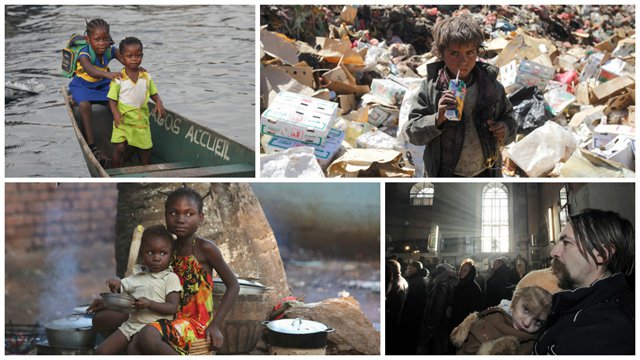
Los diez países donde es más difícil ser niño

Por: La Patilla

Este domingo 20 de noviembre se celebró el Día Universal del Niño, una fecha que además de recordar la puesta en marcha de una declaración que garantiza sus derechos, busca concienzar a la población de que millones de niños en varios países del mundo carecen de los mismos y se encuentran en medio de conflictos, pobreza y falta de recursos.

Afganistán. Además del prolongado conflicto armado, el país ha sido víctima de desastres naturales que han deteriorado la prestación de servicios de salud y educación, afectando a más de un millón de menores.

Birmania. La crisis política que atraviesa el país y los conflictos armados entre musulmanes y budistas en el estado de Rakáin, han convertido a los niños en las mayores víctimas.Birmania. La crisis política que atraviesa el país y los conflictos armados entre musulmanes y budistas en el estado de Rakáin, han convertido a los niños en las mayores víctimas.
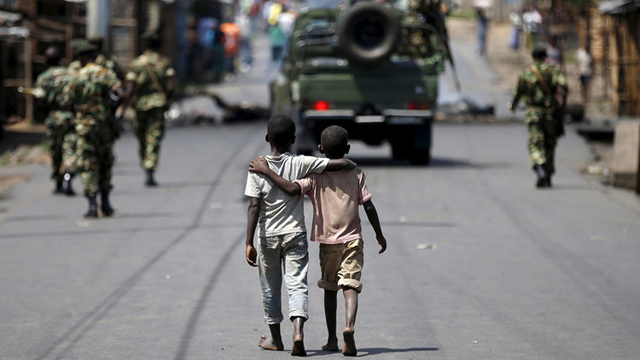
Burundi. Considerado uno de los países más pobres del mundo, se enfrenta una grave crisis alimenticia que ha obligado a más de 84.000 personas, en su mayoría mujeres y niños, a desplazarse a países como Tanzania o Ruanda.Burundi. Considerado uno de los países más pobres del mundo, se enfrenta una grave crisis alimenticia que ha obligado a más de 84.000 personas, en su mayoría mujeres y niños, a desplazarse a países como Tanzania o Ruanda.
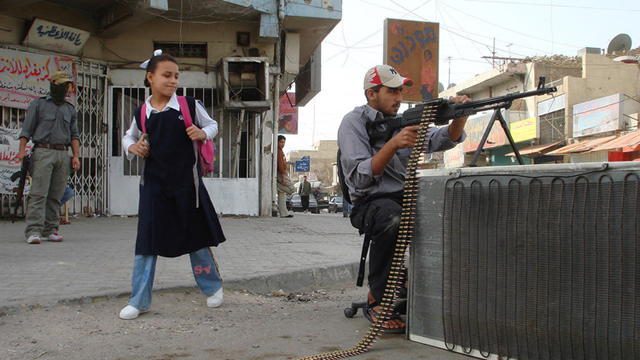
Irak. La crisis ha provocado que muchos niños abandonen sus estudios para buscar trabajo o alistarse en la guerra. Según la Unicef, más de 2,8 millones de infantes han abandonado sus hogares.Irak. La crisis ha provocado que muchos niños abandonen sus estudios para buscar trabajo o alistarse en la guerra. Según la Unicef, más de 2,8 millones de infantes han abandonado sus hogares.
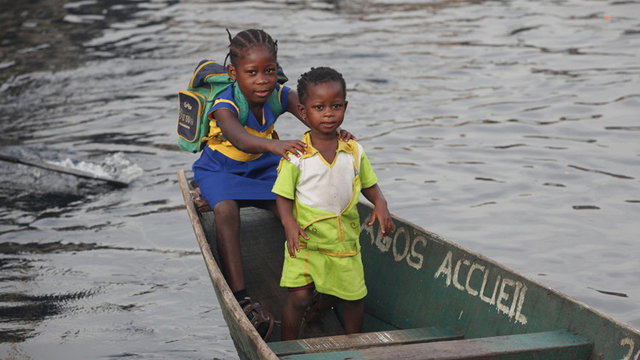
Nigeria. Se calcula que desde 2014 cerca de 250.000 niños sufren de desnutrición y gran parte de las escuelas y centros de salud han sido destruidos por el incremento de la violencia del grupo terrorista Boko Haram.Nigeria. Se calcula que desde 2014 cerca de 250.000 niños sufren de desnutrición y gran parte de las escuelas y centros de salud han sido destruidos por el incremento de la violencia del grupo terrorista Boko Haram.
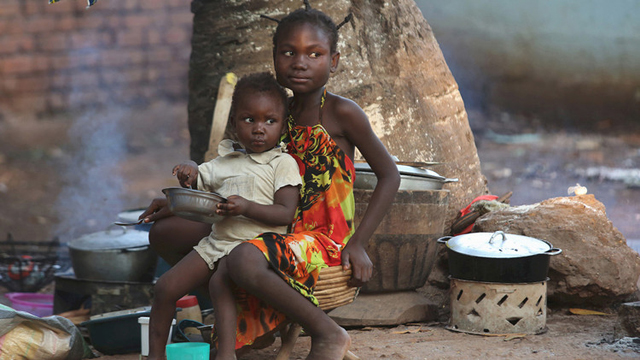
República Centroafricana. Miles de niños han sido víctimas de la explotación infantil y la violencia en medio del conflicto. Se calcula que más de 39.000 menores sufrirán de desnutrición aguda grave.República Centroafricana. Miles de niños han sido víctimas de la explotación infantil y la violencia en medio del conflicto. Se calcula que más de 39.000 menores sufrirán de desnutrición aguda grave.
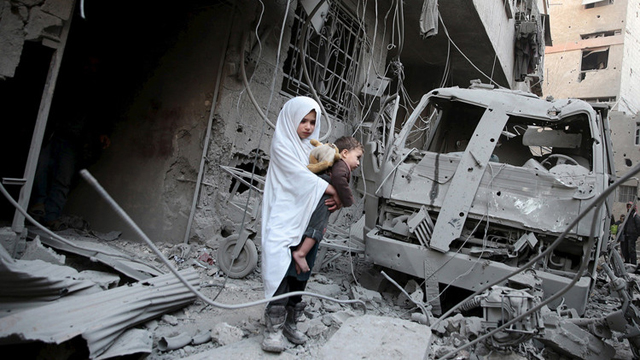
Siria. Más de dos millones de niños han abandonado la escuela y requieren de ayuda humanitaria a causa de la guerra. Se estima que la mitad de los refugiados que viven en condiciones de pobreza en países aledaños son menores de edad.Siria. Más de dos millones de niños han abandonado la escuela y requieren de ayuda humanitaria a causa de la guerra. Se estima que la mitad de los refugiados que viven en condiciones de pobreza en países aledaños son menores de edad.
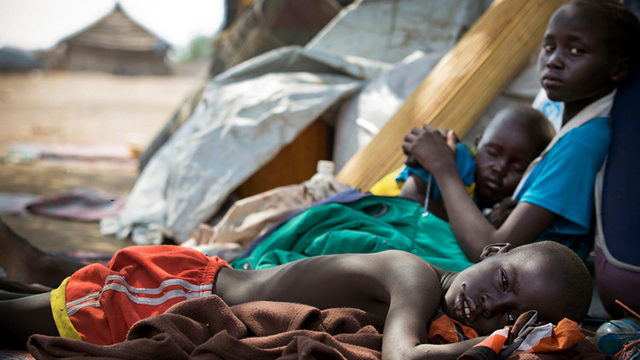
Sudán del Sur. A consecuencia de la guerra, aproximadamente 16.000 niños han sido reclutados por grupos armados desde el 2013. La Unicef calcula que otros 900.000 ahora son refugiados y 13.000 se encuentran desaparecidos.Sudán del Sur. A consecuencia de la guerra, aproximadamente 16.000 niños han sido reclutados por grupos armados desde el 2013. La Unicef calcula que otros 900.000 ahora son refugiados y 13.000 se encuentran desaparecidos.
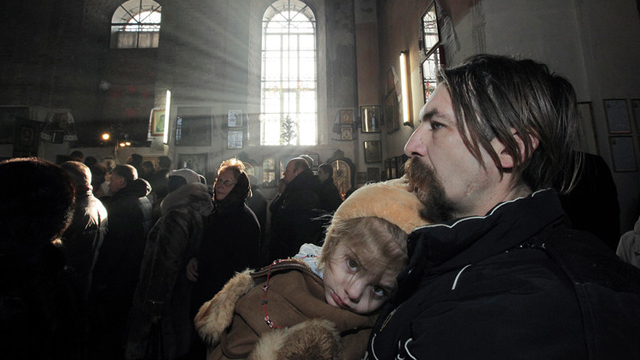
Ucrania. El conflicto civil que sufre el país ha afectado a unos 580.000 niños, que han tenido que vivir entre bombardeos y combates. Muchos de ellos se han visto obligados a dejar la escuela.Ucrania. El conflicto civil que sufre el país ha afectado a unos 580.000 niños, que han tenido que vivir entre bombardeos y combates. Muchos de ellos se han visto obligados a dejar la escuela.
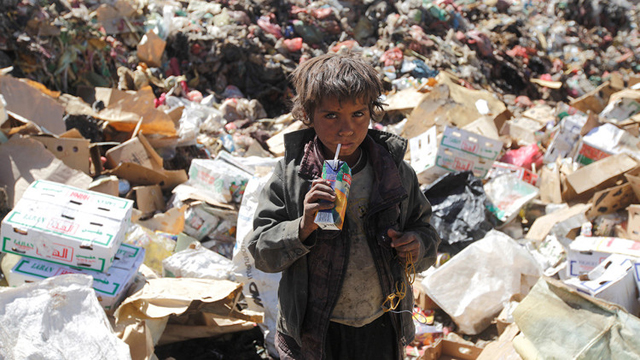
Yemen. 9,9 millones de niños requieren de ayuda humanitaria tras agudizarse el conflicto en el en el último año. Más de dos millones de menores han abandonado las escuelas tras su destrucción o reconversión en refugios para los desplazados.Yemen. 9,9 millones de niños requieren de ayuda humanitaria tras agudizarse el conflicto en el en el último año. Más de dos millones de menores han abandonado las escuelas tras su destrucción o reconversión en refugios para los desplazados.

Fuente: http://www.lapatilla.com/site/2016/11/25/los-diez-paises-donde-es-mas-dificil-ser-nino/

Comparte este contenido:

Zambia: Investing In Girls’ Futures In Zambia

Zambia/Noviembre de 2016/Fuente: The Huffintong Post

RESUMEN: Hay un dicho que dice «cuando educas a una niña, educas a una nación». Y la investigación realizada por el Unicef demuestra que invertir en las niñas y capacitarlas para que alcancen todo su potencial es fundamental para superar los ciclos de pobreza intergeneracional *. Sin embargo, hoy en día en todo el mundo las niñas y las mujeres todavía enfrentan barreras significativas para el empoderamiento social y económico. Esta toma de conciencia está detrás de la decisión adoptada por la Fundación del Grupo de Bolsa de Londres de asociarse con Unicef para abordar la cuestión de la falta de empoderamiento de las mujeres e invertir más de 1,2 millones de libras esterlinas en un proyecto dirigido a 11.200 niñas en Zambia durante el curso de tres años (2016-2018), mejorando sus posibilidades de acceder al mercado de trabajo formal y establecer su propio negocio. Zambia ha hecho grandes progresos a la hora de garantizar la equidad de género en el nivel de la escuela primaria; Sin embargo aún queda trabajo por hacer para cerrar las brechas en el nivel secundario. Aunque se sabe que tanto los niños como las niñas abandonan la escuela debido a la pobreza, las niñas adolescentes se enfrentan a un gran número de presiones adicionales debido a los roles familiares y maritales tradicionales. El embarazo representa más de la mitad de los abandonos escolares de las niñas de 16 a 18 años. Para empeorar las cosas, hay una falta de lugares de escuela secundaria en Zambia debido a la mala infraestructura escolar y las familias a menudo priorizar la educación de los hijos por delante de las hijas.

There is a saying that goes “when you educate a girl, you educate a nation”. And research by Unicef indeed shows that investing in girls and empowering them to reach their full potential is critical for overcoming cycles of intergenerational poverty*. Yet today around the world girls and women still face significant barriers to social and economic empowerment.

This awareness is behind the decision taken by the London Stock Exchange Group Foundation to partner with Unicef to address the issue of women’s lack of empowerment, and to invest over £1.2 million in a project aimed at training and mentoring 11,200 girls in Zambia over the course of three years (2016-2018), improving their chances to access the formal jobs market and set up their own business.

Zambia has made great progress when it comes to ensuring gender equity at primary school level; however some work remains to be done to close the gaps at secondary level. While both boys and girls are known to drop out of school due to poverty, adolescent girls face a great number of additional pressures because of traditional family and marital roles. Pregnancy accounts for over half of school dropouts of girls aged 16-18. To make matters worse, there is a lack of secondary school places in Zambia due to poor school infrastructure and families will often prioritise the education of sons ahead of daughters.

When in 2015 the London Stock Exchange Group asked its staff where they thought the business should direct its charitable donations, it was the empowerment of girls in Zambia that really resonated. LSEG subsequently went into partnership with Unicef with an ambition to realise the potential of girls in Zambia through the Zambian Girls 2030 initiative.

This programme will contribute to one of the Sustainable Development Goals, also known as “Agenda 2030,” that the United Nations’ Sustainable Stock Exchanges Initiative, which London Stock Exchange Group is an active member of, has identified as relevant to the role of exchanges- that of gender equality. The programme is also in line with the Zambian government’s plans to raise the aspirations of young women going through the education system in the country.

In collaboration with a network of schools and with the support of local educational organisations, Unicef will give girls an opportunity to learn business skills and receive professional training and mentoring. Girls will have the chance to attend career counselling with a focus on the skills needed to enter the Zambian job market. They will be supported with applications to higher education and receive training in key business skills such as marketing, sales and finance.

By working together with Unicef, we hope to support young women, their families and communities to perceive the role of women in society in a different, more powerful way. One of the big reasons LSEG employees are so supportive of this programme is that it has clear, measurable objectives and it is run in collaboration with the benefitting country, through the relationship established by Unicef with the local education system and local experts. We believe that investing in girls is an investment in the future growth and prosperity of a country and we look forward to seeing the future success of these young women in Zambia.

Fuente: http://www.huffingtonpost.co.uk/sara-lovisolo/investing-in-girls-future_b_13041340.html

Comparte este contenido:

Sudáfrica: No Student Should Be Denied Access to Higher Education

Sudáfrica/Noviembre de 2016/Fuente: All Africa

RESUMEN: El presidente Jacob Zuma dice que a ningún estudiante se le debería negar el acceso a la educación superior y al entrenamiento en Sudáfrica. El Presidente dijo esto cuando hizo preguntas orales en la Asamblea Nacional el miércoles. «El gobierno está comprometido a asegurar una educación superior asequible para todos y apoyar a los estudiantes pobres y trabajadores para acceder a la educación superior y la formación. «El gobierno apoya que las tasas universitarias deben ser reguladas y puestas a disposición de todos, no se debe denegar el acceso a ningún estudiante, porque sus familias no pueden pagar los honorarios.Como gobierno, queremos que todos los niños de familias pobres estudien en universidades y Colegios de TVET «, dijo. Al Presidente se le preguntó si el gobierno, con referencia al registro de estudiantes universitarios en 2017, llegó a un consenso con los estudiantes sobre si no debe haber tasas de matrícula. Dijo que después de consultar con una amplia gama de partes interesadas, incluidos los líderes estudiantiles elegidos, el gobierno anunció que todos los estudiantes en las universidades y los colegios de TVET de las familias con un ingreso de hasta 600.000 R $ experimentará un incremento del 0% de cuota.

El presidente Jacob Zuma dice que a ningún estudiante se le debería negar el acceso a la educación superior y al entrenamiento en Sudáfrica.

El Presidente dijo esto cuando hizo preguntas orales en la Asamblea Nacional el miércoles.

«El gobierno está comprometido a asegurar una educación superior asequible para todos y apoyar a los estudiantes pobres y trabajadores para acceder a la educación superior y la formación.

«El gobierno apoya que las tasas universitarias deben ser reguladas y puestas a disposición de todos, no se debe denegar el acceso a ningún estudiante, porque sus familias no pueden pagar los honorarios.Como gobierno, queremos que todos los niños de familias pobres estudien en universidades y Colegios de TVET «, dijo.

Al Presidente se le preguntó si el gobierno, con referencia al registro de estudiantes universitarios en 2017, llegó a un consenso con los estudiantes sobre si no debe haber tasas de matrícula.

Dijo que después de consultar con una amplia gama de partes interesadas, incluidos los líderes estudiantiles elegidos, el gobierno anunció que todos los estudiantes en las universidades y los colegios de TVET de las familias con un ingreso de hasta 600.000 R $ experimentará un incremento del 0% de cuota.

«This includes the poor and the so-called missing middle, who are students from households who have an annual income of between R120 000 and R600 000.

«This follows the announcement of the Minister of Higher Education and Training [Blade Nzimande] on the 19th of August 2016 that the university fee increase for the 2017 academic year should be capped at 8 percent.

«No institution has announced a fee increment of more than 8%. Government will carry a fee increase through a gap funding grant on behalf of all poor working class and missing middle families,» he said.

Presidential Commission on fees releases interim report

Earlier this year, the President established a commission of inquiry to look into the feasibility of fee free higher education and training in South Africa.

He said he has since released the interim report.

«Today [Wednesday] I released its interim report to the public. The report covers … the following areas: an overview by stakeholders of the terms of reference of the commission; post school education and training in South Africa and the funding of institutions of higher education and training and understanding their operational costs,» he said.

The President said the commission was yet to address five other areas, which include:

– The nature, accessibility and effectiveness of student funding by government;

– Private sector and foreign aid;

– The meaning and content of fee free higher education and training;

– Alternative sources of funding;

– Social economic and financial implications of fee free higher education and training and the extent of such a provision.

«The final report is expected on 30th June 2017,» he said.

Fuente: http://allafrica.com/stories/201611240208.html

Foto de archivo

Comparte este contenido:
Page 403 of 622
1 401 402 403 404 405 622