Page 515 of 621
1 513 514 515 516 517 621

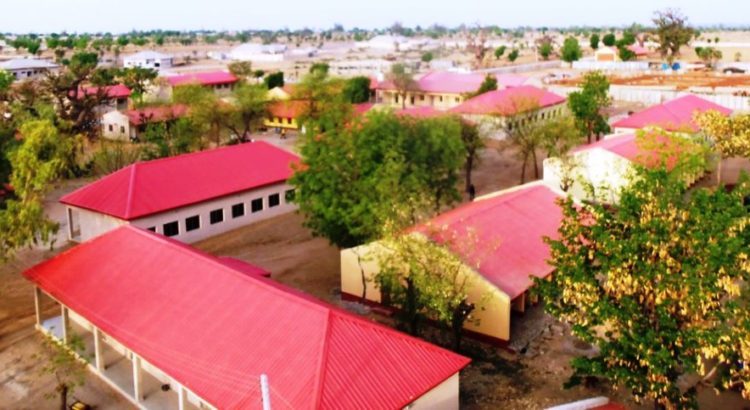
Nigeria: Federal University Dutsinma gets new registrar

África/Nigeria/26 Junio 2016/Fuente:Daily Trust /Autor: Habibu Umar Aminu

Resumen: El Consejo de la Universidad Dutsinma Federal de Gobierno ha aprobado el nombramiento de Aliyu Dalha Kankia como el nuevo Registrador de la institución. Una declaración del oficial de relaciones públicas de la universidad, Habibu Matazu dijo que el nombramiento que es de cinco años es a partir del 1 de junio 2016.

The Governing Council of the Federal University Dutsinma has approved the appointment of Aliyu Dalha Kankia as the new Registrar of the institution.

A statement by the Public Relations Officer of the university, Habibu Matazu said the appointment which is for five years is with effect from June 1st, 2016.

Born on February 23,1966 in Kankia, Katsina State, Kankia graduated from Ahmadu Bello University Zaria in 1989 with BSc (Hons) degree in Political Science and Postgraduate Diploma in Management Studies BUK (1995). The new appointee also holds Masters degree in Business Administration from BUK (2000), M.Sc International Politics from School of Oriental and African Studies, University of London, United Kingdom (2004) and Ph.D. Political Science (in view).

He also served as Lecturer II Department of Political Science and International Studies of the university, Deputy Institute Secretary, Institute for Development Research.

A former Deputy Registrar and Head of Council Affairs Department, ABU, Zaria, Kankia is a member of many pProfessional associations, including the Association of Nigerian University Professional Administrators (ANUPA),Chartered Institute of Administration (CIA) and member National Institute of Management(NIM).

Fuente de la noticia: http://www.dailytrust.com.ng/news/jobs-and-career/federal-university-dutsinma-gets-new-registrar/151532.html

Fuente de la imagen: https://scontent-mia1-1.xx.fbcdn.net/v/t1.0-9/179639_314551731960704_538625067_n.jpg?oh=613ee7627cafb9c287e27f92f4c98cc8&oe=57F428DA

Comparte este contenido:

En búsqueda de una educación ambiental

Cristian Frers

La preocupación por el ambiente posee una larga historia relacionada con la ciencia ecológica, ya que fueron los ecólogos los que primero dieron la voz de alerta con relación a un industrialismo contaminante y destructivo del planeta.

Frente a un panorama que se encuentra desolador ¿Quiénes comienzan a tomar al toro por las astas?… Un rol fundamental les cupo a las Naciones Unidas, quienes realizaron en 1972 la Primera Conferencia sobre el Ambiente, en el cual se creó PNUMA (Programa de las Naciones Unidas para el Ambiente), y se identificó a la educación ambiental como una de las armas más importantes para la preservación de la Tierra.

Por otro lado se financiaban estudios como los del Club de Roma, quien les decía a los banqueros y economistas que la naturaleza posee claramente un límite. La UNESCO y el PNUMA organizaron en 1977 la Conferencia Intergubernamental en Educación Ambiental, en Tbilisi (Rusia), y aquí nació formalmente la educación ambiental como una disciplina cuyos objetivos son: «Generar una conciencia clara de la independencia económica, social y ambiental y proveer a cada ser humano con las oportunidades para adquirir conocimientos, valores y actitudes que les permitan modificar sus patrones de comportamiento para proteger y mejorar su ambiente».

De acuerdo a la propia definición de la Organización de las Naciones Unidas para la educación ambiental: Esta educación permite reconocer valores y conceptos para crear habilidades y actitudes necesarias para comprender y apreciar la relación natural y social entre el hombre y su medio biofísico circundante, al tiempo que le da posibilidades de crear normas y códigos de comportamiento para lograr el mejoramiento de la calidad ambiental.

Para lograr esto, es necesario seguir los siguientes pasos: Dar a conocer a un público cada vez más amplio las causas principales del problema y lograr en él la comprensión y concienciación hacia éste, conocer, comprender, tomar conciencia y actuar, esa debe ser la dinámica y finalmente, formar una Asociación no gubernamental que congregue a todos los participantes activos en el proceso, con el objeto de organizar a profesores y estudiantes del sistema educativo nacional desde los niveles elementales hasta los postgrados, a todas las asociaciones civiles no gubernamentales y en fin a toda persona que responsable y organizadamente, basada en su propia experiencia o en la de los demás, desee actuar para ofrecer un proyecto alternativo y fundamentado que pueda dotar a los gobiernos de mecanismos de acción cuya propuesta emane de la sociedad civil organizada.

Esta asociación debe ser de cobertura nacional y debe contemplar redes de intercomunicación regional, de cooperación, capacitación e intercambio, para lograr trabajar en modificaciones y reforzamientos de la educación ambiental escolar (curricular y no curricular).

Hoy por hoy, mucho de los que se llama educación ambiental no tiene nada de educación ni de ambiental. Simplemente se la puede considerar propaganda verde, debido a la banalización de los conceptos ambientales en muchos ámbitos educativos.

A todos los que salimos a buscar una escuela o un jardín de infantes para nuestros hijos nos han ofrecido servicios como: «Minihuerto Ecológico», «Clases de Reciclado» y «Salas de Ecología». Al entrar, el minihuerto era una maceta con un tomate y una jaula con cotorritas al lado… Nadie niega lo emocionante que puede ser ver crecer una planta de tomate, pero la ecología y la educación ambiental son otra cosa, no necesariamente serias y aburridas, pero requiere una cierta metodología y especialmente un cierto cúmulo de información ecológica básica, y que si se considera a la educación ambiental como algo descolgado, automáticamente pasa a convertirse en un opción, que compite con las áreas de mayor importancia: matemática, lengua y ciencias, lo cual termina siendo contraproducente.

La clave está en la inserción en el sistema formal de educación oficial complementándose con la educación informal

. Las organizaciones ambientalistas no deben establecer programas o actividades alternativas de ningún tipo, porque en general los conservacionistas originan el peor material educativo del mundo, simplemente porque no son docentes. Además aun en los países donde la educación no es prioritaria y recibe magros fondos, el sistema oficial siempre cuenta con más posibilidades y recursos que las entidades de bien público.

De otra forma, se están generando chicos con angustia sobre el futuro de la naturaleza que asusta, chicos que le dicen a su padre que es un asesino porque fuma, chicos que cambian lamparitas de su casa a una de menor voltaje y no soportan la paradoja de los carteles luminosos de las calles; se generan chicos que consumen «antiecológicamente» latas de gaseosas, porque en la escuela, en las clases de ecología, éstas se reciclan. Cuando el mensaje correcto sería el siguiente: La naturaleza es como un enfermo; las generaciones precedentes lo enfermaron voluntariamente y a este enfermo terminal ellos deben cuidar para que mejore y no se muera. Este enfermo todavía está vivo y vale la pena ayudarlo a mejorar. La naturaleza, ante todo, nos da la oportunidad de disfrutar y de ser más felices de una manera generosa.

La educación ambiental en la Argentina está poco más que en pañales, pese a los esfuerzos y los planes oficiales que se están tratando de implementar, tanto en el Ministerio de Educación de la Nación como en los organismos equivalentes de las provincias, debido a: La falta de conexión entre las medidas individuales que se implementan y la problemática social, el carácter temporal de las acciones propuestas (no conducen a la formación de hábitos), no se permite desarrollar la creatividad de los sujetos, ya que no hay continuidad entre el contenido que se transmite y las concepciones y representaciones de los sujetos y para finalizar, la falta de la información sobre los problemas locales en conjunción con la problemática nacional. La asistencia oficial es escasa o prácticamente nula. Esto se debe, principalmente, a la precaria importancia que frecuentemente se da a la educación, tanto desde el estado como otros sectores de la sociedad, se traduce como una contracción del sistema educativo público, como efecto de un presupuesto bajo y la ausencia de un debate acerca de la calidad y beneficios de la educación impartida.

La mayoría de los problemas de conservación siguen siendo los mismos que a fines de la década del 60 y principios del 70: la contaminación, la deforestación, la desaparición de especies. Estos problemas no sólo continúan sino que se han agravado. Este hecho contrasta con la creciente preocupación del público, que peticiona por una mayor regulación por parte de los gobiernos, que presiona para promulgar nuevas leyes y que ha motivado la creación de organismos específicos que atiendan estas cuestiones. Si gran parte de estos problemas son antiguos, entonces se puede inferir que los éxitos de la educación tradicional en materia ambiental deben ser muy pocos.

A la buena predisposición de los docentes, que roban horas de sueño a su descanso para capacitarse en los a menudos espinosos temas ambientales, hay que sumarle que muchas de las direcciones educativas existen, pero no funcionan.

Los fascículos «Nueva Escuela» no llegan, los recursos económicos no alcanzan o sencillamente no existen y para terminar las instituciones terciarias no ofrecen carreras o postgrados para todas las especialidades que se necesitan cubrir.

Para conservar nuestros ambientes, necesitamos un sistema educativo dinámico, que tenga una clara relación con la realidad y con las necesidades de la sociedad. Dentro de dicho sistema hay tres aspectos críticos, íntimamente relacionados: el currículum vitae, la capacitación docente y los recursos didácticos. Ninguno de estos aspectos se están desarrollando adecuadamente.

Para subsanar estos problemas, la idea es proponer, con base a un conocimiento científico real, a través de una sociedad promotora del cambio ambiental autónoma, libre de presiones políticas, un plan de acción que el gobierno federal impulse en el país conjuntamente con la sociedad civil, a través de la consulta sistemática y abierta, para implementar en la práctica un proyecto alternativo comunitario, que tendrá auspiciado su propio éxito, por haber surgido en forma conjunta, después de escuchar los planteamientos organizados de una sociedad civil cada vez más capacitada, conciente y dispuesta a actuar.

Para encontrar una vida en armonía con el ambiente, lo primero que debe realizarse es obtener una población consciente de su pertenencia al todo que lo rodea. Se debe educar a las personas desde la infancia para que aprendan el cuidado necesario para no malgastar los recursos del planeta, para no ensuciar su entorno y para convivir con su vecino.

Fuente del articulo: http://www.internatura.org/educa/educa_frers.html

Fuente de la imagen: https://pixabay.com/static/uploads/photo/2014/04/17/23/26/environmental-protection-326923_960_720.jpg

Comparte este contenido:

Malawi: School pupils sit on ground in absence of chairs and desks

África/Malawi/26 Junio 2016/Fuente: AllAfrica/Autor: Chancy Namadzunda

Resumen: La secundaria Linga Community Day School(SADC) siempre ha contado con escasos estudiantes y padres que apoyen con sus contribuciones para satisfacer la demanda de materiales de aprendizaje.Dicha escuela tuvo un día de despertar cuando recibio una donación de 50 pupitres.

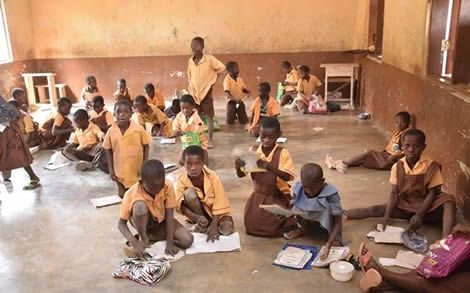
Linga Community Day Secondary School (CDSS) which has always relied on meager students and parents contributions to meet its demand for learning materials, desks inclusive, had an awakening day when Petroleum Importers Limited (PIL) came in with a donation of 50 desks worth K1.5 million.

According to Linga CDSS Head Teacher Donald Chikhungu, the school had only managed to purchase 200 locally made desk for over 1000 students enrolled at the schools.

Mostly, said Chikhungu, the desks were prioritized for senior classes leaving the junior classes with no choice but to sit on the floor.

«They were not even enough for senior classes. The students were always fighting for space everyday,» he said.

He could not rule out the shortage of learning materials as a reason that has contributed to some dropouts at school mainly from the girl learners.

Statistically, In Malawi, 3 to 5 students don’t have a desk or a chair hence making learning a hard thing.

PIL General Manager Enwell Kadango said the company was touched when they learned that the school through its own initiative, has been mobilizing locally made desks.

«It is that zeal and hafdworking drive that has attracted us to also come in and assist you in the spirit of helping those who help themselves,» he said adding that the desks were donated. In complementing the knowledge the teachers impart in the students.

According to Kadango, PILs overall goal is to assist government in its economic growth efforts with an empasis on education and health.

Recently, the company has made donations to Njuli, Kadzakalowa, Gumba and Mulunguzi Community Day Secondary Schools.

Linga CDSS has a catchment area of 25 kilometers radius.

Fuente de la noticia: http://allafrica.com/stories/201606170142.html

Fuente de la imagen:http://www.firstdigitalghana.com/wp-content/uploads/2016/04/Bole-students.jpg

Comparte este contenido:

Tanzania: Free education plan costs 18.8 billion each month

África/Tanzania/26 Junio 2016/Fuente: Dailynews /Autor:Daily News Reporters

Resumen:  A medida que continúa la ejecución del programa de educación gratuita en las escuelas públicas a nivel de primaria y secundaria, el gobierno ha realizado el desembolso de  18.8bn por mes para financiar el plan. El Viceministro de la Oficina del Presidente Regional (Administración y gobiernos locales), Suleiman Jaffo, realizo una  explicación al responder a una pregunta básica por asientos especiales MP, Tunza Issa Malapo (Chadema).

Dodoma — As it continues implementing the free education programme in public primary and secondary schools, the government disburses 18.8bn/- each month to fund the plan, the National Assembly heard yesterday.

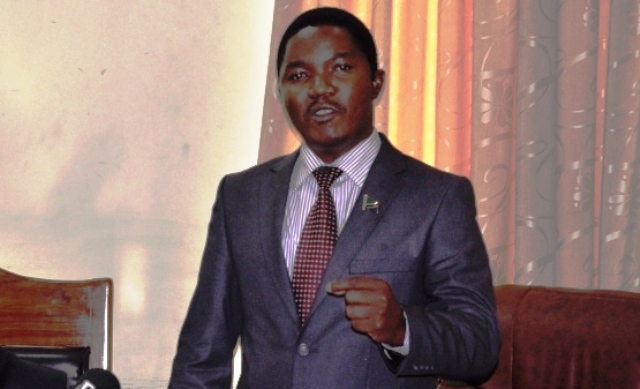
Deputy Minister in the President’s Office Regional (Administration and Local Governments), Suleiman Jaffo, made the explanation when answering a basic question by Special Seats MP, Tunza Issa Malapo (Chadema).

In her question, Malapo had wanted to know how the government was implementing the free-education by footing costs at the schools such as electricity and water bills, meals for students in boarding schools as well as other teaching materials.

The MP had expressed worries that implementation of the plan could spark disputes between heads of schools, teachers, parents and students as far as footing the costs is concerned.

In his response, Jaffo said the plan had started smoothly in many parts of the country and that guidelines were issued to regional authorities on implementation of the programme.

«The government is well prepared to ensure that there are no disputes between respective players in execution of the plan,» Jaffo explained, noting, however, that implementation of the plan has faced a number of challenges.

The Deputy Minister explained as well that the free-education programme does not prohibit parents and other stakeholders to contribute to improve the education sector, provided the contributions are made at will.

In another development, the government has pledged to improve facilities at teachers’ resource centres across the country in a bid to improve efficiency in the education sector.

Fuente de la noticia: http://dailynews.co.tz/index.php/home-news/50431-free-education-plan-costs-18-8bn-each-month-minister

Fuente de la imagen: http://dailynews.co.tz/images/jafonzuri.JPG

Comparte este contenido:

Sudan: President Al-Bashir Directs Fund for Students’ Welfare to Deal in Wise Educational Manner With Students Issues

África/Sudán/Junio 2016/Autor: Editor / Fuente: http://allafrica.com

ResumenEl Presidente de la República, Mariscal de Campo Omar Al-Bashir, ha dirigido el Fondo Nacional para el Bienestar de los Estudiantes para hacer frente a los problemas de violencia psicológicas, sociales y estudiantiles como una sabia vía educativa.

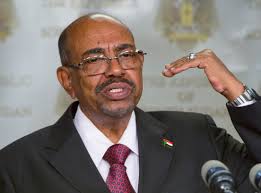
President of the Republic, Field Marshal Omer Al-Bashir, has directed the National Fund for Students’ Welfare to deal with the psychological, social and student violence issues in a wise educational way.

This came when he received in his office at the Republican Palace Wednesday the Secretary General of the National Fund for Students’ Welfare, Dr. Mohamed Abdalla Al-Nagarabi.

President Al-Bashir has underscored the importance of creating student support programs and expanding the establishment of university housing campuses in the coming period.

In a press statement, Dr. Al-Nagarabi said that he informed the President of the Republic on the performance of the fund in the past period, the preparations to accommodate the new higher education students, providing services for the higher education institutions in the states and the obstacles facing the fund’s performance.

He said that the meeting also reviewed the future projects of the National Fund for Students’ Welfare.

Fuente de la noticia: http://allafrica.com/stories/201606230147.html

Fuente de la imagen: https://www.google.co.ve/search?q=Smriti+Irani&client=ubuntu&hs=Gou&channel=fs&source=lnms&tbm=isch&sa=X&ved=0ahUKEwif3PX36cPNAhVCdj4KHQJ1COgQ_AUICCgB&biw=1366&bih=671#channel=fs&tbm=isch&q=Al-Bashir

Comparte este contenido:

Nigeria: Ogun Private School Owners Protest Over Multiple Levies, Others

Nigeria/25 junio de 2016/Fuente: Allafrica

Resumen:

Protesta del propietario de Ogun escuela privada a través de gravámenes Múltiples, Otros

Las puntuaciones de los propietarios de escuelas privadas bajo los auspicios de la Asociación Nacional de Propietarios de Escuelas Privadas, capítulo Ogun han llevado a cabo una protesta por supuestas múltiples gravámenes y cargas por el gobierno del estado.

Los propietarios de escuelas privadas que irrumpieron en la Unión de Nigeria Secretaría periodistas, Oke Ilewo, Abeokuta lamentaban el 50 por ciento de aumento en los cargos por el primer certificado de estudios examination.They dijo que se ha aumentado de N500 a N2,000.

Hablando en nombre de los propietarios, el presidente de la asociación, Alhaji Rilwan Hassan, dijo que el gobierno también ha aumentado las tasas para el certificado de examen de la Educación Básica en un 50 por ciento de N2,500 a N5,000.

Él explicó que no había disparidad entre las tasas que deben abonarse por las escuelas públicas y privadas para el gobierno del estado en estos dos exámenes.

Hassan dijo que la asociación había escrito tantas cartas a las autoridades competentes, incluido el Alake de Egbaland, Oba Adedotun Gbadebo, para intervenir en la situación, pero no hay respuesta.

El dijo: «Hemos llegado a apelar a través de usted y el público en general para ayudar llamamiento a Su Excelencia, el gobernador del estado de Ogun, el senador Ibikunle Amosun, para dar un respiro sobre temas que nos afectan como titulares de los centros privados y los padres que confían su niños en nuestras manos, que también son contribuyentes.

«Queremos que el gobierno a las decisiones sobre los cargos por BECE, FSLC, la señalización, la tasa de vecindad, las tasas de renovación y múltiples impuestos inversa.

___________________________________________________________

Scores of the private schools owners under the aegis of National Association of Proprietors of Private Schools, Ogun chapter have staged a protest over alleged multiple levies and charges by the state government.

The Private schools owners who stormed the Nigeria Union of Journalists Secretariat, Oke Ilewo,Abeokuta lamented 50 per cent increase in the charges for the First School Leaving Certificate examination.They said it has been increased from N500 to N2,000.

Speaking on behalf of the proprietors, the President of the association, Alhaji Rilwan Hassan, said the government had also increased the fees for the Basic Education Certificate Examination by 50 per cent from N2,500 to N5,000.

He explained that there was disparity between fees and charges payable by the public and private schools to the state government on these two examinations.

Hassan said that the association had written so many letters to the relevant authorities, including the Alake of Egbaland, Oba Adedotun Gbadebo, to intervene in the situation but no response.

He said, «We have come to appeal through you and the general public to help appeal to His Excellency, the Governor of Ogun State, Senator Ibikunle Amosun, to give respite over issues affecting us as owners of private schools and the parents who entrust their children in our hands, who are also tax payers.

«We want the government to reverse decisions on charges for BECE, FSLC, signage, tenement rate, renewal fees and multiple taxes.

«The disparity is what we say we don’t want, we are not saying there is no justification for the increment because of stationery, but for it to have been jacked up by 400 per cent, it is quite disheartening. We are not enjoying any benefit as private schools owners.

«We are assisting the government to employ staff into our schools and a lot of us are on loans. It is a social service we are rendering.»

Hassan said pupils from the private schools in the state have been doing well in the West African Examinations Council, where 55 private secondary schools were among the best performed schools, last year.

He said, «We are among the best 1,000 schools in WAEC last year, no single public school in Ogun State in the last WAEC is among the 1,000 and we have 55 private schools from Ogun State, that are among.»

Reacting to the allegation, the State Commissioner for Education, Modupe Mujota, said the increments were necessary given the current economic reality in the country.

Mujota said the increments were not a routine exercise adding that they have not been touched in the last four years.

She said, «The intention of the government was not to kill the schools adding that the decision was in line with the school fees being charged .

Fuente de la Noticia:

Nigeria: Ogun Private School Owners Protest Over Multiple Levies, Others

Comparte este contenido:

Costa de Marfil: African Ministerial Forum Stresses Urgency to Accelerate ICT Integration in Education to Achieve Africa’s Agenda 2063 and the SDGs

África/Costa de Marfil/Junio 2016/Autor: Editor / Fuente: allafrica.com

Resumen:  El Segundo Foro Ministerial Africano sobre la integración de las tecnologías de la información y las comunicaciones (TIC) en la educación y la formación, bajo el lema: «Impulsar sociedades del conocimiento integradoras en África para aplicar el Programa de África 2063 y los ODS terminaron el jueves 9 de junio en Abiyán con una conclusión más importante: es urgente acelerar la integración de las TIC en la educación y capacitación para desarrollar habilidades del siglo 21, avanzar en la sociedad del conocimiento y lograr Agenda de África 2063 y los Objetivos de Desarrollo sostenible (ODS).

The Second African Ministerial Forum on the integration of information and communications technology (ICT) in education and training under the theme: ‘Advancing inclusive knowledge societies in Africa to implement Africa’s Agenda 2063 and the SDGs’ ended on Thursday, June 9 in Abidjan with a major conclusion: it is urgent to accelerate ICT integration in education and training to develop 21st century skills, advance knowledge society and achieve Africa’s Agenda 2063 and the Sustainable Development Goals (SDGs).

Governments as well as education and training stakeholders are particularly invited to:

Move from policy to action by developing national and regional strategies and programs, as well as accountability mechanisms matching the ambition of the Global Agenda 2030 and Africa’s Agenda 2063;

Create an enabling environment for fostering partnerships to accelerate the implementation of ICT integration in education and training systems;

Accelerate the use of ICT to offer all learners an equal opportunity to access quality education;

Integrate skilling in digital technologies into all technical and vocational skills development programs;

Promote youth employment and self-employment through holistic training combining the mastery of the latest technologies, providing support for professionals and an incubation period for the creation of start-ups that include logistical and financial support;

Establish sustainable financing strategies through the development of partnerships with foundations, technical and financial partners, telecommunication regulators and operators as well as various digital solidarity funds;

Create multifunctional digital spaces accessible to all the actors of society (pupils, students, youth, women and other economic actors) to support education, health and environments conducive to business;

Design and deliver learning pathways tailored to the needs of children and young people affected by crises and conflicts as well as to the needs of other marginalized groups;

Implement mechanisms for prior learning assessment and certification of vocational and technical skills outside formal institutions, so as to promote access to employment, employability and mobility of young people;

Encourage, through incentives, the creation of training content drawing on indigenous cultures;

Build technological alliances to ensure that the latest advances in equipment and operating systems are extended to the African continent;

Provide schools with access to mini-networks and systems to ensure power supply.

Officially opened on June 8, 2016 by the Prime Minister of Côte d’Ivoire, Daniel Kablan Duncan, and closed by the Minister of National Education of Côte d’Ivoire, Kandia Camara, the Forum attracted more than 150 participants from 37 countries.

In their respective speeches, Oley Dibba-Wadda, Executive Secretary, Association for the Development of Education in Africa (ADEA); Bruno Koné, Minister of Digital Economy and Posts, Côte d’Ivoire; Kandia Camara, Minister of National Education of Côte d’Ivoire; John Galvin, Director of Intel Education; and Warren La Fleur, Microsoft’s Education Lead for West, East and Central Africa; reaffirmed their commitment to further support ICT integration in education and training in Africa.

In his address, the Ivorian Prime Minister commended especially the Association for the Development of Education in Africa (ADEA), for its technical support to the consultations on the issue of ICT integration in education in Africa.

On the way forward, the Ivorian Minister of National Education, Kandia Camara, said, «The Forum has shown that African countries are firmly engaged in the path of digital technology. Like Côte d’Ivoire, they aspire to become emerging countries and integrating ICT in education is a fundamental element towards achieving this.»

ADEA’s Executive Secretary, Dibba-Wadda said, «ICT integration in the education sector is a technical and policy issue that would guarantee continuous training to both the teacher and the learner.»

Jerome Morrissey, CEO of the Global e-Schools and Communities Initiative (GESCI) , underlined «the pivotal importance of education and skills development for future social cohesion, employment and for wider knowledge society development [… ] This means that countries must now re-focus on improving their education model through the incorporation of digital technologies,» he said, reminding the meeting that such a focus concurs with SDG 4 to «ensure inclusive and equitable quality education and promote life-long learning opportunities for all.»

Participants at the Forum included African Ministers and policy-makers in charge of education, higher education and scientific research and ICT; experts in the field of education and ICT from technical agencies, universities and research institutes; representatives of the private sector in the field of ICT; regional and international experts involved in the development and implementation of ICT integration policies in education; representatives of co-operation and development agencies; and representatives of pan-African bodies and regional economic communities working in the field of education and training.

Twenty-two African countries participated in the Forum including Angola, Benin, Burkina Faso, Côte d’Ivoire, the Democratic Republic of Congo (DRC), Djibouti, the Republic of Guinea, Kenya, Liberia, Madagascar, Mauritius, Morocco, Mozambique, Namibia, Niger, Nigeria, Senegal, South Africa, Tanzania, Togo, Zambia and Zimbabwe.

The 2nd African Ministerial Forum on the integration of ICT in education and training was organized by the Government of Côte d’Ivoire through the Ministry of National Education, the Association for the Development of Education in Africa (ADEA), the Global e-Schools and Communities Initiative (GESCI), the African Development Bank Group (AfDB), Intel, the United Nations Educational, Scientific and Cultural Organization (UNESCO), the international Organization of the Francophonie (OIF) and Microsoft.

Visit the Forum’s website at http://www.africaictedu.org for further information.

Media contacts:

– Stefano De Cupis, Senior Communications Officer, ADEA, T. +225 2026 4261, s.decupis@afdb.org

– Said Dosso, Communication Assistant, Ministry of National Education, Côte d’Ivoire, T. +225 2022 2957, youngsaid13@gmail.com

– Thanh-Hoa Desruelles, Senior Expert, Advocacy, Partner Relations and Communications, GESCI, T. +33/ (0) 4 99 43 59 22, thanh-hoa.desruelles@gesci.org

Forum Coordinators:

– Brahima Sangare, Advisor to the Minister, Ministry of National Education, Côte d’Ivoire, bsangson@yahoo.fr

– Tarek Chehidi, Senior Programme Development Specialist, GESCI, tarek.chehidi@gesci.org

– Shem Bodo, Senior Programs Officer, ADEA, s.bodo@afdb.org

Fuente de la noticia: http://allafrica.com/stories/201606241014.html

Fuente de la imagen: https://www.google.co.ve/search?q=abiy%C3%A1n&client=ubuntu&hs=L8E&channel=fs&biw=1366&bih=671&source=lnms&tbm=isch&sa=X&ved=0ahUKEwj23eeB5cPNAhVCdj4KHQJ1COgQ_AUIBigB#imgrc=TnqprUrv5GhIUM%3A

Comparte este contenido:
Page 515 of 621
1 513 514 515 516 517 621