Page 585 of 621
1 583 584 585 586 587 621

ODS/ Objetivo 10: Reducir inequidades

Es sabido que la desigualdad está en aumento y que el 10% más rico de la población se queda hasta con el 40% del ingreso mundial total. A su vez, el 10% más pobre obtiene solo entre el 2% y 7% del ingreso total. En los países en desarrollo, la desigualdad ha aumentado en 11%, si se considera el aumento de la población.

Para frenar este aumento de las disparidades, es necesario adoptar políticas sólidas que empoderen el percentil inferior de la escala de ingresos y promuevan la inclusión económica de todos y todas, independientemente de su género, raza o etnia.

La desigualad de ingresos es un problema mundial que requiere soluciones globales. Estas incluyen mejorar la regulación y el control de los mercados y las instituciones financieras y fomentar la asistencia para el desarrollo y la inversión extranjera directa para las regiones que más lo necesiten. Otro factor clave para salvar esta distancia es facilitar la migración y movilidad segura de las personas.

Reducir la desigualdad es uno de los 17 Objetivos Globales de la nueva Agenda para el Desarrollo Sostenible. Un enfoque integral es crucial para avanzar en los diversos objetivos.

Comparte este contenido:

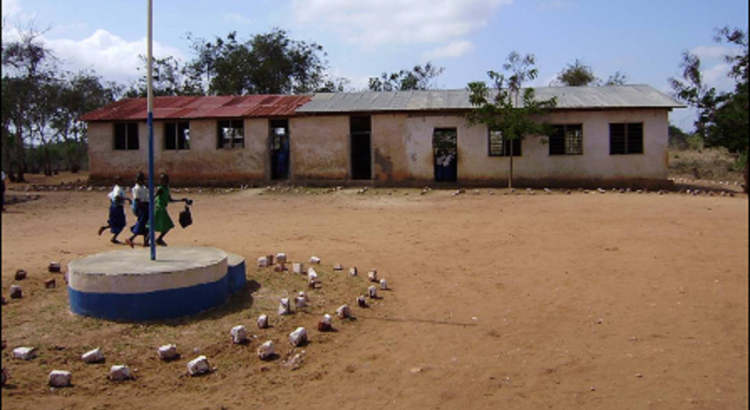
Tanzania: School awarded 500,000/ – for excelling in examinations

África/Tanzania/Abril 2016/Fuente: Tanzania Daily News/Autor:Peti Siyame

Resumen: El Consejo de Distrito Nkasi en la regiópn de Rukwa otorgó a una escuela primaria 500.000 /  luego de resultar en el primer lugar de la región según los resultados de la Evaluación Nacional (NSFA) . La escuela fue la primera a nivel regional entre 358 escuelas primarias y en el ámbito nacional se ubico en la posición 1250 entre 16.657 escuelas.


Sumbawanga — Nkasi District Council in Rukwa Region awarded Kilambo cha Mkolechi Primary School along the shores of Lake Tanganyika 500,000/- after emerging the first in the region following the 2015 National Standard Four Assessment (NSFA) results.

It is the school whose 40 pupils were forbidden to attend classes while wearing sandals popularly known here as ‘yeboyebo’ , their ‘yeboyebo’ were also burned by fire at the school ground according to the directive by the teacher on duty, Mr Baraka Mwakasege.

According to the National Examinations Council of Tanzania (NECT), the assessment results show that 33 pupils from Kilambo Cha Mkolechi who sat their exams did well as the school emerged the first among 97 primary schools in Nkasi district.

The same school emerged the first at regional level among 358 primary schools and at national level it grabbed the 1,250th position among 16,657 schools.

Acting Nkasi District Council Director Misana Kwangula lauded the ‘Daily News’ for reporting the ‘yebo yebo’ foot wear incident which helped him intervene by ordering the head-teacher to buy new shoes for the pupils.

«You did a remarkable, well done job for reporting such ‘yeboyebo’ incident. The good news is that the same school has excelled impressively on the National Standard Four exams,» he said. Mr Kwangula, also the Nkasi District Education Officer (primary schools) said his council would award 500,000/- to the school.

This paper had reported that pupils of Kilambo Cha Mkolechi Primary School wearing ‘yebo yebo’ were ordered by their teacher to remove the shoes when entering in class.

Fuente de la noticia:http://dailynews.co.tz/index.php/home-news/48527-school-awarded-500-000-for-excelling-in-examinations

Fuente de la imagen: http://old.solar-aid.org/project_solar_for_children/media/rural%20school%20in%20Mtwara%20Tanzania.png

Comparte este contenido:

Eritrea: Efforts to augment educational capacity


África/Eritrea/Abril 2016/Fuente: y Autor: Shabait.com

Resumen:En una reunión llevada a cabo en Aqordet se dio a conocer que, aparte de la buena relación entre los padres, los profesores y estudiantes de la contribución de las partes interesadas es fundamental para el fortalecimiento de la capacidad educativa.

Barentu — At a meeting conducted in Aqordet it was disclosed that other than the good relationship between parents, teachers and students the contribution of stakeholders is vital for the strengthening the educational capacity.

The school directors who attended the meeting called for identifying the problems for not starting the school year on time and for the introduction of a mechanism to enable the students at the junior level become competitive.

The head of schools in the sub-zone Mr. Abdalla Omar Karam indicated that more than two million Nakfa was spent by the MOE branch to renovate the schools in the administrative areas of Shelab, Aderde, Deret and Welet-Abarik that were damaged by heavy wind and rain.

In the sub-zone of Aqordet there are 40 schools providing educational services and 52 adult education centers.

Fuente de la noticia:http://www.shabait.com/news/local-news/21537-efforts-to-augment-educational-capacity

Fuente de la imagen:http://dailyblueplanet.com/wp-content/uploads/2016/04/efforts-to-augment-educational-capacity.jpg

Comparte este contenido:

Uganda: Islamic schools get 10,000 textbooks

África/Uganda/Abril 2016/Fuente: The Observer/Autor: Yudaya Nangonzi

Resumen: Después de 43 años de enseñanza improvisada,  Al-Muntada al-Islami Riad una ONG con sede en Arabia Saudita, ha donado libros de texto por valor de 100 millones de chelines a las escuelas que enseñan el Islam dentro de plan de estudios secular.

After 43 years of teaching by improvisation, the Al-Muntada Al-Islami Riyadh, a Saudi Arabia-based NGO, has donated textbooks worth Shs 100m to schools that teach both Islam and the secular curriculum.

The books were delivered to the Uganda Qur’an Schools Association (UQSA) head offices in Kampala on March 26. Receiving the donation, Sheikh Ahmad Yahaya Lukwago, the UQSA chairman, said this was a relief for teachers, who have been relying on borrowed, old and improvised teaching materials.

«We are very happy for this gesture. We have received over 10,000 copies and 230 schools will receive the books out of the 455 Islamic schools in the country,» Sheikh Lukwago said.

«Primary schools will each get 37 books, secondary schools [O-level] 120 books, and A-level 314 books.»

Lukwago added that they would organise seminars to guide primary school teachers on how to use the textbooks, written in Arabic, since these ones had not come with teaching guides.

The Saudi Arabia NGO is also planning to train 20 teachers, 20 directors of studies and 40 head teachers on how to teach Islam and on managerial issues. The training is expected to be held during the school holidays, with those completing the training receiving diplomas after the two-year course.

Sheikh Yusuf Byekwaso, one of the founding members of the association and chief guest at the event, noted that they had tried to write some books but lacked resources to publish them.

He charged the teachers to guard the books jealously.

«Those who have not got books should feel free to borrow from their colleagues, but under strict supervision. Record whoever has borrowed your book because you will be held accountable in case it gets lost,» Byekwaso said.

One of the teachers, Hussein Muhammad Nsimbe of City Side Islamic Junior School in Bujuuko, was pleased by the gesture.

«I have been borrowing from Katangawuzi Nansana Islamic PS and disturbing them all the time, but I’m now saying goodbye to them,» Nsimbe happily said.

 Sheikh Lukwago later asked for more well-wishers to support the schools with more copies, to ease the teaching of Islam. He also said that they needed 5,000 more Islamic teachers, noting that remunerating them was the biggest challenge since all the Islamic schools are «100 per cent» private.

According to Lukwago, more schools are needed in areas like Karamoja, which has only two Islamic schools, and in the Acholi sub-region.

Islamic schools in Uganda teach examinable subjects from primary level through secondary. For instance, subjects examined at primary level on the Islamic curriculum are Islamic ethics, Islamic history and traditions (Tarubiya), Islamic Jurisprudence (Fikihi), memorization and learning the teachings of Qur’an, (Qur’an) and Arabic language (Lughatul Arabiya).

Lukwago asked teachers, who don’t follow the syllabus, to join the association and be mentored on how to teach Islam.


Fuente de la noticia:http://www.observer.ug/education/43453-islamic-schools-get-10-000-textbooks

Fuente de la imagen:http://www.observer.ug/images/Islamic-books-donation.jpg
Comparte este contenido:

¿Cómo financiar la educación para cumplir con las metas al 2030? Arranca la Semana de Acción Mundial por la Educación

UNESCO OREALC / 16 de Abril de 2016

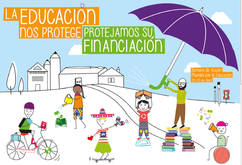
Los nuevos Objetivos de Desarrollo Sostenible desafían al mundo y a la educación para poder financiar las acciones para el logro de las nuevas metas. Este es el centro del lema de la Semana de Acción Mundial por la Educación 2016 (SAME) “La educación nos protege, protejamos su financiación”, acción mundial que moviliza a organizaciones de la sociedad civil del 25 al 30 de abril.

La Semana de Acción Mundial por la Educación es movilizada a nivel global por la Campaña Mundial por la Educación (CME) y es apoyada por la UNESCO. La cruzada de este año reúne a más de 100 organizaciones nacionales, regionales e internacionales para movilizar sobre el derecho a la educación de todos y hacer esfuerzos para promover la educación como elemento de protección frente a la pobreza y la exclusión social.

Para que este derecho se haga realidad, los gobiernos deben comprometerse a la financiación, especialmente los países en desarrollo, para cumplir con las promesas en un plazo determinado.

La SAME trabaja así en la sensibilización y movilización social de la CME y se organiza anualmente desde 2001 durante el mes de abril. La SAME es una semana de movilización ciudadana, fundamentalmente de niños, niñas y jóvenes, que pretende acercar las reivindicaciones de la Campaña a la sociedad en general y a los responsables políticos de cada país, y llamar su atención sobre la necesidad de hacer real el derecho a una educación básica de calidad.

La semana celebra todos los años a fines de abril, coincidiendo con la fecha en la que tuvo lugar la firma de la Cumbre de Dakar en el año 2000. Aunque las principales actividades de la SAME tienen lugar durante el mes de abril, se realiza un trabajo continuo a lo largo del año.

¿Por qué apostar por la educación?

Toda persona tiene derecho a una educación de calidad, pero en todo el mundo en desarrollo 57 millones de niños están todavía fuera de la escuela primaria, y otros 69 millones están fuera de la escuela secundaria baja. Estos desafíos, y muchos otros, son los que están en frente y es así como la inversión en educación hoy puede ayudar a financiar un futuro mejor mañana.

Si todas las mujeres tuvieran acceso a educación primaria, se reduciría n un sexto el número de matrimonios infantiles y la mortalidad infantil. Se evitarían dos tercios de las muertes maternas y también podrían prevenirse siete millones de casos de VIH/SIDA en la próxima década si cada niño recibiera educación. Cada año más de escolarización puede aumentar los ingresos de un individuo en un 10% y si todos los niños disfrutaran de la igualdad de acceso a la educación, el ingreso per cápita podría aumentar. Los beneficios económicos de la educación primaria universal superarían con creces el aumento en el gasto público necesario para lograrlo, e investigaciones recientes indican altas pérdidas económicas asociadas con grandes poblaciones fuera de la escuela:

A pesar de muchas cifras que apoyan cubrir esta necesidad, existe un gran déficit en la financiación, lo que lleva a una crisis de la educación en los países de ingresos bajos y medios. Los donantes en particular, no están cumpliendo con sus compromisos de apoyo a la educación básica en los países de más bajos ingresos. La Semana Mundial por la Educación apuesta por dar a conocer los beneficios de avanzar en educación y movilizar a todos y todas en esta senda.

Más información sobre las actividades a nivel mundial:

  • Campaña Mundial por la Educación
  • Fund the future. Education
Comparte este contenido:

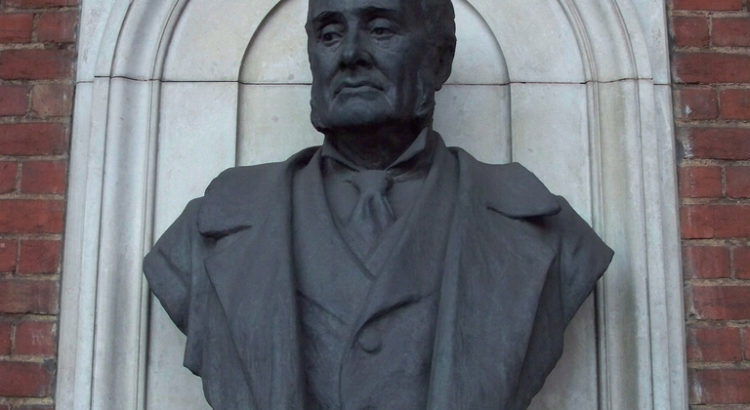
Kenya: Matiang’i launches committee to spearhead curriculum reform

África/Kenya/Abril 2016/Fuente:Capital News /Autor: Simon Ndonga

Resumen:El Ministerio de Educación ha puesto en marcha un Comité Directivo Nacional para dirigir las conversaciones sobre reformas curriculares. El secretario del gabinete Educación Sr. Fred Matiang’i indicó que el grupo de trabajo está conformado por las distintas partes interesadas y ello permitira brindar una dirección apropiada al proceso de revisión integral del plan de estudios.

Nairobi — The Ministry of Education has launched a National Steering Committee that will spearhead talks on curriculum reforms.

Speaking during the launch on Thursday, Education Cabinet Secretary Fred Matiang’i said the taskforce which comprises various stakeholders will give proper direction to the process for a comprehensive curriculum review.

The CS revealed that the taskforce has 36 members which include teachers unions and faith-based organisations and is expected to deliver the new guidelines within two months.

«We are going to be inclusive and we will be very consultative in doing this. We in the education sector must now live with this new reality that we must work together. No one has got all the answers to all the questions and no one has got all the wisdom to be able to do what we need to do,» he stated.

Matiang’i also urged the committee to focus on the job at hand and not to resort to side shows especially when airing their views.

«Let as many people as possible who want to comment on the curriculum review do so. We want to have a national conversation on this issue. We want everyone to participate, to bring their views,» he said.

«If you disagree with anything that we will be doing please bring it here so that we sort it out. We do not want to create anxiety on the sector for our children, parents and on our teachers.»

A proposal by the Kenya Institute of Curriculum Development is seeking to introduce the 2-6-3-3-3 system to replace the current 8-4-4 system.

At the same time, Matiang’i also announced measures that have been put in place at the Ministry to cut through the bureaucracy within the sector and enhance service delivery.

He pointed out that there is a lot of red tape even for simple processes and a lot of time and resources are wasted as a result.

He said that among the measures being put in place include the joining together of various departments into one unit for proper administration.

«We have over bureaucratized, we have over compartmentalized and as a result, we have created a perfect environment for mediocrity and buck passing,» he said.

He says this will ensure Kenyans are served expeditiously and matters of concern are dealt with in a timely manner.

«Every time you ask somebody something, the rule book is thrown at you and says that the Act says I must do ‘ABCD’. We now must collapse those things, harmonise ourselves and move forward in a serious manner,» he stressed.

He also appealed to teachers’ trade unions to embrace dialogue when dealing with issues on concern saying this will ensure matters are dealt with expeditiously.

He further discouraged them from airing their concerns in the media without first seeking how they might be resolved during dialogue.

«Most of our conversations have been characterized more by acrimony and sometimes pushing and shoving even on very fundamental issues on which we must build consensus because the focus really must be on our children,» he stated.

He instead urged the teachers unions to fully participate in the curriculum development process so that their views are also included.

«Even as we look at a number of things that we are doing here in reforming the curriculum and many other things that we know we need to do in the education sector, it is absolutely necessary that we must work together,» he said.

Fuente de la noticia: http://www.capitalfm.co.ke/news/2016/04/matiangi-launches-committee-spearhead-curriculum-reform/

Fuente de la imagen: http://www.capitalfm.co.ke/news/files/2016/04/FRED-MATIANGI-EDUCATION.jpg

Comparte este contenido:

ODS/ Objetivo 9: Industria, innovación, infraestructura

Construir infraestructuras resilientes, promover la industrialización inclusiva y sostenible y fomentar la innovación

La inversión sostenible en infraestructura y la innovación son motores fundamentales del crecimiento y el desarrollo económico. Con más de la mitad de la población mundial viviendo en ciudades, el transporte masivo y la energía renovable son cada vez más importantes, así como también el crecimiento de nuevas industrias y de las tecnologías de la información y las comunicaciones.

Los avances tecnológicos también con esenciales para encontrar soluciones permanentes a los desafíos económicos y ambientales, al igual que la oferta de nuevos empleos y la promoción de la eficiencia energética. Otras formas importantes para facilitar el desarrollo sostenible son la promoción de industrias sostenibles y la inversión en investigación e innovación científicas.

Más de 4.000 millones de personas aún no tienen acceso a Internet y el 90% proviene del mundo en desarrollo. Reducir esta brecha digital es crucial para garantizar acceso igualitario a la información y el conocimiento y, en consecuencia, para promover la innovación y el emprendimiento.

La inversión en infraestructura y la innovación constituyen uno de los 17 Objetivos Globales de la nueva Agenda para el Desarrollo Sostenible. Un enfoque integral es crucial para avanzar en los diversos objetivos.

Comparte este contenido:
Page 585 of 621
1 583 584 585 586 587 621