Saltar al contenido principal
Page 59 of 621
1 57 58 59 60 61 621

Uganda: Kadaga summons Janet, Kasaija over university reopening

Kadaga summons Janet, Kasaija over university reopening

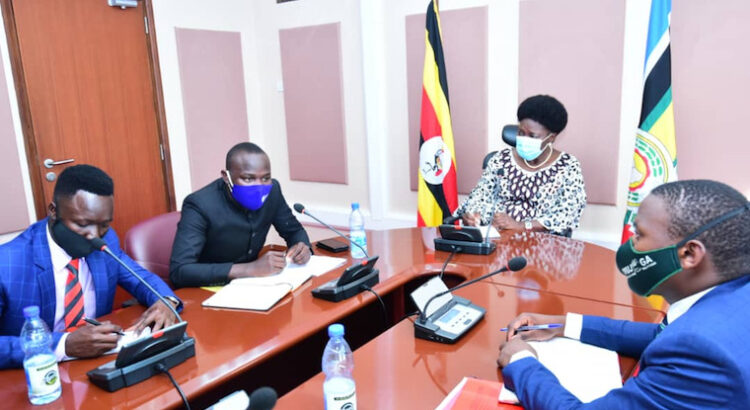
The speaker of parliament, Rebecca Kadaga has summoned the minister of Education and Sports, Janet Museveni together with Finance minister, Matia Kasaija in regards to the scheduled re-opening of universities.

Kadaga’s directive followed her interface with guild leaders from different public and private universities on Wednesday. During the meeting, the guild leaders raised concern over the preparedness of their institutions, as well as demands for 100 per cent tuition payment despite the financial crisis occasioned by the COVID-19 pandemic.

The guild leaders were from Makerere University, Kyambogo University, Uganda Christian University (UCU) and Uganda Martyrs’ University.

The group led by the Makerere University guild president Julius Katerega and UCU’s guild president Timothy Kadaga presented a petition to the speaker, in which, they prayed that final students with fees challenges are allowed to sit for examinations and required to complete their payment upon accessing transcripts.

“In recognition of the financial challenges all academic institutions have faced following their closure for the last six months, the government should provide a stimulus package to enable them get back on their feet. Online learning should also be suspended because it’s discriminatory in nature and inefficient especially to medical students whose curriculum requires 85 per cent physical interaction between lecturers and students,” reads part of the petition.

Lawel Joshua Muhwezi, Makerere University guild speaker added that necessary preparations should also be made to make sure that continuing students report back to school physically. He argued that the COVID-19 standard operating procedures among students are easier to regulate whey they are in institutions of learning as opposed to when they are in the community.

Timothy Kadaga also appealed that private universities are exempted from paying taxes during the pandemic in order to ease their financial burden.

In reaction to the petition, the speaker noted that parliament may not convene for full sitting for the next two weeks and so proposed a meeting between the ministers of Education, Finance, students and university vice chancellors to iron out the issues.

She wondered the basis of reopening institutions and locking out continuing students. She directed that the meeting between the officials happens next week at her chamber

Fuente de la Información: https://observer.ug/news/headlines/66990-kadaga-summons-janet-kasaija-over-university-reopening

 

Comparte este contenido:

Reforma agraria no llega a todos en Sudáfrica

África/Sudáfrica/18-10-2020/Autor(a) y Fuente: lahora.com.ec

Una mujer sudafricana protesta contra la última reforma gubernamental de la reforma agraria, ayer en Ciudad del Cabo, en Sudáfrica.

Los manifestantes, encabezados por la organización ‘On Farms’, que representa los derechos de los granjeros y las mujeres rurales, muestran su renuncia a la última reforma agraria de la ministra Thoko Dizida, que según ellos excluye a la provincia del Cabo Occidental y particularmente a las comunidades más marginadas.

Esta semana dicha reforma fue publicada en el boletín oficial para ser remitida al parlamento, donde por primera vez se permite la expropiación de propiedades sin compensación económica. (EFE)

Fuente e Imagen: https://lahora.com.ec/quito/noticia/1102330432/reforma-agraria-no-llega-a-todos-en-sudafrica

Comparte este contenido:

Kenya: COVID-19: Bottlenecks as schools implement phased re-opening

Africa/Kenya/18-10-2020/Author: Nicholas Kigondu/Source: ww.kbc.co.ke

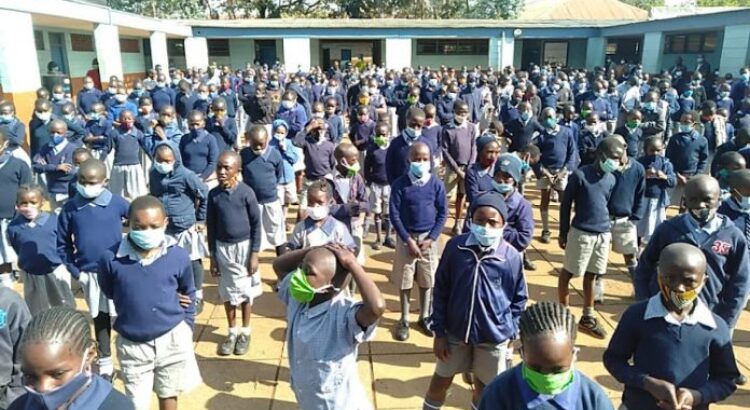
More learners reported back to school on Tuesday following the reopening of primary and secondary schools for Grade 4, class 8 and Form four learners amid safety concerns.

 In-person learning resumed on Monday across the country with learners facing extended learning schedules as teachers strive to recover lost time and regularize the national academic calendar that was disrupted by the coronavirus pandemic.

A spot check however reveal that a section of private schools are yet to resume learning as they struggle to comply with strict protocols issued by the ministry of health and meant to contain the spread of the virus.

The suspension of learning saw private schools hit hard by economic meltdown witnessing closure of some schools that depended on school fees for survival.

At the Narok County Academy, the management was Tuesday busy putting its house in order as it prepares to usher in learners on Wednesday.  School’s director Elizabeth Ntutu says they have already put in place elaborate measures in line with directives issued by the government.

Narok County Academy Director Elizabeth Ntutu says the school has complied with all directives issued by the ministry of health

Narok county Director of Education Philip Wambua says 95 percent of class eight and form four candidates in Narok County have reported back to school. Most of those yet to report back to school said to be pregnant girls who fell pregnant during the long holiday occasioned by the Covid-19 pandemic.

At the Thika School for the Blind in Kiambu County, only 11 pupils have so far reported, a situation blamed on financial constraints.

According to the school’s head Margaret Njuguna, parents at the school   have suffered harsh economic Covid-19 shock waves and had only started to heal when the Ministry of Education announced resumption of learning.

In announcing the phased re-opening of schools, education cabinet secretary George Magoha issued an 11-week school calendar for the learners for their second and third terms that will see learners break for just a week during the December holiday.

The learners will break for the end of their second terms on 24 December and resume learning on 4 January to kick off the third term. And in a departure from the past, the revised school calendar has not made provision for mid-term.

Magoha opted for a phased reopening, giving priority to the pioneer Competency Based Curriculum (CBC) class, he Kenya Certificate of Primary Education (KCPE) and Kenya Certificate of Secondary Education (KCSE) exam candidates, who will now sit their tests in March and April next year.

The decision to reopen schools in phases followed advise from the education task-force committee on Covid-19 with the education ministry saying it will monitor the situation before making a decision on when learning for the rest of the learners in primary and secondary schools will resume.

Source and Image: https://www.kbc.co.ke/covid-19-bottlenecks-as-schools-implement-phased-re-opening/

Comparte este contenido:

África: Los sindicatos de la educación y los gobiernos abordan el futuro de la profesión docente y la educación

África: Los sindicatos de la educación y los gobiernos abordan el futuro de la profesión docente y la educación

Este año 2020 se celebra una serie de seminarios virtuales sobre el futuro de la profesión docente, el primero de los cuales tuvo lugar el pasado 15 de septiembre. El acto contó con la presencia de 61 participantes de 8 países, todos ellos pertenecientes a sindicatos de docentes y del sector de la educación, ministerios de educación y grupos internacionales de partes interesadas del sector de la educación. El seminario se engloba en un proceso que tiene por objeto lograr que los sindicatos de docentes y los gobiernos alcancen un consenso sobre cuestiones profesionales relacionadas con la docencia, y se hace hincapié en la colaboración entre los sindicatos de docentes y los gobiernos para ofrecer mejores oportunidades de aprendizaje en momentos de crisis.

La cita de septiembre fue la tercera de la serie, la cual empezó con un seminario en Johannesburgo (Sudáfrica) en el 2018 y otro en Cape Coast (Ghana) en el 2019. El tema en el 2020 es “Trastornos en la educación: respuestas profesionales y políticas a la COVID-19”. El seminario ha sido organizado por la Internacional de la Educación (IE) y Open Society Foundations (OSF), en colaboración con el Instituto Internacional de la Unesco para el Fortalecimiento de Capacidades en África y el Equipo Especial Internacional sobre Docentes para la Educación de la Unesco (IICBA y TTF, respectivamente, por sus siglas en inglés).
El orador principal del seminario web fue el profesor Yusuf Sayed, quien ha llevado a cabo la investigación en los ocho países participantes. Sayed habló sobre los cambios que la pandemia ha obligado a realizar en los planes de estudios y las políticas, así como sobre los efectos de aquella.
Las representaciones gubernamentales y sindicales explicaron:
  • Cómo los gobiernos y los sindicatos han colaborado para hacer frente a la propagación de la COVID-19 y tratar de garantizar la continuidad del aprendizaje.
  • Los métodos empleados, incluido el aprendizaje a distancia por medio de radio, televisión y medios en línea, para intentar mantener el proceso de aprendizaje a pesar de los cierres.
  • El aumento de las desigualdades sociales y de género en el acceso al aprendizaje a distancia.
  • La necesidad urgente de reformas políticas en relación con los planes de estudios, la formación profesional para docentes y la financiación de la educación para que los sistemas educativos puedan proporcionar aprendizaje y formación en épocas de crisis.
Sin embargo, no todas las personas que participaron en el seminario valoraron la colaboración entre los gobiernos y los sindicatos de docentes. En sus observaciones, Dennis Sinyolo, coordinador regional principal de la IE para la región de África, destacó la importancia del diálogo genuino, institucionalizado y constante entre los gobiernos y los sindicatos de docentes, ya que es esencial para disfrutar de condiciones de trabajo armoniosas y de eficaces políticas educativas y de personal. Para Sinyolo, la educación de calidad para todas las personas, durante la pandemia de la COVID-19 y después de ella, requiere de un alto nivel de profesionalidad por parte del profesorado, así como de políticas pertinentes, eficaces, bien aplicadas y adecuadamente financiadas.
Los ministros participarán en la última sesión de la serie de seminarios, que tendrá lugar el 6 de octubre.
Fuente de la Información: https://www.ei-ie.org/spa/detail/16948/%c3%a1frica-los-sindicatos-de-la-educaci%c3%b3n-y-los-gobiernos-abordan-el-futuro-de-la-profesi%c3%b3n-docente-y-la-educaci%c3%b3n


Comparte este contenido:

Zimbabwe teachers refuse to return to schools

Zimbabwe teachers refuse to return to schools

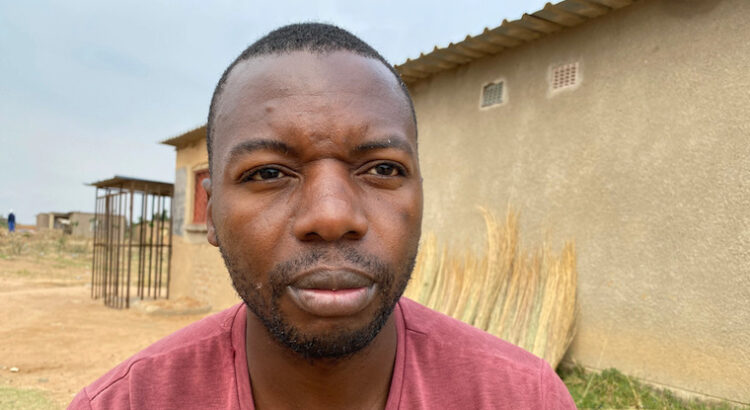
Zimbabwe, like other African countries, is trying a phased re-opening of schools after closing in March due to COVID-19. But many teachers like 33-year-old Munyaradzi Masiyiwa are refusing to return to class, pointing to low pay and unsafe conditions.

Masiyiwa said he makes more money selling brooms than teaching at Cranborne Boys Government high school in Harare.

“We have got the zeal, we love the children at school,» Masiyiwa said. «But only if the government manages to capacitate us. We are in an under-capacitation situation. We are in a situation where we cannot raise transport fares to connect our home(s) and work station(s), if we have got food at the table, and also, the most important thing: We need to have a living wage of 520 USD, the salary that we were getting in 2018. It’s just a restoration of our dignity. I will be happy to report for duty.”

Zimbabwe’s teachers said they want at least $500 per month and equipment like masks, face shields, and hand sanitizer to protect themselves against COVID-19.

Zimbabwe’s cash-strapped government said it has procured $6 million worth of PPEs for schools. Public Service minister Paul Mavima said teacher salaries, about $100 a month, including a $75 “COVID-19 allowance” is all the government can afford.

«It is in this context that we are saying to civil servants please be realistic, exercise moderation in the manner in which you demand salary increases, we don’t want salary increases that will upset the stability that we have so far realized and further torpedo the economic recovery that we have started to see,» Mavima said.

Without teachers in class, Zimbabwe’s school children are the ones left paying the price. At Glen View high school, students said they only discuss lessons among themselves. Filda Rusheje is one of their parents. She is worried the children won’t learn enough to pass their exams.

“The situation at schools is a tough one,» Rusheje said. «They are going to school but they are not learning. My daughter said they are just discussions among learners. They are not even sure if it’s making sense because teachers are not coming. I just wish if the government can negotiate with the teachers so that our children can learn. I want them to look after us in future.”

Zimbabwe’s government has threatened to replace defiant teachers like Masiyiwa if they don’t soon return to the classrooms.

Fuente de la Información: https://observer.ug/education/66906-zimbabwe-teachers-refuse-to-return-to-schools


Comparte este contenido:

Kenya: Lecturers’ strike blights graduation for UoN medical students

Africa/Kenya/11-10-2020/Author and Source: www.kbc.co.ke

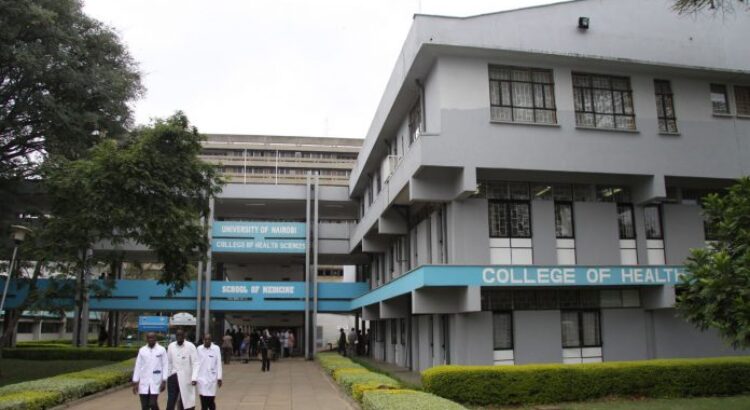
Medical doctors, pharmacists and nurses undertaking their studies at the University of Nairobi and who were set to be conferred with honours this year risk missing out following a lecturers’ strike which commenced Thursday.

Lecturers drawn from the College of Health Sciences and Kenyatta National Hospital campus through a statement claim they have resolved to strike due to failure by the employer to pay clinical allowances.

University Academic Staff Union (UASU) Secretary-General Constantine Wasonga says his members feel short-changed over what he says is a unilateral withdrawal of payment of the clinical allowances by the University in complete disregard of employment and labour laws.

“The consequence of the strike is that unless the clinical allowances are reinstated, the UoN shall not graduate medical doctors, pharmacists and nurses this year,” read the statement.

According to Wasonga, staff in other Universities are receiving their clinical allowances without facing similar obstacles.

“….funding required for the clinical allowances was disbursed by the National Treasury in July to the campus accounts. As such, no additional funding is required,” he added.

Wasonga says UASU had given the campus numerous chances to resolve the dispute through dialogue with limited success.

According to UASU, as of Thursday morning, pending allowances which were to be cleared a week from 15th September 2020 have not been paid to the majority of the academic staff.

Wasonga saying the strike would have far-reaching effects because the country is in the middle of a pandemic and will also, derail the implementation of the Universal Health Coverage Agenda as envisaged.

This even as he maintained that his members will not be cowed by threats nor intimidations as they demand their rights.

Source and Image: https://www.kbc.co.ke/lecturers-strike-blights-graduation-for-uon-medical-students/

Comparte este contenido:

ONU: Cada 16 segundos nace un niño muerto en el mundo y la COVID-19 puede empeorar esa cifra

Cerca de dos millones de bebés nacen muertos cada año, la gran mayoría -un 84%- en países de ingresos bajos y medianos bajos.  Si la COVID-19 reduce los servicios de salud a la mitad podría causar casi 200.000 casos adicionales en 117 países, destaca un informe de la ONU. «Más allá de la pérdida de vidas, los costos psicológicos y financieros para las mujeres, las familias y las sociedades son graves y duraderos», señala la directora del fondo para la infancia.

El estudio de varios organismos* del sistema de Naciones Unidas, que define a un mortinato como a un bebé que nace sin signos vitales durante la 28ª semana del embarazo o posteriormente, señala que el año pasado tres de cada cuatro de estos casos ocurrieron en África subsahariana o el sur de Asia.

La directora ejecutiva de UNICEF, Henrietta Fore, calificó la pérdida de un niño al nacer o durante el embarazo como una “tragedia devastadora para una familia” y agregó que es una pena que “frecuentemente se soporta en silencio” y cuyo alcance es de ámbito mundial.

“Cada 16 segundos, una madre en algún lugar sufrirá la tragedia indescriptible de parir un mortinato. Más allá de la pérdida de vidas, los costos psicológicos y financieros para las mujeres, las familias y las sociedades son graves y duraderos”, abundó.

Según Fore, esto no debería ocurrir ya que la mayoría de los casos de mortinatos “podría evitarse con un monitoreo de alta calidad, una atención prenatal adecuada y una partera capacitada”.

UNICEF/Rahani Kaur
Una futura madre se prepara para dar a luz en Calcuta (India).

La COVID-19, un riesgo adicional

“Más del 40% de los casos de mortinatos ocurren durante el alumbramiento, una pérdida que podría evitarse si se contara con un trabajador sanitario capacitado durante el parto y en la atención obstétrica de emergencia adecuada. Alrededor de la mitad de los mortinatos en África subsahariana y Asia Central y Meridional se producen durante el trabajo de parto, en comparación con el 6% en Europa, América del Norte, Australia y Nueva Zelanda”, resalta el informe.

Esta situación podría agravarse aún más debido a la COVID-19.  Si la pandemia llega a reducir los servicios de salud a la mitad podría causar casi 200.000 casos adicionales de mortinatos durante un período de doce meses en 117 países de ingresos bajos y medianos.

La mortinatalidad no solo sucede en países pobres

En 2019, 39 países de altos ingresos tuvieron un número mayor de mortinatos que de muertes neonatales y en quince naciones esos casos superaron al de muertes infantiles.

El estudio indica que uno de los mayores factores de desigualdad en los países de altos ingresos es el nivel de educación de la madre y que las tasas de mortinatalidad son más altas en las zonas rurales que en las urbanas, en este último caso, sin diferencia en el tipo de nivel de ingreso en el país

“Por ejemplo, en Nepal, las mujeres de castas bajas tuvieron tasas de mortinatalidad entre un 40% y un 60% más altas que las mujeres de castas superiores”.

Del mismo modo, las minorías étnicas de los países de altos ingresos suelen carecer de acceso a una atención sanitaria adecuada. En el informe se observa que las mujeres afroamericanas de Estados Unidos están expuestas a casi el doble de riesgo de mortinatalidad que las mujeres blancas.
* El Fondo de la ONU para la Infancia (UNICEF), la Organización Mundial de la Salud (OMS), el Grupo del Banco Mundial y la División de Población del Departamento de Asuntos Económicos y Sociales de las Naciones Unidas.

Fuente: https://news.un.org/es/story/2020/10/1482012

Comparte este contenido:
Page 59 of 621
1 57 58 59 60 61 621
OtrasVocesenEducacion.org