Page 163 of 396
1 161 162 163 164 165 396

Killing Children in the Age of Disposability: The Parkland Shooting Was About More Than Gun Violence

By: Henry A. Giroux

Donald Trump may have startled Republican lawmakers with his sudden and unexpected support for background checks and other gun control measures, but a closer look at his comments to lawmakers reveals his continued adherence to the core of the pro-gun script that he has been following all along.

At his meeting with lawmakers on February 28 Trump buckled down on the idea that the real problem is the existence of gun-free zones, arguing that eliminating gun-free zones «prevent [mass shootings] from ever happening, because [the shooters] are cowards and they’re not going in when they know they’re going to come out dead.»

The president’s repeated efforts to disparage the idea of gun-free zones fit with the earlier call for arming teachers made by Trump and one of his most powerful financial and ideological backers — the dark knight of gun violence, NRA leader Wayne LaPierre. Meanwhile, Trump has shown no interest in preventing school shootings by hiring more guidance teachers, support staff and psychologists. Trump’s call for a comprehensive gun bill may have made for «captivating» television, but it rattled NRA lobbyists and initiated a tsunami of calls to their allies on Capitol Hill. Nothing surprising to this reaction. It gets worse. Chris Cox, the top lobbyist for the NRA, met with Trump a few days after Trump made his remarks and suggested in a tweet that the president had backed away from his apparent embrace of gun control.

Moreover, there is little confidence following Trump’s remarks that Republicans would even remotely endorse legislation for gun control. The NRA «paid $5 million to lobbyists last year» and there is no indication that the time and money spent buying off cowardly politicians will prove ineffectual.

Trump’s proposal to arm teachers suggests that the burden of gun violence and the crimes of the gun industries and politicians should fall on teachers’ shoulders.

The deeply troubling call for eliminating gun-free zones and arming teachers comes at a time when many schools have already been militarized by the presence of police and the increasing criminalization of student behaviors. Suggesting that teachers be armed and turned into potential instruments of violence extends and normalizes the prison as a model for schools and the increasing expansion of the school-to-prison pipeline. What is being left out of this tragedy is that the number of police in schools has doubled in the last decade from 20 percent in 1996 to 43 percent today. Moreover, as more police are put in schools, more and more children are brutalized by them. There is no evidence that putting the police in schools has made them any safer. Instead, more and more young people have criminal records, are being suspended, or expelled from school, all in the name of school safety. As  Sam Sinyangwe, the director of the Mapping Police Violence Project, observes:

The data … that does exist … shows that more police in schools leads to more criminalization of students, and especially black and brown students. Every single year, about 70,000 kids are arrested in school…. [Moreover] since 1999, 10,000 additional police officers have been placed at schools, with no impact on violence. Meanwhile, about one million students have been arrested for acts previously punishable by detention or suspension, and black students are three times more likely to be arrested than their white peers.

Trump’s proposal to arm teachers suggests that the burden of gun violence and the crimes of the gun industries and politicians should fall on teachers’ shoulders, foolishly imagining that armed teachers would be able to stop a killer with military grade weapons, and disregarding the risk of teachers shooting other students, staff or faculty in the midst of such a chaotic moment.

In addition, the proposal points to the insidious fact that mass shootings and gun violence have become so normalized in the United States that, as Adam Gopnik points out, «we must now be reassured that, when the person with the AR-15 comes to your kid’s school, there’s a plan to cope with him.» Such statements make visible a society rife with the embrace of force and violence. How else to explain the fact that, at the highest levels of government, horrendous acts of violence, such as mass shootings involving school children, are now discussed in terms of containing their effects rather than eliminating their causes.

Protecting guns and profits have become more important than protecting the lives of young people.

In this logic the underlying causes of mass shootings and gun killings disappear and the emphasis for dealing with such violence reproduces an act of political and moral irresponsibility in its call to curtail or contain such violence rather than address the underlying causes of it.

We live in an age in which the politics of disposability has merged with what Jeffrey St. Clair has called the spectacle of «American Carnage.» The machineries of social death and misery now drive a mode of casino capitalism in which more and more people are considered waste, expendable and excess. The politics of disposability now couples with acts of extreme violence as pressure grows to exclude more and more people from the zones of visibility, justice and compassion. This is especially true for children. Violence against children in the United States has reached epidemic proportions. As Marian Wright Edelman points out,

Pervasive gun violence against children is a uniquely shameful all-American epidemic. Consider that since 1963, over three times more children and teens died from guns on American soil than U.S. soldiers were killed by hostilities in wars abroad. On average 3,426 children and teens — 171 classrooms of 20 children — were killed by guns every year from 1963 to 2016. And gun violence comes on top of other major threats of global violence that threaten our children.

A culture of cruelty, silence and indifference to the needs of children, built on the backs of the conservative media politicians and the gun industry and lobby, has become a central and ethically disturbing feature of American society. This is a culture of political corruption and social abandonment that «has a remarkable tolerance for child slaughter, especially the mass murders of the children of others.» This culture of violence has a long history in the United States, and has become increasingly legitimated under the Trump regime, a regime in which lawlessness and corruption combine to ignore the needs of children, the poor, elderly, sick and vulnerable. In the age of neoliberal brutality, protecting guns and profits have become more important than protecting the lives of young people. As is apparent from its policies, our society no longer views young people as a worthy social investment or the promise of a decent future. On the contrary, as John and Jean Comaroff note in Frontiers of Capital: Ethnographic Reflections on the New Economy, instead of becoming a primary register of the dreams of a society, youth have become «creatures of our nightmares, of our social impossibilities, and our existential angst.»

Viewed largely as a liability, the institutions that young people inhabit have been discarded as citadels of critical thinking and social mobility. As a result, such institutions, including schools, have become zones of social abandonment — often modeled after prisons — that appear to exist in a state of perpetual danger and fear, especially for students marginalized by race and class, for whom violence operates routinely and in multiple ways. Children are now defined largely as consumers, clients and fodder for the military or the school-to-prison pipeline. As a result, their safety is now enmeshed with the weaponized discourse of surveillance, and security personnel and police patrol their corridors. Horrific shootings boost the ratings and profit margins of the mainstream press, undercutting these news outlets’ will and ability to use their resources to address the culture and political economy of violence that now amounts to a form of domestic terrorism in the United States.

The message to students is clear. They are not worth protecting if they threaten the profits of the gun industries and the purses of the politicians who have become the lackeys for them.

As Brad Evans and I have argued in Disposable Futures: The Seduction of Violence in the Age of the Spectacle, violence has now become the defining organizing principle for society in general. It is also worth noting that the spectacle, marketing and commodification of violence powerfully mediates how the American public both understands the relations of power that benefit from the production of violence at all levels of society and how the visceral suffering that is produced can be neutralized in a culture of immediacy and «alternative facts.»

Of course, this logic is part of the politics of distraction that has become a trademark of the Trump administration. At the same time, it creates more profits for the gun industries and makes clear that most people, including children, have no safe space in the US. The message to students is clear. They are not worth protecting if they threaten the profits of the gun industries and the purses of the politicians who have become the lackeys for them. It gets worse. Rather than engage young people and other gun rights advocates in a debate about gun control, some conservatives mimic the discourse of humiliation and lies used relentlessly by Trump in claiming that «bereaved students were being manipulated by sinister forces, or even that they were paid actors.»

As objects of moral and social abandonment, young people are beginning to recognize that the response to their call for safety, well-being and future without fear is cruel and cynical. In addition, their struggle against gun violence makes clear that the Trump administration, the NRA, and the industries that trade in instruments of violence and death, are waging a war against democracy itself. The call to arm teachers also speaks to the Trump administration’s efforts to further militarize and expand the weaponization not only of the armed forces but also of spaces in which large numbers of students congregate. In his call to arm 20 percent of all teachers, Trump is suggesting that 640,000 teachers be trained and given guns. The Washington Post estimates that the costs of training teachers sufficiently could reach as high as $718 million while the cost of providing teachers with firearms could amount to an additional $251 million. According to the Post, «the full-price, more expansive training and the full-price firearm … creeps past $1 billion.» Furthermore, putting 640,000 more guns in schools is not only a reckless suggestion, it also further enriches the profits of gun makers by adding millions of dollars to their bottom line. Why not invest this amount of money in providing support staff and services for students — services that could meaningfully support those facing mental health issues, bullying, homelessness and poverty?

When combined with a culture of fear and a massive government investment in a carceral state, the politics of disposability eerily echoes the damaging legacy of a fascist past in the US, with its celebration of violence, concentration of power in the hands of the few, massive inequities in wealth and militarization of all aspects of society. There is no defense for weapons of war to be sold as commodities either to children or anyone else. Gun violence in the US is not simply about a growing culture of violence, it is about the emergence of a form of domestic terrorism in which fear, mistrust, lies, corruption and financial gain become more important than the values, social relations and institutions that write children into the script of democracy and give them hope for a decent future.

When the only self available to the public is rooted in the discourse of entrepreneurship, it is not surprising for a society to produce generations of people indifferent to the effects of mass violence.

A war culture now permeates American society — extending from sports events and Hollywood films to the ongoing militarization of the police and the criminalization of everyday behaviors such as violating a dress code or doodling on a desk. War has become a permanent element of everyday life, deeply etched into our national ideals and social relations. And those responsible for the bloodshed it produces appear immune from social criticism and policies that limit their power.

This debate about school shootings is not simply about gun violence; it is about a neoliberal order that has tipped over into authoritarianism, one for which the highest measure of how a society judges itself ethically and politically is no longer about how it treats its children. Violence on a grand scale certainly has produced a high sense of moral outrage within the US public at times, but not over the fate of young people.

People in the US need a new language to talk about violence in order to capture its many registers and the threads that tie them together. Under such circumstances, school violence cannot be understood outside of the deeply inordinate influence of money and power in US politics. The call to model schools after prisons would have to be examined against the rise of the punishing state and the Trump administration’s celebration of a «law and order» regime. The anger fueling what might be called white rage would have to be analyzed against the gutting of jobs, wages, pensions, health care benefits and the massive growth of inequality in wealth and power in the United States.

US society has become an abyss in which violence, disposability and the logic of social abandonment and terminal exclusion work against the interests of most children and for the interests of the rich and powerful. Weapons now operate in the service of what might be called the necro-power of casino capitalism. How else to explain the fact that there are more than 13,000 homicides a year in the United States, or that on average, seven teens are killed with guns daily. Yet the response on the part of politicians is either silence and inaction, or a more aggressive push to put more guns in circulation?

A cult of militarism has dragged extreme violence into the very soul of the US and has become a source of pride rather than alarm and anger. This depraved transformation is accelerated by a crisis of agency in which every relation is reduced to an exchange relation, one in which, as political theorist Wendy Brown has argued, «everything from learning to eating become matters of speculative investments — ranked, rated, balanced in your portfolio.» When the only self available to the public is rooted in the discourse of entrepreneurship, it is not surprising for a society to produce generations of people indifferent to the effects of mass violence, unsympathetic to the growing multitudes of disposable individuals and groups, and unmoved by a culture of deepening collective cynicism. Casino capitalism has numbed large segments of the American public into moral and political callousness. One consequence is an indifference to a society in which the killing of children is routine.

Mass shootings and gun violence in the US cannot be abstracted from what I call the death of the social, which involves the collapse of an investment in the public good, the ongoing destruction of democratic values, and the undermining of the common good. A toxic mix of rugged individualism, untrammeled self-interest, privatization, commodification and culture of fear now shapes American society, leaving most people isolated, unaware of the broader systemic forces shaping their lives, and trapped in a landscape of uncertainty and precarity that makes them vulnerable to having their anxieties, anger and rage misdirected.

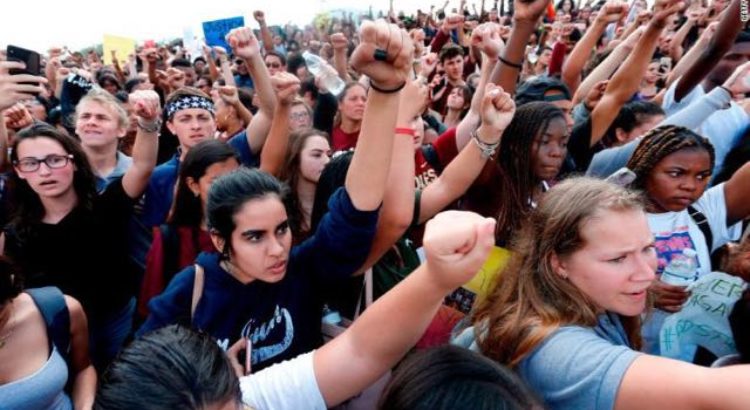
The students from Parkland, Florida, are fighting back, embracing new forms of social solidarity and collective struggle.

All too often, the only discourse available for them to deal with their problems is provided by the disingenuous vocabulary of fear and security delivered in the call for gun ownership, the allure of violence as an antidote to their individual and collective anxieties, and a hateful appeal to racism, Islamophobia and demonization.

The hijacking of freedom and individual responsibility by extremists is corrosive and rots society from within, making people susceptible to what C.W. Mills describes as «organized irresponsibility» in his book The Politics of Truth. The right-wing attack on the welfare state, community and democracy functions to dissolve crucial solidarities and bonds of social obligation, and undermines mutual responsibilities. In the absence of the discourse of community, compassion and mutual respect, fear and violence have become the new currency mediating social relations at all levels of society. In a society in which the war of all against all prevails, the call for more guns is symptomatic of the shredding of the social fabric, the hardening of society, the evisceration of public trust, and a ratcheting up of a political and economic investment by the ruling elite in the machinery of cruelty, inequality and militarism.

Violence in the United States is part of a wider politics of disposability in which the machineries of social and political death accelerate the suffering, hardships and misery of children. For too long, youth have been written out of the script of justice and democracy. Gun violence, mass shootings and state violence are simply the most visible elements of a society that organizes almost every aspect of civil society for the production of terror and fear, and which views young people within the specter of uselessness and indifference.

Fortunately, the students from Parkland, Florida, are fighting back, shunning the coarse language used by apologists for systemic violence while embracing new forms of social solidarity and collective struggle. These young people are refusing to privatize hope or allow the ethical imagination and their sense of moral outrage and social responsibility to be tranquilized. They are not only outraged over the brutal actions of the defenders of gun violence, they feel betrayed. Betrayed, because they have learned that the power of the gun industries and the politicians who defend them do not consider their lives worthy of protection, hope and a future free of violence. They recognize that US society is unusually violent and that they are a target. Moreover, they are arguing convincingly that mass shooting in the United States have a direct correlation with the astronomical number of guns present in this country. But there is more at stake here than an epidemic of gun violence, there is the central idea of the US as defined by carnage — violence that extends from the genocide of Native Americans and slavery to the rise of mass incarceration and the instances of state violence now sweeping across the US.

At least for the moment, young people are refusing to live with a modern system of violence that functions as a form of domestic terrorism. Engaged in a form of productive unsettling and collective dissent, they are fighting back, holding power accountable and giving birth to a vibrant form of political struggle. The distinctiveness of this generation of survivors is clear in their use of social media, their willingness to speak out, their planned marches, their civic courage, and their unwillingness to continue to live with the fear and insecurity that have shaped most of their lives. Hopefully, this moment will transform itself into a movement.

Source:

http://www.truth-out.org/news/item/43732-killing-children-in-the-age-of-disposability-the-parkland-shooting-was-about-more-than-gun-violence

Comparte este contenido:

Estados Unidos: Avanza en Florida ley para armar a los profesores

Estados Unidos/12 de Marzo de 2018/El Tiempo

o incluye prohibición de venta de fusiles de asalto, reclamada por víctimas del tiroteo reciente.

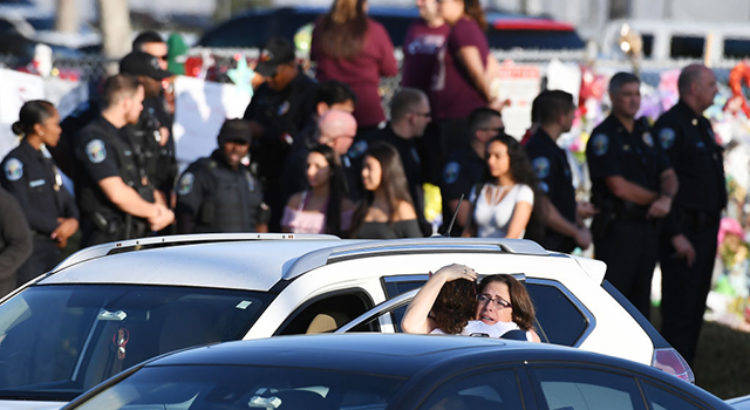
En respuesta a la masacre de 17 personas el instituto Marjory Stoneman Douglas de Parkland, el pasado 14 de febrero, legisladores de Florida aprobaron el miércoles una polémica ley que eleva de 18 a 21 años la edad mínima para comprar armas y que contempla armar a personal escolar y a algunos maestros en las escuelas públicas.

El texto legal no incluye la prohibición de venta de fusiles de asalto –reclamada por alumnos y padres del Marjory Stoneman Douglas (sur de Florida)–, pues los partidarios del proyecto afirman que la mayoría de los tiroteos en escuelas se han realizado con armas cortas.

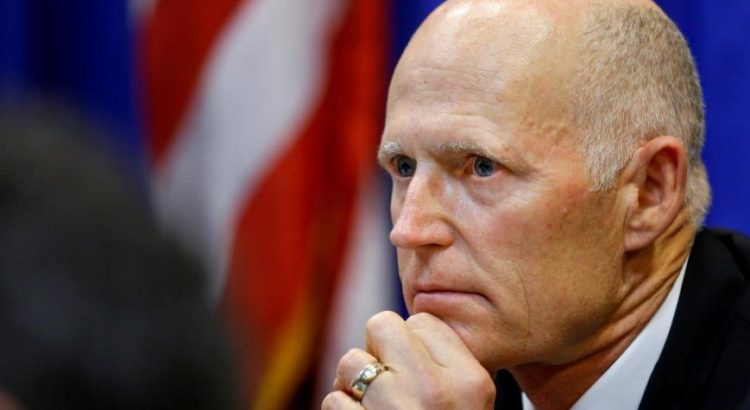
El gobernador de Florida, Rick Scott, quien tiene ahora la última palabra sobre la ley a la que él y algunas organizaciones civiles se oponen, dejó en claro que iba a revisar “línea por línea”.

“El gobernador está revisando detenidamente la ley. Este viernes, antes de actuar, se reunirá en Tallahassee con las familias de las víctimas”
 de la matanza, dijo este jueves el director de comunicaciones de Scott, John Tupps.

El senador demócrata estatal Gary Farmer pidió este jueves al gobernador que “ejerza su autoridad de veto” y convoque una sesión especial para abordar el asunto de la autorización para portar armas dentro de los centros educativos.

Derrick Johnson, presidente de la Asociación Nacional para el Avance de la Gente de Color, la principal agrupación de afroamericanos del país, tachó de “irresponsable” la idea de armar a los profesores e hizo notar que esa medida podría perjudicar a estudiantes latinos y afroamericanos.

El argumento se fundamenta en que son las minorías de estudiantes, a menudo sujetas a niveles de castigo superiores a los de la mayoría blanca, las “más propensas a ser confundidas” con los atacantes, por lo que “podrían convertirse en objetivos”.

Fuente: http://www.eltiempo.com/mundo/eeuu-y-canada/ley-para-armar-a-los-profesores-avanza-en-florida-191652

Comparte este contenido:

Estados Unidos: Una Corte dicta contra la discriminación a transexuales en el trabajo

Estados Unidos/12 de Marzo de 2018/El Nuevo Herald

Un tribunal de apelaciones dispuso el miércoles 7 que los transexuales, como cualquier otro ciudadano, tienen derecho a no ser discriminados por motivos de género en el entorno laboral al fallar contra una funeraria de Detroit, Michigan, que despidió a un empleado por este motivo.

La decisión judicial se produce después de que, en agosto de 2013, Aimee Stephens, por entonces Anthony Stephens, comunicara al propietario de la compañía RG & GR Harris Funeral Homes, Thomas Rost, su intención de someterse a una operación de cambio de sexo para convertirse en mujer.

Dos semanas después de conocer sus intenciones, Rost decidió despedir a Stephens, que hasta ese momento ejercía de director de una de las funerarias de la compañía, alegando que su transición podía incomodar a los clientes e, incluso, atentar contra sus principios religiosos.

“La discriminación contra empleados, ya sea por no ajustarse a los estereotipos sexuales o por su condición de transgénero en estado de transición, es ilegal”, reza la sentencia dictada este jueves por un grupo de tres magistrados del tribunal de apelaciones del Sexto Circuito, con sede en Cincinnati, Ohio.

Stephens, que había trabajado para la empresa durante casi seis años, decidió presentar una queja oficial ante la Comisión de Igualdad de Oportunidades en el Empleo (EEOC, por sus siglas en inglés) y en paralelo, en septiembre de 2014, demandó a la funeraria por discriminación sexual.

En agosto de 2016, la EEOC falló a favor de la empresa al considerar que la decisión de Rost estaba amparada por el derecho a la libertad religiosa.

La Unión Americana de Libertades Civiles (ACLU, por sus siglas en inglés), una de las organizaciones de EEUU más importantes en la defensa de derechos civiles y que ha asistido a Stephens durante el proceso, celebró hoy la decisión judicial.

“Este dictamen establece que las personas transgénero están protegidas por las leyes federales contra la discriminación sexual y que las creencias religiosas de los empleadores no les dan derecho a discriminarles”, señaló la ACLU a través de un comunicado.

Desde que el presidente Donald Trump asumió la presidencia, hace poco más de un año, numerosas organizaciones sociales han criticado al mandatario por sus mensajes y decisiones faltos de sensibilidad con la comunidad de lesbianas, gays, bisexuales y personas transgénero (LGBTQ).

De hecho, a lo largo de su mandato Trump ha intentado sacar adelante una disposición para impedir la presencia de transexuales en el Ejército, que fue bloqueada por los tribunales, y ha revertido una norma que permitía a los estudiantes transgénero en las escuelas públicas usar los baños en función del género con el que se identifiquen.

“Inicié este proceso porque nadie debería ser despedido de su empleo por ser quien es. Estoy emocionada por la decisión de la Corte”, dijo Stephens en declaraciones a ACLU, que fueron recogidas en el comunicado.

Comparte este contenido:

Estados Unidos: Los estudiantes que sobrevivieron a la masacre de Parkland ofrecen una lección a su país

Estados Unidos/10 de Marzo de 2018/Autores: Amy Goodman y Denis Moynihan/Rebelión

Los estudiantes sobrevivientes de la masacre del Día de San Valentín en la secundaria Marjory Stoneman Douglas son el corazón del movimiento para el control de armas de fuego. Están retomando una de las tradiciones políticas más fuertes de la historia de Estados Unidos: la tradición del activismo juvenil.

La Asociación Nacional del Rifle no lo vio venir. Podría haber vaticinado otro tiroteo letal en una escuela, como tantos que han tenido lugar en Estados Unidos. Pero lo que esta asociación aficionada a las armas de fuego no pudo predecir fue la respuesta inmediata e implacable de los estudiantes sobrevivientes, que canalizaron su furia y dolor por el asesinato de 17 de sus compañeros de clase y profesores contra el lobby de las armas y los políticos que tienen en el bolsillo. Presionado por este nuevo impulso de cambio, el presidente Donald Trump celebró una reunión con legisladores de los dos principales partidos políticos el miércoles por la tarde. En medio de discursos plagados de elogios hacia Trump, los senadores y representantes expusieron sus propuestas políticas, mientras Trump se atribuía el crédito por anticipado por lo que opinó que sería un proyecto de ley “hermoso”, que sería aprobado en el Senado por tantos votos más de los 60 necesarios que sería algo “increíble”.

Aún queda por ver si alguna de las políticas propuestas llega a convertirse en una ley integral para el control de las armas de fuego. Hay muchas razones para mostrar escepticismo, como los 54 millones de dólares que la Asociación Nacional del Rifle invirtió en las campañas presidenciales y del Congreso durante el ciclo electoral de 2016. La congresista demócrata Elizabeth Esty, de Connecticut, que asumió el cargo justo después de la masacre en la secundaria Sandy Hook, expresó una verdad innegable en la reunión bipartidaria: “Estamos en ante un punto de inflexión, gracias a los estudiantes”.

Los estudiantes sobrevivientes de la masacre del Día de San Valentín en la secundaria Marjory Stoneman Douglas son el corazón del movimiento para el control de armas de fuego. Están retomando una de las tradiciones políticas más fuertes de la historia de Estados Unidos: la tradición del activismo juvenil.

A esta altura, muchos de los sobrevivientes de la masacre de Parkland, Florida, son reconocidos a nivel nacional: como Emma Gonzalez, cuyo enérgico discurso pocos días después del tiroteo encendió el movimiento, o David Hogg, director del canal de televisión estudiantil de la escuela, cuyas impactantes apariciones en los medios contribuyeron a una vergonzosa teoría conspirativa de la derecha, que afirma que él y otros estudiantes son en realidad “actores de crisis” inflitrados, o Sam Zeif, que en la “audiencia” de la Casa Blanca increpó al presidente con estas palabras: “Estas no son armas de defensa; estas son armas de guerra… Todavía no puedo creer que yo mismo pueda comprar una”.

Otros ayudaron a organizar un viaje de más de cien sobrevivientes desde Parkland a Tallahassee, capital de Florida, para presionar a los legisladores estatales por una prohibición de las armas de asalto. Aunque la acción no tuvo éxito, los estudiantes volvieron a sus hogares más decididos que nunca.

El activismo juvenil tiene una larga historia en Estados Unidos. En 1903, Mary Harris Jones, la legendaria activista laboral irlandesa conocida popularmente como “Mother Jones”, lideró una marcha de cientos de niños trabajadores en huelga y sus padres desde Filadelfia hasta la ciudad de Nueva York. Luchaban contra el flagelo del trabajo infantil.

El movimiento por los derechos civiles fue propulsado por activistas jóvenes. Claudette Colvin tenía solo 15 años cuando se negó a cederle su asiento en el autobús a un pasajero blanco en Montgomery, Alabama, nueve meses antes de que Rosa Parks hiciera lo mismo. Colvin nos contó en una entrevista para Democracy Now!: “No podía moverme, porque la historia me había pegado al asiento… Porque sentía como si las manos de Sojourner Truth, [abolicionista y feminista], me estuvieran presionando un hombro y las manos de Harriet Tubman, [abolicionista], presionaran el otro. No podía moverme. Y grité: ‘¡Es mi derecho constitucional!’”.

Uno de los principales impulsores de la estrategia de no violencia utilizada por Martin Luther King Jr. fue James Lawson, quien fue nombrado pastor cuando estaba en la escuela secundaria, en 1947. Lawson, a su vez, formó a incontables activistas, como a John Lewis. Lewis fue uno de los líderes del Movimiento de Nashville para terminar con la segregación en las cantinas del sur del país y formó parte de las primeras caravanas por la libertad, cuyos integrantes tuvieron que enfrentar golpes, arrestos, multitudes enfurecidas y amenazas de muerte mientras viajaban en autobuses para forzar el fin de la segregación en el sistema de autobuses interestatales.

John Lewis tenía solo 23 años cuando se dirigió a la multitud en la Marcha sobre Washington de 1963, donde King pronunció su famoso discurso “Tengo un sueño”. Atendiendo las sugerencias hechas por sus mayores, por King y por un colega organizador de la marcha, A. Philip Randolph, Lewis editó su discurso: “Me pidieron que cambiara el discurso. Algunas personas pensaban que el discurso era demasiado radical, demasiado religioso. Yo pensaba que era un discurso para la ocasión. Representaba a las personas con las que estábamos trabajando”. El actor Danny Glover le puso voz al discurso original de Lewis para el proyecto “Voces de la otra historia de Estados Unidos”. El fragmento que Lewis quitó decía: “A quienes nos han dicho, ‘sean pacientes y esperen’, debemos explicarles que ‘paciencia’ es una palabra sucia y desagradable. No podemos ser pacientes. No queremos ser libres de forma gradual. Queremos nuestra libertad, y la queremos ahora”.

Los estudiantes de Parkland han convocado a una marcha nacional para el próximo 24 de marzo. La marcha, a la que han decidido llamar “Marcha por nuestras vidas”, tendrá lugar en Washington D.C. y habrá marchas hermanas en todo el país. En muy pocos días han logrado recaudar más de tres millones de dólares para apoyar la organización de la manifestación. Emma González escribió en la revista Harper’s Bazaar: “Marchen con nosotros el 24 de marzo. Regístrense para votar. Acudan a las urnas. Porque tenemos que contrarrestar la agenda de la Asociación Nacional del Rifle de una vez por todas”. Además de la de 24 de marzo, ya hay otras dos convocatorias propuestas. Varios grupos de estudiantes de secundaria han convocado para el 14 de marzo una huelga estudiantil nacional en demanda de un mayor control sobre el uso de las armas de fuego. Una convocatoria similar tendrá lugar el 20 de abril, cuando se cumplan 19 años de la masacre de Columbine.

Fuente: https://www.rebelion.org/noticia.php?id=238580

Comparte este contenido:

United States: Free school threatens legal action over closure plan

United States / March 10, 2018 /Schoolsweek

Resumen: Una escuela libre atada por dinero ha amenazado con llevar al gobierno ante los tribunales por su decisión de cerrarla solo una semana después de que Ofsted elogió a sus nuevos líderes y encontró que los alumnos «valoraban mucho» sus lugares.

A strapped-for-cash free school has threatened to take the government to court over its decision to close it just one week after Ofsted praised its new leaders and found pupils “highly” valued their places.

The 14-to-19 Robert Owen Academy in Herefordshire, which has been in special measures for almost three years, has criticised thecommunication between schools commissioners and Ofsted after it received a letter confirming it will close in August. The school was first threatened with closure last September.

The letter from regional schools’ commissioner Christine Quinn, dated February 26, was written exactly a week after an Ofsted monitoring inspection found the new executive principal and his team were taking effective action towards removing special measures, and had an action plan considered fit for purpose.

Inspectors who visited the school on February 5 and 6 also noted leaders were having a “positive impact” on improving teaching, had “successfully improved relationships” with pupils and staff, had reduced absences and introduced academic and vocational qualifications following criticism that the curriculum was too narrow.

Now Chris Morgan, chair of the Robert Owen Academies Trust, said his organisation is considering a judicial review of the decision to close the school.

He said the discrepancy between Ofsted’s promising findings and Quinn’s letter was a “clear case of the one government department not talking to another”.

“It simply beggars belief,” he added. “It’s a crazy decision.”

Staff were also praised by inspectors for “modelling high levels of respect towards pupils, who respond in kind”, while pupils with previously unhappy school experiences “spoke positively” about the academy.

Ongoing weaknesses included high exclusion rates and a lack of evaluation of how pupil premium money was being spent.

But Quinn’s letter said closure was justified because it was not financially viable with only 47 pupils on board for a roll of 500.

She emphasised that “examination results have been on a downward trajectory”, pointing out the Attainment 8 score of 12.5, compared to a national average of 44.2, and a Progress 8 score of -2.3.

Parents and pupils only wanted the school to continue under its current guise, which “has proven not viable”, said Quinn, who insisted there is capacity available in other Herefordshire schools.

The school has been under a financial notice to improve for more than a year because of concerns about governance and financial management. A recent Schools Week investigation found the Robert Owen Academy has consistently predicted it would recruit more pupils than it actually managed between 2014 and 2017, racking up debts of more than £660,000.

The Department for Education was approached for comment.

Fuente: https://schoolsweek.co.uk/free-school-threatens-legal-action-over-closure-plan/

Comparte este contenido:

Estados Unidos: Adiestran a maestros para responder a tiroteos

América del norte/Estados Unidos/08 Marzo 2018/Fuente: El vocero 

El Departamento de Educación evalúa los protocolos que debe seguir el personal

Tras el aumento de tiroteos en escuelas de Estados Unidos, el Departamento de Educación (DE) y la Asociación de Educación Privada (AEP) realizan adiestramientos a maestros y personal de seguridad para que puedan actuar en una situación de emergencia, como la ocurrida recientemente en el estado de Florida, donde fallecieron 17 personas a manos de un pistolero.

Según el comisionado de Seguridad de Educación, César González, existe un protocolo en esa agencia para atender estos casos y el mismo será sometido a revisiones.

“Estamos en proceso de revisión de lo que es el plan de seguridad, pero nosotros nos dejamos regir por un protocolo existente que tiene unos incisos dentro del Negociado para el Manejo de Emergencias y Administración de Desastres, que también está incluido en el plan de seguridad”, aseveró en entrevista con EL VOCERO.

Este protocolo está dentro del manual “Antes del incidente”, que se entregó a los directores escolares en 2011. Sin embargo, a raíz del ataque en la escuela Marjory Stoneman Douglas, en Florida, el DE retomó la discusión de las medidas de seguridad que se deben tomar en los planteles escolares en caso de algún tiroteo.

“Nosotros comenzamos hace (más de) dos semanas una campaña sobre cuáles son los manuales y protocolos que las escuelas y edificios administrativos del Departamento (de Educación) deben seguir en caso de que haya un tirador activo. Tenemos una campaña abierta donde hemos estado orientando y capacitando al personal de seguridad. Ahora mismo contamos con seguridad en todas las escuelas del País por un plan que se estipuló el 9 de enero”, indicó González.

Dijo que han coordinado la visita del director de seguridad del estado de Florida y el subdirector del Negociado Federal de Investigaciones (FBI) para comenzar con los adiestramientos en la región educativa de San Juan.

En una situación que exista un tirador activo, lo primero que se debe realizar, según el manual federal y estatal, es guardar la seguridad propia, apagar las luces, tirarse al suelo, tratar de esconderse, cerrar puertas, ya sea en la oficina o salón de clase ,y en el caso de que haya que escapar porque el lugar donde se encuentra no es seguro, es recomendable ir a un sitio donde el atacante no tenga acceso.

En tanto, la presidenta de la AEP, Wanda Ayala, señaló que los colegios privados son autónomos e independientes y cada dueño es el responsable de establecer cuál es su política de seguridad más allá de lo que sea el reglamentado por la ley.

“Nosotros como asociación estamos trabajando en dos esfuerzos en este momento, nosotros tenemos un taller profesional para maestros y directores todos los últimos viernes del mes. El taller que se estará ofreciendo el 23 de marzo va dirigido a cómo aumentar la seguridad y medidas específicas para poder evitar un tiroteo y cómo se crea un protocolo de ‘lockdown’, entendiendo que estas cosas pueden suceder”, manifestó Ayala.

Según el Protocolo de Respuesta Estándar de Estados Unidos (SRP, por sus siglas en inglés), ‘lockdown’ es el cierre de emergencia que se realiza cuando hay una amenaza o un peligro dentro del edificio de la escuela.

Marcha de pueblo

El sábado 24 de marzo a las 10:00 de la mañana se realizará una marcha de pueblo en solidaridad con el movimiento “March for Our Lives”.

“Entendemos que es importante que nosotros como asociación en representación de las escuelas privadas nos unamos, ya que no sabemos en qué momento podamos envolvernos en una situación de este tipo”, dijo Ayala.

“March for Our Lives” busca crear consciencia sobre la importancia de detener la violencia desatada por el uso indiscriminado e inapropiado de armas de fuego luego de la masacre desatada el 14 de febrero en Florida.

Fuente: https://www.elvocero.com/educacion/adiestran-a-maestros-para-responder-a-tiroteos/article_7aa4ba38-2197-11e8-9cf6-17e43c63e12f.html

Comparte este contenido:

EEUU: El nuevo titular de Educación de Nueva York es nieto de emigrantes mexicanos

EEUU/06 de marzo de 2018/Por: EFE/Fuente: http://www.telemundo.com

Richard Carranza, nieto de emigrantes mexicanos y que aprendió inglés en la escuela, dirigirá el sistema de enseñanza pública de Nueva York, el más grande de la nación, anunció este lunes el alcalde Bill de Blasio.

La decisión llega después de que Alberto Carvalho, superintendente de escuelas del condado de Miami-Dade, rechazara el cargo menos de 24 horas después que se hubiese anunciado su elección para dirigir las escuelas de Nueva York, que tienen 1,1 millón de estudiantes.

Carranza, de 51 años, era desde 2016 superintendente del sistema de escuelas en Houston, el séptimo más grande de la nación. Este lunes, acompañó al alcalde y a la saliente directora de Educación Carmen Fariña, también hija de emigrantes, en la conferencia de prensa donde se anunció su elección y en la que expresó su orgullo por sus raíces mexicanas.

De Blasio destacó el compromiso de Carranza con su agenda de equidad, excelencia y de oportunidades para todos los estudiantes sin importar su origen. «Carranza comparte una experiencia de vida similar a la de muchos neoyorquinos y ha demostrado que sabe construir un sistema escolar para todos los estudiantes sin importar su origen o condición», indicó De Blasio en la atestada conferencia de prensa en la alcaldía.

De Blasio reconoció que en los últimos meses se ha entrevistado a docenas de candidatos, entre ellos Carranza, para hacerse cargo de un trabajo que «es muy complejo» y que pocas personas tienen la habilidad de poner «todas las piezas juntas». «Fariña fue una de ellas y ahora Carranza», apuntó el alcalde.

El nuevo titular de Educación, que comenzó su carrera como maestro en su natal Tucson (Arizona), también fue superintendente de escuelas en San Francisco, donde aumentó la tasa de graduación a niveles históricos, destacó el alcalde.

Carranza, que también trabajó en Las Vegas, aseguró que la segregación e integración han sido problemas que ha encontrado en cada comunidad que ha trabajado. El educador destacó que sus padres Simón y Dolores Carranza no fueron a una universidad, «no tenían idea de lo que eran ayudas económicas o de cómo registrase en un colegio, pero sabían que el camino al éxito» para él y su hermano era la educación.

«La educación es el pilar de nuestra democracia y el gran empoderamiento de próximas generaciones», dijo Carranza, quien señaló que aún tiene asuntos que atender en Houston antes de integrarse a Nueva York en una fecha no precisada.

En su nuevo puesto, tendrá un salario de 345.000 dólares al año, el mismo que recibe ahora, pero superior al de Fariña. El pasado diciembre la titular de Educación anunció su retiro, pero permanecerá al frente de esa agencia hasta finales de marzo. «Hay mucho trabajo que hacer en Nueva York. Me siento confiada que estoy dejando el trabajo más difícil, aparte del de alcalde, en las manos más capaces», indicó Fariña.

Carranza destacó además su pasión por la música, en particular por los mariachis. «He sido músico mariachi desde niño. Es un orgullo interpretar la música vernácula de México», dijo el nuevo titular de Educación, que toca guitarra al igual que lo hizo su padre y que además aprendió el saxofón.

Fuente de la Noticia:

http://www.telemundo.com/noticias/2018/03/06/el-nuevo-titular-de-educacion-de-nueva-york-es-nieto-de-emigrantes-mexicanos


Comparte este contenido:
Page 163 of 396
1 161 162 163 164 165 396