Page 302 of 400
1 300 301 302 303 304 400

La moda de los ‘payasos asesinos’ que atemoriza a Estados Unidos y Canadá

América del Norte/EE.UU./14 de octubre de 2016/www.elconfidencial.com
Desde hace algunas semanas, se ha instaurado una tendencia que algunos ya tildan de «epidémica»: disfrazarse de bufón diabólico y asustar a la población.

Si bien es cierto que la palabra ‘payaso‘ ha ido tradicionalmente ligada a la diversión, los buenos momentos y las risas, un halo de terror parece haber cubierto este término multicolor. Hace varias semanas, apareció una moda en Estados Unidos y Canadá consistente en vestirse con ropa de bufón —peluca fosforito y nariz roja incluidas— para amedrentar y asustar a cualquiera que tuviera la mala suerte de cruzarse con estos desagradables vecinos.

Lejos de quedarse en una práctica aislada, esta tendencia coge cada vez más fuerza. Tanto, que algunos la tildan de “epidémica” y temen —nunca mejor dicho— que alcance cotas incontrolables por parte de la policía. Y es que ni siquiera los más pequeños se libran de ella. Las autoridades de Toronto iniciaron la semana pasada una investigación después de que un grupo denominado ‘Clowns in the 6’ (Payasos en el 6) amenazara a través de medios sociales a varios colegios de la ciudad.

Imagen de archivo de una careta de payaso diabólico. (CC)

El grupo amenazó a ocho colegios de la ciudad a través de Twitter, Instagram y Snapchat, lo que obligó a la policía a aumentar el número de patrullas en torno a los centros educativos identificados. A pesar del incremento de la presencia policial, al menos un individuo disfrazado de payaso diabólico fue visto en los alrededores de un colegio de Toronto e incluso persiguió a un grupo de estudiantes a la salida de sus clases, según el padre de uno de los alumnos.

Agresiones físicas por parte de los payasos

Este incidente no es el único registrado en Norteamérica. Los más graves hablan incluso de agresiones físicas a las víctimas, que sufren en sus propias carnes los ataques de individuos vestidos de payaso diabólico. El pasado 6 de octubre, una joven denunció que un sujeto disfrazado de payaso intentó inmovilizarla y agredirla mientras se encontraba en la zona de las habitaciones de estudiantes del campus de la Universidad Estatal de Texas.

En varias universidades de Estados Unidos, centenares de alumnos se han lanzado a las calles a la caza de payasos diabólicos que supuestamente merodeaban en los campus. En la localidad de Orem, en el estado de Utah, la policía ha tenido que advertir sobre la ilegalidad de disparar contra los payasos. «Estas siete palabras nunca pensamos que tendríamos que decirlas…’Tengamos una conversación seria sobre los payasos», publicaron los agentes en su página de Facebook.

El mensaje continuaba describiendo cómo la policía había contestado decenas de dudas sobre payasos y la preocupación de las autoridades por el tono de las cuestiones planteadas. “¿Puedo disparar o actuar contra alguien que está vestido de payaso?”, preguntaban los atemorizados vecinos de la ciudad. “Esa no es un pregunta para responder sí o no. Hay muchas variables», respondía la policía.

Comportamientos peligrosos

La semana pasada, en una pequeña localidad de la costa del Atlántico de Canadá,un hombre disfrazado de payaso terrorífico se puso delante del vehículo que conducía una mujer identificada como Michelle Doubleday. Según declaró Doubleday a una televisión local, el individuo empezó a correr de forma amenazadora hacia su coche y ella, presa del pánico, dio marcha atrás y huyó del lugar a toda velocidad.

Pero no todo el mundo se siente amenazado por los payasos en Norteamérica. El conocido autor de novelas de terror Stephen King recurrió a Twitter para defender el buen nombre y la labor social de los payasos. «Hey, es el momento de enfriar la histeria de los payasos: la mayoría son buenos, alegran a los niños y hacen reír a las personas», escribió King.

Tomado de: http://www.elconfidencial.com/mundo/2016-10-11/payasos-asesinos-diabolicos-estados-unidos-canada_1273482/

Comparte este contenido:

EEUU: MN family sues school district over rule requiring students to leave school grounds

América del Norte/Estados Unidos/Octubre de 2016/Autor: Karl Evers-Hillstroom/Fuente: Inforum

RESUMEN: Los padres de un estudiante que asiste a secundaria deFulda han presentado una demanda contra el distrito escolar independiente de 505, afirmando que el distrito escolar violó la cláusula de la Enmienda 14 de la Constitución de los Estados Unidos de dar igual protección mediante la adopción de una política que requiere que algunos estudiantes salgan del edificio de la escuela durante el día.«Todos los días, el Distrito pone en riesgo a mi hija obligándola a salir de las instalaciones», dijo Westra. «Ella tiene que conducir o caminar a un lugar de refugio porque ella es expulsada del edificio de la escuela pública. Como ya he dicho en repetidas ocasiones, usted no tiene mi permiso para obligar a mi hija a salir desde el edificio de la escuela pública durante el día escolar «. La denuncia, presentada ante la Corte de Apelaciones del Estado de Sep. afirma que el distrito escolar está infringiendo los derechos civiles al restringir el acceso a la educación pública.

Parents of a student attending Fulda High School have filed a lawsuit against Independent School District 505, asserting the school district violated the Equal Protection Clause of the 14th Amendment of the United States Constitution by adopting a policy requiring some students to leave the school building during the day.

The relators are Kayla and Dayton Westra and their daughter, whose name is redacted to the initials C.W. for the case.

The lawsuit’s roots originate with a new policy adopted by the Fulda School Board in July. The policy prohibits students who take classes at post-secondary schools for college credit under the Postsecondary Enrollment Options (PSEO) Act from being on the Fulda High School campus when they are not being instructed by teachers at the high school.

Because PSEO students must travel to post-secondary institutions, they have gaps in their scheduled classes during the school day compared to students taking only high school classes.

According to a statement from Dayton Westra, that means his daughter is forced to leave the school when she has such a gap in her schedule.

“Every day, the District puts my daughter at risk by forcing her to leave the premises,” Westra said. “She must drive or walk to a place of refuge because she is expelled from the public school building. As I have stated repeatedly, you do not have my permission to force my daughter from the public school building during the school day.”

The complaint, filed with the state Court of Appeals on Sep. 28, asserts the school district is infringing on civil rights by restricting access to public education. It also asserts the district does not have the right to make such a decision.

“Not a single person, organization, or institution has the right to restrict or deny public education to individuals without due cause or due process,” Westra said.

According to a memorandum submitted by the relators on Oct. 7, the school district has a policy that allows students to request “special permission” from district administrators to remain in the school building during breaks without a class, but they rejected C.W.’s request for such a permission.

The relators claimed the school adopted the policy to discourage students from taking PSEO classes, thus maximizing its possible state aid. When a student enrolls in a PSEO course, the student’s primary school loses funding.

The Westras referenced Tinker v. Des Moines Independent Community School District, a 1969 case that ruled, “A school district may not interfere with a student’s known rights, even if a school district believes that it is for a public good.”

The school district issued a response Oct. 4 stating that the district would “follow its policy as there was no legal justification or basis for setting it aside.”

In the statement, the district claimed it created the policy because of “problems with supervising and ensuring the safety of students enrolled in PSEO during their numerous free periods” and that the “increased demand for resources, such as teacher assistance on non-district courses, study halls, the library, and computers by students enrolled in PSEO courses put a strain on the district by taking away resources available to students who needed them for district courses.”

The respondents also claimed that the Westras did not follow the proper procedures for dealing with the situation, as they “passed up an opportunity to appeal the board’s decision to adopt the policy when they failed to challenge the policy within 60 days.”

Another argument given by the district is that the court cannot grant the appeal because it does not have jurisdiction. The statement claims that the court cannot review the school district’s decision to enforce a policy created by the school board.

“The ramifications of the Court letting this appeal continue would be unprecedented and would carry the grave potential of crippling the Court,” said the statement. “This means that every time any school district administrator assigns detention for an infraction or tells a student to put a cell phone away or instructs a student to attend class, all in the name of enforcing school district policies, these decisions would be eligible for review by this Court.”

Fuente: http://www.inforum.com/news/4135754-mn-family-sues-school-district-over-rule-requiring-students-leave-school-grounds


Comparte este contenido:

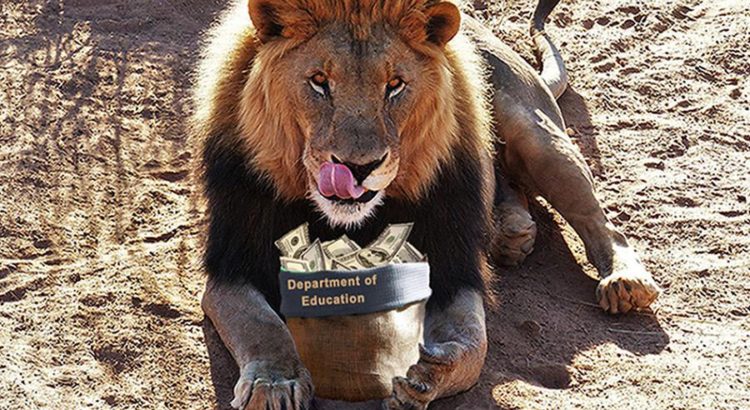
EE.UU: Federal Government Continues To Feed Charter School Beast Despite Auditor’s Warning

América del Norte/EE.UU./14 de octubre de 2016/www.prwatch.org/Por: Jeff Bryant

Resumen: Los políticos siempre prometen que van a encargarse del despilfarro, el fraude y el abuso, sin embrago, son pocos los esfuerzos que pueden evidenciarse de forma clara en este particular en la Educación, pues, esta semana el gobierno federal estadounidense ha entregado casi cuatro mil millones de dólares a las escuelas denominadas Charter. Las escuelas Charter son el gran negocio del estado y les mantiene (el estado federal) con dinero cortesía de los contribuyentes. El Departamento de Educación de los Estados Unidos, informó que en con motivo de la Semana de la Educación, el dinero va a ocho estados y en 15 redes de escuelas charter del Programa de Escuelas Charter, una operación del gobierno federal que reparte millones cada año para iniciar nuevas escuelas independientes. Independientemente de cómo se imparte la educación en estas escuelas, se está más preocupado por cómo se utilizará este nuevo desembolso de gobierno para las charter, en base a la amplia trayectoria de malversación financiera en estas escuelas. De hecho, poco después del anuncio USDE, propio auditor del Departamento advirtió que el dinero es en gran medida está en riesgo, pues, puede acabar en los bolsillos de los defraudadores y estafadores en lugar de en las aulas de los estudiantes diligentes y dedicados maestros.

Noticia original: 

Politicians always promise they will rid government of «waste, fraud, and abuse,» so let’s hope at least one political leader or policy maker will denounce our federal government’s new gift of nearly a quarter-billion dollars to charter schools.

The cash dump to charters, courtesy of taxpayers, is from the U.S. Department of Education. As Education Week reports, the money is going to eight states and 15 charter school networks from the Charter Schools Program, a federal government operation that doles out millions every year to start new charter schools.

This money is the latest installment of an over $3 billion gravy train the federal government has funded to help launch over 2,500 charter schools across the nation.

Regardless of how you feel about these schools, you should be concerned about how this new government outlay to charters will be used, based on the extensive track record of financial malfeasance in these schools.

Indeed, shortly after the USDE announcement, the Department’s own auditor warned that the money is very much at risk of ending up in the pockets of fraudsters and con artists rather than in the classrooms of diligent students and dedicated teachers.

Again Education Week reports, the audit by the agency’s inspector general’s office examined 33 schools in six states and concluded that because of a general lack of oversight of charters there was a «risk that federal programs are not being implemented correctly and are wasting public money.»

The risk stems from the «cozy relationships,» the EdWeek reporter’s words, between charter schools and companies that operate them, called Charter Management Organizations (CMOs).

Of the 33 charter schools the audit examined, 22 had examples, sometimes multiple examples, of how CMOs take advantage of the unusual business relationship they have with their client charters to exploit federal education funds and redirect precious taxpayer dollars to private interests that have nothing to do with education.

In one of the more egregious examples the audit round, «the CEO of one CMO in Pennsylvania had the authority to write and issue checks without charter school board approval and wrote checks to himself from the charter school’s accounts totaling about $11 million.»

At another Pennsylvania charter, a vendor that supplied services to the school was owned by the charter school’s CMO and received $485,000 in payments from the school without charter school board approval.

In Florida, a charter and a CMO that shared the same board entered into an expensive lease agreement for the school building, then expanded the facility, extended the lease, and increased the rental payments to the CMO.

One CMO the audit examined, which operated three charters in Michigan and one in New York, required the charter schools to remit all federal, state, and local funds to the CMO and gave the CMO total responsibility, with no oversight by the charter board, for paying school expenditures.

The auditor’s report doesn’t provide the names of these schools, so we don’t know if they have received federal grant money in the past or are some of the ones getting the new money.

However, three of the six states the audit looked at – California, Texas, and Florida – are the same states the Department of Education just decided to send more money to. The other three – Michigan Pennsylvania, and New York – have received federal money for charters in the past, either sent to the state or to charter organizations operating in the state.

These states, and presumably many others the feds send charter money to, often don’t sufficiently track how the money is used, according to the audit. Of the six states examined, half could not provide consistent funding data on charter schools with CMOs, a third could not identify which charter schools used CMOs, and a third that tracked whether charter schools used CMOs had unreliable information because charter schools self-reported their operations.

The federal auditor’s revelations on charter school waste, fraud, and abuse is yet another dose of reality in a long line of factual reporting about these schools.

A study released last year by the Center for Media and Democracy found «charter spending is largely a black hole.» That’s because the «flexibility» charters have been granted by the government is often being used not to create education innovations but to «allow an epidemic of fraud, waste, and mismanagement that would not be tolerated in public schools,» the CMD report found.

Based on its extensive research on charters, CMD examined the list of new award grantees and noted Florida, that’s getting a grant of $58,454,516, has closed over 120 charter schools in a little over a decade. Texas, which is getting $30,498,392, has «an unknown number» of charter schools «housed in churches» and «closely tied to, religious groups.»

Tennessee, which is getting $15,172,732, is famous for having a statewide online charter school that is so bad, the state education chief tried to get rid of it but couldn’t because of political maneuvering by the charter lobby and lack of regulatory accountability.

California, which is getting $27,329,904, has some of the worst charter school scandals in the nation, according to a report from the Center for Popular Democracy, which uncovered over $81,400,000 in fraud, waste, and abuse in the state. CPD call the alarming figure «likely just the tip of the iceberg.»

Louisiana, another grantee getting $4,836,766 from the feds, has been ripped off by «tens of millions of dollars in undiscovered losses» from charter schools in the 2013-14 school year, according to another CPD analysis. «The state has insufficiently resourced financial oversight,» CPD contends, and has yet to put into place adequate reporting, staffing, and auditing.

Three other states – Georgia, Massachusetts, and Washington – are getting the money just when they are deeply embroiled in heated controversies over charter schools.

Georgia has a ballot initiative in November on whether to allow the state to operate an Opportunity School District that would summarily take over local schools and hand them over to charter operators. Massachusetts also has a November ballot initiative, called Question 2, that would allow the state to lift the cap on the number of charters allowed to operate in the state. And in Washington, a charter school battleground for over 20 years, court rulings, legislative shenanigans, lawsuits, and counter lawsuits related to charter schools continue to rage across the state.

No doubt, this new money – over $41 million altogether for these three states – may now sweeten the pot if pro charter forces get their way.

Regarding the individual CMOs the Department is sending money to, one of them, Uncommon Schools, is a charter chain which used to be led in part by the current head of USDE, Secretary John King. Uncommon is getting $8,004,576. No conflict of interest there.

Another recipient – the Denver School of Science and Technology charter chain in Colorado, with a grant of $4,043,361 – has paid out between $20 to $50 million to a for-profit corporation owned by two of the charter chain’s director, according to another CPD analysis.

A charter school chain in Indiana getting $1,923,866 is plagued with financial problems, low enrollment, and controversy over how the CEO spends money. No doubt the infusion of federal cash will help.

The federal auditor’s report recommends the convening of a formal oversight group to look into charter school financial malfeasance, more rigorous review of charter school operations by federal agencies, and legislative changes in Congress to firm up government oversight.

Here’s another recommendation: Stop federal funding to expand these schools.

Tomado de: http://www.prwatch.org/news/2016/10/13158/federal-government-continues-feed-charter-school-beast-despite-auditors-warning

Comparte este contenido:

La magia de la danza, un puente cultural entre Cuba y Estados Unidos

Centroamérica/Cuba/14 de octubre de 2016/cubasi.cu
Sustentado en la magia y seducción de la danza clásica, el proyecto entre la Escuela Nacional de Ballet Fernando Alonso y la Ruth Page Ruth Page School of Dance, de Chicago, deviene puente cultural entre Cuba y Estados Unidos.

Iniciado en 2015 bajo la mirada de la directora de la institución nacional, Ramona de Saá, y el rector del centro norteamericano, Víctor Alexander Ramírez, el programa involucra a estudiantes y profesores de ambas instituciones. ‘El proyecto Cuba-Chicago ha crecido, la relación entre las dos escuelas es increíble’, aseguró a Prensa Latina Víctor Alexander, quien por estos días visita La Habana con nueve de sus estudiantes, como parte de una nueva etapa de la iniciativa.

A juicio del artista, entre los tantos beneficios de los intercambios sobresale la convivencia entre los alumnos cubanos y estadounidense, experiencia que los engrandece como seres humanos y bailarines. ‘Es importante vivir el por qué la escuela cubana de ballet se diferencia de las otras del mundo’, enfatizó Víctor Alexander, reconocido por la revista Danza Magazine como uno de los mejores coreógrafos y bailarines de 2013.

Uno de los frutos más recientes de este hermoso intercambio es la presencia de la estudiante Catherine Conley en la Escuela Nacional de Ballet Fernando Alonso, donde recibe clases desde septiembre. ‘Conley es la primera estadounidense en tomar un curso en la institución nacional después del restablecimiento de las relaciones diplomáticas entre Cuba y Estados Unidos’, explicó Víctor Alexander.

Según el bailarín, la estancia de la joven aquí -prevista hasta junio próximo- será muy fructífera porque ayudará a desarrollar su talento artístico, no solo en la ejecución sino en la técnica. ‘Los bailarines cubanos son muy apasionados, eso es una cosa que nace con uno y se muere con uno, pero es muy importante que ella sea capaz de absorber esa pasión’, precisó. Al escuchar estas palabras de su mentor, Conley sonrió y con alguna dificultad todavía a la hora de comunicarse en español, se mostró muy feliz por estar en Cuba, donde ha encontrado una nueva familia.
Con ropa de ensayo y voz entrecortada, la joven de 19 años accedió a conversar con Prensa Latina, diálogo en el cual reconoció la diferencia entre la técnica cubana de ballet respecto a otras implantadas en el orbe.

Según Conley, una de las diferencias está dada en la utilización de muchos movimientos acrobáticos, algo novedoso para su formación como bailarina.

EL PROYECTO CUBA-CHICAGO AVANZA

Como parte de esta nueva etapa del proyecto Cuba-Chicago, Conley compartirá escenario con compañeros de clase de la Ruth Page School of Dance y de la Escuela Nacional de Ballet Fernando Alonso durante dos funciones en el Teatro Miramar de La Habana el 14 y 15 de octubre.

Víctor Alexander adelantó que concluido este episodio, en diciembre próximo, debe viajar a Estados Unidos un grupo estudiantes cubanos para participar en la temporada del Cascanueces coreografiado por Ruth Page. Añadió que a tres meses de comenzar su curso en La Habana, Catherine interpretará en Chicago la Reina de las Nieves de la célebre pieza clásica, con música del ruso Piotr Ilich Chaikovski. Con más de 200 estudiantes, la Ruth Page School of Dance, también desarrolla el proyecto International Dance Experience, que incluye el intercambio con estudiantes y maestros de distintas escuelas del mundo y con disímiles disciplinas como jazz, hip hip, tap y danza moderna.

‘El objetivo es lograr un bailarín más completo que tenga mejores opciones a la hora de buscar trabajo’, aseveró Víctor Alexander, quien fue por 10 años figura principal de Danza Contemporánea de Cuba.  Fundada hace 45 años, la escuela de Chicago solo enseñaba danza clásica pero en los tiempos actuales es imprescindible ampliar horizontes debido a la competencia existente en el mundo, sostuvo. De acuerdo con Víctor Alexander, los intercambios entre la Ruth Page School of Dance y la Escuela Nacional de Ballet Fernando Alonso son vitales para sus estudiantes porque les permite aprender sobre la danza hecha aquí, donde se forman -a su criterio- los mejores bailarines clásicos del mundo.

Concebido como un espacio para el enriquecimiento espiritual y físico de los amantes de la danza, el programa Cuba-Chicago reconoce el prestigio y la calidad de la enseñanza nacional, que en la actualidad constituye un referente internacional. La Ruth Page School of Dance de Chicago tiene distintos programas, el pre-ballet que incluye niños de 3 a 8 años, el pre-profesional entre nueve y 17 años y además ofrece clases para adultos. Considerada una de las maestras de danza más importantes en Estados Unidos, Ruth Page visitó La Habana en 1932 y se presentó en el Teatro Auditórium, actual Amadeo Roldán.

El vínculo establecido entre la artista norteamericana y Cuba encuentra su continuidad en el proyecto liderado por Víctor Alexander y de Saá, iniciativa que hoy tiende un puente entre las culturas de esta isla caribeña y la nación norteña.

Tomado de: http://cubasi.cu/cubasi-noticias-cuba-mundo-ultima-hora/item/56312-la-magia-de-la-danza-un-puente-cultural-entre-cuba-y-estados-unidos

Comparte este contenido:

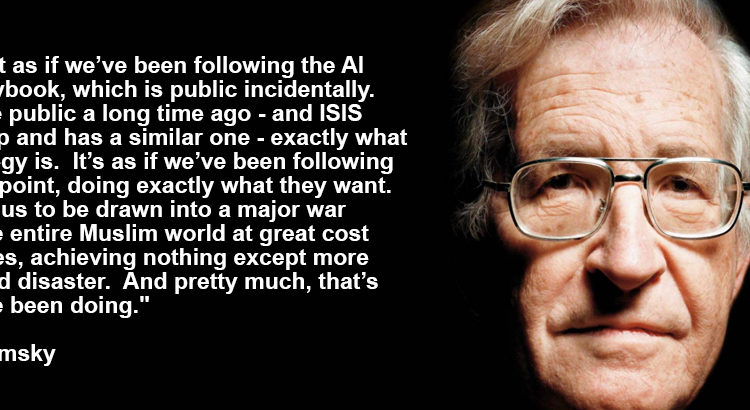
Ralph Nader Interviews Noam Chomsky

América del Norte/EE.UU/14 de octubre de 2016/ralphnaderradiohour.com

Chomsky and Nader on activism, censorship, war and Israel-Palestine etc. From October, 2016.

Por primera vez en un foro público dos titanes del movimiento progresista en la conversación: Ralph pasa la hora completa con Noam Chomsky habla sobre la censura, la guerra nuclear, activismo ciudadano, ISIS, la cuestión de Israel / Palestina y mucho, mucho más!

Chomsky

Noam Chomsky  es un teórico político y activista, y profesor de instituto de lingüística en el Instituto de Tecnología de Massachusetts. Junto con su trabajo pionero en la lingüística, el profesor Chomsky es un crítico tanto de la política exterior de Estados Unidos y el capitalismo global . Él es uno de los eruditos más frecuentemente citados en la historia y es el autor de más de cien libros sobre temas tales como la lingüística, la guerra, la política y los medios de comunicación, entre ellos «elaboración del consentimiento», junto con Edward Herman, que también fue hecho en una película documental  del mismo nombre. Sus trabajos más recientes son una colección de comentarios sobre diversos temas socio-político denominado: «Because we say so» y su crítica actualizada del imperio americano sobre, ¿quien gobierna al mundo?


Tomado de: https://ralphnaderradiohour.com & https://chomsky.info/

Comparte este contenido:

EE.UU: ‘Crimes Against Humanity’? Who is behind the International Monsanto Tribunal circus?

America del Norte/EE.UU/14 de octubre de 2016/www.geneticliteracyproject.or

Resumen: A partir de octubre de 14-16, el año 2016 , un grupo de activistas del medio ambiente será la sede de un tribunal de imitación en La Haya pretender enjuiciar a Monsanto por crímenes contra la humanidad. La empresa con sede en Missouri vende semillas y pesticidas ingeniería genética, lo que les hace el enemigo número 1 de los activistas contra la tecnología que dirigen el movimiento ambiental global.

screen-shot-2016-10-11-at-9-15-43-pm

From October 14-16, 2016, a group of environmental activists will host a faux tribunal in The Hague to pretend to prosecute Monsanto for crimes against humanity. The Missouri-based company sells both genetically engineered seeds and pesticides, which makes them Enemy No. 1 of the anti-technology activists who lead the global environmental movement.

The International Monsanto Tribunal is being spearheaded by some of the most notable anti-GMO activists in the world, including Vandana Shiva, a philosopher and author who makes $40,00 a speech telling phony stories about Indian farmers committing suicide because they planted genetically modified seeds. The stunt (held in a small school in The Hague, not the International Criminal Court) will “hold Monsanto accountable for human-rights violations, for crimes against humanity, and for ecocide.”

Fake judges will listen to “testimony” from alleged victims to “get a ruling — even symbolic — against Monsanto to bring justice to victims of multinationals.” A few dozen activists from around the world will claim injuries from the herbicide glyphosate (originally under patent by Monsanto as Roundup) or “contamination” from GMO crops, as if such a thing exists; of course any judgment will have no legal standing whatsoever. But it will undoubtedly earn media attention from agenda-driven reporters sympathetic to the cause, and it will convince some people the whole thing is legit.

One of the groups organizing the kangaroo court is the Organic Consumers Association, a nonprofit based in Minnesota. While its name may connote suburban moms and Millennials, it’s far from it. The OCA is one of the most virulent campaigners against science and innovation, opposing nearly every benefit of modernity from vaccines to chemicals. The group claims to represent “over 2 million members, including several thousand businesses in the natural foods and organic marketplace.”

monsantoheader12sprachenIts biggest foe is modern agriculture, genetically engineered crops in particular. The OCA started the annual Millions Against Monsanto march held in major cities around the world to protest “the biotech industry’s contamination of our food supply and destruction of our environment.” (Despite its name, this year’s march in Chicago attracted only a few dozen stragglers.)

The OCA wants a global moratorium on genetically engineered foods and crops, accepting the myth that they harm human health and nature, although thousands of scientific studies attest to their safety and overall benefit to the environment. The group, allied with many activists ONG such a Greenpeace, inhumanely opposes fortified crops such as golden rice, a plant being developed to help ease the scourge of Vitam A deficiency, which debilitates millions of malnourished children each year in the global South.

At the Paris climate conference in December 2015, OCA president Ronnie Cummins announced the Monsanto Tribunal alongside other environmental activists, blaming climate change on — of course — big corporations involved in farming and food: “Why is there so much carbon dioxide, methane, and nitrous oxide in the atmosphere and not enough carbon organic matter in the soil? Corporate agribusiness, industrial forestry, and agricultural biotechnology have literally killed the climate-stabilizing, carbon-sink capacity of the Earth’s living soil.”

But it’s not just corporations that the OCA is going after. Over the last few years, they’ve funded a front group called U.S. Right to Know to attack public scientists communicators who research and teach biotechnology. USRTK is using Freedom of Information Act (FOIA) requests to try to dig up dirt and smear prominent scientists who speak out in favor of genetic engineering.

The group has filed FOIA requests targeting nearly four dozen public scientists and communicators from prominent universities including Harvard, Stanford, and the University of Illinois, looking for any collaboration between the researchers and the biotech industry. [It’s also targeted GLP executive director Jon Entine] USRTK is particularly focused on the University of California-Davis, one of the top agricultural-sciences schools in the world, and it has served UC-Davis with 17 public-records requests since early 2015. In multiple demands over the last 18 months, USRTK sought e-mails from eleven UC-Davis professors and staffers, requesting all correspondence between staff and companies such as Monsanto and Syngenta, PR firms associated with the biotech industry, and even the Bill and Melinda Gates Foundation, which funds crop projects around the world.

Kent Bradford, director of UC-Davis’s Seed Biotechnology Center, hit back. “We are not a ‘sock puppet’ or a ‘shill’ for anyone. We strongly reject USRTKs fundamental premise that public–private collaborations are conspiracies. . . . I am not concerned about the content of our communications, although I cannot prevent selective editing by USRTK in their attempts to justify their false conspiracy theories.” Despite finding no proof that industry influenced the targeted scientists in any inappropriate way, USRTK twisted e-mails to defame some scientists and inflict serious damage on their reputations. At USRTKs prompting, the scientists have been relentlessly harassed and have even received death threats from anti-GMO activists.

Not only is USRTK diverting researchers from doing their job and creating lots of work for campus lawyers, but the group expects the university to pay for it: Speaking for USRTK, “a nonprofit food-research organization,” its head Gary Ruskin requested that UC-Davis scientists “waive all fees in the public interest because . . . this will primarily benefit the public.” But while USRTK cries poor, the group apparently has money to hire lawyers to sue UC-Davis for not fulfilling the FOIAs fast enough; they filed a lawsuit in August demanding that UC speed up its FOIA process.

Phony tribunals and FOIA fishing expeditions show the desperation of the decaying anti-GMO movement. Now that the science confirms the safety and potential of biotechnology (see the National Academy of Sciences report of May 2016), anti-GMO activists can only resort to childish pranks and gutter-level tactics to stay relevant. Even the Luddites would cringe.

Tomado de: https://www.geneticliteracyproject.org/2016/10/12/crimes-humanity-behind-international-monsanto-tribunal-circus/

Comparte este contenido:

Lanzan guía para planificar educación superior en EEUU

Estados Unidos/13 octubre 2016/Fuente: Telemundo47

El gobierno estadounidense difundió el martes la segunda edición de una guía bilingüe que busca informar a las familias hispanas sobre opciones para financiar estudios universitarios.

El Departamento de Educación y la Iniciativa de la Casa Blanca para la Excelencia Educativa de los Hispanos dijeron al difundir el documento que si bien los hispanos son desde 2012 el grupo minoritario más grande en las universidades estadounidenses, sólo el 12% de los adultos hispanos mayores de 25 años tiene una maestría o doctorado.

La guía está disponible en esta página web: http://sites.ed.gov/hispanic-initiative/

Fuente: http://www.telemundo47.com/noticias/eeuu/Lanzan-guia-para-planificar-educacion-superior-en-EEUU-396693701.html

Comparte este contenido:
Page 302 of 400
1 300 301 302 303 304 400