Page 922 of 1006
1 920 921 922 923 924 1.006

México: Salud y Educación, las más afectadas por recorte

InsurgenciaMagisterial/25 de junio de 2016

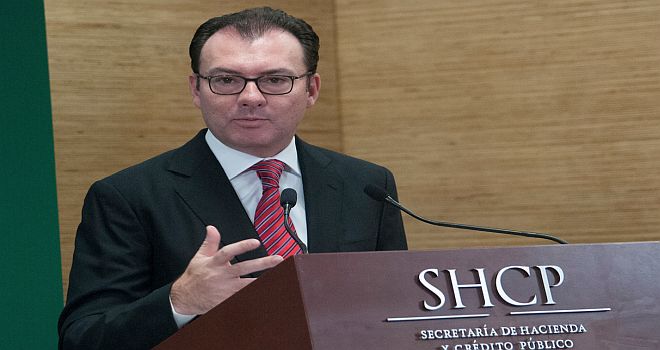
Las secretarías de Educación Pública, Salud y la de Agricultura serán las que carguen con el mayor peso del recorte preventivo al gasto por 31 mil 715 millones de pesos que anunció esta mañana la Secretaría de Hacienda, tras la salida del Reino Unido de la Unión Europea.

El recorte será y se aplicará solo al gobierno federal, sin que se afecte a Pemex.

Este monto es adicional a la disminución presupuestal por 132 mil 300 millones de pesos anunciado en febrero pasado para este año.

El 91.7 por ciento de este nuevo ajuste adicional será en gasto corriente, por lo que se calcula sean 29 mil 71 millones de pesos.

RECORTES

Secretaría de Salud – 6 mil 500 mdp

Secretaría de Educación Pública – 6 mil 500 mdp

Secretaría de Agricultura, Ganadería, Desarrollo Rural, Pesca y Alimentación – 4 mil 205 mdp

Entidades no sectorizadas – 3 mil 100 mdp

Secretaría de Comunicaciones y Transportes – 2 mil 174.5 mdp

Secretaría del Medio Ambiente y Recursos Naturales – mil 664.1 mdp

Secretaría de Desarrollo Social – mil 550 mdp

Secretaría de Gobernación – mil 88.1 mdp

Consejo Nacional de Ciencia y Tecnología – mil 800 mdp

Secretaría de Desarrollo Agrario, Territorial y Urbano – mil mdp

Secretaría de Turismo – 705.6 mdp

Secretaría de Relaciones Exteriores – 632.4 mdp

Secretaría de Economía – 600 mdp

Secretaría de Energía – 90 mdp

Comisión Reguladora de Energía – 50 mdp

Comisión Nacional de Hidrocarburos – 35 mdp

Secretaría del Trabajo y Previsión Social – 20 mdp

ajuste_al_gasto_MILIMA20160624_0360_8


Fotografía: yucatan

Tomado de: http://insurgenciamagisterial.com/salud-y-educacion-las-mas-afectadas-por-recorte/

Comparte este contenido:

Contingencia Educativa

Por. Manuel Gil Antón

Profesor del Centro de Estudios Sociológicos del Colegio de México

mgil@colmex.mx

@ManuelGilAnton


La cantidad de partículas suspendidas (alumnos con resultados bajos) activó la emergencia en el ámbito educativo. Año tras año los IMECAS pedagógicos superaban cualquier norma. Desde el poder, más allá del Congreso, decidieron transformar al país, no administrarlo. Pactaron acciones de gran calado. Una de estas – dieron en llamarla reforma – se dirigió al campo de la educación.

¿Qué hacer frente a la contingencia? Primero, determinar la causa, después, enmendar el entuerto. Con la seguridad que proviene de la ignorancia y el prejuicio, arribaron a una conclusión simple: tal como en el caso de la contaminación en las ciudades, eligieron un factor: la explicación para el desastre ambiental recayó en los automóviles. En el asunto del aprendizaje fueron acusados las y los profesores.

De manera análoga, ante un problema complejo, se redujo la explicación a un elemento del conjunto. No el más importante, sino sobre el que se podía influir con base en amenazas: el “no circula” para todos los autos, y doble si es preciso. ¿No le parece? Habrá de cumplir so pena de multa y corralón. Complementa la estrategia simplificadora mejorar la evaluación de las emisiones de los coches en los verificentros inmunes a la corrupción.

Frente a la densa capa de smog en el campo de la formación, construyeron con todos sus recursos mediáticos la explicación más apegada al análisis superficial del asunto: por su pésima preparación y falta de profesionalismo, el magisterio – todo y nadie ni nada más – es el productor de la catástrofe. Por ende, lo que se requieren son verificentros: imponer procesos de evaluación, como sea, y solo los que consigan el holograma de satisfactorios y buenos podrán circular todos los días. Los destacados también, pero con vales de “gasolina”. Los que no pasen la evaluación, van directo al taller para que aprendan, mecánicamente, a resolver los exámenes. ¿No le parece? Lástima: habrá de someterse (verbo preferido y lleno de significado del secretario Nuño) a la evaluación; de lo contrario, perderá el empleo. En caso de protestar, despido. Y la clásica forma de impartir justicia: selectiva y sesgada. Apresar maestros por presuntos manejos irregulares en los descuentos de préstamos, cuestión a probar, pero no tocar, ni por asomo, a presuntos delincuentes como el diputado del PANAL, Quezada, quien, con una inversión proveniente de sus honrados ahorros, compró, era una ganga, departamentos de lujo en Miami: 7.4 millones de dólares. Y vade retro satanás: ningún gobernador cómplice, para nada un dirigente del SNTE, tan sospechoso de lo mismo pero aliado al Ogro Educativo, y cuantimenos a mandatarios con casas ilegales, presas, bancos o trapacerías mayores. Cuando la justicia es desigual, si se orienta el poder judicial por instrucciones del ejecutivo, no solo advertimos la falta de división de poderes, sino la ausencia ética más rotunda desde la que una reforma educativa, insisto, carece de legitimidad. A los aliados, complacencia en sus delitos y privilegios. Con los enemigos o adversarios, el uso oportunista de acusaciones y sentencias previas.

Así como el lío ambiental es complejo, pues interviene la calidad de los combustibles, la corrupción, las industrias y otras fuentes de contaminación, derivado de un modelo urbano que privilegió al transporte privado, el problema educativo requiere una mirada a los planes y programas, las condiciones desiguales de las escuelas y alumnos, el desajuste entre formación inicial y práctica cotidiana y otros factores, pero, sobre todo, contar con un proyecto de formación de ciudadanos cultos que oriente, de forma integral, una reforma tan necesaria. No lo hay. No lo necesitan: el nombre del juego es sojuzgar y controlar a partir de la afrenta. Propaganda: los IMECAS en el aprendizaje es lo de menos.


Comparte este contenido:

Mexico’s Teachers Stand Up Against the Violent Neoliberal Order

América del Norte/México/Junio 2016/Autor: A.S. Dillingham and René González Pizarro / Fuente: Jacobin

ResumenLos maestros en huelga mexicanos están luchando por la justicia en el aula – y contra el orden neoliberal violenta de México.

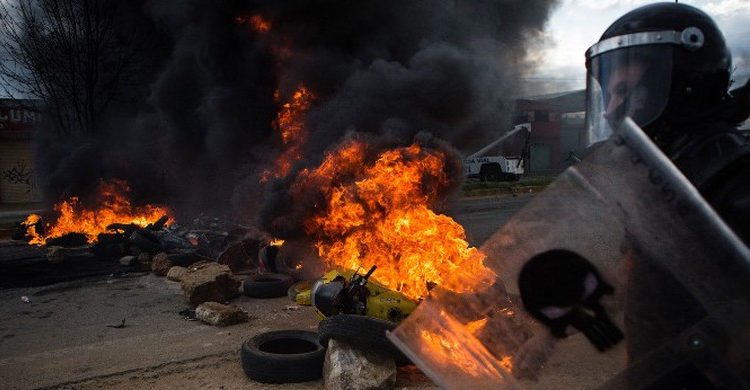
Ten years ago, as a group of striking teachers slept in their encampment during the early hours of June 14 in the state capital of Oaxaca, Mexico, government forces launched an attack to remove them from the zócalo, or town square. Riot police cleared the plaza while helicopters dropped tear gas from above.

The striking teachers were beaten, arrested, and pushed out of the city center. But not for long; the teachers and their supporters quickly regrouped, fighting back, block by block, and took the plaza back by midday.

The violent repression of striking teachers in 2006, ordered by the state governor, launched a social movement — called the “Oaxaca Commune” by supporters — that grew to encompass much more than the local teachers’ union.

The movement mobilized large swathes of Oaxacan society against the repressive governor. Aggressive federal intervention hobbled the movement, but failed to wipe it out. Today the dissident teachers’ movement is in the streets again, this time in opposition to the federal government’s “education reform” program.

The teacher’s movement is also more widespread than in 2006. Militarized attacks on striking teachers have occurred in Mexico City and throughout the country’s southern states. In the last month, the state of Chiapas has seen pitched battles between teachers and police forces, and the Zapatistas have spoken out in favor of the striking teachers.

Last week the Mexican attorney general’s office arrested two of the leaders of the Oaxacan section of the teachers’ union, Local 22, on corruption charges. Then on June 19, federal and state police attacked protesters in Nochixtlán, Oaxaca, a town on the highway between the state capital and Mexico City, resulting in the death of at least eight protesters.

The blatant attack on outspoken government opponents unleashed a wave of protests in the state capital in response.

It’s become somewhat of a cliché to describe the situation in Mexico as a “crisis.” Indeed, la crisis is frequently satirized in Mexican film and popular culture, with Mexicans unsure when the last crisis ended and the next began.

Yet it’s true that in Mexico has experienced a wave of tragedies since 2006. Over one hundred thousand thousand people have died, over twenty-five thousand have been disappeared, and more than one hundred journalists have been killed in the decade since former president Felipe Calderon declared war on the drug cartels.

Some of the crisis’s numbers are unforgettable. The forty-nine children burned to death in a government-outsourced daycare center without safety protections in the northern state of Sonora in 2009; the seventy-two migrants found in a collective grave in the state of Tamaulipas in 2010; and most recently the 2014 disappearance of forty-three Ayotzinapa Normal School students in the southern state of Guerrero. Tragedy’s numbers are a defining part of daily life and conversation in Mexico.

Enrique Peña Nieto’s election in 2012, coming after years of drug-war-related violence, was seen by many as a possible reprieve, a return to the nostalgic days of the Institutional Revolutionary Party (PRI) rule when governance was at least stable, if not democratic or transparent.

Yet President Peña Nieto’s sexenio (six-year term) has been marked by continued mass violence, corruption, and impunity at seemingly all levels of government. From shady government contracts in Mexico City, to his wife’s extravagant home paid for by dubious means, to the flagrant and repeated government lies over the forty-three missing students, Peña Nieto’s popularity has plummeted.

Recent state-level elections saw the PRI lose power in a number of its former strongholds. Mayors in Mexico are targeted by cartels, in a way that suggests they are siphoning funds directly from the state, in addition to drug and human trafficking.

The multiple captures and escapes of “El Chapo” Guzman, the infamous drug trafficker, lent credence to the popular belief among many Mexicans that the line between the traffickers and the state is blurry, at best.

Peña Nieto’s 2013 education reform plan — the piece of legislation under contention today — is just one component of a broader set of structural reforms pushed through by the president and the PRI.

While other reforms — such as the partial privatization of the state-run oil company, PEMEX, and corporate tax reform — have been relatively successful (on their own terms), the education initiative has proven the most difficult to implement, sparking opposition by not only the dissident section of the teachers’ union, the Coordinadora Nacional de Trabajadores de la Educación (CNTE), but also broader sectors of the national teachers’ union, the Sindicato Nacional de Trabajadores de la Educación (SNTE).

This opposition and the militarized approach of the government employed to implement the reforms, with thousands of federal police securing teacher testing sites, has led the international press, much of which until recently was supportive of Peña Nieto, to declare him a failure.

The education reform is better understood as an attack on labor. Much like the discourse of recent education reform movements in the United States, the Mexican reformers invoke notions of “accountability” and “quality” instruction.

But the reform itself contains numerous measures aimed at undermining the power of teachers’ unions including measures that weaken the union’s control of the hiring process at normal schools (which they historically controlled), eliminate teachers’ ability to pass down a position to their children, make it easier to fire teachers who miss work, and limit the number of union positions paid by the state.

These measures are all directly aimed at undermining the union’s power, but the central point of contention has been the evaluation of teachers through state-administered standardized tests.

At the end of last year, teachers across Mexico sat down for new nationwide teacher evaluations. In Oaxaca, the scene outside the testing site resembled a military exercise.

Ten thousand federal police were deployed to facilitate the administration of the evaluations, reflecting both the federal government’s desire to see their reform implemented as well as the widespread opposition to the new law.

Oaxaca is home to one of the most outspoken union locals in Mexico, Local 22, a member of the dissident CNTE movement — a movement that emerged in the late 1970s in opposition to the authoritarian, PRI-aligned SNTE.

In the 1970s and 1980s, the CNTE struggled against entrenched PRI control of union locals, with newly minted indigenous teachers playing a key role in southern states such as Oaxaca and Chiapas. The CNTE has remained a powerful force and controls, in addition to Local 22, sections of union locals in Michoacán, Guerrero, Chiapas, and the Federal District (Mexico City).

Given Local 22’s historic militancy, the state’s response was not surprising. Yet similar scenes of police coercion played out across the country, alongside a massive media campaign denouncing the dissident teachers’ union as self-interested and corrupt.

Historian A. S. Dillingham sat down with René González Pizarro, a Oaxacan teacher and member of Local 22, as well as a former delegate to its assembly, to discuss the nature of the reforms, the government’s strategy, and the history and culture of Local 22.

Can you first tell us a little about your own experience as a teacher? Why did you choose the teaching profession?

My professional training was originally in graphic design, but I’ve been immersed in the education world ever since I can remember. Actually, as a baby I was part of the teachers’ demonstrations of the 1980s and I remember that as a six- or seven-year-old I’d chant along with the slogans of the teachers.

After eight years teaching in private schools, I entered Local 22 thanks to my father. One of the benefits of the union members (eliminated by the recent reform) was the ability to inherit the position of one’s parents upon their retirement, as long as one had initiated their teacher training.

My father was in the indigenous education system, so I started there, with lowest category of promotor bilingüe or bilingual promoter. These positions were created in the 1970s and it is the category I continue to hold.

I started work in an indigenous boarding school in Coixtlahuaca, a rural, mountainous region in the western half of the state.

Let’s begin with the June 19 attacks on the teachers’ blockade in Nochixtán.

The federal and state police’s recent violence merely demonstrates the total obstinacy and refusal to negotiate on the government’s part. The teachers’ movement and much of the public generally have spoken out against the structural reforms, not just the against the education program.

On Sunday, the federal police first denied their use of live ammunition against demonstrators. Then later, after the confirmation of the first two dead, the secretary of government claimed it wasn’t police who fired, and said the photographs of police firing assault rifles were from another date and time.

But the media reaction was quick and the Associated Press confirmed the photographs of police firing on crowds were indeed from that Sunday and not manipulated.

Finally, at a press conference late that afternoon, the police admitted to their use of live ammunition.

The key from the government’s point of view has been the implementation of last year’s teacher evaluations. More than ten thousand federal police arrived in Oaxaca to facilitate the new evaluations.

The state government and Ministry of Education claimed it was a success. How do you view what took place with the evaluations?

The new state education ministry (IEEPO), which was legally reconstituted during the summer of 2015 to weaken the union’s control, has been trying to legitimize itself since its restructuring last July.

They’ve begun a series of actions, particularly on social media, to try to show that the Oaxacan teachers wanted to get rid of the “yoke” of the union.

On social media they have bombarded Oaxacans with messages like, “The new IEEPO is better, nothing remains in the union’s hands, now union coercion is no longer needed to access labor rights, the evaluation isn’t meant to take peoples’ jobs, now children will have all their classes.”

But the message is funny, if not ironic, in the face of the deployment of federal forces, not just in Oaxaca but in other states where the CNTE hasn’t had much presence.

Two or three years ago, before the reforms began in earnest, many non-CNTE teachers in the rest of the country viewed the evaluations as a good thing. (Actually some Oaxacan teachers did, as well.)

But with the full implementation of the reform there has been an upturn in the scale of opposition to it. Even in places where one hasn’t seen teacher protests before, one sees them now; the state of Jalisco and the state of Mexico are clear examples of this.

You mentioned the “new IEEPO” and what took place last July when the state government legally abolished — with the support of the federal police — the previous education ministry, in order to facilitate President Peña Nieto’s reforms.

How do you view that action? Does this constitute a death blow to Local 22’s power?

The government’s actions last July were a major blow to Local 22. But they weren’t a death blow. It wasn’t enough to merely freeze the union’s bank accounts, prosecute them financially, invent connections to organized crime, or try to do something from the financial side.

Nor has it been sufficient to detain the leaders. Actually, the detainment of four leaders and recently three members of Local 22’s executive committee sparked more desire to resist within the union.

Now the new state education ministry, supported by the reforms and federal education authorities, says that there will be no more marches and no missed class days. Three absences will mean the loss of one’s job, one absence will mean your pay would be docked.

The same happened with the federal ministry, after the first three days of the strike that began on May 15, 2016 the federal education ministry announced the firing of over four thousand teachers in Oaxaca, Michoacán, Guerrero, and Chiapas.

Do the authorities have the power to do that? To fire the teachers? That seems to be something new, given the union’s previous control over hiring.

According to the new reforms, yes they do have the power. The IEEPO asked the teachers to either go to class or have a day of pay deducted, because that is what the new law stipulates. Many teachers took to the streets. Some, out of fear or because they didn’t want their pay to be docked, stayed in the classrooms. Yet the threat of firing hasn’t stopped collective action. In fact, since May 15, the start of the strike, the movement has only grown.

The reform has allowed the state authorities to change how the IEEPO functions, right?

The new IEEPO is a mess. Within the actual office building, they have no idea what they are doing and they dismantled the apparatus, which, even if it was overly bureaucratic, knew how to function.

That is why they have turned to their massive publicity and social media campaigns, to improve the image of the new IEEPO.

In your opinion, what is the worst part of the education reforms?

That it’s not about education. That is the part that bothers me the most. From reading Peña Nieto’s reforms, the laws, and the auxiliary laws, it isn’t at all clear — and I’m not the only one that says this — that it’s about education reform.

It’s about yet another neoliberal government attack on trade unions that demonstrate any type of opposition. When one looks at the structural reforms in this country (and globally) one notices these reforms are directed at eliminating trade unions.

The strong unions have either been co-opted or eliminated. This happened in Mexico first with the railway workers, then the telecommunications workers’ union, the Luz y Fuerza union, the Federal Electricity Commission, and PEMEX. All that’s left are the teachers and public health workers.

With each reform, there is a direct attack on trade unions or civil society organizations.

You mentioned that you attended teachers’ marches as a baby with your parents. Not just in Oaxaca, but also in many other states, the democratic teachers’ movement emerged around that time. Local 22 and the CNTE nationally have their origins in that period. Is that history important for those in the movement today?

Yes. That generation from the 1980s just retired a few years ago (my father is one of them) and now there is a whole new generation of teachers. I know the history of that struggle because I lived through it but I’m not sure other comrades do because even those whose parents were also teachers in the 1980s don’t always seem very interested today.

There are two factors that might explain this dynamic. One is the distance that has developed recently between the union leadership and its bases, and the other is social pressure, particularly in the media, that casts the union in a negative light.

So the new comrades are often not interested in, nor committed to, the idea of struggle, either because they don’t feel represented by their leadership — because of corruption or poor management of the union — or because the media accuse the movement of being lazy and something bad for the country.

Yes, and many teachers say the relationship between the union leadership and the rank-and-file has changed dramatically since the 1980s.

Among the comrades that do participate, one major difference between today and the 1980s is the mandatory participation in union activities.

Today (although the state education ministry says the restructuring has taken this power away from the union), los puntos sindicales, the union point system, determines whether teachers can change their job category, school, or school zone, move between levels, and it also determines benefits, such as union-sponsored personal loans.

How do you see the Oaxacan struggle relating to the national context in Mexico? After Ayotzinapa, and the struggle for the missing forty-three students, have things changed in Oaxaca?

Unfortunately, Local 22 didn’t immediately join the movement for the missing forty-three students. The lack of solidarity among resistance and left movements in Oaxaca and Mexico generally is symptomatic.

After 2006, it has been virtually impossible to organize and unite the Left in Oaxaca. Many of us teachers have watched and followed the Ayotzinapa issue, and we are part of that movement, but not formally as Local 22.

It was only during the one-year anniversary of the disappearances that Local 22 made official statements of solidarity. I remember the first national teachers’ action in Mexico City after the disappearances; there was nothing in the official accords or assembly demands about Ayotzinapa.

The march was full of signs and banners addressing what had happened but it wasn’t even discussed, let alone made an official demand, by the organized union movement.

And why do you think the union leaders haven’t focused on supporting Ayotizinapa?

I’m not sure. Since I joined the union I’ve noticed a lack of interest in other movements and a basic lack of solidarity.

And that dynamic, of not taking up demands of other movements, contributes to the notion that the union is only concerned about its own interests. You can’t ask for support if you’re not supporting other struggles.

Exactly.

This brings me to a longstanding frustration with the reporting on teachers’ struggles in Mexico that leaves out important conflicts and problems within the union. As Benjamin Smith points out, there are problems within the dissident union movement itself, like the ability of teachers to pass their job on to their children, corrupt internal arbitration practices, and pay scales that benefit the union hierarchy.

What we shouldn’t lose sight of is that, even with the problems within the CNTE leadership, we cannot blame teachers themselves entirely for the education situation in Oaxaca or Mexico.

And there are real fights within Local 22 for internal union reform and alternative education reform. For example, Local 22 has developed a counter-proposal to the government’s so-called reform over the last few years.

Our counter-proposal is an effort from the union and the base-level membership, organized around two important points. First, it proposes a curriculum based in the local culture and context of Oaxaca, which is diverse, indigenous, and multicultural. Secondly, it is based in the theories of critical pedagogy.

Of the most important changes it proposes, in my view, regards the system of teacher evaluation. The union’s proposal eliminates standardized testing (there will be exams but the use of standardized exams will be abolished) to evaluate either students or teachers. It focuses entirely on the qualitative aspect of education.

I served as advisor for a process in which indigenous teachers from all over the state of Oaxaca discussed and debated methods of evaluation that fit indigenous education and what we aim to accomplish as indigenous teachers.

With the imposition of the new law, our proposal has lost steam. Now there is no openness on the part of the government or education authorities to even listen to our proposals.

In terms of the crisis of participation and distancing between the base and the leadership within Local 22, that is something far too complex to be solved with one or two actions but I would venture two reforms that, to me, would be fundamental in shifting toward a more democratic and militant unionism.

Within the union, one important change would be to eliminate the mechanisms of coerced participation. The teachers’ movement of the 1980s had a genuine interest from the bases in fighting against union corruption and in favor of the people and their right to a public and quality education.

Teachers participated with conviction. They slept on sidewalks waiting for the results of the state union assembly and valued the actions decided there.

Over time, that same leadership promoted a system of coerced participation, in which, through the point system, gave benefits or transfers, even salary raises, to those with the highest points.

This has meant that in the last few years union activities continued to have large levels of participation but not necessarily due to political conviction.

The other important change would be for us teachers to regain the parents and general public as allies in our struggle. In many communities the teachers left to participate in union actions without explaining to the parents why they did so or convincing them of the importance of their activities.

In the recent struggles it’s encouraging that more parents seem to be upset about how the reform will affect public education and are joining us in the streets.

It’s important that the school becomes once again part of the community and that the community itself becomes part of the education system.

For example, since June 19 of this year many NGOS, be it local, national, or international, have shown their solidarity with the movement and rejected the government’s use of police repression.

As I mentioned, the support of the communities and parents’ groups is decisive to reinvigorating the movement and one has begun to see that in the recent highway blockades, maintained for many days by parents and community members.

That popular participation is what held back the federal police across the state. The state violence over the weekend has only released a bigger wave of support from local communities.

What you raised at the beginning, that one cannot isolate the teachers from the broader social context in Mexico, seems crucial. Even the OECD, whose statistics are trotted out frequently to describe the poor quality of education in Mexico, notes the statistical correlation between poverty and education outcomes in southern Mexico.

The notion that poorly administered teacher evaluations will solve this problem is laughable and that teachers are primarily to blame for poor education conditions in their communities absurd.

Precisely. One has to keep in mind the structural poverty in this country.

The education reform doesn’t address the physical conditions of public schools, classroom technology, continuous teacher training, nor the distinct pedagogies that might fit particular regional contexts throughout the country. For me poverty is the principle problem affecting the education system.

Fuente de la noticia: http://readersupportednews.org/news-section2/318-66/37639-mexicos-teachers-stand-up-against-the-violent-neoliberal-order

Fuente de la imagen: http://readersupportednews.org/images/stories/article_imgs21/021588-oacaca-062416.jpg
Comparte este contenido:

Las elecciones provocaron dos renuncias (PRI, PRD) y una candidatura presidencial (PAN)

Por: Pedro Echeverria V.

1. PRI, PAN, PRD, firmaron con el presidente Peña Nieto un “Pacto por México” al inicio de su sexenio. Después de aprobar todas la “reformas estructurales” entraron en contradicciones pero conservaron el “pacto” porque el gobierno del PRI les siguió manteniendo a los partidos los subsidios y obsequios multimillonarios. Así que entre esos partidos sigue un acuerdo permanente en beneficio del sistema político de dominio capitalista. Los tres partidos (PRI, PAN, PRD y sus seguidores) son de derecha, conservadores, corruptos y privilegiados; pero en los procesos electorales juegan a la “oposición” para seguir engañando a los electores.

2. Esos partidos son garantes de la propiedad privada, de la acumulación de capital en pocas manos, de las leyes que amparan los negocios privados y garantizan la seguridad de ellos. El PAN y el PRD buscan derrotar al PRI para quedarse con los negocios del gobierno; no para enterrar el sistema de explotación que es el causante de la miseria, el hambre y la muerte. ¿Qué beneficios recibió el pueblo después de 12 años de gobiernos del PAN? ¿Qué mejoras a la población se han registrado con los gobiernos del PRD en varios estados? Por ello nosotros gritamos junto al pueblo en las calles: “Ni PRI, ni PAN, ni PRD, queremos a los trabajadores en el poder”.

3. En estas farsas electorales en medio de la gran miseria económica del pueblo, los votos se compran y se venden masivamente por unos cuantos pesos, con regalos, despensas, materiales de construcción y promesas. El pueblo aprovecha los periodos de campañas de todos los partidos para recibir algo de obsequios para mantener a la familia. A la hora de votar lo hace a favor de quien le dio más regalos porque sabe que todos los partidos y políticos son iguales, poseen el mismo pensamiento; así que más prácticos los electores buscan “quién les da más”. El gobierno y los partidos se aprovechan de esa realidad para usar como mercancía a los electores.

4. El panista Ricardo Anaya lleva muchos meses preparando su candidatura presidencial y con los resultados electorales a su partido, parece que ha reconfirmado y asegurado su candidatura; además su única competidora, la señora Zavala, es esposa de un expresidente asesino, el señor Calderón. Lo que nunca he entendido: ¿Cómo pueden ser tan cínicos los partidos y los políticos que después de gobernar, robar, reprimir, asesinar al pueblo, sigan apareciendo en la plaza pública como si no hubiera pasado nada? Así como los expresidentes de la República, los dirigentes del PRI, PAN, PRD, deberían estar en la cárcel por apoyar el sistema.

5. Manlio Fabio Beltrones, el presidente del PRI, renunció ayer lunes porque fue absolutamente derrotado por la unión del PAN/PRD. No le quedaba otra salida porque en todo el país se hablaba ya de su renuncia obligada. Por último hace unos cinco días renunció el presidente del PRD Agustín Basave porque el PRD se convirtió en simple apéndice del PAN. Con su actuación terminó de enterrar al PRD que de “socialdemócrata” se convirtió en derechista declarado. ¡Pobre PRD, se convirtió en una piltrafa de esas que les tiran a los animales para tragar! ¿Todavía le quedan militantes? ¿Qué esperan los bejaranos para salirse y recuperar su política?

6. Lo único que queda en el panorama electorero es el lópezobradorismo que este domingo 26 hará una manifestación en la ciudad de México. Ese mismo día se cumplirán 21 meses de la desaparición de los 43 estudiantes normalistas de Chiapas. Espero que la CNTE, los padres de los 43 y Morena pudieran coordinar un acto conjunto donde pudieran hablar las tres organizaciones y la gente que asista haga conciencia del significado de la unidad en la diversidad. Nadie se subordina a nadie y cada quien tiene el derecho de externar sus posiciones quizá cuidando no agredir. Pienso que es una oportunidad para comenzar un proceso de unidad que en parte podría ser anticapitalista.

7. Puta, si llegara a suceder esa coincidencia de actos, los medios de información, los empresarios, el gobierno y la misma embajada yanqui, pondrían el grito al cielo. Continuarían agudizando una gran campaña contra el Lópezobradorismo que de socialdemócrata se hace de izquierda y los maestros de la CNTE que por ese solo hecho se les acusaría de recibir dinero de López Obrador. Si esta alianza se logra pienso que los electricistas, mineros, telefonistas, zapatistas, grupos de la izquierda radical, comenzarían a buscar estrategias unitarias para fortalecer la lucha social en México. Entonces ahora sí el gobierno tendría que estar llamando a mesas de diálogo y no de monólogo.

Fuente:http://www.rebelion.org/noticia.php?id=213788

Comparte este contenido:

“¿Lo que pasó en México es el pasado o el futuro de Argentina?” Entrevista a Fernando Buen Abad

México/25 Junio 2016/Autor: Juan Ciucci/Fuente: APU

Entrevista a Fernando Buen Abad, filósofo, intelectual y escritor mexicano; a partir de la masacre de Oaxaca. Analiza los peligros del TTP, acuerdos al que el macrismo quiere entrar.

APU: ¿Cómo analiza la terrible situación por la que atraviesa México?

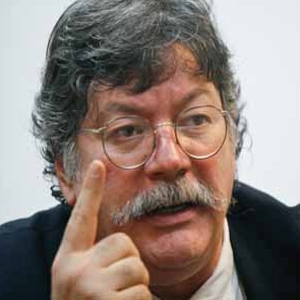
Fernando Buen Abad: Lo que ha pasado es que el gobierno de Peña Nieto, que es un gobierno entregado al consenso de Washington y por supuesto al gobierno de EEUU, decidió dar un paso criminal y absolutamente irracional. En el sentido del proyecto privatizador de la educación que él viene impulsando desde hace algunos años. Se trata de una situación de violencia extrema contra maestros que luchan, desde la Coordinadora Nacional de Trabajadores de la Educación, por la dignificación de su trabajo. Pero también por impulsar una gran revolución educativa en el país. México necesita una gran transformación en la educación, pero que tiene que venir de la consulta de las bases.

Peña Nieto quiere hacer un proyecto de privatización educativa, que viene de la consulta de los grandes negociados. Como el Grupo Prisa de España o algunas editoriales norteamericanas que quieren quedarse con el negocio de la venta de libros en las primarias y secundarias del país. Entre otros lobistas que están en México y han disfrazado su lobby de reforma educativa. Los maestros entendieron este juego perverso del neoliberalismo y se han declarado en lucha desde entonces. Esta es la realidad de fondo, lo que se pretende es entregar la educación de México a los negociados principalmente españoles y norteamericanos.

La cruzada heroica de los docentes mexicanos, lo que ha tenido como respuesta a sus múltiples llamados al diálogo y a la reflexión, ha sido la muerte, la represión, la sangre y la cárcel. Esto es lo que pasó en México este fin de semana. Es una expresión más de la locura, la irracionalidad, del proyecto neoliberal en México y en América Latina.

APU: ¿Cuál cree que es ese mensaje para América?

FBA: Me gusta insistir en la pregunta de si esto que vemos en México constituye el pasado de Argentina, o es su futuro inmediato. Dado que estamos viendo en este país gestos y destellos de autoritarismo, y de episodios fascistas que son altamente preocupantes, con represión. Vale la pena preguntarse si eso que pasó en México es el pasado o el futuro de este país. Vale la pena profundizar la pregunta y encontrar una respuesta que nos haga caminar juntos, que nos haga coordinar esfuerzos, que nos ponga en una sola voz. Con nuestras diversidades, para construir la autodefensa del periodismo, pero también la construcción de una fuerza que sirva para caminar con las luchas y movimientos que quieren terminar de una vez con este monstruo llamado capitalismo.

APU: En nuestro país el gobierno amenaza con el ingreso al TTP, ¿qué nos puede contar de la experiencia mexicana?

FBA: Es un paso más en el proceso de destrucción de la clase trabajadora. Implica dejar que sean las empresas las que establecen las leyes, las reglas. Que entre empresas decidan cómo te jubilas, cuándo te jubilas, cuánto duras en un empleo, a qué hora entras o sales, cuánto te pagan. Y no haya intervención alguna de los Estados porque el acuerdo básico es llevar los salarios de los trabajadores al nivel asiático. Convertirte en un esclavo a tiempo completo a cambio de unos centavos. Y que tú no tengas capacidad de réplica o protesta en ningún frente. Y que por supuesto el Estado haya acordado y firmado que no se meterá nunca en esos acuerdos que son de “particulares”. Ése es el formato, el modelo, que ya opera en los países que han firmado esto, como México.

Fuente: http://www.agenciapacourondo.com.ar/secciones/patria-grande/19808-lo-que-paso-en-mexico-es-el-pasado-o-el-futuro-de-argentina

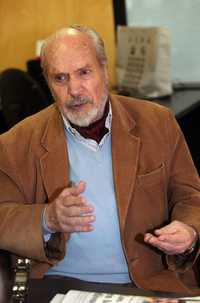
Fuente de la imagen: http://bligoo.com/media/users/35/1793641/images/public/255989/fernando-buenabad_CDP.jpg?v=1417369916339

Comparte este contenido:

México no será exitoso sin educación de calidad, advierte Nuño

Mexico/25 Junio 2016/Fuente:Informador

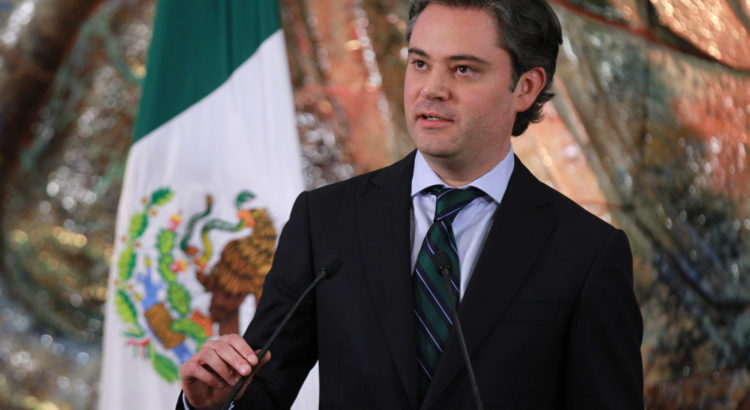
El titular de Educación, Aurelio Nuño Mayer, sostuvo que es imposible pensar en un México exitoso sin educación de calidad y sin un proyecto como la reforma educativa, avalada por las principales fuerzas políticas y los congresos federal y estatales.

Al inaugurar la XLIX Sesión Ordinaria de la Asamblea General de la ANUIES, consideró que no hay proyecto más importante que la reforma en la materia para alcanzar una educación de calidad, así como combatir de manera estructural la desigualdad.

El reto es también tener escuelas de calidad con mejor organización e infraestructura; mejorar a los maestros mediante evaluaciones y capacitación, sin poner en riesgo sus derechos laborales, enfatizó el titular de la Secretaría de Educación Pública (SEP).

Además, avanzar en contenidos educativos con mejor pedagogía, alejada de un proceso en el que solamente se considera enseñar, para que en el aprendizaje se pueda discernir, añadió en el acto efectuado en Acapulco, Guerrero.

La reforma educativa es de gran profundidad, que puede cambiar la trayectoria del país, para tener un México más libre, próspero y justo, manifestó en el encuentro de la Asociación Nacional de Universidades e Instituciones de Educación Superior (ANUIES).

El funcionario federal hizo ver la importancia de incrementar la cobertura en educación superior, que pasó de 32 a casi 36 por ciento, y señaló que se podría alcanzar entre 42 y 43 por ciento si hay concentración en tres objetivos centrales:

Aumentar la eficiencia terminal en uno por ciento en el bachillerato, incrementar uno por ciento la absorción del nivel superior y reducir uno por ciento la deserción en dicho grado de estudios, añadió el titular de la SEP.

Si se logran esos tres factores, destacó Nuño Mayer, se superará la meta de cobertura para 2018, que es de 40, y explicó que en la actual administración aumentó de 32 a casi 36 por ciento.

Reconoció asimismo el compromiso del gobernador Héctor Astudillo Flores con la educación y resaltó que entiende que con la transformación educativa se pueden cambiar vidas y al país.

El titular de la SEP señaló la importancia de tener un mejor sistema educativo, para que los estudiantes lleguen con mejor preparación a la universidad, a fin de que ésta sea un trampolín.

Reconoció el apoyo real de las universidades a la reforma educativa, además de que participan en los planes de capacitación y formación continua de los maestros.

Con decisiones eficaces se puede avanzar en la cobertura de Educación Superior, con calidad y equidad, dijo el secretario Nuño, y precisó que la mayoría de los jóvenes de los deciles más altos llegan a la educación superior, en tanto que los de deciles bajos menos de 15 por ciento accede a ese nivel educativo.

Entre los retos de la educación superior, mencionó el financiamiento, y pese al entorno económico se dialoga con la ANUIES en relación con el tema, e hizo un reconocimiento a la labor del secretario ejecutivo de esa institución, Jaime Valls Esponda.

Reflexionó sobre la innovación, y externó que la capacidad de innovar es imposible sin un sistema de investigación, ciencia y tecnología, con educación de calidad.

En su oportunidad, el gobernador Héctor Astudillo planteó su compromiso con la educación superior; ratificó su alianza incondicional con la Universidad Autónoma de Guerrero, y manifestó su deseo de que haya paz, porque no es con la violencia como mejorará el país.

En tanto, Valls Esponda recordó que la colaboración de la ANUIES con la SEP es permanente y se mantiene vigente la participación de las universidades en la certificación de profesores del nivel medio superior, lo cual alcanzó el año pasado a más de 12 mil profesores.

Existe además el acuerdo con la Subsecretaría de Educación Media Superior la certificación de más de 20 mil docentes en ese ejercicio.

«En las instituciones de Educación Superior asociadas comprendemos las complicaciones económicas que enfrenta el país», y por ello, ante la limitada disponibilidad de recursos, se hace un esfuerzo extraordinario para cumplir las tareas que ha encomendado la sociedad, concluyó.

Fuente: http://www.informador.com.mx/mexico/2016/668750/6/mexico-no-sera-exitoso-sin-educacion-de-calidad-advierte-nuno.htm

Comparte este contenido:

«Los maestros mexicanos luchan por todos, por la democracia, por la cultura»

México/25 Junio 2016/Autor: Mario Hernández/Fuente: Rebelión

Entrevista a Guillermo Almeyra, editorialista internacional de La Jornada (México) 

Mario H.: Quiero retomar un tema que abordamos hace dos semanas, una situación que se ha complicado mucho, me refiero a la que se está viviendo en México. Los maestros de la Confederación Nacional de Trabajadores de la Educación (CNTE), que tiene unos 200.000 afiliados, 80.000 de ellos en la localidad de Oaxaca al sur del país, que están llevando adelante una lucha desde hace largo tiempo, han sido duramente reprimidos, se hablaba de 8 muertos, pero en las últimas informaciones hablan de 12 y 22 personas desaparecidas, con lo que eso significa en México, luego de los acontecimientos de Ayotzinapa, decenas de heridos, por parte de la policía.

Me gustaría Guillermo que usted que conoce tanto México por haber vivido muchos años en ese país, inclusive es integrante de la Academia Nacional de Ciencias de México, comparta su análisis sobre esta situación.

Guillermo A.: Nuevamente hay dos grupos en el gobierno, el mayoritario dispuesto a imponer a sangre y fuego un ajuste y destruir las organizaciones sindicales, y las palancas de desarrollo del país, privatizaron el petróleo, abrieron el camino a la explotación privada del agua y quieren destruir la educación pública y crear una educación planificada por los grandes capitales, sobre todo, extranjeros para producir gente que le sirva al capital, todo lo demás no les interesa. Y destruir fundamentalmente el sentimiento nacional que es la base de la resistencia del pueblo mexicano. Los maestros luchan por todos, por la democracia, por la cultura, por abrir una perspectiva que no sea la del talón de hierro, de la que hablaba Jack London, del capitalismo aplastando todo; y esta nueva masacre al día siguiente de una enorme manifestación en la Ciudad de México en apoyo a los maestros, contra el pueblo que apoyaba a los maestros, porque los muertos no son solo maestros, entraron a tiros en un mercado indígena, mataron a un catequista que venía a socorrer heridos.

Esta nueva masacre ha colmado la paciencia y ha levantado una campaña internacional y en México mismo, y hoy el gobierno se ha visto obligado a hacer lo que había prometido no hacer nunca: negociar con los maestros. No le llama negociar, sino dialogar y no sobre la Ley de educación sino sobre la situación política, pero no se puede discutir la situación política sin discutir la ley y por lo menos modificarla.

Es una situación brutal de dictadura, han suprimido los derechos democráticos y además la policía ha recibido orden de tirar a matar contra todos, antes tiraban gases o balas de goma y cada tanto asesinaban y decían que se había mezclado algún infiltrado y lavaban culpas, pero ahora no, ahora tiran a matar directamente.

Hay una discusión, el Ministro de Gobernación que es el de Interior, quiere ir en busca de una salida política porque si no le va a estallar el país. Michoacán que está en el centro, Guerrero, Oaxaca y Chiapas ya están en llamas, los pequeños comerciantes apoyan a los maestros, en la ciudad de México decenas de miles de estudiantes universitarios salieron a apoyar a los maestros. Estamos ante la perspectiva de este llamado diálogo al que los maestros van en posición firme, no van a negociar su repudio a la Ley y el gobierno dice que no va a cambiarla, pero se va a ver obligado a hacer modificaciones.

Mario H.: Señalaba recién que han suprimido derechos democráticos, pero aparentemente no es solo en México, también en Francia está sucediendo algo parecido con la nueva convocatoria contra la reforma laboral para el día de mañana (23/6).

Guillermo A.: En efecto, la Coordinadora sindical decretó una manifestación para mañana y otra el 27, coincidiendo con el curso de la discusión de la Ley laboral en el Parlamento, donde hay una gran oposición a la ley. El gobierno primero decretó que no iban a haber más manifestaciones, las prohibió, en contra de las leyes y de la Constitución francesas. Después sustituyó la medida por la prohibición de las manifestaciones dejándoles en cambio un recorrido establecido por el Ministerio del Interior, una suerte de “Manifestódromo” inventado por el gobierno lo más lejos posible del centro, de los turistas, del transporte y de la influencia mediática. Todos protestan contra esto, hasta Marie Le Pen que habla de su anticonstitucionalidad, porque el día de mañana se la van a aplicar a ella.

Mario H.: El jueves hay una elección muy importante en Inglaterra donde está en cuestión la permanencia de ese país en la Unión Europea (UE). Tenía datos de la semana anterior donde en general la opinión pública se inclinaba por votar a favor de la salida de Inglaterra de la Unión Europea, esto había provocado pánico en los mercados financieros, las principales bolsas europeas el martes 14 cerraron acumulando pérdidas de más de 400.000 millones de euros, según datos extraídos de Bloomberg. Pero el diario de hoy dice que ayer hubo alzas en la City en Londres y la libra esterlina volvió a cerrar con la mejor cotización desde 2009. Esto me hace pensar que la inclinación de la opinión pública ha cambiado en el término de dos semanas. ¿Esto es así?

Guillermo A.: Parece ser así, yo no estoy en Inglaterra pero es evidente que el asesinato de la diputada laborista por un fascista inclinó a los indecisos y a un fuerte sector hacia el voto para quedarse en la Unión Europea. Hay un último sondeo que dice que es ligeramente superior el número de gente que votaría por quedarse. Incluso se agrega otra pregunta, quedarse en qué condiciones, muchos de los que votan por quedarse aumentarían muchísimo, tal vez un 15%, si Inglaterra decide prohibir el ingreso de Turquía en la Unión Europea, porque una de las resistencias al acuerdo con la UE es coexistir con dictaduras como la ese país.

El panorama no está claro todavía pero es evidente que la Bolsa de Londres reacciona a partir de las noticias que le dan una ventaja a quedarse en la Unión Europea. Sin embargo, quedarse no quiere decir que estén de acuerdo con ella, por ejemplo, el gran cineasta Ken Loach dice que hay que quedarse porque se puede al menos reducir la velocidad de la campaña brutal de ajuste que está haciendo la UE.

Mario H.: Una posición parecida a la de Jeremy Corbyn.

Guillermo A.: Claro.

Pablo Iglesias que es una especie de Tsipras aguado

Mario H.: Finalmente el domingo hay elecciones en España, ¿va a cambiar algo el panorama político?

Guillermo A.: Yo creo que no mucho, porque Iglesias es mucho más blando que lo que fue Tsipras en Grecia. De todos modos, lo que puede cambiar es la relación de fuerzas interna, de los sectores, todos ellos reformistas que tratan de gobernar el capitalismo español. Por ejemplo, Podemos con Iglesias que es una especie de Tsipras aguado, podría con su alianza con los comunistas y la Izquierda Unida superar a los socialistas y pesar sobre éstos para un eventual gobierno socialista, que sería posible.

Mario H.: Algo parecido a lo que esta sucediendo en Portugal.

Guillermo A.: Claro, ese sería de todos modos un golpe importante a la derecha. Si los socialistas dicen que no, quedaría el gobierno de Rajoy muy debilitado y condenado a corto plazo porque perdería en las próximas elecciones y un PSOE desgarrado tirado por un lado por los de Podemos y, por otro, por la tendencia a buscar todavía acuerdos con las derechas.

Fuente: http://www.rebelion.org/noticia.php?id=213783&titular=%22los-maestros-mexicanos-luchan-por-todos-por-la-democracia-por-la-cultura%22-

Fuente de la imagen: https://economarx21.files.wordpress.com/2014/02/almeyra.jpg

Comparte este contenido:
Page 922 of 1006
1 920 921 922 923 924 1.006