Page 695 of 1684
1 693 694 695 696 697 1.684

Congress Needs To Follow The Research And Prioritize Higher Education

Por: Kim Cassidy

Worldwide, we have seen a trend towards increasing investment in traditional higher education, including and especially liberal arts programs like philosophy, economics, mathematics, biology and chemistry. But in the U.S., we’re questioning not just the dollars-and-cents value of a four-year degree but the developmental, intellectual and societal value.

The tax bill passed in December placed a 1.4% excise tax burden on the investment income of select private colleges, which will reduce funds available for scholarships, academics and facilities. And the overhaul of the Higher Education Act (PROSPER Act) currently making its way through Congress notably increases funding and access to short-term, vocational programs and at the same time cuts $15 billion in federal student aid for college students over the next decade.

While students should have the option to gain the immediate skills they need through vocational programs, the long-term benefits of higher education cannot be pushed aside. Since the end of the Great Recession,college graduates have captured most of the new jobs and pay gains. But the benefits of a college education are not just economic: they’re also neurological.

As a college president and professor of psychology, I am attuned to educational outcomes. I have seen how a college education exposes students to new modes of thinking, pushes them to challenge received ideas, teaches them to make evidence-based arguments and asks them to integrate different kinds and levels of information to solve complex problems (popularly known as systems thinking). I have watched students grow exponentially and become fundamentally different thinkers and learners.

Recent work on adolescent brain development, especially that of neurologist Frances Jensen and psychologist Laurence Steinberg, supports what I have seen myself – that a college education not only imparts information and skills to students, but may change the very structure of their brains.

Using various forms of imaging to study brain function, researchers find that in adolescence (the period between ages 10 and 25) the brain has an increased capacity to build new neurons and new and stronger connections among neurons, contributing to the development of higher-level thinking capabilities such as planning and abstract thinking. In this period, learning is faster and the capacity for new ways of thinking is enhanced. Neuroscientists call this potential for change “plasticity.”

In other words, plasticity creates a heightened ability to benefit from increased intellectual engagement, problem solving, and exposure to novel concepts and skills – exactly like those taught and experienced in college. Failing to maintain exposure to new challenges will ultimately fail to build or expand brain matter in the same way.

*Fuente: https://www.forbes.com/sites/kimcassidy/2018/05/29/congress-needs-to-follow-the-research-and-prioritize-higher-education/#52c0c5ec5d42

Comparte este contenido:

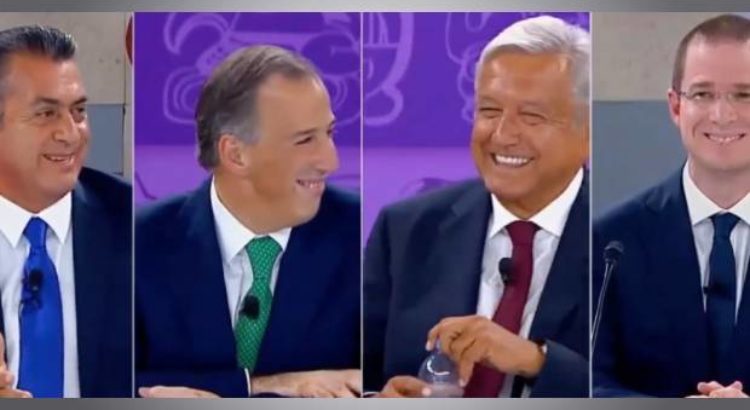
Educación, Ciencia y Tecnología en el Tercer Debate

América del Norte/México/19.06.18/Fuente: www.sdpnoticias.com.

Dos temas sobresalieron durante el tercer debate entre los cuatro candidatos presidenciales, en Mérida este 12 de junio, me refiero a los temas de Educación, por una parte, y Ciencia y Tecnología, por otra. Aunque es cierto que las políticas públicas sobre la Educación y la Ciencia se entretejen, hay que abordarlas, por su complejidad y singularidad, como dos campos a analizar por separado; sin embargo, hay que reconocer que sus vínculos son orgánicos o estructurales.

Como es sabido, los subsistemas de Educación Básica y Media Superior, constituyen la plataforma formadora de jóvenes prospectos a matricularse en las universidades e instituciones de educación superior, y luego prepararse como investigadores, en su caso, a través de los programas de posgrado, e integrarse a las filas de la comunidad científica, tecnológica y humanística del país. Una ruta similar de actualización, mediante estudios de posgrado, deben seguir también los docentes de educación media superior y superior.

En ese contexto, seis aspectos del debate llamaron mi atención de lo expuesto por los candidatos en materia Educativa, y de la investigación en Ciencia y Tecnología.

I

Andrés Manuel López Obrador se mantuvo firme en su posición de cancelar la llamada «Reforma Educativa«, debido a que ésta «ha sido una Reforma Laboral mas no educativa, y porque solo ha servido para denigrar o agraviar a la profesión docente». Como lo ha dicho, en algunos foros y mítines el abanderado de Morena-PT-PES, su gobierno impulsará un nuevo «plan educativo nacional con la participación de maestros, maestras, padres de familia, directivos y especialistas o expertos en educación», con la finalidad de impulsar una verdadera Reforma Educativa.

La reflexión que me deja este pronunciamiento por parte de AMLO, es saber qué de lo modificado hasta hoy será recuperado por el nuevo gobierno, a nivel jurídico, es decir, del texto constitucional y de las leyes secundarias, (lo que incluye a la controvertida Ley General del Servicio Profesional Docente); así como a nivel pedagógico: el modelo educativo y la actualización de los planes y programas para la Educación Básica, que se establecieron durante y al final del sexenio por concluir. ¿Se aplicará el famoso dicho, usado en la política, «borrón y cuenta nueva» en el ámbito del diseño de políticas educativas 2018-2024, o se retomarán algunas ideas que son técnica y socialmente rescatables? Considero, a la manera de la célebre metáfora atribuida a Karl Marx, que no hay que tirar al bebé junto con el agua sucia de la bañera. Las ideas de pensamiento crítico, autonomía curricular e impulso a la creatividad y la iniciativa personal y social en los niños, las niñas y los jóvenes, merecen una reconsideración; así como las propuestas para desburocratizar a la escuela pública, y reactivar o dar un fuerte impulso a la educación física y artística, a la formación cívica y ética, y la educación socioemocional, son motivo de revisión.

II

Ricardo Anaya dijo que su gobierno, en caso de que el voto mayoritario le favoreciera, impulsaría un cambio en materia de educación, en el sentido de que los niños desarrollen la «comprensión», en lugar de la «memorización». Ese discurso no parece distinguirse en nada de aquel difundido y reiterado por Aurelio Nuño, ex secretario de Educación, en el gobierno de Peña Nieto,  y ahora coordinador de la campaña de Pepe Meade. Solo le faltó decir al panista: «Vamos a promover un enfoque pedagógico para que los niños y los jóvenes aprendan a aprender”… En algún momento de sus intervenciones, cuando no ocupó tiempo para atacar verbalmente a sus adversarios, sobre todo a AMLO, Anaya se concretó a decir que la Reforma Educativa de Peña Nieto era un buen proyecto, pero que «lamentablemente fue mal implementado». No hubo ningún agravio, según él, a los maestros.

III

Cuando alguno de los moderadores le preguntó a Jaime Rodríguez, el Bronco, que desde qué nivel educativo promovería cambios a la educación pública en México, como eventual presidente de la República, el regio contestó: «Desde la Educación Media Superior o el Bachillerato». Sobre el mismo punto, Pepe Meade, candidato del PRI-Panal-Verde, opinó en su oportunidad al respecto y se anotó un punto a favor, al pronunciarse a favor de promover cambios en la base de la estructura educativa «desde la Educación Preescolar».

IV

AMLO manejó información imprecisa sobre la Reforma Educativa. Por una parte, dijo que el gobierno actual impulsa la «privatización» de la educación, y que estas políticas educativas son ejecutadas por las autoridades mexicanas por instrucciones de organismos multinacionales como el Fondo Monetario Internacional (FMI).

No encuentro, sin embargo, ninguna parte en la legislación mexicana, ni en ningún documento programático del gobierno federal o de la Secretaría de Educación Pública (SEP), en la cual se trace una línea hacia la privatización de la educación (a no ser que el programa de escuelas al CIEN sea el eslabón perdido). Es un hecho, no obstante, que hay ciertas directrices y políticas públicas educativas, adoptadas desde el gobierno de Felipe Calderón (2006-2012), como parte de un acuerdo con la Organización para la Cooperación y el Desarrollo Económicos (OCDE), mismo que fue ratificado por el gobierno de Enrique Peña Nieto, en el sentido de asegurar la «calidad de la educación» y “evaluar sistemáticamente” a los docentes de la escuela pública. Pero no fue exactamente un acuerdo con el FMI.

V

En cambio, Andrés Manuel se notó bien informado y visiblemente actualizado al plantear que el país tiene la necesidad de fortalecer a la Investigación Científica y Tecnológica (y este tecleador agregaría, a la Investigación Humanística y de las Ciencias Sociales), puesto que el sector público (principal fuente financiera nacional) no ha alcanzado a invertir, anualmente, lo que marca la ley: el 1 por ciento del Producto Interno Bruto (PIB). Hay carencias serias por esa razón en este rubro, claro que sí.

El Peje aprovechó la coyuntura, dado el amplio auditorio que atendía el debate por los medios en todo el país, para nombrar, como si estuviera en funciones como mandatario de la nación, a una investigadora destacada, la Dra. María Elena Álvarez-Buyllá Roces, como titular del Consejo Nacional de Ciencia y Tecnología. ¿A quién nombraría Ricardo Anaya? ¿Quién sería el personaje propuesto por Pepe Meade para ese importante puesto?

Casi al finalizar el debate-examen profesional, después de que algún moderador-sinodal le preguntó a AMLO, si su gobierno crearía una nueva secretaría nacional de Ciencia y Tecnología, debido a la importancia que tiene este sector para el desarrollo nacional, el tabasqueño, como beisbolista experimentado, dejó ir “la bola” sin abanicar… Dijo simplemente que no. ¡¡¡De acuerdo!!! ¿Para qué invertimos o gastamos más en burocracia dentro del ámbito de la ciencia? si lo que requiere el país es mayor impulso a la formación de investigadores, fortalecer la infraestructura de los centros para el desarrollo de la ciencia y tecnología, y dar apoyo sostenido a los científicos que han decidido trabajar, de tiempo completo, en el país.

VI

Como lo escribí hace unos días, me parece que Ricardo Anaya y José Antonio Meade mostraron clara pobreza intelectual y escasa visión de futuro en torno al papel que juegan la investigación en ciencias, tecnologías y humanidades en nuestra sociedad. Para ellos, la ciencia y la técnica se reducen solo a las aplicaciones y a la resolución de problemas sociales tangibles. ¿Dónde queda la investigación básica o la indagación teórica sistemática para ellos? ¿Dónde ubican entonces a la Filosofía, la Historiografía, la Psicología y la Antropología Social, entre otros campos de conocimiento?

Anaya, en especial, no tiene en su horizonte un proyecto serio para el país, de largo alcance, en materia científica y tecnológica, ni humanística. Es un candidato que muestra sus limitaciones intelectuales con propuestas demagógicas, pues solo alcanzó a balbucear la idea de dotar de «teléfonos inteligentes a todos».

Finalmente, pienso que, si bien los candidatos no son especialistas que dominen, a detalle, todos los temas o campos de conocimientos que se abordaron durante este tercer debate, pero caray, algunos chispazos de ideas principales deberían de tener como para aspirar a dirigir a una nación tan compleja y diversa como lo es la nuestra.

Fuente de la noticia: https://www.sdpnoticias.com/nacional/2018/06/15/educacion-ciencia-y-tecnologia-en-el-tercer-debate

Comparte este contenido:

Le système d’éducation québécois est « attaqué », dit un collectif citoyen

Amérique du Nord/Canada/19.06.18/Source: ici.radio-canada.ca.

Le système d’éducation québécois est « attaqué » et doit être « défendu » pour retrouver sa mission d’instruire et d’éduquer, selon un regroupement qui appelle à la mobilisation. Debout pour l’école! estime que ce rôle est pour le moment dévié vers « une approche très marchande ».

Le collectif de 200 citoyens, essentiellement des enseignants, croit également que les conditions de travail de ceux qui oeuvrent dans le secteur de l’éducation doivent être substantiellement améliorées.

La porte-parole et coordonnatrice du collectif, Suzanne G. Chartrand, n’y va pas par quatre chemins. « Tout le monde est à bout de souffle, a-t-elle lancé en entrevue. Tout le monde est épuisé. »

Il y a eu des compressions énormes de 1,5 milliard de 2010 à 2016 juste pour l’école primaire et secondaire au Québec. Ces compressions, ça veut dire moins de locaux, moins de personnel, moins de services.

Suzanne G. Chartrand, coordonnatrice de Debout pour l’école!

Mme Chartrand, une didacticienne qui se consacre à l’éducation depuis plus de 50 ans, plaide pour un réinvestissement massif, « pas que réinjecter quelques millions par-ci par-là ».

Et pas question de comprimer d’autres dépenses. Elle soutient que Québec devrait augmenter ses revenus « en allant chercher l’argent là où il est » pour l’investir dans « le bien commun ».

Le gouvernement devrait « couper en haut », dit-elle, en empêchant l’évitement fiscal et en cessant de dépenser des milliards de dollars « en pure perte ou essentiellement pour aider de grandes corporations ».

Mobilisation citoyenne

Debout pour l’école! souhaite que les gens s’expriment par tous les moyens possibles, notamment en signant une pétition sur son site web, en se rendant dans les comités de parents, en parlant à leurs élus et en se réunissant avec d’autres personnes pour discuter d’enjeux relatifs à l’éducation.

On veut que les gens sentent qu’il y a un groupe qui va recueillir leur parole, qui va discuter avec eux pour qu’on comprenne mieux quels sont les problèmes, les enjeux et les solutions.

Suzanne G. Chartrand, coordonnatrice de Debout pour l’école!

Le regroupement formé il y a un an a rassemblé plusieurs revendications et se donne pour mandat d’impulser une discussion sur l’éducation au cours des prochains mois.

Il estime qu’il y a un manque de volonté du gouvernement du Québec de faire en sorte que l’éducation occupe une place importante.

Mme Chartrand accuse le gouvernement libéral d’être responsable de la situation actuelle « déplorable ».

Elle constate que « tous les rapports du Conseil supérieur de l’éducation depuis au moins 20 ans tirent la sonnette d’alarme sur tous les aspects qui vont mal dans l’éducation », mais qu’ils sont ignorés par les ministres qui se succèdent.

Le livre du présent ministre de l’Éducation, Sébastien Proulx, est selon Mme Chartrand un « ramassis de lieux communs que n’importe qui peut dire ».

« Quand il y a des solutions concrètes, c’est les pires solutions, a-t-elle lancé. C’est comme s’il n’avait lu aucun rapport du Conseil supérieur de l’éducation, aucune étude sérieuse, y compris de ses propres fonctionnaires. Alors, il parle à travers son chapeau, puis il sourit. »

Mme Chartrand croit qu’il ne faut plus attendre que les gouvernements « redressent la barre ». Rien ne changera si chacun ne se sent pas concerné et ne décide pas de faire une petite action, seul ou avec d’autres, a-t-elle résumé.

Pour se faire entendre, « des milliers et des milliers » de Québécois devront, selon elle, dire que « ce n’est pas le genre d’éducation qu’on veut, ce n’est pas le genre de politique éducative qu’on veut ».

Source des nouvelles: https://ici.radio-canada.ca/nouvelle/1107603/mobilisation-citoyenne-defendre-education

Comparte este contenido:

Colleges and State Laws Are Clamping Down on Fraternities

By Kyle Spencer

Fraternity members at Louisiana State University adhere to age-old rituals, shrouded in secrecy, that dictate how they gather, greet each other and initiate their young pledges.

But when they return to campus in the fall, one ritual will be drastically different: They will face much more severe consequences for dangerous hazing incidents.

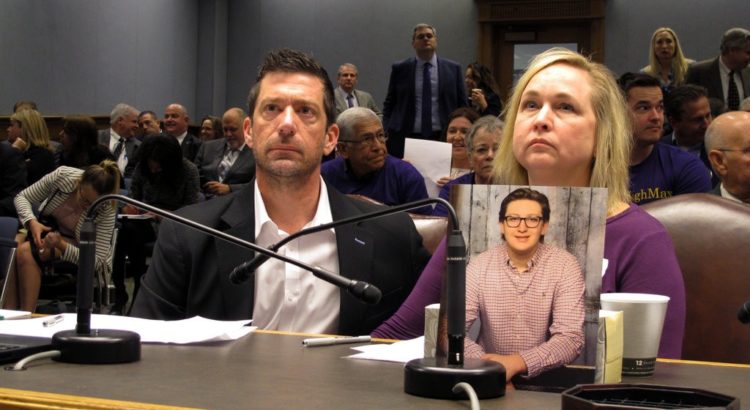
In May, eight months after the death of Maxwell Gruver, a freshman pledge at the university’s now banished Phi Delta Theta fraternity chapter, Gov. John Bel Edwards of Louisiana signed into law an anti-hazing bill that would make it a felony for those involved in hazing that resulted in death, serious bodily harm, or life-threatening levels of alcohol. And students found guilty could land in a Louisiana jail for up to five years.

The new law represents an important departure for Louisiana, which once had some of the most lenient anti-hazing laws in the nation. But it also reflects renewed efforts around the country — in state legislatures, inside courthouses and on campuses — to prevent the hazing injuries and deaths that have plagued college campuses for decades.

“Realistically, the answer is regulation and reform,” John Hechinger, the author of “True Gentlemen: The Broken Pledge of America’s Fraternities,” said during a panel on Greek life last week at The New York Times Higher Ed Leaders Forum. “That is really the only possibility.”

There has been at least one school-related hazing death each year in the United States since 1961, according to Hank Nuwer, a Franklin College journalism professor and the author of multiple books on hazing. Most, but not all, have occurred during fraternity initiation events.

But in 2017, four students, including Mr. Gruver at L.S.U., Tim Piazza, a 19-year-old at Pennsylvania State University and Andrew Coffey, a 20-year-old at Florida State University, lost their lives in hazing-relating incidents. Mr. Coffey died on a fraternity house couch after drinking an entire bottle of bourbon during Big Brother Night. In each case, multiple students were charged.

This fall, Penn State President Eric J. Barron, who appeared on the panel with Mr. Hechinger, said that the incident on his campus had been a “horrible tragedy,” but one that had spurred new interest in reform.

This past year, Dr. Barron banned 13 organizations from his campus and instituted 15 reforms, including switching disciplinary oversight of the institutions from a Greek governing council to university administrators, requiring newcomers to take a pledge about their actions inside their organizations and deferring the initiation process for freshmen until later on in the school year, so they can develop new friends and interests before being faced with hazing.

This winter, officials at Florida State University started a hazing education initiative and increased staff members charged with monitoring Greek life. And at Louisiana State, President F. King Alexander proposed 28 reforms, including a requirement that chapters hire house managers.

College administrators are also beginning to look at the problem collectively. At a meeting in Chicago this spring, representatives from 31 colleges and universities explored ways to garner more cooperation from national Greek organizations, which can resist university oversight.

Dr. Barron is pushing an online safety database that will record incidents at chapters around the country, indicate which institutions are doing exemplary work in their communities and which are experiencing alarming trends.

Penn State and many other universities already have, or are instituting, their own report cards.

The high profile nature of the cases is also impacting state capitals. Pennsylvania, like Louisiana, is expected to soon pass an anti-hazing law that would make death by hazing a felony.

New Mexico has also been exploring the idea.

In Tennessee, state representative John DeBerry Jr. floated a bill that would ban fraternities altogether in the state.

Mr. Hechinger says fighting to make fraternities safer is probably a better use of critics’ energy, as it is unlikely that fraternities will be banned on public campuses where they are powerful.

“If we were going to create a higher education system from scratch, would we have organizations that year after year kill a student? Probably not,” he said at the conference. “But they are very ensconced in higher education, and if you try to do some kind of ban, which is often what people are asking, you run the risk of underground behavior.”

Source of the article: https://www.nytimes.com/2018/06/05/education/learning/colleges-fraternities-laws.html

Comparte este contenido:

Childhood sibling dynamics may predict differences in college education

United States/ 18.06.2018/By: Penn State/ From: www.sciencedaily.com.

The effects of sibling relationships may go beyond childhood bickering and bonding, according to Penn State researchers who found that these relationships may predict similarities and differences in siblings’ education later in life.

In a study spanning about 15 years, the researchers found that when siblings felt more warmth toward each other in childhood, they were more likely to achieve similar levels of education. But, when siblings felt that their parents’ treatment of themselves versus their sibling was unfair, or when their fathers spent more time with one sibling than the other, those siblings achieved different levels of education.

Xiaoran Sun, a doctoral candidate in human development and family studies, said the results held up even when the researchers controlled for the siblings’ grade-point averages across childhood and adolescence, suggesting that school achievement may not be the only factor determining what level of education a person achieves.

«While school is obviously important, this study helps show that what goes on inside families can have an impact, as well,» said Susan McHale, distinguished professor of human development and family studies. «Warmth from siblings may not mean you’re more likely to go to college, but it seems to be a factor in how similarly the two siblings turn out. People don’t tend to think about siblings being important to academic achievement, but our findings highlight the importance of family experiences — beyond what happens at school.»

Previous research has shown that graduating college has an impact on an individual’s employment, health and the way they form families of their own. While it’s been shown that parenting can affect educational achievement, little work has been done to study whether siblings have an effect.

«A lot of research on child development focuses on one child in the family, with the assumption that if you know what happens to this one child, you know how families operate to socialize children,» McHale said. «But in the U.S. and elsewhere around the world, more children grow up in a home with a sibling than with a father figure. So by studying siblings, you start to get a better sense of the larger family context of development.»

The researchers followed the two oldest siblings from 152 families from middle childhood through their mid-twenties. The families lived in central Pennsylvania and were mainly European-American.

When the siblings were an average of 11.8 and 9.2 years old, the researchers measured warmth by asking the children questions, like how often they turned to their sibling for advice or support. Additionally, the researchers gathered data on whether the parents treated their children differently, and whether the siblings thought this different treatment was fair or not. They also measured how much time the siblings spent alone with their mothers and fathers.

When the siblings were around 26 years old, the researchers followed up to ask each sibling about their highest level of completed education.

«The sibling relationship factors that we tested did not predict whether an individual sibling would graduate from college or not, but we did find predictors of whether siblings would achieve different levels of education,» said Sun. «The findings provide clues about how sibling relationships can affect education pathways.»

The researchers said there are a few possible explanations for the findings, which were recently published in the journal Child Development. Sun said that when siblings feel more warmth for each other, they have a closer relationship in general, and thus may be more likely to follow similar paths in their education achievement.

«When two people are closer to each other, they tend to treat each other as role models,» Sun said. «And this could be for better or for worse. They can be ‘partners in crime,’ as some prior work suggests, or partners in achievement, as we found. It’s not that siblings who are close are more likely to graduate from college, they’re just more likely to end up with the same level of education, either graduating from college or not.»

McHale said that for the siblings who ended up with different levels of education, the perception of their parents treating them differently and unfairly may have been part of what drove their different choices.

«Children are vigilant in noticing how they’re treated relative to their siblings, and parents need to be aware of this and on their guard,» McHale said. «Many parents treat their children differently and have very good reasons to do so, but children need to understand parents’ reasons, and parents have to have conversations with their children to explain those reasons. If kids perceive their treatment as fair or justified, even if it’s different from their siblings’, then there’s not the same negative effect.»

Sun said the results could help design future interventions that focus on siblings. The researchers said that it may be helpful to design studies that could explore the possible causal role of sibling relationships on education, as well as studies of more diverse populations.

From: https://www.sciencedaily.com/releases/2018/06/180618102600.htm

Comparte este contenido:

México: Niños, los ausentes en las propuestas de los presidenciables

América del Norte/ México/ 18.06.2018/ Fuente: www.forbes.com.mx.

En eventos públicos e impulsados por la celebración del Día del Niño, los cinco candidatos presidenciales se han pronunciado a favor de la defensa de los derechos de los infantes y respecto a la importancia de instrumentar políticas públicas enfocadas en impulsar el desarrollo integral de la niñez mexicana; sin embargo, sus propuestas de campaña no tienen un eje especifico en esta materia.

De acuerdo con la Encuesta Intercensal 2015 de Instituto Nacional de Estadística y Geografía (Inegi), en el país residen 39.2 millones de niños y adolescentes (de cero a 17 años), lo que representa 32.8% de la población total. Y, según datos del fondo de las Naciones Unidas para la Infancia (UNICEF), en México uno de cada dos niños vive en pobreza, 13% de los niños menores de cinco años padecen desnutrición crónica; en tanto que 36% de los menores de entre seis y 11 años presenta sobrepeso y obesidad.

El pasado 5 de abril Margarita Zavala, Ricardo Anaya y José Antonio Meade firmaron un compromiso por la infancia encabezado por UNICEF, enfocado en consolidar el Sistema Nacional de Protección Integral de los Derechos de Niñas, Niños y Adolescentes, además de integrar en el Plan Nacional de Desarrollo cinco acciones de protección y acceso a los derechos de los infantes.

Te recomendamos | Aquí hay una gran idea: inviertan en los niños

Proyecto 18, la plataforma de propuestas de Andrés Manuel López Obrador, candidato por Morena a la presidencia, no tiene un enfoque principal en la infancia. En el eje enfocado en Educación, Ciencia, Valores y Cultura del Proyecto 18 apunta que el “sector educativo será prioritario” y en ese sentido propone una serie de medidas urgentes y otras “necesarias” para asegurar el derecho a la educación.

Entre las medidas urgentes destacan: generalizar la gratuidad de todos los niveles educativos, otorgar becas de transporte o mantenimiento a los alumnos que habiten en zonas de alta marginación; establecer, con financiamiento gubernamental, comedores y albergues escolares, y dotar a los alumnos de todas las escuelas básicas del país de materiales, útiles, uniformes y bibliotecas escolares.

Aunque no hacen referencia específica a los niños, dos de las siete propuestas presentadas en el portal de José Antonio Meade, candidato por la coalición PRI-PVEM-Panal, se enfocan en la infancia: “Educación de Excelencia para tus Hijos” y “Ningún Bebé Nacerá en Pobreza Extrema”.

La primera propuesta enfocada en la educación apunta que se impulsará la creación de 100,000 escuelas de tiempo completo, reconocer el esfuerzo de los buenos maestros con aumentos a su salario, e impulsar el arte y la cultura.

En el caso de la propuesta que se enfoca en evitar la pobreza extrema en los recién nacidos, se enfocaría en alinear la política social, federal y local, garantizar el derecho a la salud y fortalecer el programa prospera.

En las propuestas en Ricardo Anaya, divididas en cinco ejes, tampoco se establece de forma específica el tema de la niñez. Sin embargo, en el eje enfocado en Desarrollo Económico con Inclusión e igualdad se propone desarrollar un sistema de educación pública laica, de calidad mundial; y consolidar un sistema de salud universal y de calidad internacional.

“Un México donde tú y tu familia se sientan seguros”, es uno de los ejes de la plataforma de Margarita Zavala, candidata independiente presidencial, pero se trata únicamente de una lista de propuestas enfocadas en el combate a la inseguridad.

En el caso del candidato independiente, Jaime Rodríguez “El Bronco”, su portal se enfoca en la reducción de impuestos para incentivar la economía, lucha contra la delincuencia organizada, cero financiamiento público en campaña, lucha contra partidocracia y anti asistencialismo. En ninguno de los cinco ejes se hace mención a los niños o propuestas específicas para atender sus necesidades.

Fuente de la noticia: https://www.forbes.com.mx/ninos-los-ausentes-en-las-propuestas-de-los-presidenciable

Comparte este contenido:

Con educación, investigación e innovación, las Universidades La Salle responden a las necesidades globales

América del Norte/ México/ 18.06.2018/ Fuente: www.prnewswire.com.

150 rectores y directores de investigación, internacionalización y misión de 61 Universidades La Salle de todo el mundo, se reúnen en la #CDMX del 18 al 21 de junio, para definir acciones que integren y fortalezcan con un enfoque multicultural, la contribución de las universidades para lograr los Objetivos de Desarrollo.

La edición XII del Encuentro de la Asociación Internacional de Universidades La Salle (IALU, por sus siglas en inglés) es una de las reuniones de educación e investigación más grandes e importantes en el mundo. Su finalidad es sentar las bases trianuales para la continuidad a un proyecto educativo global, que transforma entornos, impacta realidades y crea futuros.

Este año, bajo la temática «Nuestra fortaleza está en la diversidad»las instituciones de los Hermanos de las Escuelas Cristianas, expondrán distintos casos de éxito en los que, a través de la educación, han logrado responder a las necesidades, problemáticas y tendencias del mundo actual.

Casos como:el Proyecto Fratelli que apoya a niños refugiados por la guerra en Líbano; la Universidad de Belén, el espacio de educación superior más antigua de Palestina; las universidades Católica de Etiopía y en África Occidental la Universidad Lasaliana en Burkina Faso; en el ámbito  local La Salle Nezahualcóyotl, cuyo impacto social se ha convertido en un oasis dentro de uno de los municipios con los más altos índices de delincuencia e inseguridad en el país.

«Las comunidades educativas lasallistas tienen el desafío de abordar el impacto de la globalización, la masificación, el acceso desigual, la movilidad de los estudiantes, las tecnologías de la información y la comunicación; para transformar su entorno y construir un mundo más justo y fraterno» comentó Robert Schieler, Superior General de La Salle en el mundo.

La Asociación Internacional de Universidades La Salle, es una de las redes de educación superior e investigación más grandes en el mundo, con presencia en 17 países y en los cinco continentes. 250 mil estudiantes universitarios, se forman en las 61 universidades lasallistas.

ACERCA DE LA UNIVERSIDAD LA SALLE CIUDAD DE MÉXICO

A 56 años de existencia, la Universidad La Salle está catalogada dentro de las universidades de mayor prestigio a nivel Nacional, recientemente reconocida como la única universidad cien por ciento acreditada en todos los programas de licenciatura, reconocidos por su calidad y pertinencia. Ofrece 97 programas de bachillerato, licenciatura, posgrado. Cuenta con una población de más de 12,600 estudiantes y 2,250 colaboradores. Forma parte de la Red de Universidades La Salle México con 15 universidades y de La Salle Universities con 76 universidades alrededor del mundo. La Salle es animada por los Hermanos de las Escuelas Cristianas (Hermanos Lasallistas) presentes en más de 80 países formando a un millón de estudiantes del prescolar hasta el doctorado. La Universidad La Salle México es liderada por el Dr. Enrique González Álvarez, fsc, nombrado Rector desde el mes de julio de 2011.

Foto – http://www2.prnewswire.com.br/imgs/pub/2018-06-15/original/4323.jpg

FUENTE Universidad La Salle

Fuente de la noticia: https://www.prnewswire.com/news-releases/con-educacion-investigacion-e-innovacion-las-universidades-la-salle-responden-a-las-necesidades-globales-685701071.html

Comparte este contenido:
Page 695 of 1684
1 693 694 695 696 697 1.684