Page 867 of 1684
1 865 866 867 868 869 1.684

Canadá: Reconocimiento del papel esencial que desempeña el personal de apoyo escolar.

América del Norte/Canadá/17.10.2017/Autor y Fuente:https://www.ei-ie.org/

Canadá: Reconocimiento del papel esencial que desempeña el personal de apoyo escolar.

Durante el Día nacional del personal de apoyo escolar celebrado en septiembre en Canadá se puso de manifiesto la labor esencial que lleva a cabo el personal de apoyo escolar, que garantiza diariamente el correcto funcionamiento de los centros escolares.

La Federación del personal de apoyo escolar (Fédération du personnel de soutien scolaire – FPSS-CSQ), afiliada a la Central de los sindicatos de Quebec (Centrale des syndicats du Québec – CSQ), miembro de la organización de la Internacional de la Educación (IE), ha destacado debidamente la labor esencial que desempeñan sus 27 000 miembros del personal de apoyo escolar.

Orgullo

«Nuestra red pública de educación no sería lo que es hoy sin estos trabajadores que intervienen, día tras día, en todos los niveles de nuestro sistema escolar,» afirmó el presidente de la FPSS-CSQ, Éric Pronovost.

«Nuestros miembros tienen muchos motivos para sentirse orgullosos de lo que están logrando, pues están marcando una diferencia en nuestras escuelas y en nuestros centros. Por lo tanto, nos gustaría darles las gracias por su profesionalismo», puntualizó Provonost.

Aprender sobre las categorías laborales del personal de apoyo escolar en 81 días

No obstante, Pronovost deploró el hecho de que las 81 categorías laborales representadas por la Federación sigan siendo poco conocidas y reconocidas.

Con el fin de recordar al ministro de la Educación la importancia que tiene reconocer y valorar estas 81 categorías laborales, este recibirá una postal cada día que ilustra una categoría laboral determinada. Esta es una forma de valorar la labor que realizan todas las personas que contribuyen a la vida escolar en las escuelas y en los centros, así como de fomentar una mejor comprensión del papel que lleva a cabo cada miembro del personal de apoyo en los comités escolares. Una vez finalicen todas las entregas diarias, el ministro contará con un total de 81 postales.

Fuente:https://www.ei-ie.org/spa/detail/15444/canad%C3%A1-reconocimiento-del-papel-esencial-que-desempe%C3%B1a-el-personal-de-apoyo-escolar

Imagen:https://www.eiie.org/resources/views/admin/medias/timthumb.phpsrc=https://www.ei-ie.org/media_gallery/original_c17bc.jpg&w=1200&h=530&zc=1


Comparte este contenido:

La parábola de la bala de plata

                 A la memoria de mi tío Ricardo,
                por las décadas de convivencia.
                Acompaño en su dolor a Carmela, Ricardo chico y Jorge.

Patrick J. Kearneyescribió un artículo en el Huffpost el 17 de abril cuya traducción libre al español sería: “No hay una bala de plata para la reforma educativa”. La parábola de la bala de plata llamó mi atención.

No me cuento entre quienes piensan que los conceptos se pueden importar y aplicar de la misma manera que los autores que uno cita. Al traducirlos y amoldarlos a nuestros intereses, los ponemos en la perspectiva nacional. Se aplica la máxima de traduttore, traditore, aunque no se trate de falsear el pensamiento original.

Como se sabe, en la literatura de ficción, los hombres-lobo sólo pueden neutralizarse con balas de plata. El Llanero Solitario era famoso por su antifaz y porque usaba ese tipo de balas para disciplinar a los descarriados. Kearneyrazona que los reformistas de la educación en Estados Unidos se equivocan al disparar balas de plata para lograr que todas las escuelas fuesen iguales y que obtuvieran resultados semejantes. Él es un defensor de los maestros y la escuela pública de ese país, hoy bajo sitio por los afanes privatizadores, la charterizaciónde la educación, dice Diane Ravitch (Cf. The Reign of Error).

Las condiciones que tasan la reforma del gobierno de Peña Nieto no se asemejan a las circunstancias en que navega la reforma estadunidense, aunque haya cierto paralelismo. Allá las consignas por privatizar las escuelas, bajo el manto de la ideología de la “libertad de elegir”, son agua de uso. Aquí son inexistentes. Pero ambas reformas persiguen que los estudiantes obtengan mejores calificaciones en pruebas estandarizadas y uno y otro gobierno desconfían de los maestros.

La defensa apasionada que hace Kearney de los docentes de escuelas públicas estadunidenses tiene fundamentos en una historia de profesionalismo. Refuta con argumentos sólidos los ataques que les lanzan desde el gobierno (más hoy con Donald Trump a la cabeza). Habla de la dedicación de los maestros y de cómo crean “grandes” escuelas, pero sólo donde el empuje de las comunidades se empareja con los ánimos de los docentes.

Esta es una diferencia fundamental. En México las comunidades no se involucran con el desarrollo de sus escuelas ni apoyan a sus docentes (tal vez sea lo contrario, les reclaman por las fallas de sus hijos). Pero los maestros tampoco cultivaron la tradición de relacionarse con las familias. Desde la fundación del SNTE, las escuelas comenzaron a aislarse, a dejar de tener diálogos con su entorno.

La alegoría de la bala de plata se podría aplicar al SNTE. Sus líderes y camarillas fueron quienes las dispararon: colonizaron el gobierno de la educación básica —claro, en un lapso de décadas—, excluyeron a la Iglesia católica —cierto, había razones históricas para ello—, a padres, a autoridades y a líderes de otras organizaciones (por eso se acabaron las escuelas artículo 123, donde los sindicatos, de mineros o ferrocarrilero, por ejemplo) querían tener influencia. Fueron los grupos dirigentes del SNTE quienes no sólo se hicieron cargo de la trayectoria profesional de los maestros, sino que degradaron sus saberes, los estandarizaron y les impusieron rutinas; además, en medio de una corrupción cada vez más patente.

No digo que la Reforma Educativa de este gobierno quiera destruir al SNTE y liberar a los docentes de las ataduras corporativas. A lo mejor esa no es su tarea. La emancipación de los maestros es una faena que deben acometer ellos mismos. Su acción colectiva hacia la profesionalización —pienso— es lo que puede blindarlos contra otras balas de plata y disciplinar a sus líderes. La reforma sólo les brinda unas cuantas oportunidades para ello.

Fuente del Artículo:

La parábola de la bala de plata

Comparte este contenido:

México: Incrementa matrícula de Educación Inicial en comunidades rurales

América del Norte/México/17.10.2017/ Fuente: elmercurio.com.mx

La matrícula de Educación Inicial en las comunidades rurales de Tamaulipas se ha incrementado considerablemente, debido a que ahora se les brinda desayuno a los alumnos; ello con la suma de los tres órdenes de Gobierno, lo que ayuda a la economía de la familia rural, reveló el Delegado del Consejo de Fomento Educativo (Conafe).

Entrevistado tras el arranque del Taller Estatal de Formación inicio del Ciclo Operativo 2017-208 en la que se entregaron útiles escolares Conafe y equipamiento a líderes comunitarios, el titular de la dependencia federal, Pedro Hugo Medina Salazar, informó que este lunes se inició la capacitacion de promotores para cubrir la demanda de ese grupo poblacional.

Detalló que son alrededor de ocho mil 500 madres de familia con hijos en edades de cero a cuatro años, que habitan en las comunidades más alejadas y marginadas y que a partir del 1 de octubre están siendo atendidas por los promotores comunitarios.

“Hoy se inauguró el taller de educación inicial con figuras de supervisores, coordinadores de zona y equipo técnico estatal para que las acciones adquiridas sean replicadas en más de 850 comunidades del estado y 850 promotoras educativas para impartirlo a los alumnos”.

Medina Salazar, aseguró que en este momento es suficiente el número de promotores educativos que colaboran en el Conafe, aunque no descartó la posibilidad de buscar un crecimiento en el número de los mismos luego de que ya se dieron a la tare a de detectar el número de niños y madres de familias que habitan en las zonas rurales dela entidad.

“Si la demanda llega crece y si hacen falta promotores educativos, vamos localizando a más personas que deseen cubrir este espacio”, indicó.

Fuente de la noticia: https://elmercurio.com.mx/la-region/incrementa-matricula-educacion-inicial-en-comunidades-rurales


Comparte este contenido:

El Nuevo Modelo Educativo ¿Es modelo, es educativo y qué tan nuevo es?

Por:

La sala vacía

Esta vez, la crónica empezará por el final, relatando ese tipo de sorpresas que el periodismo regala cuando uno es aprendiz de reportero. Quizá sea “la nota” de la sesión, aunque ya no había público y los muchachos de las cámaras quitaban los cables del suelo, jalándolos para separar la cinta adhesiva que les ponen encima para que no se tropiecen los que pasan.

Haga de cuenta como en cantina, en que, por ser tarde, empiezan a trapear con Maestro Limpio y le piden que levante los pies. Apagan varias luces, no pocas, y los meseros ponen las sillas sobre las mesas haciendo ruido para que lo notes en tu mesa, la única ocupada a deshoras de la noche.

Ahí ocurrió lo inesperado: este relator conversaba con un alto funcionario de la SEP, quien asistió a la mesa dedicada al Nuevo Modelo Educativo (NME) en el auditorio del INEE. En eso, llega un señor y nos interrumpe con una tarjeta de presentación en la mano, que no suelta mientras inicia, por su cuenta y sin respeto alguno, otra conversación, de la que no soy parte, con una gracejada plena de interés por quedar bien[1]:

  • “Los gestores, mi estimado, los funcionarios que realmente se empeñan en cambiar las cosas para bien, siempre van a ser criticados de forma injusta por los académicos”.

El señor funcionario endurece el rostro. Está de acuerdo, no le importa la interrupción pues el tema le interesa sobremanera y le dice:

  • “Me hubiera gustado pararme y decir, a voz en cuello (aunque hubiera sido muy duro) que el documento (se refiere al inmenso volumen en que se da cuenta del NME) no fue escrito para intelectuales ni filósofos, banda de parásitos, sino para maestros.”

El señor metiche ríe, y le da la razón:

  • “Claro, lo que importa es que los profesores lo entiendan, no esos críticos que nunca están conformes con nada”

Este intercambio no se entenderá sin poner a usted en contexto: Marisol Silva, académica de la Ibero, realizó un comentario crítico a la exposición de Elisa Bonilla sobre las bondades del NME. Entre otras cosas que se relatarán después en estas cuartillas, expresó que, a su juicio, hacían falta en el documento contextos históricos de reformas previas, referencias conceptuales y de índole filosófica, para fundamentar algunas de las aseveraciones sobre equidad, inclusión, educar, aprender, la sociedad del futuro… que abundan en el libro de marras.

  • “Ya ves cómo es esto, continua el habitante del Palacio Educativo, son una molestia permanente.

Cambia el tono y le pregunta:

  • ¿Dónde andas ahora?
  • “Soy consultor, en una empresa pequeñita, a tus órdenes y comprometido con la Reforma actual que es el verdadero cambio educativo… te dejo mi tarjeta”
  • Te busco pronto y nos tomamos un café.

Se despiden. Por no dejar, el señorcito de traje que merecería ser gris si no fuera tan café, me ofrece una mano pequeña, al estrecharla blanda y húmeda, de esas que no dan confianza… propia de un comerciante avieso que hasta en ese gesto, flojo, calcula. Se presenta pronunciando su nombre y el consabido “mucho gusto”. Yo solo digo, apenas, mis generales y lo veo partir: hizo el contacto, a eso venía: ya se va. Orondo.

Seguimos nuestra plática sobre los daños a la oficina de la SEP donde trabaja por el sismo del 19, su intenso intercambio con los profesores y las maestras (¿Cuántos serán? Nunca lo dicen, pero siempre relatan una anécdota preciosa con “la maestra Lupita…”) que le conducen a afirmar que el magisterio está de acuerdo en todo, y de otras cosas…

  • Hasta luego, Manuel, que estés bien. Ya leeré tu crónica.

Así fue la despedida. Se dirigió a su coche, mal estacionado, donde lo esperaba, presto, para abrirle la puerta su chofer. Yo tomé rumbo a un café cercano que conozco a escribir, aunque sea el inicio de la crónica para avanzar. Me ha tardado mucho en las anteriores.

Fui testigo, reflexiono, del viejo dilema de Weber entre el político y el científico, pero en vivo: al político encargado, junto con otros, de darle a la Reforma Estructural del Pacto Corporativo con El SNTE, al mero final, un toque educativo que nunca la orientó, no le pareció oportuna (le enfadó) la crítica de la académica que echaba de menos un fundamento teórico en el enunciado del nuevo rumbo de la educación nacional, y de la construcción del nuevo ciudadano que pregonan.

La ética de la responsabilidad, por un lado (hacer que la cosa pase, parezca, funcione, sea creíble al menos) y la de la convicción (el deber de fundar lo argumentado, y no solo proponerlo o dejarlo suelto, como palabra sin contenido).

El comerciante se congraciará con el político, haciendo un comentario que le halaga, por si acaso hubiera algún negocio en el futuro. Él está de acuerdo y se afirma en su seguridad. Cosa curiosa: no advierten que, en medio, invisible, han dejado a un tipo como el que ahora recuerda lo sucedido, que es profesor, procura investigar, anda de cronista y registra lo que ve y escucha, dado que no ha faltado a ninguna sesión del seminario con su pegatina que dice “prensa”.

La banqueta siempre ha sido un sitio importante para las ideas. Caminar esclarece. En un momento dado, la neurona se prende y me prendo: “Un momento, me digo: más allá del encontronazo entre la que tiene que hacer cosas para conservar su poder y El Poder del que le paga, y quien tiene que pensar para conservar la integridad de su oficio, ¿lo que se dijo en ese diálogo, además y mucho más preocupante, es que los profesores no requieren, o no comprenden, son incapaces de valorar conceptos bien delimitados, ideas de filosofía o teoría de la educación? ¿Que no lo necesitan? ¿Les bastará recibir un documento sin cimientos sólidos, que han de seguir al pie de la letra? ¿Son piezas en el tablero de las autoridades educativas, de tal manera que hay que decirles cómo hacer las cosas, sin necesidad de argumentar su fundamento? Si ni siquiera leen las 18 paginitas de 700 en las que se habla de autonomía curricular, me dijo el funcionario, cuantimenos referencias analíticas. ¿Piensan por su cuenta o esperan, apacibles, los “lineamientos” de la SEP para ser autónomos, estar en el centro, renovar sus prácticas?

Ahí dejo la estampa vivida: imagine que usted soy yo, y presencia este intercambio que le describo. ¿Desprecio al magisterio? ¿Menosprecio de la crítica, así sea tan elegante y ponderada como la que realizó la Dra. Marisol Silva Laya? ¿No hay más ruta que la nuestra, la de ellos, los funcionarios acompañados del aplauso y el sarcasmo de los quedabien? ¿El halago al empleado público porque puede requerir los servicios del consultor “independiente”? Hay muchas posibilidades y combinaciones para comprender lo que sucedió en ese medio minuto. ¿Con qué autoridad le digo lo que fue, si caben muchas alternativas para interpretar lo acontecido? Mejor le ofrezco la descripción. Usted dirá. A mí me asombra el poder de reportear, cómo la nota brinca cuando menos lo esperas, de qué manera ese diálogo arroja claves de lo que sucede entre el político y el científico, y entre el poder y los comerciantes de baratijas educativas.

Una vez compartida esta viñeta, procedo, como siempre, a hacer lo mío en estas sesiones: compartirles mi mirada.

La prescripción desde la altura

Ya sin comentar nada sobre la impuntualidad, sólo registro que la sesión inició, en el reloj de esta computadora, a las 5 y 20, pero en el del moderador, José Carreño Carlón, a las 5 y 16. Como Director del Fondo de Cultura Económica (FCE), avisa que ya habló con el Consejero Presidente del INEE, Eduardo Backhoff, y le propuso que con base en estas presentaciones se haga un libro, no para especialistas nada más, sino para padres de familia e integrantes de la sociedad civil. Porque ha seguido de manera remota las sesiones anteriores, y considera que los encuentros han sido muy interesantes, equilibrados y esclarecedores de lo que se juega en el futuro educativo del país.

Elisa Bonilla, encargada de la coordinación del equipo que pergeñó la serie de documentos que forman parte del NME, explica que una de las grandes ventajas de este novedoso planteamiento es que, por cada uno de los ejes que se han establecido como cimientos para el ciudadano del Siglo XXI, hay objetivos precisos de lo que se espera en cada grado y ciclo, de tal manera que las y los profesores saben qué tienen que hacer en el tramo que les toca, y conocer qué es lo que ya se hizo y lo que continuará. Para sorpresa de quien ve la ilustración, en una sólo diapositiva está todo clarito. Claro, no se alcanza a ver, pero se la copio para que tenga la misma sensación de nosotros ahí:

Cada vez es más frecuente que los expositores digan que, en esa diapositiva, que no se alcanza a ver, hay tal o cual cosa…

Para dar una mejor idea de lo que se propone, en el eje de lenguaje y comunicación se afirma que, al terminar el preescolar: “Expresa emociones, gustos e ideas en su lengua matera”. Al acabar la primaria:” Comunica sentimientos, sucesos e ideas en su lengua materna y en español, tanto de forma oral como escrita; se comunica en inglés en actividades simples y cotidianas; usa las TIC para satisfacer su curiosidad y expresar ideas”. Al concluir la secundaria, ya usa el español y su lengua materna “con múltiples propósitos y en contextos diversos; describe en inglés necesidades, acontecimientos y aspiraciones y usa las TIC para realizar investigaciones y para comunicarse”. Y cuando llega al final de la media superior: “Argumenta con eficacia y se expresa en español y su lengua materna con claridad, de forma oral y escrita; se comunica en inglés con fluidez y naturalidad; utiliza las TIC para obtener, procesar, interpretar información y comunicar con eficacia”.

De este modo, en cada ciclo hay algo que se espera que haya aprendido y se pueda contrastar con lo logrado en seis ámbitos: el ya reseñado del lenguaje y comunicación, el pensamiento crítico y reflexivo (matemática), valores, convivencia y colaboración, desarrollo físico y emocional, México y el mundo, arte y cultura, y medio ambiente. Todo queda ordenado y el resultado será el ciudadano del siglo XXI: habla español, su lengua materna e inglés; es todo un investigador pues analiza fenómenos, genera hipótesis, desarrolla argumentos; a su vez, respeta la ley y tiene juicio ético, ejerce sus derechos y cumple sus obligaciones y trabaja en equipo; es consciente, determinado y persistente, afronta la adversidad y cuida su salud física…; siente amor por México, acepta distintos puntos de vista, y entiende la relación entre fenómenos locales, nacionales, internacionales y mundiales y valora la diversidad étnica y cultural, el arte y es ambientalista.

Con este horizonte y sus pasos, el NME propone que se aprenda a ser, a hacer, a conocer y a convivir. Y todo esto se unificará en una trenza, en una interrelación de estos elementos. ¿Trenza? Sí, mire usted la imagen:

La maestra Bonilla sigue exponiendo bondades del NME. Entre ellas, destaco:

1.- aprender a leer en los dos primeros años de primaria es crucial.

2.- que se disfruten las matemáticas.

3.- que sean curiosos, exploren el mundo social y natural. (en ese momento, advierto que hay una cosa que no conocía – siempre se aprende: UCAS. Son Unidades de Construcción de Aprendizajes. (Una colega, muy atenta, me dice que no debo (debemos) decir aprendizajes, sino aprendizaje, en singular pues, así como no hay digestiones, sino digestión, eso de ponerle plural a un proceso es incorrecto) Me parece bien.

4.- Hay tres ejes académicos: leer y escribir, matemáticas y ser curiosos al indagar por lo social y lo natural… y otros dos ejes: con base en las neurociencias, atender a lo socioemocional, y como hay que ser cultos, al arte y el deporte.

5.- Un tema al que dedica mucho tiempo es al de la autonomía curricular. Es curioso, se indica que las escuelas tendrán ciertas horas para decidir, de manera autónoma, el contenido curricular cada semana. Que hay un plan piloto, pero que una vez que se termine el plan piloto, entonces la SEP hará lineamientos para ser autónomos. ¿Lineamientos para la autonomía?

6.- A su juicio, la clave es que se re-valore la función docente. Y uno piensa: ¿ahora sí van a valorar lo que destruyeron para hacer posible la reforma laboral camuflada de educativa? La golpiza a la imagen de las maestras, de los profesores, del magisterio en su conjunto, culpable de todo, será restañada con las menciones en el NME de su importancia… Quizá la SEP no tenga memoria, los profesores sí…

Claro, se dirá que hay mucho más, y es cierto, pero como de nuevo se llenó la presentación de información, datos, modalidades y contrastes con un pasado lleno de maldad frente a un presente y futuro repleto de luz, le sugiero que, si quiere saber más detalles, entre a la siguiente liga:

www.aprendizajesclave.sep.gob

Le da Carreño la palabra a Marisol Silva, investigadora de la Ibero, y reconociendo avances en la propuesta, hace preguntas que – como ya relaté – incomodan a las autoridades:

a.- ¿Cuál es la sociedad del conocimiento, y la economía del conocimiento, que se postula? Se da por hecho, y no se sabe si se prepara a los alumnos para que sean consumidores de ese futuro, o lo sepan analizar e incluso criticar.

b.- ¿No había nada bueno antes del NME de esta administración? No hay contexto histórico en el planteamiento, de tal manera que, al parecer, al llegar las autoridades llegó la posibilidad de cambiar decenios de memoria y punto. Considera que, en este aspecto, la propaganda exageró. Y eso no hace justicia a procesos de larga data, que incluso, con claridad, el NME recupera.

c.- Marisol señala que hay un riesgo: “no todo lo nuevo, por ser nuevo, es bueno”.

d.- A su juicio, es un acierto enfocar el cambio por el lado de los tres tipos de aprendizaje clave, para evitar en enciclopedismo, y también advierte como un paso adelante lo socioemocional.

e.- Sin embargo, considera que no hay un concepto profundo de lo que se entiende por equidad, de tal manera que se confunde acceso con inclusión.

En mis notas, hay un comentario de la académica que merece ser meditado: todo el NME dice estar centrado en el niño… Marisol se pregunta, ¿no debe estar centrado en la relación del niño con el mundo? Me parece acertado: el niño no es un recipiente que, en lugar de información, recibirá competencias y saberes… el niño, para ser tal, siempre es un vínculo: con sus profesores, con sus padres y hermanos, con el resto de la familia… centrarse en el vínculo, no en un nodo de la relación. Buena idea.

El turno, ahora, es de Jorge Hernández Uralde, titular de la Unidad de Evaluación del Sistema Educativo Nacional. Expresa que se va a concentrar en el planteamiento curricular.

Hay, dice, aciertos indiscutibles: el esfuerzo sistemático por identificar y recuperar los aspectos positivos de los currículos previos (aquí quien esto escribe se hace bolas: ¿no que todo lo pasado era repetir, repetir y repetir?). En fin, el señor ha de saber lo que los demás ignoramos. Que se incorpore el programa de lengua materna, así como lo socioemocional, la articulación de la básica con la media y los espacios de autonomía curricular. Para él, los aciertos son notables.

Sin embargo, al leer su texto, indica que estos aciertos en términos generales generan preocupaciones, por falta de claridad y precisión en algunos conceptos. (De nuevo, la molesta intervención de estos señores, me imagino que piensa el funcionario del que hablé al principio, al insistir en la claridad conceptual: ¿para qué, si va destinado a maestros?).

Ejemplifica con el tema de la autonomía curricular. Al no estar claro cuál es el límite de esa autonomía, se pueden incluir, en esos espacios, aspectos ideológicos o comerciales. Tampoco están preparadas las escuelas y los maestros para lo socio-emocional. No hay, señala, una definición mínima de contenidos programáticos.

Creo que el comentarista resume, en la siguiente sección de su escrito, la ausencia de un trabajo más detallado y cuidadoso, en el plano conceptual (y dale con el tema, se despeina el funcionario) sobre asuntos no triviales: señala tres: “aprendizajes clave”, “aprendizajes esperados” y “la naturaleza del aprendizaje”. Hay que hacer mucho trabajo adicional, pues a pesar de las 700 páginas, hay temas que se tienen que detallar, so pena de quedar en espacios de riesgo y de interpretación diversa.

La palabra regresa a la expositora que, como es costumbre, dice que las críticas o riesgos ya han sido tomados en cuenta, y que no hay problema: que en este año se está haciendo una prueba piloto del Modelo, y que ya el año que viene habrá lineamientos y, aclara, es necesario entender que este documento es un documento vivo, es decir, que sigue abierto…

Marisol insistirá en que reconocer avances no implica dejar de advertir problemas, y que muchos de los avances y límites se pueden hacer más sólidos o resolver si se dialoga con las comunidades escolares. Hay, siempre, una enorme distancia entre el currículo prescrito y el vivido, y hay que, en efecto, dialogar, no simular que se dialoga como a veces ha ocurrido.

Retomo de Jorge Hernández una conclusión preocupante: afirma que está de acuerdo en que haya apertura a la crítica y que sea un documento vivo. Pero, señala, el año que entra, al entrar en operación el NME, habrá la oportunidad de hacer un enorme pilotaje…

Recordé la intervención de Rodolfo Ramírez, en la primera sesión de este seminario del INEE: hay que tener cuidado con hacer pruebas piloto con el avión lleno: si falla, no sólo fallará lo planeado, sino que se lastimará a los ocupantes de la nave, a los que ni siquiera se les pide permiso para subirse a un avión que no se ha probado.

La sensación final es esa: por la prisa, por haber puesto lo primero al final, por simplificar la historia, estamos ante un experimento social y educativo de gran magnitud, sin control, sin previsión, basado en lo que los prescriptores desde arriba, hablando con algunos profesores, dicen que ha de hacerse.

El dicho expresa que nadie experimenta en cabeza ajena… creo que, con el NME, la SEP está desmintiéndolo: está experimentando, sin parar mientes en el peligro que esto significa, en millones de cabezas y cuerpos ajenos.

Cuidado: en una de esas, la prisa porque la reforma pareciera educativa, ha generado una manera atropellada de mejorar, renovando, con el horizonte de una economía y sociedad del conocimiento sin definir… Pero eso tiene que ver con conceptos, con la lata de las ideas, la monserga de pensar de manera rigurosa, y no solo enunciar frases tan, pero tan nuevas, como “aprender a aprender”.

Si esta frase, y su intención, son novedosas, entonces es probable que esté por inventarse el Nuevo Modelo de la Rueda, el NMR. A rodar, colegas… Y que haya suerte para todos.


Fuente del Artículo:

El Nuevo Modelo Educativo ¿Es modelo, es educativo y qué tan nuevo es?

Comparte este contenido:

Rethinking Higher Education in a Time of Tyranny

Dr. Henry Giroux

What kind of democracy is possible when the institutions that are crucial to a vibrant civil society are vanishing?

Many of the great peace activists of the 20th century, extending from Mahatma Gandhi and Paulo Freire to Jane Addams and Martin Luther King Jr., shared a passion for education as an important part of the democratic project. Refusing to view education as neutral or reducing it to the instrumental practice of training, they sought to reclaim education as a practice of freedom, part of a wider struggle to deepen and extend the values, social relations and institutions of a substantive democracy.

They understood that tyranny and authoritarianism are not just the product of state violence and repression; they also thrive on popular docility, mass apathy and a flight from moral responsibility. They argued passionately that education could not be removed from the demand for justice and progressive social change. In doing so, they recognized the value of education and its ability to transform how people understand themselves, their relations to others and the larger world. In the face of massive injustice and indignity, these prophetic voices refused to look away from human suffering, and embraced the possibility for resistance fueled by courage, compassion and the ability to think otherwise in order to act otherwise.

Let us hope that in the midst of our witness to the current revolt against democracy, higher education will neither remain silent nor be too late.

One of Martin Luther King’s great insights was his recognition that education provided a bulwark against both ignorance and indifference in the face of injustice. Like Gandhi, he warned people over and over again not to remain silent in the face of racism, militarism and extreme materialism, and argued that “he who accepts evil without protesting against it is really cooperating with it.” Of the civil rights era, King warned that “history will have to record that the greatest tragedy of this period of social transition was not the strident clamor of the bad people, but the appalling silence of the good people.… In the end, we will remember not the words of our enemies, but the silence of our friends.”1

Advocates of civic courage and compassion reflected in their words and actions what King called the “fierce urgency of now,” reminding us that “tomorrow is today” and that “there is such a thing as being too late.”2 Let us hope that in the midst of our witness to the current revolt against democracy, higher education will neither remain silent nor be too late.

Echoing King’s belief that American innocence was neither tenable nor forgivable, the great novelist James Baldwin filled in the missing language of fear and terrorism at the heart of a racist society. His famed “Talk to Teachers” began with an impassioned warning about the times in which he lived, a warning more relevant now than it was when he delivered the speech in 1963. He said:

Let’s begin by saying that we are living through a very dangerous time. Everyone in this room is in one way or another aware of that. We are in a revolutionary situation, no matter how unpopular that word has become in this country. The society in which we live is desperately menaced… from within. To any citizen of this country who figures himself as responsible — and particularly those of you who deal with the minds and hearts of young people — must be prepared to “go for broke.”3

In the context of a worldwide rebellion currently taking place against democracy, dissent, human rights and justice, I think we need to “go for broke.” Authoritarianism is on the rise once again, emerging in countries in which such a politics, in light of the past, has appeared unthinkable. In Hungary, Russia, India, Turkey and Poland, democracy is being voted down and aggressively dismantled. In addition, a new and dangerous moment has emerged in the United States as it becomes clear that an American-style authoritarianism is no longer the stuff of fantasy, fiction or hysterical paranoia.

In the context of a worldwide rebellion currently taking place against democracy, dissent, human rights and justice, I think we need to ‘go for broke.’

This summer in Charlottesville, hundreds of neo-Nazis marched brandishing torches reminiscent of Hitler’s Germany while shouting white nationalist slogans such as “Heil Trump,” and later unleashing an orgy of violence that led to the deaths of three people. Donald Trump, the president of the United States, stated there were good people on both sides of that rally as if good people march with white supremacists and neo-Nazis who revel in hate and offer no apologies for mimicking the actions that resulted in the slaughter of millions during the fascist nightmare of the 1930s and 1940s.

Donald Trump’s ascendancy to the presidency speaks not only to a profound political crisis but also to a tragedy for democracy.4 His rise to power echoes not only a moral blind spot in the collective American psyche, but also a refusal to recognize how past totalitarian ideas can and have reappeared in different forms in the present. The return of a demagogue who couples the language of fear, decline and hate with illusions of national grandiosity have found their apotheosis in the figure of Donald Trump. He is the living symbol and embodiment of a growing culture of unbridled and naked selfishness, the collapse of civic institutions, and a ruinous anti-intellectualism that supports a corrupt political system and a toxic form of white supremacy that has been decades in the making. There is nothing natural or inevitable about these changes. They are learned behaviors. As shared fears replace any sense of shared responsibility, the American public is witnessing how a politics of racism and hate creates a society plagued by fear and divisiveness.

As shared fears replace any sense of shared responsibility, the American public is witnessing how a politics of racism and hate creates a society plagued by fear and divisiveness.

While numerous forces have led to the election of Donald Trump, it is crucial to ask how a poisonous form of education developed in the larger society, one that has contributed to the toxic culture that both legitimated Trump and encouraged so many millions of people to follow him. Part of the answer lies in the right-wing media with its vast propaganda machines, the rise of conservative foundations such as the Koch brothers’ various institutes, the ongoing production of anti-public intellectuals and a visual culture increasingly dominated by the spectacle of violence and reality TV. On a more political note, it is crucial to ask how the educative force of this toxic culture goes unchallenged in creating a public that embraced Trump’s bigotry, narcissism, lies, public history of sexual groping and racism, all the while transforming the citizen as a critical political agent into a consumer of hate and anti-intellectualism.

News morphs into entertainment as thoughtlessness increases ratings, violence feeds the spectacle and serious journalism is replaced by empty cosmetic stenographers. Language is pillaged as meaningful ideas are replaced “by information broken into bits and bytes [along with] the growing emphasis on immediacy and real time responses.”5 In the face of this dumbing down, critical thinking and the institutions that promote a thoughtful and informed polity disappear into the vast abyss of what might be called a disimagination machine. Nuance is transformed into state-sanctioned vulgarity. How else to explain the popularity and credibility of terms such post-truth, fake news and alternative facts? Masha Gessen is right in arguing that in the Trump era, language that is used to lie and “validate incomprehensible drivel” not only destroys any vestige of civic literacy, it also “threatens the basic survival of the public sphere.”6

We live in a moment of digital time, a time of relentless immediacy, when experience no longer has the chance to crystalize into mature and informed thought. Communication is now reduced to a form of public relations and a political rhetoric that is overheated and overexaggerated and always over the top. Opinion and sanctioned illiteracy now undermine reason and evidence-based arguments. News becomes spectacle and echoes demagoguery rather than questioning it. Thinking is disdained and is viewed as dangerous. The mainstream media, with few exceptions, has become an adjunct to power rather than a force for holding it accountable. The obsession with the bottom line and ratings has brought much of the media into line with Trump’s disimagination machine wedded to producing endless spectacles and the mind-numbing investment in the cult of celebrity and reality TV.7 What kind of democracy is possible when the institutions that are crucial to a vibrant civil society and the notion of the social are vanishing?

What kind of democracy is possible when the institutions that are crucial to a vibrant civil society and the notion of the social are vanishing?

Institutions that work to free and strengthen the imagination and the capacity to think critically have been under assault in the United States long before the rise of Donald Trump. Over the last 50 years, critical public institutions from public radio to public schools have been defunded, commercialized and privatized transforming them from spheres of critical analysis to dumbed-down workstations for a deregulated and commodified culture.

Lacking public funds, many institutions of higher education have been left to mimic the private sector, transforming knowledge into a commodity, eliminating those courses and departments that do not align themselves with a robust bottom line. In addition, faculty are increasingly treated like Walmart workers with labor relations increasingly designed “to reduce labor costs and to increase labor servility.”8 Under this market-driven governance, students are often relegated to the status of customers, saddled with high tuition rates and a future predicated on ongoing political uncertainty, economic instability and ecological peril.

This dystopian view feeds an obsession with a narrow notion of job readiness and a cost-accounting rationality. This bespeaks to the rise of what theorists such as the late Stuart Hall called an audit or corporate culture, which serves to demoralize and depoliticize both faculty and students, often relieving them of any larger values other than those that reinforce their own self-interest and retreat from any sense of moral and social responsibility.

As higher education increasingly subordinates itself to market-driven values, there is a greater emphasis on research that benefits the corporate world, the military and rich conservative ideologues such as the Koch brothers, who have pumped over $200 million into higher education activities since the 1980s to shape faculty hires, promote academic research centers, and shape courses that reinforce a conservative market-driven ideological and value system.9 One consequence is what David V. Johnson calls the return of universities to “the patron-client model of the Renaissance” which undermines “the very foundation of higher education in the United States.”10

Under such circumstances, commercial values replace public values, unbridled self-interest becomes more important than the common good and sensation seeking and a culture of immediacy becomes more important than compassion and long term investments in others, especially youth. As Paul Gilroy has pointed out, one foundation for a fascist society is that “the motif of withdrawal — civic and interpersonal —” becomes the template for all of social life.11

Democracy and politics itself are impoverished in the absence of those conditions under which students and others use the knowledge they gain both to critique the world in which they live and, when necessary, to intervene in socially responsible ways in order to change it. What might it mean for educators to take seriously the notion that democracy should be a way of thinking about education — one that thrives on connecting equity to excellence, learning to ethics, and agency to the imperatives of social responsibility and the public good?

Higher education needs to reassert its mission as a public good. Educators need to initiate a national conversation in which the classroom is defended as a place of deliberative inquiry and critical thinking, a place that makes a claim on the radical imagination and a sense of civic courage.

Second, educators need to place ethics, civic literacy, social responsibility and compassion at the forefront of learning. Students need to learn how power works across cultural and political institutions so that they can learn how to govern rather than merely be governed. Education should be a process where students emerge as critically engaged and informed citizens contributing not simply to their own self-interest but to the well-being of society as a whole.

Third, higher education needs to be viewed as a right, as it is in many countries such as Germany, France, Norway, Finland and Brazil, rather than a privilege for a limited few, as it is in the United States and the United Kingdom. Rather than burden young people with almost insurmountable debt, it should call people to think, question, doubt and be willing to engage in dialogue that is both unsettling to common sense and supportive of a culture of questioning.

In addition, it should shift not only the way people think but also encourage them to help shape for the better the world in which they find themselves. Teaching should not be confused with therapy or reduced to zones of emotional safety. The classroom should be a space that disturbs, a space of difficulty — a space that challenges complacent thinking. Such pedagogical practices should enable students to interrogate commonsense understandings of the world, take risks in their thinking, however troubling, and be willing to take a stand for free inquiry in the pursuit of truth, multiple ways of knowing, mutual respect and civic values in the pursuit of social justice.

Students need to learn how to think dangerously, or as Baldwin argued, go for broke, in order to push at the frontiers of knowledge while recognizing that the search for justice is never finished and that no society is ever just enough. These are not merely methodical considerations but also moral and political practices because they presuppose the creation of students who can imagine a future in which justice, equality, freedom, and democracy matter and are attainable.

Fourth, in a world driven by data, metrics and an overabundance of information, educators need to enable students to express themselves in multiple literacies extending from print and visual culture to digital culture. They need to become border crossers who can think dialectically, and learn not only how to consume culture but also produce it. At stake here is the ability to perform a crucial act of thinking, that is, the ability to translate private issues into larger systemic concerns.

Fifth, there is a plague haunting higher education, especially in the United States, which has become the model for its unjust treatment of faculty. Seventy percent of all part- and full-time instructional positions are filled with contingent or nontenure-track faculty. Many of these faculty barely make enough money to afford basic necessities, have no or little health insurance and are reluctant to speak out for fear of losing their jobs. Many adjuncts are part of what are called the working poor. This is an abomination and one consequence of the increasing corporatization of higher education. These faculty positions must be transferred into full-time positions with a path toward tenure and full benefits and security.

Sixth, while critical analysis is necessary to reveal the workings and effects of oppressive and unequal relations of power, critique without hope is a prescription for cynicism, despair and civic fatigue. Students also need to stretch their imagination to be able to think beyond the limits of their own experience, and the disparaging notion that the future is nothing more than a mirror image of the present. In this instance, I am not referring to a romanticized and empty notion of hope. Hope means living without illusions and being fully aware of the practical difficulties and risks involved in meaningful struggles for real change, while at the same time being radically optimistic. The political challenge of hope is to recognize that history is open and that the ethical job of education, as the poet Robert Hass has argued, is “to refresh the idea of justice going dead in us all the time.”12

The late world-renowned sociologist Zygmunt Bauman insisted that the bleakness and dystopian politics of our times necessitates the ability to dream otherwise, to imagine a society “which thinks it is not just enough, which questions the sufficiency of any achieved level of justice and considers justice always to be a step or more ahead. Above all, it is a society which reacts angrily to any case of injustice and promptly sets about correcting it.”13 It is precisely such a collective spirit informing a resurgent politics that is being rewritten by many young people today in the discourses of critique and hope, emancipation and transformation. The inimitable James Baldwin captures the depth which both burdens hope and inspires it. In The Fire Next Time, he writes: “The impossible is the least that one can demand. …Generations do not cease to be born, and we are responsible to them…. the moment we break faith with one another, the sea engulfs us and the light goes out.”14 It is one of tasks of educators and higher education to keep the lights burning with a feverish intensity.


1. Cited in Marybeth Gasman, “Martin Luther King Jr. and Silence,” The Chronicle of Higher Education [Jan. 16, 2011].

2. Rev. Martin Luther King, “Beyond Vietnam: A Time to Break Silence,” (April 4, 1967) American Rhetoric

3. James Baldwin, “A Talk to Teachers,” in The Price of the Ticket, Collected Non-Fiction 1948-85, (New York: Saint Martins, 1985), 325.

4. I take this up in great detail in Henry A. Giroux, The Public in Peril: Trump and the Menace of American Authoritarianism (New York: Routledge, 2018).

5. Michiko Kakutani, “Texts Without ContextThe New York Times, (March 21, 2010), p. AR1

6. Masha Gessen, “The Autocrat’s Language,” The New York Review of Books, [May 13, 2017].

7. Brad Evans and Henry A. Giroux, Disposable Futures: The Seduction of Violence in the Age of the Spectacle (San Francisco: City Lights, 2016).

8. Noam Chomsky, “The Death of American Universities,” Reader Supported News (March 30, 2015).

9. The definitive source on this issue is Jane Mayer, Dark Money: The Hidden History of the Billionaires Behind the Rise of the Radical Right (New York: Anchor, 2017).

10. David V. Johnson, “Academe on the Auction Block,” The Baffler [Issue No. 36 2017]

11. Paul Gilroy, Against Race: Imagining Political Culture beyond the Color Line, (Cambridge: The Belknap Press of Harvard University Press, 2000), p. 216.

12. Cited in Sarah Pollock, “Robert Hass,” Mother Jones (March/April 1997).

13. Zygmunt Bauman and Keith Tester, Conversations with Zygmunt Bauman (London: Polity Press, 2001), p. 19.

14. James Baldwin, The Fire Next Time (New York: Vintage, 1992) p. 104.

Source:

Rethinking Higher Education in a Time of Tyranny

Comparte este contenido:

EEUU: AU gets grant to study STEM education

EEUU/October 17, 2017/Source: http://www.galioninquirer.com

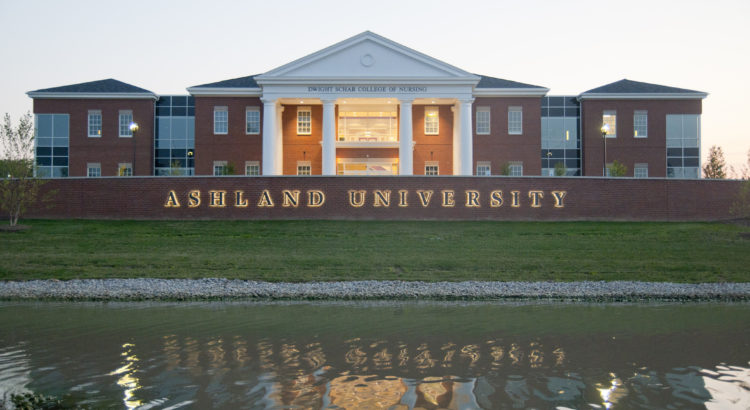
Ashland University has received a $225,032 grant from the National Science Foundation for a project titled “Promoting STEM Education at Two-Year Colleges.” The grant runs through June 30, 2019.

The project, which is under the direction of AU Provost Dr. Eun-Woo Chang and Kathleen A. Alfano, professor emeritus, College of the Canyons, calls for Ashland University to hold a National Science Foundation (NSF) proposal writing workshop to help faculty at two-year colleges successfully obtain NSF funding majorly focused on Advanced Technological Education (ATE) and Scholarships in Science, Technology, Engineering and Mathematics (S-STEM) programs.

“The key outcome of this project will be an increase in the number of competitive ATE and S-STEM proposals submitted by faculty at two-year colleges,” said Chang. “The project design addresses the barriers to participation in ATE and S-STEM competitions faced by faculty at two-year colleges and will address the low number of two-year college applicants and awards made from these programs.”

According to Dr. Chang, the project proposal writing component and two-year mentoring by experienced principal investigators will increase the knowledge and skills of the two-year college STEM faculty at institutions that currently have minimal grant activity, thereby strengthening the personal and institutional ability to pursue other proposal based projects.

“The large number of recruited institutions for the one workshop and two-year mentoring by experienced principal investigators — a total of 50 participating two-year college faculty — will have a positive impact on the quality of STEM education for a great number of students at awarded at two-year colleges,” Chang said.

“The project will lead to an increase in the collaboration between two-year and four-year colleges, benefiting faculty and students at both types of institutions through improved student transfer success, aid in developing articulation agreements, and increased sharing of resources between institutions,” Dr. Chang added.

Source:

http://www.galioninquirer.com/news/23609/au-gets-grant-to-study-stem-education

Comparte este contenido:

Las Cruces Public Schools Sends Letter To NMPED Regarding Science Education Standards

Mexico/October 17, 2017/Source: http://krwg.org

Commentary: Las Cruces Public Schools sent the following letter to the New Mexico Public Education Department regarding proposed omissions in the state’s science education standards:

As the state moves forward with the long-anticipated adoption of new science standards, the Las Cruces Public Schools wishes to express concerns about key omissions in the proposed New Mexico STEM-Ready Science Standards. As an early adopter of the Next Generation Science Standards (NGSS), LCPS recognizes the need for a revised vision of science education to prepare students for college, career and citizenship. However, there is great concern that omissions in standards that support conceptual understanding of complex systems will have a lasting detrimental impact on science education. The removal of terminology such as evolution and climate change flies in the face of the evidence accepted by the majority of the scientific community. These omissions dilute the accuracy of key scientific concepts that may forever impact the science literacy of students.

Public schools have the responsibility to provide students with the skills required to become critical thinkers, capable of analyzing evidence and constructing arguments based on the evidence. Taking on topics that are controversial and engaging with content that has multiple interpretations is key to giving students the opportunity to participate in authentic scientific inquiry. Removing these topics would deny New Mexico students access to scientific inquiry, examination, and debate that is fostered among students in states across the nation. Such a policy decision would marginalize New Mexico students and render them less able to compete with their peers across the nation and the globe.

The Las Cruces Public Schools continues to experience success with the implementation of rigorous science standards. In 2015, LCPS began integrating the Next Generation Science Standards, without modification, into science curricula in grades 6-8. Science educators and stakeholders have embraced these changes and there has been a notable increase in student achievement in science in the middle grades.

Adopting modified standards not only imperils the education of students, but potentially the economic future of our state. New Mexico can never hope to improve quality of education, and in turn quality of life, if the state implements policies that drive away industry and leave residents with fewer opportunities for high wage employment.

On behalf of the students of New Mexico, now and future, we implore you to provide them with access to science education that is afforded to students across the nation. Maintain the integrity of science education by ensuring the NGSS standards are adopted as designed, without omission of key scientific concepts.

This letter was unanimously approved by the Las Cruces Board of Education on October 3, 2017.

Respectfully,

Gregory Ewing, Ed.D.

Superintendent

Sra. Maria Flores

President

Las Cruces Board of Education

Source:

http://krwg.org/post/las-cruces-public-schools-sends-letter-nmped-regarding-science-education-standards

Comparte este contenido:
Page 867 of 1684
1 865 866 867 868 869 1.684