Saltar al contenido principal
Page 406 of 772
1 404 405 406 407 408 772

Philippines: Free education law

Philippines, Aug. 05, 2017.  By: education.einnews.com/ Zea Io Min C. Capistrano.

President Rodrigo Duterte ​said it was his sentiment for the poor families to get out of poverty through their children that persuaded him to sign the free education law.

He ​spoke for the first time about ​it w​he​n​ ​he visited anew government troops ​​fighting in in Marawi City on Friday afternoon.

The President on Thursday signed Republic Act (RA) No. 10931, also known as the “Universal Access to Quality Tertiary Education Act” which exempts qualified students from paying tuition and other school fees in any state or local universities and colleges.

“I signed the law last night. I’m giving everybody, lahat ng ating mga anak a tertiary education, college. Oo, libre na ngayon,” Duterte told the troopers during his visit to the Joint Special Operations Task Force Trident in Barangay Kilala, Marawi City on Aug. 4.

Duterte said he understands sentiments of the poor families who worry of their children’s education.

“Mahirap lang din ako na tao. I mean, I… I have… I come from a poor father. Itong ano kasi ang disparity kasi ng mga mayaman pati mahirap, ‘yung… Kasi ‘yung iba they can pursue studies. They can go to UP kaya sigurado naman talaga na mas mataas ang standards. They can go to sa Ateneo, La Salle, UST. ‘Yung kasi ‘yung atin lang mga technical, technical, ang bata naman kung may utak, bigyan natin ng panahon (I am a poor man, too. I mean, I have come from a poor father. The disparity of the reach and poor… because others can pursue their studies. They can go to UP and they are ensured of their education because it has high standards. They can go to Ateneo, La Salle, UST. But ours can only get technical education. If a child is intelligent, let’s give them their time),” Duterte said.

Duterte said with the new bill, students may finish their college education and even pursue further studies. The President also promised to establish a trust fund worth P50 billion for the education of the children of soldiers.

“Pero gusto natin ang pamilya, ang bata. ‘Yung anak mong na bright, libre naman ‘yung four years. You get another four years doon sa trust fund ninyo to finance his maybe medicine or law (We want to ensure our children’s future. If your child is intelligent, the four years in college is free so you can spend for his education for another four years from your trust fund to finance his education, maybe medicine or law),” Duterte said.

Students’ battlecry

Senator Sherwin Gatchalian, vice-chairman of the Senate Committee on Education, said Friday that the fight for free education was taken up by generations of student activists.

“We have come a long, long way from where we started with this advocacy. That battle cry of generations of student activists has now become firm government policy, and we are better for it,” Gatchalian said in a statement Friday.

He said the signing of the law “is the collective victory of everyone who has fought to uphold and defend the inalienable right of every Filipino to quality tertiary education,”

In her Facebook post Friday, National Youth Commission chair Aiza Seguerra said the President’s signing is victory to all Filipinos regardless of their ideology. He also warned the public to be vigilant on the crafting of the Implementing Rules and Regulations of the law to ensure this will benefit the Filipino youth.

“Pinirmahan ni Presidente, ipinasa ng ​C​ongress at ipinaglaban din ng mga aktibista ng napakaraming taon. Wag natin maliitin yon just because of our differences. Sila ang patuloy na nag ingay at nakibaka while we are all too busy living our normal lives. This victory is for all Filipinos, no matter what color or ideology. Ngayon, mas kailangan natin bantayan ang IRR ng batas na ito para masiguradong mapapakinabangan talaga ito ng kabataang Pilipino (The law was signed by the President, passed by Congress and was fought for by activists for so many years. Let us not belittle that fact just because of our differences. They were the ones who continued to struggle while we are too busy living our normal lives. Now, we need to guard the IRR of this law to ensure that this will really benefit the Filipino youth),” Seguerra said.

Landmark

The law is a landmark legislation which also exempts from paying students currently enrolled or shall enroll in non-degree technical-vocational education and training offered by any technical-vocational institution (TVI) under the Technical Education and Skills Development Authority (TESDA).

However, students who have already attained a bachelor’s degree are not qualified to the free tertiary education.

The law also established a tertiary education subsidy (TES) and student loan program for all Filipino students who will enroll in undergraduate post-secondary programs of SUCs, LUCs, TVIs, and private higher education institutions. The TES may cover tuition and other school fees, book allowance, supplies, transportation, and personal expenses, allowance for room and board costs, and expenses related to disability.

“The TES shall be administered by the UniFAST (Unified Student Financial Assistance System for Tertiary Education) Board and the amount necessary to fund the TES shall be included in the budgets of the CHED (Commission on Higher Education) and the TESDA,” the RA stated.

The student loan program will also be administered by the UniFAST Board. Payment of the loan amount will begin once the beneficiary secures gainful employment with income that reaches the Compulsory Repayment Threshold (CRT).

In a press briefing on Friday, Deputy Executive Secretary Menardo Guevarra said with the passage of the law, they are expecting Congress to make the necessary appropriations to fund the long-term government program on free SUC education.

Guevarra said the other sources of funding for the free education in SUCs include the official development assistance (ODA) and donations, both from local and international donors.(davaotoday.com).

From: http://education.einnews.com/article/396446361/X3Z5TEo822-wNKYl?lcf=ZdFIsVy5FNL1d6BCqG9muZ1ThG_8NrDelJyazu0BSuo%3D

Comparte este contenido:

United Arab Emirates: Every Child should get Right to Education

United Arab Emirates, Aug 5 2017. By: DH News Service

Minister of Culture, Youth and Community Development of the United Arab Emirates Sheikh Nahyan Bin Mubarak has said that education plays key role in personal and social development of any human being.

Sheikh Nahyan was addressing the inaugural session of the first of its kind Festival of Education in the country, on Saturday, at Jaipur Exhibition and Convention Centre, Jaipur, as a chief guest. He said that education had potential of enabling the world end all economic inequalities and discriminations.

The Minister said that adopting to the scientific and technological changes was need of the hour and to ensure this our children should be offered the best quality education. He called upon the parents and entire society to join the governments in order to ensure quality education and overall development of the young next generation.

Sheikh Nahyan thanked the CM vasundhara Raje for her visionary idea of arranging for this festival and said with the teachers and pupils of Rajasthan getting acquainted with novel ideas of providing education this would revolutionize the scenario of education.

Addressing the gathering of educationists and researchers, teachers and parents on this occasion, Chief Minister Raje said that given the geographical and demographical circumstances of the state, providing quality education to the children here it was a big challenge.

The CM said that with the efforts thus made the talented students to get opportunities of higher studies in medical, engineering, law, management and other such disciplines.

Addressing the festival, Union HRD Minister Shri Prakash Javdekar said that the countries focusing on research and innovation excel in the world.

Prosperity based on natural resourced had its own constraints of time and only innovations and adaptations could make it everlasting, he said.

From: http://education.einnews.com/article/396494476/A-8x6cNfiFcMW5ZD?lcf=ZdFIsVy5FNL1d6BCqG9muZ1ThG_8NrDelJyazu0BSuo%3D

Comparte este contenido:

Lanzaron un portal educativo sobre discapacidad y tecnología inclusiva

05 Agosto 2017/Fuente: Telam

El portal busca promover «la construcción de conocimientos mediados por las Tecnologías de la Información y de la Comunicación (TIC) para lograr la inclusión de las personas con discapacidad y cambiar la manera de ser, pensar y actuar de la comunidad».

Un nuevo portal educativo sobre discapacidad y tecnología inclusiva, llamado Desarrollar Inclusión, se abrió a la comunidad con el objetivo de concientizar contra la discriminación y por la integración del sector, informaron hoy fuentes especializadas.

Especialistas en tecnología y educación y ONG vinculadas con diferentes tipos de discapacidad, como la Federación Argentina de Instituciones de Ciegos y Ambliopes (Faica), de Sordos (Fundasor), ALPI y Cascos Verdes, integran este sitio dirigido por Cilsa -una entidad especializada en el tema- que se garantiza el acceso, la comunicación y la participación de todos los usuarios.

Bajo la denominación Desarrollar Inclusión, la iniciativa cuenta con secciones temáticas como tecnología inclusiva, donde hay una selección de conceptos claves sobre tecnología y accesibilidad; Di Capacidad, que expone definiciones y enfoques sobre la discapacidad; Ideas Inspiradoras, donde se acercan necesidades con soluciones posibles y una de Novedades, para dar a conocer información relevante.

Fuente: http://www.telam.com.ar/notas/201708/197145-lanzaron-un-nuevo-portal-educativo-sobre-discapacidad-y-tecnologia-inclusiva.html

Comparte este contenido:

China advierte a estudiantes sobre adicción a juegos en línea durante vacaciones

Asia/china/05 Agosto 2017/Fuente: spanish.china

Los estudiantes de escuelas primarias y secundarias de toda China deben evitar volverse adictos a los juegos en línea y móviles durante las vacaciones de verano, anunció hoy el Ministerio de Educación en un comunicado.

El ministerio solicitó a las escuelas del país impulsar la autodisciplina de sus estudiantes, quienes deben alejarse de sitios de internet inapropiados y administrar mejor su tiempo en línea.

El ministerio también advirtió a las escuelas que no ofrezcan cursos extras durante las vacaciones, en especial los que sean cobrados.

Los departamentos de educación administrativos de todos los niveles deben adoptar acciones más firmes contra esos cursos y orientar a los estudiantes para que ellos mismos preparen actividades razonables, agregó.

Asimismo, el ministerio alentó a los estudiantes de primaria y secundaria a participar en más actividades comunitarias, como producción agrícola y servicio voluntario.

De acuerdo con un informe publicado en enero por el Centro de Información de la Red de Internet de China, 170 millones de personas menores a los 18 años de edad tienen acceso a internet en China. De ellos, 43,7 por ciento navegan más de una hora al día en tabletas y teléfonos inteligentes, lo que causa preocupación entre padres y maestros en todo el país.

Fuente: http://spanish.china.org.cn/science/txt/2017-08/03/content_41336575.htm

Comparte este contenido:

China: Cortes chinas comienzan a utilizar inteligencia artificial

Asia/China/Julio del 2017/Noticias/http://almomento.mx


China comenzó a emplear de manera experimental la inteligencia artificial en procedimientos judiciales, a fin de aumentar la equidad y la eficiencia en la impartición de la justicia.

Se trata del “Proyecto 206”, que se aplica de manera experimental por dos meses en la oriental ciudad de Shanghai, publicó el diario Global Times.

He Fan, jefe de la oficina de reforma judicial de la Corte Suprema de Justicia china, adelantó que la inteligencia artificial cambiará los procedimientos de litigio y el modo en que los jueces toman decisiones.

Los jueces han tomado sus decisiones de acuerdo a lo que ven y escuchan en las cortes, así como basados en su entendimiento de las leyes, y ahora podrán usar la inteligencia artificial para ayudarse en su labor, dijo.

El Proyecto 206 tiene la capacidad de hacer sugerencias a los investigadores de acuerdo a los análisis de la información almacenada en las oficinas policiales, cortes y procuradurías.

He explicó que antes de arrestar a alguien, el sistema le puede recordar que tres elementos centrales para la investigación se han perdido y que otras dos evidencias son débiles.

Si un fiscal, dijo al dar otro ejemplo, quiere iniciar un proceso, el sistema le advierte que el 80 por ciento de casos similares no han llevado al levantamiento de cargos.

La experiencia china no es la primera en que la inteligencia artificial se usa en materia judicial.

El pasado octubre el diario británico The Independent reveló que una computadora había sido programada para hacer búsquedas en evidencia legal e inclusive considerar cuestiones éticas para determinar como decidir un caso.

El índice de eficiencia de ese equipo fue de 79 por ciento respecto a los expedientes que se le proporcionaron y en los cuales hubo decisiones judiciales por parte de la Corte Europea de Derechos Humanos.

El algoritmo del programa incursionó en 584 casos relativos a tortura y trato degradante, juicios justos y privacidad.

La computadora analizó los casos y tomó sus propias decisiones, las cuales coincidieron en la mayoría de las situaciones con las que adoptó el tribunal.

El jefe del equipo de este proyecto británico, Nikolaos Aletras, de la University College London, aclaró que no ve a las computadoras sustituyendo a los jueces o abogados humanos, pero sí identificando patrones.

En China, la participación de la inteligencia artificial se advierte que la proporción del juicio humano y de la inteligencia artificial debe de balancearse, dijo a Global Times el experto en leyes Zhang Jianwei.

La inteligencia artificial es una tecnología auxiliar que no puede dominar la toma de decisiones judiciales, advirtió Zha.

AM.MX/fm

Fuente:

http://almomento.mx/cortes-chinas-comienzan-a-utilizar-inteligencia-artificial/

Fuente Imagen:

https://lh3.googleusercontent.com/owu3rMuFMmjt5ZCb4ePBVSwEwHnoUcMmNnf3Hl6u81tfuLS4yxaqpWaxRgX0M0tPDi6E9g=s85


如果  的律师工作将被 AI 取代,法律界该如何创新

本文由高静宜、微胖采访,微胖撰文 ,首发于机器之能(微信公众号:almosthuman2017),转载请联系 jqzn@jiqizhixin.com。

Luis Salazar 是迈阿密一家 5 人小型律师事务所的一名合伙人。搜索在线法律数据库 10 个小时后,他很快就发现了一宗与他手头案件极为相似的破产案例。在输入一个法律问题后,系统表示将在一天后给出答案,其中包括一小段总结,以及两页的解释备忘录。后来,他发现这个结果与律师撰写的备忘录并无二致。

Luis Salazar 使用的这个系统就是 ROSS Intelligence,世界上第一个人工智能法律助理。目前,Ross 客户包括诸如 Latham & Watkins、Dentons、 BakerHostetler 和 Briesen & Roper 这样的 AM Law 200。去年 11 月,Salazar 开始在破产案件中使用 Ross Intelligence 的软件,「确实有点吓人。如果它做的更好,许多人可能会因此失业。」他说。1999 年是美国律师行业的黄金时期。当时一宗大型专利案件,可能需要 3 名合伙人、5 名合作人和 4 名法律助理。如今,相同的案件只需要 1 名合伙人、2 名合作人和 1 名法律助理。

近期,麦肯锡全球研究院(McKinseyGlobal Institute)研究发现,虽然当前技术足以让近半数工作自动实现化,但是,只有 5% 的工作岗位完全自动化。研究预计 23% 的律师工作能被自动化。中国法律行业也开始这一领域的探索,并随着 2014 年 1 月 1 日起开始实施的裁判文书全部公开而加速。

7 月 28 日,国内外共 600 余人参加了由杭州钱塘智慧城管委会与上海百事通信息技术股份有限公司(以下简称「百事通」)主办的「2017 『法律+科技』领军者国际峰会」。来自不同领域的学术领袖、商业机构用户代表、司法机关实践者、法律互联网精英、优秀律师以及顶级法务经理人,共同探讨了人工智能、科技与法律行业创新发展。

Fuente:

AM.MX/fm

Comparte este contenido:

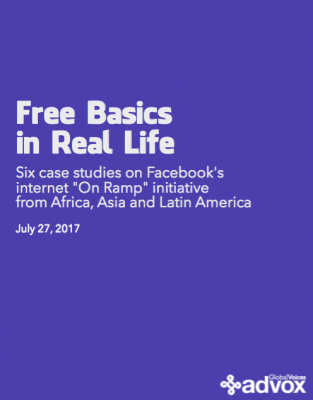
Informe de Global Voices sobre Free Basics: ¿Puede Facebook conectar a los próximos mil millones?

América del Sur/Colombia/Global Voices
En 2015, Facebook dio a conocer un plan para ayudar a superar la brecha digital en los países en desarrollo con una aplicación móvil llamada “Free Basics” (Fundamentos libres).

El programa de Free Basics tiene el objetivo de superar la brecha digital creando una “rampa” a internet a través de una plataforma cerrada, móvil que brinda a los usuarios acceso libre a varios servicios en línea, como Accu Weather, BBC News y Wikipedia.

Ya activo en 63 países en África, Asia y América Latina, Free Basics se ha vuelto parte del ascenso de Facebook para convertirse en la plataforma social y poderosa más popular del mundo. Trece años después de entrar en actividad, Facebook tiene ya 2,000 millones de usuarios activos mensualmente, más personas que la población total de China. Y la empresa ha trabajado muy duro, sobre todo en los últimos años, para hacer que sus productos sean populares y fáciles de usar en países en desarrollo. Free Basics es una pieza importante de esta estrategia.

¿Dónde puedes usar Free Basics?

En el sitio web promocional para su aplicación, Facebook razona que “presentando a las personas los beneficios de internet”, ayudarán a justificar el costo de datos móviles y así “llevarán a más personas en línea y ayudarán a mejorar su vida”.

¿Qué tan bien ayuda la aplicación a los intereses y necesidades locales?

En 2017, un grupo de expertos en tecnología y derechos digitales de Global Voices en Colombia, Ghana, Kenia, México, Pakistán y Filipinas se dispusieron a responder esta pregunta. Realizamos varios estudios de casos en estos países donde usamos la aplicación y la probamos con referencias de usabilidad e internet abierta que elaboramos en consulta con expertos del mundo de tecnologías de la información y la comunicación y políticas de internet. Lee el informe completo.

Con esta investigación, buscamos aumentar el conocimiento público, y conocimiento del sector de derechos digitales y de tecnologías de la información y la comunicación sobre la utilidad de Free Basics en los países donde se ha implementado.

¿Cómo es Free Basics en Kenia?

Nuestros hallazgos claves:

  • Tal vez Free Basics no hable tu idioma: Free Basics no satisface las necesidades del público objetivo. Ninguna versión del programa probada en nuestro estudio servía adecuadamente las necesidades lingüísticas de la población local. En países con muchos idiomas, como Pakistán y Filipinas, la aplicación se ofrece solamente en un idioma local.
  • Free Basics incluye poco contenido local, pero muchos servicios corporativos de Estados Unidos y el Reino Unido. Free Basics incluye una cantidad relativamente pequeña de contenido relevante a problemas y necesidades locales, carece de sitios de servicios públicos y fuentes de noticias independientes. Tampoco incluye una plataforma de correo electrónico.
  • Free Basics no te conecta a internet global – pero sí recopila tu información: Facebook recopila corrientes de metadatos de usuarios de todas las actividades de usuarios en Free Basics, no solamente las actividades de usuarios que han iniciado sesión en Facebook. La empresa recopila información sobre a qué sitios de terceros acceden los usuarios de Free Basics, y cuánto tiempo.
  • Free Basics viola principios de neutralidad de la red: Free Basics no permite que los usuarios naveguen en internet abierta. Ofrece acceso a un pequeño grupo de servicios y da prioridad a la aplicación de Facebook, insta activamente a los usuarios a que se registren e inicien sesión en el servicio. Free Basics también divide servicios de terceros en dos grupos, y da mayor visibilidad a una grupo de información sobre el otro.
  • Un poco de internet es mejor que nada — pero no en términos de Facebook:Los hallazgos de la investigación de Global Voices sugieren que la mayor parte del contenido ofrecido a través de Free Basics no satisfará las apremiantes necesidades de quienes no están en línea, y que las limitaciones de la información y contenido incorporadas en Free Basics son en gran parte artificiales y sober todo dirigidas a recopialr información rentable de los usuarios.

Sobre la investigación

Medimos tres indicadores de Free Basics y lo comparamos con indicadores elaborados colectivamente de uso, calidad de conexión, idioma y acessibilidad, contenido y políticas de privacidad y datos. Cada investigador usó y evaluó la aplicación en el país donde vive y escribió un breve caso práctico con un resumen de sus hallazgos.

Nuestro informe refleja nuestros hallazgos y análisis colectivos. Los apéndices al informe incluyen nuestra metodología, una lista selectiva de sevicios de terceros que brinda Free Basics y varias capturas de pantalla de cada versión de la aplicación. Animamos a los lectores curiosos e investigadores a explorar todo ese material y evaluar usarlo para llevar a cabo su propia investigación o análisis.

Informe de investigación completo [PDF]

Caso práctico de Colombia [PDF]

Caso práctico de Ghana [PDF]

Caso práctico de Kenia [PDF]

Caso práctico de México [PDF]

Caso práctico de Pakistán [PDF]

Caso práctico de Filipinas [PDF]

Apéndice 1: Metodología [PDF]

Apéndice 2: Lista elegida de servicios de Free Basics [Google drive]

Apéndice 3: Capturas de pantalla [Google drive]

Equipo de investigación

  • Kofi Yeboah es un bloguero ghanés con gran interés en libertad de internet. Kofi es activo colaborador de Global Voices y ejerció como el coordinador de investigación para el proyecto Free Basics en la vida real. Actualmente trabajo en Population Services International, Ghana como director de comunicaciones.

  • Monica Paola Bonilla es lingüista y ha colaborado con Global Voices desde 2015. Ha trabajado en proyectos de documentación de lenguaje y adaptación de software a lenguas nativas habladas en Colombia, México, Ecuador y Perú. Sus rubros de interés son lingüística aplicada, alfabetización digital, inclusión digital, software libre, ciencias de la computación y lenguas nativas. Ejerce como representante de Mozilla para Colombia, dirige el Mozilla Nativo Club y trabaja para una web abierta y accesible para todos.



  • Mahnoor Jalil es pasante en Mindmap Communications. Trabaja en Karachi Youth Productions, y ha participado en más de doce Conferencias Modelo de Naciones Unidas. Está próxima a iniciar su licenciatura en Medios este año.

  • Faisal Kapadia es escritor, bloguero y confundador de Mindmap Communications, agencia de medios digitales en Pakistán y Emiratos Árabes Unidos. Es autor en Global Voices desde 2007, y coprodujo un podcast que Google Pakistan denominó el mejor de Pakistán en 2010. Actualmente escribe una columna semanal en Daily Times. Faisal tiene una licenciatura en sistemas de gestión de información y es un experimentado instructor en medios y contenidos digitales.

  • Mong Palatino es editor del Sudeste Asiático de Global Voices. Es también activist, y vive en Manila, Filipinas.
  • Giovanna Salazar es investigadora de internet dedicada a controles de información y activismo digital en América Latina. Tiene una maestría en Estudios de Medios por la Universidad de Ámsterdam y ejerce como la directora de defensoría y comunicaciones en SonTusDatos.org, ONG mexicana que se dedica a privacidad y protección de información en línea. También colabora con frecuencia en los equipos Advox y latinoamericano de Global Voices.

  • Njeri Wangari Wanjohi trabaja en los ruboros donde se cruzan el arte, la tecnología y los medios. Como una de las blogueras pioneras de Kenia, ha dirigido kenyanpoet.com más de diez años y es directora fundadora de la Asociación de Blogueros de Kenia (BAKE). También ha publicado poemas, Campos de minas y mentes: Mis palabras habladas. Con experiencia en tecnologías de la información y la comunicación, se especializa en sistemas de respaldo. En 2014, Njeri fundó AfroMum, importante publicación en línea para mujeres en África, dedicados a familia, tecnología y otros asuntos que afectan a las mujeres. Es autor de Global Voices, Mail & Guardian Africa, Kenya Monitor y The Nairobi Garage Newsletter. Actualmente, Njeri es gerente de marketing de GeoPoll, plataforma móvil de encuestas.
Fuente: https://es.globalvoices.org/2017/07/31/puede-facebook-conectar-a-los-proximos-mil-millones/

Comparte este contenido:

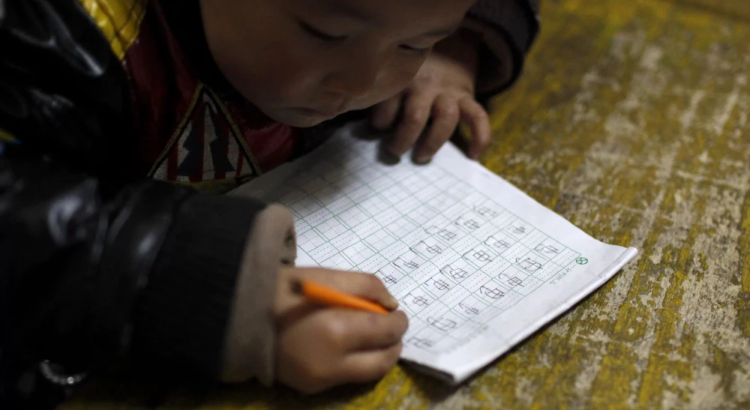
Education Charity in China Struggles to Soar Amid Rural Brain Drain

China/Agosto de 2017/Fuente: The News Lens

Resumen:  Las lágrimas brotaron en los ojos de Luo Maoling mientras se dirigía a la pequeña multitud en la ceremonia de clausura del campamento de verano. Más de 70 donantes de largo plazo de la Fundación Adream habían llegado a la ciudad de Barkam, sus familias en remolque, para participar en el campamento de cuatro días. Ahora, el jefe adjunto de la autoridad educativa local, Luo ha sido testigo del arco de la fundación caritativa desde su programa piloto lanzado en la ciudad de alrededor de 55.000 hace una década. «Me avergonzaba de que no hubiéramos puesto en práctica bien el programa», dijo. «Podríamos haber hecho un mejor trabajo haciéndonos dignos de todas estas donaciones». Barkam está situado en las montañas de la provincia de Sichuan en el suroeste de China. Su población es predominantemente poblada por tibetanos, aunque los residentes están bastante dispersos: La ciudad ocupa un área aproximadamente del tamaño de Shanghai, pero alberga alrededor del 0,2 por ciento de la población de la ciudad más grande. Cuando un terremoto de 8.0 grados de magnitud devastó la provincia en 2008, Barkam fue sobre todo salvado. De los estimados 87.600 que murieron, el terremoto sólo cobró ocho vidas de Barkam, que estaba a sólo unas horas de viaje desde el epicentro, pero protegido por una cresta de la montaña. Tres meses antes del terremoto, Adream abrió su primer «Centro de los Sueños», una especie de sala de lectura de alta tecnología para los jóvenes estudiantes de Barkam.

Tears welled up in Luo Maoling’s eyes as he addressed the small crowd at the summer camp’s closing ceremony. Over 70 longtime donors to the Adream Foundation had come to the city of Barkam, their families in tow, to participate in the four-day camp. Now the deputy head of the local education authority, Luo has witnessed the charitable foundation’s arc since its pilot program launched in the city of around 55,000 a decade ago.

“I was ashamed that we had not implemented the program well,” he said. “We could have done a better job of making ourselves worthy of all these donations.”

Barkam is nestled in the mountains of Sichuan province in southwestern China. It’s predominantly populated by Tibetans, though residents are fairly spread out: The city occupies an area roughly the size of Shanghai but is home to about 0.2 percent of the larger city’s population. When an 8.0-magnitude earthquake devastated the province in 2008, Barkam was mostly spared. Of the estimated 87,600 who died, the quake claimed just eight lives from Barkam, which was only a few hours’ drive from the epicenter but protected by a mountain ridge. Three months before the earthquake, Adream opened its first “Dream Center,” a sort of high-tech reading room for Barkam’s young students.

A decade later, you can still see signs of the earthquake in the mountains lining the raging, lead-colored rivers that snake through that part of the province. Since its founding, Adream has expanded from a single pilot project to 15 schools in the area and countless others across China, contributing the equivalent of 3 million yuan (US$446,000) in educational resources — classroom materials, teacher trainings, and online tech support — to the local school system. From its humble beginnings in Barkam, Adream has grown into one of the most influential education charities in China, serving 3 million underprivileged students with 2,600 Dream Centers, mostly in China’s oft-neglected heartland. Though the idea for Adream was conceived in Hong Kong and they are now headquartered in Shanghai, Barkam was ground zero.

In contrast to the philanthropic group’s rampant growth, Barkam itself has stayed more or less the same since the first Dream Center opened. Special instructors at the city’s partner schools are still holding Dream Classes for faculty, as they have for years. Serving as a sort of testing ground for creative teaching methods, these classes are a far cry from the rote learning methodology embraced by many schools in China. Yet because teachers are so often evaluated according to their students’ test scores, many of the Dream Teachers were given the cold shoulder by their peers, who saw little incentive to introduce change in their classrooms. And even if the faculty had been more receptive to the Dream Teachers, having just one per school was rarely enough to make a splash.

Beginning in 2015, Deputy Director Luo managed to transfer the few talented Dream Teachers working in the countryside into schools in downtown Barkam — up the professional ranks, for all intents and purposes. But by that time, most of Barkam’s Dream Teachers had become discouraged and quit. Only 13 remained. The high dropout rate made the program difficult to sustain in Barkam: Despite being Adream’s home base, the city was no beacon of success for other Dream programs to emulate.

Barkam No. 2 Middle School, the program’s flagship institution, saw seven Dream Teachers resign and its Dream Center nearly dismantled. Today, however, the school has a rising star in 26-year-old Cai Wenjun. Expressive, upbeat, and charming, Cai is often invited to travel to far-flung places such as Xinjiang and Inner Mongolia to train cohorts of China’s 60,000 Dream Teachers, who come from all walks of life and from partner schools all over the country.

China is a notoriously top-down society. For nonprofit and for-profit businesses alike, relationships with the authorities can spell doom or boom — and Adream has understood this since day one. The fact that Barkam’s Party secretary, Zhang Peiyun, and the head of the local education bureau, Liu Rongxin, attended the summer camp’s opening and closing ceremonies, respectively, speaks volumes about the guanxi — interpersonal relationships that facilitate business and other dealings — that the foundation has managed to cultivate in official circles. In fact, the charity counts at least one local government among its donors: In exchange for financial support from Zunyi, a city in southwestern China’s Guizhou province, the organization will introduce Dream Centers at all of the city’s public schools.

With nearly 3,000 Dream Centers now open to students, Adream is hungry for funding to cover both its current overhead costs and its plans for future expansion. So far, increased attention from government bodies has proved beneficial in helping the organization gain funding and an official vote of confidence — along with all the public credibility and influence that carries.

Out in the audience at the camp’s closing ceremony, Zhuokeji Primary School’s headmaster, Yan Bo, is less concerned about Dream Teachers needing training and Dream Centers needing refurbishing. Instead, he’s worried about the very survival of his school. It’s well-run and has a beautiful campus, but at 10 kilometers from the city center, it has trouble retaining students, who are leaving in droves for more central alternatives believed to have more resources at their disposal.

Urbanization is taking a mounting toll on rural schools, and Barkam is no exception. Zhuokeji Primary School was designed for 300 students but currently accommodates just 80. Sure to accelerate what until now has been a steady decline is the fact that just 4 kilometers away, the local government has built a massive new school for over a thousand students. Rumored to have topflight teachers and better facilities, Barkam No. 4 Primary School will open its doors this fall — and may soon force Zhuokeji to shutter its own.

Even after a decade of innovation and hope for Barkam’s schools, deputy education chief Luo has seen three of his young relatives settle down in Shanghai for work. But he understands their decisions: To him, true education stems from an awareness of the wider world — a world the Adream Foundation has opened up to the children of Barkam — and from pursuing the chance to roam and experience new things while we’re still young, willing, and able.

Fuente: https://international.thenewslens.com/article/75265

Comparte este contenido:
Page 406 of 772
1 404 405 406 407 408 772
OtrasVocesenEducacion.org