Colaborar, comunicar, apoyar mutuamente y usar la tecnología, son las capacidades fundamentales de las competencias del siglo XXI.
El territorio colombiano, coronado por tres cordilleras de montañas imponentes con caminos desafiantes, rodeadas al norte y el occidente por dos mares (Atlántico y Pacífico), y al oriente y el sur por las planicies del llano y la selva amazónica, es una geografía sin duda muy diversa en la que, tal vez por la misma razón, se han desarrollado diversas culturas, con diferente gastronomía, música, tonos de voz y modismos.
Vivir en medio de esta geografía quebrada, magnificente y diversa, que también nos aísla por las dificultades de conexión, tiene retos que implican el desarrollo de ciertas capacidades para construir una buena vida en común, siendo una unidad: Colombia.
La comunicación entre nosotros como ciudadanos de un país no ha sido fácil. Para comunicarnos con esta geografía hemos necesitado construir puentes, túneles, carreteras que rodeen las montañas para pasar entre una y otra en círculos y curvas inacabables. Sin embargo, desde hace unas décadas las comunicaciones y tecnologías de la información nos ofrecen nuevas oportunidades para potenciar nuestras posibilidades de comunicación, colaboración y apoyo mutuo… competencias del siglo XXI.
Eso que podríamos llamar anomalías geográficas son nuestra naturaleza, la diversidad es nuestra naturaleza, es nuestra identidad, es lo que tendría que convocarnos a esa unidad que llamamos país, que se puede construir mejorando nuestras capacidades para comunicar, colaborar y apoyarnos mutuamente. Y quiero hacer referencia a palabras de algunos personajes que pueden inspirarnos en este camino:
Ernesto Sábato nos invita, en su libro La resistencia, a resistirnos a la incomunicación, al culto a sí mismo, al trabajo deshumanizado, al vértigo en el que desaparece toda posibilidad de diálogo.
En la misma vía, la invitación a globalizar la compasión que nos hace desde La Silla Vacía, Claudia Bermúdez, haciendo uso de palabras de uno de los nóveles de paz, Kailash Satyarthi, de la India, galardonado en 2014 por sus esfuerzos por erradicar el trabajo infantil: “Lo que necesitamos es globalizar el humanismo” y ante la pregunta de un joven sobre cómo hacerlo, respondió: “Hagan amigos, fortalezcan conexiones, conozcan a otros jóvenes del mundo, usen las redes sociales y los medios para ser parte del cambio, para inspirar a otros, para cuestionar el establecimiento, para pronunciarse como consumidores, para tener una visión local pero también global…”
El padre de Roux en su reciente artículo “El éxodo hacia la confianza”, nos dice: “En lugar de destruirnos entre todos señalándonos y condenándonos, deberíamos ponernos en una actitud sincera de reconstruirnos en una democracia participativa que nos lleve a mayor consistencia personal y colectiva”.
Desde el mundo de las organizaciones y escuelas que aprenden, Peter Senge define como una de las cinco disciplinas el aprendizaje en equipo como la unidad de aprendizaje de una organización, o país podríamos decir en este caso, entendido éste aprendizaje como el “dialogo”, la capacidad de los miembros del equipo para “suspender los supuestos” e ingresar en un auténtico “pensamiento conjunto”.
Todos mensajes esperanzadores, único camino para darle vida a la vida, que tienen en común resaltar la importancia de la colaboración, la comunicación, el apoyo mutuo.
La nueva ortodoxia de la educación nos propone desarrollar competencias del siglo XXI, que implican una nueva manera de relacionarse, de construir el conocimiento. Las escuelas son para el aprendizaje de los estudiantes, por supuesto, quienes con el apoyo y orientación de sus profesores descubren y desarrollan sus capacidades. De manera que, en este sentido, también debe ser espacio de aprendizaje para los profesores de manera permanente que, como cualquier profesional, necesita ser mejor, estar actualizado y desarrollar sus capacidades en ese sentido.
¡Colaborar, comunicar, apoyar mutuamente y usar la tecnología, son las capacidades fundamentales de las competencias del siglo XXI!
La Fundación Compartir, por esta razón, se ha propuesto consolidar la comunidad de maestros y rectores que se han postulado al Premio Compartir, en sus 19 y 5 años de existencia, respectivamente, para ampliar su capital profesional al ofrecer alternativas para relacionarse y compartir con otros sus prácticas y experiencias, creando así un capital de conocimiento que suma al propio, el de su colegio y su comunidad.
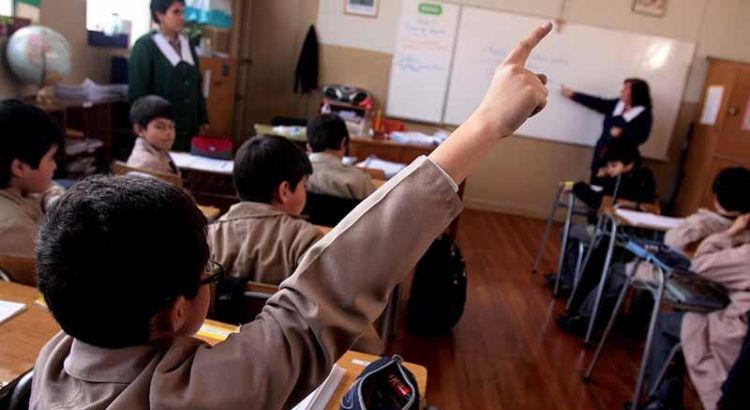
Algunos docentes, de todos los niveles educativos nos han comentado que frecuentemente en sus clases, los estudiantes presentan muy bajos niveles de atención y poco interés por aprender y formarse.
Una posible explicación a lo anterior es que la generalidad de ellos enseña con responsabilidad, pero de manera tradicional, situación que no agrada a los estudiantes. El maestro expone y escribe en el pizarrón las ideas más importantes y el alumno callado toma nota, hace tareas y estudia en su casa.
Adicionalmente, la mayoría de los profesores presentan debilidades en el conocimiento, reconocimiento, regulación, control y manejo de sus emociones y la de los estudiantes, así como la dificultad en el uso en las tecnologías de la información y comunicación.
Todo ello obstaculiza la aplicación de acciones destinadas a lograr cambios en la enseñanza tradicional, por lo tanto son necesarias nuevas propuestas educativas para lograr motivar e interesar a aprender a los estudiantes del siglo XXI llamados Millennials.
En este sentido les quiero compartir un modelo de aprendizaje basado en el desarrollo de emociones sanas, que tiene por objetivo, producir reacciones en los estudiantes que activen la aparición de conductas motivacionales para favorecer la creatividad y el desarrollo de aprendizajes significativos.
Se apoya en el uso permanente de teléfonos celulares, tablets o computadores personales conectados a Internet. La estrategia consiste en aprovechar el interés de los estudiantes al hecho de estar constantemente conectados a la web, para resolver un problema relacionado con la asignatura que están cursando dentro del propio salón de clases o fuera de él.
El proceso de aprendizaje se inicia con un activador emocional que permite captar la atención de los estudiantes y generar una reacción capaz de poner en marcha todo un proceso creativo interno para solucionar un problema y alcanzar los aprendizajes significativos. Se centra en la creación de ambientes innovadores, activadores de sinapsis en la mente de los estudiantes y de aprendizajes significativos.
En este proceso de aprendizaje emocionalmente sano se consideran categorías psicopedagógicas como el diseño o planeación didáctica, el diseño emocional que fomente el trabajo en equipo, con el uso de las tecnologías de la informática y la comunicación y las tecnologías del aprendizaje y el conocimiento, la competencia docente con dominio de la asignatura y la gestión emocional, que activa el interés por resolver los desafíos emocionales, la calidad del aprendizaje significativo y la evaluación.
Éste es el futuro de la enseñanza-aprendizaje en las escuelas de México, por encima de reformas educativas.
Fuente del articulo: https://www.diariodexalapa.com.mx/columna/aprendizajes-emocionalmente-sanos
Fuente de la imagen: https://cambiemoslaeducacion.files.wordpress.com/2015/04/nic3b
George Orwell warns us in his dystopian novel 1984 that authoritarianism begins with language. In the novel, “newspeak” is language twisted to deceive, seduce and undermine the ability of people to think critically and freely.
Donald Trump’s unapologetic bigoted language made headlines again Thursday when it was reported he told lawmakers working on a new immigration policy that the United States shouldn’t accept people from “shithole countries” like Haiti. Given his support for white nationalism and his coded call to “Make America Great (White) Again,” Trump’s overt racist remarks reinforce echoes of white supremacy reminiscent of fascist dictators in the 1930s.
His remarks about accepting people from Norway smack of an appeal to the sordid discourse of racial purity. There is much more at work here than a politics of incivility. Behind Trump’s use of vulgarity and his disparagement of countries that are poor and non-white lies the terrifying discourse of white supremacy, ethnic cleansing and the politics of disposability. This is a vocabulary that considers some individuals and groups not only faceless and voiceless, but excess, redundant and subject to expulsion. The endpoint of the language of disposability is a form of social death, or even worse.
As authoritarianism gains strength, the formative cultures that give rise to dissent become more embattled, along with the public spaces and institutions that make conscious critical thought possible.
Words that speak to the truth to reveal injustices and provide informed critical analysis begin to disappear, making it all the more difficult, if not dangerous, to judge, think critically and hold dominant power accountable. Notions of virtue, honour, respect and compassion are policed, and those who advocate them are punished.
I think it’s fair to argue that Orwell’s nightmare vision of the future is no longer fiction in the United States. Under Trump, language is undergoing a shift: It now treats dissent, critical media coverage and scientific evidence as a species of “fake news.”
The Trump administration, in fact, views the critical media as the “enemy of the American people.” Trump has repeated this view of the media so often that almost a third of Americans now believe it and support government-imposed restrictions on the media, according to a Poynter survey.
Thought crimes and fake news
Trump’s cries of “fake news” work incessantly to set limits on what is thinkable. Reason, standards of evidence, consistency and logic no longer serve the truth, according to Trump, because the latter are crooked ideological devices used by enemies of the state. Orwell’s “thought crimes” are Trump’s “fake news.” Orwell’s “Ministry of Truth” is Trump’s “Ministry of Fake News.”
The notion of truth is viewed by this president as a corrupt tool used by the critical media to question his dismissal of legal checks on his power, particularly his attacks on judges, courts and any other governing institutions that will not promise him complete and unchecked loyalty.
For Trump, intimidation takes the place of unquestioned loyalty when he does not get his way, revealing a view of the presidency that is more about winning than about governing.
One consequence is the myriad practices by which Trump gleefully humiliates and punishes his critics, wilfully engages in shameful acts of self-promotion and unapologetically enriches his financial coffers.
Under Trump, the language of civic literacy and democracy has become unmoored from critical reason, informed debate and the weight of scientific evidence, and is now being reconfigured and tied to pageantry, political theatre and a deep-seated anti-intellectualism.
One consequence, as language begins to function as a tool of state repression, is that matters of moral and political responsibility disappear and injustices proliferate.
Fascism starts with words
What is crucial to remember here, as authoritarianism expert Ruth Ben-Ghiat notes, is that fascism starts with words. Trump’s use of language and his manipulative use of the media as political spectacle are disturbingly similar to earlier periods of propaganda, censorship and repression.
Under fascist regimes, the language of brutality and culture of cruelty was normalized through the proliferation of strident metaphors of war, battle, expulsion, racial purity and demonization.
As German historians such as Richard J. Evans and Victor Klemperer have made clear, dictators like Adolf Hitler did more than simply corrupt the language of a civilized society, they also banned words.
Soon afterwards, the Nazis banned books and the critical intellectuals who wrote them. They then imprisoned those individuals who challenged Nazi ideology and the state’s systemic violations of civil rights.
The end point was an all-embracing discourse of disposability — the emergence of concentration camps and genocide fuelled by a politics of racial purity and social cleansing.
Echoes of the formative stages of such actions are upon us now. An American-style neo-fascism appears to be engulfing the United States after simmering in the dark for years.
President Donald Trump stands on the field for the U.S. national anthem before the start of the NCAA National Championship game at Mercedes-Benz Stadium between Georgia and Alabama on Jan. 8 in Atlanta.(AP Photo/Andrew Harnik)
More than any other president, Trump has normalized the notion that the meaning of words no longer matters, nor do traditional sources of facts and evidence. In doing so, he has undermined the relationship between engaged citizenship and the truth, and has relegated matters of debate and critical assessment to a spectacle of bombast, threats, intimidation and sheer fakery.
This language of fascism does more than normalize falsehoods and ignorance. It also promotes a larger culture of short-term attention spans, immediacy and sensationalism. At the same time, it makes fear and anxiety the normalized currency of exchange and communication.
In a throwback to the language of fascism, Trump has repeatedly positioned himself as the only one who can save the masses — reproducing the tired script of the model of the saviour endemic to authoritarianism.
There is more at work here than an oversized ego. Trump’s authoritarianism is also fuelled by braggadocio and misdirected rage as he undermines the bonds of solidarity, abolishes institutions meant to protect the vulnerable and launches a full-fledged assault on the environment.
Trump is also the master of manufactured illiteracy, and his obsessive tweeting and public relations machine aggressively engages in the theatre of self-promotion and distractions. Both of these are designed to whitewash any version of a history that might expose the close alignment between his own language and policies and the dark elements of a fascist past.
Trump also revels in an unchecked mode of self-congratulation bolstered by a limited vocabulary filled with words like “historic,” “best,” “the greatest,” “tremendous” and “beautiful.”
Those exaggerations suggest more than hyperbole or the self-indulgent use of language. When he claims he “knows more about ISIS than the generals,” “knows more about renewables than any human being on Earth” or that nobody knows the U.S. system of government better than he does, he’s using the rhetoric of fascism.
As the aforementioned historian Richard J. Evans writes in The Third Reich in Power:
“The German language became a language of superlatives, so that everything the regime did became the best and the greatest, its achievements unprecedented, unique, historic and incomparable …. The language used about Hitler … was shot through and through with religious metaphors; people ‘believed in him,’ he was the redeemer, the savior, the instrument of Providence, his spirit lived in and through the German nation…. Nazi institutions domesticated themselves [through the use of a language] that became an unthinking part of everyday life.”
Sound familiar?
Under the Trump regime, memories inconvenient to his authoritarianism are now demolished in the domesticated language of superlatives so the future can be shaped to become indifferent to the crimes of the past.
Trump’s endless daily tweets, his recklessness, his adolescent disdain for a measured response, his unfaltering anti-intellectualism and his utter ignorance of history work in the United States. Why? Because they not only cater to what historian Brian Klaas refers to as “the tens of millions of Americans who have authoritarian or fascist leanings,” they also enable what he calls Trump’s attempt at “mainstreaming fascism.”
The language of fascism revels in forms of theatre that mobilize fear, hatred and violence. Author Sasha Abramsky is on target in claiming that Trump’s words amount to more than empty slogans.
Instead, his language comes “with consequences, and they legitimize bigotries and hatreds long harbored by many but, for the most part, kept under wraps by the broader society.”
Surely, the increase in hate crimes during Trump’s first year of his presidency testifies to the truth of Abramsky’s argument.
Fighting Trump’s fascist language
The history of fascism teaches us that language operates in the service of violence, desperation and troubling landscapes of hatred, and carries the potential for inhabiting the darkest moments of history.
It erodes our humanity, and makes too many people numb and silent in the face of ideologies and practices that are hideous acts of ethical atrocity.
Trump’s language, like that of older fascist regimes, mutilates contemporary politics, empathy and serious moral and political criticism, and makes it more difficult to criticize dominant relations of power.
His fascistic language also fuels the rhetoric of war, toxic masculinity, white supremacy, anti-intellectualism and racism. But it’s not his alone.
It is the language of a nascent fascism that has been brewing in the United States for some time. It is a language that is comfortable viewing the world as a combat zone, a world that exists to be plundered and a view of those deemed different as a threat to be feared, if not eliminated.
A new language aimed at fighting Trump’s romance with fascism must make power visible, uncover the truth, contest falsehoods and create a formative and critical culture that can nurture and sustain collective resistance to the oppression that has overtaken the United States, and increasingly many other countries.
No form of oppression can be overlooked. And with that critical gaze must emerge a critical language, a new narrative and a different story about what a socialist democracy will look like in the United States.
Reclaiming language as a force for good
There is also a need to strengthen and expand the reach and power of established public spheres, such as higher education and the critical media, as sites of critical learning.
We must encourage artists, intellectuals, academics and other cultural workers to talk, educate, make oppression visible and challenge the common-sense vocabulary of casino capitalism, white supremacy and fascism.
Language is not simply an instrument of fear, violence and intimidation; it is also a vehicle for critique, civic courage and resistance.
A critical language can guide us in our thinking about the relationship between older elements of fascism and how such practices are emerging in new forms.
Without a faith in intelligence, critical education and the power to resist, humanity will be powerless to challenge the threat that fascism and right-wing populism pose to the world.
Those of us willing to fight for a just political and economic society need to formulate a new language and fresh narratives about freedom, the power of collective struggle, empathy, solidarity and the promise of a real socialist democracy.
We would do well to heed the words of the great Nobel Prize-winning novelist, J.M. Coetzee, who states in a work of fiction that “there will come a day when you and I will need to be told the truth, the real truth ….no matter how hard it may be.”
Democracy, indeed, can only survive with a critically informed and engaged public attentive to a language in which truth, rather than lies, become the currency of citizenship.
Una visión más pragmática se impone en la aplicación al aula de medios digitales
En educación existen dos puntos de vista extremos con respecto al uso de la tecnología. Por una parte, están sus defensores a ultranza, a quienes se ha dado en llamar evangelistas, y que recuerdan que una integración óptima de la tecnología permitiría cambiar el paradigma de la educación escolar, centrándolo mucho más en la actividad del alumno. Por otra parte, también hay voces que sostienen que la tecnología no es ni más ni menos que una fuente de entretenimiento que no hace más que distraer a los alumnos, y a sus docentes, de lo sustancial: aprender cosas serias.
Curiosamente, ninguna de estas dos perspectivas parece responder a las preguntas que un profesional de la docencia generalmente se hace y que básicamente tienen que ver con la mejora de las prácticas de enseñanza y aprendizaje, y de los resultados educativos. Por esta razón, comienza a cobrar fuerza una nueva visión centrada en el realismo: ¿Servirán estas soluciones a «docentes como yo», es decir, a profesionales que ni pretenden ser paladines de la tecnología ni tampoco acérrimos protectores de la pizarra, sino sencillamente buenos docentes?
A estas alturas no debería ser necesario recordar las razones por las que cabría esperar que la tecnología tuviera ya una mayor presencia en las aulas. Para empezar, las hay relacionadas con los cambios en las demandas de los mercados laborales; de hecho, sabemos a ciencia cierta que la mayor parte de los alumnos que hoy están en las aulas de la ESO tendrán trabajos en los que la tecnología y el conocimiento tecnológico serán capitales. En segundo lugar, está la cuestión de la brecha digital. Ahí la escuela sigue siendo un bastión muy importante. En tercer lugar hay que recordar una vez más el flaco favor que conceptos como el de nativos digitales hacen a la educación al presuponer, erróneamente como se ha demostrado de forma empírica en multitud de ocasiones, que por el mero hecho de ser diestros en el manejo de determinados dispositivos, aplicaciones o servicios son automáticamente maduros en términos de competencias requeridas y de valores y usos responsables de la tecnología. ¿Dónde, si no es en la escuela, se puede aprender a manejar responsablemente la información y a transformarla en conocimiento? ¿Dónde se puede aprender a cooperar y a no plagiar?
En todo caso, es innegable que las tecnologías digitales forman parte indisociable del paisaje escolar: el 93% de los alumnos de 15 años de la OCDE asisten a una escuela en la que cuentan con acceso a un ordenador y prácticamente el mismo porcentaje (92,6%) dispone igualmente de acceso a Internet. España se encuentra, en este sentido, ligeramente por debajo de la media (90%), pero ciertamente con una cifra nada despreciable.
Pese a todo, cuando se examinan con detalle los datos acerca de los usos escolares de la tecnología emerge una imagen extremadamente compleja. Por una parte, el porcentaje de alumnos de 15 años de edad en los países de la OCDE que usa como mínimo 60 minutos a la semana el ordenador en el aula es siempre inferior al 4% en todos ellos y apenas alcanza el 1,7% en el caso del área de matemáticas. Y son estos mismos alumnos los que, en un 50%, utilizan prácticamente a diario la tecnología para realizar sus tareas escolares… en casa. Por otra parte, más del 75% de los docentes utiliza casi diariamente el ordenador para la preparación de sus clases o para la realización de tareas administrativas, por no hablar de los usos privados, cuando apenas se sirve de él en el aula.
De esta realidad tan compleja hay quien hace lecturas extremadamente simplistas, ya sea para denigrar las inversiones realizadas o, lisa y llanamente, para enviar un mensaje de desconfianza hacia la escuela y los docentes, a quienes se les exige un esfuerzo titánico de cambio de paradigma. Sin embargo, la complejidad de los datos exige una buena dosis de realismo: lo que funciona en tecnología y educación son aquellas soluciones que permiten llevar a cabo el trabajo escolar de forma más eficiente. Esto explica por qué, por ejemplo, los alumnos utilizan masivamente la tecnología para sus trabajos escolares, aunque siendo, como muchos son, huérfanos digitales de cualquier tipo de influencia educativa sobre esta materia, confundan eficiencia con plagio o prescindan de cualquier esfuerzo de procesamiento crítico de la información -razón de más para insistir de nuevo en la importancia de la escuela en este ámbito-.
Y esta misma búsqueda de la eficiencia explica también por qué los docentes encuentran óptimas las soluciones que la tecnología les ofrece para preparar sus clases o presentar mejor los contenidos en el aula, pero no todavía para cambiar sus formas de enseñanza. Muy probablemente las soluciones tecnológicas que se proponen no son suficientemente convincentes para la gran mayoría de «docentes como yo», probablemente porque el esfuerzo que exige su adopción no parece suficientemente recompensado, ni por el sistema en forma de incentivos para la carrera profesional, ni por los resultados obtenidos, ya que la forma y los contenidos de lo que hoy se evalúa no se corresponden todavía con las expectativas y las necesidades de la sociedad y de la economía del conocimiento.
Los datos sobre la intensidad y la variedad de los usos de la tecnología en el aula no transmiten la imagen que tal vez cabría esperar de la escuela de la sociedad del conocimiento. El análisis de las buenas prácticas en materia de tecnología y escuela muestra que uno de los factores más importantes es el maridaje entre el compromiso profesional docente, con un marco institucional favorable y un liderazgo escolar que le apoye. Si realmente se desea que las buenas prácticas se generalicen, el sistema escolar en su conjunto debe ser permeable a la innovación sistémica; es decir, debe contar con herramientas que permitan examinar con realismo en qué tareas o para qué problemas docentes pueden existir soluciones tecnológicas apropiadas, que mejoren la eficiencia del trabajo escolar o, sencillamente, que lo hagan aún más interesante.
Puede que la tan deseable revolución en el paradigma de la educación escolar todavía tarde en llegar, pero la escuela y muchos docentes, lo mismo que los alumnos, se están moviendo: han depositado su confianza en unas soluciones tecnológicas que les permiten trabajar de forma más eficiente. Y, en el caso docente, este trabajo consiste hoy en buscar fórmulas que permitan que los alumnos aprendan más, mejor y, probablemente, distinto.
Fuente del artículo:https://elpais.com/diario/2011/11/21/educacion/1321830001_850215.html
América del Sur/05.06.18/Por: Mario Wainfeld/ Fuente: www.pagina12.com.ar.
Un discurso sólo para rotarios. Las universidades del conurbano, realidad pujante negada por Vidal. Estar cerca, necesario para ejercer derechos. Historias de vida, inclusión y ascenso social. Reformas educativas: todas toman tiempo. Reproches por doquier, hasta de radicales con memoria. Reparto desigual de los sacrificios
“Cualquier transeúnte curioso tiene perfecto derecho a entrar a una facultad (de la Universidad pública)y escuchar una clase que le interese, sin necesidad de estar ‘inscripto’ en carrera o materia alguna. Desde ya, casi nadie lo hace. Muchos no lo harán porque en efecto no les interesa, y no tienen por qué hacerlo. Pero otros muchos no lo saben, o aun sabiéndolo no se animan. La sociedad de clases levanta barreras culturales invisibles pero infranqueables ante la conciencia de aquellos/as que presuponen que no ‘pertenecen’ a esos espacios”.
Eduardo Grüner. “El lugar de la universidad en la calle”, publicada en PáginaI12.
Distendida, como quien juega en su cancha sin tribuna visitante, la gobernadora bonaerense María Eugenia Vidal sinceró su cosmovisión. “¿Es de equidad que desde hace años hayamos poblado la provincia de Buenos Aires de universidades públicas cuando todos los que estamos acá sabemos que nadie que nace en la pobreza en la Argentina hoy llega a la universidad?”.
Las imágenes, profusamente divulgadas, muestran que los socios del Rotary Club que la entornaban (varones, todos los que se ven) no la miraban, ni parecían destinarle mucha atención. Por suerte o por decoro, no aplaudieron.
Las respuestas atosigaron las redes sociales, si tal cosa fuera posible. Chicas y chicos del Conurbano, sin reconocerse en el rótulo de pobres, relataron historias de vida. Su núcleo, integrar la primera generación en su familia que accedió a la educación terciaria, que se recibió o la está remando. Nobles semblanzas de empeños familiares compartidos ubicados enlas antípodas del imaginario macrista. Gente común que “sabe” como piensa y qué derechos reivindican.Pertenecen a “otras” clases sociales, ausentes en los ágapes VIP.
Las llamadas Universidades del Conurbano comenzaron su saga durante las presidencias de Carlos Menem, las hay con más de un cuarto de siglo recorrido, otras con pocos años. Su número creció desde 2003; se crearon diez.
La cercanía territorial cumple varias funciones, entre ellas atenuar la macrocefalia de la Universidad de Buenos Aires. La vecindad posibilita el acceso, una obviedad para cualquiera que no sea otario… ni, tal vez, rotario.
Viajar desde los suburbios bonaerenses a las dispersas facultades porteñas o de La Plata insume horas.El costo del transporte es un escollo para potenciales educandos peroel mayor gravamen no es la plata sino el tiempo. La mayoría de los estudiantes provenientes de familias de bajos recursos trabajan, ahorrar tiempo multiplica las perspectivas de laburar, ayudando a madres o grupos familiares a parar la olla.
La vecindad es asimismo emocional. En la Universidad cercana, se convive con las amistades del barrio, con los pares, con pibas o pibes que van a los mismos boliches.
Llegar con un solo viaje en bondi o a pata o en bici, cumple un puñado de micro ventajas en la vida cotidiana.Quienes son mamás o papás solo pueden hacer el esfuerzo de cursar en una universidad cercana.
Un relevamiento del Observatorio Educativo de la Universidad Pedagógica Nacional –publicado anteayer en la nota de tapa de este diario– prueba que la representación de los dos quintiles más bajos por ingresos en la Universidad creció mucho más que el promedio entre 2008 y 2015. “Nacieron en la pobreza” según el tosco decir de Vidal, llegaron a la Universidad. “Nadie” mintió la gobernadora; son más de 200.000 (ver recuadro aparte).
La condición universitaria ayuda a conseguir conchabo durante la carrera. Una mínima defensa contra la prepotencia del “mercado”, objetivo dilecto de Cambiemos.
– – –
Inserciones, perspectivas, dilemas: La inserción social y cultural acompañan la entrada a la Universidad. Se suele estudiar valiéndose defotocopias porque los libros son costosos, pero se dispone de bibliotecas a mano, que no las hay en muchos hogares.
La flexibilización laboral, un objetivo anhelado por el presidente Mauricio Macri, es dura de lograr por vía legal porque cuesta reformar a la baja las normas vigentes o los convenios colectivos.
La pérdida de derechos, como en los ‘90, comienza de facto como consecuencia de la baja de calidad del empleo, del aumento de la informalidad. El clima cultural ensoberbece a las patronales, que saben que el Gobierno las banca y que los ministerios de Trabajo no hacen honor a su nombre.
Cualquier supermercado que busca un repositor al que ni siquiera le reconocerá relación de dependencia exige un “CV” en la búsqueda. Las mujeres jóvenes casadas caen bajo sospecha: en una de esas se creen con derecho a tener hijos. El domicilio de los postulantes agrega un factor de rechazo: determinados barrios populares o villas garantizan el bochazo.
Consignar que se está cursando en una Universidad mitiga la flexibilización de facto. Parece mentira, es realidad cotidiana.
– – –
La musa involuntaria: De modo tan involuntario como eficaz, Vidal actuó como musa inspiradora para espontáneas historias de vida, que testimonian novedades en la vida de personas jóvenes (ver asimismo páginas 16 y 17 de esta edición y video de la Universidad de Florencio Varela accesible en www.pagina12.com.ar). Los impulsa el deseo aspiracional, el ansia de progresar, de no resignarse.
Un profesor de la Universidad de Hurlingham pregunta a los cursantes porqué ingresaron. Hablan de sueños, de anhelos postergados. De nuevo, en algo concuerdan todos; “porque está aquí”.
El aprendizaje, la capacitación y la salida laboral (ardua en un contexto que no la garantiza para nada) se combinan con el acceso a bienes o experiencias habituales hasta para personas de clase media. Subirse a un avión por primera vez, viajar para un postgrado o un curso de especialización, sacar pasaporte.
Las casas de estudio del Conurbano albergan al 14 por ciento de los universitarios argentinos, pero captan solo el 7 por ciento de las respectivas partidas del Presupuesto Nacional.
La dispar distribución de las competencias, el “capital cultural” viene desde la cuna, detalle que ignoran los apologistas de la educación privada. Un hogar con escasos recursos está imposibilitado de contratar un profe particular para dar clases de apoyo a un joven que se rezaga eventualmente.
Se cuestiona que son demasiados los estudiantes que no llegan a graduarse. Es un aspecto serio, que debe atenderse y mejorarse en establecimientos que comienzan el recorrido histórico. La solución, siempre transitoria y parcial, es mejorar la dotación de recursos materiales y humanos, perfeccionar a docentes y alumnos. Incluso-y por qué no-hacer introspección sobre los métodos y la calidad educativa. Jamás tronchar las trayectorias de decenas de miles de jóvenes y centenares de profesores.
La diatriba de Vidal apesta a anuncio anticipado de recortes del Estado manos de tijera, con cruel criterio de clase. Todos lo sabemos o nos damos cuenta, gobernadora.
Un vistazo a la historia: Alternar en espacios de saber abre la mente, pasar horas en un campus mejora las perspectivas, subjetivas y objetivas.
La educación como resorte de la movilidad social se cuenta entre las clásicas tradiciones argentinas.Embola un poco tener que subrayarlo cuando se cumplen cien años de la Reforma Universitaria.
La conquista de la educación universal no se concretó, de volea y por encanto, con la mera sanción de la notable ley 1420, en 1884. Los académicos Emilio Tenti Fanfani y Alejandro Grimson enseñan en el libro “Mitomanías de la educación argentina” que once años después de su promulgación la mitad de la población argentina era analfabeta. Cumplidos treinta años, el porcentaje se había reducido al 33 por ciento.
La conquista de la gratuidad comenzó con la escuela primaria primero.El final del arancelamiento en las Universidades públicas arribó con el primer peronismo.
Los precedentes ilustran: las transformaciones se van construyendo de modo sucesivo, en distintas promociones y hasta generaciones.
Un poco de memoria: Se agolparon reacciones de la comunidad educativa, hubo para regalar. Vaya un resaltado para aquellos dirigentes de la agrupación Franja Morada que, distanciándose del alineamiento genuflexo de casi toda la dirigencia radical, fueron consecuentes con su mejor historia.
Hugo Juri –rector de la Universidad Nacional de Córdoba (UNC) y presidente del Consejo Interuniversitario Nacional (CIN)– refutó de plano a la gobernadora. Según informam.cba24n.com.ar expresó: “se vuelve a discutir equidad en términos totalmente equivocados como en la década del ‘90. La equidad se obtiene llevando la mejor educación a los lugares donde se encuentran los más necesitados. Capital Federal tiene muy buenas universidades públicas y privadas, pero en los sectores de mayor concentración de pobreza la educación privada no está presente y es donde está la universidad pública.(…)La universidad pública contagia cultura como está demostrado con múltiples ejemplos, entre los cuales mencionó a la Universidad Arturo Jauretche, localizada en Florencio Varela, provincia de Buenos Aires En sectores vulnerables del Gran Buenos Aires está una excelente universidad cuyos estudiantes son primera generación de su familia y son hijos de padres que no han terminado el colegio secundario. (…) Cuando se habla de equidad y justicia significa que una persona que habita lejos de las universidades o en lugares pobres debe tener posibilidades de acceder a la universidad. Hay que romper los preconceptos como lo han hecho países como Vietnam, que superan a países como los nuestros cuando hay una voluntad nacional sin errores conceptuales”.
Radical también, Juri fue ministro de Educación durante la presidencia de Fernando de la Rúa. Renunció a su cargo en disconformidad cuando Ricardo López Murphy, designado ministro de Economía, propuso un recorte formidable del “gasto público” que golpeaba especialmente a la Universidad. El gesto o, mejor dicho, los dos gestos merecen recordarse. La gran masa boina blanca reincide en la línea De la Rúa-López Murphy: antes como cabeza de la Alianza gobernante, ahora como furgón de cola del macrismo. Vale la pena saludar las excepciones.
Contornos y contextos: Tal vez sea impresión del cronista, pero, justo cuando se reclaman sacrificios a la población, se multiplican ágapes fastuosos para dirigentes políticos y empresarios. En ese contorno Vidal emitió su proclama, coherente con dos años y medio de gestión cambiemita. La educación pública es una de sus bestias negras, aunque de eso no debe hablarse.
Macri y Vidal bregan por bajarles el copete y el valor adquisitivo de los salarios a los docentes. El Programa Conectar igualdad, que entregó más de cinco millones de computadoras a estudiantes secundarios, en comodato primero y en propiedad al egresar, fue discontinuado, mediante la clásica alquimia oficial. Falta de entrega de las compus, asfixia presupuestaria en paralelo.
Los “gastos” en infraestructura escolar se encogieron dramáticamente.
Se interrumpió la entrega de libros gratis.
Las recomendaciones del Fondo Monetario Internacional no podrán apuntar a esos “costos” porque el macrismo se anticipó a sus mandatos.
La jerga oficialista rehúye las palabras “derechos”, “conquistas” o “desigualdad” con toda coherencia. Una derecha ramplona domina la política mundial, construye muros y cárceles para los inmigrantes, segrega, discrimina, apuesta a cristalizar las desigualdades. Las vallas, techos o fronteras invisibles pero infranqueables pueden ser más eficaces que los ladrillos o los alambrados con púas.
La ampliación del sistema educativo, un afán constante de las fuerzas nacional-populares constituye un avance, una tentativa para acortar brechas.
La invectiva de Vidal enfila en sentido contrario.Su aseveración “todos sabemos” rezuma ideología. Esa primera del plural es bien singular: expresa a minorías, elites, una clase arrogante que cada día se saca un poco más de maquillaje.
Fuente del artículo: https://www.pagina12.com.ar/119034-a-mentir-tijera-en-mano
‘Imagine a world where you are enclosed by war, not knowing if you are going to die tomorrow or tonight, or maybe even in an hour. Living in a world of fear. Hearing gunshots and shelling day and night, hoping that you won’t be the one to get hit. Not wanting to step outside your door to go to the shops, in fear that you might not return home.” Ava has poise. Her eyes scan the gathering. She has them hooked.
“There are children like Wasem and Maher, who were three and 11. They were both executed with knives in front of their parents, who felt as if they were being tortured themselves.” This is a conference room in the House of Lords: an audience of academics, politicians, charity leaders and experts.
“The people who are killing and destroying the country and causing the civil war are following harsh dictator [Bashar al-]Assad and are fighting against Isis, an equally brutal militant religious group. The citizens are caught up in the middle of this awful war and are fleeing the country. This has caused one of the largest refugee crises known in history.” There are nearly 200 people in the room. Ava is only 12.
“So it’s pretty bad, right? We surely must be doing something? There are now over 19.5 million Syrian refugees, that’s nearly four times the population of Scotland. These are harmless, innocent citizens fleeing from war and trying to get to safety. So far Britain has only let one thousand refugees into the country. Only one thousand!
“Let them in! Everybody, together. Let them in!” The audience of the great and the good join Ava in a rousing chorus of “Let them in”. She stares, shocked that they have followed her command. Surprised that her words could have such power. Relieved, drained, tearful, she sits back down.
This is the launch event for a piece of research into the importance of speaking in schools. Ava, like many at School 21 – a state-funded, non-selective free school in Stratford, east London – is finding her voice. She had chosen a subject dear to her heart, one she wanted to speak out about, to craft and deliver something of true worth. Like millions of young people, she is growing up in an age of extraordinary new opportunities, an increasing number of perils and a series of troubling moral dilemmas.
In a world of “alternative facts”, how can we give young people the skills to shine a spotlight on the truth?
At a time of growing disaffection with politics, and alienation caused by globalisation, how do we teach young people that ignorance is not bliss, that expertise is of value, that they can make a difference?
With extreme politicians on the march and the potential for an era of “illiberal” democracy to sweep the west, how do we teach young people that tolerance is a quality to be prized, not discarded when times get tough?
When scientists create babies from three “parents”, what should young people be taught so they can respond with the knowledge but also a moral compass? When an exciting but potentially terrifying world of artificial intelligence opens up, how do we equip young people to understand and shape this changed world? When a 100-year lifespan is within the grasp of those at school today, with profound implications for personal finance, lifestyle, careers and lifelong learning, how do we teach young people to be sufficiently agile? What kind of education do we need that can possibly meet these mighty challenges?
There are no easy answers and, like politics, education suffers from an unhealthy polarisation – divided between those who believe that technology renders the teacher obsolete and those who believe that the role of the teacher is to be boot-camp instructor.
A world without teachers?
Some truly believe that the teacher is and should be on the way out. This is an individualistic world, they say, so education needs to be customised. School of One in New York, for example, is designed to give everyone a personalised curriculum each day by using an algorithm to adapt instructional methods and content based on what was learned the day before. The growth of Moocs (massive open online courses) means millions of people around the world can access expertise and learning online. And many teachers are trialling forms of blended and “flipped learning”, where students have absorbed a lot of information and come to a lesson ready to discuss, apply and interrogate their knowledge.
As parents, we are aware of how quickly our children can pick up new skills by watching a clip on YouTube: a scientific experiment, playing the guitar, knitting, coding, even learning to read. We also know as adults that there is such a thing as “just in time” knowledge. When we want to develop a hobby like gardening, build an extension to our house, we swot up on it, immerse ourselves in it as and when we need to. These new types of learning should not be dismissed, as some do, either as fads or as doomed to fail. Neither is the case.
But there are limits to this model, and limits I believe to it being applied wholesale to schools. For, as one of the drama teachers at School 21 says: “Ultimately, teaching is about the relationship between the teacher, the student and the text.” (The text meant in its broadest sense.)
We all know that there is nothing quite like being inspired by an expert, having Shakespeare or a language or the wonders of science brought alive by someone who has a deep passion and real expertise. The teacher, like a great sports coach, is skilled at diagnosing what we need and guiding our deliberate practice – the idea of working again and again, not on the whole performance but on those parts we find most difficult until they start to come easily and automatically.
When teachers are driven out
“Why are you looking to leave your current school?”
“Because all that matters seems to be exams. Students just seem to be going through the motions.”
It is an interview at School 21. We are looking for an English teacher. We have a good field of candidates. But the candidate in front of us is the fourth in succession to give an almost identical answer.
“It’s not right that all I teach is exam practice. I love my subject but you know they’ve added another 100 pages of biology to get through in the name of making things harder. It means you have to plod through the content with no time to deepen their understanding. I want to inspire my students, but I’m being ground down.”
This teacher is describing in sad but graphic detail the exam factory. Most are unaware of how bad it really is; many teachers are so used to it they no longer question.
Ofsted judges schools on data above all else, which means exam results: year 6 Sats, GCSEs and A-levels. Of these, the pressure on GCSEs is highest.
When a single exam is high stakes on three levels (the student, the school and the system) it affects the dynamics and motivations of everyone so profoundly that the system as a whole is distorted and perverse incentives will start to flow. GCSE results are the student’s ticket to future success; the determinant of the headteacher’s job; and the system’s evidence to show improvement over time. Yet these exams are not even ones that employers believe are useful for the world students are entering.
Instead, education is skewed to meet the needs of this rigid accountability framework. Perverse incentives play out as follows:
Perverse incentive 1
Teachers feel the pressure to choose the easiest exam boards and easiest exam content so they can maximise results. English departments, for example, choose novels to study because the books are shorter, the ideas less complex. Easier humanities are chosen for those who will find history difficult.
Perverse incentive 2
Instead of the GCSE syllabus beginning in year 10, giving two years of teaching, schools cover themselves by starting in year 9. So students are being relentlessly drilled for exams for three years of their five-year secondary schooling. Many schools give students GCSE grades from year 7.
Perverse incentive 3
Students are often given a diet solely of exam classes. There is often no non-examined curriculum in years 9-11 because there is no room with all the exam classes. This means that unless you choose to do a GCSE in music, art or drama you do not have any lessons in these from the age of 14 onwards.
Perverse incentive 4
The Ebacc (English baccalaureate) subjects do not include any creative subjects so at a time when creativity, communication and problem-solving are prized in the real world, these subjects are being squeezed in schools.
In such a system, teachers need to become not subject experts but experts in exam technique. Pupils need to get brilliant at passing exams. Pupils get good, very good, at knowing a four-mark question from a six-mark question, a describe question from a compare question. Teachers are asked to “intervene” on children before school, at lunch, after school, on Saturdays, in holidays. “Weaker” or “low ability” students have intervention timetables for almost every subject.
The impact of this is a compliance culture. The tramlines are set. Exam success is a military operation. It is hard to blame schools for this. Headteachers have to work with the system they are given. We have a duty to get each of our students through it. But it means that innovation is a risk. In an exam factory there is little room for individuality. Students are not allowed to mature at different rates, develop different interests, have wobbles at the “wrong time” because it all upsets the best-laid plans.
Many of the schools that have the highest performing exam factory are also the most regimented. Regimentation and compliance is the way of getting people through a system they don’t enjoy. So, more schools opt for the silent treatment. Silence in corridors, silent classrooms, stricter rules. Detentions are regular and relentless for those who transgress. The message is not lost on young people: you are thugs who need civilising; we can’t trust you to talk; we don’t want to hear from you; do as you are told.
These authoritarian regimes deliver for a time but often leave young people floundering when they move to university or work, where the straitjacket is removed. Authoritarian regimes also lead to unthinking young people, afraid to question authority, even when that authority is heading off the rails.
The alternative: an engaged education
So we are currently trapped between these two futures: one where teachers may become irrelevant and one where inspiring teachers leave in their droves, driven out by the exam factory.
This simply isn’t good enough. “Education,” as Nelson Mandela put it, “is the most powerful weapon for changing the world.” Yet, it is a weapon currently without ammunition. We have a one-dimensional education system in a multidimensional world. We are living in an age of big challenges, big data, big dilemmas, big crises, big opportunities. Yet school too often is small – small in ambition, small in what it values, small in its scope.
What is at stake is the wider achievement of our young people. A small education, and a narrow set of measures, undervalues the potential, vitality and successes of our children. We need something different. An engaged education is one capable of meeting the challenge of the times and where we properly engage with the head, heart and hand.
An academic education (the head) starts with the basics of literacy and numeracy, then builds out to a deep love of words and facility with the English language. It then develops a depth of knowledge of key concepts and ways of thinking in areas such as science, maths, history and creative arts. This knowledge should be empowering knowledge – knowledge that draws on “the best that has been thought and said” from the past, as the cultural critic Matthew Arnold advocated, but importantly is shaped and applied to the needs of the present and future.
A character education (heart) is one that provides the experiences and situations for young people to develop a set of ethical underpinnings, well-honed character traits of resilience, kindness and tolerance, and a subtle, open mind. It is about serving others and giving back to the community – developing a sense of interdependence and not just independence.
A can-do education (hand) is one that nurtures creativity and problem-solving, that gives young people the chance to respond to client briefs, to understand design thinking, to apply knowledge and conceptual understanding to new situations. To be able to make and do and produce work through craftsmanship that is of genuine value beyond the classroom.
Those who experience an engaged education understand that they have a responsibility to apply their knowledge in a way that makes the world a better place. And it would do so much to bridge the academic, vocational and technical divide.
There are headteachers and teachers across the world who not only believe passionately in this kind of education but are doing something about it. Some in the United States, Canada and Australia are creating schools that develop particular skills sets and ways of thinking – design thinking, coding, Stem (science, technology, engineering and mathematics). There are teachers that are thinking deeply about how to develop the character, resilience and agility of young people. Other schools such as High Tech High, New Tech Network and Big Picture are combining academic rigour with the chance for students to undertake real-world learning.
To achieve this multidimensional education these educators believe that there need to be fundamental changes in the way schools run – a revolution in curriculum planning, timetabling, the role of the teacher and, perhaps most of all, our beliefs about young people.
These are essential changes in approach that we are developing at School 21, which we opened in 2012. We need a noisy education not a silent one. A noisy education is one where we elevate speaking to the same status as reading and writing. Where we allow young people such as Ava to find their voice and help them grow in confidence and articulacy. It is a place of curiosity and questioning, debate and depth of understanding. The dialogic classroom is one in which talk aids thinking and understanding; through Socratic seminars and exploratory talk, children of a young age learn to wrestle with moral issues, explore difficult concepts and hone their arguments. We want staff to be noisy too: debating their craft and speaking up for how they want to change education.
We need education to be based on trust not compliance. We need to trust young people more. School needs to be not a grinding slog that will lead one day to qualifications, but a joyful time of growth and exploration. We need to believe that students can produce work of genuine value to the world while at school. That is why one of our core approaches is the idea of craftsmanship, crafting work through multiple drafts until it is beautiful. It is why we give students real problems to solve from the community – saving local habitats, using maths skills to campaign against the construction of a local concrete factory, telling the stories of the local immigrant populations for the first time. We also need to trust staff more. Give them the space, the time and the collective autonomy that produce extraordinary learning for young people. That is why we provide dedicated time for collaborative planning; regular, precise and supportive feedback for all staff; and an atmosphere of inquiry, research and intellectual rigour in which teachers feel “re-professionalised” and not just cogs in the exam factory wheel.
We need education to be expansive not constrained
Schools are too often inward looking, lost in their own bubbles. We need to make schools engaged in the world, porous to outside organisations, and support them to form productive collaborations to foster innovation. Students benefit from real-world learning, from having experts – scientists, theatre directors, mathematicians, historians – critique their work.
It is why we have reinvented work experience so students spend half a day every week in an organisation doing a real-world project: recent examples include designing an app for the Department for Education to support business managers in schools; redesigning the children’s menu at a chain of hotels; working out better systems for listening to frontline staff in a major bank.
Three changes to the system are essential to have any chance of a new pathway. First, Ofsted requires a complete overhaul. It was once perhaps essential, a way of ensuring minimum standards, a floor beneath which schools could not go. It encouraged and in some cases forced schools that had no strategic plan or poor behaviour systems to get their act together. But at its heart is a destructive and damaging view of human nature. Instead of believing, as they do in most countries, that failure in schools is not the result generally of laziness or incompetence, the whole philosophy of Ofsted has been punitive. Rapid inspections, brutal judgments, a them-and-us culture.
The result is a climate of fear, and inevitably headteachers start to do things they know are not what students and teachers really need – over-monitoring, prescription for all lessons, over-testing – all in the name of doing well under Ofsted criteria. The stakes are so high that doing something turns into doing anything – almost regardless of the impact.
With the arrival of Amanda Spielman as the new head of Ofsted this month, now is the time for a radical change. Ofsted should be scrapped altogether or reformed so dramatically that it becomes a genuinely peer-led and developmental organisation.
There are three functions that Ofsted can usefully perform and all need a different solution. One, to check compliance – are children being safeguarded and protected? Here there is a case for no-notice inspections so that a school cannot cover up any shortcomings. Two, to check on standards of progress and attainment. This can be done using nationally collected statistics without a visit and if there is anything alarming it can investigate further with the school. Three, to develop the school. This should be done over several visits during a year and be conducted by a group of peers – headteachers and teachers. It should be designed not to catch a school out, but to work with it on a plan for improvement and innovation. No grades are necessary just an action plan that has to be shared with all.
Second, we need a different and more sophisticated exam regime – less high stakes, less standardised, fewer subjects, but measuring a broader range of qualities. GCSEs should be scrapped. They are a school leaving exam at 16 when you are not allowed to leave education until 18. They should be replaced by a smaller set of exams, including English, maths and science, which can be taken when students are ready in their education and could be benchmarked internationally. There should be the chance for students to be assessed on a broader range of qualities, including a portfolio of their best work and their spoken language.
Third, we need an agenda for opening up education to genuine innovation. Now is the time, not for incrementalism, but for changes capable of meeting the pressing needs of the age. We need an innovation hurdle that has to be leapt by those wanting to open new schools. There should be money targeted at innovation in those parts of the country that need the biggest boost to education outcomes – including the north-east and north-west, old seaside towns, and parts of the Midlands. Regional schools commissioners should be charged with nurturing innovation and helping schools broker partnerships with organisations that can help transform learning and provide real-world opportunities. There should be proper funding for the systematic teaching of speaking skills in all schools as one of the most important ways of increasing social mobility.
There are thousands of young people like Ava, wanting to find their voice and make a difference to the world. And thousands of extraordinary, passionate, thoughtful teachers ready to be unleashed to do amazing things. Most want to be freed from outdated notions of being traditional or progressive.
There is common ground among the vast majority of teachers, a shared desire for an engaged education. They are hungry for a more expansive education that connects pupils to the great works of our past but also the richness, variety and opportunities of the modern world. An education that is layered, ethical and deals with complexity as an antidote to the shallow, overly simplistic debates our young people often have to listen to. The best defence against extremism and “illiberal” democracy is an education that teaches reflection, critical thinking and questioning.
Now is the time to release this energy. It is the time to remove the straitjacket, unshackle the potential and let our system become the most creative and exciting in the world.
Standing outside Mango, a high street fashion shop, on Oxford Street are a dozen School 21 students in orange boiler suits. They are in the middle of a human rights project developed in their Spanish lessons. They are protesting about what they see as the injustice of a powerful company that has failed to compensate the people of Bangladesh for a fire in their clothes factory. They have produced a website, petition and learned the Spanish that will allow them to communicate with the shop’s owners and are now drumming up support for their campaign. In the words of their website: “We are a group of people with big ambitions who believe in finding justice for those who need it. There are other campaigns that we are doing all under the hashtag #S21redlines. Many people would say that we are ‘just’ children, but Mozart was ‘just’ a child and to compose something better than his work at seven years old, you’d be hard pushed. On our side we have professional campaigners, government officials and big human rights organisations so we can do a lot. We are big thinkers. We are for success. We are for the 21st century. We are for justice.”
An engaged education – perhaps the only hope we have in this mad world.
América del Sur/Colombia/05.06.18/Por: Diego Arias Serna/ Fuente:www.cronicadelquindio.com.
La educación es fundamental para apoyar la creación de una fuerte base de capital humano y contribuir a un eficaz sistema nacional de innovación.
Mirando con vehemencia al auditorio, Jamil Samil explicó que sin innovación, tanto en ciencia como en tecnología y educación, la locomotora del avance científico nos dejará relegados. / Archivo particular
La universidad del Quindío teniendo en cuenta su reciente acreditación como institución superior de alta calidad por el ministerio de Educación Nacional, tuvo a bien invitar a un experto en educación, el economista marroquí Jamil Salmi. Quienes tuvimos la oportunidad de escucharlo, en el Centro Cultural Metropolitano de Convenciones el 30 de mayo, quedamos satisfechos por todas las enseñanzas que impartió y el estilo de su presentación nos mantuvo cautivos durante su disertación.
Su conferencia la tituló: “Los nuevos desafíos para la educación superior en el siglo XXI” y así titulé este artículo. En esta ocasión gravitaré sobre algunos de los elementos que Salmi trató, pero primero presento una breve semblanza académica de él, quien se jubiló a inicios de 2012 después de trabajar 25 años en el Banco Mundial -BM-, donde fue subdirector del departamento de Educación y coordinador de los programas de Educación Superior, ES.
Es el autor principal de la estrategia para la ES del BM: “Construcción de Sociedades del Conocimiento: Nuevos Desafíos para la Educación Superior”. Ha sido consejero en la reforma de la ES en más de 60 países en Europa, Asia, África y Suramérica. Uno de sus libros lo tituló: “El Desafío del Establecimiento de Universidades de Primer Nivel”.
Además, es miembro del Consejo de Administración del Instituto Internacional para Planeamiento Educacional, del Grupo Internacional de Expertos en Rankings, la Red Internacional de Asesores de la Fundación del Reino Unido para el Liderazgo en Educación Superior y del Comité Editorial del Periódico de la Organización para la Cooperación y Desarrollo Económico para las Políticas y el Manejo de la Educación Superior.
Así que el conferencista tiene los suficientes quilates para que su presentación fuera convincente y que consistió en el desarrollo de dos temas: El conocimiento para la innovación y la innovación para mejorar la enseñanza.
El conocimiento es clave para el futuro
Como el conocimiento es clave para un futuro después del petróleo, porque este debe ser reemplazado debido al daño ecológico y porque al final se agota, una de las primeras imágenes que mostró fue la de un extractor de petróleo tradicional, conocido con el nombre de machín, que consiste de un balancín mediante el cual a través de un balanceo permanente y usando una bomba se succiona el petróleo del fondo del pozo hasta la superficie.
A continuación se refirió a Noruega, país próspero por varios factores: Su riqueza petrolera, su inversión en educación e investigación científica y tecnológica, además, porque han evitado que se presente tanta desigualdad social, como en Colombia que es perversa.
Después de la imagen del machín, Samil presentó a la primera ministra de Noruega, Erna Solberg y lo que ella ha pensado sobre el futuro inmediato de su país: “No podemos mantener el estado de bienestar sin invertir en conocimiento, y creo que una población bien educada es la clave para prepararse para el futuro. Los empleos en Noruega exigirán conocimiento y experiencia si vamos a poder mantener nuestro estado de bienestar”.
En Noruega, una nación donde la educación no es la mejor del mundo pero sí muy superior a la de cualquier país de América Latina, excluyendo a Cuba —así le duela a más de una persona—, se piensa que deben mejorar en la formación de las nuevas generaciones. Sobre ello se refirió Samil, divulgando lo que expresó Solberg: “Es una preocupación que los estudiantes noruegos obtengan puntajes promedio en exámenes internacionales en matemáticas, lectura y ciencias”.
Agregó: “La prueba Pisa muestra que somos medios y estamos en el medio. Eso no es aceptable para una nación cuyas vidas dependen del conocimiento. Tenemos que llegar a la cima. No en todo, pero necesitamos algunas comunidades universitarias líderes en el mundo y una puntuación más alta para el nivel general de educación”.
La educación es fundamental para la productividad
Hablando recientemente ante la conferencia anual de la Confederación de la Empresa de Noruega, hizo hincapié en la importancia de la educación para aumentar la productividad en el futuro, pero dejó claro que eso no significa que todo el mundo necesite el doctorado. Allí, Solberg también expresó: “El petróleo le ha dado prosperidad a Noruega, pero el futuro de Noruega es el conocimiento. Si podemos crear una sociedad basada en el conocimiento, nos hemos trasladado y preparado exitosamente durante un tiempo después de la era del petróleo”.
En Colombia, desde que se inició la extracción del petróleo en el siglo pasado, poco ha aportado en el desarrollo de la educación, la ciencia y la tecnología, más bien ha generado contaminación, violencia y por supuesto, lo que no podía faltar: Corrupción. En Noruega, por haber contado con excelentes gobernantes, el petróleo ha favorecido al estado de bienestar de su población.
También presentó el caso de Singapur, país que en pocas décadas, después de ser un país atrasado en ciencia y tecnología y pobre hasta antes de inicio de la década de los 60, hace justamente unos 60 años, en pocas décadas se convirtió en una potencia tecnológica y con un crecimiento económico superior al del Brasil, país que es muy superior en población, extensión territorial y recursos naturales al tigre asiático, igual pasó con Corea del Sur.
Asimismo, se refirió a Finlandia, resaltando la población de Oulu y la empresa Nokia, que fue ejemplo de innovación tecnológica, pero le faltó capacidad de innovación, siendo superada por otras empresas. Sin embargo, el país nórdico, a pesar de la crisis económica y política de 2008 y los efectos sobre la empresa Nokia, no perdió el norte y decidió que el sector tecnológico sería la embarcación para cruzar ese “mar embravecido” de la economía.
En 2015 ya contaba con 330 compañías tecnológicas medianas que solo en la capital finlandesa facturaron en conjunto 2.400 millones de dólares, y Supercellse convirtió en la empresa de videojuegos insignia a nivel mundial. Paradójicamente, la sede de este nuevo gigante tecnológico está ubicada en el antiguo centro de investigación de Nokia.
Resaltó la importancia de la energía solar
Samil comparó a Chile con Finlandia, teniendo en cuenta su población y doctores vinculados a la industria: Chile 17,6 millones y 185 Ph.D. trabajando en las empresas. Finlandia, 5,4 millones de habitantes y 23 mil Ph.D vinculados con las empresas. Esa diferencia es lo que les ha permitido a los finlandeses estar superando la crisis, lo que ha sido posible por la calidad de la educación, tanto en la educación básica como la superior.
Como dice el ministro de Comercio Kai Mykkänen: “Si no hubiéramos creado el mercado del móvil competitivo, nunca habríamos visto Nokia. Y sin Nokia no estaríamos aquí”. Es decir, como lo resaltó Samil, sin errores no se puede salir adelante. Y estos se cometen en la escuela y en la industria, lo importante es detectarlos y superarlos.
Igualmente, resaltó el impulso que recibió la energía solar en Finlandia, destacando al Instituto de investigación en Energía Solar y citó cifras económicas: Instituto de Energía Solar ha aportado 3,5 millones de dólares en el sector; por su parte, el Instituto Logístico de Asia genera 166 mil millones. Todo ello, producto de la innovación que surge de la convivencia entre instituciones de ES y las empresas. Sin embargo, acá nos alarmamos si alguien plantea impulsar la energía solar y no extraer petróleo.
La abogacía, la profesión con más corruptos
Sobre la innovación para mejorar la enseñanza, Samil planteó varias ideas. Para el futuro expresó: “La mayoría de los cursos serán virtuales. No habrá necesidad de laboratorios y bibliotecas físicos. Las universidades reembolsarán el costo de sus estudios si los profesionales no encuentran trabajo. No les estoy contando una historia de ciencia ficción. Cada una de estas situaciones está empezando a ser real en los países que he visitado”. (Vea también: “Docentes deben capacitarse para la educación virtual”)
Sobre la educación superior y las metas del desarrollo sostenible, manifestó la importancia de los siguientes ítems. “Preparación de profesionales competentes, -aclarando que en la competencia está implícita la cooperación-. Generación de conocimientos, adaptación y difusión del mismo. Fortalecimiento institucional. Valores y habilidades ciudadanas.
Tal vez, señalando el problema de la corrupción del país, mostró una tabla relacionado las universidades colombianas y las profesiones, indicando que los egresados de las universidades privadas son los más implicados en la corrupción. De las profesiones, la de abogacía o derecho, presenta el porcentaje más alto de corrupción, siendo la de ciencias básicas —física, química, biología y matemáticas— la que menos tiene, el 1%.
Recomendó que los estudiantes inventen, tomen riesgos, rompan normas, cometan errores. Resaltó la importancia de la selección de los profesores más cualificados, con alta formación: con doctorado y posdoctorado y que estén constantemente cualificándose. Fue una charla muy amena e interesante que, infortunadamente, no llenó el auditorio como debió haber sido.
Fuente del artículo: https://www.cronicadelquindio.com/noticia-completa-titulo-nuevos-desafios-para-la-educacion-superior-en-el-siglo-xxi-cronica-del-quindio-nota-120825
OtrasVocesenEducacion.org existe gracias al esfuerzo voluntario e independiente de un pequeño grupo de docentes que decidimos soñar con un espacio abierto de intercambio y debate.
¡Ayúdanos a mantener abiertas las puertas de esta aula!