Page 695 of 1650
1 693 694 695 696 697 1.650

Entrevista: Una agencia para proveer educación y sanidad a más de cinco millones de refugiados palestinos

La directora de UNRWA España, Raquel Martí, alerta de que medio millón de niños en Siria, Líbano o Gaza pueden quedarse «sin futuro y sin dignidad»

La agencia de la ONU para los refugiados palestinos afronta su «crisis financiera más grave» después de que EEUU anunciase esta semana el bloqueo de 65 millones de dólares de su contribución. Una decisión que tendrá consecuencias sobre el terreno para los más de cinco millones de refugiados palestinos.

¿Qué es la UNRWA?

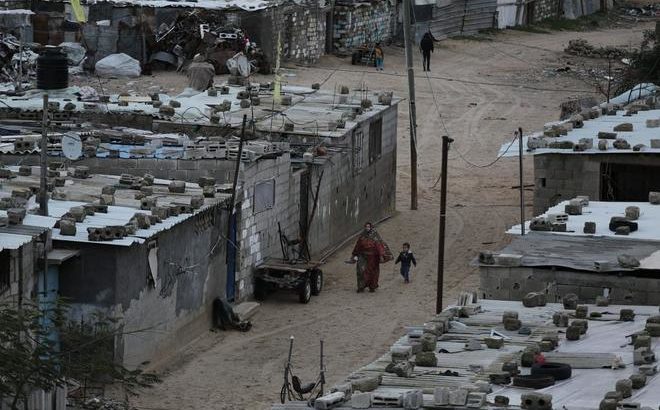
La Agencia para la Asistencia y el Trabajo de Naciones Unidas (que en inglés compone las siglas de UNRWA) fue creada en 1949 para proveer ayuda a los refugiados palestinos. Se estableció después de la guerra de 1948, que dio lugar a la creación del Estado de Israel y a la huida de sus aldeas de 700.000 palestinos que se convirtieron en refugiados en Cisjordania, Gaza y en los países vecinos. Casi 70 años después, la UNRWA atiende a cinco millones de refugiados palestinos, descendientes de los del 48 pero también provocados por la guerra del 67. La mayoría vive esencialmente en Jordania (casi 2,2 millones), en la Franja de Gaza (más de 1,3 millones), en Cisjordania (809.000), en el Líbano (463.000) y Siria (543.000), según datos de la agencia. Existen un total de 58 campos de refugiados reconocidos por la ONU, de los que 19 se encuentran en Cisjordania.

¿Cuál es su función?

La educación es el principal foco de actividad del organismo. La UNRWA gestiona más de 700 escuelas de educación básica para 525.000 niños y niñas, y 145 centros de salud que atienden 10 millones de visitas anuales. Además de los programas educativos y sanitarios, la UNRWA también gestiona ayuda de emergencia para los refugiados palestinos. «Un millón de personas en Gaza depende de la ayuda alimentaria que distribuye la UNRWA. En Siria, 430.000 refugiados palestinos que hoy son desplazados internos en el país por causa de la guerra dependen totalmente de la UNRWA, que gestiona su alimentación y les facilita albergue, colegios, clínicas, cash. Todos ellos se verán afectados por el recorte», señala a ELMUNDO.es Raquel Martí, directora ejecutiva de UNRWA España.

¿En qué situación queda la agencia tras el bloqueo de fondos de EEUU?

«La UNRWA arrastra un déficit de 500 millones de dólares, sólo del año pasado faltaron por cubrir 45 millones de dólares que se consiguieron reponer al 50% gracias a aportaciones extra. El déficit en la agencia es crónico y cada año es mayor porque las necesidades crecen y el número de refugiados aumenta», explica Martí. En 2018 el déficit previsto era de 150 millones de dólares pero se esperaba la aportación estadounidense de 360 millones que por el momento ha entregado sólo 60. Las consecuencias que este recorte tendrá en las vidas de los refugiados son difíciles de evaluar en este momento. «El comisionado de la UNRWA tiene el propósito de no recortar ningún servicio a los refugiados por ahora. Ha hecho un llamamiento internacional a los donantes y a la ciudadanía para conseguir la financiación que necesita. También va a recurrir a donantes que hasta ahora no eran habituales, como fundaciones internacionales. Según sea la respuesta de los donantes, evaluará los servicios que puede dar», asegura la directora de la sección española del organismo.

¿Cómo afecta el recorte a la vida de los refugiados palestinos?

«Están en peligro las nóminas de 33.000 trabajadores de la UNRWA que además son refugiados palestinos porque una peculiaridad de la agencia es que no trabajamos con contrapartes sino que nuestros empleados son los propios refugiados. Tenemos menos de 150 trabajadores internacionales. Este bloqueo supone no poder pagar sus salarios y serán 33.000 familias sin ingresos con un impacto gravísimo en la población. De ellos, 10.000 trabajadores están en Gaza», calcula Martí.

Más allá, el recorte drástico de fondos afectará a los programas educativos y sanitarios en los campos de refugiados palestinos. «Niños en Siria, Líbano o Gaza se quedarán sin educación y sin futuro y sin dignidad», afirma. La educación es un valor muy importante para las familias refugiadas palestinas. «Tenemos ejemplos de familias en situaciones extremas en las que los niños siguen yendo a la escuela. Los niños de Yarmuk [campo de refugiados palestino en Damasco] sacan las mejores notas del país, pese a la extrema situación que viven en medio de la guerra siria», describe la directora ejecutiva en España de UNRWA. «Será una catástrofe si tenemos que cerrar las escuelas. Y no cabe duda de que ello generará más inestabilidad en una región como Oriente Próximo por lo que puede suponer para una generación sin futuro y sin educación buscar otras salidas», añade.

¿Cuáles son los principales donantes de la UNRWA?

Estados Unidos es el principal donante del sistema de Naciones Unidas y por ende, de la UNRWA, con 368 millones de dólares de contribución en 2017. Le sigue, aunque de lejos, la Unión Europea, con una aportación que supera los 150 millones. El tercero, Arabia Saudí, está por debajo de la barrera de los 150 millones. El martes, el Departamento de Estado estadounidense anunció que aportará 60 millones de dólares para 2018 y congeló otros 65 millones afirmando que se someterán a «consideraciones futuras», condicionando su entrega a una reforma del organismo. «Nosotros cumplimos un mandato de la Asamblea General de la ONU, no decidimos siquiera quién es considerado como refugiado. No se nos puede pedir cambiar un mandato que es de la ONU», replica Martí.

¿Por qué EEUU decide ahora congelar su aportación?

Las relaciones entre la Administración Trump y la ONU están en un punto crítico después de que el presidente de EEUU declarara, el 6 de diciembre, su reconocimiento de «Jerusalén como capital de Israel» y su intención de trasladar la embajada desde Tel Aviv a Jerusalén. La Asamblea General de la ONU adoptó el 21 de diciembre una resolución (no vinculante) que instaba a EEUU a dar marcha atrás en su declaración. La embajadora de EEUU ante la ONU advirtió que su país «recordará» el día de la votación de resolución cuando los países pidan ayuda o cuando la ONU le reclame apoyo económico. A principios de enero, Trump amenazó con congelar la contribución a la UNRWA acusando a los palestinos de no negociar con Israel. «¿Cuándo hemos rehusado negociar?», le respondió el presidente palestino, Mahmud Abas, a Trump. A todo esto, el primer ministro israelí, Benjamin Netanyahu, acusó a la UNRWA de ser «antiisraelí» y abogó por su desaparición porque, según él, «perpetúa el problema de los refugiados palestinos». Sin embargo, sin una solución justa al conflicto palestino-israelí, la UNRWA es vital para los más de cinco millones de refugiados.

¿Hay alternativa a la UNRWA?

Para Martí, «no hay alternativa a la agencia para encargarse de la educación de 525.000 niños palestinos. La mayor operación de la ONU es Gaza, nadie cogerá el relevo de la UNRWA. ¿Qué va a pasar con más de cinco millones de personas en un contexto tan convulso, tras 50 años de ocupación [israelí], 10 de bloqueo [en Gaza] y siete de guerra en Siria?»

Fuente de la Entrevista:

http://www.elmundo.es/internacional/2018/01/22/5a648c4aca4741e7188b4659.html

Comparte este contenido:

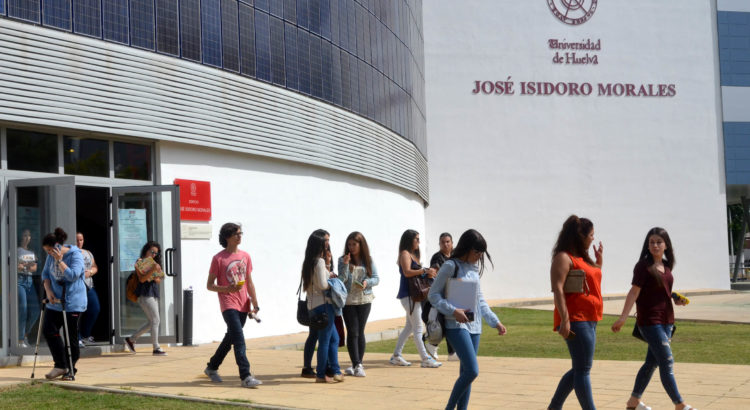
España: El Campus universitario El Carmen de Huelva acogerá en abril el V Campeonato Autonómico de FP

España/23 de enero de 2018/Por: Europa Press/Fuente: https://www.20minutos.es

El V ‘Campeonato de Formación Profesional Andalucíakills’ se celebrará este año en el campus universitario El Carmen de Huelva del 9 al 12 de abril, donde el alumnado de estas enseñanzas demostrará las habilidades técnicas y prácticas adquiridas en sus estudios.

Estas olimpiadas, organizadas por la Consejería de Educación y que se celebran cada dos años, tienen como objetivo, además de dar visibilidad a la Formación Profesional (FP), ser un lugar de encuentro para empresarios, universidad, profesorado y expertos para potenciar las relaciones entre el sistema educativo y el tejido empresarial, según ha recogido la Junta de Andalucía en un comunicado.

Asimismo, el Campeonato Autonómico de FP se organiza como una competición donde se ponen a prueba las habilidades y capacidades de los candidatos en un total de 25 especialidades profesionales. Las pruebas que sucesivamente deben resolver los participantes se plantean como situaciones reales que se pueden producir dentro de un entorno profesional real.

Los centros interesados podrán inscribirse en este campeonato hasta el próximo 2 de febrero a través del portal Séneca de la Consejería de Educación.

Por último, los ganadores del campeonato participarán en las olimpiadas nacionales ‘Spainskills 2018’ que se celebrará en Madrid. Tras el encuentro en la capital, los jóvenes finalistas participarán sucesivamente en los ‘Euroskills’ y los ‘Worldskills’, convocatorias que reúnen cada año a los alumnos de Formación Profesional que mejor han demostrado sus habilidades profesionales.

Fuente de la Noticia:

Ver más en: https://www.20minutos.es/noticia/3240203/0/educacion-campus-universitario-carmen-huelva-acogera-abril-campeonato-autonomico-fp/#xtor=AD-15&xts=467263

Comparte este contenido:

UK: Education cuts impossible to defend, says council leader

UK/January 23, 2018/ Source: http://www.bbc.com

Cuts to local authorities’ education budgets are «impossible to defend», the leader of Swansea council has said.

In a letter to Education Secretary Kirsty Williams, Rob Stewart criticised cuts to a grant that was partly used to fund teaching children who do not speak English as a first language.

The Labour councillor said the money had been taken away but councils were still expected to provide the service.

The Welsh Government said talks to provide extra funding were under way.

In the last budget, the Welsh Government responded to calls from local authorities to cut the number of grants that force them to spend money on specific services and said it would instead transfer the money into the main funding pot.

But Mr Stewart said his education budget would face a shortfall of £2m in the next financial year.

Kirsty Williams is the sole Liberal Democrat in an otherwise all-Labour cabinet

He said an 11% cut to the Education Improvement Grant for Schools had not been fully handed back to main funding pot.

The council would now have to fund teaching support for children from ethnic minorities from existing budgets, he said.

Cardiff council also said it faced a financial shortfall in its education budget.

In a letter to council leaders in November, Liberal Democrat AM Ms Williams said she still expected £10m to be spent across Wales to support ethnic minority learners.

Mr Stewart responded to her, saying the budget for the next financial year had been «disingenuously packaged».

He wrote: «You have placed yourself in a tautologically impossible to defend position. You have proposed a cut to a specific grant which previously, amongst others, funded Gypsy, traveller and minority ethnic groups.

«You have made no cash transfer to revenue support grant, unlike ministerial colleagues.

«You tell us how to prioritise spending – including demanding we spend the same amount on a function for which you have unequivocally removed the grant – with no recompense in cash in the revenue support grant.

«I can’t spend money I simply have had taken away.»

The Welsh Conservatives have lodged a request in the Senedd for an urgent question on the matter .

Tory AM Darren Millar said: «The Welsh Labour-led Government needs to explain why, in wielding cuts to this specific grant, they have made no additional transfer to the main budgetary pot, as was previously promised.»

Horizontal line

Analysis by Nick Servini, BBC Wales political editor

Kirsty Williams, as the solitary Liberal Democrat in the Welsh Government cabinet, has navigated her way through the choppy waters of dealing with Labour council leaders successfully since taking on the job 18 months ago.

The response from Rob Stewart is the exception, rather than the norm.

A source close to Ms Williams says the tone of this strongly-worded letter caught her team by surprise and has not been helpful to the discussions behind the scenes – code for anger at the way the council leader has responded.

The Welsh Government defence is that it is doing what councils want in freeing them up from specific grants, but at a time when there is not much money sloshing around local authority coffers, there are inevitably going to be disagreements about whether the councils are being left out of pocket.

Source:

ww.bbc.com/news/uk-wales-politics-42768473

Comparte este contenido:

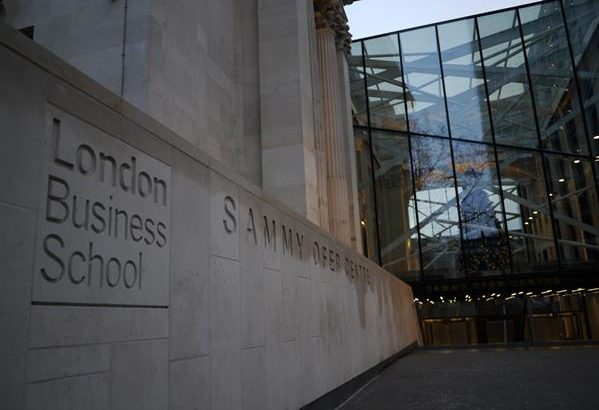
Reino Unido: Education meets corporate at the London Business School

Reino Unido/Enero de 2018/Autor: Paul Milligan/Fuente: INAVATE

Resumen:

Una combinación de inversión de varios millones de euros y un proceso de instalación de un año de duración ha resultado en un impresionante proyecto en la London Business School, donde la educación se encuentra con las empresas. Paul Milligan informa.

La apertura del Centro Sammy Ofer ha visto a London Business School (LBS) entrar en una nueva era. El proyecto de 125 millones de euros incluyó la remodelación de la Casa del Consejo del Ayuntamiento de Old Marylebone y de los edificios del Anexo, utilizando el espacio excavado entre los dos edificios para crear una nueva estructura de acero y vidrio. El edificio lleva el nombre del magnate naviero israelí, e incluyó una donación de 25 millones de euros de su hijo Idan, que se graduó con un MBA de la escuela en la década de 1980. Diseñado por los arquitectos, Sheppard Robson, cuenta con 35 salas de seminarios, 10 salas de estudio, ocho nuevas salas de conferencias, incluyendo dos aulas de planta baja, dos salas de juntas ejecutivas, un puñado de otros espacios AV pequeños, una nueva biblioteca, múltiples áreas de reunión y dos cafeterías . En total, el nuevo Centro ha aumentado el espacio de enseñanza en LBS en un 70%.

A combination of multi-million euro investment and a year-long installation process and has resulted in a stunning project at the London Business School where education meets corporate. Paul Milligan reports.

The opening of the Sammy Ofer Centre has seen the London Business School (LBS) enter a new era. The €125 million project included the refurbishment of The Old Marylebone Town Hall’s Council House and Annexe buildings, using the excavated space between the two buildings to create a new glass and steel structure. The building is named after the Israeli shipping magnate, and included a €25m donation from his son Idan, who graduated with an MBA from the school in the 1980s. Designed by architects, Sheppard Robson, it features 35 seminar rooms, 10 study rooms, eight new lecture theatres including two flat-floor classrooms, two executive boardrooms, a handful of other small AV spaces, a new library, multiple breakout areas and two cafeterias. All told, the new Centre has increased teaching space at LBS by 70%.

Founded in 1965, LBS is a post-graduate education establishment offering MBA, Masters and executive education programmes. It has been recently been named as the top graduate business school in Europe for the fourth year running by the Financial Times.

london business school 2

The grade-II listed building, owned by Westminster Council had lain empty for years because the council couldn’t fund a renovation. Already looking to expand to another site in London close to its HQ in Regent’s Park, LBS took on the building and is renting the property on a long-term lease with agreement that it houses Westminster Council meetings six to eight times a year. The famous wedding venue (Paul McCartney and Ringo Starr were both married there) has also been renovated as part of the project.

Planning for the (multi-million euro) AV side of things began early in 2013 when LBS engaged AV consultants Blend to formulate a plan with Wayne Buttigieg and his team. Buttigieg is head of Infrastructure and Media Services at LBS and had a clear idea from day one what the AV should achieve. “We wanted to have world-class teaching facilities. We wanted the best. That doesn’t always go hand in hand in a grade-II listed building. We wanted an AV consultant in early on to engage with the architect because we knew the spaces were going to involve constraints. There are some rooms where you can’t do anything to the floor. That was the first stage. Then we worked through the design, came up with a budget and took us to tender.”

london business school 3

Four system integrators took part in the tender, with GV Multimedia chosen as the winner, GV then took over design responsibility from Blend in August 2016 as the build started to take shape. As he knew this project was on the horizon, Buttigieg has spent years visiting ISE to get an idea of the products he would use and, as a result, everything you see on site now has been hand-picked. “It wasn’t Blend coming to us with a complete design, it was an evolution of our existing campus, to take it to the next level,” he says.

The project, for both client and integrator was a lengthy, sometimes difficult and detailed job. The tender process took place in December 2015 and GV first started installing cable runs in May 2016 to ensure late-to-be-sealed routes were in placed in line with the build programming. Following the 155-week build programme, handover from the main contractor took place at the end of July 2017, with students on site at the end of August 2017.  To help manage the process and keep engaged with the building and architectural work, GV employed a contracts manager to attend the (frequently daily) planning meetings.

london business school 4

The main focus for GV was to supply top class AV for over 50 teaching and meeting spaces, digital signage, boardrooms and eight new lecture theatres with a central control room, all spread across four floors and two buildings. Wherever possible GV has tried to standardise the AV, as a result it often resembles a high-end corporate office rather than a traditional educational establishment. The two flat-floor lecture theatres on the first floor are a great example of that.  Both rooms seat 35 students in a flipped-classroom style, where the only thing fixed to the floor is the custom made Simon Kohn all-white desk. Each lecture theatre has its own custom-sized version of the desk and control system, all designed to be used quickly and easily by teaching staff. Each desk refines an existing design piloted successfully on other sites. The only AV the staff can see on the desk itself is a 24-in Dell touchscreen monitor and 20-in widescreen AMX touchscreen, a standard PC is hidden underneath the desk.

“PCs used to be in the rack, but it’s all about getting the teaching going quickly, if the user sees a blue screen they can turn it off. Before they would have to phone someone up,” adds Buttigieg.

london business school 5

It is only when you look closely at the desk will you see one of the many clever features in the room. A full-width frosted glass panel sits on the desk surface, above it fixed in the ceiling is a Wolfvision VZ-C12 visualiser. This means the teaching staff can write on the (wipe-clean) surface and the text appears directly on two 94-in screens behind them, using Christie short-throw laser 4,000 lumens projectors. When the lecturer is finished or has filled up the screen with text, the image can be saved on the intranet or via USB. Simply wipe with a cloth and start again.  Not only is the technology inventive, but it allows the teaching staff to remain in face-to-face contact with the students at all times, instead of students having to stare at the back of the lecturer’s head whilst they write.

Alongside the two screens behind the lecturer, these two flat-floor lecture theatres have AV split down the middle of the room; on each side is an 84-in Smart Kapp board, one 80-in NEC flat panel and one traditional whiteboard. This is so the students can break out into discussion groups and be near the technology wherever they sit. It’s also possible to send the signals from the desk to all of the technology. “We are seeing more and more flipped classrooms, where students will sit through some pre-required learning (video or text), and then come into a session where they can focus their time with the academic staff to get the information they really need and work collaboratively with their peers,” says Daniel Victory, group technical director, GV Multimedia.

london business school 7

 Audio pickup in the room is via tiny AKG button boundary microphones dotted around the ceiling. The rooms are also set up for Skype for Business and a Panasonic PTZ camera runs into a Sonic Foundry Mediasite lecture capture system, as well as simultaneously providing for remote monitoring and Skype via IP and USB. If they want extra voice reinforcement, staff can also wear Revolabs Executive Elite wearable microphones around their necks. The main campus at LBS has used Mediasite for years, but there is a clever twist on its installation in the Sammy Ofer Centre explains Buttigieg. “To encourage usage instead of having to schedule recordings you can now record on the spot using the desk. You click on the screen (which has an NFC reader inside) with your ID pass and it recognises who you are then, depending on permissions, you can record your lecture. When you hit save it puts it in your folder on the server, ready to make available or edit if desired.  It records audio, video and the last source selected (slides etc).”

To make sure all the new AV was used to its fullest, Buttigieg and his team, following training from GV Multimedia, ran a series of 30-minute induction sessions for staff. “We changed the design of the panel to make it super-simple.  When it’s turned off all you see is a big start button.  You hit start and it takes what is displayed on the PC and puts it on the screens straight away, and that covers 70% of what people really want to do. If you want to go beyond that, it’s in stages – stage one select your source etc.” From the beginning of the process it was obvious the UI was going to be key to adoption of the technology says Victory. “It took a lot of conversations, and what we have now was pared back quite a bit from some of the initial discussions to ensure optimal user experience. We went through the workflow numerous times throughout the project to find out what the fewest buttons you had to press to get the lecture going were.” Using laser projectors has also helped transform class start up times adds Buttigieg.

london business school 8

In addition all lecture theatres and seminar rooms have Barco WeConnect wireless mirroring. This was for various reasons says Victory: “If you are teaching and you have an iPad it means you aren’t stuck behind a desk, you can get up and walk around.  It also means the students can connect wirelessly, to show the group work they have been working on, on the big screens. Additionally, the team at LBS have been working with Barco to allow lectures to be broken out to the seminar rooms on each floor and to allow the content being worked on to be reviewed comparatively from the main Barco node in the lecture theatre, either full screen or tiled as required.”

Outside each seminar room and lecture theatre are custom-made mounts for AMX room booking display screens to ensure a matched fit with other custom signage.  Custom programming was done by GV to interface the room booking system to merge with the AMX interfaces.

In another wing are the next four lecture theatres, holding 85 people in each, in beautiful wood-panelled rooms. Again, the AV mirrors the other lecture theatres, a white desk controls the AV on two Vutec 111-in or 123-in projection screens depending on room height available. The screens are served by two NEC 8,000 lumens laser projectors, hidden on hoists carefully integrated into the wooden slatted ceiling.  The projector screens are custom designed to allow them to be blended together to make one screen, for consistency with existing spaces the system permits the users to show two different pieces of content (slides, video etc) at the same time, side-by-side. Having two projectors also provides redundancy if one fails, notes Buttigieg.

london business school 9

Audio throughout the Sammy Ofer Centre is run on Dante. All of the audio in the rooms is collected through a DSP, which allows Buttigieg’s team to monitor mic and audio levels from the control room and also to send audio to other rooms in case of class overspill as well as being instrumental in the larger DSP requirement in the largest of their lecture theatres.

Monitoring of the lecture theatre AV technology is done via their main control room which uses in-room technology such as cameras and Mediasite, all routed via SVSi AV-over-IP technology (including a multi-preview display of all lecture theatres simultaneously on a 65-in NEC display) to provide near-instant monitoring from any of the lecture spaces. AV control in this space allows quick and full remote control of the outlying spaces via AMX RMS software and an in-room 10-in AMX touchpanel. A pair of bookable Polycom conferencing units are also available to and from each lecture theatre and the main control room, with all signals and control for the cameras and content passed over the network due to the long cable distance. “Getting all of the networked devices online and working on a fully converged network took a lot of close coordination with the client IT-team. This was essential both for system operation and to ensure the client network was unaffected” adds Victory.

Moving upstairs, you come to the biggest teaching space of all, a 200-seat lecture theatre, capable of being split into two exact 100-seat spaces. The room can be divided using a motorised Skyfold wall which is capable of concealing noise from the other side up to 50db.  Innovation in this room comes in the form of two audio systems. Because this theatre is used for both lectures and as a Council Chamber, choosing the right microphones was difficult. In the end, to keep desks uncluttered, 36 Earthworks microphones drop down from the ceiling on Servoreeler retractors when needed.

Because the room has two large 7.25m projection screens (providing two 163-in displays per screen), each served by two Panasonic 12,000 lumens laser projectors along with a highly complex slatted ceiling, that meant there wasn’t a lot of room left for loudspeakers, so some creative thinking was needed. The solution came in the form of perforated projection screens made by Monarch and mounted onto GV-designed, custom, angled frames behind which two Renkus-Heinz digitally steerable line arrays are hidden.

The rooms, again, have the same desk control space, but also feature two NEC displays with Shadowsense touchscreen technology mimicking the projection for direct interaction and Telemetrics camera system for Westminster and Business School uses. The Council now has the added ability to stream and record the event via a NewTek Tricaster. Using a touchscreen Elo panel the operator can zoom in within seconds on any speaker in the room via the 200 preset positions programmed into it. Alongside the Telemetrics and Tricaster control surfaces are also an iPad (for room control) and a mixing desk up in the technical space rear corner of the room to control the AV for the council meetings. To enable rapid deployment, the desk is connected simply by power and a Dante network connection which provides full connection to the ceiling, floorbox and wireless microphone positions and routing to all destinations, including the Westminster Reception room for relay during functions.

The 35 Seminar and 10 Study rooms are used by staff and students (booked via an app) for meetings and collaborative teaching. Seating between 6-12 people around the building, the rooms feature individually custom-made tables with connectivity inside. A selection of 42-in Smart Kapp boards, NEC P Series displays and Logitech MeetUp huddle room conference systems can be found on the walls in these spaces.

So what difference has the new technology made to the LBS? “Previously in the seminar rooms we had a PC in the corner of the room with a little screen which could only be used by one person, even though there was up to eight in the room. Now we have 35 rooms where our students can collaborate,” says Buttigieg. “In the lecture theatres it has given us the ability to put into practice a lot of the ideas we’ve had over the last few years. By starting a lecture theatre from scratch it means you can put visualisers in from the off, rather than retro-fitting them. It has given us the chance to try out different technologies, like the mirroring. There is an expectation from the faculty now there will be new technology, so it has given us the opportunity to put it in.”

KIT LIST

Audio
AKG C562 ceiling microphone
Ampetronic CLD1AC-CD desk induction loop
Audac WX302/B loudspeakers
BSS BLU-102 conferencing processor
Clockaudio S 135-RF desktop mic
Ecler eGPA2-150 amplifier
Extron XPA 1002 amplifier
K-array KY102 array loudspeaker
Kef Ci160QS ceiling loudspeakers
Polycom Soundstructure C12, Soundstructure C16 audio DSP
Renkus Heinz IC16-8-RD array loudspeaker
Revolabs Executive Elite wireless microphone system
Shure SM58 mic
Soundcraft Performer II digital console
Vaddio EasyUSB audio bridge

Control/distribution
AMX MSD-1001 and MSD-431-L display screens, Modero X Series touch panels
Atlona AT-HDVS-150-TX AV signal extender
Extron USB Extender Plus T transmitter

Mounting
B-Tech BTEBT7535B articulating arm wall
Chief XSM1U wall bracket
Display Devices DL3 1B-14 ceiling visualiser hoist
Ergotron 45-245-026 LX DUAL articulating arm bracket
SMS Func Bracky XL wall bracket
Top-Tec TT485-Y03 wall display bracket
Unicol PZX1 wall bracket

 Fuente: http://www.inavateonthenet.net/case-studies/article/education-meets-corporate-at-the-london-business-school
 

Comparte este contenido:

Francia: Déçu par ses élèves de 5e, un professeur de français leur inflige un contrôle délirant

Francia/Enero de 2018/Autor:Hervé Hillard/ Fuente: Ouest France

Resumen:

Le había pedido a sus alumnos de quinto grado que leyeran «The Kingdoms of the North», de Philip Pullman, y escribiera una hoja de lectura. Solo tres de ellos lo han hecho, esta profesora de francés decidió vengarse al infligir finalmente un interrogatorio surrealista en un breve extracto de «Sí, sí en la granja», con una docena de preguntas dignas de EC1. Lo cual creó una controversia y un #YesOuiGate en las redes sociales.


Il avait demandé à ses élèves de 5e de lire un roman, « Les royaumes du nord », de Philip Pullman, et d’en écrire une fiche de lecture. Seuls trois d’entre eux l’ayant fait, ce professeur de français a décidé de se venger en leur infligeant finalement une interro surréaliste sur un court extrait de « Oui-Oui à la ferme », avec une dizaine de questions tout juste dignes du CE1. Ce qui a créé une polémique et un #OuiOuiGate sur les réseaux sociaux.

« Oui-Oui, un pantin de bois un peu étourdi, est chauffeur de taxi dans la capitale du Pays des Jouets, Miniville »… Ainsi commence l’extrait de 7 lignes de « Oui-Oui à la ferme », écrit par Enid Blyton, sujet du contrôle d’un professeur de français pour ses élèves de 5e. Oui, de 5e. Contrôle qui consiste en dix questions évidentes dont toutes les réponses sont soit « Oui-Oui », soit « oui ». Suivies par six questions sur la couverture du livre à peine dignes du niveau du CE1.

La raison de cette interro délirante ? La déception de ce professeur de français face à la paresse de ses élèves. En début d’année, il leur avait demandé de lire, petit à petit, chapitre par chapitre, « Le royaume du Nord » de Philip Pulman, un roman d’heroic fantasy entre « Harry Potter » et « Game of Thrones », plusieurs fois primé en Grande-Bretagne, dont il s’était dit qu’il leur plairait.

Le contrôle qui a donné naissance au #OuiOuiGate.
Le contrôle qui a donné naissance au #OuiOuiGate. | Capture écran

Deux élèves avaient lu les trois premiers chapitres

Peine perdue. Au bout d’un mois, sur 23 élèves, 3 seulement avaient lu le livre entier. Sur les 20 restants, deux avaient lu les trois premiers chapitres. Les autres n’avaient même pas ouvert le livre.

Dépité par tant de paresse, le professeur a décidé de leur donner une petite leçon avec ce contrôle humoristique – et qui n’était évidemment qu’une plaisanterie, un « fake ».

Le professeur a ensuite publié toute l’histoire sur un groupe de privé de Facebook, consacré à l’enseignement. Mais ses deux messages – son coup de gueule et le fac-similé du contrôle – ont été rendus publics. Une journaliste l’a notamment publié sur Twitter. Et le tout a déclenché une avalanche de réactions sur les réseaux sociaux. À tel point qu’on hashtag #OuiOuiGate est même né.

Voir l'image sur TwitterVoir l'image sur Twitter

Car l’initiative du professeur divise, et pas seulement les enseignants. Pour schématiser, il y a ceux qui sont pour – « une petite leçon à bon compte » – et ceux qui désapprouvent – « on ne doit pas humilier un élève ».

Quoi qu’il en soit, tout le monde se mettra peut-être d’accord sur la phrase du romancier Daniel Pennac, prononcée sur France Culture, ce week-end : « Si un élève vous dit qu’il n’aime pas lire, il ne sait pas ce qu’il dit. Si vous le croyez, il est foutu. Et vous aussi comme professeur ».

Fuente: https://www.ouest-france.fr/education/enseignement/decu-par-ses-eleves-de-5e-un-professeur-de-francais-leur-inflige-une-interro-delirante-5517215

Comparte este contenido:

El futuro de la educación: hacer prácticas gratis mientras estudias Bachillerato

Por: Hector G. Barnés

Una de las ideas que se han repetido con mayor frecuencia durante los últimos años, especialmente desde que la crisis económica disparó los niveles de paro entre los jóvenes españoles, es que el sistema educativo de nuestro país y el mercado laboral siguen caminos muy distintos. Las palabras del ministro de Educación, Iñigo Méndez de Vigoapuntan precisamente en esa dirección, especialmente en lo que concierne al refuerzo de la Formación Profesional y las enseñanzas prácticas como una “alternativa educativa moderna, de calidad, especializada y que va de la mano del mercado laboral”.Íñigo

Esta orientación hacia la empleabilidad de la enseñanza formal está comenzando a reflejarse en una etapa incluso más temprana. Es decir, durante el Bachillerato (y, en ocasiones, la ESO). Es el caso, por ejemplo, del Colegio Internacional de Sevilla San Francisco de Paula, que incorporó el pasado curso la posibilidad de que sus alumnos realicen de forma voluntaria prácticas prelaborales en organizaciones de distinto perfil (tecnológicas, de comunicación u ONG). Es algo relativamente habitual en otros países donde la Formación Profesional tiene un gran peso, como Alemania. Allí, en regiones como Schleswig-Holstein, las prácticas forman parte del currículo en asignaturas como Economía y Política para que el estudiante entienda cómo funciona una empresa.

Son cada vez más los centros que ofrecen a los alumnos la posibilidad de empezar a integrarse en el mercado laboral antes de abandonar el instituto

Ello provoca que, por ejemplo, el Colegio Alemán de Bilbao oferte prácticas en empresas alemanas a los alumnos de Bachillerato, con el objetivo de que “tengan su primera experiencia profesional”. En el Colegio Virgen del Mar de Tenerife, los estudiantes de ESO y Bachillerato con mejor expediente pueden hacer prácticas en las instalaciones del Centro Superior de Investigaciones Científicas (CSIC). Otros centros, como el Colegio Internacional Peñacorada, llevan a cabo la ‘work experience’, unas prácticas formativas no laborales en 20 empresas diferentes de Castilla y León.

De las aulas a las oficinas. (iStock)

Son cada vez más los centros que ofrecen a los alumnos la posibilidad de empezar a integrarse en el mercado laboral antes de abandonar el instituto como una forma de prepararlos para lo que se avecina. “Debemos ser conscientes de que el mundo profesional está demandando habilidades que no se están evaluando”, explica el director del colegio sevillano, Luis Rey. “Podríamos dar la espalda a la realidad, y centrarnos solo en lo académico, pero estaríamos haciendo un flaco favor a nuestros hijos”. En la elaboración de los planes estratégicos del centro participan, además, empresarios y directivos del sistema productivo español.

¿A quién beneficia?

Uno de los principios en los que se basan estos proyectos es en que los alumnos adquieran aprendizajes que puedan poner en práctica en el mercado laboral antes de concluir sus estudios. Sin embargo, para Paco Ávila, responsable del Instituto Oficial de Formación Profesional MEDAC y experto en la relación entre empresa y mundo educativo, aunque “todo lo que sea sacar al alumno de su entorno y acercarle al mundo laboral es fantástico”, el final último no debería ser tanto que el alumno recibiese un aprendizaje práctico como que le sirviese de orientación a la hora de encontrar su vocación.

Deberían llevarlos a un supermercado o a un centro médico. No es una cuestión de aprender, sino de descubrir su vocación

De ahí que, en opinión de Ávila, las prácticas ideales no se centrarían en una única empresa, sino que tendrían lugar en distintos sectores profesionales en que los estudiantes desempeñasen distintos trabajos para facilitar su comprensión de los distintos entornos laborales. Ello contribuiría, por ejemplo, a reducir el número de estudiantes que abandonan prematuramente su carrera universitaria. “Con 18 años es difícil tomar una decisión, y hay mucho fracaso porque se dan cuenta de que no es lo que querían”, explica. “Deberían llevarlos a una cadena de supermercados, a una empresa de servicios o a un centro médico. No es una cuestión de aprender, sino vivencial, como un viaje”.

El Colegio Alemán de Bilbao, por ejemplo, incide en el carácter orientativo de sus prácticas. En el caso del Francisco de Paula, los propios estudiantes eligen el perfil de empresa en el que desean realizar las prácticas. El centro organiza una Feria de las Organizaciones en la que los alumnos, junto con sus padres, se informan de las características de cada una y deciden en función de sus intereses. Las prácticas prelaborales, no remuneradas, se realizan a lo largo de unas semanas, durante el verano.

Habilidades, ¿qué habilidades?

Estos proyectos pioneros en el panorama español reabren el debate del rol que debe jugar la empresa en la formación de los jóvenes. En concreto, entre los distintos roles que deben jugar la educación obligatoria —que en nuestro país llega hasta la ESO—, la posobligatoria y preuniversitaria (el Bachillerato) y la superior (grados, licenciaturas y posgrados). El Bachillerato, según la Ley Orgánica 2/2006, además de capacitar a los alumnos para la educación superior, tiene como finalidad “proporcionar a los alumnos formación, madurez intelectual y humana, conocimientos y habilidades que les permitan desarrollar funciones sociales e incorporarse a la vida activa con responsabilidad y competencia”.

El acento, en este caso, se sitúa en preparar mejor a los alumnos para un entorno profesional que, se entiende, dista mucho de lo que se aprende en la escuela. “El informe sobre el futuro de los empleos del Foro Económico Mundial fue tan taxativo como elocuente: las habilidades técnicas necesitarán ser fuertemente complementadas por facultades sociales y de colaboración”, señala el San Francisco de Paula. Para Jurjo Torres, catedrático de Didáctica y Organización Escolar en la Universidad de A Coruña y autor de ‘Políticas educativas y construcción de personalidades neoliberales y neocolonialistas’, esto se traduce en “prácticas en el mundo de las grandes empresas, pero como ‘empresarios, directivos y ejecutivos”.

En su opinión, el programa está “obsesionado por encaminar la vida futura del alumnado hacia el mundo empresarial” (y hacia las STEM, es decir, ciencias, tecnología, ingeniería y matemáticas) y considera que “en ningún momento se le hace analizar críticamente el mundo de la empresa capitalista: la justicia de la organización empresarial, del sexismo dominante, el grado de participación democrática, la ética que caracteriza ese modelo empresarial y productivo, etc.”. La educación no debería limitarse a eso. “En Bachillerato, el alumnado no suele tener decidido su futuro profesional (eso caracteriza más a la FP y a la universidad), pero si ya se hace tanto hincapié en estas prácticas prelaborales en esos ámbitos es previsible que otros no lleguen a conocerse”, añade el profesor. Como recuerda Ávila, esta estrategia de acercamiento al mercado laboral de ciertos colegios privados no puede llevarse a cabo de cualquier manera.

Fuente: https://www.elconfidencial.com/alma-corazon-vida/2018-01-18/practicas-empresas-bachillerato_1507562/

Comparte este contenido:

Grecia: Empowering local first responders to reach refugee and migrant women

Grecia/Enero de 2018/Fuente: UNFPA

Resumen:

Hace más de dos años, Grecia se convirtió en el centro de una crisis de refugiados y migración, con cientos de miles de personas ingresando al país, muchos de ellos arriesgando la muerte para escapar de la guerra, la persecución y la privación. Solo en 2016, llegaron a Grecia unas 173,000 personas, lo que desborda comunidades y recursos locales.

Muchas de estas personas llegadas eran mujeres y niñas con graves necesidades de salud reproductiva, incluidos los servicios de salud materna y el manejo clínico de la violación.

El UNFPA lanzó una respuesta de emergencia, desplegando trabajadores humanitarios y clínicas móviles para brindar atención esencial de salud reproductiva.

Over two years ago, Greece became the centre of a refugee and migration crisis, with hundreds of thousands of people streaming into the country, many of them risking death to escape war, persecution and deprivation. In 2016 alone, some 173,000 people arrived in Greece, overwhelming local communities and resources.

Many of these arrivals were women and girls with serious reproductive health needs, including maternal health services and clinical manage of rape.

UNFPA launched an emergency response, deploying humanitarian workers and mobile clinics to provide essential reproductive health care.

“At the start of any crisis, it is critical to ensure that women, girls and other vulnerable groups have access to sexual and reproductive health care, including the prevention and treatment of sexual violence, prevention of HIV and sexually transmitted infections, and comprehensive obstetrics care,” said Felicia Jones, a UNFPA sexual and reproductive health coordinator.

Many refugees and migrants in Greece have serious reproductive health needs. Photo by Lynsey Addario for Time.

Over 1,000 consultations were provided in the last months of 2016 alone.

Now, UNFPA is handing over operations to the Government of Greece.

The crisis is far from over; some 48,000 refugees and migrants are estimated to be in Greece today. But intensive partnerships and training efforts have strengthened local actors’ abilities to provide these life-saving services, benefitting both refugees and host communities.

Enormous vulnerabilities

Refugee and migrant women face enormous vulnerabilities. Uprooted from their homes, separated from their support networks, they often travel along dangerous routes. They have little privacy, sometimes sleeping in the open.

Gender-based violence is commonplace, but rarely reported.

Between July 2016 and June 2017, 350 refugees or migrants reported experiencing gender-based violence, including sexual assault, forced marriage, physical assault, psychological abuse, denial of services, trafficking and rape – but the actual number of cases is likely to be significantly higher.

A case management training in Greece. Photo by UNHCR and UNFPA

Sexual violence survivors require a package of clinical care, including treatment of wounds, emergency contraceptives, post-exposure prophylaxis to prevent HIV transmission, as well as access to psychosocial and legal support.

But before the onset of the crisis, Greece did not have protocols for the clinical management of rape that were in line with international standards.

UNFPA began training medical practitioners, social workers, psychologists, camp managers and others on providing psychological first aid, case management, clinical management of rape, and the provision of sensitive and confidential services for survivors.

Police, lawyers and others were also reached with trainings about the sensitive handling of sexual and gender-based violence.

“The training is practical and tailored to suit the situation in Greece,” said a participant in a case management training in Ionnina, Greece.

Urgent reproductive health needs

The need for maternal health care and other reproductive health services was also staggering.

Tayma Abzali, 24, with her baby Helen, in a tent in November of last year. Lynsey Addario for Time.

In a typical refugee or migrant population, 4 per cent of women will be pregnant – meaning thousands of women were in need of care.

At the onset of the crisis, UNFPA supported the deployment of two mobile reproductive clinics, which provided prenatal and post-partum services, as well as other reproductive health care such as family planning. And UNFPA provided medical commodities to outreach workers from the Hellenic Centre for Disease Control.

But to ensure services are sustainable, UNFPA began tailoring trainings – on sexual and reproductive health, adolescent sexual reproductive health, and life skills education – to local needs.

“Being trained in sexual and reproductive health provides me the knowledge to support and better advise the beneficiaries of my programme,” said the participant of one training.

Moving forward

Since 2015, UNFPA has trained 1,350 people in Greece and 200 from the wider region. Many of those trained are now serving as trainers.

These efforts are “important for the refugees and even for the Greek people,” said one health expert, noting that services will improve for local communities, as well.

UNFPA’s efforts were conducted in close collaboration with the Government of Greece, including the General Secretariat for Gender Equality. Until late 2016, support was also received from the United States Bureau of Population, Refugees, and Migration and the Government of Norway.

On 14 December, UNFPA handed over reproductive health operations to the Government of Greece in a ceremony held in Athens.

“The first step has been done. Trained staff and protocols exist now in Greece,” said a medical coordinator who participated in one of the training exercises, adding that it is now up to local actors to keep up the momentum. “If these protocols will remain only a theory, without being implemented in the field, then all these trainings and trained staff will be useless.”

Fuente: https://www.unfpa.org/news/empowering-local-first-responders-reach-refugee-and-migrant-women

Comparte este contenido:
Page 695 of 1650
1 693 694 695 696 697 1.650