Page 993 of 1649
1 991 992 993 994 995 1.649

Reino Unido: The Victorians taught children about consumerism – and we can learn from them too

/Europa/Reino Unido/Abril del 2018/Noticias/https://theconversation.com

Every parent dreads the day their child asks where babies come from. But perhaps we should be more concerned about how children learn where other things come from. What do we say when they ask where we get the clothes we wear, the furniture in our homes, the food we eat?

Considering the volume of advertising of all kinds of products designed for and marketed directly to children – everything from toys, to cereals, to fashion – it is surprising how little time we spend on helping children to become educated and empowered consumers.

Growing interest in eco-friendly and sustainable products has led to increased awareness among modern consumers of where our clothes, food and other goods come from. Documentaries like Ethos (2011), The True Cost (2015), and campaigns like Buy Nothing Day and the Clean Clothing movement inspired by the Savar Building collapse in Rana Plaza in 2013, encourage us to think carefully about our choices as consumers. Most of the educational campaigns aimed at young consumers focus on the things they eat and drink, whereas those aimed at older consumers focus on industry and manufacture.

Perhaps this is because we assume children are more interested in what they eat than where their wellies or beds come from. But perhaps we need to think about a more holistic approach. Indeed, consumer interest in sustainability is far older than many of us realise. Though the interest in conscious consumerism may feel like a modern phenomenon, it existed in the 19th century, too. And the Victorians had some interesting solutions to the problem of telling children where our stuff comes from.

Victorian consumers

The Great Exhibition of 1851 brought together goods from all over the world in Crystal Palace, an enormous glasshouse in south London. There were fantastic things on display: a steam engine small enough to fit inside a walnut, a fabulous fake medieval court, a model that transformed from dwarf to giant at the touch of a button. There were very mundane things there, too: blocks of coal and alum, piles of wood, sheets of paper, tablecloths, and ordinary cutlery and crockery.

Considering that the modern department stores and shopping malls didn’t exist yet – Le Bon Marché opened in 1852 – this was the first time so many things could be seen in a single building, making the exhibition a bewildering experience for many visitors. A considerable portion of these visitors were children.

The Great Exhibition. V&A Museum

Many books were written about the Great Exhibition for children – both guide books to lead young visitors around the Crystal Palace and stories about the exhibition after the spectacle closed. These books emphasise the provenance and production of the things on display and encourage child readers to think about where these things come from, who made them, and how they were made.
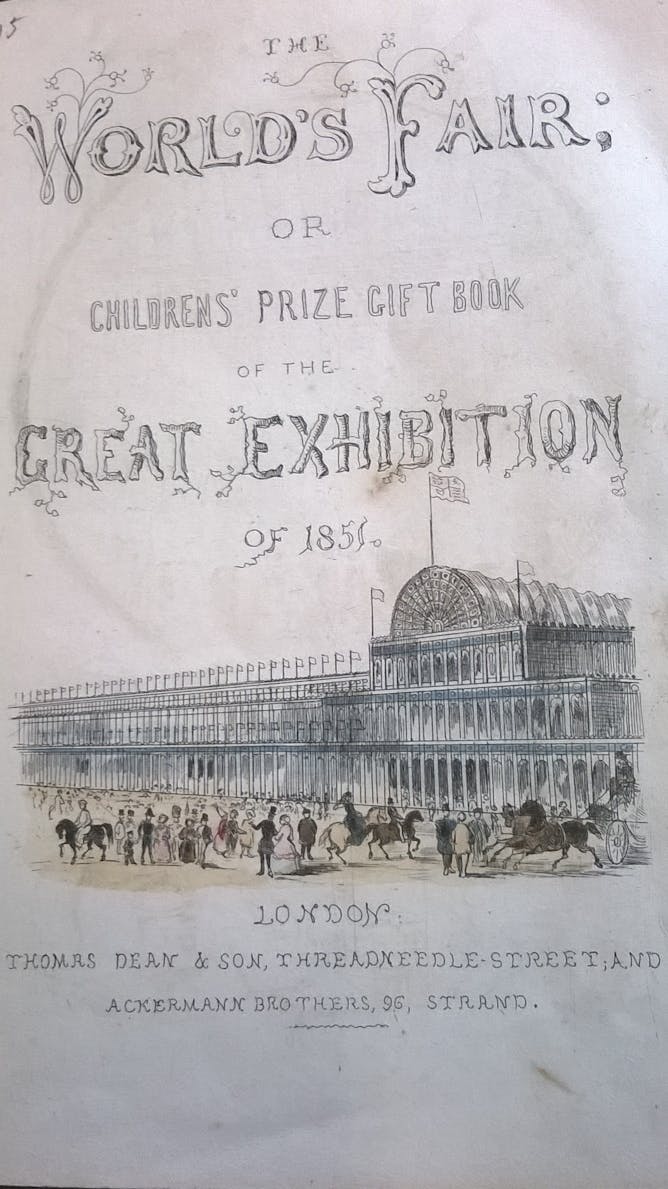
Children’s Prize Book of the Great Exhibition.Pollard Collection, Trinity College Dublin

These writers wanted to engage children with the material goods around them and, by doing so, to mould them into informed consumers who understood where things came from, how they were made, and how they fit into a wider global economy. For example, the child reader of The Children’s Prize Book of the Great Exhibition, a souvenir book for young visitors, is reminded that “some of the nice butter that you eat on your rolls comes from Ireland” and that the food on the breakfast table doesn’t appear by magic.

Licking alum

The master of this sort of lesson for young consumers was Samuel Prout Newcombe. He appears in various census records as a photographer and a teacher, but by 1851 he was a writer and educator. His books about the Great Exhibition encourage children to investigate the objects around them and really think about where they came from.

He has some unconventional methods. In one book, Little Henry’s Holiday, the characters Henry and Laura are encouraged to touch the objects on display in the Crystal Palace and even to lick the huge block of sharp-tasting alum (aluminium potassium sulfate, which is used today in baking powder and deodorant crystals). It’s a playful, and tactile sort of learning – the kind of approach we associate more readily with Sesame Street than with the 19th century. Newcombe emphasises that the children should engage all of their senses and learn about the whole manufacturing process, from raw materials to the finished product.

A little later in the century, Annie Carey’s Threads of Knowledge (1872) focuses on helping young readers to understand the social and environmental impact of common items made from cloth.

Once she realises her children consume without thought or reflection, the Mamma of the story decides to instruct her children about the origins of the most common items of clothing, reminding them that young children are involved in the manufacture of some of the items they consume thoughtlessly. She reminds the children that though industrialisation has created employment, its history is “a history of much misery and many mistakes”, and tells them of the harmful effects of the chlorine used to bleach cotton on both people and the environment.

By positioning child characters – and by extension child readers – at the centre of a global economy, Carey’s work, like Newcombe’s, helps child readers to become informed, thoughtful consumers.

These Victorian books foreshadowed modern concerns about consumerism and sustainability. Today, our emphasis is on the informed choices that adult consumers can make. But we need to start educating consumers earlier – much earlier.

The Victorians’ playful, narrative-based approach engages the young consumer in the whole process of making, selling, buying and using household goods. We could do worse than learn from the Victorians, and their strategies for teaching young children about production and consumption at a time when consumerism and industrial manufacture were just getting started.

Fuente:

https://theconversation.com/the-victorians-taught-children-about-consumerism-and-we-can-learn-from-them-too-76658

Fuente Imagen:

https://lh3.googleusercontent.com/ZDY082RFX7ScYKbjGUI-IUXPN3wqdzA0WygnBqoRwXtm9nIB526FZKirfi-JCZijk650jQ=s85
Comparte este contenido:

En Dinamarca: Ministry backs down on greater control of universities

Dinamarca/universityworldnews

Resumen:

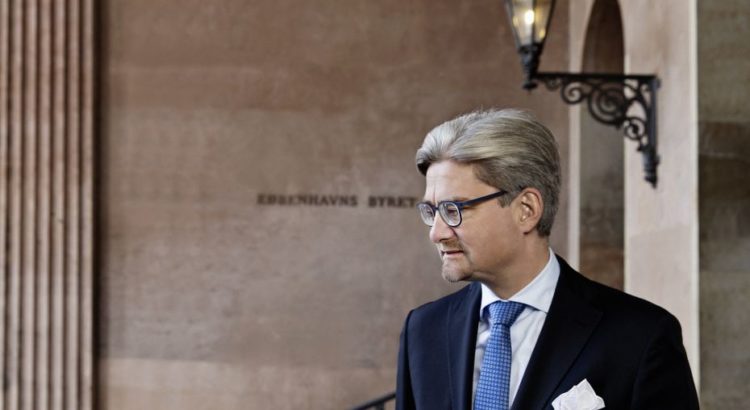
El Ministro de Educación Superior y Ciencia de Dinamarca Søren Pind ha retirado la controvertida propuesta del ministerio para seleccionar las autoridades de los órganos de gobierno de las universidades,  después de un acuerdo en el Parlamento con el Partido Popular Danés y el Partido Socialdemócrata. La propuesta encontró oposición en un frente unido de las universidades danesas y las organizaciones profesionales, que caracterizan la intervención como una ruptura con la tradición de mantener la distancia entre las universidades y el ministerio”.

Minister of Higher Education and Science Søren Pind has dropped the ministry’s controversial proposal to select the heads of the governing boards of universities after an agreement in parliament with the Danish People’s Party and the Social Democratic Party.

The proposal faced opposition on a united front from Danish universities and professional organisations, who characterised the intervention as a break with the tradition of keeping an “arm’s length distance between the universities and the ministry”.

In a debate article in the newspaper Altinget, 17 representatives of professional organisations and student unions wrote: “Ending the arm’s-length principle will turn universities into political footballs – the new governance model is a break with many years of consensus that co-determination and democracy are valuable for our institutions”.

Lecturer Jørgen Bang from the University of Southern Denmark or SDU, and an SDU governing board member, described the proposal as “grotesque legalisation”.

In the researchers’ magazine Forskerforum, he argued: “The proposal for new legislation does not say why a new selection mechanism is needed, and there has been no debate about this need. Everything is pointing in the direction that the proposal was made by the top echelon of the ministry. If it is realised, it will probably not lead to the minister or ‘society’ getting more control because the minister has a lot of other matters to attend to. But the head of the ministry is getting more governing tools.”

A letter of protest against the ruling, sent to the minister by the current heads of the eight Danish universities, has also had a great impact. In addition, there has been strong resistance from the Social Democratic Party in opposition.

Minister listened to comments

The present legal text, formulated following the minister’s decision, addresses several of the comments from the consultation, notably the establishment of a committee at each university to select the external members of the board, who are then not going to be selected by the ministry, as is the case in Sweden and Norway.

Also, students will be represented on this committee, which was not the case in the first proposal sent out from the ministry for comments.

Minister Pind said in a press release that it had been important for him to listen to the comments from the consultation and take into account the discussions he had with the higher education sector. He said that they now will endorse an agreement that secures the autonomy of the universities and counterbalances the detailed governance by the ministry.

At the same time he has strengthened the dialogue between the ministry and the universities by having two annual meetings with the heads of the governing boards.

The minister will also change the current detailed yearly ‘development contract’ and introduce a more flexible and less detailed ‘strategic framework contract’, focusing on the central strategic objectives of each university, taking into consideration the challenges each university faces.

Mette Reissmann, education spokesperson of the Social Democratic Party, said that this will lead to a stronger university sector.

Forskerforum said that this was a significant defeat for the ministry’s chief official, Agnete Gersing, who over several years, together with her predecessors, has tried to strengthen ministerial control over universities.

Fuente: http://www.universityworldnews.com/article.php?story=20170419101719707

Imagen tomada de: https://uniavisen.dk/content/uploads/2016/11/s_yren_pind_9460_0.jpg

Comparte este contenido:

¿Qué puede hacer el municipio frente al acoso escolar?

Pablo Gutiérrez del Álamo

Creación de espacios seguros y de colaboración, mejorar las condiciones de vida (sanidad, educación, empleo…), así como políticas de diálogo y mejora de la convivencia son clave.

El papel de la municipalidad, de los ayuntamientos, en la mejora de las condiciones de convivencia de los centros educativos podría parecer tangencial, a no ser que se pensara que el mejoramiento de la situación vital, de los servicios o de los trabajos de la población en general podría repercutir, y repercute en las situaciones que se viven en colegios e institutos.

Sobre ello y sobre acoso escolar hablaron Philippe Rio, alcalde de Grigny; Ary José Vanazzi, prefeito de Sao Leopoldo y María Gladys Valero, directora del Instituto para la Economía Social- IPES, Alcaldía Mayor de Bogotá. Junto a ellos, Pedro Uruñuela, presidente honorífico de la Asociación Convives y Matthieu Damian, director de Ecole de la Paix, Grenoble. Lo hicieron en el marco del I Foro Mundial sobre las Violencias Urbanas y educación para la paz y la convivencia organizado por el Ayuntamiento de Madrid en colaboración también con el de París. Un evento que ha traído personas de los cinco continentes que han hablado en la ciudad sobre diferentes formas de violencia relacionadas con la xenofobia, el machismo, el urbanismo, el sistema educativo…

El establecimiento de diálogos entre los centros educativos y los poderes públicos para conocerse y reconocerse es uno de los pasos importantes que pueden darse. Como decía Matthieu Damian, no hay una escuela de paz aislada, es necesaria la colaboración de agentes externos a los centros.

Más si se tiene en cuenta la influencia de lo externo a lo escolar. Como explicaba Philippe Rio, Grigny es un suburbio de París, atravesado por diferentes violencias (desempleo, tasas altas de abandono escolar temprano, droga…) que afectan, claro, a sus centros educativos. Para él, es básico crear “ciudades benévolas, integradoras”. En su municipio han puesto el foco en tres pilares para mejorar estas condiciones de vida: igualdad de acceso y reconquista de los derechos humanos (educación, empleo, sanidad, cultura…); una puestas por la educación como columna de la justicia social, y por último, el trabajo sobre la cultura de paz.

Una cultura de paz a la que podría sumarse una necesidad de recuperar espacios de convivencia ante un aumento del individualismo. Para Ary José Vanazzi, las municipalidades deben “recuperar el sentido de convivencia en las plazas, en las calles”; hacer posible que las personas se encuentren y compartan en ellos. Algo en relación con lo explicaba María Gladys Valero sobre la importancia de crear ciudades en las que se viva sin miedo, en las que se pueda caminar o coger un transporte público de forma segura o la creación de consejos locales con jóvenes para que se impliquen en la población, creando sentimiento de ciudadanía.

Un conocimiento y reconocimiento que pasa porque las distintas partes asuman sus responsabilidades en la educación. Vanazzi lo encarnaba explicando cómo en Brasil en muchos lugares las familias simplemente dejan a sus hijos en los centros educativos y se desentienden de la educación, no forman un movimiento de padres y madres que establezca diálogos con los centros y esto es importante para que tanto los centros, como la infancia y las poblaciones vivan en contextos más cooperativos.

El diálogo, que abordó otras cuestiones como los planes de convivencia escolar en los centros, o algunas experiencias sobre mediación, contra el bullying, terminaba con un mensaje de mayor participación para la consecución de territorios de paz. “Sentar a todos, incluidos los abuelos, no solo en los barios pobres, si no crear estructuras mixtas con asociaciones, vecinos, administración educativa. Tenemos que acompañarnos mutuamente”.
Fuente: http://eldiariodelaeducacion.com/blog/2017/04/21/que-puede-hacer-el-municipio-frente-al-acoso-escolar/
Comparte este contenido:

En Luxemburgo: El gobierno anunció una ofensiva para tutoría, orientación y apoyo a los estudiantes que lo necesitan

Europa/Luxemburgo/men.public.lu

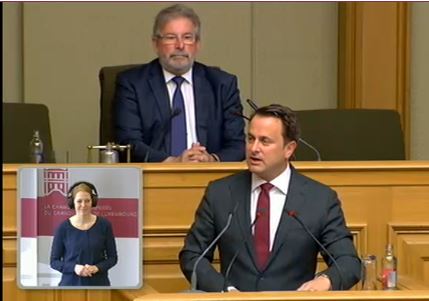
Gobierno lanza «una verdadera ofensiva para supervisar, ayudar y apoyar a los estudiantes», así lo anunció el primer ministro Xavier Bettel el 26 de de abril de 2017, en su declaración sobre la situación económica, social y financiera del país.

La reforma de la gestión de los niños con necesidades especiales espera proporcionar los medios necesarios para llevar a cabo una política de inclusión efectiva. El nuevo dispositivo se basa en dos leyes: el proyecto de ley sobre las direcciones de las Regiones (7104), que fue presentada en diciembre de 2016 a la Cámara de Diputados, y el proyecto de ley sobre los centros de competencia y la Comisión nacional de inclusión, que se presentará al consejo de gobierno en las próximas semanas.

El apoyo socioeducativo se reforzará considerablemente en las escuelas, en los hogares del estado de los niños, en centros especializados y se organizará un seguimiento de la calidad.

Esto implica un plan de reclutamiento de personal especializado por lo cual el gobierno espera crear de 350 nuevos puestos de trabajo en los próximos años, de los cuales 150 seran para profesores especialistas en la audiencia y en el cuidado de los estudiantes con necesidades educativas especiales o específicas de contratación de más de cuatro años en la educación básica, con quienes se espera  intervenir directamente en las escuelas con los estudiantes, junto con los maestros en un enfoque inclusivo.

El primer ministro también mencionó la modernización de la escuela , que ofrecerá una oferta académica adaptada a la diversidad de talentos y planes para el futuro de los estudiantes. La votación sobre el proyecto de ley 7074 sobre la educación secundaria se espera para las vacaciones de verano para efectiva a partir del curso 2017-2018.

La dimensión digital en las escuelas de Luxemburgo se fortalecerá y se promoverá el uso de los nuevos medios de comunicación, tanto en el contenido de los métodos de enseñanza. A partir de 2017 año escolar, las escuelas secundarias tendrán la oportunidad, en el marco de proyectos educativos, poniendo las tabletas a disposición de sus estudiantes , por un precio de 5 euros al mes.

Fuente: http://www.men.public.lu/fr/actualites/articles/communiques-conference-presse/2017/04/26-etat-de-la-nation/index.html

Comparte este contenido:

Sindicatos del Mundo exigen al Banco Mundial rechazar el comercio educativo

Internacional de la Educacion/Latinoamerica

Diversos sindicatos de todo el mundo protestan contra el apoyo que el Banco Mundial le está ofreciendo a proveedores educativos con fines de lucro, como Bridge International Academies (BiA). La protesta consiste en una manifestación en Washington DC, EE.UU., acciones en redes sociales y una carta oficial enviada a la institución.

En ocasión de las Reuniones Primavera 2017 del Grupo Banco Mundial y el Fondo Monetario Internacional, los sindicatos de la educación llaman la atención sobre el apoyo que estas instituciones financieras le ofrecen a corporaciones educativas con fines de lucro, como BiA. Los gremios se han hecho presentes frente las instalaciones del Banco y le han enviado una comunicación oficial a su presidente.

Video de la American Federation of Teachers:

Carta dirigida al Banco Mundial

Veinticuatro sindicatos firmaron un pronunciamiento conjunto dirigido a Jim Yong King, el Presidente del Banco Mundial, solicitándole que detenga el apoyo del Banco a BiA. Los firmantes, entre los cuales hay afiliados a la Internacional de la Educación de Estados Unidos, Argentina, Brasil, Honduras, Uruguay, El Salvador, Alemania, Noruega, Reino Unido, Uganda, Kenya, Nueva Zelanda y Portugal, aseguran que, con su apoyo, el Banco está «socavando las bases de la educación pública y la democracia en muchos países africanos».

La carta subraya que «es imposible entender el apoyo continuo del Banco Mundial a BiA a la luz de las recientes decisiones judiciales que confirman el pésimo récord de Bridge». En ella, los sindicatos solicitan al Banco revisar su estrategia de promoción de la educación, para «unir a todas las partes interesadas -incluyendo maestros y sus sindicatos, personal de apoyo, administrativos, padres y madres, gobiernos locales y la comunidad- en un esfuerzo renovado para quitar las barreras sociales y financieras que no permiten a los niños y las niñas del mundo alcanzar todo su potencial».

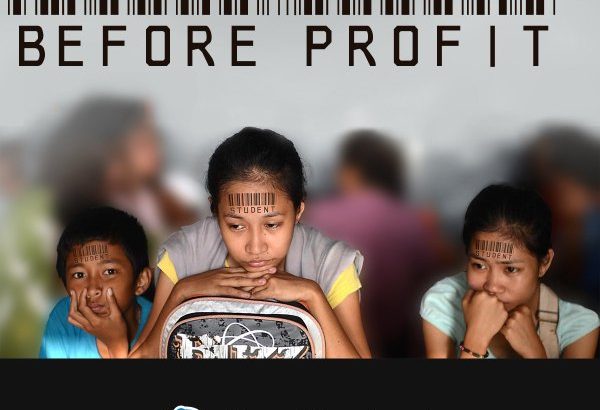
La protesta también está siendo apoyada en medios sociales con el hashtag #EducarNoLucrar en español y #StudentsBeforeProfit en inglés.

Apoyo y acciones de protesta

En los últimos días, la Internacional de la Educación mostró su preocupación sobre los lazos del Banco Mundial con Bridge. La reciente resolución especial del Consejo Ejecutivo, «Bridge International Academies añade intimidación a sus planes de negocio», describe el plan de negocio de BiA como «basado en emplear personal no calificado que utiliza un currículum altamente estandarizado en infraestructura de calidad inferior». Además, reitera que brindar de educación de calidad es responsabilidad de los gobiernos.

Esta resolución también fue enviada a Yong King, en una carta en la cual Fred Van Leeuwen, Secretario General de la Internacional de la Educación, afirmó que el apoyo del Banco Mundial a BiA «carece de justificación».

Descargue las cartas enviadas por los sindicatos y por la Internacional de la Educación 

Carta de Sindicatos al Banco Mundial sobre apoyo a BiA

Carta de la Internacional de la Educación al Banco Mundial sobre apoyo a BiA

Fuente: http://www.ei-ie-al.org/index.php/1437-sindicatos-exigen-al-banco-mundial-rechazar-el-comercio-educativo

Comparte este contenido:

GEM y ILPE-UNESCO : El número de estudiantes universitarios se ha duplicado desde el 2000 pero, ¿ha sido equitativo el crecimiento?

observatorio.itesm.mx

Un nuevo estudio publicado por el Global Education Monitoring (GEM) Report y elInstituto Internacional de Planeamiento de la Educación de la UNESCO, muestra que el número de estudiantes universitarios se duplicó a 207 millones entre el 2000 y el 2014. Sin embargo, el acceso a la educación superior se ha expandido más rápidamente en los países más ricos.

Sólo el 8% de los adultos jóvenes están matriculados en una universidad en los países más pobres, comparado con un 74% en los países más ricos. En México, por ejemplo, menos del 1% de la población indígena cursa estudios superiores. Y en China, los jóvenes de las zonas rurales tienen siete veces menos probabilidades de asistir a la universidad que los estudiantes de las zonas urbanas.

El informe también destaca que las inscripciones en universidades privadasrepresentan el 30% de todas las matrículas globales, llegando hasta un 50% en América Latina. Pero los gobiernos no pueden mantener el ritmo financiero que conlleva esta expansión estudiantil.

La UNESCO prevé que en el 2030 los países deben proporcionar acceso igualitario a una educación técnica, vocacional y superior de calidad y asequible. Con esto en mente, el informe titulado, Six ways to ensure higher education leaves no one behind, establece una serie de medidas para hacer la educación superior más equitativa y asequible.

«Lo último que queremos es que la educación superior sea un candado alrededor de los tobillos de los estudiantes», dijo Aaron Benavot, Director del GEM Report, una publicación anual que monitorea el progreso hacia las metas globales de educación para el 2030. Para hacer frente a la expansión estudiantil, el reporte comparte seis recomendaciones específicas para hacer la educación superior equitativa y asequible para todos:

  1. No perder de vista el objetivo
  2. Garantizar la equidad y asequibilidad en los marcos regulatorios
  3. Establecer agencias nacionales para asegurar la igualdad de oportunidades
  4. Utilizar diferentes criterios de admisión que se adapten a las necesidades de cada individuo
  5. Proporcionar diversas vías de ayuda estudiantil
  6. Limitar los pagos de préstamos estudiantiles a <15% de su ingreso anual

«La demanda de educación superior va a seguir aumentando», advierte Irina Bokova, Directora General de la UNESCO. «Los gobiernos deben responder introduciendo una serie de nuevas políticas que aseguren que la expansión no deje atrás a los marginados y que el acceso se base en el mérito, no en el privilegio». Para lograrlo, los países con profundas desigualdades sociales deben implementar acciones que amplíen el acceso a los grupos subrepresentados. «Incluso si estos mecanismos son controversiales», agregó Suzanne Grant Lewis, directora del IIPE.

Fuente: https://observatorio.itesm.mx/edu-news/2017/4/24/el-nmero-de-estudiantes-universitarios-a-nivel-mundial-se-ha-duplicado-desde-el-2000-pero-ha-sido-equitativo-el-crecimiento

Comparte este contenido:

Bulgaria: Education unionists take action for quality education for all

Europa/Bulgaria/ Internacional de la Educación

Resumen:

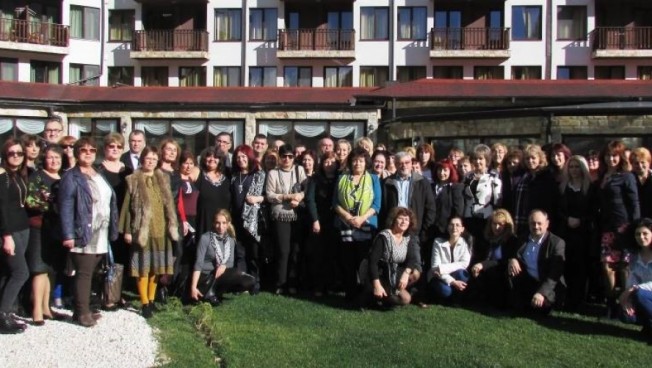
Con motivo de la Semana de Acción Mundial por la Educación,Syndicat des enseignants Bulgares (SEB) ha reafirmado su determinación de trabajar constantemente hacia el logro y la promoción de los objetivos de desarrollo sostenible y el logro de una educación de calidad para todos. Por ese motivo,  la SEB organizó diferentes actividades durante la Semana de Acción Mundial por la Educación (GAWE), que se celebra este año  del 23-29 abril.

To mark the Global Action Week for Education, the Syndicat des enseignants bulgares has reaffirmed its determination to constantly work towards achieving and promoting the sustainable development goals and achieving quality education for all.

The Syndicat des enseignants bulgares (SEB) organised many different activities during the Global Action Week for Education (GAWE), held this year from 23-29 April. These were arranged “consistent with policies in favour of sustainable and quality education” said SEB President Yanka Takeva. The GAWE was organised by the Global Campaign for Education.

The events organised included:

The XXXVI Trade Union Council

The XXXVI Trade Union Council was attended by nearly 400 SEB representatives from all over the country and guests, including Education International (EI)’s Senior Consultant Martin Rømer, social partners, school principals, mayors and researchers. Among the main themes tackled were equality in schools, increasing training for future teachers, introducing innovative policies in education, innovative schools, innovative classes, and innovative activities in educational setting, grounding innovation in scientific analysis and research, improving the school environment, such as the psychological climate in school teams, the work organisation and the discipline in the classroom.

High-level conferences

The SEB co-organised, along with the Ministry of Education and the Friedrich Ebert Foundation (FES), a conference on “Intercultural education: Good pedagogical practices for educational integration of minorities”. More than 45 pioneering educational proposals were presented.

The SEB also organised a conference under the theme, “Effective education – Its importance in a dynamically developing modern world”, with Professor Tatyana Dronzina from Sofia University making the keynote speech. Participants agreed that education is the base for raising the standard of living in the country. Teachers, principals, department heads from the Ministry of Education, and heads of regional education councils discussed how the new legal framework and the autonomy it provides can overcome the challenges and barriers to education, effectively improving the quality of education, raising the status of teachers, and showing that education stakeholders can achieve effective quality education in a dynamically changing world.

Many proposals were also made at a National Scientific Practical Conference entitled “Policies for socialising Roma children in the school and in the public environment” hosted by the education union. The proposals included: ensuring equal access and opportunities for quality education, and utilising vocational education for successful inclusion into the labour market. All proposals will be presented to the Council for Social Dialogue in Education, the new political parties at the Parliament and the parliamentary Commission for Education. Major steps were made in improving the Strategy for the Integration of Children and Students from Ethnic Minorities (2015-2020), the Strategy for Reducing the Share of Early School Drop-out (2013-2020), and the financing of the measures to implement these strategies within the three-year budgetary framework. The Bulgarian Minister of Education and Science, Nikolai Denkov, Petar Hubchev from FES-Bulgaria, principals, and representatives from local authorities and social partners took part in this event.

“Modern threats to the safety and protection of the life and health of children and students” was the theme of another conference organised by SEB. Innovative materials were presented, as well as valuable practical advice and solutions, in relation to safety, the protection of the life and health of children and students, the enhancement of their digital literacy on Internet, the counteraction to radicalisation, and potential modern threats to their safety. The security problem needs to be acknowledged by institutions, and school leaders, teachers, parents and families should be given the necessary skills to teach children to protect themselves from the modern world’s dangers.

Sectoral Council for tripartite cooperation in the education sector’s monthly meetings

In addition, every month, at the Sectoral Council for Tripartite Cooperation in the Education Sector’s meetings, at SEB’s request, issues related to the provision and guarantee of quality education are put on the agenda. Looking for the best solutions in this regard, SEB frequently asks for written information from the Ministry of Education and Science.

Fuente: https://www.ei-ie.org/en/detail/15019/bulgaria-education-unionists-take-action-for-quality-education-for-all

Comparte este contenido:
Page 993 of 1649
1 991 992 993 994 995 1.649