Los médicos y trabajadores de la salud de la región de Santa Cruz (este), la más castigada por el covid-19 en Bolivia, comenzaron este martes una huelga de 48 horas para exigir una cuarentena obligatoria para frenar la pandemia.
Sólo los servicios de emergencia y los hospitales que atienden a pacientes con coronavirus siguieron funcionando regularmente, pero las demás especialidades fueron suspendidas, informó el presidente del colegio médico de la región, Luis Aguilera.
El dirigente dijo que la protesta es para exigir a la gobernación de Santa Cruz una cuarentena obligatoria en la región. «Nuestros gobernantes no dan oídos a la solicitud para disminuir la curva epidemiológica del covid-19», afirmó.
Acotó que las medidas adoptadas no son las adecuadas, «porque la población no quiere cambiar de actitud, la población no cumple las normas».
Hay quejas de que los habitantes bajaron el uso intensivo de tapabocas, el lavado frecuente de manos y que no mantienen la distancia en lugares públicos.
Asimismo, centenares de trabajadores de la salud marcharon de manera pacífica por las calles para que sus reclamos sean atendidos.
«Esta [manifestación] es la muestra para la gobernación para que nos escuche», dijo el dirigente Robert Hurtado.
Santa Cruz, la región más próspera y poblada de Bolivia, es la que más contagios y fallecidos cuenta por el virus. Tiene normalizadas casi todas sus actividades económicas y comerciales, así como el transporte público.
Bolivia, con 11,5 millones de habitantes, enfrenta desde diciembre la segunda ola de covid-19 y acumula más de 229.180 contagiados y más de 10.850 muertos por la pandemia.
Los médicos de todo el país también están en «alerta» ante el inminente impuslo por parte del presidente Luis Arce de una «ley de emergencia sanitaria», la que consideran que afecta sus intereses.
El presidente de la Federación Venezolana de Maestros, Orlando Alzuru, subrayó que a pesar de exitir la disposición de volver a las aulas de clases, el gremio considera que el país no cuenta con las condiciones sanitarias y económicas, aunado a las limitantes que supone el deterioro de la infraestructura educativa para un regreso seguro.
«Que más quisiéramos los docentes, padres y representantes y todos los que tienen que ver con el hecho educativo que existan las clases presenciales por la interacción, socialización que es parte fundamental en la formación académica, pero no hay condiciones«, dijo.
En entrevista para Unión Radio, recalcó que el sistema educativo venezolano no está preparado para ese efectivo regreso mientras no haya un control sobre el virus y se pueda cumplir con los protocolos de bioseguridad para minimizar los riesgos.
Aseveró que la problemática se agudiza con la falta de salubridad de los sanitarios de las escuelas. «No hay condiciones higiénicas en los baños, no hay productos de limpieza«.
«Cómo tu controlas el distanciamiento social entre los estudiantes, cómo se mantiene al estudiante cinco, diez minutos con la mascarilla puesta eso es muy difícil eso puede traer otro tipo de enfermedades neumonía por neumococo«, cuestionó.
Alzuru hizo hincapié en que los docentes no van a regresar a las aulas así las autoridades lo llegarán a anunciar, «hasta que los gobiernos no implementen acciones que puedan evitar los contagios masivos».
Reseña el Reportaje: Selene Kareli Zepeda Pioquinto
“Actúa de tal manera que contribuyas a la conservación y perpetuación del orden cósmico de las relaciones vitales evitando todo trastorno del mismo”.
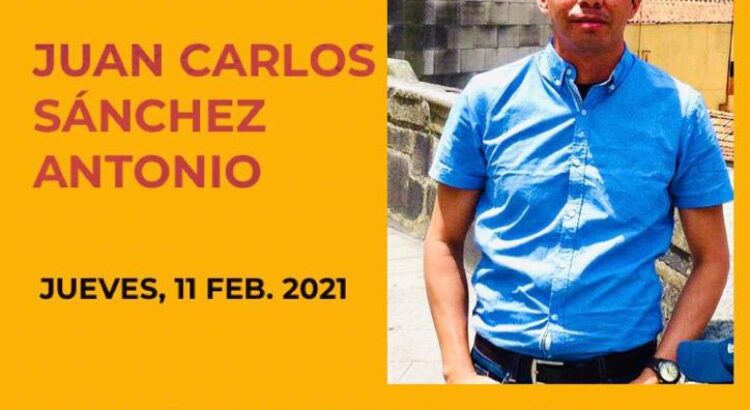
Este jueves 11 de febrero, la Alianza Pedagógica Social Internacional conformada por la CEIP-Histórica de Argentina, MAEEC-CLACSO de México, KAVILANDO de Colombia, MASA CRÍTICA de Panamá, RED GLOBAL GLOCAL por la Calidad Educativa de América Latina, SAVIA de Paraguay, Universidad de Panamá, CIPCAL de América Latina, KAICHUK MAT DHA de México, EMANCIPACIÓN de Chile, Mujer Pueblo Magisterio-CNTE-Durango de México, el Centro Martin Luther King de Uruguay y CII-OVE de Venezuela, cerró el Ciclo de Pensamiento Descolonial con la conferencia del Dr. Juan Carlos Sánchez Antonio.
En la moderación de la jornada estuvieron: María del Carmen López Vázquez y Jorge Orozco León.
El Dr. Juan Carlos inició su disertación citando el siguiente párrafo, mismo que se encuentra en el Informe Cambio Climático, 2014, presentado por el Grupo Intergubernamental de Expertos sobre el Cambio Climático (IPCC): “El Informe síntesis destaca que disponemos de los medios para limitar el cambio climático y sus riesgos y de muchas soluciones que permiten el continuo desarrollo económico y humano. Sin embargo, para estabilizar el aumento de la temperatura por debajo de 2 °C respecto de los niveles preindustriales será necesario un cambio radical y urgente del statu quo. Además, cuanto más esperemos a actuar, mayor será el costo y los desafíos tecnológicos, económicos, sociales e institucionales que enfrentaremos”. En este sentido, destacó la importancia de las epistemologías y filosofías del sur global como pensamiento decolonial y radical para hacer frente a ese cambio climático, como camino a ese urgente y necesario statu quo.
Enlace del informe: https://www.ipcc.ch/site/assets/uploads/2018/02/SYR_AR5_FINAL_full_es.pdf
De tal manera, el ponente se centró en dos aspectos fundamentales que fue desagregando: el calentamiento global devastador de la Madre Tierra y, el pensamiento de los pueblos originarios para hacer frente a este.
En su retórica, señaló cuatro elementos que nos han llevado a la crisis civilizatoria, misma que propician el despojo de territorios e identidades: 1) el modelo de producción capitalista, 2) la modernidad como un proyecto cultural ideológico que impulsa la expansión de los valores occidentales, 3) el patriarcado, y, 4) el cristianismo invertido. Siendo inminente superar estos cuatro elementos que llevan a la explotación de los bienes naturales.
Asimismo, el Dr. Sánchez Antonio refirió que, el capitalismo nos está llevando a la sexta extinción de la vida en el planeta; por tal, lanza la pregunta “¿de dónde vamos a tomar elementos para cambiar el statu quo?”, apuntando como ejes clave a la pedagogía, filosofía, política, economía pero con una perspectiva del sur global, escuchando lo que los pueblos andinos, mesoamericanos, turcos, indochinos tienen por decir y compartir, en palabras del doctor mirar “aquellas [culturas] que se ven como limitantes para el desarrollo de la humanidad”.
Por lo antes mencionado, Juan Carlos Sánchez enunció dos vías para hacer de las epistemologías del sur, del pensamiento decolonial, el nuevo statu quo. La primera es planteada por Slavoj Žižek, quien señala que se requiere una situación límite que en el caos lleve al cambio radical, y la segunda, es retomando ideas de Carlos Marx, en donde se recupere la propia historia ―la historia de los pueblos originarios― para diseñar el futuro; siendo Juan Carlos más partidario de la segunda vía, en la cual se requiere retomar la historia propia, la ontología de esos valores que han sido silenciados, para de esta forma, enriquecer un pensamiento que sirva de brújula.
“Tenemos que re-encantarnos con la naturaleza. Hemos perdido la espiritualidad que teníamos con las plantas, con los animales, con la madre tierra”.
Destaca en su participación que, no hay desmeritar la ciencia su actualidad, pero, hay que generar un nuevo criterio de los valores indígenas, de la ciencia y la tecnología y colocarlos al servicio de la humanidad no del capital. Impulsar nuevos criterios éticos, políticos y estéticos que nos permita poner a la modernidad al servicio de la humanidad, del planeta, no del capital.
“Cuando el conocimiento se pone al servicio de la vida se llama sabiduría”.
El doctor Juan Carlos nos invita a abrirnos al pensamiento descolonial, a volver a mirar los diez mil años de cultura que nos anteceden, pero ya no desde la perspectiva occidental, sino cada cultura desde su propia historia, dando lugar a la pluralidad de culturas que existe a nivel global; de tal manera, habría que generar una integralidad no una totalidad, la integralidad da la posibilidad de coexistir sin poner a uno sobre otro.
Finamente, nos convoca a reflexionar el aspecto teórico del pensamiento descolonial y a accionar llevando a lo cotidiano lo que el mismo implica. Un ejemplo estuvo enunciado en el rescate y preservación de las leguas originarias, el cultivo de nuestros alimentos (soberanía alimentaria), las alianzas económicas entre comunidades cercanas (trueques), así como la lucha social: “no es suficiente emitir un discurso como el que ahorita di, es indispensable generar conciencia. Es importante descolonizar y conocer esas otras culturas a través de diversas estrategias”.
Asimismo, Señala que, se requieren crear nuevos proyectos civilizatorios, los cuales implican movilizaciones, luchas de los pueblos originarios desde lo local, regional, nacional e internacional; crear redes internacionales para apostar por la transformación política donde ya no sea posible el capitalismo, poniendo al centro la vida, la Madre Tierra, donde los cuidados sean mutuos, recíprocos, no acciones para el bien meramente personal.
Que la vida sea criterio de vida. Que la acción pedagógica, política, comercial cree condiciones para la conservación de la vida, para ello se requiere descolonizar el pensamiento.
El ciclo lectivo presencial iniciará el 17 de febrero, con un protocolo sanitario para prevenir contagios de Covid-19.
El ministro de Educación de Argentina, Nicolás Trotta, recalcó este jueves que el inicio de clases presenciales en 2021, previsto para el 17 de febrero, será un “regreso seguro con protocolos” para prevenir contagios de la Covid-19.
En declaraciones a medios de prensa, el funcionario enfatizó en que todos trabajan a partir del concepto de la presencialidad cuidada.
Añadió que la escuela puede ser un lugar seguro si se cumplen “el distanciamiento físico, la ventilación, el uso del tapabocas, las medidas de higiene, con un ingreso escalonado”.
Explicó que estos son los ejes que el Ministerio de Educación ha venido trabajando con cada una de las jurisdicciones, a partir de la aprobación en junio de 2020 de un detallado protocolo sanitario para el regreso a clases presenciales.
Recordó que durante varios meses, junto a su equipo ministerial, ha recorrido diversas provincias para conocer de primera mano cada medida que se tomará ante el reto de comenzar las clases.
Insistió en la necesidad de abordar estos cambios a partir del diálogo con los trabajadores del sector y tomando en consideración las especificidades de cada territorio.
Al respecto, recordó que la decisión de trabajar en doble jornada «depende de la jurisdicción» y aclaró que, «en la Ciudad de Buenos Aires, el modelo será pasar a jornada simple para que vayan todos los chicos todos los días, pero en otras jurisdicciones se plantean bloques semanales, como en Santa Fe o Córdoba».
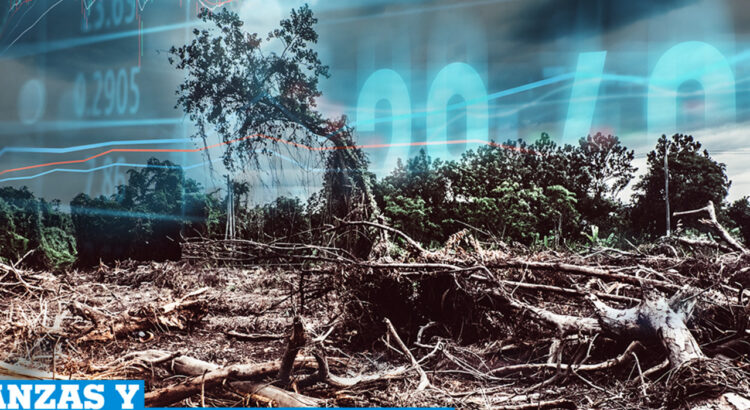
Las entidades financieras tienen parte de responsabilidad en la destrucción de nuestro planeta. ¿Cómo? Porque son las que ponen fondos a disposición de compañías de desarrollo de infraestructura, de extracción de recursos y de producción y distribución de alimentos que, en muchas ocasiones, aceleran la degradación de hábitats naturales.
Somos muchos los que tenemos nuestros ahorros, fondos de pensiones o inversiones en bancos. Depositamos nuestro dinero en entidades financieras para que lo guarden o lo rentabilicen, pero lo que ocurre con ese dinero una vez está en el banco suele escaparse de nuestras manos.
En muchas ocasiones, los bancos son quienes proveen el capital necesario a otras empresas para construir infraestructura, extraer materias primas o crear y distribuir bienes materiales; sectores que tienen un impacto en el medio ambiente y que contribuyen a la destrucción de entornos naturales.
Para sacar a la luz el papel del sector financiero en la degradación de la naturaleza, la organización Portfolio.earth publicó dos informes: uno centrado en la pérdida de biodiversidad y otro en la polución plástica. En ellos, analizaron las inversiones de 50 de los bancos más grandes del mundo o que operan en zonas de alta diversidad biológica: 20 europeos, 18 de Asia Pacífico, ocho en Norteamérica y dos tanto en América del Sur como en África.
Millones de dólares en sectores que contribuyen a la pérdida de biodiversidad
Los informes revelan que, durante 2019, las entidades financieras invirtieron más de 2,6 billones de dólares -lo que equivale al PIB de Canadá- en sectores que, según científicos y gobiernos, son motores directos de la pérdida de biodiversidad en el mundo.
Además, invirtieron o dieron préstamos de 790 millones de dólares al día a compañías que están involucradas en la producción o distribución del plástico, que es uno de los mayores contaminantes de los océanos y un peligro para la fauna marina.
El 66% de estas inversiones está relacionado con actividades que son causas directas de la pérdida de biodiversidad (minería, tala de árboles o pesca), mientras que el 34% está relacionado con actividades que, indirectamente, son motores de esta pérdida, como aumentar la demanda de productos que necesitan de materias primas (teléfonos celulares o pequeños electrodomésticos). Y todo esto lo hacen bajo la mirada cómplice de los reguladores, que los protegen de cualquier responsabilidad.
El 32% de todos los préstamos y seguros entregados fueron invertidos en el sector de la infraestructura, 25% en el de la minería y la extracción de metales y un 20% en el sector de los combustibles fósiles. Los dos bancos latinoamericanos analizados, ambos ubicados en Brasil, invirtieron más en los sectores de producción de comida y servicios agrícolas (considerado el que más impacto tiene en la diversidad biológica global) y de gestión de bosques y productos forestales no alimenticios.
En Norteamérica la inversión estuvo más centrada en el transporte de bienes y personas, así como en el turismo, donde también invirtieron a partes iguales los bancos europeos analizados.
Robin Smale: «Queremos que los bancos sean más transparentes»
En entrevista con France 24, Robin Smale, integrante del «Finance 4 Biodiversity Initiative» y uno de los colaboradores en la creación de ambos informes, mencionó algunas de las recomendaciones que le hacen a las entidades financieras: «Queremos que todas las instituciones financieras sean más transparentes sobre lo que están haciendo, que evalúen el impacto que están teniendo para que entiendan dónde y cuánto daño se está haciendo.»
«Además, creemos que es apropiado que se incluya al inversor como parte de la cadena de suministros de manera que, (…) si alguien hace algo ‘malo’ y corta una área de bosque o contamina un lago, no es solo la corporación involucrada la que es responsable, sino también la institución financiera que les dio el dinero. Esto haría que las instituciones financieras sean mucho más cautelosas sobre a quién le dan el dinero», agrega.
El único país del mundo que responsabiliza también a los inversores o a los prestamistas es Brasil. Sin embargo, la ejecución de esa ley deja mucho que desear.
La sociedad civil presiona para generar un cambio
El movimiento ambiental popular y la presión sobre entidades y gobiernos por parte de los científicos está haciendo que aumenten los países y compañías que están comprometiéndose a conseguir la neutralidad de carbono en los próximos años.
Varias entidades financieras también se están uniendo a no producir más emisiones de CO2 de las que son capaces de absorber, una tendencia inaudita en un sector que hace pocos años no mostraba ningún interés en la salud del planeta.
Pero según Smale, «por el momento no se les está pidiendo responsabilidades (a las entidades financieras) y tampoco se sienten responsables. Así que estamos hablando de un cambio cultural enorme dentro de la comunidad financiera. Es un cambio en su propósito: de solo ganar dinero, a tener un papel muy positivo en el mundo. Y esto va a ser un gran cambio, no solo en los bancos privados sino también en los bancos de desarrollo, que son financiados por los gobiernos».
Para Smale sí es rentable invertir y ser responsable con el medio ambiente, pero ahí donde no es rentable, es el trabajo de los gobiernos hacer que lo sea. Son ellos quienes tienen que dar los incentivos o proponer leyes y regulaciones que hagan que sea rentable invertir en la opción más amigable con el planeta.
Y nosotros tenemos el poder de decidir en qué bancos o cajas de ahorro o fondos de pensión invertimos nuestros ahorros. En este enlace puedes ver si tu banco está involucrado en sectores perjudiciales para el medio ambiente.
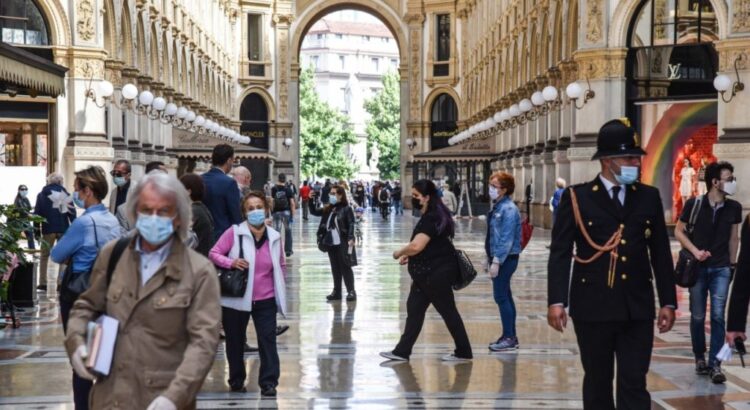
Gran polémica se vive en Italia luego de que las autoridades consideraran a la comunidad homosexual como “categoría de riesgo Covid-19”, junto con drogadictos y prostitutas.
Esta noticia se volvió viral, causando indignación en la sociedad italiana, luego de que se difundiera la foto de un formulario de salud donde se considera a los homosexuales como estegrupo de riesgo.
El centro de salud de La Spezia, localidad portuaria de Liguria (noroeste), señaló en un documento oficial que “los sujetos con conductas de riesgo: drogadictos, prostitutas, homosexuales”, debían ser incluidos en la campaña de vacunación.
El caso fue denunciado y generó indignación por parte de funcionarios locales y nacionales, tanto de izquierda como de derecha, así como de las asociaciones de defensa de los derechos de los homosexuales. “Es un error inaceptable y discriminatorio”, reconoció en un comunicado el presidente de la región Liguria, Giovanni Toti, quien ordenó una investigación inmediata sobre elcaso.
El error fue cometido por un funcionario del centro de salud, que copió y pegó la fórmula empleada por el ministerio de Salud para las vacunaciones.
La AFP consultó el manual para las vacunas en la página internet del ministerio de Salud, actualizada en febrero del 2021 y efectivamente se considera a los homosexuales como categoríade riesgo, al igual que los drogadictos o las prostitutas.
El ministerio precisó que se trata “de conductas que determinan riesgos y no de la orientación sexual”.
El ministerio aseguró que el formulario copiado por el centro de salud de La Spezia proviene de “un documento antiguo, utilizado para las donaciones de sangre” y adelantó que la costumbre de basarse en viejos formularios será corregida.
El encuentro abordará los principales retos y acciones necesarias para garantizar a los adolescentes el acceso a la educación de calidad.
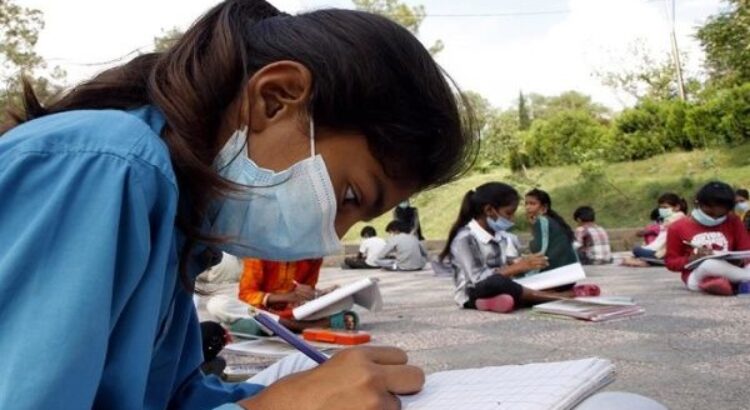
La Organización de las Naciones Unidas (ONU) en su núcleo para la igualdad de género y el empoderamiento de las mujeres, invitó este martes a participar en dos diálogos mundiales sobre la educación de las adolescentes en el Foro Generación Igualdad que tendrá lugar el jueves y el martes de la próxima semana.
Para contribuir al diseño de acciones transformadoras, los encuentros tendrán lugar esos dos días desde las 8H00 hasta las 10H00 hora local; la jornada tiene como nombre «Evidencias y experiencias: La educación de las adolescentes. la actividad se desarrollará en el Centro del Foro Generación de Igualdad.
La convocatoria de dicho espacio apuntó que “organizado en colaboración con la Organización de las Naciones Unidas para la Educación, la Ciencia y la Cultura (UNESCO,siglas en inglés), Plan International, GPE y el Malala Fund, este evento reunirá a los defensores de las Coaliciones de Acción, a los responsables políticos, a los representantes de la sociedad civil y a los líderes y activistas juveniles de todo el mundo”, agrega la ONU.
¡Invitación a todas las mujeres jóvenes y especialistas en educación para unirse a los diálogos mundiales sobre la educación de las adolescentes en el Foro #GeneraciónIgualdad y contribuir al diseño de acciones transformadoras! Información e inscripción: ��https://t.co/j9YcMC9KW2pic.twitter.com/XH47D6diJb
Asimismo el Foro Igualdad subraya que estos diálogos, “previstos para los días 11 y 16 de febrero”, se realizarán “para destacar el papel de la educación como catalizador de la igualdad de género, pero también como estrategia transversal para alcanzar los objetivos de las Coaliciones de Acción del Foro para la Igualdad de Género”.
De acuerdo al organismo multilateral, en el encuentro se abordarán los principales retos y acciones necesarias para garantizar a los adolescentes el acceso a la educación de calidad, «los debates pondrán de relieve las acciones transformadoras que afectan a todas las adolescentes y garantizan el respeto de sus derechos”, añaden.
El Foro Generación Igualdad es una reunión mundial en pos de la igualdad de género, “centrada en la sociedad civil donde se congregarán una multiplicidad de participantes en pos de la igualdad de género” y convocada por ONU Mujeres.
OtrasVocesenEducacion.org existe gracias al esfuerzo voluntario e independiente de un pequeño grupo de docentes que decidimos soñar con un espacio abierto de intercambio y debate.
¡Ayúdanos a mantener abiertas las puertas de esta aula!







 Users Today : 628
 Total Users : 35519745
 Views Today : 1243
 Total views : 3702718