Page 1189 of 6824
1 1.187 1.188 1.189 1.190 1.191 6.824

Argentina: Balacera frente a la casa de una dirigente de la CTA Autónoma

Balacera frente a la casa de una dirigente de la CTA Autónoma

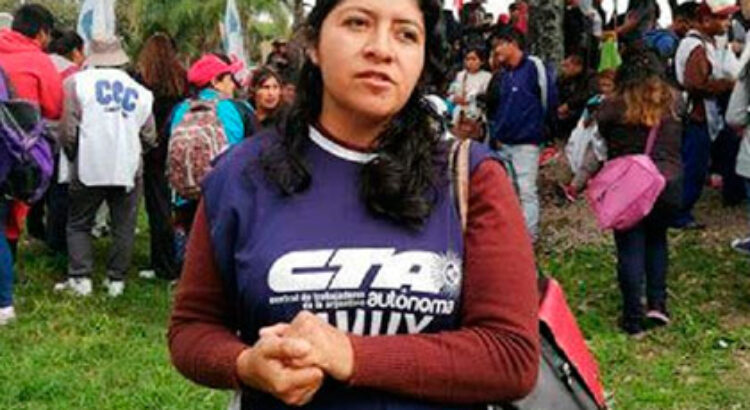
En horas de la madrugada, dos sujetos aún no identificados realizaron múltiples disparos de balas de plomo en puertas de la casa de Romina Canchi, Secretaria de Género de nuestra Central.

Si bien el hecho se enmarca en un episodio de robo a mano armada, algunas observaciones peritales dejan sospechas de que podría tratarse de una amenaza o mensaje «mafioso».

Esta semana se llevó adelante en la legislatura de Jujuy la aprobación de la «Ley Iara», que declara la emergencia en violencia de género en la provincia, y que las compañeras de la Multisectorial de Mujeres y Disidencias (entre las que se encuentra Romina) jugaron un papel destacado en la organización de las movilizaciones previas y el acompañamiento a familiares de las víctimas y señalando la responsabilidad del Estado, por lo que exigimos al Ministro de Seguridad de la Provincia y al Gobernador de Jujuy que tomen todas las medidas pertinentes para resguardar la seguridad de cada uno de nuestras compañeras y compañeros, y esperamos que se investigue a la brevedad para dar con los responsables del hecho.

CTA-AUTÓNOMA JUJUY

* Equipo de Comunicación de la CTA Nacional
Fuente de la Información: https://www.agenciacta.org/spip.php?article32022


Comparte este contenido:

Real Academia Española analiza incorporar pronombre «Elle»

Real Academia Española analiza incorporar pronombre «Elle»

La inclusión del pronombre «elle» en el Observatorio de palabras de la Real Academia Española ha generado controversia. | Foto: @RAEinforma

La RAE señaló que la incorporación del pronombre continúa en estudio por los expertos.

La Real Academia Española (RAE) analiza incluir en una de sus secciones en la web, denominada Observatorio de palabras, el pronombre «elle», según información divulgada en los medios este miércoles.

Pese a que todavía no lo ha incorporado el termino en su Diccionario de la lengua española (DLE), la entidad que se dedica a la elaboración de reglas normativas del idioma español revela en la sección que «elle» es un «pronombre de uso no generalizado creado para aludir a quienes puedan no sentirse identificados con ninguno de los dos géneros tradicionalmente existentes».

La inclusión de este pronombre en el Observatorio de palabras de la RAE ha generado gran controversia, aunque el organismo aclara que dicho espacio solo «ofrece información sobre palabras (o acepciones de palabras) y expresiones que por el momento no aparecen en el diccionario, pero que han generado dudas: neologismos recientes, extranjerismos, tecnicismos, regionalismos, etc.»

Tras las múltiples confusiones respecto a la inclusión del término, la RAE explicó «que una voz aparezca en el «Observatorio de palabras» de nuestra web no implica que esté en estudio su incorporación al «DLE» ni que haya sido aceptada», en respuesta a las dudas que una usuaria publicó en Twitter, tras una publicación errada de un medio de comunicación

Aunque el organismo reitera que ante la ausencia de ciertas voces en el diccionario, ha agregado en dicho espacio palabras como «elle», esta acción ha motivado a los lingüistas y defensores de género a expresar sus opiniones respecto al asunto.

Entre las reacciones resalta la de la docente y periodista Norma Loto, quien además es integrante del Círculo de Lingüistas Feministas.

Loto considera que más allá de la incorporación del pronombre al Observatorio de palabras «hay que pensar por qué es importante el ingreso a un diccionario que responde a los intereses de la Real Academia Española».

La docente mencionó el ejemplo del termino «femicidio», que más allá de su relevancia semántica y su uso «no esperábamos que ningún observatorio la incorpore, la utilizamos sin ningún diccionario». En este sentido, la experta expresó que «el lenguaje inclusivo, el no sexista y no binario crece y avanza dependiendo de cada sociedad y sus avances sociopolíticos».

Fuente de la Información: https://  www.telesurtv.net/news/real-academia-espanola-analiza-incorporar-pronombre-elle-20201028-0055.html


Comparte este contenido:

Kurdistán: La educación continúa en los campamentos a pesar de las difíciles condiciones

Kurdistán: La educación continúa en los campamentos a pesar de las difíciles condiciones

Debido a los ataques del estado turco invasor, 68 mil estudiantes en el norte y este de Siria fueron privados del derecho a la educación. La Administración Autónoma de Hesekê abrió escuelas en el campamento de Washokani para que los estudiantes desplazados de Serêkaniyê y los del campamento de Newroz en Dêrik pudieran continuar su educación.

Mihemed Haco, co-presidente de la escuela en el campamento en la ciudad de Hesekê, detalló: «Tomamos las medidas necesarias para proteger a los estudiantes del coronavirus. Habrá una distancia entre los estudiantes en las filas de las aulas. Antes de las lecciones, los estudiantes recibirán un desinfectante para manos».

Destacando el alto número de estudiantes, Haco afirmó que las aulas son insuficientespara tantos concurrentes. Al afirmar que los estudiantes necesitan asistencia financiera y educativa, Haco llamó a las organizaciones humanitarias. Comentó que la Asociación Rojava otorgó mochilas a los estudiantes mientras que las organizaciones de ayuda humanitaria permanecieron insensibles a los jóvenes y niños que se quedaban en los campamentos.

En el campamento Newroz hay 75 estudiantes

Hay más de un centenar de familias inmigrantes en el Campamento Newroz ubicado en la región de Dêrik, y hay 75 estudiantes entre todas las familias.

Los estudiantes se dividen en dos secciones según sus niveles. Reciben la misma educación y materiales que se brindan en las escuelas de la región de Cizire.

Los maestros comentaron que los estudiantes y sus familias agradecieron el regreso a la escuela. Afirmaron que la apertura de escuelas afectará positivamente la salud mental de los niños y aliviará el dolor de la guerra.

Fuente de la Información: https://kaosenlared.net/kurdistan-la-educacion-continua-en-los-campamentos-a-pesar-de-las-dificiles-condiciones/


Comparte este contenido:

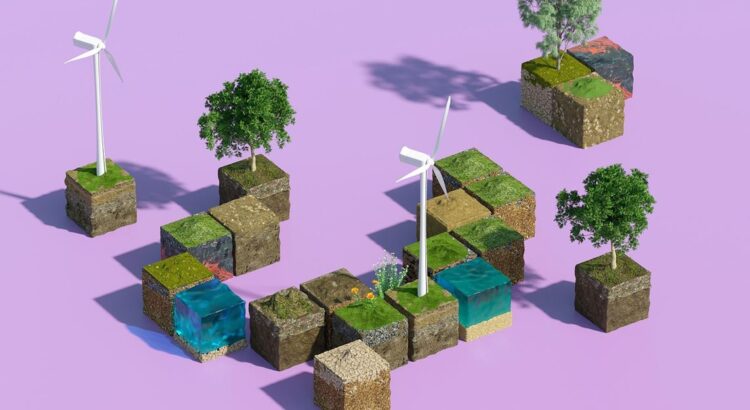
Devolver la mitad del planeta a la naturaleza, la solución climática más económica

Devolver la mitad del planeta a la naturaleza, la solución climática más económica

Entrevista a Eric Dinerstein

En septiembre, las Naciones Unidas publicaron un informe acusando a los líderes mundiales por no detener el colapso de la biodiversidad. A pesar de establecer objetivos ambiciosos en 2010 para proteger ecosistemas en peligro de extinción, hemos perdido un devastador 68 por ciento de especies desde 1970.

Esta no es solo una mala noticia para la vida silvestre, es mala para los humanos. Sin diversas especies de aves, reptiles, mamíferos y las tierras que habitan, la humanidad corre el riesgo de perder los ecosistemas que regulan nuestro clima, nos brindan un amortiguador para prevenir pandemias, proporcionan recursos naturales vitales y mantienen limpios el aire y el agua.

La solución es proteger el hábitat: específicamente, el 50,4 por ciento de la tierra de la tierra, según el equipo de científicos dirigido por Eric Dinerstein, científico de vida silvestre y director de la organización de nvestigación RESOLVE. Eso es un aumento importante del 15,1 por ciento de la superficie terrestre actualmente protegida.

Ex científico jefe del Fondo Mundial para la Naturaleza (sí, el que tiene el logo del panda), Dinerstein ayudó a crear los protocolos de conservación que protegen algunos de los espacios naturales más queridos del mundo, desde las Galápagos hasta el Himalaya. Su llamado a la acción más reciente es una colaboración entre RESOLVE, la Universidad de Minnesota, la Universidad Estatal de Arizona y Globaïa, una organización sin fines de lucro de arte y ciencia. Llamado ” Red de seguridad global“, el informe no es el primero para pedir la conservación y regeneración de la mitad del mundo. Pero va un paso más allá. Los investigadores identificaron las áreas terrestres exactas que deben protegerse para evitar el colapso climático y estimaron el almacenamiento potencial de carbono para cada región. La aplicación Global Safety Net presenta un mapa interactivo de esas áreas, realizado en asociación con Google Earth Engine.

Aquí, Dinerstein habla sobre cómo los movimientos por el clima y la conservación pueden unir fuerzas, y por qué salvar la mitad de nuestra tierra significa salvar el mundo. Sus comentarios han sido editados para mayor claridad y extensión.

PEl cambio climático y la pérdida de biodiversidad son sin duda problemas enormes. ¿Cómo conectamos mejor las soluciones?

R. Por naturaleza, los seres humanos compartimentamos. Las personas que saben más sobre la ciencia del clima son a menudo científicos atmosféricos que no estudian la ciencia de la biodiversidad más allá de la escuela de posgrado. Del mismo modo, no hay muchos científicos de la biodiversidad que tengan una comprensión realmente fundamental de la ciencia atmosférica. Y las instituciones los separan aún más. Las Naciones Unidas tienen una agencia para el cambio climático y otra para la biodiversidad, y las dos no interactúan. Pero estas amenazas existenciales son interdependientes.

Acerquémonos a la selva amazónica como ejemplo. A medida que aumentan las temperaturas y la atmósfera se seca, muchas de esas áreas increíblemente ricas en biodiversidad vuelven a las sabanas. Los árboles que están adaptados a las condiciones de la selva húmeda son empujados más allá de sus límites fisiológicos y croan, creando biomasa como combustible para incendios forestales y destruyendo hábitats para la vida silvestre. Y en lugar de extraer dióxido de carbono del aire, los árboles en llamas ahora lo están bombeando de regreso a la atmósfera, acelerando la crisis climática.

Los científicos del clima y los científicos de la biodiversidad deben unirse para formar un campo de “ciencias de la tierra” en el verdadero sentido de la palabra. Es la única posibilidad de salvar vida en la Tierra.

PGlobal Safety Net pide proteger la mitad de la tierra del mundo. ¿Cómo llegamos a ese objetivo?

R. Afortunadamente, alrededor del 50 por ciento de la superficie de la Tierra todavía se considera intacta, semi-intacta o ligeramente degradada, lo que significa que la tierra ha perdido algo, pero no toda su salud y productividad. Entonces, hay suficiente tierra que no se superpone con las poblaciones humanas disponibles para la preservación, y la propuesta de la red de seguridad elige deliberadamente no cruzarse con la agricultura existente y el entorno construido. El quince por ciento de la Tierra ya está protegida. Un 12 por ciento adicional de la Tierra está habitada por pueblos indígenas, que son expertos en biodiversidad. Si les damos oficialmente la tenencia de la tierra y honramos su derecho a administrar esos ecosistemas- y en su poder de toma de decisiones nos permiten designar esa tierra como parte de la Red de Seguridad Global – entonces el total de regiones protegidas alcanzaría el 27 por ciento. Todo lo que tenemos que hacer es reservar otro 23 por ciento, y podemos llegar allí. Solo mire COVID-19, y cómo el comportamiento de la sociedad puede cambiar en un centavo si es necesario. Solo debemos reconocer que debemos tomar ciertas medidas para conservar nuestra especie y conservar nuestra salud pública.

P. ¿Qué pasa con la agricultura? ¿Dejará eso suficiente tierra para crecer?

R. La verdad es que el mundo estaba produciendo suficientes alimentos en 2015 para alimentar a 10 mil millones de personas, es decir, 2,2 mil millones de personas más de las que tenemos en la Tierra hoy. El sistema alimentario internacional está lleno de mala gestión y desperdicio. El treinta y siete por ciento de la superficie mundial se dedica a la agricultura intensiva, pero el 77 por ciento de esa tierra se utiliza para cultivar cultivos para alimentar al ganado. Si las sociedades occidentales industrializadas dejaran de comer tanta carne y dedicáramos tierras en cada continente para cultivar y alimentar a las personas localmente, en lugar de enviarlas al extranjero, podríamos reducir el desperdicio de alimentos y acabar con el hambre. No necesitamos más tierra, tenemos que arreglar nuestro sistema alimentario roto.

P. ¿Qué hacemos con esa tierra una vez que se conserva? ¿Y cómo va a luchar realmente contra el cambio climático?

R. Tenemos que reducir el dióxido de carbono para evitar las peores consecuencias de la crisis climática, y podemos hacerlo mediante la restauración. Una vez que se conserva la tierra, debemos recrear ecosistemas dañados a lo largo de los ríos y montaña arriba y abajo para permitir que los mamíferos más grandes como los tigres migren entre hábitats. Eso implica replantar de manera experta árboles chupadores de carbono y otras plantas nativas. En el proceso, podríamos emplear a cientos de millones de personas, lo que se necesita desesperadamente durante la actual crisis económica.

Todo esto debe hacerse en combinación con una moratoria sobre la deforestación para 2040 y una transición a energía 100% renovable para 2050. Si juntamos estas tres piezas, tendremos un camino seguro hacia una biosfera sostenible sin tener que inventar nuevas tecnologías. . Tenemos las herramientas a nuestra disposición si lo hacemos.

P. Algunos de nuestros líderes mundiales ni siquiera pueden admitir que el cambio climático es real. ¿Cómo podemos hacer que se comprometan con esto cuando tenemos serios problemas humanos, como una pandemia?

R. Bueno, las pandemias ocurren como resultado directo de la pérdida de biodiversidad. Ha habido varios casos de transmisión zoonótica de enfermedades, o virus que saltan de las poblaciones de vida silvestre a los humanos, en los últimos dos siglos. Los científicos predicen que es probable que la próxima pandemia provenga del Amazonas. A medida que despejamos más bosque tropical, nos exponemos al bosque interior y a los animales que viven allí. Al mantener intactos estos bosques y estos hábitats, estamos creando una vacuna natural para el próximo coronavirus.

Los países más críticos para la red de seguridad son EE.UU, India, Rusia, China y Brasil. Por lo general, esos gobiernos no simpatizan con los problemas ambientales. Pero observe qué tan rápido está cambiando el status quo. El gobernador Newsom de California, la quinta economía más grande del mundo, firmó una orden ejecutiva que elimina los automóviles de gasolina para 2035. Necesitamos cambios más dramáticos como ese en los sectores de conservación y clima que nos pondrán en el camino correcto, y yo creo que es completamente posible.

Y a pesar de lo que puedan decir esos líderes, la conservación está dentro del presupuesto mundial. El costo de ejecutar la red de seguridad es de entre $ 100 y $ 150 mil millones al año, que es una fracción de lo que los gobiernos del mundo están gastando en el alivio de la pandemia. Y el financiamiento no será tan costoso en comparación con la lucha contra futuras pandemias o lidiar con lo peor del colapso climático, como el aumento del nivel del mar o el tipo de incendios que estamos viendo ahora, que solo se volverán más comunes.

Si esos puntos no convencen a nuestros líderes actuales, entonces votaremos por nuevos líderes, personas influyentes carismáticas que pueden ayudar a influir en la opinión pública, que realmente comprenden la profundidad del problema y están dispuestos a tomar medidas drásticas.

Por Brianna Baker. Artículo en inglés

Fuente de la Información: https://www.ecoportal.net/temas-especiales/biodiversidad/devolver-medio-planeta-a-la-naturaleza/
Comparte este contenido:

Hubble Examines Massive Metal Asteroid Called ‘Psyche’ That’s Worth Way More Than Our Global Economy

Hubble Examines Massive Metal Asteroid Called ‘Psyche’ That’s Worth Way More Than Our Global Economy

A new study by the Hubble Space Telescope has revealed a clearer picture than ever before of one of the most intriguing and most valuable asteroids we know of.

It’s also one that NASA is planning to visit in 2026.

Here’s everything you need to know about “16 Psyche.”

What and where is ‘16 Psyche?

About 230 million miles/370 million kilometers from Earth, Psyche—as it’s commonly known—is one of the most massive objects in the Solar System’s main asteroid belt orbiting between Mars and Jupiter.

It’s about 140 miles/226 kilometers-wide and—unlike most asteroids, which are rocky or icy—Psyche appears to be metallic.

In fact, it’s so dense and metallic that Psyche is thought to be the leftover core of a planet that failed during its formation—a “protoplanet.”

What is ‘16 Psyche’ made of?

“We’ve seen meteorites that are mostly metal, but Psyche could be unique in that it might be an asteroid that is totally made of iron and nickel,” said Dr. Tracy Becker, a planetary scientist at the Southwest Research Institute in in San Antonio, Texas, and author of the new paper published in the Planetary Science Journal this week.

Iron and nickel are often found in metallic meteorites and in the dense metal cores of planets. “Earth has a metal core, a mantle and crust,” said Becker.

Psyche is truly a one-of-a-kind object in the Solar System.

How much is ‘16 Psyche’ worth?

Some think that the metals that comprise Psyche could make be worth about $10,000 quadrillion. The global economy was worth about $142 trillion in 2019.

What happened to ‘16 Psyche?’

“It’s possible that as a Psyche protoplanet was forming, it was struck by an-other object in our solar system and lost its mantle and crust,” said Becker.

‘16 Psyche’ was studied in the infrared by the Hubble Space Telescope.

‘16 Psyche’ and the Hubble Space Telescope

Becker’s study had the Hubble Space Telescope observe the asteroid at two specific points in its rotation to view both sides of Psyche. It also viewed the asteroid in ultraviolet wavelengths of light to get as much detail as possible of its surface. “We were able to identify for the first time on any asteroid what we think are iron oxide ultraviolet absorption bands,” said Becker. “This is an indication that oxidation is happening on the asteroid, which could be a result of the solar wind hitting the surface.”

The solar wind is a stream of charged particles from the Sun’s hotter outer atmosphere called its corona. Often called “space weather,” it’s also what causes aurora at Earth and could, at Psyche have caused excessive “space weathering.”

A surface of pure iron?

Becker saw that the asteroid’s surface could be mostly pure iron, though noted that the presence of even a small amount of iron could dominate ultraviolet observations, and in practice it could just be that 10% of the surface is actual iron.

However, while observing Psyche, the asteroid appeared increasingly reflective at deeper UV wavelengths. “This is something that we need to study further,” said Becker. “This could be indicative of it being exposed in space for so long. This type of UV brightening is often attributed to space weathering.”

However, what Becker’s paper makes very clear is that while it’s tricky to quantify the amount of iron that may be present on the surface of Psyche, it’s a unique object so scientists cannot compare it with anything else.

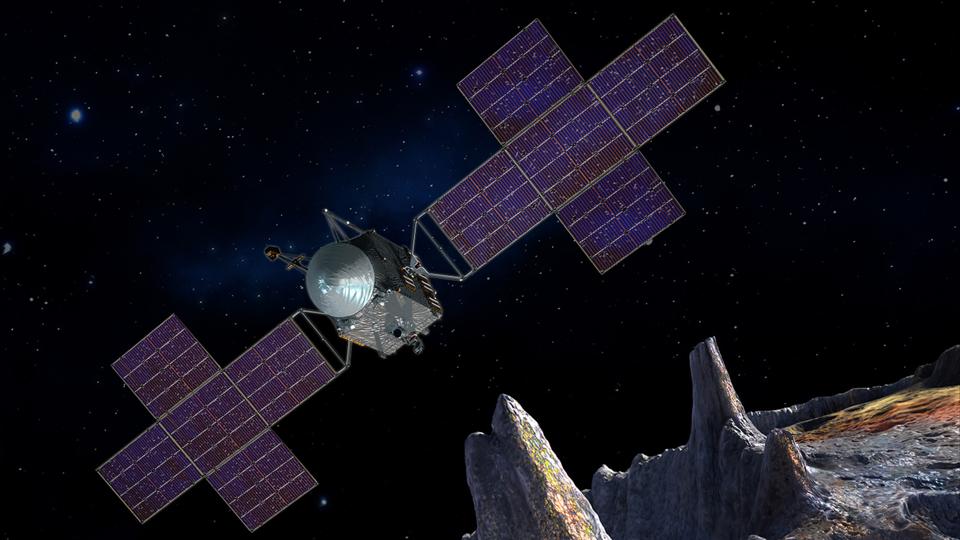
NASA's orbiter will spend 21 months in orbit mapping and studying Psyche's properties.

NASA and SpaceX’s mission to 16 Psyche

The only way we’ll ever get to see a close-up of what the core of a planet is really like is to pay a visit to Psyche. That’s exactly what NASA is planning to do.

Due to launch in August 2022 from Florida’s Kennedy Space Center atop a SpaceX Falcon Heavy rocket, NASA’s Psyche mission is part of its Discovery Program of low-cost robotic space missions.

The orbiter is due to arrive at Psyche in January 2026 to begin at least 21 months in orbit mapping and studying the asteroid’s properties.

“To understand what really makes up a planet and to potentially see the inside of a planet is fascinating,” said Becker, who describes Psyche and other asteroids as the building blocks of the Solar System. “Once we get to Psyche, we’re really going to understand if that’s the case, even if it doesn’t turn out as we expect … any time there’s a surprise, it’s always exciting.”

Fuente de la Información: https://www.forbes.com/sites/jamiecartereurope/2020/10/26/hubble-views-massive-asteroid-called-psyche-that-could-worth-more-than-our-global-economy/#1ce57693515a


Comparte este contenido:

New Zealand votes to legalise euthanasia in referendum

New Zealand votes to legalise euthanasia in referendum

Results must be enacted by the new Labour government by November 2021, but second referendum on legalising cannabis fails to find support

New Zealanders have voted to legalise euthanasia for those with a terminal illness, in a victory for campaigners who say people suffering extreme pain should be given a choice over how and when to bring their life to a close.

The decision on whether to legalise euthanasia appeared as a referendum question on the 17 October general election ballot paper, alongside a second referendum question on whether to legalise cannabis – which did not succeed, according to preliminary results.

The results of the euthanasia referendum are binding and will see the act come into effect 12 months from the final results – on 6 November 2021. Assisted dying will be administered by the Ministry of Health.

Preliminary results announced on Friday by the electoral commission saw 65.2% of eligible voters tick “yes” to legalising euthanasia, with 33.8% ticking “no”.

Only 46.1 % of New Zealanders voted to legalise cannabis, while 53.1% voted no.

The referendum results so far do not include nearly half a million special votes, meaning the final results will not be confirmed until 6 November.

This has left cannabis supporters hoping special votes may be able to tip the outcome, but they would need to be overwhelmingly in favour – an outcome seen as slim.

For years support for euthanasia has hovered around the 60-70% mark in polls, with widespread backing across the political spectrum, from prime minister Jacinda Ardern to opposition leader Judith Collins.

The vote makes New Zealand the seventh country in the world to legalise assisted dying. It was a “momentous day” for the country, said campaigner Mary Panko.

“It’s now clear what we have known for decades that Kiwis want, and have always wanted, the right to die on their own terms,” said Panko.

“One day New Zealanders will shake their heads in amazement that the basic human right to say ‘no’ to intolerable suffering ever had to be debated in this country … now because of the passing of this Act our lives as well as our deaths will be immeasurably better.”

Matt Vickers is the widow of Lecretia Seales, who died of a brain tumour in 2015 and was at the forefront of efforts to legalise euthanasia.

“I feel relieved, and I feel grateful that New Zealanders were kind enough to pass this law, and to give the terminally ill a say about how they die,” said Vickers.

The referendum follows the passing of the End of Life Choice Act in parliament in 2019. Under New Zealand law, the act could only come into force if more than 50% of voters ticked “yes” on the referendum ballot.

The act outlines criteria for who can apply to end their life, including that they be aged 18 or over, are New Zealand citizens, are suffering from a terminal illness that will end their life within six months, “have a significant and ongoing decline in physical capability”, are “enduring unbearable suffering that cannot be eased” and are in a position to make an “informed decision” about their death.

Those suffering mental illness or decline would not be eligible, nor would those applying solely on the basis of “advanced age” or a disability. Two doctors – one independent – would have to sign off on the decision, with a psychiatrist called in if either doctor has any doubts.

ACT party MP David Seymour, who sponsored the bill, has been a tireless campaigner for euthanasia, saying New Zealand has steadily become “decades” behind the most progressive countries in the world.

“I think it’s time New Zealand moved towards being a more compassionate and tolerant society,” Seymour told the Guardian.

“People continue to suffer in ways that are traumatic. I don’t want to have to suffer on to adhere to the morality of someone else. They’ve got their own body if they want to have a ghastly death.”

While the results of the euthanasia referendum are binding, the cannabis issue was not, meaning no matter the outcome the government would still need to debate the issue and pass policy through parliament.

In the lead-up to the October election polls showed a country divided; with support for legalising cannabis veering between 30-50%.

Voters were asked to decide whether they wanted to pass a bill that would legalise cannabis and regulate how it was used and sold. This would include producing and selling fresh and dried cannabis, including plants and seeds – for people over 20 years old. The change would impose more stringent restrictions than the rules around sales of alcohol and tobacco.

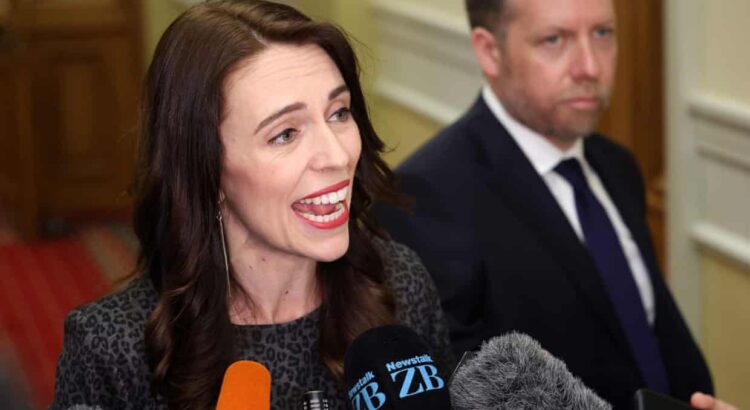
Prime minister Jacinda Ardern said she voted yes on both referendum questions.

Ardern recently said she had used cannabis “ a very long time ago”.

Former Labour prime minister, Helen Clark, said cannabis prohibition “doesn’t work” and should be abandoned, a position echoed by many leading public health professionals.

Cannabis is New Zealand’s most commonly used illicit drug, and the latest New Zealand Health Survey found that 15%, or 590,000 New Zealand adults used cannabis in the past 12 months.

Victoria University criminologist Fiona Hutton has worked in harm reduction with cannabis users and said the no vote meant New Zealand’s “most vulnerable and marginalised people will continue to suffer”.

“I am quite devastated, to be honest, very very sad,” said Hutton.

“People voted no to protect young people and the mentally ill. None of that will happen. All the harms from decriminalisation will carry on unabated.”

Māori account for 16% of New Zealand’s population and are shown to be disproportionately affected by New Zealand’s drug laws, facing three times as many arrests and prosecutions for possession of cannabis than non-Māori.

Fuente de la Información: https://www.theguardian.com/world/2020/oct/30/new-zealand-votes-to-legalise-euthanasia-but-against-legalising-cannabis-in-referendum


Comparte este contenido:

Tahiandia: When Teachers Prey

When Teachers Prey

Athira Nortajuddin

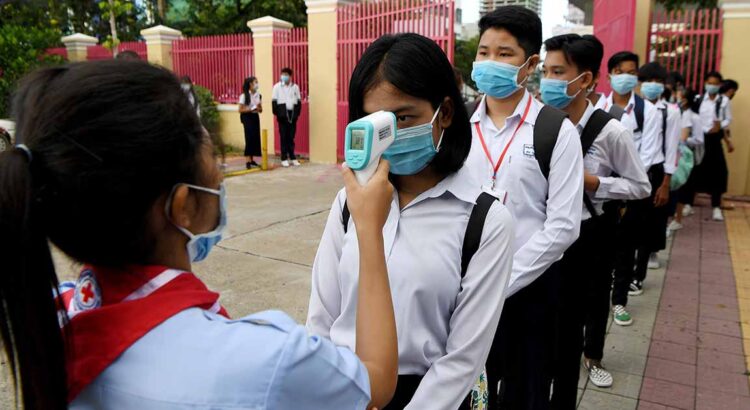
Face mask-clad students have their temperatures taken after arriving at their school compound in Phnom Penh. (AFP Photo)

Back in May, a Thai woman reported at a local police station that her 14-year-old granddaughter had been raped over the course of more than a year. The attacks, said to have been perpetuated by five teachers and two male alumni occurred several times at the girl’s school in north-eastern Thailand. The men were also accused of filming the acts and using the video clips to threaten the teenager, who had kept it a secret since March 2019.

Not long after her story made the headlines, a 16-year-old student from the same school came forward and reported that she too was raped by some of the same suspects. The cases caused public uproar with anger erupting on Thai social media as citizens called for justice for the girls and punishment for the alleged rapists.

The tragedy even caught the attention of Thai premier Prayut Chan-o-cha who vowed to mete out maximum punishment to the alleged rapists if the allegations were proven to be true.

«Regarding the case involving teachers and students, it proceeds according to the law. Maximum punishment as stipulated by the law will be given if the offence was committed and there is clear evidence, given that educational personnel are involved,» said the prime minister in a press conference.

«They have to be role models for society and youths. If they had behaved as alleged, that’d be unacceptable and seriously damaging,» he continued.

A school is supposed to be a safe place for pupils. Some would even call these educational institutions their second home. It is designed to provide learning spaces and learning environments for the teaching of students under the direction of reliable teachers. But what happens when the figure of authority and an educator, betrays the students’ trust and commits such heinous crimes such as abuse and sexual violence against them?

Child sexual abuse is an abuse of power, where other people seek emotional and sexual gratification by taking advantage of children who are in vulnerable positions. According to Jane F Gilgun, author of “Child Sexual Abuse: From Harsh Realities to Hope,” perpetrators are generally older, stronger, more knowledgeable and have authority in the eyes of children – such as teachers.

Unfortunately, the recent incident in Thailand serves as a reminder that such cases of abuse of power by educators have happened across Southeast Asia for many years.

In ASEAN member state Malaysia, people still remember the infamous British child rapist and sex offender Richard Huckle who died last year in prison in England. He was sentenced to life in prison back in 2016 by a London court for abusing at least 22 Malaysian and Cambodian babies and children over a period of almost a decade. He had pleaded guilty to 71 offences and was found with over 20,000 indecent images of children on his computer and camera when he was arrested in 2014.

Among the offences were 22 charges of rape against children he groomed while posing as an English teacher and volunteer with Christian communities in Malaysia. The youngest victim was believed to have been around six months old.

A number of complaints of sexual harassment and other forms of abuse and violence allegedly committed by school personnel against their students have also been reported in the Philippines.

Last June, Save the Children Philippines released a statement expressing “serious concerns on the rising cases of sexual harassment, violence against students of private colleges now being aired through social media platforms which opened a floodgate of similar complaints from other schools.”

School-related sexual abuse cases against pupils have also been reported in Indonesia, Cambodia, Singapore and Vietnam.

In 2018, Vietnam recorded 1,547 child sex abuse cases and out of the 735 cases reported in the first five months of that year, teachers were perpetrators for 6.2 percent.

However, the numbers could be higher than official figures.

«We know that a lot of victims of sexual abuse don’t report it to the police for fear of stigmatisation or retaliation, especially when the perpetrator is in a situation of authority over the victim, like a teacher and a student,» said Simone Vis, UNICEF Vietnam Chief of Education.

Protecting Children

Following the recent rape case of the 14-year-old Thai girl, Nataphol Teepsuwan, Education Minister of Thailand ordered the Office of the Teacher Civil Service and Educational Personnel Commission (OTEPC) to make sure that no educators or school executives who have been convicted of child sexual abuse offences are able to return to the profession.

In an article titled, “What schools can do to reduce the risk that teachers and other educators will sexually abuse children,” David Finkelhor, professor of Sociology at the University of New Hampshire, recommended some steps that institutions can adopt to crack down on child sexual abuse. This include complying with the reporting laws, talking frankly to students and faculty about the issue and providing educators help in building their self-management skills.

Ensuring that schools are safe spaces for students must be a national priority for every ASEAN member state.

Fuente de la Información: https://theaseanpost.com/article/when-teachers-prey

Comparte este contenido:
Page 1189 of 6824
1 1.187 1.188 1.189 1.190 1.191 6.824