Por: grandespedagogosdelmundo.blogspot.com.
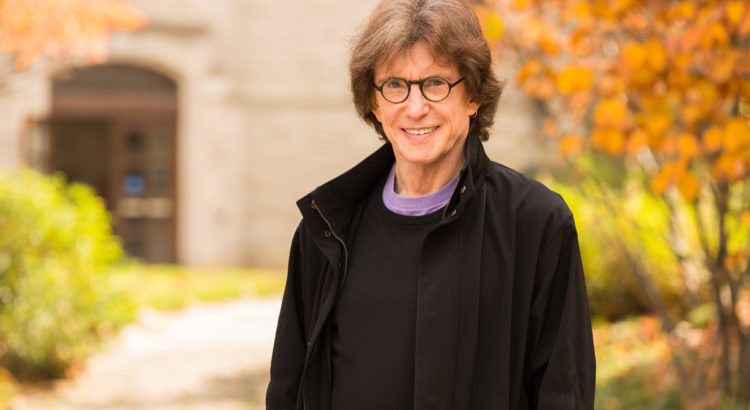
Henry Giroux nace en Providence, capital del estado de Rhode Island, en la costa nort-oriental de Estados Unidos, el 18 de septiembre de 1943. Luego de estudiar en escuelas públicas, jugar baloncesto, convivir con las diferentes colonias extranjeras que habitaban en Providence, conocer las penurias de la clase obrera, estudia historia en Barrington entre los años 1968 y 1974, acrecentando su conciencia social.
En el año 1977 se doctora en la Carnegie Mellon University de Pittsburgh. En ese mismo año comienza su trabajo como docente en la Universidad de Boston, donde, 1983, pasa a la Universidad de Miami en Oxford, Ohio, donde es contratado como profesor de educación y renombrado “Scholar in Residence”, hasta 1992, donde también ocupó el puesto de director del Center for Education and Cultural Studies (Centro para la Educación y Estudios Culturales). Se transladó a la Universidad Estatal de Pensilvania donde asumió la cátedra de profesorado Waterbury desde 1992 a mayo de 2004.
También sirvió como director del Waterbury Forum in Education and Cultural Studies (Foro Waterbury en Educación y Estudios Culturales). Se mudó a la Universidad McMaster, Ontario, Canada, en mayo de 2004, donde actualmente ostenta la cátedra de Cadenas globales de televisión en la carrera de ciencias de la comunicación.
En mayo de 2005 la Universidad Memorial, en St John’s, Newfoundland, de Canadá le concedió un doctorado honorario en letras.
Contexto Socio-Cultural
El contexto socio-cultural en que se desenvuelve Giroux, está marcado por el descontento de las rasas discriminadas para con el actuar del gobierno. Una serie de manifestaciones para acabar con esta discriminación, comienza a cambiar el escenario político del país.
Fin de la Discriminación Racial
En 1941 la amenaza de protestas por parte de los negros persuadió al Presidente Roosevelt a prohibir la discriminación en las industrias, aunque su orden tuvo sólo un impacto sobre las prácticas de contratación.
En 1948 el Presidente Truman puso fin a la discriminación racial en las fuerzas armadas y en todas las dependencias federales.
El fallo Brown vs. la Junta de Educación de Topeka, Kansas, en 1954, permitió a la Corte Suprema determinar unánimemente que la discriminación en las escuelas públicas era inconstitucional; no obstante, los estados del sur siguieron oponiéndose a la integración durante varios años después del fallo.
En 1955, el Párroco Martin Luther King, Jr., encabezó un boicot contra la discriminación en el trasporte público el cual finalmente acabó con la discriminación en los buses urbanos de Montgomery, Alabama.
En 1957 el gobernador de Arkansas trató de impedir que estudiantes negros se inscribieran en una escuela secundaria para blancos, en Little Rock, capital del estado. Para hacer cumplir la ley que exigía integración, el Presidente Dwight D. Eisenhower envió al lugar tropas militares.
Ese mismo año los estadounidenses se sintieron sacudidos por la noticia de que la Unión Soviética había lanzado el Sputnik, el primer satélite artificial de la Tierra. Esto fue un golpe para Estados Unidos, nación que siempre se había enorgullecido de su tecnología. En respuesta, el gobierno federal estadounidense incrementó los esfuerzos que ya se hacían para producir un satélite, e invirtió más dinero en educación, especialmente en las ciencias.
El Sputnik y el Comunismo
A fines de la década de los 50, la unión soviética lanza con éxito el Sputnik, primer satélite no tripulado en orbita, lo que es un duro golpe a la carrera espacial de estados unidos y el ego del gobierno norteamericano. Le siguió el Sputnik 2, el primero con un animal dentro, la perra Laika
La sorpresa del lanzamiento del Sputnik 1, seguido del fallo espectacular de los primeros lanzamientos del proyecto americano Vanguard, impactó a los Estados Unidos, quienes respondieron enseguida con el lanzamiento de varios satélites, incluyendo el Explorer 1,el proyecto SCORE, Advanced Research Projects Agency y el Courier 1B.
Sputnik también aceleró la creación de la NASA (National Aeronautics and Space Administration) y un mayor incremento de la inversión por parte del gobierno de EE.UU. en la investigación y educación científicas. Asimismo se pensó en desarrollar el Proyecto A119 , aunque definitivamente se abandonó.
En abril de 1961 los soviéticos se anotaron otro triunfo en el espacio: Yuri Gagarin pasó a ser el primer hombre en describir una órbita en torno a la Tierra. El Presidente Kennedy respondió con la promesa de poner un hombre en la Luna antes de terminar la década. En febrero de 1962 John Glenn hizo el primer viaje orbital de Estados Unidos y fue aclamado como héroe a su regreso. Costó US 24 millones de y años de investigación, pero la promesa de Kennedy se cumplió en julio de 1969 cuando Neil Armstrong sacó un pie fuera de la nave Apolo 11 y lo posó sobre la superficie lunar.
La «carrera espacial» dio como vencedor a los EEUU, que lograron colocar al primer ser humano sobre la superficie lunar en 1969. Esto se logró en gran medida gracias al impulso dado por el presidente John F. Kennedy, asesinado el 22 de noviembre de 1963.
El los 60, Estados Unidos, por miedo a verse enfrentado a un régimen comunista como el implantado en Cuba, cambia la visión política hacia la URSS, su principal competidor en desarrollo armamentista y tecnológico de la época. Así mismo, la lucha racial continua siendo desarrollada y encabezada por Luter King, donde sus seguidores tuvieron que enfrentarse a la policía hostil, las turbas violentas, el gas lacrimógeno, las mangueras de agua y a las puntas eléctricas usadas para arrear al ganado
El punto más crítico fue en 1962, llamado “La Crisis de los Misiles”, cuando la Unión Soviética instala una serie de misiles en la isla de Cuba, asegurándose una respuesta pronta y directa a la Usa, si esta atacaba. . En un esfuerzo por echar abajo la dictadura comunista de Fidel Castro en Cuba, Kennedy apoyó una invasión de la isla por un grupo de exiliados cubanos que habían sido adiestrados por la Agencia Central de Inteligencia.
Kennedy impuso un bloqueo a Cuba y el primer ministro, Nikita Khrushchev, finalmente accedió a retirar los proyectiles a cambio de la promesa de los estadounidenses de no invadir a Cuba.
Lyndon Johnson, vicepresidente que asumió la presidencia a la muerte de Kennedy, aprobó la Ley de Derechos Civiles de 1964, la cual prohibió la discriminación racial en establecimientos públicos y en cualquier negocio o institución que recibiera fondos federales. Johnson fue elegido para un nuevo período presidencial con amplio apoyo popular en 1964.
Johnson envió al Congreso muchos programas sociales que fueron aprobados por este: ayuda federal para la educación, las artes y las humanidades; seguro de salud para los ancianos y mas pobres; viviendas de bajo costo y renovación urbana; se permitió votar a los afro americanos; se abolieron los impuestos a los inmigrantes, que permitió un aumento en las visitas de los asiáticos; educación pre-escolar especial para niños pobres; capacitación vocacional para quienes hayan abandonado la escuela y empleos de servicio comunitario para jóvenes de los barrios bajos.
Con todos estos programas, el objetivo de Johnson era construir una gran sociedad: una nación donde la igualdad de oportunidades y una alta calidad de vida fueran el patrimonio de todos. Y en 1965 había muchas razones para sentirse optimista acerca del futuro de la nación. Todas las formas de discriminación racial legal se habían eliminado, la pobreza iba en descenso, y los estadounidenses gozaban de mayor prosperidad y mejor educación que en cualquier período anterior de su historia. Sólo tres años después, la gran sociedad yacía en ruinas, destrozada por la Guerra de Vietnam.
La Guerra de Vietnam
En agosto de 1964, dos destructores estadounidenses que navegaban en el Golfo de Tonkin informaron haber recibido ataques de barcos torpederos nortvietnamitas. El Presidente Johnson, en represalia, lanzó ataques aéreos contra bases navales norvietnamitas. Los primeros soldados de combate norteamericanos fueron enviados a Vietnam en marzo de 1965. Para 1968 ya habían llegado 500.000 estadounidenses. Mientras tanto, la fuerza aérea gradualmente intensificó los ataques con aviones B-52 contra Vietnam del Norte, bombardeando primero las bases y rutas militares y después las fábricas y plantas de energía cerca de Hanoi. Pero esta aplicación masiva de fuerza militar sólo consiguió devastar a Vietnam.
Las universidades fueron escenario de manifestaciones de protesta contra el involucramiento de Estados Unidos en esta guerra no declarada y, en opinión de muchos, injustificada. Hubo encuentros violentos entre los estudiantes y la policía. En octubre de 1967, 200.000 manifestantes marcharon frente al Pentágono, en Washington, DC, exigiendo la paz.
Al mismo tiempo, en las ciudades empezó a haber agitación a medida que líderes negros jóvenes y más radicales tachaban de ineficaces las tácticas no violentas de Martin Luther King. El asesinato de King en Memphis, Tennessee, en 1968, desencadenó motines raciales en más de 100 ciudades. Fueron incendiados distritos comerciales en barrios negros, y 43 personas fueron muertas, en su mayoría negras.
Un número cada vez mayor de estadounidenses de todas las clases sociales se oponían a la participación de Estados Unidos en la guerra de Vietman, y en las elecciones de 1968 el Presidente Johnson se enfrentó a fuertes desafíos por parte de dos demócratas opuestos a la guerra: los senadores Eugene McCarthy y Robert Kennedy, este último hermano del Presidente John F. Kennedy.
El 31 de mayo, en vista de una humillante derrota en las encuestas de opinión pública y de la incesante prolongación del conflicto en Vietnam, Johnson se retiró de la contienda presidencial y ofreció negociar el fin de la guerra. Robert Kennedy fue asesinado al final de la campaña de elecciones primarias y los votantes eligieron por escaso margen al republicano Richard Nixon. Como presidente, Nixon atrajo el favor de la clase media estadounidense: la gran mayoría silenciosa que estaba descontenta con la violencia y la protesta que tenía lugar en el interior del país.
En Indochina, Nixon observó una política de «vietnamización», reemplazando gradualmente a los soldados estadounidenses con vietnamitas. Pero el bombardeo intenso de las bases comunistas continuó, y en la primavera de 1970 Nixon envió soldados estadounidenses a Camboya. Esa acción provocó las protestas estudiantiles más masivas y violentas de la historia del país. Durante una manifestación en la Kent State University en Ohio, miembros de la Guardia Nacional mataron a cuatro estudiantes.
Después, conforme el pueblo estadounidense se percató de que la guerra tocaba a su fin, la situación cambió repentinamente: la tranquilidad volvió a las universidades y ciudades de la nación. Para 1973, Nixon había firmado un tratado de paz con Vietnam del Norte, había traído de regreso a los soldados y había puesto punto final al reclutamiento.
Los estudiantes empezaron a rechazar la política radical y, en general, se orientaron hacia la búsqueda de carreras individuales. Muchos negros aún vivían en la pobreza, pero otros que finalmente ejercían profesiones bien remuneradas. Muchas ciudades grandes como Cleveland, Newark, Los Angeles, Washington, Detroit, Atlanta habían elegido alcaldes negros y ayudo al acercamiento entre las dos razas.
Watergate
Durante las primeras horas del 17 de junio de 1972, la policía arrestó a cinco hombres que habían entrado clandestinamente en las oficinas del comité nacional del Partido Demócrata, ubicadas en el hotel Watergate en Washington, con el fin de intervenir los teléfonos para controlar la actuación del comité. Pronto se descubrió que la acción formaba parte de una campaña para ayudar al presidente Nixon a ganar la reelección ese mismo año. Otros dos implicados fueron detenidos después, acusados de supervisar la intromisión.
En un principio la Casa Blanca negó cualquier participación en el incidente, pero la intensa, publicada por el Washington Post, puso al descubierto la implicación de importante miembros del gabinete presidencial en actividades ilegales y el intento de tapar el asunto. Varios oficiales y consejeros de la Casa Blanca fueron detenidos y condenados por actos criminales.
La atención se centró entonces en el presidente Nixon. Cuando se supo que grababa sistemáticamente todas las conversaciones que tenían lugar en la Casa Blanca, fue conminado por el Tribunal Supremo a entregar las grabaciones o a enfrentar un juicio. Las grabaciones revelaron que el presidente estaba directamente en el asunto Watergate.
A pesar de la evidencia, Nixon negó públicamente las imputaciones; pero al final se vio obligado a admitir su participación en el escándalo. El 9 de agosto de 1974 renunció a la presidencia. Su sucesor, Gerald Ford, le otorgó el perdón por cualquier delito federal en el que hubiera podido incurrir. Pero la decisión de Ford no benefició al resto de los involucrados, pues varios de ellos fueron juzgados y encarcelados. Nixon se libró de la prisión pero su imagen quedó manchada para siempre.
Después de la Guerra de Vietnam y del escándalo Watergate, muchos estadounidenses se habían desilusionado de los hombres que los gobernaban y les habían perdido la confianza. Gerald Ford, el presidente republicano que ascendió al poder tras la renuncia de Richard Nixon, era agradable y salomónico. Ford hizo mucho para restaurar la confianza de los ciudadanos, aunque algunos votantes nunca le perdonaron que hubiera indultado a su ex jefe, Richard Nixon. Las elecciones de 1976 favorecieron a Jimmy Carter, ex gobernador de Georgia, debido en gran medida a su ostensible honradez personal y a su fe religiosa. Carter tenía experiencia política limitada, pero muchos votantes preferían a esas alturas a un «extraño», alguien que no perteneciera al mundo político de la capital
Modelo educativo Predominante
En base a las críticas que realiza Giroux al sistema educativo norteamericano, se puede prever las falencias que tiene. Al igual que el nuestro , la sociedad norteamericana esta mas preocupada de desarrollar otro tipo de valores, que no ayudan al desarrollo mental ni critico de sus niños. Se ha intentado cambiar esta situación, pero las reformas se ven obstaculizadas por la institucionalización de los sistemas escolares establecidos a principios de este siglo; por los conflictos ideológicos entre los partidarios de la escuela pública y la escuela privada; por las enormes desigualdades de los recursos a disposición de los estudiantes pobres, especialmente en las zonas urbanas; por la creciente segregación geográfica por motivos de ingreso; y por el control local sobre las escuelas.
El sistema educativo de los Estados Unidos no fomenta el pensamiento crítico e independiente. Aunque se afirma que la nación Americana cuenta con una educación democrática, la realidad es diferente porque es un modelo educativo colonial, muy elaborado y diseñado para formar a los maestros con métodos que devalúan la dimensión intelectual de la enseñanza.
Además de la estandarización de exámenes oficiales, tipo «test», que implantan los departamentos estatales de educación porque éstos fomentan la educación instrumental y acrítica, “No se procura, por lo tanto, el desarrollo de un pensamiento crítico e independiente, sino que se anestesia el razonamiento de nuestros estudiantes» (Macedo, 2003)
Naturaleza del Conocimiento
Un concepto básico de este discurso es el de racionalidad, entendida como un conjunto específico de supuestos y prácticas sociales que median las relaciones entre un individuo o grupos con la sociedad amplia y agrega… «subyacente a cualquier modo de racionalidad se encuentra un conjunto de intereses que definen y califican cómo los individuos se reflejan en el mundo». (Giroux, 1992)
Este concepto tiene bastante utilidad para explicar la actividad docente entendida como actividad práctica. Significa que la escuela, una de tantas instituciones que existen en la sociedad, mantiene relaciones con la racionalidad amplia del sistema en el cual está inmersa. Es decir, los supuestos y las prácticas sociales que orientan el sistema social amplio, repercuten de alguna manera en la institución escolar y, por supuesto, en las prácticas realizadas en ella.
Otro de los principios de Giroux es el que se refiere a la problemática; desde esta perspectiva, toda forma de racionalidad contiene una estructura conceptual que puede ser identificada tanto por las preguntas que se hace como por las que dejan de hacer.
Lo que significa que la racionalidad incluye determinados elementos y excluye otros, de tal forma que la inclusión o exclusión de preguntas, definen una manera de entender la realidad. Para Giroux lo que se excluye en la problemática es tan importante como lo que se incluye.
Derivados del concepto de racionalidad, Giroux plantea los modelos de racionalidad en educación: la técnica, la hermenéutica y la emancipadora. En cada uno de los anteriores modelos se expresan diferentes intereses sobre el conocimiento.
Racionalidad técnica
El primer modelo retoma los supuestos del positivismo, la realidad objetiva, empíricamente comprobable, la verdad del conocimiento, etc., lo cual favorece una orientación de la teoría educativa que responda a la lógica de la fórmula, y la observación y la técnica son el punto de partida para la práctica teórica. La relación entre la teoría y la práctica es de carácter técnico. En educación lo importante es el conocimiento técnico, el saber hacer.
Racionalidad hermenéutica
Este tipo de racionalidad no considera importante la producción del conocimiento en sí, sino la comprensión del sujeto y del objeto al elaborar dicho conocimiento. La idea es interpretar, comprender la naturaleza de los fenómenos y el significado que los sujetos le dan a tales fenómenos. Desde la perspectiva de Giroux, este tipo de racionalidad ha generado planteamientos importantes a la teoría educativa, en tanto que ha incursionado en las dimensiones normativas y políticas de la actividad docente, las relaciones entre maestros y alumnos en el salón de clases, el currículum oculto, en fin, una serie de situaciones que desde la perspectiva instrumentalista no se observan.
Racionalidad emancipadora
Para Giroux, creo, la idea mas importante de todo su discurso, la racionalidad emancipadora, la intencionalidad y el significado de la acción educativa sigue siendo un punto de medular importancia pero ubicado en un contexto social, que permita conocer los obstáculos y limitaciones sobre la acción y el pensamiento humanos.
Este tipo de racionalidad se interpreta como la capacidad del pensamiento crítico para reflexionar sobre sí mismo. Es decir, pensar sobre el pensamiento, lo que permite penetrar en los supuestos que subyacen en el pensamiento individual y colectivo y que, en algún momento, se han coagulado evitando la reflexión crítica de nuestro diario acontecer. Pero no se queda ahí, la racionalidad emancipadora plantea además la autorreflexión con acción social orientada a la creación de nuevas teorías materiales e ideológicas.
Propuesta Pedagógica
Aprender, Pensar, Criticar
El pensamiento de Giroux se desarrollo en base a las pugnas sociales de los años 50’, 60’ y 70’. Lo marcaron las discrepancias e injusticias que sufrían las etnias y minorías estadounidenses. De ahí la gran conciencia social que demuestra Giroux en sus escritos.
Giroux, critica la educación tradicional y las teorías estructuralitas , por considerar que han fracasado en al no ofrecer bases adecuadas para ofrecer una teoría pedagógica radical. Llámese radical la postura critica y emancipadora. Critica al forma de enseñanza, basada en un enfoque acumulativo, que impide el desarrollo del razonamiento que permite entender el mundo y criticarlo, una especie de “discapacitación” de los estudiantes.
En general, critica la cultura estadounidense, basada en tendencias de mercadeo, que fomentan pobres valores democráticos. Critica a los imperios culturales y mediáticos (como es el caso del libro “El Ratoncito Feroz”) , como las causantes de la desaparición del espacio publico de la incapacidad de la juventud de pensar y cuestionarse, y por ende, el empobrecimiento de la población a tempranas edades.
En la construcción de su modelo educativo, Giroux, utiliza la sociología y psicología, pensando en el ser humano y en el contexto en el que se desenvuelve. Asegura que, también en importante el desarrollo político en lo educativo y la relación que tiene el individuo con esta. De igual forma, se desprende la idea de “aprendizaje significativo”, como una forma de entender el mundo y criticarlo.
La pregunta obligada es: cómo producimos una educación significativa, y a la vez, hacerla crítica, para luego transformarla en emancipatoria (Giroux, 1992).
Para desarrollar su discurso, Giroux retoma entre otras cosas, los principios de la escuela de Francfort , la llamada “teoría crítica”, cuya concepción involucra tanto a sus fundamentos teóricos (su cuerpo de pensamiento) como a la crítica de los mismos.
Un punto de partida de la teoría lo constituye la comprensión de las relaciones que existen en la sociedad entre lo particular y el todo, entre lo específico y lo universal; esto es, el principio de totalidad desde la perspectiva marxista.
También, esta lo que se refiere a la noción de autocrítica, aquella que es capaz de entender las tendencias en las explicaciones teóricas, dado que no existe la neutralidad ideológica, y las limitaciones que tales tendencias pueden presentar dentro de ciertos contextos históricos y sociales. Desde esta perspectiva, queda claro que no existe la verdad única, muy por el contrario en las diferentes explicaciones teóricas subyacen valoraciones estrechamente vinculadas a determinados intereses.
Es importante, también, la permanente crítica, la idea de analizar la realidad tomando en cuenta sus posibilidades, es decir, el despliegue de la teoría. Los principios teóricos deben servir de guía en la explicación de la realidad, nunca convertirse en un cascaron en el que se aprisione la realidad.
Experiencias Educativas Originadas en el pensamiento pedagógico
Considerando la postura de Giroux, es un poco difícil explicitar en que lugares y como se ha llevado a cabo su propuesta, ya que, esta aun en desarrollo. Giroux, critica el actual sistema por considerarlo banal, falto de inteligencia, que deja al enseñando con la impresión de que el periodo escolar es solo un paso obligado para acceder a una educación de calidad, sin darse cuenta (y esto es lo peor, porque tampoco de dan cuenta su familia, otro importante gestor de educación) de que es la parte mas importante de su desarrollo personal.
Hace poco ley un articulo en que se hablaba del sistema educativo en uno de los países bajos, donde la carrera de pedagogo era una de las mas importantes (los profesores eran admirados por sus alumnos y por los padres de estos, respetados. Se hacia la comparación con España, donde la carrera de Pedagogo dura apenas 3 años, y la de este país (que no recuerdo cual era) duraba 6. Además que solo el 15% de los que postulaban, eran aceptados como estudiantes de pedagogía). La educación escolar iba de la mano con la familia, gracias a las políticas gubernamentales que permitían y financiaban este sistema. Sin embargo, en los sistemas que critica Giroux (y por que no decirlo, el chileno también) pasa absolutamente lo contrario. La escuela (como Institución), es el lugar donde se manda a los hijos para ser educados, siendo un mero tramite en la vida estudiantil. Además, de las políticas empresariales de los gobiernos actuales, que ven la educación con una forma de crear mano de obra, y no como una forma de hacer crecer su sociedad, con jóvenes capaces de cuestionar y perfeccionar el conocimiento que se les entrega.
En chile la cosa no esta mejor. Si bien, nuestro mercado es más pequeño que el de Estados Unidos, y no hay empresas multinacionales tratando de meternos productos y mensajería barata a las cabezas de nuestros niños, las políticas gubernamentales no distan mucho de las criticadas por Giroux. La televisión tampoco ayuda mucho, haciendo a nuestros niños dependientes de lo que dijo no se quien o lo que paso o pasara en la teleserie de moda o en algún reality.
Esto es lo que critica giroux, este cambio cultural que hace pensar que lo pasado, cuando no había globalización, era mejor que el presente, donde tenemos todos los recursos tecnológicos necesarios para hacer de nuestra sociedad y nuestra escuela, mas conciente de si misma, y de la importancia que tiene y que no se le reconoce.
Conclusiones
Giroux, presenta una teoría que pretende hacer cambiar la visión de los estudiantes y de la gente en general. Trata de sacar lo superficial y menos importante y reemplazarlo por conocimientos que tengan algo de sentido y que hagan pensar, cuestionarse y criticar la sociedad a todo ser humano. Creo que es importante, ya que, se podría decir que parte de la premisa de que el conocimiento es cuestionable, que un no esta acabado, que se puede mejorar, que debe ser criticado constantemente, lo que permite tener una actitud diferente ante la practica educativa.
También, se refiere a la reflexión constante sobre la cotidianeidad, la racionalidad que impera en el contexto social en que nos desenvolvemos, conocer los obstáculos que nos impiden realizar una mejor tarea, que nos haga cambiar nuestra visión y desempeño docente, de solo una “expresión y del lenguaje” (Bruner, 1988), sino de, negociaciones profundas entre los actores de la educación y que transformen esta realidad educativa.
En la medida de que lo anterior se haga patente, podremos considerar que la actividad docente se ha profesionalizado, cuando los profesores dejen de ser un reproductor de ideas, para cambiar a un personaje critico (y que inculque en los alumnos este deseo de criticar) y reflexivo (base para empezar a criticar la sociedad), con la autonomía suficiente para diseñar propuestas educativas, consecuentes con el contexto en el que se desenvuelve y que generen alternativas para mejorar o cambiar la situación actual.
A fin de cuentas, la teoría y el modelo educativo nace del ausentismo de la critica constructiva como forma de educar, enseñar e instruir que existe en la escuela actual. A pesar del desarrollo en que se encuentra, la necesidad de instaurarla es fundamental, si se quiere una sociedad con poder de decisión y consiente de los cambios que se vienen y de lo importante que es cada joven en el desarrollo de cada familia y cada pais.
Fuente de la reseña: http://grandespedagogosdelmundo.blogspot.com/

 Estudiante de la Universidad Imperial uniformado (fotografía de 1906 cortesía de la autora).
 Estudiante con hakama, circa 1900 (cortesía del Archivo de la Universidad Femenina de Ochanomizu).

 Foto: Kateřina Ayzpurvit





 Users Today : 44
 Total Users : 35491066
 Views Today : 53
 Total views : 3604581