Por: Agustín Nieto. Revista Ajo. 08/12/2017
Durante demasiados años se pretendió confinar a las mujeres al ámbito privado y reproductivo. Esto implicó un proceso de disciplinamiento de sus cuerpos y la invisibilización de las trabajadoras en la formación de la clase obrera. En este artículo, un repaso por el significado histórico de la caza de brujas y del papel de las mujeres en las luchas por su emancipación.
Hace más de un siglo, se cuenta que un grupo de trabajadoras textiles de Nueva York se declararon en huelga y ocuparon la fábrica en reclamo de mejores condiciones de trabajo. Ante la determinación de las manifestantes, el dueño decidió cerrar las puertas e incendiar las instalaciones con las 129 mujeres adentro. La inhumana actitud del varón dueño de la fábrica, evoca la quema de brujas en la hoguera de siglos atrás. Hoy se cree que este evento dio origen a la conmemoración del Día Internacional de la Mujer.
Claro que los orígenes del protagonismo de las mujeres trabajadoras en las luchas obreras se remontan mucho más atrás en el tiempo. Es más, llegan hasta la génesis del capitalismo como sistema-mundo, momento en el cual, junto a la reclasificación de los grupos sociales en clases poseedoras y desposeídas, se renegocian las condiciones de la dominación y explotación masculina, o sea, se sientan las bases del patriarcado capitalista. Al decir de Silvia Federici, la caza de brujas es un proceso co-constitutivo del capital como sistema global. En ese momento, en base a dos pares dicotómicos decisivos (público/privado y productivo/reproductivo), comienza a construirse la invisibilización de las mujeres trabajadoras en la formación de la clase obrera.
Una vez rubricado el nuevo estatus social, se pretendió confinar a las mujeres trabajadoras al llamado ámbito privado-reproductivo. La realización de este proyecto implicó un arduo proceso de re-disciplinamiento del cuerpo de las mujeres trabajadoras. Algo que no estuvo exento de resistencias y luchas. Aquel confinamiento involucra una jerarquización de las tareas al interior de las familias obreras, en la cual las labores realizadas por las mujeres son definidas por el capital como trabajo improductivo, no asalariado, o sea un trabajo que no genera valor. Sin embargo, ese trabajo llamado despectivamente ‘reproductivo’ implica la producción cotidiana de la fuerza de trabajo en uso, así como la producción de nuevas generaciones de portadores de fuerza de trabajo. Es por esto que no hay forma de dar cuenta de la historia de la clase obrera sin hacer referencia a las trabajadoras, ya sea que cumplan sus tareas en su hogar, en un taller, o en ambos espacios, cobren o no un salario.
No es casualidad que en el poema de James Oppenheim “Pan y rosas” se entremezclen el trabajo fabril, las labores hogareñas, las luchas obreras y la maternidad (Un millón de cocinas oscuras y miles de grises hilanderías […] luchamos también por los hombres / Ya que ellos son hijos de mujeres, y los protegemos maternalmente otra vez). Ellas son esposas, madres y obreras, desarrollan trabajos ‘productivos’ y ‘reproductivos’, se identifican con lo maternal a la vez que estiran su significado. En esa amalgama se deja entrever una resignificación de roles asignados. De esta forma lo maternal aparece subvirtiendo el estatus del trabajador varón adulto. Pero sobre todo, no hay una clara y tranquilizadora línea divisoria entre el discurso patriarcal hegemónico y un discurso anti-patriarcal contra-hegemónico.
En definitiva, no alcanza con demostrar que las mujeres fueron parte de las principales luchas obreras, hay que dar cuenta de la especificidad de la agencia de las mujeres en el devenir de la clase obrera. Pues la clase es una comunidad donde se solapan e interactúan distintas formas de dominación (de clase, de género, de raza, etc.). Por eso, si la historia de las clases subalternas es poco conocida y discontinua, estos rasgos se pronuncian aún más cuando se mira la historia de esas clases desde las acciones de las mujeres.

Cuchilleras
Cuentan los varones que en una de las tantas huelgas de trabajadoras de la conservas de pescado, allá por los primeros años cuarenta del siglo pasado, se escuchó a una mujer iracunda que, cuchillo en mano, gritó “suéltenlo que lo descojono”. La mujer de armas tomar era conocida como la “viuda de Rawson”. El desvalido ser al que se quería descojonar era un capataz poco proclive a secundar la medida de lucha de sus subalternas. Aquel evento fue protagonizado en el contexto de la gran huelga del pescado en Mar del Plata. Lejos de ser una anécdota sobre un tipo de evento extravagante, el “descojonamiento”, como representación de la lucha contra la dominación masculina, nos remite a una práctica cultural propia del repertorio de protesta de las mujeres. El falo es el símbolo del poder masculino y también, en ocasiones, ha sido blanco de luchas anti-patriarcales, tanto en la industria del pescado como en las minas del norte de Francia en el siglo XIX.
Casi un siglo antes, Émile Zola en Germinal narra de forma realista la historia de la huelga de mineros. Una de las escenas pone en crudo el antagonismo entre el tendero Maigrat y la comunidad de mujeres de la mina, de la cual Maigrat acostumbraba abusar comercial y sexualmente. Ante el inminente saqueo de su tienda por parte de la masa de rebeldes, por un instante Maigrat se debatió entre el cariño a sus mercancías y su miedo cerval y natural cobardía. Al oír los hachazos sobre las puertas de su almacén, terminó por decidirse. Así triunfaba una vez más la avaricia. Ya subido al techo del cobertizo se oyeron los gritos de la multitud. El susto hizo que le fallaran las manos cayendo al vacío. El golpe lo mató. La primera actitud de la multitud fue de pasmo, se produjo un silencio profundo. De repente las mujeres rompieron el silencio con su griterío furioso, a medida que se iban precipitando hacia el muerto. Lo insultaron, le gritaron, lo escupieron en la cara. “¡Toma!, ¡come, bribón!… ¡come, come, como nos devorabas antes!”, gritaba una mujer mientras llenaba con tierra la boca del muerto. “¡Hay que destrozarlo!. ¡Sí, sí! ¡Qué no queden ni señales de ese cuerpo! ¡Nos ha hecho mucho daño!”, retumbaban como gritos de guerra. Un grupo de mujeres le quitó los pantalones, mientras unas “escuálidas y arrugadas manos de vieja”, le abrió los muslos para cortarle de cuajo su “virilidad muerta”. “¡Ya lo tengo! ¡Ya lo tengo!”, gritaba aquella mujer, mientras una multitud de voces festejaban el trofeo. “¡Ah, bribón! ¡Ya no te meterás más con nuestras hijas! ¡Sí, ya se acabaron tus infamias! Ya no tendremos que comprar el pan a costa de nuestro cuerpo”. Todas lo escupían e insultaban. El ritual finalizó cuando aquel trozo de carne muerta fue entronado en la punta de un palo. La escena había producido un horror profundo en los varones.
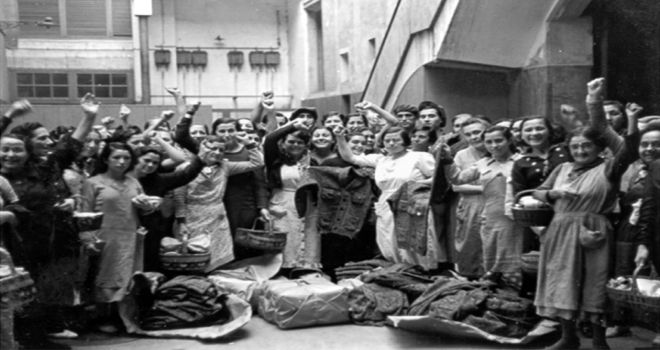
Un sentimiento similar de malestar se percibe en las memorias y recuerdos de los activistas varones sobre el protagonismo de las mujeres sindicalistas del pescado. En el marco de la huelga general de la ciudad de Mar del Plata, en solidaridad con las obreras del pescado, el Sindicato de Obreros de la Construcción no había adherido y se había escuchado decir a uno de sus dirigentes que “por cuatro atorrantas no nos vamos a plegar a la huelga”. Muchas de esas “atorrantas” eran las esposas, hermanas, hijas o madres de los obreros de la construcción. Cuenta Mario Penone, esposo de una obrera que participó de la fundación del Sindicato de Obreros de la Industria del Pescado (SOIP), que cuando salieron a la calle “a estos hombres que eran remisos a plegarse a la huelga, los hacían plegar ellas, los bajaban de los andamios. A ladrillazos los bajaban de los andamios”. Rubén García, por su parte, recordaba que en vísperas de la organización del SOIP los viejos anarquistas de la ciudad estaban en desacuerdo con la iniciativa de un grupo de jóvenes en organizar a las obreras del pescado: “Provocó una especie de cimbronazo, de susto. ¿Mujeres? ¡No! Claro, los viejos decían no porque un compañero le va a mirar el culo a la mujer del otro y se van a agarrar a las trompadas”. Aparecía la imagen de las mujeres como corruptoras del tejido social masculino, representaban un riesgo para los lazos comunitarios forjados por los varones. Pero este miedo a las mujeres no se acotaba a su poder corruptor en la organización obrera, también se extendía a los procesos huelguísticos, cuando al enfrentarse a los rompehuelgas, los golpeaban, apaleaban y desnudaban: “Las mujeres son las que instalan esa manera, después de alguna manera hubo alguno que dijo, claro, los compañeros no… no aplaudieron mucho porque a ver si se nos escapa de las manos… y capaz que se les escapó de las manos”.

Brujas
Hacia mediados de la década de 1560 Pieter Brueghel el Viejo pintó dos cuadros alusivo a las brujas. Para esa época las persecuciones contra las mujeres sospechadas de realizar brujerías se habían extendido e intensificado en toda Europa. Hoy se considera que en aquellos cuadros se fraguó la unión entre brujas y escobas, pues aparecen las primeras imágenes de brujas montando en ese particular medio de transporte. Aunque los rumores sobre brujas volando en escobas se remontan al siglo XV, se considera que con las obras de Brueghel esta iconografía se volvió canónica.
Es interesante notar que estas imágenes se inscriben en un proceso de racionalización capitalista de la sexualidad, asentada en la dominación masculina y la domesticación femenina. Las mujeres trabajadoras se convierten en (y reducen a) las manos que alimentan al varón proletario en actividad y los vientres destinados a perpetuar la raza proletaria. Se construye de esta forma un sentimiento repulsivo a la sexualidad no procreativa. La mitología sobre las brujas viejas montadas en sus escobas (proyección de un pene extendido) se torna simbología de la lujuria desenfrenada. Esta ideología negaba a las mujeres infértiles (“viejas feas”) el derecho a la vida y el goce sexual. En ese marco la cacería de brujas buscaba disciplinar sexualmente a las mujeres, santificar la supremacía del varón y, a la vez, disciplinar a estos últimos con el temor a las mujeres, como potenciales destructoras del sexo masculino. Según los demonólogos, las brujas podían castrar y robarles a los varones sus penes. Así fue, dice Federici, la larga marcha hacia la transformación de la sexualidad femenina en un trabajo al servicio de los varones y la procreación. Transformación que implicó la prohibición de todas las formas no productivas, no procreativas de la sexualidad femenina como la homosexualidad, el sexo entre jóvenes y viejos, el sexo entre gente de clases diferentes, el coito anal, el coito por detrás, la desnudez, las danzas y sobre todo la sexualidad pública y colectiva, práctica común y extendida en los festivales de primavera de origen pagano.
Fue así como la caza de brujas se volvió el principal vector de la reestructuración de la vida sexual adecuada a la nueva disciplina capitalista del trabajo. Sin embargo, el capitalismo no pudo destruir aquel mundo de sujetos femeninos: las figuras de la hereje, la curandera, la esposa desobediente, la mujer que se anima a vivir sola, la mujer obeah que envenenaba la comida del amo e inspiraba a los esclavos a rebelarse, las insumisas y rebeldes, siguen presentes en las comunidades de mujeres insurrectas contra la dominación patriarcal.
Conventilleras
En los centros urbanos latinoamericanos de principios del siglo XX muchas familias obreras vivían en comunidad, en torno a lo que en Argentina se denomina “conventillos”, una casona grande donde se compartían espacios como el comedor, el baño, el patio. Aquellas piezas hacían las veces de hogar obrero. Por lo general, el varón trabajaba en algún taller o fábrica y la mujer, aparte de criar a sus hijos e hijas y hacer las labores hogareñas cotidianas, realizaba trabajo domiciliario para alguna empresa textil o de calzado, siendo el pago a destajo. De conjunto era una situación de precariedad habitacional y laboral, caracterizada por el hacinamiento y la insalubridad.
El incremento acelerado de la demanda de habitaciones, producto del arribo masivo de inmigrantes, provocó un acrecentamiento desproporcionado de la especulación inmobiliaria y junto a ella se dispararon los precios de los alquileres, que año a año iban en aumento. Desde fines del siglo XIX se registran intentos de resistencia organizada a los aumentos de los alquileres, aunque de corto aliento y poco efectivos en los resultados.
Hacia mediados de la década de 1900, la conflictividad obrera se agudizó, siendo 1907 uno de los años más intensos. Aquel año se formaron tres entidades propias de mujeres: el Primer Comité Gremial femenino de Comercio, el Comité Femenino de boicot al cigarrillo 43 y el Centro Anarquista Femenino de Buenos Aires. Fue en ese contexto que ante un nuevo aumento se decidió no pagar los alquileres y reclamar una rebaja del 30%. Este movimiento se extendió desde agosto hasta noviembre. Entre sus protagonistas se destacaron las anarquistas Virginia Bolten, Juana Rouco Buela y la China María, y como villano se destacó el tristemente célebre Ramón Falcón, asesino de obreros.
Después de semanas de resistencia y desobediencia, se tornó inminente el enfrentamiento. El arribo de los jueces, policías, bomberos, propietarios y caseros con la intimación de desalojo fue repelido con determinación. Las mujeres se organizaron para defenderse del desalojo, lo hicieron armando barricadas y armándose con utensilios domésticos como el agua hirviendo, palos y escobas. Esto ocurrió en el conventillo 14 provincias, situado en Chacabuco y San Juan, donde vivían 200 familias. Según cuentan Mabel Bellucci y Cristina Camusso, la resistencia obligó a los bomberos y policía a retirarse derrotados por aquellas brujas modernas que empuñaban escobas.

Putas
Cuenta Osvaldo Bayer que, después de largas jornadas de trabajo —que incluían represiones y fusilamientos a granel— los verdugos de la Patagonia rebelde pretendieron distenderse con el servicio de las trabajadoras meretrices del pueblo. Como quienes van al mercado a comprarse una bebida refrescante después de una jornada de trabajo pesado, los soldados pretendían ser atendidos por las putas de “La Catalana”. Ellos eran muchos y las chicas solo cinco. Por lo cual tenían que organizarse para que todos tuviesen acceso a aquellas mercancías. Por esta razón la dueña del prostíbulo fue previamente avisada. Se le comunicó el cronograma de la tanda de cinco soldados que pasarían turno a turno. Todo parecía estar en orden, pero cuando la primera tanda de soldados se acercó a la casa, la dueña salió presurosa a conversar con el suboficial. Algo raro estaba pasando; los soldados comenzaron a ponerse nerviosos. Minutos después, el suboficial les explicaba algo insólito: las cinco prostitutas del quilombo se negaban a ofrecer sus servicios, pues parecía que los servicios que ellos querían comprar eran portados por cuerpos con voluntad y moral.
Los soldados lo tomaron como una afrenta a la Patria. Charlaron entre ellos y se animaron a encararlas en patota para obligarlas a ser lo que consideraban que eran, una mercancía. Pero fueron sorprendidos por las cinco pupilas que con escobas y palos en mano salieron a enfrentarlos al grito de “¡asesinos! ¡porquerías!”, “¡con asesinos no nos acostamos!”. La palabra “asesinos” dejó paralizados a los soldados que retrocedieron ante la repartija de escobazos. Los soldados perdieron esa batalla y se replegaron a la vereda de enfrente. Desde la puerta de entrada, las cinco mujeres no les mezquinaron insultos: “asesinos y porquerías”, “cabrones malparidos” y —según el posterior protocolo policial— “también otros insultos obscenos propios de mujerzuelas”. Los insultos terminaron de desmoralizar a los soldados que se marcharon del lugar, masticando rabia.
Una historia cultural de las escobas debería iluminar su lado oscuro, su uso indebido por aquellas quienes sólo tendrían que comportarse como su apéndice involuntario. De esta forma se podría conectar a las brujas cazadas por los varones de la inquisición con las huelguistas de los conventillos latinoamericanos reprimidas por los varones de las fuerzas represivas del gobierno y las prostitutas rebeldes de la Patagonia. Estos utensilios domésticos tienen una vida cultural que merece ser conocida.
Rebeldes
Mujeres de todo el mundo se organizan contra las injusticias. Las que eligen dónde y cómo mostrar sus tetas, las que usan la ropa que quieren, las que no desean ser madres, las lesbianas, las que reivindican la soberanía de sus cuerpos y exigen despenalizar la interrupción de un embarazo, las que desobedecen las imposiciones del patriarcado. Las que son destinatarias del repudio, de los golpes, del maltrato físico, económico, sexual y psicológico. Las que son quemadas como hace siglos lo eran las brujas en la hoguera.
Esta acumulación secular de agravios, que hace rato ya no se aguanta más, junto al amplio y centenario repertorio de formas de resistencia, habilitan un hecho inédito en la historia de la humanidad: la primera huelga internacional de mujeres.
En este acto internacional de dignidad rebelde, las mujeres dispararán contra los relojes para forjar un nuevo calendario, que augure un nuevo mundo.
*Fuente: http://www.revistaajo.com.ar/notas/10088-brujas-del-mundo-unios.html








 Users Today : 77
 Total Users : 35524743
 Views Today : 78
 Total views : 3751694