Por: Nueva Sociedad. 08/12/2017
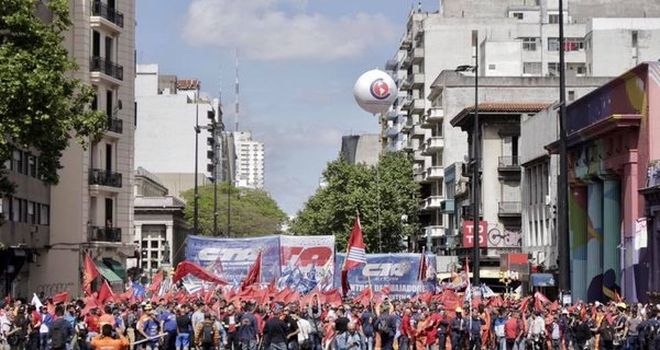
En el marco del proyecto «Sindicatos en Transformación», se presentaron algunas experiencias relevantes de transformación sindical exitosa, pero el espacio de la revista no permite la publicación de las versiones completas. Con la colaboración de investigadores y periodistas, acercamos entonces a los lectores de Nueva Sociedad estos estudios de caso como breves historias. En ellas, se puede ver cómo la opción por el sindicalismo sociopolítico y las alianzas como estrategia convirtieron a la Confederación Sindical de Trabajadores y Trabajadoras de las Américas (CSA) en un actor sindical regional de relevancia internacional; por qué el mayor sindicato de América Latina, la Central Única de Trabajadores (CUT) de Brasil, debe volver a la calle para defender lo conquistado; cómo el sindicato de los visitadores médicos en Argentina ha podido crecer y conquistar mejores condiciones de trabajo; cómo un sindicato de docentes en Honduras pudo plantearse nuevas alianzas que posibilitaron su propio crecimiento; y, por último, cómo superaron el trabajo precario en Corea del Sur dos sindicatos de empresas subcontratadas muy diferentes.
El poder de la diversidad
La Confederación Sindical de Trabajadores y Trabajadoras de las Américas (CSA)
Cecilia Anigstein
La Confederación Sindical de Trabajadores y Trabajadoras de las Américas (CSA; TUCA, por sus siglas en inglés) es una filial regional de la Confederación Sindical Internacional (csi; ituc, por sus siglas en inglés). Su ámbito de representación abarca América del Norte, Centroamérica, Caribe y Sudamérica. La integran 57 centrales nacionales de 23 países, que suman más de 50.000.000 trabajadoras y trabajadores afiliados.
Desde comienzos de la actual década, la CSA ha cobrado visibilidad al desplegar una acción estratégica de clase en el plano hemisférico y global. Es cierto que el contexto fue propicio y se desarrolló al calor de un espacio regional alternativo a la globalización neoliberal. En el marco de una crisis internacional de larga duración y múltiples dimensiones, emergió como un actor sociopolítico muy dinámico, a tono con los lineamientos promovidos desde los gobiernos progresistas y de izquierda latinoamericanos, que por entonces se encontraban en pleno auge.
Frente a la crisis de las coaliciones políticas progresistas y la consolidación de una nueva derecha regional, el movimiento sindical de las Américas, tanto en sus capítulos nacionales como en el plano regional, enfrenta un enorme desafío: articular la multiplicidad de las resistencias que ya están teniendo lugar, defender los avances y derechos conquistados y construir una alternativa superadora del neoliberalismo, la primarización y el extractivismo.
La CSA fue creada en 2008 como parte de un proceso de unificación institucional del movimiento sindical global en la ituc, que data de 2006. Surgió de la fusión de la Organización Regional Interamericana de Trabajadores –integrante de la Confederación Internacional de Organizaciones Sindicales Libres– (orit-ciosl), y la Confederación Latinoamericana de Trabajadores–integrante de la Confederación Mundial del Trabajo– (clat-cmt), junto con otras agrupaciones independientes. Pero fue además el resultado de cambios en el sindicalismo regional desde la década de 1990 que implicaron una reorientación político-ideológica de gran significación.
La movilización contra el Área de Libre Comercio de las Américas (ALCA) puso de manifiesto nuevas trayectorias y la renovación del movimiento sindical hemisférico y aceleró la convergencia entre tradiciones nacionales. Esta convergencia hizo posible la construcción de la CSA, cuyas principales políticas en la actualidad son la autorreforma sindical, el rechazo a los tratados de libre comercio, la paridad de género en la representación y la política de alianzas sociales.
■Organizar lo que se presenta como inconmensurable
La CSA tiene como desafío primario conciliar los intereses de movimientos sindicales de peso y magnitudes heterogéneos, con tradiciones ideológicas y situaciones nacionales diversas. No puede perderse de vista que cuatro países concentran 80% de los afiliados de la CSA: Brasil, Estados Unidos, Argentinay Canadá. Lo que confronta no solo niveles distintos de organización, diferentes tipos/medidas de capacidades y recursos de poder, sino además demandas a veces muy diferentes, que marcan temporalidades, estrategias de acción y definición de reivindicaciones no siempre compartidas.
Como instancia confederal, no representa direCTAmente a trabajadoras y trabajadores pertenecientes a una o varias ramas de actividad o territorio, sino que agrupa a centrales sindicales nacionales. Es decir, no forma partede instancias de diálogo social tripartito nacionales ni de negociaciones colectivas sectoriales. Su terreno de actuación son los espacios de articulación regional e internacional. De modo que el poder de asociación está dado indireCTAmente por el peso y la capacidad organizativa de sus afiliadas. Y, más direCTAmente, por su eficacia para articular la diversidad de demandas y tradiciones nacionales en una agenda regional común. Es decir, depende de la capacidad de intermediación y flexibilidad organizativa.
En su estructura interna, se destaca la conformación de instancias participativas, los comités (de mujeres y de juventud) y grupos de trabajo, que funcionan simultáneamente como mecanismos de democratización interna y como grupos focales técnicos dinamizadores de poder asociativo, institucional y social.
La CSA ha desplegado su acción movilizada por una lógica de la influencia, especialmente en materia de normas internacionales del trabajo. En el sistema de la Organización de las Naciones Unidas (ONU), se destaca su participación en la Organización Internacional del Trabajo (OIT) y en la Conferencia de Partes (COP) de la Convención Marco sobre el Cambio Climático. La CSA no tiene delegaciones oficiales; su influencia es política: desarrolla una estrategia de coordinación junto con las delegaciones nacionales de la región que concurren en representación de los trabajadores a la Conferencia Internacional del Trabajo y ejerce fuerte influencia dentro del grupo de trabajadores en el seno del Consejo de Administración de la OIT, que tiene a su cargo la elaboración de las agendas del organismo tripartito. Los grupos de trabajo de la CSA ponen en movimiento un núcleo de cuadros técnicos y sindicales que impulsan su intervención en la OIT.
■La construcción de una visión política común
La estrategia de acción de la CSA consta de dos ejes que operan de forma conjunta: el sindicalismo sociopolítico y la autorreforma. Ambos se orientan a una ampliación de las bases de representación del movimiento sindical, su democratización y definición de objetivos que no se acotan a las reivindicaciones económico-corporativas del sindicalismo tradicional.
En cuanto a su programa, sintetizado en una propuesta alternativa de desarrollo, desde un comienzo se definieron cuatro dimensiones: política, económica, social y ambiental, con el fin de garantizar su integralidad. En torno de esos cuatro aspectos, se desarrolló un debate cuyos participantes fueron aportando nuevos temas, colocando matices o revisando viejas concepciones, hasta lograr la construcción de un consenso en torno del contenido general de un documento. El resultado fue la Plataforma de Desarrollo de las Américas (más conocida como plada), que es actualmente el instrumento político-programático de la CSA.
La plada significó un enorme esfuerzo de sistematización y consenso sobre las temáticas más diversas dentro de un conjunto de centrales sindicales nacionales muy heterogéneo por su tradición, magnitud y representatividad; pero, fundamentalmente, por la diversidad de realidades laborales y políticas existente en el continente.
La CSA buscó involucrar a los más importantes movimientos sociales del continente durante todo este proceso. Esta plataforma afianzó y amplió el arco de alianzas y logró un reconocimiento político considerable. La plada se utilizó para apuntalar distintos procesos que se desarrollaron en la OIT, la Unión de Naciones Suramericanas (Unasur) o en las COP. En 2014 se lanzó públicamente en Chile (en un evento organizado por la Central Unitaria de Trabajadores deese país, con la presencia de la presidenta Michelle Bachelet) y posteriormente en Uruguay, junto al presidente José «Pepe» Mujica y varios ministros.
Integran también esta política de alianzas los sindicatos globales, en dos planos: uno exógeno (coordinación global y hemisférica en Federaciones Sindicales Internacionales), y otro endógeno (los estatutos de la CSA establecen que los sindicatos globales pueden participar de los congresos ordinarios, el Consejo EjeCUTivo, los comités y grupos de trabajo con derecho a voz, pero no a voto).
En paralelo, la política de autorreforma contribuyó en la construcción de consensos en torno de problemáticas que atraviesan a la clase trabajadora y el movimiento sindical de todo el continente. En materia de igualdad y equidad de género, ha sido exitosa la implementación de la paridad de la representación en todas las instancias orgánicas de la CSA, la creación del Comité de Mujeres Trabajadoras de las Américas y la convocatoria a la Primera Conferencia de las Mujeres Trabajadoras (2015). Coexisten entonces mecanismos internos de democratización, paridad de género en la conducción y construcción de alianzas multisectoriales de vocación contrahegemónica en el plano regional con ciertas tradiciones sindicales corporativas, antidemocráticas, patriarcales y excluyentes en el plano nacional.
■Claves del éxito: alianzas, sindicalismo sociopolítico, autorreforma y articulación de niveles de acción
Ahora bien, ¿es posible extrapolar la experiencia de la CSA a otras regionales de la ituc? Por supuesto que no existen para esta pregunta respuestas mecánicas, y deben tomarse en consideración las particularidades regionalesy las tradiciones locales. No obstante, ciertos mecanismos de organización y orientaciones que han dado resultados positivos en América Latina pueden replicarse atendiendo a las particularidades de cada región. Destacamos la construcción de plataformas regionales con metodologías participativas que promueven la unidad programática, la intervención en procesos de integración regional, la articulación fraternal con movimientos sociales y un discurso contrahegemónico anclado en las tradiciones de lucha e idearios regionales.
Uno de los aprendizajes que surgen del análisis del caso de la CSA es que, frente a la debilidad desde el punto de vista del poder estructural, la puesta en juego de recursos del poder asociativo (vía ampliación de la representatividad, mayor participación y democratización interna) y del poder social (a través de la articulación de un amplio arco de alianzas con sectores afines y el involucramiento en luchas sociales y proyectos políticos que desbordan ampliamente los límites de la acción gremial) resultan una estrategia alternativa a los modelos anclados en tradiciones sindicales. Las actuales formas de división y organización del trabajo exigen al movimiento sindical tomar muy en serio la articulación entre las distintas escalas de la acción (local, nacional, regional, internacional) y a los nuevos sujetos colectivos del trabajo, que irrumpen cada vez con mayor fuerza y expresividad en la arena política y social. Especialmente a las mujeres, a los hombres y mujeres migrantes, a las trabajadoras y los trabajadores por cuenta propia, desempleados y de la economía social y popular, si lo que se busca es dejar de ser un convidado de piedra en FEStines donde las grandes corporaciones transnacionales ofician de anfitrionas.
Cecilia Anigstein: es doctora en Ciencias Sociales por la Universidad Nacional de General Sarmiento-Instituto de Desarrollo Económico (ungs-ides) de Argentina; es investigadora y docente. Participó como asesora de la CSA en la elaboración de la plada.
El mayor sindicato de América Latina vuelve a la calle
La experiencia de la CUT brasileña durante los gobiernos del PT (2003-2016)
Santi Carneri
Sobre un estudio de José Dari Krein y Hugo Dias1
La Central Única de Trabajadores (CUT) de Brasil es el mayor sindicato de América Latina y el quinto más grande del mundo. Representa a unos 7.800.000 brasileños en un universo total de 24.000.000 trabajadores. Su dimensión y poder fueron decisivos para que el Partido de los Trabajadores (PT) lograra imponerse en cuatro elecciones presidenciales, primero con Luiz Inácio Lula da Silva (2003-2006 y 2007-2010) y después con Dilma Rousseff (2011-2014 y 2015-2016).
Este gigantesco sindicato se encuentra hoy en una encrucijada: pese a haber sido responsable de buena parte de la agenda más progresista de los mandatos del PT, su reconocimiento social ha ido mermando a medida que aumentaban las protestas ciudadanas contra el gobierno de Rousseff. Ahora busca regresar a sus raíces liderando la oposición contra las medidas neoliberales del gobierno del presidente Michel Temer, quien asumió el cargotras la destitución de Rousseff en un juicio parlamentario.
El poder social de la CUT no se encontraba en niveles tan bajos desde hacía años. No obstante, mantiene el prestigio ganado por haber impulsado una década de conquistas traducidas en más derechos para los trabajadores, menos desigualdad y mayor poder de negociación colectiva, según un estudio sobre la experiencia de la CUT brasileña durante los gobiernos del PT de los investigadores José Dari Krein y Hugo Dias.
■Historia del sindicato más grande de América Latina
«No estoy de acuerdo con esa frase tan de las derechas de que la década de los 80 fue la ‘década perdida’. Perdida para el capital, porque para el mundo del trabajo fue una década espeCTAcular. El PT nació en 1980, la CUT en 1983 yel Movimiento de los Trabajadores Rurales Sin Tierra (mst) en 1984», explica el sociólogo marxista brasileño Ricardo Antunes, proFESor titular de la Universidad Estadual de Campinas (en el estado de San Pablo).
Contar la historia de la CUT es sumergirse en el nacimiento del sindicalismo brasileño tal y como se lo conoce actualmente. Esta central sindical fue fundada pese a la prohibición impuesta por la diCTAdura, que solo permitía sindicatos controlados por el mismo Estado y que no representaban los intereses de los obreros.
La CUT surge del protagonismo de los movimientos de los trabajadores a finales de la década de 1970, envalentonados con una nueva concepción sindical basada en las convenciones de la Organización Internacional del Trabajo (OIT), como la libertad y la autonomía y una actuación más clasista y combativa. Es decir, la CUT nace luchando contra la diCTAdura y por la apertura democrática en el país.
■Los gobiernos de Lula
La victoria de Lula en 2002 representó para el movimiento sindical la esperanza de revertir algo del cuadro desfavorable que supuso la década de 1990 para los trabajadores brasileños. Pero para la CUT, el inicio de ese gobierno, en un contexto de crisis económica, fue en muchos aspectos conservador, según la investigación de Dari Krein y Dias. Aunque, al mismo tiempo, comenzaban a implementarse políticas como el Programa de Hambre Cero y a abrirse espacios de participación y diálogo institucional con movimientos sociales organizados.
En aquel momento comenzó a llegar al Palácio do Planalto en Brasilia, sede del gobierno nacional, gente que nunca antes había sido escuchada por el Estado. Indígenas de lugares recónditos de la Amazonía, campesinos sin tierra y trabajadores de toda índole comenzaron a tener espacio en algunas de las decisiones políticas del país.
Así fue como la CUT comenzó a vivir una aparente paradoja. Asumió la defensa del gobierno por primera vez en su historia, al tiempo que no concordaba plenamente con las reformas de la política económica de entonces. Esta ambigüedad se saldó con la retirada de algunos grupos que demandaban una postura más crítica hacia el gobierno.
A partir de 2004 comenzó la recuperación económica de Brasil, impulsada en un comienzo por el boom de las materias primas (commodities) y después magnificada por el mercado interno. La central sindical definió su estrategia y cerró filas con Lula ante las primeras tentativas de la derecha de derrocarlo.
La institucionalización de la CUT en un contexto de crecimiento del empleo le permitió liderar cambios en el mercado de trabajo y fortalecer su poder estructural. Un ejemplo fue la conquista de aumentos salariales a lo largo de 10 años seguidos, o la celebración de multitudinarias marchas anuales que comenzaron en 2004 junto con otros sindicatos, las llamadas Marchas de la Clase Trabajadora.
Destaca también el logro de la sanción de la ley aprobada en 2008 que actualiza normas de los años 1930 y reconoce definitivamente a las centrales sindicales, aunque esto provocó consecuencias no deseables para la CUT. Según el análisis de Dari Krein y Dias, con la entrada en vigor de esta ley se observa «un aumento de la pulverización sindical y la consolidación de un sindicalismo fragmentado en todos los niveles».
■El desgaste por apoyar a Rousseff
El movimiento sindical brasileño, incluida la CUT, comenzó a sufrir un severo desgaste a lo largo del periodo de gobierno de Rousseff, una etapa en la que la economía comenzó a perder dinamismo y la tasa anual de crecimiento pasó de 7,6% en 2010 a 0 en 2014.
La incapacidad del gobierno de hacer viable un proyecto de desarrollo, la persistente crisis internacional y el fin del ciclo de expansión del consumo interno potenciaron el comienzo de las críticas de la CUT. Aunque se mantuvo en el mismo campo político que el PT, la central sindical inició su distanciamiento del gobierno debido a la falta de diálogo, la política de incentivos fiscales a grandes empresas y la conducción de la política económica en general, entre otras razones.
A pesar del distanciamiento con los sindicatos, la candidatura de Rousseff para la elección de 2014 tuvo un gran apoyo de la CUT y de las organizaciones sociales para garantizar la victoria frente al creciente avance de la derecha. Pero una muestra del desgaste que supuso mantenerse al lado del oficialismo es que la central sindical perdió espacio como institución capaz de dar voz a las principales banderas en disputa en la sociedad, como atestigua su papel marginal en las rebeliones sociales de junio de 2013, cuando se celebró la COPa Confederaciones entre multitudinarias marchas.
El informe de Dias y Dari Krein sobre la CUT concluye que la experiencia muestra que es fundamental, a pesar de los avances institucionales, mantener alianzas sociales en torno de una agenda general orientada al interés de los empobrecidos de la sociedad.
■Volver a la calle para frenar a Temer
El gobierno conservador del presidente Michel Temer pretende realizar una reforma del régimen de jubilaciones, entre otras iniciativas, dentro de un severo ajuste estructural que incluye un fuerte recorte del gasto público para las próximas dos décadas.
«Lo que hicimos fue presentar un camino para salvar al sistema de jubilaciones del colapso, para salvar los beneficios de los jubilados de hoy y de los jóvenes que se jubilarán mañana», aseguró Temer en un discurso que prONUnció en una ceremonia oficial ante un grupo de empresarios en marzo de 2017. El presidente insistió en que la reforma es necesaria y urgente para evitar la quiebra. Esta propuesta de Temer ha lanzado a la CUT de vuelta a la calle, a retomar el pulso de sus raíces. Han vuelto las protestas sindicales masivas en las grandes ciudades del país. Los sindicatos rechazan la reforma del gobierno.
El 15 de marzo, San Pablo amaneció sin autobuses y con el metro funcionando al 50%. En Río de Janeiro los colegios y universidades fueron paralizados y algunos bancos también. En Brasilia se celebró una gran marchay los maniFEStantes ocuparon una parte de la sede del Ministerio de Hacienda. Las protestas fueron impulsadas, con el apoyo de la CUT, porel Frente Brasil Popular y por el Frente Pueblo Sin Miedo y la Central de los Trabajadores de Brasil (ctb).
Hoy, la central sindical más grande de Brasil tiene por delante el desafío de consolidarse como escudo de los derechos conquistados por los trabajadores durante la última década.
Santi Carneri: es un corresponsal y fotógrafo español freelance. Reside en Paraguay; ha trabajado previamente desde España y Brasil y se ha desempeñado como enviado especial en varios países de América Latina.
Sindicalización e innovación
La exitosa estrategia del sindicato de visitadores médicos en Argentina
Lucía He
Sobre un estudio de Bruno Dobrusin2
En 2011, para el centenario de Bayer Argentina, un grupo de empleados de la empresa organizó una acción en un acto especial que se celebraba en el selecto Hipódromo de San Isidro, en las afueras de la ciudad de Buenos Aires.
La mitad de los integrantes del grupo fueron al cóctel como invitados vestidos para la ocasión. La otra mitad fingió que eran músicos e introdujo en la reunión bombos y silbatos. Querían exigir al director de Bayer que reincorporara a un compañero despedido. «Listo, lo firmo ya [el contrato], pero por favor salgan de acá», fue la respuesta del director.
Este grupo de trabajadores formaba parte de la Asociación de Agentes de Propaganda Médica (AAPM), un sindicato que, a pesar del clima cada vez más hostil hacia el movimiento sindical que se registra en Argentina, ha sido capaz, en la última década, de incorporar nuevos miembros y de mejorar las condiciones laborales de sus afiliados mediante un importante conjunto de estrategias.
«La AAPM logró reorganizar su base, ampliar los marcos de alianzas y repensar el rol del sindicato en una industria transnacionalizada», explica en su informe Bruno Dobrusin, miembro de la central sindical nacional (Central de Trabajadores de la Argentina, CTA). «Durante la última década, el sindicato ha sufrido una notable transformación y ha mantenido una sólida base de afiliados en una industria que cada vez necesita menos visitadores médicos», asegura el informe publicado por la Fundación Friedrich Ebert (FES).
Actualmente, la AAPM cuenta con más de 8.000 miembros que representan 73% del número total de trabajadores de la industria farmacéutica en Argentina. En comparación, la media de densidad sindical en el país para otras industrias es de 40%. La densidad sindical de la AAPM es especialmente sorprendente si se tiene en cuenta que la farmacéutica es una industria en expansión y con un corte marcadamente transnacional. En 2011, las empresas multinacionales acaparaban 38,9% del mercado farmacéutico argentino.
La estrategia de reajuste político ha sido fundamental para el crecimiento de la AAPM. Cuando el sindicato se fundó, en 1935, formaba parte de la Confederación General del Trabajo (CGT), una de las mayores centrales sindicales del mundo, que hoy en día representa a 3.000.000 trabajadores. Históricamente, los sindicatos como la AAPM y los que integran la CGT han tenido una fuerte relación con el peronismo, el movimiento político más destacado de Argentina, que suele asociarse a los derechos de los trabajadores y la justicia social. Sin embargo, después de que los cambios políticos llevaran a la CGT a adoPTar un nuevo enfoque, la AAPM decidió que ya era hora de abandonar la Confederación.
«La situación laboral cambió por completo en la década de 1990 con el modelo neoliberal que se implantó en Argentina durante el gobierno de Carlos Menem. Hubo más privatizaciones, despidos y una creciente precariedad laboral. Los sindicatos tradicionales no podían hacer frente a las necesidades de la clase trabajadora dentro de este nuevo modelo», asegura Ricardo Peidro, secretario general de la AAPM.
Por tanto, la AAPM se incorporó a una nueva central: la Central de Trabajadores Argentinos (CTA), que se caracteriza por promover un modelo organizativo más amplio que permite la afiliación direCTA de los trabajadores, independientemente de su adscripción sindical o situación laboral.
«Sabíamos que un modelo sindical que solo acePTara a trabajadores empleados formalmente no era suficiente», explica Peidro. «Un sindicato debería representar también a los trabajadores del sector informal, a los jubilados, a los desempleados… Esa gente también forma parte de la clase trabajadora. Resulta inacePTable que el sindicato ya no represente a un trabajador si lo despiden. Por eso nos unimos a la CTA».
■Formación de vínculos
Desde su incorporación a la CTA, la AAPM ha logrado ampliar su red de alianzas. Ha formado vínculos con diferentes movimientos sociales, organizaciones de arrendatarios, trabajadores en fábricas recuperadas y otros grupos que antes consideraba fuera de su ámbito. Así, la AAPM ha incrementado su poder de coalición. Afirma Peidro:
Al integrar la fuerza y las reivindicaciones de los compañeros y compañeras no incluidos en el mercado laboral formal, logramos un poder mucho mayor para presentar nuestras demandas a los empleadores. Cuando existe un determinado conflicto con los empleadores y somos capaces de rodearlos de diferentes sectores, somos mucho más fuertes que si estuviéramos divididos o solo representáramos a un único sector.
Además de adaPTarse al ámbito político, la AAPM también decidió centrarse en las negociaciones sobre el salario mínimo. Aunque hacía años que en la industria farmacéutica este se había mantenido fijo en 682 pesos argentinos (aproximadamente 44 dólares al tipo de cambio actual), los salarios medios de los trabajadores en la industria habían ido aumentando y eran notablemente más altos que el salario básico. Esto se debía principalmente al hecho de que se trata de una industria en expansión; entre 2005 y 2013, las ventas farmacéuticas en Argentina crecieron a más del doble, de 1.903 a 4.952 millones de dólares. Sin embargo, los líderes sindicales de la AAPM entendieron que negociar un salario mínimo beneficiaría al sindicato en su conjunto.
«Al centrarse en las negociaciones sobre el salario mínimo, la AAPM ha reforzado en gran medida su legitimidad ante los trabajadores más vulnerables; es decir, los que están entrando en la industria, que suelen ser más jóvenes y estar menos interesados en sindicalizarse», explica Dobrusin. «Además, ha mejorado la situación en términos de los despidos, pues los costos del despido se calculan sobre la base del salario mínimo».
«El despido de empleados era una práctica diaria en la industria farmacéutica. Despedir a un empleado que había trabajado en la empresa durante20 años salía sumamente barato, así que para nosotros era esencial negociar el salario mínimo», coincide Peidro.
Gracias a estas negociaciones, el salario mínimo de la AAPM en 2014 ascendía a 15.700 pesos (1.019 dólares), una cifra elevada comparada con el salario mínimo nacional de 4.700 pesos (305 dólares).
■Innovadores métodos de movilización y acción
La AAPM no solo es conocida por sus estrategias de negociación, sino también por sus iniciativas de movilización e innovadores métodos de acción. Entre 2006 y 2014, el sindicato abordó 39 conflictos laborales. De estos, tan solo6 desembocaron en huelgas. En el resto se utilizaron diferentes tácticas, como la acción llevada a cabo para interrumpir la celebración del centenario de Bayer Argentina. Explica Peidro:
Tuvimos que idear nuevos métodos de acción diferentes de los tradicionales, como las huelgas. No somos como los sindicatos de las refinerías de petróleo, que pueden impedir el funcionamiento de las instalaciones y ocasionar pérdidas de millones de dólares a sus empleadores. Sin embargo, a la industria farmacéutica le preocupa muchísimo su imagen, por lo que nos hemos empezado a movilizar en conferencias internacionales organizadas por la industria y redaCTAdo informes que sacan a la luz las multas impuestas a las empresas por haber incumplido las normativas.
Aunque la AAPM ha logrado consolidar su influencia en Argentina, Dobrusin opina que el sindicato tiene que empezar a pensar a escala mundial para mantener su poder. «La AAPM tiene que ser más activa en el desarrollo de las alianzas transnacionales. Eso va a ser fundamental para crear más resistencia en una industria que es totalmente transnacional. Incluso los laboratorios pequeños tienen que repensar sus estrategias en un marco mundial», advierte Dobrusin.
«La clave será afiliarse a confederaciones internacionales y buscar alianzas con sindicatos similares que estén organizados en las mismas empresas en el extranjero. La AAPM está incorporando estas prácticas poco a poco, lo cual será esencial para el futuro del sindicato», asegura.
Lucia He: es periodista y cineasta. Reside en Buenos Aires y trabaja en el ámbito de los derechos humanos en Argentina y América Latina.
Mantener derechos a través de una autorreforma sindical
El caso del Colegio de Pedagogos de Honduras (COLPEDAGOGOSH)
Fanny Erazo
La situación política y social en Honduras sufrió un duro revés tras el golpe de Estado de 2009. Varios de los derechos fundamentales, como la libertad de asociación y de sindicalización o la negociación colectiva, continúan siendo atacados desde entonces, al tiempo que aparentemente el gobierno busca socavar la democracia representativa en el país. En este contexto, el Colegio de Pedagogos de Honduras (COLPEDAGOGOSH), uno de los cinco sindicatos que agrupan a los docentes de todo el país, ha luchado por mantener los mínimos estándares acePTables, aumentar sus recursos de poder, reformar su estructura interna y brindar apoyo a movimientos sociales que aboguen por el Estado de derecho y la democracia. A pesar de los constantes intentos del poder político de debilitar al movimiento sindical y al COLPEDAGOGOSH, este continúa siendo uno de los sindicatos más sólidos del país.
■Golpes bajos y golpes de Estado
La falta de inversión en educación en Honduras es en gran medida responsable de que más de 40% de sus casi 9.000.000 habitantes vivan en situación de pobreza extrema y de que continúe siendo uno de los países más pobres de América Latina.
En 1982, con la restauración de una incipiente democracia en el país, se crea el COLPEDAGOGOSH. Desde esa época y hasta el golpe de Estado de 2009, los cinco sindicatos docentes −también llamados «colegios» o «magisterios» y agrupados en la Federación de Organizaciones Magisteriales de Honduras (fomh)− contaban con un poder institucional considerable, autónomo y beligerante, así como con amplias capacidades para la defensa de la educación pública y los derechos laborales.
Este poder institucional sufrió un gran debilitamiento durante los dos últimos gobiernos de derecha posteriores al golpe de Estado de 2009, que buscaron degradar las instituciones públicas con el fin de privatizar los servicios, especialmente los de salud y educación. En la actualidad, y en lo que pareciera una campaña de difamación contra los sindicatos docentes, la Secretaría de Estado dependiente de la Presidencia de la Nación ha suspendido toda cooperación con ellos y no les permite tomar parte en las negociaciones ni en las decisiones en temas del área educativa. El gobierno ha llegado a presentar querellas judiciales contra estos sindicatos acusándolos de corrupción, aunque todas ellas han sido desestimadas por la justicia. El hecho de que el COLPEDAGOGOSH haya apoyado políticamente los esfuerzos del Frente Nacional de Resistencia Popular, una organización con fuerte apoyo popular surgida como respuesta contra el golpe de 2009, probablemente haya sido un factor clave para generar la ira del gobierno.
Pero quizá la acción contra los sindicatos y el golpe bajo más poderoso contra ellos haya sido la ilegal decisión del gobierno de suspender la cuota sindical deducida a cada agremiado. A mediados de 2012, un decreto legislativo asignó las cuotas sindicales de los trabajadores al Instituto Nacional de Previsión del Magisterio (inprema) y creó las Cuentas de Ahorro Previsional (cap). Esta situación representó una merma significativa en las finanzas del Colegio y un nuevo reto para la caPTación de recursos, o simplemente para mantener la afiliación.
■Una reforma necesaria y a tiempo
El golpe de Estado de 2009 había coincidido con un proceso interno de evaluación y reforma del sindicato. En 2010, luego de un periodo de revisión e identificación de las mayores debilidades organizativas, se decidió reformar la Ley Orgánica y los Estatutos. Un año más tarde el proyecto de Ley Orgánica fue presentado ante el Congreso Nacional, que la aprobó en 2012. La necesidad principal era fortalecer las estructuras internas para así poder insertarse en la lucha social por la restitución del orden democrático.
La reforma introdujo modificaciones que permitieron mayor transparencia, democratización y participación. Una de las principales modificaciones fue la instauración de nuevos límites a los mandatos de los cargos de la Junta Directiva, los cuales se redujeron a dos periodos consecutivos de dos años cada uno (es decir, un máximo de cuatro años). Asimismo, la institución del voto domiciliario para elegir candidatos a los cargos de las Juntas Directivas en todos sus niveles −y no solo para aquellos que pudieran asistir a los congresos− significó un aumento de la participación.
Esto permitió generar procesos democráticos incluyentes y fortaleció así el poder estructural y asociativo del sindicato. La reforma también contempló la creación de la Secretaría de la Mujer, con el objetivo de garantizar el liderazgo femenino y la paridad de género. Además, se creó la Secretaría de Asuntos Pedagógicos a fin de fomentar los conocimientos básicos sobre sindicalismo, en especial la reforma sindical. Se logró ampliar la afiliación gracias a la inclusión de los egresados de los bachilleratos en Pedagogía yde todo estudiante que haya cursado 90% de la carrera. Por último, se incorporaron servicios jurídicos para la defensa de trabajadores víctimas de la represión gubernamental y un servicio informativo radial permanente.
Este fortalecimiento interno se realizó también con la intención de mancomunar los esfuerzos con el resto de los movimientos sociales hondureños. Un eje importante en este sentido es el mantenimiento de una comunicación fluida tanto entre los cinco sindicatos docentes como con otras organizaciones, a fin de incorporar demandas sociales más amplias, entre otras, la lucha indígena y campesina por el acceso a la tierra, la soberanía alimentaria, la lucha estudiantil en el nivel secundario y universitario, los derechos humanos y los derechos de personas con diversas orientaciones sexuales.
Pese a las estrategias del gobierno para desestabilizar a los sindicatos, el COLPEDAGOGOSH ha logrado mantenerse como uno de los sindicatos más fuertes en el nivel económico y en lo que respeCTA a la cantidad de agremiados. Pese a la coacción financiera y jurídica por parte del gobierno, ha logrado realizar una sustancial reforma y aumentar sus recursos de poder.
A pesar de estos mecanismos represivos, el COLPEDAGOGOSH aún cuenta con alrededor de 60% de la afiliación que tenía antes de la suspensión de lacuota sindical y de la afiliación automática por parte del gobierno, y está implementando acciones para generar nuevas afiliaciones. Gracias a la reforma y al trabajo mancomunado con los otros sindicatos docentes y organizaciones sociales, se mantiene como un referente legítimo y activo en estrategias sindicales, de políticas educativas y de derechos laborales.
Fanny Erazo: es licenciada en Pedagogía y Ciencias de la Educación y maestrante de Estado y Políticas Públicas en la Universidad Nacional Autónoma de Honduras. Es vicepresidenta de la Filial de Universidades Públicas y Privadas del COLPEDAGOGOSH, asesora de la Confederación Unitaria de Trabajadores de Honduras (CUTH) y coordinadora de la Mesa Sindical de la FES Honduras (2013-2017).
Inusuales alianzas en el sector limpieza y poder estructural de ingenieros
Logros de las trabajadoras y los trabajadores de Corea del Sur
Aelim Yun
En la historia reciente de los reclamos sindicales en Corea del Sur se destacan dos acontecimientos. El 8 de marzo de 2011, los presentes en tres de las más prestigiosas universidades privadas de Seúl fueron testigos de escenas extraordinarias. Cientos de mujeres –la mayoría de ellas lo suficientemente grandes como para ser abuelas– marchaban en los campus mientras reclamaban a viva voz: «¡Queremos vivir como seres humanos!».
Era el personal de limpieza de las universidades, que se había declarado en huelga. Durante meses las empleadas de limpieza habían estado pidiendo un aumento de su salario, que apenas les ALCAnzaba para llegar a fin de mes. Eso no es todo: las mujeres se sentían maltratadas, ya que a menudo se las obligaba a almorzar en los cubículos de los baños porque las universidades se negaban a habilitarles una sala de descanso.
Las universidades se desligaban de cualquier responsabilidad y señalaban que las mujeres estaban subcontratadas y que no eran empleadas direCTAs de las instituciones: daban por hecho que esas mujeres mayores de clase trabajadora no significaban ninguna amenaza.
Estaban equivocadas. Mediante inteligentes estrategias, las mujeres de la limpieza y sus organizadores fueron capaces de conseguir el amplio apoyo de sectores de la sociedad civil y ganar la lucha contra sus empleadores, las universidades. En julio de 2011 el Consejo del Salario Mínimo cedió ante sus demandas y aumentó significativamente el salario mínimo –que tradicionalmente establece el estándar para el personal de limpieza–.
Otro hecho notable en la historia del movimiento de los trabajadores coreanos ocurrió el 17 de mayo de 2014. Un conflicto en escalada entre el gigante coreano de la electrónica, Samsung, y su personal de posventa terminó en tragedia: Yeom Hoseok, de 33 años, técnico de equipos del plantel y cuadro de Trabajadores Locales de Mantenimiento de Samsung Electronics, se suicidó. Protestaba por la creciente represión contra los trabajadores que ejercía la empresa en su intento de erradicar el sindicato. Con su muerte –según escribió Yeom en la nota de suicidio–, esperaba ayudar a su sindicato a ganar la pelea por mejores condiciones de trabajo.
La muerte de Yeom se produjo en medio de tensiones crecientes entre Samsung y sus técnicos que, como las trabajadoras de limpieza, estaban empleados por empresas subcontratistas. Como en el caso de las universidades, Samsung Electronics negaba cualquier tipo de responsabilidad respecto del bienestar de sus subempleados. El suicidio de Yeom provocó que se expandiera la cobertura mediática sobre la disputa laboral en Samsung Electronics. Un mes después, el sindicato logró un acuerdo básico en el que se aseguraba el derecho al ejercicio de la actividad gremial y aumentos salariales.
■Los trabajadores se alzan contra enemigos poderosos
Aunque aparentemente diferentes, los dos casos tienen mucho en común y echan luz sobre las precarias condiciones que enfrentan muchos trabajadores coreanos. También ofrecen lecciones acerca de cómo organizarse, ya sea comprometiendo a la comunidad o sirviéndose de sindicatos expertos.
El predominio de las relaciones de empleo triangulares es un rasgo característico en el mercado laboral de Corea del Sur. El trabajador firma un contrato de trabajo con un contratista, pero la tarea se ejeCUTa en y para la compañía principal. De los 8.670 ingenieros que trabajan en el departamento de posventa de Samsung Electronics, solo 270 son contratados en planta. Los 8.400 restantes están empleados por las llamadas «agencias de grandes empresas».
Lo mismo sucede con el personal de limpieza. De 1.100.000 empleados de limpieza y ordenanzas que hay en Corea del Sur, alrededor de 70% trabaja subcontratado. Estos trabajadores –de los cuales la amplia mayoría son mujeres con un promedio de edad de 60 años– raramente ganan más del salario mínimo. Para 2016, 44% del total de la fuerza laboral en Corea del Sur estaba contratada bajo estos acuerdos triangulares, que contemplan muchos menos derechos que los de los empleados efectivos.
En Corea del Sur la libertad de organización está ligada al estatus del empleado. Los trabajadores que intentan ejercer su derecho a organizarse más allá de los límites corporativos son castigados. Las acciones colectivas contra las contratistas son consideradas una «obstrucción al negocio» y pueden recibir sanciones penales. Como resultado, en 2016 solo 2% de los trabajadores subcontratados eran miembros de sindicatos.
■¿El trabajo precario como norma en Corea del Sur?
La práctica del subcontrato en Corea del Sur creció luego de la crisis financiera asiática de 1997, cuando muchas pequeñas y medianas empresas se volvieron subcontratistas de los chaebols, los grandes conglomerados coreanos de negocios pertenecientes a una misma familia.
El gobierno coreano ejerció de facilitador. Para salvar a los chaebols, Seúl aplicó políticas neoliberales y recortó los derechos de los trabajadores, lo que acrecentó el desequilibrio en la relación de fuerzas entre capital y trabajo. Mientras que las compañías usuarias pueden ejercer el poder de rescindir el contrato, lo que equivale al despido de los trabajadores, las acciones colectivas contra la compañía usuaria están prohibidas.
Con la intención de revertir esta situación, los sindicatos surcoreanos han intentado organizar a los empleados subcontratados y negociar colectivamente en representación de ellos. Implementaron dos políticas –sindicalismo de mercado laboral y sindicalismo comunitario– que han sido identificadas como el núcleo de las innovaciones de negociación colectiva que responden al actual mercado laboral.
■El poder a través de la solidaridad
Las trabajadoras de limpieza tuvieron éxito porque sus organizadores fueron capaces de comprometer a la gente para la que limpiaban. Cuando el Sindicato del Servicio Público Coreano de Seúl y Gyeonggi lanzó, en 2009, una campaña enfocada en las reivindicaciones de las trabajadoras y los trabajadores de limpieza de las universidades, se aseguró de incluir a organizaciones estudiantiles progresistas y a grupos de derechos humanos, para superar la falta de recursos y para armar una red de solidaridad comunitaria.
Una vez que las mujeres estuvieron empoderadas por las campañas solidarias, fueron capaces de negociar colectivamente con sus empleadores usuarios, las universidades. Solo cuando las autoridades universitarias presionaron a las subcontratistas, las empleadas recibieron el aumento.
■Presión y militancia
Cuando un pequeño grupo de ingenieros, en 2012, reclamó por primera vez una jornada laboral de ocho horas y pago de horas extras, Samsung Electronics reaccionó rescindiendo los contratos con las subcontratistas para las que trabajaban los ingenieros. El grupo Samsung adhirió durante décadas a la política «libre de sindicatos», y muchos intentos de conformar un sindicato fueron violentamente aplastados por la dirección.
Este caso fue distinto. Los ingenieros eran una fuerza de trabajo altamente capacitada que no podía ser reemplazada con facilidad, por lo que podían ejercer cierta presión. Que Samsung no permitiera la sindicalización de los trabajadores también les vino bien: en vez de tener que enfrentarse con eventuales sindicatos amarillos dentro de la empresa, aprovecharon su libertad para actuar incorporando conocimiento de actores externos, como los representantes del duro Sindicato Coreano de Obreros Metalúrgicos (SCOM).
En 2013 los ingenieros formaron la filial de Trabajadores Técnicos de Mantenimiento de Samsung Electronics del scom. Bajo el ala de un sindicato bien establecido, los ingenieros aprendieron rápido. Acciones militantes como sentadas y huelgas, como así también el suicidio de Yeom, caPTaron la atención del país hacia su intensa disputa laboral con Samsung Electronics.
Finalmente, el sindicato logró un acuerdo básico en junio de 2014. Aunque a la firma de este acuerdo asistió un representante de las subcontratistas, habría sido imposible sin la aprobación de Samsung Electronics.
Fuente: nuso.org/articulo/transformacion-sindical-exitosa/
Fotografía: Nueva Sociedad





 Users Today : 76
 Total Users : 35524742
 Views Today : 77
 Total views : 3751693