Basel y Nance, dos niños víctimas de la guerra en Siria, dejaron su país, pero aseguraron que no olvidarán de los 6 millones de menores que aún viven en esa situación.
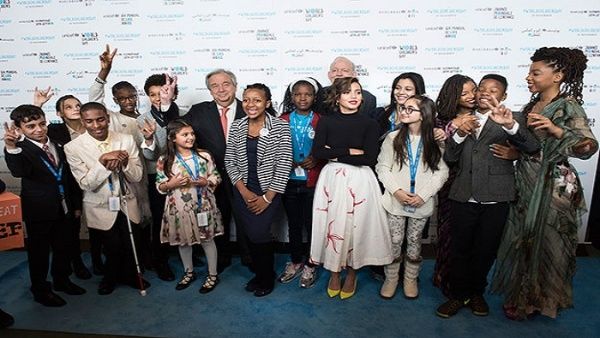
La sede de la Organización de Naciones Unidas (ONU) fue apoderada este lunes por más de 150 niños. El objetivo: dar voz a los millones de menores de edad en el mundo que viven en países en guerra y no tienen acceso a la educación, alimentos y atención médica.
«Nuestro país no es seguro para los niños», expresaron Nance, de 10 años, y Basel, de 12, quienes tuvieron que huir de Siria junto a su familia, debido a la guerra en ese país, donde han fallecido entre 320.000 y 450.000 personas, mientras que cinco millones se fueron para vivir como refugiados en otras naciones.
El evento se realizó a propósito del Día Mundial de los Niños y fue organizado por Unicef, que en un informe reveló que 180 millones de menores, 1 de cada 12, tienen más posibilidades de vivir en la pobreza o de morir de forma violenta que sus padres cuando eran niños.
Basel detalló que en 2015 supo que su familia se mudaba a Canadá y admitió que le daba miedo «porque Canadá parecía muy lejano». Actualmente, afirma estar orgulloso de ser sirio y canadiense.
Por su parte, Nance sólo tenía 4 años cuando salió de Damasco hacia Jordania. Hace un año llegó a Estados Unidos (EE.UU.), donde está feliz con su nueva casa, amigos y su escuela.
Para ambos la seguridad se tradujo en felicidad, «pero nunca nos olvidaremos de los 6 millones de niños que todavía se ven afectados por la guerra en Siria», aseveraron.
El 20 de noviembre es el Día Universal del Niño, aniversario de una Declaración histórica que ilumina el camino para protegerlos.
Emmanuel Elisha Ford es ciego de nacimiento y tiene problemas de movilidad. Su demanda desde la ONU fue que todos los niños con discapacidad tengan la mismas oportunidades.
Entre los presentadores del evento estaban los niños actores, Jaden Michel (de origen dominicano) y la española Dafne Keen, quienes alzaron su voz a favor de los niños que son olvidados en las guerras.
«Ahora mismo hay niños en el mundo que se sienten olvidados, sin esperanza, sin ayuda. Este asiento dirá a mi generación que somos importantes para el mundo porque somos importantes para ti», dijo Jaden.
Keen, de 12 años, dijo que como secretaria general de la ONU «lo primero que haría para los niños sería, cada vez que la gente piensa en empezar otra guerra, pensar que los niños no son de otro bando, son los afectados, pero no son nuestros enemigos».
Actriz española Dafne Keen fue una de las presentadoras del evento. | Foto: ONU
Sobre los refugiados que llegan a Europa proveniente de países en conflicto, la actriz añadió: «Me parece fatal porque lo que están haciendo es dejar a niños y gente sin hogar y creo que todo el mundo tiene derecho a un hogar, a amor y a paz».
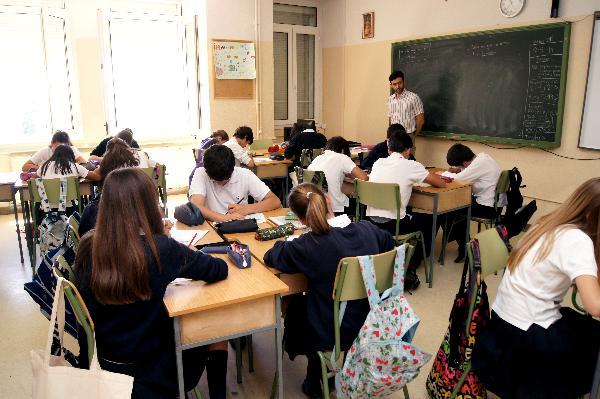
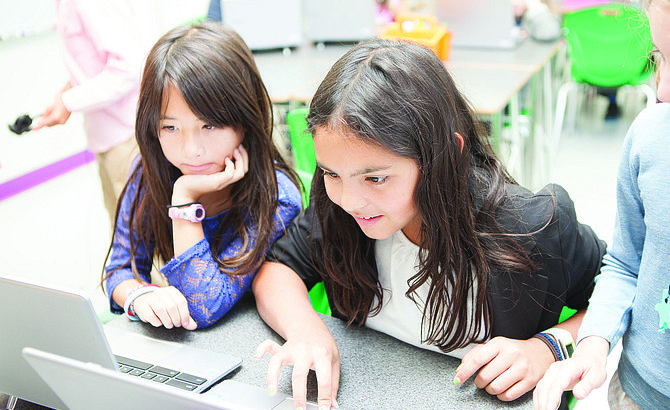
Así se desprende de los resultados del estudio PISA 2015, el quinto volumen presentado, que tiene que ver con la competencia innovadora de esta edición, la resolución colaborativa de problemas.
España (496) tiene una puntuación media en el entorno del promedio OCDE (500), en el mismo rango que Francia (494), Portugal (498), República Checa (499), Islandia (499) y Bélgica (501) y dentro del nivel intermedio, como la mayoría de los países.
En el conjunto de países OCDE, el 8% de los alumnos presentan un alto rendimiento en resolución colaborativa de problemas, lo que se traduce en que son capaces de gestionar dinámicas de grupo, asegurar que los miembros del equipo actúan de acuerdo con el rol asignado, resolver desacuerdos, identificar vías eficaces y supervisar el progreso hacia una solución.
Menos alumnos rezagados en España
De los datos, también hay que valorar que la proporción de estudiantes rezagados en España (4,4%) se encuentra por debajo de la media OCDE y del total UE (6%), es decir una proporción similar a la de países como Noruega, Eslovenia, Australia, Reino Unido, Nueva Zelanda y Alemania.
En el rendimiento medio de la resolución colaborativa de problemas, se incluyen tres subcompetencias, en torno a una comprensión mutua, medidas adecuadas para la resolución de problemas y mantener la organización del equipo.
A este respecto, hay que señalar que en la mayoría de los países, como ocurre en otras competencias evaluadas por PISA, los alumnos de padres nativos logran puntuaciones medias significativamente más altas que los de padres inmigrantes, en especial en relación con los alumnos inmigrantes de primera generación.
La situación en España respecto a los resultados de inmigrantes y no inmigrantes es similar a la del conjunto OCDE, si bien es algo menor la diferencia entre las puntuaciones medias entre los nativos y los inmigrantes de primera y segunda generación.
Alumnos que disfrutan con la cooperación
Tanto en España como en el conjunto de los países de la OCDE, una gran mayoría de los alumnos participantes (86%) se muestran muy de acuerdo con afirmaciones relacionadas con el “disfrute de la cooperación”, y esta tendencia es especialmente acusada entre las chicas.
Por último, hay que señalar también que una mayor dependencia de las Tecnologías de la Información y la Comunicación parece reducir el tiempo que los alumnos emplean en interactuar y cooperar con los demás. Los alumnos españoles muestran un rendimiento dentro de lo esperado para su valor del índice calculado de dependencia de las TIC (0,14).
El 20% de los alumnos de la escuela primaria de Maiduguri, noreste de Nigeria, son huérfanos de combatientes de Boko Haram y el 80%, de sus víctimas.
Hauwa Modu, de 11 años, vio cómo Boko Haram decapitaba a su padre y cómo su madre embarazada murió en la larga huida a pie hacia Maiduguri.
La guerra contra Boko Haram ha dejado 20.000 muertos, 2,6 millones de desplazados y miles de secuestrados.
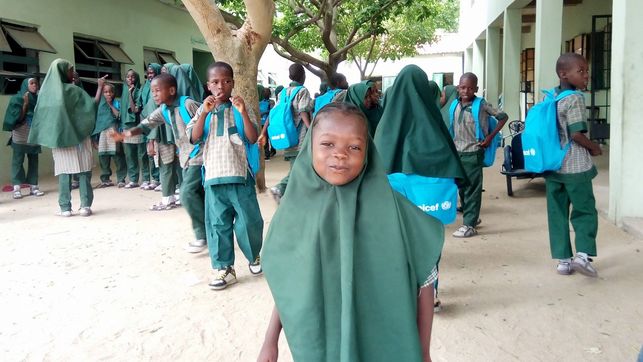
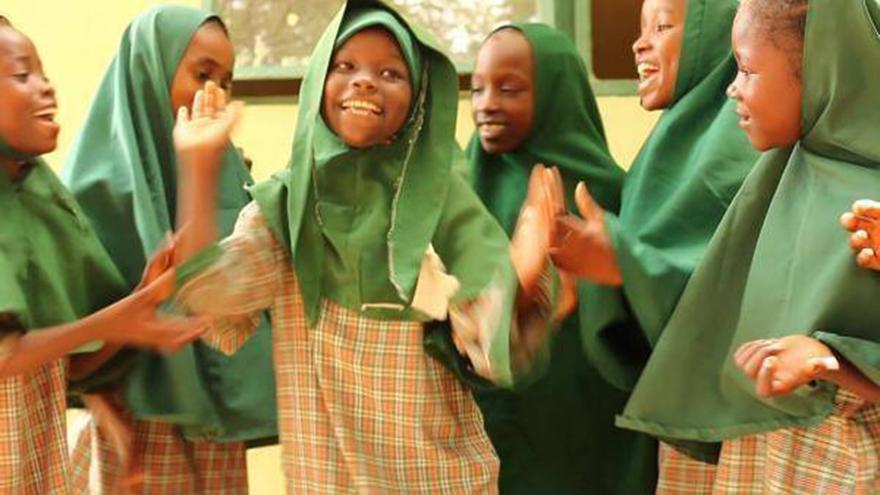
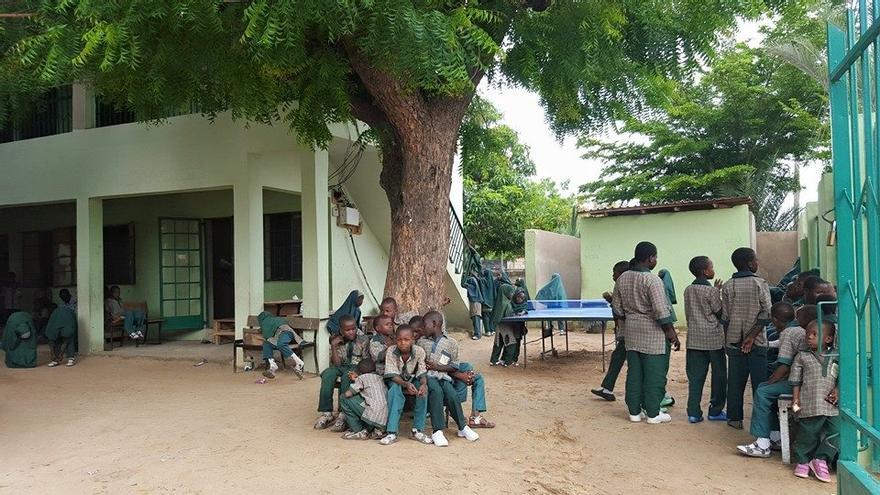
Es una clase insólita. Un compañerismo inesperado. Un grupo de huérfanos, todos uniformados, da la bienvenida a una visita a su pequeña escuela primaria del noreste de Nigeria durante la clase de plástica.
Algunos son los hijos de combatientes de Boko Haram. Otros, los hijos de sus víctimas. “Buenos días”, corean en hausa los estudiantes de ocho años. La luz resplandeciente de la mañana atraviesa la ventana. “¡Bienvenido!”.
En la Escuela Proezas del Futuro, la palabra “bienvenido” tiene una carga especial. En el noreste de Nigeria, los hijos de los combatientes muertos de Boko Haram, el grupo yihadista que aún controla partes de la región, a menudo son temidos y estigmatizados por buena parte de la población civil.
Pero esta escuela es diferente. Da la bienvenida y acoge públicamente tanto a los huérfanos de yihadistas como a los hijos de los civiles y soldados asesinados por la organización terrorista. Escondida en una tranquila callejuela de Maiduguri, la capital de la región, la escuela tiene 450 estudiantes: el 20% de Boko Haram y el 80% de sus víctimas.
De acuerdo con los propios estudiantes, se trata de un modelo de cohesión extraño. Fuera, en el patio del recreo, Hauwa Modu, de 11 años, explica cómo los combatientes de Boko Haram decapitaron a su padre delante de ella y cómo su madre embarazada murió en la larga huida a pie hacia Maiduguri.
Pero, una vez en clase, todo esto queda olvidado, cuenta Hauwa. “Todos vivimos y aprendemos juntos”, explica. “No hay diferencias entre nosotros”.
Fuera de las paredes de la escuela, este tipo de integración es más difícil de encontrar. Las mujeres rescatadas de las manos de Boko Haram han denunciado en ocasiones haber sido rechazadas por sus familias y comunidades, que temen que hayan sido radicalizadas durante su secuestro. Por su parte, también se acusa a los hijos de Boko Haram de heredar el extremismo de sus progenitores. Incluso la novia de un combatiente de la organización terrorista se negó al principio a criar a su bebé recién nacido, temiendo que con el tiempo se convirtiese en un insurgente.
Proezas del Futuro intenta precisamente cambiar este tipo de actitudes. Fundada en 2008 por un reconocido abogado, Zannah Mustapha, en sus inicios la escuela no tenía una misión política. Sin embargo, en 2009 Mustapha se dio cuenta que la guerra contra Boko Haram — que ha dejado 20.000 muertos, 2,6 millones de desplazados y miles de secuestrados— estaba rompiendo los vínculos sociales en el noreste de Nigeria. “Ahí fue cuando se nos ocurrió poner a los hijos de Boko Haram, de las fuerzas de seguridad y de la comunidad local en la misma escuela”, señala Mustapha.
Aprincipio la escuela fue criticada. Suleiman Aliyu, el director, recuerda cómo los detractores afirmaban: “Estos son los hijos de Boko Haram, ¿por qué deberíamos admitirlos?”. Pero nosotros decimos: “¿Deberíamos permitir a estos niños seguir el camino de sus padres? La respuesta es no. Si los estigmatizas estás creando más problemas, pero si les muestras amor, esos niños cambiarán, incluso si tienen esa misma mentalidad [extremista]”.
Para crear este ambiente positivo todo el personal tiene que matricular a sus hijos y así “mostrar el compromiso con la escuela”, explica Aliyu. Muchas de las madres de los estudiantes siguen vivas y se las anima a participar en una asociación de padres cuyos miembros tienen poder de decisión en la dirección de la escuela. Es una estructura que refuerza la cohesión, indica Mustapha.
“ Todas las viudas son parte de la escuela”, señala. “Las viudas de terroristas de Boko Haram y el resto trabajan juntas y así sienten que son parte de una misma comunidad. Ni siquiera saben que es la misma gente que mató a su marido”.
La escuela también ofrece terapia psicológica a las madres y a los hijos para que puedan aceptar y reconciliarse con sus terribles experiencias pasadas. “Hay muchos niños aquí que han presenciado el asesinato de sus madres y padres”, cuenta Aliyu. “Hay madres que han visto cómo asesinaban a sus maridos o, incluso, a sus hijos. Están traumatizadas y les decimos que nos dejen invitar a un especialista”, añade.
De vuelta en el patio del recreo, el sistema parece funcionar. Ibrahim Garwa, de 12 años, todavía recuerda el día que mataron a su padre de un disparo cuando estaba sentado en el jardín de casa. Pero Ibrahim no se lo recrimina a ninguno de sus compañeros de clase que, por capricho del destino, nacieron en el grupo que asesinó a su padre.
“ No hay problema”, cuenta Ibrahim. “Sabemos quién es quién, pero lo hacemos todo juntos. Lo que sus padres estaban haciendo no está bien y por eso es tan importante que tengan una educación diferente”, sentencia.
Un día al año, en Corea del Sur, la gente entra al trabajo más tarde, el mercado de valores abre con retraso y los aviones tienen prohibido despegar o aterrizar.
Es como si todo el país se detuviera bruscamente.
Es el día de la Prueba de Habilidad Escolar Universitaria (CSAT, por sus siglas en inglés).
El CSAT de este año se programó para el 16 de noviembre, sin embargo se pospuso durante una semana debido al terremoto de magnitud 5,4 que sacudió la región costera del sudeste del país y la ciudad de Pohang.
Fue la primera vez que la fecha de la prueba se alteraba debido a un desastre natural.
La decisión vino del Ministerio de Educación, preocupado por la seguridad de los estudiantes y para mantener condiciones justas en la prueba.
Sin embargo, incluso sin una variable importante como el terremoto, la cantidad de esfuerzo que el gobierno coreano invierte para garantizar el buen desarrollo de la prueba es inmensa.
Derechos de autor de la imagenAFP
Image captionEs considerado el examen que «define la vida» de los estudiantes.
No es solo el Ministerio de Educación el que se involucra, la mayoría de los organismos gubernamentales participan.
Entre ellos ministerios como el de Infraestructura y Transporte Terrestre, el de Justicia o el del Interior y Seguridad.
Incluso empresas del sector privado, junto con la Bolsa de Valores de Corea y la Federación de Bancos de Corea se unen al esfuerzo.
Define tu vida
¿Por qué un país pone tanta relevancia a un examen?
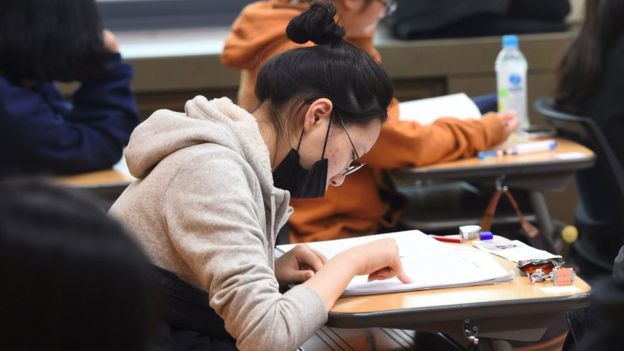
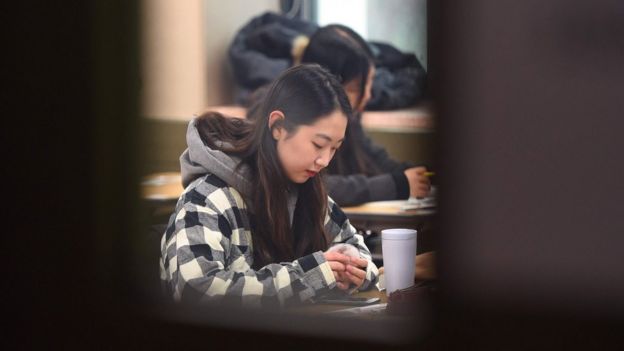
El CSAT es una de las pruebas estandarizadas más rigurosas del mundo y permite a los estudiantes acceder a las principales universidades del país, lo que a menudo conduce a mejores oportunidades de empleo.
Es considerado en Corea del Sur «el examen para determinar tu vida«.
Sin embargo, no es solo el valor simbólico de la prueba lo que mantiene a todos en apuros.
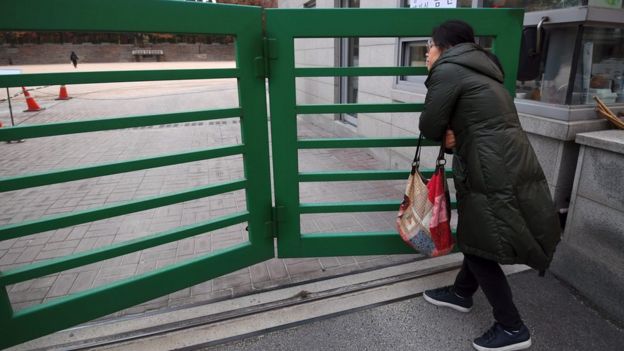
Derechos de autor de la imagenAFPImage captionLos padres suelen acompañar a los estudiantes, pero no pueden ingresar a los centros de examen.
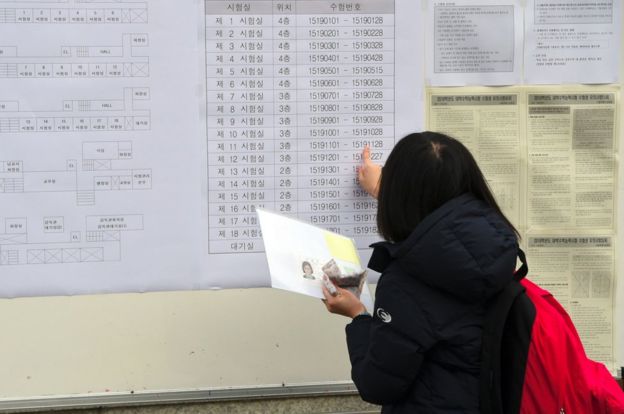
Este 23 de noviembre, la nueva fecha del examen, más de 59.000 estudiantes acudieron a 1.180 centros de estudios en todo el país.
La dimensión de este examen exige una preparación completa como la que realizan las instituciones surcoreanas.
Vuelos restringidos
Una de las medidas más extremas para que las condiciones de la prueba sean ideales es restringir todo despegue y aterrizaje que no sea de emergencia.
La restricción estuvo en vigencia durante aproximadamente 35 minutos, mientras se realizó la prueba de audición en inglés.
Esto fue para asegurar que los estudiantes escuchen sin problemas el discurso en inglés grabado que se reprodujo un número exacto de veces en todo el país.
Para este año, el Ministerio de Infraestructura y Transporte Terrestre fue el que dispuso la restricción para despegues y aterrizajes.
Además, los aviones en mitad de vuelo son controlados en sus recorridos y no pueden bajar a menos de 3.000 m de altitud.
Derechos de autor de la imagenEPA
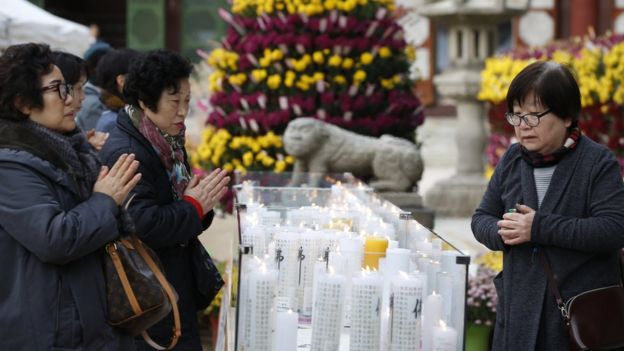
Image captionLa relevancia del examen es tal que los familiares rezan por el éxito de los estudiantes.
62 vuelos nacionales y 36 vuelos internacionales fueron afectados.
Estas restricciones son anunciadas internacionalmente a través de la Administración Federal de Aviación.
Los examinadores están bloqueados
Cada año, cientos de miembros del personal de examinadores, desde los que escribieron y revisaron la prueba hasta el personal administrativo, literalmente son encerrados en un lugar no revelado.
Esta medida, aparentemente excesiva, es para evitar filtraciones.
Una vez que están en el lugar definido quedan completamente bloqueados, sin comunicación con el exterior.
No pueden abandonar las instalaciones excepto en circunstancias de gran emergencia como una muerte en la familia inmediata.
Incluso en ese caso, la «liberación condicional» tiene un límite de tiempo y el examinador siempre debe estar acompañado por agentes de seguridad.
Derechos de autor de la imagenAFPImage captionEste año la prueba se debió haber realizado el 16 de noviembre pero fue pospuesta.
Este año más de 700 personas fueron aisladas desde el 13 de octubre.
Se suponía que serían liberados el 16 de noviembre, pero debido al retraso su periodo de encierro se prolongó unos días.
Esto significa que no han tenido contacto con el mundo exterior desde entonces salvo, claro, la notificación de la extensión del tiempo de aislamiento.
Operación especial: transporte de estudiantes
Ninguna emergencia permite a los estudiantes tomar el CSAT después de la fecha y hora establecida ya que la información de la prueba se publica una vez comienza.
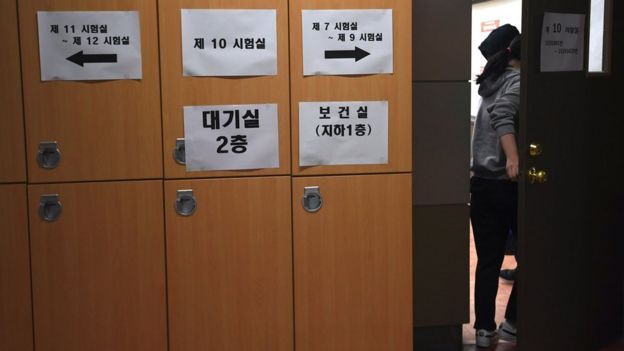
Esto significa que los estudiantes deben llegar a tiempo antes de que la puerta se cierre definitivamente.
Cada año se despliegan decenas de miles de policías y bomberos para minimizar cualquier incidente inesperado y que tanto los estudiantes como el material del examen lleguen a tiempo a los centros de prueba.
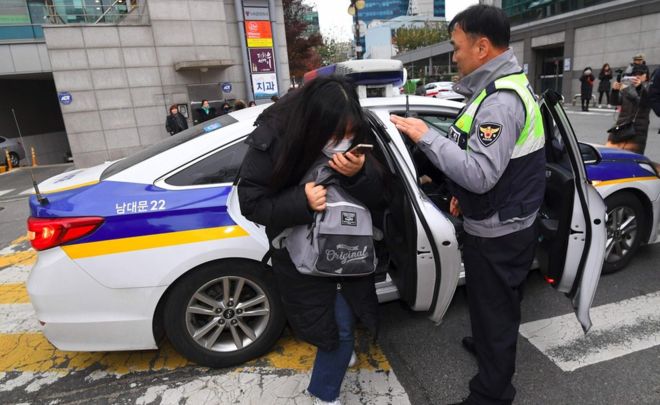
De hecho, los policías de tránsito proporcionan servicios de transporte a los estudiantes que puedan estar perdidos o confundidos con las direcciones en la mañana de la prueba.
La imagen de un estudiante trasladado dentro de un automóvil policial a la ubicación del lugar del examen a toda velocidad es un espectáculo anual.
Derechos de autor de la imagenAFPImage captionNinguna emergencia permite a los estudiantes volver a tomar el CSAT después de la fecha y hora establecida ya que la información de la prueba se publica una vez comienza.
Este año, la Agencia de la Policía Nacional de Corea del Sur desplegó especialmente 18.018 agentes de policía en todo el país para estas labores.
Se ubican en lugares alrededor de los centros de exámenes y en las rutas usuales que toman los estudiantes.
Además, la policía activó un sistema de comunicación de emergencia y se ordenó a las fuerzas de ataque estar alertas ante cualquier incidente.
En las áreas afectadas por el terremoto se desplegaron más policías ante cualquier posible temblor.
El Departamento de Bomberos también desplegó cientos de camiones y vehículos de emergencia para proporcionar transporte y seguridad a los estudiantes.
Los transportes públicos también se han expandido.
Derechos de autor de la imagenAFPImage captionUna vez se cierra la puerta, nadie puede ingresar ni tomar el examen después.
El ayuntamiento de Seúl anunció que habrá más trenes y autobuses por más tiempo para asegurarse de que los estudiantes lleguen a sus centros de exámenes a tiempo.
Se han movilizado más taxis y cientos de vehículos gubernamentales y privados han sido comisionados para estacionarse cerca de los principales puntos de transporte público para trasladar a estudiantes.
Los mercados de valores, los bancos y las empresas privadas toman un respiro
Incluso el mercado financiero, donde 1 segundo podría hacer una diferencia de millones de dólares de ingresos, toma un descanso por el examen.
La Bolsa de Valores de Corea del Sur anunció que el mercado bursátil, donde se comercializan billones de dólares, abre una hora más tarde para evitar cualquier posible perturbación en el viaje de los estudiantes.
Asimismo, la Federación de Bancos de Corea previó «un aumento considerable en la demanda de transporte debido a estudiantes, supervisores y padres» y modificó su horario de atención.
Muchas empresas del sector privado también han retrasado el horario de ingreso de su personal.
Todo en atención a una solicitud del Ministerio de Educación.
Estados Unidos/23 noviembre 2017/Fuente: El Tiempo Latino
Scott Pearson, Director Ejecutivo de las Escuelas Públicas Chárter en DC habla sobre esta opción académica.
Durante este año escolar 2017-2018, el 46.1 por ciento de los estudiantes del Distrito de Columbia están enrolados en escuelas chárter.
Aunque muchos de estos alumnos son de origen latino, todavía hay familias de esta comunidad que no que conocen esta opción académica.
Según el Departamento de Educación de los Estados Unidos, las escuelas chárter son escuelas públicas independientes creadas y dirigidas por padres, educadores, líderes comunitarios, empresarios de educación y otros dirigentes.
“Es importante enfatizar que las escuelas chárter son independientes. Esto significa dos cosas: que no cuesta nada matricularse y que aceptan a todos los que aplican. Si hay más aplicaciones que espacios disponibles, se comienza a usar un sistema de lotería para aceptar a estudiantes”, expresó Scott Pearson, Director Ejecutivo de las Escuelas Públicas Chárter del Distrito de Columbia (DCPCSB, por sus siglas en inglés), en una entrevista con El Tiempo Latino el lunes 12 de noviembre.
“Como cada escuela tiene su propia junta directiva sin fines de lucro, cada una tiene la libertad de diseñar programas con todo tipo de diferentes filosofías que no se ven en otros sistemas escolares”, agregó Pearson, quien también explicó sobre las diferentes alternativas.
“Hay seis escuelas bilingües. Algunas se enfocan en un solo tema. Algunas escuelas son muy estrictas mientras que otras son más flexibles. Algunas de las escuelas se enfocan en la preparación para la universidad y otras entrenan a los estudiantes para ingresar al mercado laboral. Todas estas opciones crean una gran variedad que le da a los padres una buena oportunidad para elegir”, aseguró.
Debido a este fuerte movimiento en el mundo de las escuelas públicas chárter, DC se ha convertido en un líder nacional como generador de más oportunidades educacionales, elevando el rendimiento académico para una población estudiantil diversa y vibrante. Sin embargo, falta mucho por hacer y, en algunos casos, rectificar.
“La independencia que tienen las escuelas chárter también les ayuda cuando las cosas no van funcionando. Ellas pueden cambiar su manera de funcionar rápidamente y reaccionar a lo que no esté funcionando”, explicó Pearson.
Este año académico hay 66 organizaciones sin fines de lucro que administran a 120 escuelas chárter en el Distrito de Columbia.
La expansión y experimentación de las escuelas arrojan datos alentadores. Según la Junta de las Escuelas Públicas Chárter del Distrito de Columbia (DCPCSB), la tasa de graduación de las escuelas chárter fue de 73.4%.
“Aunque estamos contentos que la cifra de graduandos sigue aumentando, no estamos satisfechos con esos resultados. Queremos que todos los estudiantes se gradúen. A la misma vez entendemos que es importante que la graduación tenga un significado. Las escuelas son rigurosas, así que graduarse de ellas sí significa algo”, subrayó Pearson.
Con la variedad de opciones y programas que estas escuelas ofrecen, más y más familias están inscribiendo a sus hijos. “Estamos viendo más y más estudiantes latinos, pero uno de nuestros retos con los estudiantes recién llegados es informarles que las escuelas chárter son públicas y que sí son una opción para ellos. Una gran cantidad de nuestras escuelas tienen programas de inglés como segunda lengua (ESOL)”, apuntó Pearson, quien concluyó enviando un mensaje a las familias para que se decidan a explorar las opciones académicas en las escuelas chárter. “Les diría a los padres latinos que hay muchas opciones buenas. Deberían explorar todas las escuelas a través de la ciudad. Deben de saber que, aunque una escuela no esté en su vecindario, aún tiene el derecho de aplicar a ella”, concluyó.
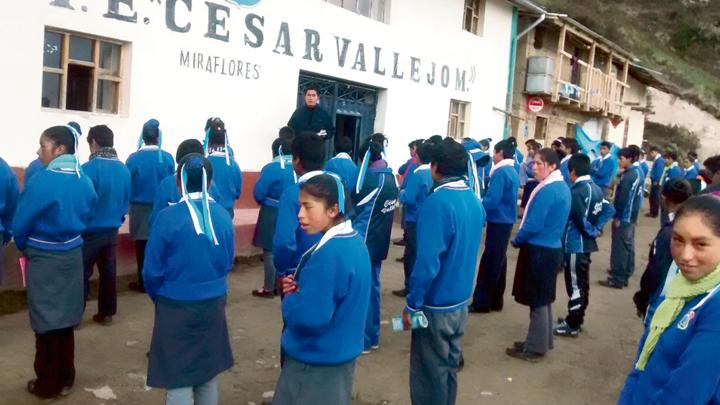
En el Perú, menos del 10% de la población pobre accede al servicio educativo luego de culminar la secundaria, mientras que en el sector de mayores recursos lo logra más de la mitad. Así lo señala el Informe de Seguimiento de la Educación en el Mundo 2017/8, que hoy presenta la Organización de las Naciones Unidas para la Educación, la Ciencia y la Cultura (Unesco) en el país.
Este estudio internacional, que recogió información oficial de 193 países de las Naciones Unidas, incluido el Perú, evidenció la amplia brecha en el acceso a la educación postsecundaria, sea universitaria o técnica, vinculada a las condiciones socioeconómicas.
«Existen variables como la ubicación de la vivienda, las brechas entre las zonas rural y urbana, la población originaria y mestiza. Existe un enfoque de inequidad en cuanto a las oportunidades de la educación en general», sostiene la representante de Unesco en Perú, Magaly Robalino.
Otros factores que también influyen son la incorporación temprana al mundo laboral y el embarazo adolescente, el cual es una de las razones más importantes por las que las estudiantes abandonan sus estudios. «No solo falta estrategias pedagógicas, sino formativas en Educación Sexual Integral y soporte afectivo», manifiesta.
Agrega que en la educación secundaria y superior las diferencias son mayores que en la primaria, donde el acceso supera el 90%, aunque también exista una brecha.
En ese sentido, la representante de Unesco considera necesario priorizar la zona rural, la población con discapacidad y la originaria, así como mejorar la inversión en preparación docente. «Hay que darle un enfoque intersectorial. Se necesita intervenciones fuertes en educación, pero también en cultura, economía y trabajo».
Lanzamiento
Unesco. El informe «Rendir cuentas en el ámbito de la educación: cumplir nuestros compromisos» se presenta hoy en el Ministerio de Cultura. Participará el ministro de Educación, Idel Vexler. Se reportarán los avances de los estados asociados.
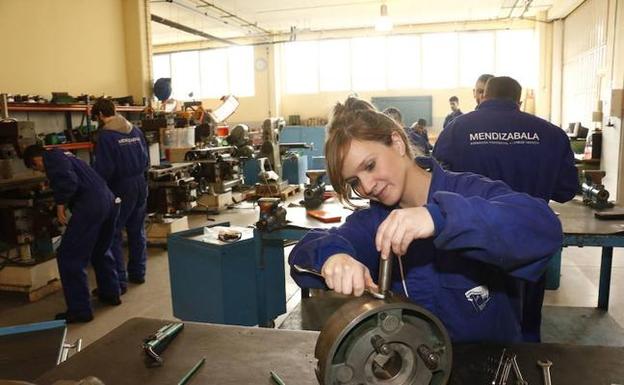
En el marco de la Semana Europea de la Formación Profesional que comenzó ayer en Bruselas, la Comisión Europea reconoce nuevamente la excelencia de la Formación Profesional vasca. Tanto las instancias europeas como los representantes europeos de la FP, han elegido al viceconsejero del Gobierno Vasco, Jorge Arévalo, para definir las claves de la futura política europea en este tipo de educación.
En el acto de clausura del próximo viernes, y con la presencia de la comisaría Europea de Empleo y otras personalidades del ámbito de la educación y el empleo, Arévalo será el encargado de aportar la visión estratégica con respecto a la FP y su excelencia a través de un vídeo-mensaje que ha sido traducido a los 24 idiomas oficiales de la Unión Europea.
Cuando el director general de Empleo, Políticas Sociales e Inclusión de la Comisión Europea, Joao Santos, comunicó a Arévalo la tarea que le encomendaba, le señaló que la lista de posibles oradores estaba encabezada por el viceconsejero vasco y por el primer ministro holandés, «por su activo papel en la educación», porque a pesar de sus deberes gubernamentales en los Países Bajos sigue siendo profesor de un centro de FP. Finalmente se optó por el País Vasco «debido a su visión estratégica con respecto a la FP, su capacidad de trasladar los complejos desafíos globales en respuestas concretas que la FP debe aportar para apoyar a las personas y las empresas, y prosperar en un mundo tan complejo».
La aportación vasca a los desafíos de la política europea de la FP es una contribución igualmente a la Agenda de la educación para el 2025 que el presidente Juncker presentó la semana pasada, y que se debatió en el Foro Social Europeo. Los representantes de la UE acordaron en este foro impulsar y reforzar la agenda educativa y cultural en las prioridades europeas y en la agenda del futuro de la UE hacia el 2025.
OtrasVocesenEducacion.org existe gracias al esfuerzo voluntario e independiente de un pequeño grupo de docentes que decidimos soñar con un espacio abierto de intercambio y debate.
¡Ayúdanos a mantener abiertas las puertas de esta aula!

http://bit.ly/ONUDiaNiños201117 …





 Users Today : 387
 Total Users : 35522742
 Views Today : 1508
 Total views : 3733341