“En caso de accidente nuclear nacen por doquier criterios elevados al rango de «cuestiones de estado», siempre antepuestos al ámbito, salud e intereses de los afectados”
José Herrera Plaza (Almería, 1955) cursó estudios de Economía en la Universidad de Valencia. Técnico Superior en Imagen y sonido, trabaja actualmente como cámara operador, en Canal Sur TV. Desde 1985 ha seguido de cerca todo lo relacionado con el accidente nuclear de Palomares. En 2003 fue coautor y coorganizador del libro y exposición en el Centro Andaluz de Fotografía ”Operación Flecha Rota. Accidente nuclear en Palomares”. Posteriormente dirigió el largometraje documental homónimo (2007).
Estábamos en el capítulo VI, “El proyecto Indalo”, cuando señalas que en 1968 se expuso por primera vez ante público especializado lo sucedido en Palomares. ¿Dónde fue? ¿Quiénes intervinieron hablando de lo sucedido en Palomares?
JH.- En la primavera de 1968 se celebró un simposio en Interlaken (Suiza) con el título de «Protección Radiológica del público en caso de una catástrofe nuclear». La valiosa experiencia adquirida por la JEN en Palomares dio para dos ponencias de los responsables españoles, una del Dr. Eduardo Ramos y otra del que estaría 15 años a cargo del Proyecto Indalo, el farmacéutico Emilio Iranzo. Estos dos documentos tuvimos que conseguirlos en 2005 en los EEUU. Su gran importancia como fuente es que en estas intervenciones en el extranjero aportan y expresan lo que en España callan, a pesar de financiarse con fondos de todos los españoles. Por supuesto no se nombran los enterramientos, ni los altos índices dejados en la zona agrícola de la vega.
Luego, según explicas, hubo otro simposio en 1969. ¿Aportó alguna novedad respecto al tema?
JH.- Este otro se celebró en Viena bajo el patrocinio de la OIEA. Aquí no se vuelve con una descripción de las medidas de descontaminación. Se intenta determinar el riesgo a que ha estado (pretérito) sometida la población, cuando un año antes, en ese mismo momento y en los venideros, se seguían produciendo numerosos aerosoles con la resuspensión del plutonio, americio y uranio, tal como reconocería en 1984 el propio Iranzo en la reunión anual de la Health Physics Society Nueva Orleans.
Señalas también que, durante ese tiempo, se esta viajando continuamente a Palomares. ¿Quiénes son esos viajeros? ¿Con qué objetivos?
JH.- Los viajes son para la toma de muestras de los cultivos, pesca, ganado, flora silvestre muestreadores de aire y tierra, dentro del llamado Proyecto Indalo, para el estudio de la contaminación dejada voluntariamente en la zona. Todo para poder investigar el comportamiento de un gran desconocido como era, a mediados de los 60, el plutonio.
Hablas en este apartado de un accidente cuando se estaba trasvasando líquido radiactivo del reactor suizo Shapir. ¿Qué pasó?
JH.- En España estaba en marcha el «Proyecto Islero» que, entre otras finalidades, intentaba analizar las posibilidades de poseer armamento nuclear netamente nacional. Para ello era preciso conocer la praxis de la reelaboración de combustible gastado de las centrales para la producción de energía. No hacía mucho que se había construido en la JEN la planta caliente M-1. Un prototipo experimental de reelaboración de este material, con sus celdas calientes correspondientes. Ya se habían obtenido los primeros gramos de plutonio por medio de las barras gastadas del reactor JEN-1. En 1970 se estaba reprocesando el combustible del reactor suizo Saphir. Cuando se trasvasaban 157 l. de líquido radiactivo hubo una fuga que vertió 60 l. a la alcantarilla. De ahí paso al Manzanares, al Jarama y finalmente al Tajo, donde fue detectado en su desembocadura en un control rutinario. El líquido tenía altas proporciones de isótopos de cesio, estroncio y rutenio. El problema fue el uso del agua contaminada para los regadíos del Manzanares y Jarama. Gran parte de los productos agrícolas fueron comprados para su enterramiento en los aledaños de la JEN. Otra significativa fracción siguió los canales de comercialización hasta los consumidores. El secretismo fue aún más férreo que en Palomares. El futuro de las centrales en construcción o en proyecto estaba en juego. No existen documentos conocidos al respecto, por lo tanto no podemos evaluar con exactitud los comportamientos gubernamentales en toda catástrofe nuclear: el grado de minusvaloración y de negligencia en la radioprotección del público.
En nota, creo que es la 34, hablas de un libro titulado “Energía nuclear en España”. Dices que es un libro inédito. ¿Qué ha pasado? ¿Por qué no se ha editado?
JH.- Sí se editó, pero que yo sepa no se ha distribuido públicamente. El libro «Energía Nuclear de España. De la JEN al CIEMAT» es un magnífico libro que intentaba rellenar un hueco inadmisible de nuestra historiografía. Fue escrito por encargo del CIEMAT. La tarea se le encomendó a dos prestigiosos historiadores especializados en ciencia y tecnología: Romero de Pablos y Sanchez Ron. Al parecer, las descripciones, comentarios y valoraciones de algunos pasajes no fueron del agrado de los responsables del encargo. En vez de hacer constar el disenso por otros medios, fue sepultado en algún sótano, una vez impreso. Total, pagaban los españoles.
Te cito: “Vemos en este suceso, en el asunto que tratamos, y en la mayoría de los accidentes nucleares, unas similares e inmutables pautas en autoridades y organismos competentes, independientemente de la época, régimen político o cultura dominante” (p. 202). ¿Es así realmente? ¿Es independiente de todo eso que señalas? ¿Nos haces un resumen de esas pautas similares?
JH.- Puesto que este tema da para mucho, según nos refiramos a las valoraciones del suceso o de sus consecuencias a medio y largo plazo en personas y medioambiente, me centraré sinópticamente en las actitudes y valoraciones institucionales a corto plazo de cara a los afectados y opinión pública: a) Con el plausible objetivo de evitar el pánico colectivo se minimiza sin tope alguno lo sucedido. Se publicitan notas oficiales de la situación en las zonas contaminadas alejadas de la realidad. A los afectados únicamente se les repite el «no pasa nada», pero no se les forma, ni mucho menos informa, de los riesgos y de cuestiones básicas de radioprotección. b) A la hora de adoptar medidas de radioprotección de cara a los afectados, la evaluación de riesgos, las estrategias remediadoras, se ven influenciadas por todo lo anterior, o se anteponen los intereses políticos o militares, de la empresa afectada, sector, o las relaciones internacionales. En caso de accidente nuclear nacen por doquier criterios elevados al rango de «cuestiones de estado», siempre antepuestos al ámbito, salud e intereses de los afectados.
Esto puede servir como plantilla para cualquier accidente, llámense Islas Marshall, Palomares, Chernóbil, Fukushima y lo que pueda acontecer.
Hablas también de los problemas de importación, denunciado por E. Ramos, del nuevo CCE (Contador del cuerpo entero). ¿Qué pasó? ¿Qué problemas hubo? ¿Era importante este contador?
JH.- Por incomprensible que parezca, tuvieron problemas en la aduana, que mantuvo inmovilizado durante semanas el material. Ello a pesar que era equipo científico y para un organismo público.
El Contador de cuerpo entero era un sofisticado dispositivo de última generación que ambicionaba medir el plutonio en los pulmones de los vecinos a través de la débil radiación (gamma) que emite, durante un tiempo de 30-40 minutos mientras el paciente escucha música tumbado. Era un equipo ultrasensible que exigía un sofisticado blindaje y que muy pocos países tenían. De alguna manera se ofreció como la «estrella» del Proyecto Indalo. Tan grandes fueron las expectativas que suscitó como el fiasco de sus resultados.
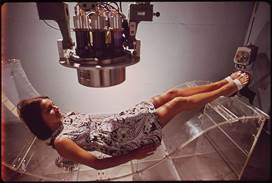
El contador de cuerpo entero, o contador de radiactividad corporal, fue la dotación material «estrella» que donaron los norteamericanos para el Proyecto Indalo. El modelo no funcionó correctamente para el plutonio por falta de sensibilidad. Las mediciones de otros radionucleidos, como el americio o uranio, jamás han salido a la luz. (Foto: NARA).
¿Quién fue el doctor Francisco de los Santos al que aludes en este apartado?
JH.- Fue el encargado de operar el Contador de cuerpo entero. Para ello se había tenido que desplazar varias veces a los EEUU. Posteriormente se le nombró responsable de las medidas de plutonio en la zona.
En la nota 48 habas de unas cartas entre W. Langham y E.J. Valerio. ¿De qué iban esas cartas? ¿Tenían interés?
JH.- Ya vimos en su momento que el Dr. Langham fue el autor intelectual de la descontaminación parcial en Palomares y de la investigación con las personas y el medioambiente en Proyecto Indalo. En esta carta que aludes, Langham hace su último viaje a Palomares antes de perder la vida en un accidente de aviación. Allí observa que las labores del Proyecto estaban paralizadas por la fuga de líquido radiactivo del reactor suizo Saphir. Casi la totalidad de los recursos de la División de Medicina y Protección se habían dedicado a la evaluación de la dispersión. La ayuda en efectivo y material estadounidense también se paralizó hasta la reanudación de los trabajos.
Comentas que la jubilación del doctor Eduardo Ramos generó un gran hueco. ¿Por qué? ¿Era tan importante su papel? ¿Quién le sustituyó?
JH.- Las personas consultadas que conocieron o trabajaron con el Dr. Eduardo Ramos, han coincidido en que era la persona más preparada en radioprotección. Independientemente de sus conocimientos, era un ser que generaba confianza y empatía en los vecinos de Palomares y Villaricos. Algo indispensable como interlocutor del organismo regulador con los afectados por el accidente.
¿De qué va la propuesta que en 1978 hicieron los científicos Dean, Richmond y Wachholz?
JH.- Estos científicos integraban el primer relevo generacional de científicos encargados de supervisar el Proyecto Indalo. Se dieron cuenta de los altísimos niveles de contaminación de la Zona 2, junto al cementerio. Constataron que se resuspendía el plutonio en aerosoles cuando soplaba viento superior a 20-30 km/h y ello suponía un incremento del riesgo de inhalación por parte de las personas y su contaminación interna. Con las evidencias, presentaron la propuesta de descontaminar esa zona y enterrar allí mismo la tierra, mientras los de la JEN mantenían silencio. Cualquier opción menos que ese plutonio estuviese a merced de los vientos. Es posible que desconocieran la existencia ya de dos fosas con 4.000 m3 de residuos. Como era de esperar, su propuesta caería en saco roto pues suponía contradecir la historia oficial. Ni en Madrid ni en Washington interesaba destapar la caja de los truenos, con otras dos zonas (la 3 y 6) con parecida situación. Además, ni a los políticos de esas dos capitales, ni a sus familias, les llegaban los aerosoles de Palomares. Habría que esperar 25 años para retornar a ese problema, evaluarlo y buscar posibles soluciones.
Comentas también que en 1986 la JEN se transformó en CIEMAT, un organismo que aún existe. ¿Qué relaciones tenía y tiene con el CSN? ¿Supuso algún avance organizativo? ¿Todo empezó entonces a moverse como señala Teresa Mendizábal, la que fuera directora de Medioambiente y Secretaria General del CIEMAT?
JH.- El Consejo de Seguridad Nacional llevaba 6 años cuando la JEN pasa a denominarse CIEMAT. Para evitar malentendidos y duplicidades quedan asignadas al CIEMAT las labores de evaluación y ejecución de los programas, con la remisión de informes al CSN, mientras que este ejerce un rol decisorio.
Evidentemente aquello fue algo más profundo que un cambio de siglas o de remodelación orgánica. A partir de ahora se remiten al CSN y al Depto. de Energía norteamericano un informe semestral sobre el Proyecto Indalo. Las estrategias comienzan a diseñarlas personas distintas a las que colectan y analizan los datos.
¿Qué trabajo publicó el CIEMAT en la prestigiosa revista científica Health Physic?
JH.- Desde inicios del Proyecto Indalo, el Dr. Langham y sus sucesores instaron a los miembros de la JEN a publicar en revistas científicas para el incremento en el conocimiento del desconocido plutonio en un medio agrícola habitado. Pero Emilio Iranzo era renuente, supuestamente amparado en la voluntad política. No deseaba que se conociera la realidad de lo que habían dejado los norteamericanos. Lo que llama poderosamente la atención es que su actitud es mucho más cerrada que la de sus pares, que fueron los causantes, aunque con el silencio cómplice de personas como él. Tras años donde los únicos datos que salieron de la JEN fue en congresos y simposios de personal especializado, cerrado al público, la prestigiosa revista Health Physic les publicó un artículo en 1987.
También se jubiló tiempo después alguien que estuvo muy relacionado con el accidente, Emilio Iranzo. ¿Qué balance puede hacerse de su trabajo en este tema?
JH.- Los 15 años aproximadamente que está el farmacéutico Emilio Iranzo al frente del Proyecto Indalo por parte española, constituyen un periodo variable, para nada fácil, que se ve influenciado negativamente por los cambios administrativos, las indecisiones, moratorias e impagos por parte norteamericana y una falta de sistematización en los objetivos y estrategias de investigación por ambas partes. En España, la crisis del petróleo del 73 y la posterior inflación dispara los costes, lo que ocasiona que la aportación financiera española se incremente porcentualmente. Ahora van a ser los españoles, con sus impuestos, los que financien mayoritariamente un problema generado por los EEUU, con la humillante aquiescencia de las autoridades españolas.
Cito unas palabras de un informe de 1993: “No hay mejor oportunidad en cualquier parte del mundo para estudiar una población, en una sociedad altamente compleja con labores en agricultura intensiva, donde existe cerca contaminación de plutonio sin control gubernamental”. Se habla de Palomares. ¿Exageraban? ¿Convencieron a sus superiores?
JH.- El Proyecto Indalo sufrió muchos altibajos. En ocasiones la moral caía y las dudas sobre su continuidad aparecían. A diferencia de los españoles, ellos valoran mucho la investigación en todos los campos. Antes que un politicastro tome una decisión arbitraria sobre investigación y tecnología, como ha sucedido los últimos años en este país, analizan pormenorizadamente los pros y contras. El texto seleccionado, nada exagerado, es una versión de la reafirmación que ya hizo el Dr. Langham antes de su muerte y que fue efectiva para su prórroga. Junto con las Islas Marshall, Palomares ha sido uno de los dos mejores laboratorios vivos para investigar el plutonio, con la diferencia de que allí sí había control gubernamental. Hasta el nuevo milenio, aquí no; sencillamente porque no existía reconocimiento oficial del problema.
Hablas de una nueva etapa desde 1997. ¿Por qué nueva?
JH.- Pues porque se firma un nuevo acuerdo: el Proyecto de Anexo I, que supone un incremento de la seguridad jurídica, la continuidad de criterios a grandes rasgos, con especial énfasis en la reevaluación de plutonio y americio en las zonas aradas en 1966, las nuevas áreas cultivadas y aquellas que no se descontaminaron en su día. Además se realiza una auditoría de lo realizado hasta ahora, el Programa de Revisión de Palomares.
En el apartado 6.1.6, dedicado al “Coste”, ¿de qué costes hablas?
JH.- Desde el inicio se pudo calcular que el Proyecto Indalo iba a precisar unos recursos materiales y humanos significativos y constantes en el tiempo, pues era a largo plazo. Cuando le propusieron a los españoles iniciarlo, los norteamericanos hablaron enseguida de dinero en efectivo y todo tipo de equipos, pero muy cucos ellos, sin especificar montos ni plazos. La cuestión quedaba a su entera discrecionalidad. Los españoles picaron y ello les supuso soportar las incertidumbre en forma de numerosas moratorias, rebajas e incluso impagos. Otro de los muchos «Bienvenidos Mr. Marshall» padecidos en las relaciones bilaterales. Porcentualmente los EEUU comenzaron en los 60 haciéndose cargo del 75% aprox. de los gatos. En los años 70 únicamente pagaban la mitad y de los 90 hasta 2009, financiaban alrededor del 25%. Dieron la vuelta a la tortilla como auténticos prestidigitadores.
Te pregunto a continuación por el seguimiento radiológico de la tropa norteamericana si te parece.
Fuente: https://www.rebelion.org/noticia.php?id=217542
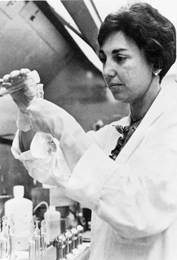
Imagen principal: Conchita Álvarez Ramis fue una de las primeras mujeres que trabajó en el Proyecto Indalo. Durante 9 años fue la que más se desplazó a Palomares para colectar muestras para su análisis. Descubrió en los caracoles el efecto bioacumulador del plutonio en la concha y vísceras. Aquí la vemos en el Laboratorio de Los Álamos. (Foto: The Atom).





 Users Today : 88
 Total Users : 35506835
 Views Today : 100
 Total views : 3633765