Page 60 of 102
1 58 59 60 61 62 102

Fiji: Students’ sacrifice

Oceanía/Fiji/Octubre de 2016/Autor: Luke Rawalai/Fuente: The Fiji Times on Line

RESUMEN: Algunos estudiantes en Fiji, se encuentran haciendo sacrificios para estudiar tales como los de la Escuela Distrito Kubulau en Bua. Esta semana, los estudiantes en el año 4 y 5 negocian sus aulas por tiendas de campaña para que los alumnos de los años 6 y 8 puedan sentarse para presentar sus exámenes nacionales.La escuela fue uno de los gravemente dañados por el severo ciclón tropical  Winston. Sin embargo, los estudiantes han regresado a sus aulas y sólo utilizan las tiendas de campaña para las asambleas escolares y reuniones. Ayer, los estudiantes desafiaron las condiciones calientes y húmedas, pero se consolaron con la promesa de que sus maestros  no permanecerían en las tiendas de campaña durante mucho tiempo. El administrador de la escuela, Tevita Malai afirmo: «Estamos esperando la ayuda del Gobierno y esperamos que se realice algo acerca de los trimestres escolares pronto»

MAKING sacrifices are what some students in Fiji, such as those in Kubulau District School in Bua are used to.

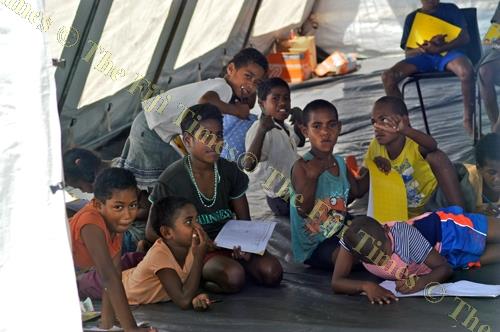
This week, students in Year 4 and 5 traded their classrooms for tents to allow students in Years 6 and 8 to sit for their national exams.

School manager Tevita Malai said they had to move the classes out to the tents to allow Years 8 and 6 students a proper environment to sit their examinations.

Mr Malai said the initial plans were to have the students remain in tents and sit for their exams, but the younger students and teachers agreed to sacrifice their classrooms to study in tents.

The school was one of those badly damaged by Severe Tropical Cyclone Winston. However, students have returned to their classrooms and only use the tents for school assemblies and gatherings.

Yesterday, students braved the hot and humid condition, but were comforted with their teachers’ promise they would not remain in the tents for long.

«Most of our teachers and their families continue to live in tents after they were moved out of the Kubulau Government Station where they stayed for a brief while after TC Winston,» Mr Malai said.

Mr Malai said he often felt for teachers and their families who had to spend the heat of the day and cold nights in the tents.

«We are awaiting Government assistance and we hope that something will be done about the school quarters soon,» he said.

During lunch, parents, teachers and students had a feast of fish and chicken.

Minister for Education Doctor Mahendra Reddy revealed a total of 4484 students were still studying under tents in schools around the country post-Severe TC Winston.

He also said the Severe TC Winston rehabilitation budget allocation would greatly assist in rebuilding and restoring essential services in the education sector.

Fuente: http://www.fijitimes.com/story.aspx?id=373495
Comparte este contenido:

Winston to lower Fiji school exam results, – teacher union

Oceanía/Fiji/Octubre de 2016/Fuente: RNZ

RESUMEN: El Secretario General FTU, Agni Deo Singh ha dado la noticia como consecuencias del ciclón que golpeó a Winston que  era de esperarse las clases interrumpidas y las aulas improvisadas. Singh dijo que puede haber alguna reducción en el porcentaje de pase. Se estima que unos 60.000 niños, tanto a nivel de la escuela primaria y secundaria se vieron afectados por el ciclón Winston con más de 200 escuelas que sufren algún daño. El ministro de Educación Mahendra Reddy ha pedido a los maestros, padres y tutores para apoyar a los estudiantes durante este periodo de exámenes.

FTU General Secretary Agni Deo Singh has told FBC News that this was to be expected given the disrupted classes and makeshift classrooms in the aftermath of Cyclone Winston which struck in February.

Mr Singh said there won’t be the quality of passes that would have been expected otherwise and there may be some reduction in the percentage pass.

An estimated 60,000 children at both the primary and secondary school level were affected by Cyclone Winston with over 200 schools experiencing some damage.

The education minister Mahendra Reddy has called on teachers, parents and guardians to support students during this exam period.

Fuente: http://www.radionz.co.nz/international/pacific-news/315018/winston-to-lower-fiji-school-exam-results,-teacher-union

Comparte este contenido:

150 students attend Australian counselling session

Oceanía/Australia/Octubre de 2016/Fuente: Muscat Daily

RESUMEN: El Organismo Australiano de Servicios de Educación Superior-StudyCo (AAHES-StudyCo) organizó una sesión de asesoramiento para los estudiantes en el Radisson Blu Hotel, el martes. Alrededor de 150 estudiantes asistieron al evento. La sesión tuvo como objetivo proporcionar a los estudiantes y los padres la oportunidad de reunirse con representantes de las principales universidades en Australia y ayudarles a adquirir una idea de los aspectos de estudios en el extranjero. Elizabeth Ipe, gerente, AAHES-StudyCo dijo: «Este evento es organizado por AAHES-StudyCo cada año y estudiantes de varios colegios asisten a ella. Se sabe proporcionar a los estudiantes de la asistencia de expertos en el estudio de sultanato en Australia durante más de una década. Nuestra empresa se basa en Melbourne, con oficinas en Australia. Nos aseguramos de que los estudiantes se admiten en cada paso de su viaje educativo.

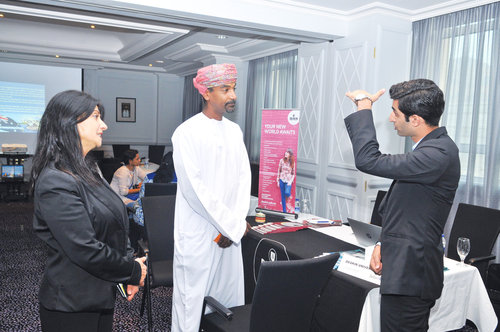
The Australian Agency for Higher Education Services-StudyCo (AAHES-StudyCo) hosted a counselling session for students at Radisson Blu Hotel, on Tuesday.

Around 150 students attended the event.

The session aimed to provide students and parents an opportunity to meet representatives from leading universities in Australia and help them gain insight into aspects of studying abroad.

Elizabeth Ipe, manager, AAHES-StudyCo said, “This event is organised by AAHES-StudyCo every year and students from various colleges attend it.

It is known to provide students from the sultanate expert assistance on studying in Australia for over a decade. Our company is based in Melbourne, with offices throughout Australia. We ensure that students are supported in every step of their educational journey.

“Over the last decade, we have been proud to assist ministries, schools and private companies and, most importantly students and parents, obtain information about the important and life-changing experience of studying abroad. All our recruitment services are completely free of charge.”

Hilal Izki, director of postgraduate scholarships from the Ministry of Higher Education said, “Australia is one of the best countries for students from Oman. It is also popular because of its environment and friendly people. Some of the world’s top universities are from Australia. It is also reasonable as compared to some European countries with quality of education.”

He added, “There are government representatives and consular general who personally look after the students and their welfare. Most of the students from Oman prefer Melbourne and Queensland.”

Fuente: http://www.muscatdaily.com/Archive/Oman/150-students-attend-Australian-counselling-session-4tug

Comparte este contenido:

Situation for Oceania pushed to «severe»

Oceania/radionz

Resumen:  Un nuevo informe de la agencia de ayuda de Caritas detalla una marcada reducción en las islas del Pacífico el acceso a alimentos nutritivos y agua potable durante el año pasado. La agencia dijo que la gente de toda la región habían sufrido de una sequía prolongada y un ciclón devastador, así como el aumento del nivel del mar y el uso excesivo de los recursos naturales. Caritas dijo que la mayoría de los afectados eran los indígenas, comunidades rurales aisladas, las mujeres y los niños.

Noticia:

A new report by the aid agency Caritas details a marked reduction in Pacific Islanders’ access to nutritious food and safe drinking water over the past year.

The agency said people across the region had suffered from an extended drought and a devastating cyclone as well as sea level rise and the overuse of natural resources.

Caritas said most of those affected were indigenous people, isolated rural communities, women and children.

The Director of Caritas Aotearoa New Zealand Julianne Hickey said the lack of adequate and nutritious food and safe water had impacted people’s health and children’s access to education.

«We heard of hunger, we heard of people who died as a result of that, of the hunger and the droughts and so our assessment particularly around food and water has increased to severe,» she said.

Ms Hickey said there needed to be a rethink of climate aid to help the Oceania region deal with climate change and environmental impacts.

She called for donor governments to rethink their approach in light of the severe food and water shortages.

Ms Hickey said the Australian and New Zealand governments had not made climate finance additional to other overseas development funding, which still fell short of international commitments.

«There are far too many communities who are needing to either move now or to adapt urgently their way of life and their lifestyles and no climate finance is reaching them so we call for governments to urgently assess how they can ensure that funding can get to those communities,» she said.

Caritas’ report «Hungry for Justice, Thirsty for Change» said New Zealand continues to overemphasise «maintaining infrastructure and business as usual», while Australia’s aid programme lacks a dedicated climate strategy.

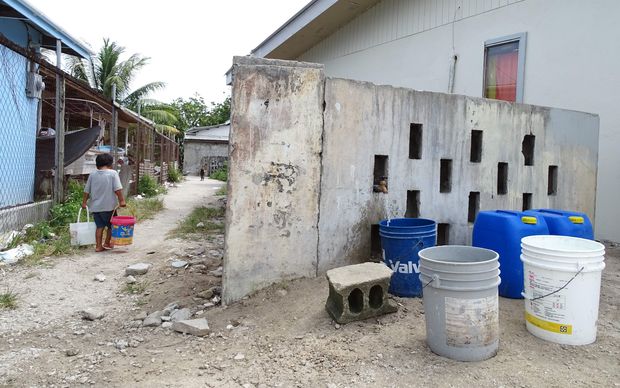
A young Majuro child carries fresh water in buckets to his house.

A young Majuro child carries fresh water in buckets to his house. Photo: Hilary Hosia

Fuente: http://www.radionz.co.nz/international/pacific-news/314815/situation-for-oceania-pushed-to-severe

Comparte este contenido:

Nueva Zelanda: Help us deal with violent students – teachers

Nueva Zelanda / 05 de octubre de 2016 / Fuente: http://www.radionz.co.nz/

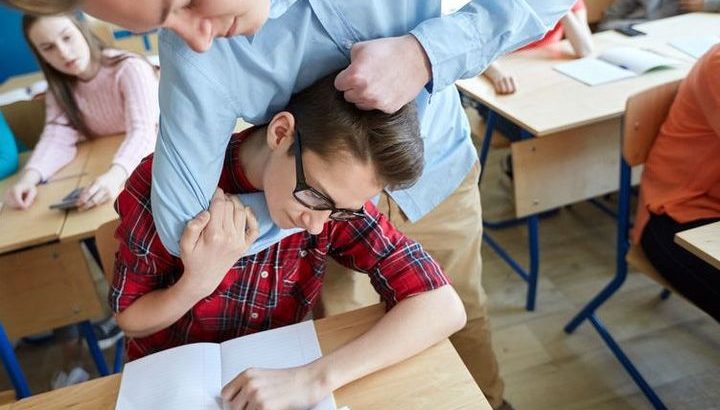
New guidelines to deal with violent students have been welcomed but secondary school teachers say more needs to be done.

Some want the legislation reviewed to give them more protection when dealing with violent incidents.

Guidelines are due to be released by the Ministry of Education in the next few weeks on how to manage the seclusion and restraint of violent students.

Secondary Principals Association executive member Patrick Walsh said teachers needed more protection when dealing with difficult, violent situations.

The two sets of guidelines due to be released next term were good, but teachers needed to feel confident when they intervened that they were doing the right thing, he said.

The current Education Act did not authorise teachers to use any physical restraint on students, Mr Walsh said.

«What a number of eductors are asking for is further protection unded the Education Act, which will actually authorise teachers to exercise restraint in those rare circumstances when they actually need to physically restrain students.»

In a statement, Education Ministry deputy secretary Kim Shannon said suspensions, stand-downs and exclusions from school had reached record lows.

Officials were looking into the possibility of additional statutory protections for teachers, but in the meantime, the new guidelines would give clear advice on how to deal with violent incidents, she said.

Fuente noticia: http://www.radionz.co.nz/news/national/314715/help-us-deal-with-violent-students-teachers

Comparte este contenido:

44ª Conferencia Anual de la Sociedad Oceanía Comparada y Educación Internacional (OCIES)

Oceanía/Australia/Novedades/ocies.org

La exploración de las brechas de equidad en la educación:
hacia la unidad, no  a la uniformidad

Resumen:

44ª Conferencia Anual de la
Oceanía comparativo y la Sociedad Internacional de la Educación (OCIES)

Lugar: Universidad de Sydney, 24-26 de noviembre de de 2016

Sobre la base de las exploraciones exitosas del año pasado de fortalecimiento de las relaciones dentro y fuera de Oceanía, el tema de la conferencia 2016 OCIES tiene como objetivo explorar la noción de las brechas de equidad en la educación a lo largo de los contextos locales, regionales y globales. Nuestro objetivo es consolidar la revitalización de nuestra sociedad regional que se inició con nuestro cambio de nombre el año pasado, al continuar para abarcar la diversidad de asuntos, intereses, perspectivas y contextos representados en Oceanía y más allá.

Brechas significan necesariamente una brecha, una grieta o un espacio entre las entidades;la conceptualización de la brecha en sí influye tanto los fines como los medios de la investigación y la acción, en cuanto a la forma en que podría ser superada, llena, o simplemente reconocidos en la investigación educativa, la política y la práctica.

¿Quién define las lagunas? ¿Quién está involucrado en la producción y reproducción de las lagunas? ¿Quién es el más afectado por las lagunas? Estas y otras preguntas sirven como indicaciones significativas, aunque a veces en competencia, para los debates más amplios acerca de los propósitos y supuestos de la enseñanza y el aprendizaje en todo el mundo.

Sin embargo, ‘lagunas reductores’ no pueden dar resultados positivos. Eisner (2003) cuestiona la suposición implícita de que «el objetivo de la educación es conseguir que todos los alumnos al mismo lugar aproximadamente a la misma hora» (p. 650), porque niega el amplio espectro de talentos y habilidades que poseen los estudiantes pero no podrá ser valorado por las normas escolares. Por otra parte, una renovada atención al pensamiento déficit en las escuelas y la investigación educativa nos recuerda a considerar profundamente los fondos culturales arraigados de conocimiento tan a menudo ignorados en los esfuerzos para reducir las brechas (González, Moll, y Amanti, 2005; Snyder y Nieuwenhuysen 2010; Thaman 2012). De hecho, la conceptualización de un «vacío» es lo más a menudo en sí desplegado en un sentido déficit: ser un puente, que ser cerrado, el ocuparse. Sin embargo, algunas lagunas pueden ser vistos como espacios deseables, incluso necesario, de la que podemos dar un paso atrás de, y hacer balance de los enfoques, «extraño» y tensiones familiares, así como nuevos o.

En suma, como formas globalizadas de la educación siguen profundizar y extender, la conferencia de 2016 OCIES ofrece una oportunidad única para tener en cuenta desde varios puntos de vista de la gran cantidad de brechas en el rendimiento, la financiación, la calidad, la política, la enseñanza, los sistemas, y más. Los educadores y estudiosos de Oceanía, y nuestra sociedad OCIES, han explorado mucho estas relaciones y espacios y continuar navegando perspectivas y prácticas (Sanga 2012; Thaman 1993; 2012; 2016) Welch comunes y diversos. La conferencia de 2016 OCIES busca traer educadores, investigadores, profesionales del desarrollo, y los actores políticos juntos para poner nuestra mente a estas lagunas, hacia espacios educativos más justos dentro de Oceanía y más allá.

Fuente: https://ocies.org/conference/themes-2/

Fuente imagen: https://lh3.googleusercontent.com/XmpwgyyvaXaAVSuT2HhtkKWKNMCVPQEmom5YQyn0aEYaXn_R6InqAxQgOwLFMAEboxYW=s135

Comparte este contenido:

Suspending welfare payments won’t help young people get jobs

The Australian government wants to suspend welfare payments to unemployed young people who fail to turn up for mandatory training sessions.

The belief is that this will help to tackle persistently high levels of youth unemployment. The rate is around 12% nationally, and up to 28% in some communities.

The proposal includes introducing arbitrary waiting times of around a month before young people can receive unemployment benefits, and having the option to suspend payments for those who don’t turn up for back-to-work training.

This policy proposal, however, is unhelpful and out of step with the evidence about the nature of contemporary youth unemployment. And if it’s implemented, it’s likely to aggravate the poverty that young unemployed people already experience, with no benefit to themselves or their communities.

Economic problem

Youth unemployment is not a problem within young people themselves, but is a structural feature of our economy.

High youth unemployment is a global phenomenon, and countries such as Australia have seen elevated levels of youth unemployment for decades.

Young people are particularly vulnerable to changes in the national and global economy. In Australia, high youth unemployment emerged as the economy shifted from one based on manufacturing to one based on services. This eliminated the need for large, relatively low-skilled labour forces, and with it a key source of employment for many working-class youth.

Young people most affected

Youth unemployment is disproportionately experienced by young people who come from disadvantaged family or community backgrounds.

Aggregate levels of youth unemployment hide what recent research has called “youth unemployment hotspots”, or particular communities, often in regional areas, in which youth unemployment is particularly high.

These hotspots are those in which traditional local industries have declined in economic significance – or have reorganised in such a way as to no longer require large labour forces – and in which there has not been sufficient investment in local industries to provide jobs.

This is an international phenomenon. Youth unemployment is related to inequality and poverty, as well as shifts in the social and economic fabric of our society.

Game of snakes and ladders

It is for this reason that carrot-and-stick approaches to unemployment have a poor track record internationally. Such policies often result in what UK research describes as a game of snakes and ladders in which young people cycle in and out of short-term training schemes, casual employment and periods of unemployment.

Since, as recognised by the OECD, youth unemployment is a problem of demand (ie, a lack of jobs), these initiatives merely punish those young people who are most vulnerable to poverty.

Training programs not well recongised

Training schemes associated with receipt of welfare benefits, and “work for the dole” schemes more generally, are not always recognised as meaningful qualifications in the labour market. Young people themselves often experience such schemes as demeaning “busy work”.

The proposed arbitrary waiting period for unemployment benefits is particularly worrying, since it will place young people who can’t get material support from their families at risk of further marginalisation and homelessness.

It is important to note that while post-compulsory educational qualifications are a critical factor in young people’s labour market experiences, calls to restrict young people’s access to welfare come at a time when government provision of education and training to young people is under threat.

The federal government has recently curtailed efforts to reduce the inequalities in educational funding to schools by abandoning the Gonski reforms proposed by previous governments. TAFE funding is being put in jeopardy in New South Wales – a state that is home to some of the most significant youth unemployment hotspots (such as the Hunter Valley). These changes are unlikely to assist young people to find fulfilling work.

What next?

Contemporary economies are now growing while simultaneously failing to create employment for many.

There must be a commitment to creating meaningful jobs in communities that are hard hit by youth unemployment. This will require significant government investment, as well as critical reflection on the nature and social purpose of work itself in a society where many are increasingly positioned as surplus to the requirements of our economy.

Fuente:

https://theconversation.com/suspending-welfare-payments-wont-help-young-people-get-jobs-66116

Fuente imagen:

https://lh3.googleusercontent.com/wWOZNQq_ZQelC_EA4-HQPSmxJLyjWfO1BVYpfmQ8hCB7WS484p5KTeqvds8M4e07f_K4FQ=s126

Comparte este contenido:
Page 60 of 102
1 58 59 60 61 62 102