The Year of the Pandemic

By: Ilka Oliva Corado

Translated  by Marvin Najarro

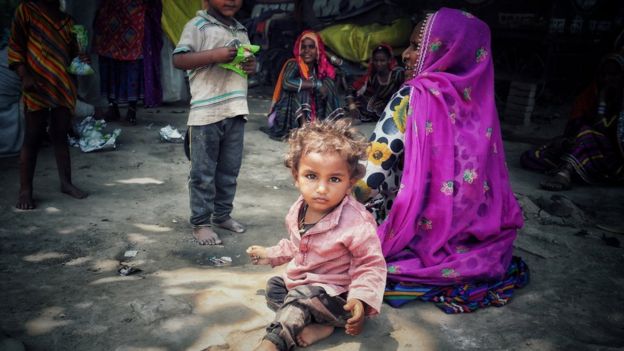
Due to the virus, this 2020 has been designated by many people as the cursed year. But it is only one among the thousands that exist; it is not the only one that kills, more people are killed, for example, by the lack of empathy. By turning a blind eye and feigning ignorance to what hits us head on: racism, classism and oblivion. Locking ourselves in our bubbles and keep them under lock and key, because everything that happens outside, what others experience, doesn’t concern us. That is why we see so many children living on the streets and dying right there without feeling any horror or pain, not to mention the indignation that would make us act accordingly.

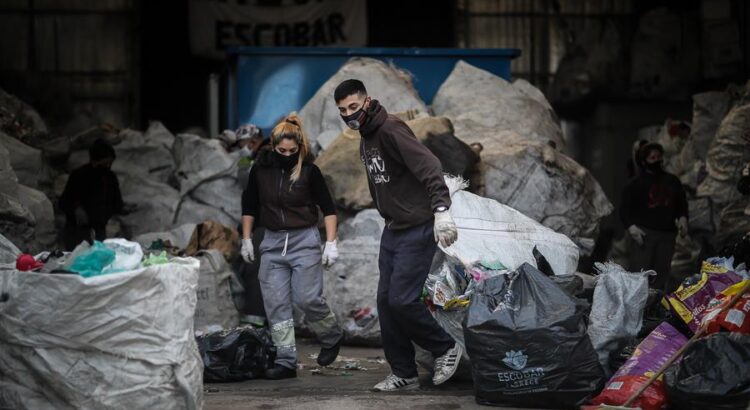
Suddenly this virus came to scratch our bubbles’ doors, taking the lives of some of our beloved ones; perhaps people who like us looked the other way when they must have acted to help others. Die, or die from coronavirus do not make them nobler after death. But we sanctify them because that cursed virus killed them. But what about the hunger experienced by those who make garbage dumps their home? Why don’t we flinch when an avalanche of garbage kill entire families? To begin with, how and when did we allow this to happen? That garbage dumps became the homes of so many families; entire cities…

The pandemic, one of many. Why hasn’t the trafficking of children, adolescents and women for the purpose of sexual exploitation hurt us, as it did the 2020? It is a fact, visible, it is everywhere, we cannot ignore it. Or it will be like the virus, until it touches one of us? Then and only then we will make patent what we have discarded, because it was not our business, and then we will realize that we will be alone because the others will look the other way, just as we do today, it will not be their business. It is the germ of patriarchy and pettiness.

This virus brought out the worst in us, it was just an occasion to show the kind of people we really are, as is the case with some people – hospitalized – with a cell phone taking pictures of other patients who are in intensive care, and then sharing them in social media exposing the severity of the disease. If they don’t have anything else to do, why don’t they take pictures of their own balls? Why expose others in this way. Nurses, doctors, and patients have done this, which in no way indicates that just because some people have a higher level of education, they respect the privacy of others.

And what about those who take pictures of their family elders, who are prostrated and seriously ill, and share them on social networks. Why such a level of meanness? And even worse, those affected with the virus of laziness, or in other words, not severely ill but who are lazy and take advantage of the situation to hang out and take pictures of themselves uncombed, with a seven-day beard, eight-day sleep in eyes, and post them on social networks saying they are Covid survivors. When in reality any person who is seriously ill cannot even move a finger. This is nothing more than disrespecting all those who have died and are seriously ill from the virus. But that’s what human consistency is: thin, cracked.

Among the beautiful things that we could see were the indigenous peoples donating their crops, reaching villages with trucks full of vegetables and fruits to feed whole families. While in others places people came out waving white flags asking for help, and the response of those who could help was to lock themselves under lock and key in their comfortable houses, posting pictures on social networks of the abundant food, their expensive wines and smoky fireplaces while reminiscing nostalgic about their travels around the world. Today many of them mourn the death of a loved one, but even with that pain they do not deign to reach out to those in need because money, greed and selfishness rule their lives. By contrast, where the harvest abounded and was donated, the pain of one is the pain of all.

It was not a cursed year, nor is the virus, we are the inconsistent ones that a virus had to come up to spit in our faces the scum that we are and trace our human misery that lacks values, words and actions. Because millions of people around the world are suffering from hunger, they are there close to us, and it is not a virus. Hunger can be cured, it can be eliminated, also chronic child malnutrition, you don’t need a miracle or a vaccine, all you need is dignity, indignation, and solidarity.

The well-known natural disasters are not natural, they can be avoided because they are caused by all the damage we have done to the planet. Political leaders have to act, of course, but we as a society have to act too. Because being passive or not doing anything can be harmful. A case in point is the millions of face masks that will end up in the sea. In any case, neither the year nor the virus is the damned one.

2020 should have been the year in which humanity began to regenerate, to become aware of the damage it did to itself; the planet and other living organisms. But it is not the case, and it will not be, and a thousand more viruses may come along and kill entire families, that we will not learn, because selfishness, arrogance, insensitivity and mediocrity is the DNA that we carry inside.

From another planet they seem, indeed, those who extend a helping hand, share a plate of food, donate their crops and feel other people’s tragedy as their own. And they don’t have big mansions, or smoking chimneys; or expensive wines; or travel around the world; or master’s degrees, or PhDs. It is the ordinary people, in many cases also the most excluded and impoverished. It is the people. With this they continue to teach us the lesson that it is not about having but about generosity. Thanks to them our hope for a better world has not yet been extinguished. And the souls that refuse to stop dreaming will continue to believe in a spring of abundant offshoots.

Source: https://cronicasdeunainquilina.com
Comparte este contenido:

Coronavirus lockdown: The Indian migrants dying to get home

Asia/India/24-05-2020/Author and Source: www.bbc.com

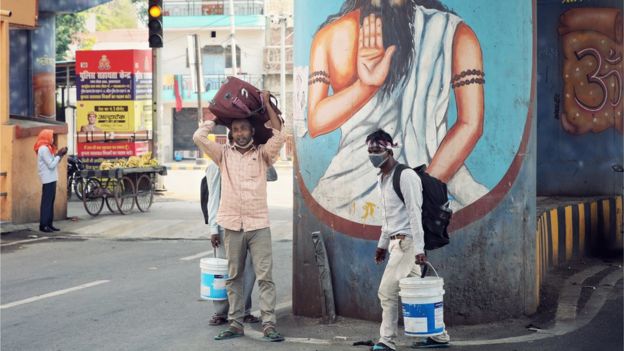
Tens of thousands of daily-wage migrant workers suddenly found themselves without jobs or a source of income when India announced a lockdown on 24 March.

Overnight, the cities they had helped build and run seemed to have turned their backs on them, the trains and buses which should have carried them home suspended.

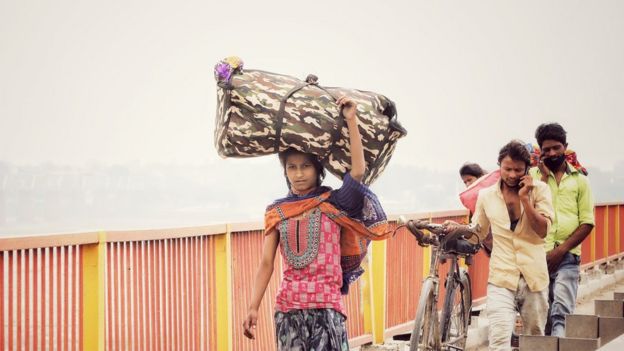
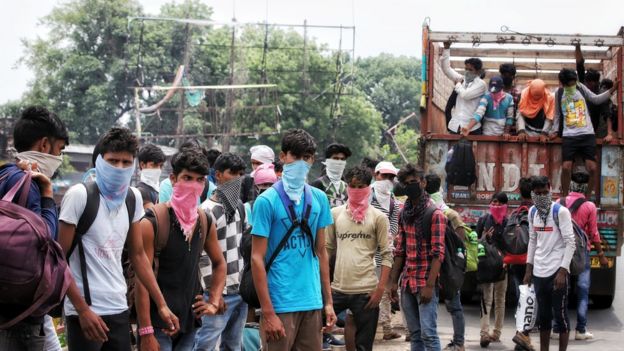
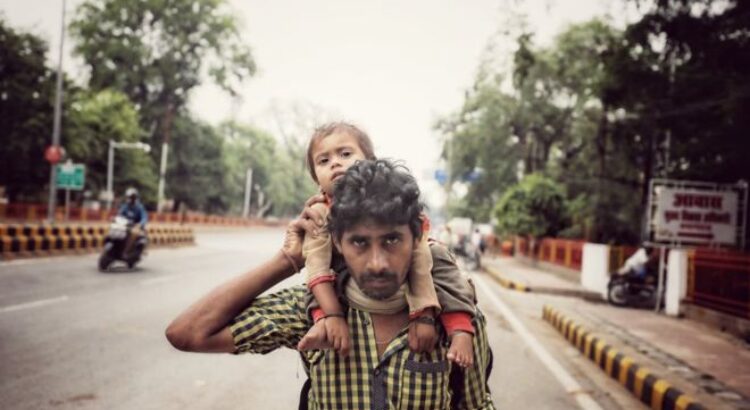
So with the looming fear of hunger, men, women and children were forced to begin arduous journeys back to their villages – cycling or hitching rides on tuk-tuks, lorries, water tankers and milk vans.

For many, walking was the only option. Some travelled for a few hundred kilometres, while others covered more than a thousand to go home.

They weren’t always alone – some had young children and others had pregnant wives, and the life they had built for themselves packed into their ragtag bags.

Many never made it. Here, the BBC tells the story of just a handful of the hundreds who have lost their lives on the road home.


Sanju Yadav and her daughter Nandini

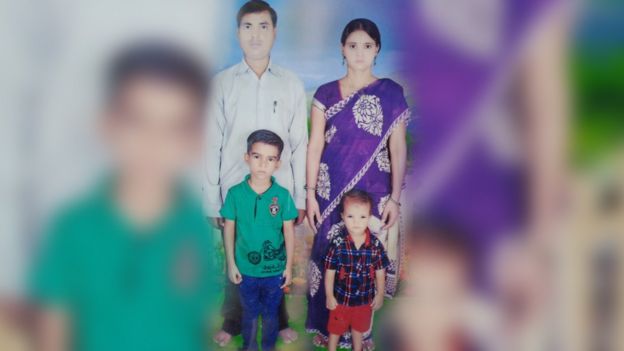
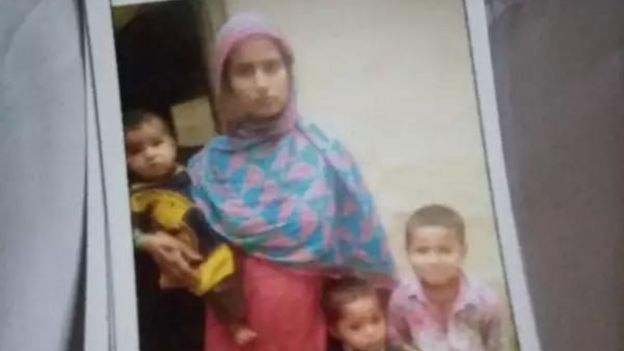
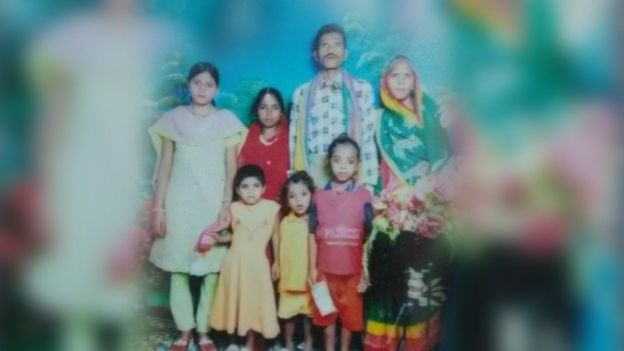
Rajan Yadav and his family's file photo
Image captionRajan Yadav, his wife Sanju and their two children wanted to make it big in Mumbai

Sanju Yadav and her husband, Rajan, and their two children – Nitin and Nandini – arrived in India’s financial capital, Mumbai, a decade ago with their meagre belongings and dreams of a brighter future.

Her children, she hoped, would thrive growing up in the city.

«It was not like she didn’t like the village life,» Rajan explained. «She just knew that Mumbai offered better opportunities for all of us.»

Indeed, it was Sanju that encouraged Rajan to push himself.

«I used to do an eight-hour shift in a factory. Sanju motivated me do something more, so we bought a food cart and started selling snacks from 16:00 to 22:00.

«She pushed me to think big, she used to say that having our business was way better than a job. Job had a fixed salary, but business allowed us to grow.»

Two years ago, all the hard work seemed to be paying off. Rajan used his savings and a bank loan to buy a tuk-tuk. The vehicle-for-hire brought more money for Sanju and her family.

But then came coronavirus.

MIgrants
Image captionThousands of people have left the cities

The couple first heard Prime Minister Narendra Modi talk about the virus on TV on 19 March. A full, three-week lockdown was announced less than a week later.

They used up most of their savings to pay rent, repay the loan and buy groceries in March and April. They were hoping that the city would reopen in May, but then the lockdown was extended again.

Out of money and options, they decided to go back to their village in Jaunpur district in Uttar Pradesh state. They applied for tickets on the special trains that were being run for migrants, but had no luck for a week.

Desperate and exhausted, they decided to undertake the 1,500-km long journey in their tuk-tuk. The family-of-four left Mumbai on 9 May.

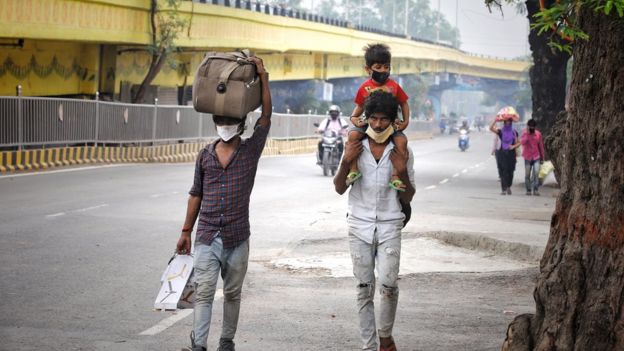
Many were travelling with small children
Image captionMany were travelling with small children

Rajan would drive from 05:00 to 11:00. He would then rest during the day, and at 18:00 the family would be back on the road until 23:00. «We ate whatever dry food we had packed and slept on pavements. The prospect of being in the safety of our village kept us going,» he says.

But in the early hours of 12 May – just 200km from their village – a truck rammed into the tuk-tuk from behind.

Sanju and Nandini died on the spot. Rajan and Nitin escaped with minor injuries.

«It all ended so quickly,» Rajan says. «We were so close to our village. We were so excited. But I have nothing left now – just a big void.»

He says he can’t help but keep thinking about the train tickets that never came. «I wish I had gotten the tickets. I wish I had never started the journey… I wish I was not poor.»


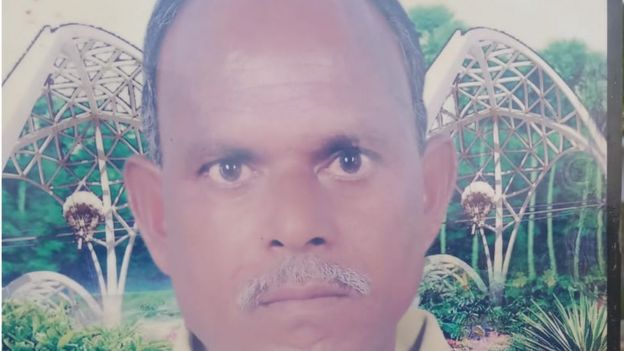
Lallu Ram Yadav

Lallu Ram
Image captionLallu Ram Yadav was excited to spend time with his family

Lallu Ram Yadav used to meet his cousin Ajay Kumar every Sunday to reminisce about the village he had left for Mumbai a decade earlier, in search of a better life for his wife and six children.

For 10 years, the 55-year-old had worked as a security guard, 12 hours a day, six days a week.

But his hard work amounted to little once the lockdown began, and the cousins both found their savings quickly ran out.

Lallu Ram called his family to say they were coming home – at least, he would now get to spend time with his children, he said.

And so Lallu Ram and Ajay Kumar joined the desperate scramble to find a way home to the village in Uttar Pradesh’s Allahabad district, some 1,400km away.

But the price demanded by lorry drivers proved too much. Instead, inspired by the migrants walking home they saw on the television, they packed small bags and began the journey on foot with four friends.

A group of migrants walking on a motorway
Image captionMany migrants say they don’t want to come back to cities

The covered around 400km in the first 48 hours – hitchhiking in lorries along the way. But the journey was more difficult than they had imagined.

«It was really hot and we would get tired quickly,» Ajay Kumar said. «The leather shoes we were wearing were extremely uncomfortable.»

They all had blisters on their feet after walking for a day, but giving up was not an option.

One evening, Lallu Ram started complaining about breathing difficulties. They had just entered Madhya Pradesh state – they still had a long way to go, but they decided to rest for a while before starting again.

Lallu Ram never woke up. When they took him to a nearby hospital, they were told he had died of a cardiac arrest, triggered by exhaustion and fatigue.

Many found it difficult to find food during their journeys
Image captionMany found it difficult to find food during their journeys

They didn’t know what to do with the body. An ambulance was going to take five to eight hours to reach them.

The group had around 15,000 rupees ($199; £163) between them – half the amount needed to hire a lorry. But one driver agreed to take the rest of the payment later. And that’s how they took the body back home.

Lallu Ram couldn’t fulfil the promise of spending more time with his children.

«The family’s only breadwinner is gone,» says Ajay Kumar. «Nobody helped us. My cousin didn’t have to die – but it was a choice between hunger and the long journey.

«We poor people often have to pick the best from several bad choices. It didn’t work out for my cousin this time. It seldom works out for poor people like him.»


Sagheer Ansari

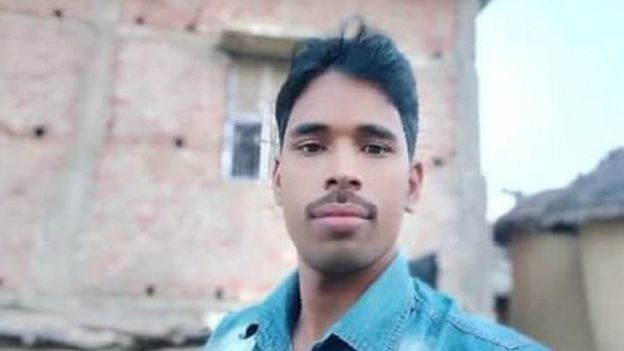
A selfie of Sagheer Ansari
Image captionSagheer Ansari was an expert tailor but had lost his job recently

Sagheer and Sahib Ansari were good tailors. They never struggled to find work in Delhi’s booming garment factories – until the lockdown.

Within days, they lost their jobs. The brothers thought things would go back to normal in a few weeks and stayed put in their tiny one-room house.

When their money ran out, they asked family members in the village for help. When the lockdown was further extended in May, their patience ran out.

«We couldn’t have asked the family for more money. We were supposed to help them, not take money from them,» Sahib says.

They would wait in queues for food being distributed by the government. But, Sahib says, it was never enough and they always felt hungry.

So the brothers discussed the idea of going back to their village in Motihari district in Bihar state, some 1,200km from Delhi.

Sagheer Ansari's family in a file photo
Image captionSagheer has left behind his wife and three young children

They and their friends decided to buy used bicycles, but could only afford six for eight people. So they decided that they would all take turns to ride pillion.

They left Delhi in the early hours of 5 May. It was a hot day and the group felt tired after every 10km.

«Our knees would hurt, but we kept pedalling. We hardly got a proper meal and that made it more difficult to pedal,» Sahib says.

After riding for five days, the group reached Lucknow – the capital of Uttar Pradesh. It had been two days since they had had a proper meal and they were mostly surviving on puffed rice.

«All of us were very hungry. We sat on a road divider to eat because there was hardly any traffic,» he says.

An overcrowded lorry
Image captionMany migrants have had to travel in overcrowded lorries

But then a car came out of nowhere, hitting the barrier and striking Sagheer. He died in a hospital a few hours later.

«My world came crashing down,» Sahib says. «I had no idea what I was going to tell his two children and his wife.

«He used to love home-cooked food and was looking forward to it. He died without having a proper meal for days.»

Sahib eventually reached home with his brother’s body, brought by an ambulance. But he couldn’t mourn with his family for long, as he was put into a quarantine centre right after the burial.

«I don’t know who to blame for his death – coronavirus, hunger or poverty. I have understood one thing: I will never leave my village. I will make less money but at least I will stay alive.»


Balram and his friend, Naresh Singh

Naresh Singh's family photo
Image captionNaresh Singh with his wife (standing to his right) and children

Jaikrishna Kumar, 17, regrets encouraging his father Balram to come home after the lockdown started.

Balram was from a village in Bihar’s Khagadia district, but was working in Gujarat – one of the states worst-hit by the coronavirus – when much of India closed down in March.

He and his friend Naresh Singh, a maintenance worker for mobile phone towers, were both working hard so their sons back in Bihar could have better futures. Balram wanted Jaikrishna to go to college, Nikram wanted his sons to become government officers.

They started their journey on foot, but about 400km into it, policemen helped them and others to hitch a ride in a lorry.

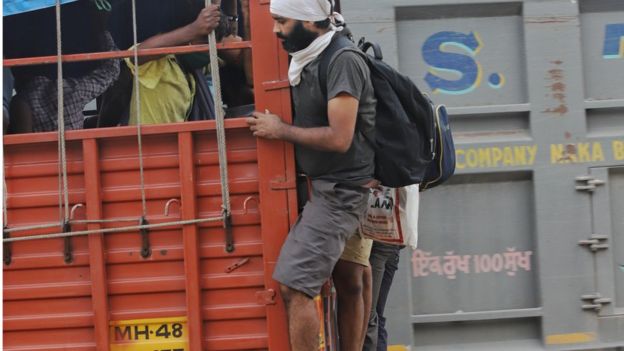
The «ride» involved them all being precariously perched on top of cargo – a common sight on Indian highways.

Two migrants hanging on the back of a truck
Image captionPeople have taken extreme risks to get home

But this time, the driver lost control in Dausa town in Rajasthan state, ramming the lorry into a tree.

Both Naresh and Balram died in the accident.

Now Jaikrishna Kumar says he will probably have to quit studying and find a job to support the family.

«The accident took away my father and my dreams of getting an education. I wish there was another way. I don’t like the idea of going to a city to work, but what other option do I have?

«My father wanted me to break the cycle of poverty. I don’t know how to do it without him.»

Source and Image: https://www.bbc.com/news/world-asia-india-52672764

Comparte este contenido: