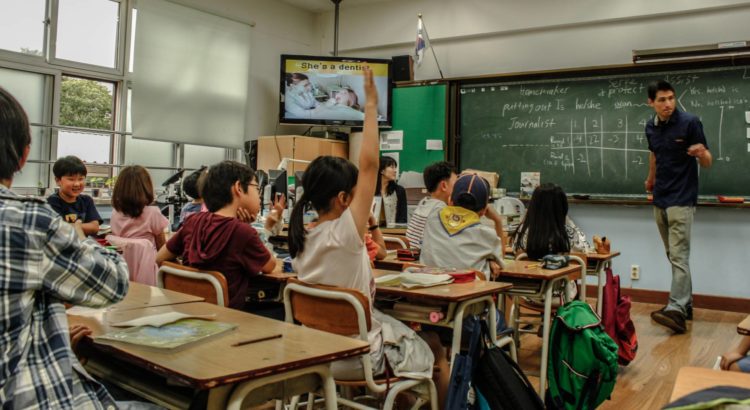
La Unión Africana (UA) resaltó hoy la importancia de los maestros y del personal de enseñanza en el moldeado positivo de las nuevas generaciones y su consiguiente aporte al desarrollo continental.
‘El pan-africanismo y la unidad importan en nuestro avance como pueblo, de ahí la necesidad de tener un personal en las instituciones de enseñanza consecuente con los principios y valores de integración, que ayuden a la sociedad en su crecimiento sostenible’, detalla un comunicado de la UA.
La declaración fue emitida con motivo de la reunión de la Confederación de Principales de África (ACP, siglas en inglés), que reúne en Mombasa, Kenya, a más de mil 200 líderes destacados en el sector del aprendizaje a nivel regional e internacional, con miras a crear políticas al interior de los centros educativos adecuadas a las necesidades actuales.
La ACP pretende lograr que todos los países africanos se sumen a la institución, para eventualmente convertirse en miembros observadores de la UA.
En opinión de la organización, ello será clave en la formación de directrices de educación óptimas, a través del diálogo directo con el ente comunitario.
Hace tiempo, muchas personas sospechaban que el estilo de vida moderno no contribuye mucho que digamos a la inteligencia. Sin embargo, diversas pruebas de inteligencia realizadas en el siglo XX sugerían que en realidad, el ser humano se estaba volviendo un poco más inteligente en promedio (si es que consideramos que la prueba de IQ es una medición adecuada). Esto se conoce como el efecto Flynn. No obstante, un importante estudio longitudinal apunta a que este efecto se ha empezado a revertir en los últimos 20-30 años.
Por otra parte, a la distancia y en superficie, uno pensaría que si en los países escandinavos, que suelen encabezar los rankings de calidad de vida, está ocurriendo esta tendencia, es muy probable que se presente también en todo el mundo, o al menos en países occidentales que comparten el mismo tipo de cultura. Lo más interesante de esto es determinar a qué se debe la caída. Anteriormente se creía que el efecto Flynn estaba relacionado con mejoras materiales, nutrición, acceso a educación, salud, etc. Y es posible que se deba a eso, sólo que quizá los efectos materiales en la inteligencia pueden llegar a un tope y quizá se han empezado a revertir, debido a efectos ambientales y socioculturales que podrían haber cobrado mayor peso.
Como dice el blogger Tyler Cowen, la forma más simple de entender esto es que «hemos empezado a construir un ambiente que induce más a la estupidez». Tal vez esto es un tanto simplista, pero parece irrefutable a la luz de la evidencia. Ahora bien, ¿en qué consiste un «ambiente que induce a la estupidez»?
Los autores del estudio señalan que los posibles detonadores son «mala nutrición, mala educación y el surgimiento de nuevas tecnologías». Lo de la mala nutrición parece ser provocado, más que por comer comida chatarra (como sucede en países como México y Estados Unidos), por los pesticidas y otros químicos que podrían estar contaminando los alimentos.
Las otras dos causas suenan más plausibles. Hace unos años publicamos una nota sobre las impresiones del profesor universitario Charles Simic, quien notó justamente este mismo declive progresivo en las universidades. Según Simic, cada nueva generación que entraba sabía menos de historia y literatura. Por otro lado, la crisis que están viviendo las humanidades está claramente documentada. Asimismo, el caso de la tecnología es algo sumamente alarmante. Aunque no podemos vincularlo directamente con este estudio, es evidente que la tecnología digital amenaza seriamente la capacidad de los usuarios de controlar su atención, fundamentalmente porque la capitaliza. El hecho de que la atención de los usuarios sea parte esencial de la economía digital ha hecho que se diseñen todo tipo de plataformas que incorporan feautures para cautivar la atención de manera adictiva, algunos de las cuales se sirven conscientemente del circuito de recompensa del cerebro, mediado por la dopamina. Además de la comida chatarra, la cultura chatarra podría tener un efecto aún más nocivo.
El libro ‘Gigantes de la Educación’ recorre el mundo en busca de las historias personales de maestros y escuelas que no se reflejan en los exámenes ni en los informes
CON DESGARRADORA LUCIDEZ, BUKOWSKI ANTICIPÓ EL EFECTO QUE LA TECNOLOGÍA CONTEMPORÁNEA DE COMUNICACIÓN TENDRÍA EN LAS RELACIONES HUMANAS
Desde que Internet comenzó a revolucionar las comunicaciones contemporáneas, junto con el entusiasmo que esto provocó, desde otras perspectivas más críticas (o cuando menos escépticas) se señaló un peculiar fenómeno de esa fiebre que se cernía sobre el mundo.
Si bien parecía muy seductor transmitir un mensaje de un punto a otro del planeta en cuestión de segundos, saber de inmediato qué pasaba en lugares que se creía remotos, enviar y recibir datos de todo género y especie (imágenes, audio, videos, etc.), por otro lado, un poco a la sombra y todavía sin mucha atención, despuntaba ya un fenómeno paradójico: con tantos medios de comunicación al alcance, el ser humano se mostraba un poco más aislado cada vez.
En años recientes, ese efecto no es la quimera catastrofista de algunos cuantos agoreros celosos del avance tecnológico. Nada de eso. Las consecuencias del uso de redes sociales en el estado de ánimo han sido ya ampliamente documentadas; también desde otras disciplinas como la sociología o la filosofía, se ha argumentado esa circunstancia contradictoria del ser humano contemporáneo, que puede hablar con personas de todo el mundo, pero es incapaz de cambiar algunas palabras con aquellos con quienes se cruza a diario; o que tiene acceso a miles de fuentes de información, pero parece optar por permanecer en la “dulce” ignorancia.
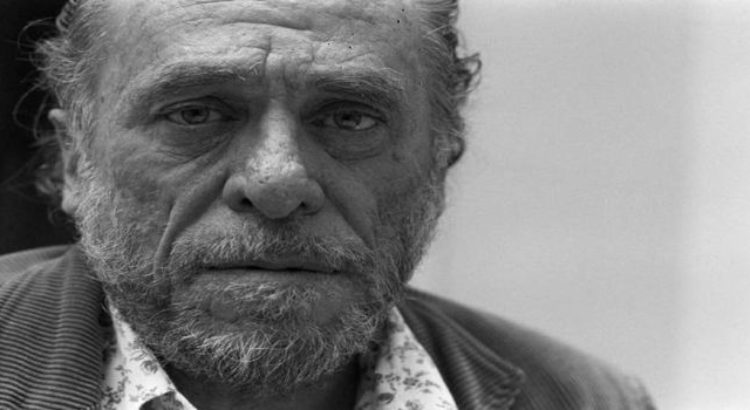
Entre esas personas que supieron descreer de las mieles de la tecnología moderna estaba Charles Bukowski, acaso uno de los personajes más impresentables de la literatura estadounidense pero, como buen poeta, clarividente también, sensible a las necesidades auténticas del ser humano y a las formas casi siempre equivocadas con que históricamente hemos intentado satisfacerlas.
Bukowski murió en 1994, así que atestiguó apenas el despunte de la era de la información que en los siguientes años alcanzaría su cénit. Con todo, alcanzó a escribir el poema que transcribimos a continuación, primero el original en inglés y después la traducción de Silvia Barbero.
now it’s computers and more computers
and soon everybody will have one,
3-year-olds will have computers
and everybody will know everything
about everybody else
long before they meet them.
nobody will want to meet anybody
else ever again
and everybody will be
a recluse
like I am now.
hoy todo son ordenadores y más ordenadores
y pronto todo el mundo tendrá uno,
los niños de tres años tendrán ordenadores
y todo el mundo conocerá todo
lo relacionado con los demás
mucho antes de que lleguen a conocerse
y por eso nadie querrá conocerse.
Nadie querrá conocer a nadie
nunca jamás
y todos serán
unos solitarios
como lo soy yo hoy.
El poema puede encontrarse en el libro The Continual Condition, una colección de textos publicada póstumamente en el 2009. En español ha sido traducido, como dijimos, por Silvia Barbero, y la publicación corrió a cargo de la editorial especializada en poesía Visor.
Son pocos los profesores que gozan de apoyo en capacitación y actualización por parte de sus empleadores. Por otro lado, la falta de tiempo derivada de la carga laboral y las actividades personales les impide a los docentes continuar aprendiendo durante su carrera.
A continuación, enumeramos algunos recursos gratuitos que puedes utilizar para capacitarte y potenciar tus clases sin utilizar mucho de tu tiempo libre.
1. Podcasts
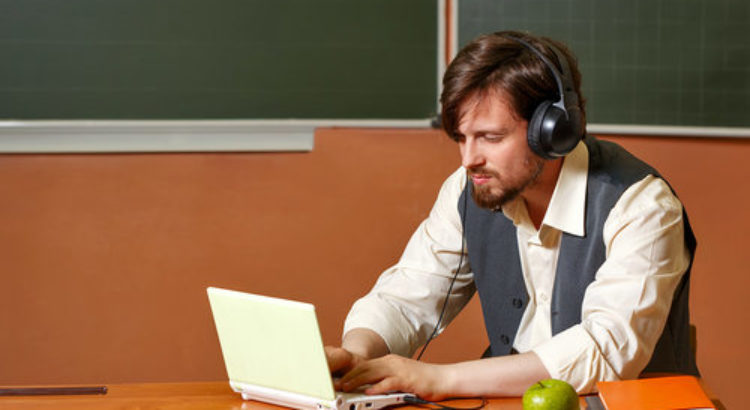
Los podcasts son archivos de audio con charlas, debates o relatos que tratan a profundidad todo tipo de temas. Por ejemplo, escucha Ldelengua si te interesa la enseñanza del español o El Explicador cuyo contenido divulga temas de ciencia y tecnología. Puedes encontrar una infinidad de podcasts gratuitos a través de Google o escucharlos en plataformas de audio como Spotify o Apple Music.
2. Libros gratuitos
Los llamados “Open books”, son textos gratuitos poco utilizados en la educación. Existen repositorios vastos comoOpenstax o BCcampusOpenEd, en los que puedes encontrar publicaciones actuales afines a tu campo de estudio. Cabe señalar que la mayoría de estos libros funcionan bajo licencias “Creative Commons”, es decir, te otorgan la libertad compartirlos y remezclarlos.
3. Tutoriales en YouTube
Las aplicaciones y software educativos son parte fundamental de las herramientas de todo docente. Mientras más programas domines, más armas tendrás para preparar tus clases. Por ejemplo, puedes mejorar tus presentaciones con un tutorial de Microsoft Power Point o desarrollar tus habilidades en la suite Google Drive. Si te interesa crear contenido educativo puedes aprender a dominar programas gratuitos de diseño como GIMP o plataformas para crear materiales de clase como Canva.
4. Cursos en línea
La mayoría de las plataformas de MOOC, como edX, Coursera, MiriadaX o Future Learn, permiten a los usuarios auditar los cursos de especialización docente sin costo alguno. En caso de requerir un título o certificación se cobrarían tarifas determinadas por cada institución.
5. Charlas TED
Estas motivadoras conferencias de corta duración exponen la experiencia de muchos profesionales y líderes de distintos ámbitos del conocimiento. Además de contar con una buena cantidad de conferencias de expertos en educación, las Charlas TED de otras disciplinas te pueden resultar muy provechosas.
La labor docente es demandante y queda poco espacio para nuevas actividades. Sin embargo, el aprendizaje a lo largo de la vida es una parte fundamental de una carrera exitosa. Adopta los medios y contenidos que más se adapten a tu ritmo laboral y genera el hábito de la capacitación continua.
¿Utilizas un recurso educativo gratuito distinto para enriquecer tu docencia? Te invitamos a compartir tu experiencia con los lectores del Observatorio.
La organización ecologista ha sacado a flote por aguas onubenses el buque Esperanza, su barco más grande, para hacer ver que la cercana producción industrial está contaminando de forma grave las aguas con residuos altamente tóxicos.
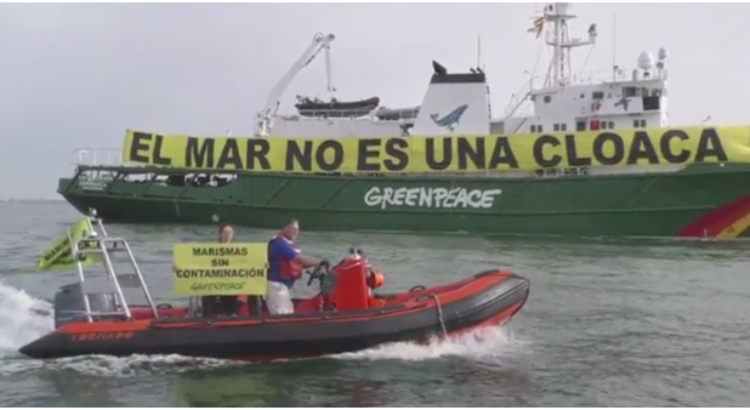
La organización ecologista Greenpeace ha denunciado este jueves, a bordo de su buque Esperanza, «la grave contaminación» que se acumula en las balsas de dragados de la ría de Huelva. Así, a primera hora de la mañana, activistas de Greenpeace de nueve países diferentes han desplegado frente al espigón Juan Carlos I una pancarta de 50 metros de largo y seis de ancho, a bordo del citado buque, con el lema ‘El mar no es una cloaca’.
A su vez, han portado pancartas de mano con los mensajes ‘Marismas sin contaminación’ y ‘El Parque Natural no es una cloaca’ para pedir que los lodos tóxicos de las balsas de dragados «se descontaminen y se trasladen a un lugar adecuado y que se ponga fin a la destrucción de este espacio protegido», ha informado la organización en una nota.
«No podemos tolerar la contaminación de entornos naturales únicos en el mundo. Las balsas son ilegales y las administraciones no pueden seguir ignorando esta gravísima situación y su desidia es responsable de la cloaca tóxica en la que se ha convertido la ría de Huelva», ha declarado Paloma Nuche, responsable de la campaña de Costas de Greenpeace.
«Atendiendo a la Ley de Costas, estas balsas son ilegales, ya que están situadas en dominio público marítimo-terrestre», han precisado desde la organización, desde donde han indicado que «contienen materiales tóxicos y contaminantes acumulados en el fondo de la ría de Huelva y se han construido dentro de la reserva de la biosfera Marismas del Odiel, lo que ha sido denunciado ante Bruselas por vulneración de directivas europeas».
«La contaminación procede de la actividad industrial del polo químico, donde importantes industrias han arrojado durante años a las marismas multitud de elementos tóxicos y peligrosos que ahora se acumulan en la ría y terminan saliendo a mar abierto, una contaminación a la que contribuye especialmente la presencia de las balsas de fosfoyesos de Fertiberia», han insistido.
Más de 120 millones de toneladas de residuos tóxicos
Sobre estos depósitos, han asegurado que «contienen, en una superficie de 1.200 hectáreas, más de 120 millones de toneladas de residuos industriales tóxicos peligrosos y radiactivos, tal y como dictaminó la Unión Europea en 2010». Por ello, considera que «tanto la Junta de Andalucía como el Gobierno de España han permitido que la ciudad de Huelva y sus habitantes convivan con el mayor vertedero de residuos industriales tóxicos y radiactivos de Europa, a escasos 500 metros de sus casas y dentro de un Parque Natural», ha añadido Nuche.
Esta protesta se encuadra dentro del tour de Greenpeace ‘A toda Costa’ en el que la organización ecologista está recorriendo diferentes puntos del litoral para denunciar la destrucción de la costa por la urbanización masiva. El barco más grande de Greenpeace, el Esperanza, llegará a Cádiz este viernes 3 de agosto y, procedente de Barcelona e Ibiza, permanecerá en el puerto de Cádiz hasta el lunes 6 por la mañana. Durante su estancia, las personas que lo deseen pueden visitar el barco en una visita guiada.
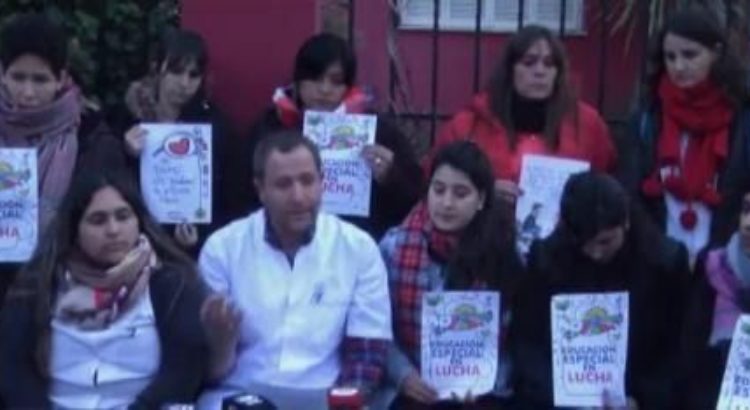
Docentes de Educación Especial del partido de Balcarce realizaron una manifestación ante la preocupación de que 16 de sus cargos se vean perjudicados en el futuro de cercano plazo.
Los profesionales, pertenecientes a las escuelas especiales 501 y 502 se auto-convocaron para visibilizar una problemática que afectaría seriamente el futuro de los chicos para los que trabajan en el distrito.
Según contaron ante la prensa, las autoridades les aseguraron que no perderían sus puestos de trabajo, pero los damnificados denunciaron que una nueva normativa reconvertiría la funcionalidad de sus desempeños, lo que los dejaría afuera del circuito de trabajo.
«Nos auto-convocamos porque aunque se está diciendo por otros lados que no se están perdiendo fuentes de trabajo, eso no es real. Cada uno de nosotros fuimos capacitados y somos profesionales en Educación Especial y estamos especializados en ciertas discapacidades. La reconversión de la que se está hablando, por la que no perderíamos a priori nuestros fuentes de trabajo, sino que se reconvertirían los cargos, es un engaño que no podemos aceptar, ya que no estamos capacitados para cubrir esos cargos», explicaron en rueda de prensa.
«Se nos quieren dar cargos por sistema de emergencias, en los cuales perderíamos la capacidad de trabajar en lo que nosotros estamos formados, que es `irregulares mentales´ y se nos pasaría a otra categoría en la que no podríamos titularizar nunca. Cesaríamos constantemente, no tendríamos antigüedad y perderíamos muchos de los derechos que tenemos los docentes, como así también los chicos perderán el derecho de tener un maestro que los eduque», resaltaron con gran preocupación.
«El inspector nos pasó la normativa que ellos tienen ahora, la cual deben convalidar. Supuestamente no existe un día de cese, pero otro tipo de información transcurre y dice que el 31 de agosto cada uno de nosotros quedaríamos sin trabajo. De ahí en más, deberíamos esperar que se abra un listado de emergencia, que sabemos que tarda meses en prepararse, para poder anotarnos, para que luego se evalúe y ahí saber si podremos trabajar o no. Trabajo que se pierde no se vuelve a recuperar«, sentenciaron a continuación.
«Pedimos que no hagan ningún recorte, que cada uno pueda mantener su trabajo y que se haga un relevamiento sobre la necesidad de los chicos de tener un maestro inclusor en Balcarce, a ver si realmente está cubierta esa necesidad. Hay noticias de padres que solicitan maestros inclusores y no se les está dando cupo«, concluyeron.
OtrasVocesenEducacion.org existe gracias al esfuerzo voluntario e independiente de un pequeño grupo de docentes que decidimos soñar con un espacio abierto de intercambio y debate.
¡Ayúdanos a mantener abiertas las puertas de esta aula!




 Users Today : 121
 Total Users : 35491143
 Views Today : 166
 Total views : 3604694