Page 2513 of 6196
1 2.511 2.512 2.513 2.514 2.515 6.196

Japan: Hiroshima Prefecture to open International Baccalaureate school as it looks to move away from Japan’s passive education style

Asia/Japan/26.06.18/Source: www.japantimes.co.jp.

Hiroshima Prefecture is set to open an International Baccalaureate boarding school next spring — a rare move by a local government that officials hope will help schools shift away from Japan’s typically passive style of education.

The prefectural government, with a goal of nurturing future global leaders, is launching Hiroshima Global Academy (HiGA), where it will offer IB programs for junior and senior high school students with a particular focus on English-language education. And unlike many IB programs, tuition will be free for most pupils.

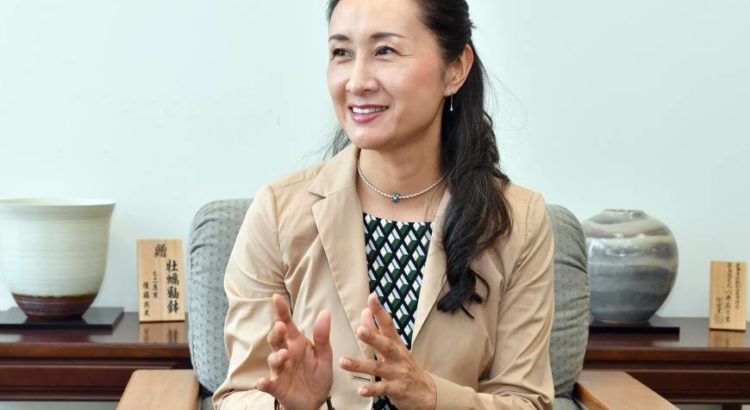
Rie Hirakawa, superintendent of the Hiroshima Prefectural Board of Education, said opening the school is part of the prefecture’s efforts to break away from the country’s conventional teaching methods.

“Teachers across the prefecture are now trying to change the education style in elementary and junior and senior high schools, but it’s difficult to do something drastic all of a sudden (at existing institutions) so opening a baccalaureate school would be a step in that direction,” Hirakawa said in a recent interview with The Japan Times in Tokyo.

International Baccalaureate, an internationally recognized program adopted in over 140 countries and territories, promotes active learning, insightful thinking and initiative on the part of students.

As of April 1, Japan had 58 schools that offer a total of 81 IB programs across three age levels. The program is mostly available at international or private schools.

“(Students) can experience something close to studying abroad without leaving Japan and acquire English skills that would enable them to study at an overseas university,” said Hirakawa, a former top salesperson at Recruit Co. who assumed her current post in April.

“We hope to get children who are interested in this type of education to come to this school,” she added.

“The tuition fee is basically free, so students from Japan and abroad can receive International Baccalaureate-standard education regardless of their economic situation,” she said.

IB programs at private institutions cost as much as several million yen annually, making it difficult for most households to enroll their kids in the program. At HiGA, only high school students coming from families with a household income of more than ¥9.5 million will be required to pay tuition of ¥9,900 per month. Room and board will cost ¥40,000 per month for every student. For Japanese students, English is not a prerequisite to enter the prefecture-run school, which will debut with 40 first-year junior high school students next April.

Eventually, each grade in junior high will have 40 Japanese students, while each high school class will comprise 40 Japanese and 20 foreign students, Hirakawa said.

Applications for HiGA’s inaugural class will be accepted from Nov. 8-14. Students from across the country are eligible for admission.

In the school’s first three years — before it admits its first group of foreign students — major subjects, including mathematics, social studies and science, will be taught in Japanese.

But others, including art and physical education, as well as after-school and extracurricular activities, will be conducted in English to prepare Japanese students for rigorous English-language high school education in line with the IB program.

The Hiroshima academy is set to offer the Middle Years Program and the Diploma Program for junior and senior high school age students, respectively. Toshikazu Hasegawa, vice president of the National Institution for Academic Degrees and Quality Enhancement of Higher Education, said he sees the academy’s undertaking as “ambitious.”

“Japan’s secondary education follows a traditional system that is very different from International Baccalaureate education, so the introduction of such programs is a welcome move that will bring diversity and international viewpoints to secondary school teaching,” Hasegawa said.

The location of the new school promises to be another attractive aspect of the institution for prospective students. The ¥7 billion campus is being constructed on Osakikamijima, a remote islet in the Seto Inland Sea.

“It’s a scenic island. Blueberries and lemons are grown here, there’s a farm that cultivates oysters and lobsters, and there’s a hot spring in the mountains,” Hirakawa said. “The population is on the decline, but we’re working on revitalization under the concept of turning it into an island for education.”

Osakikamijima’s population, at 7,646 as of the end of May, has been shrinking — down from about 14,000 in 1985 — and aging — the proportion of residents age 65 and over sits at around 47 percent, more than double the figure from three decades ago, according to Osakikamijima town officials. The island is only accessible by ferry, mainly from Takehara.

Kensaku Yoshida, director of Sophia University’s Center for Language Education and Research, noted that while the number of IB programs is likely to grow in Japan, one of the challenges involves training enough teachers to be able to meet the demand for this unique style of education.

“In that sense, we could see more programs that have elements of IB rather than official IB programs down the line. A realistic and quick approach may be to promote IB education by using it as reference and not be too particular about the brand,” Yoshida said.

Hirakawa said the academy has been sending Japanese teachers overseas to undergo training for the IB system. As for foreign teachers, the school plans to hire people who have yet to be trained with the program and prepare them over the coming three years.

“We’d like to hire people who are interested in living in the countryside and teaching children as part of a learning community,” Hirakawa said, adding that targets include those working in Japan as assistant language teachers.

“Hiroshima Gov. (Hidehiko) Yuzaki is thinking big and soliciting students from outside the prefecture. He considers children who spend six years in Hiroshima to be local kids and thinks it’s a good idea for the prefecture to raise internationally minded leaders,” she said.


Source of the notice: https://www.japantimes.co.jp/news/2018/06/22/national/hiroshima-prefecture-open-international-baccalaureate-school-looks-move-away-japans-passive-education-style/#.WzFbBlVKjIW

Comparte este contenido:

Perú: Éstas son las polémicas frases sobre sexualidad en textos escolares

América del Sur/Perú/26.06.18/Fuente: elcomercio.pe.

El Ministerio de Educación (Minedu) enfrenta una nueva controversia. Se trata de la crítica generada por la inclusión de «contenidos sesgados» en los textos escolares que serán distribuidos a los alumnos de escuelas públicas desde el 2019.

Según una investigación del portal Ojo Público, emitida el 22 de junio, los nuevos textos escolares que viene preparando el Minedu para los tres primeros grados de secundaria omiten violaciones a los derechos humanos desde las Fuerzas Armadas, y contienen artículos contrarios contra la libertad de género y los derechos de poblaciones vulnerables.

La nota periodística señala asimismo que el ministerio sostuvo a finales de mayo dos reuniones para evaluar el contenido de los textos con congresistas de Fuerza Popular, ex miembros de las Fuerzas Armadas, así como con integrantes de grupos religiosos conservadores.

Las frases polémicas

El ministro de Educación, Daniel Alfaro, fue consultado el domingo en Cuarto Poder por parte del contenido del cuaderno de trabajo de comprensión lectora de quinto de secundaria.

El documento recopila columnas de opinión como la del psicólogo Fernando Maestre, llamada ‘La virginidad conservada’, así como un texto que habla en favor de la castidad titulado ‘Podemos resistir la tentación?

Algunas de estas frases utilizadas en estos textos son:

-«(…)retrasar el inicio sexual puede traer varias ventajas. Una de ellas es que se estará libre del miedo a la maternidad no deseada».

-«(…)sostener la virginidad, al menos, hasta los 24 años puede brindar el espacio reflexivo necesario para elegir bien y formar una pareja comprometida».

-«La castidad no es solo abstinencia: es pureza de mente y vivir de manera moral»

-«Para conservar la condición sagrada del sexo, hay que saber decir No cuando las circunstancias lo requieran. Como dice la biblia: Sea su lenguaje «Si, si; no, no»»

TExtro

mineduminedu

m

Ante esto, la organización Promsex publicó ayer en su cuenta de Twitter la carta que envió al Minedu manifestando su preocupación por los contenidos «que refuerzan estereotipos machistas».

En el programa dominical, el ministro Alfaro precisó que esos textos y otros más fueron elaborados en la gestión anterior.

«Identificamos previamente hace un mes, cuando asumimos el cargo, que se iban a imprimir en agosto para el 2019. Nosotros para poder reimprimir esos textos hemos hecho unos talleres en escuelas sobre esos puntos para poder mejorarlos», afirmó.

En el cuaderno de trabajo, también se han incluido textos que critican posiciones ideológicas como la ‘Marcha por la Vida’ y otros que hablan sobre la necesidad de la unión civil de parejas del mismo sexo.

minedu

m

Fuente de la noticia: https://elcomercio.pe/peru/son-polemicas-frases-sexualidad-textos-escolares-noticia-530495

Comparte este contenido:

Entrevista: Roger Schank, “El álgebra es como una religión y no enseña a pensar”

Europa/España/26.06.18/Fuente: el pais.com.

Experto en Inteligencia Artifical y exprofesor en Yale, aboga por un cambio radical en la educación con programas abiertos

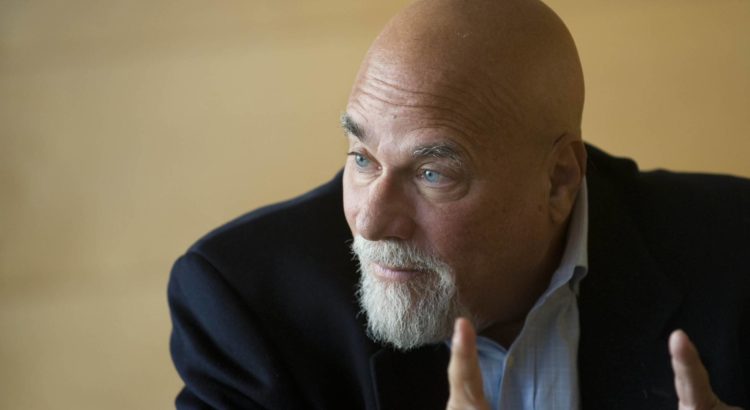
Roger Schank (Nueva York, 1946) cree que el actual sistema educativo se creó hace más de un siglo para la élite y los ricos; que se ideó para los intelectuales. Critica que en el instituto se estudie la obra de Cervantes o de Shakespeare que, en su opinión, no ayudan en nada a lo largo de la vida, y no se enseñe a saber buscar un trabajo. Su objetivo es tumbar el actual sistema educativo y construir una escuela online global con más de 500 programas académicos que permitan al alumno escoger lo que le interesa.

Sus palabras no serían tomadas en serio de no ser por los más de 30 años que dedicó a la docencia en universidades como Stanford. Considerado uno de los principales investigadores del mundo en Inteligencia Artificial, fue profesor de Ciencias de la Computación y Psicología en Yale y en los setenta se dedicó a investigar cómo educar a los ordenadores para que se comportasen como humanos. Cuando sus hijos comenzaron la escuela cambió el foco de su trabajo; se dio cuenta de que el verdadero reto era descubrir la mejor fórmula para educar a los humanos. A finales de los ochenta creó el Instituto de Ciencias de la Educación en la Universidad de Northwestern, en Chicago.

Hoy ofrece sistemas alternativos de aprendizaje basados en la enseñanza virtual desde su empresa Socratic Arts y dirige Enginees for Education, una organización sin ánimo de lucro que asesora a los estudiantes en la búsqueda de su vocación.

Pregunta. ¿Cuál es su principal crítica al sistema educativo actual?

Respuesta. La mayoría de la gente cree que las materias que se estudian en el colegio son las que hay que aprender y eso no es así. El programa académico de los institutos en Estados Unidos fue diseñado en 1892 por el entonces presidente de Harvard, Charles Eliot. Escogió biología, química, física, álgebra, trigonometría, geometría, literatura, historia y lengua extranjera. ¿Te resulta familiar? Esos eran los campos que se estudiaban en Harvard y la intención de Eliot era hacer la vida más fácil a los profesores de esa universidad, garantizando que los alumnos que entrasen lo harían con una buena base. Hoy se enseñan más de 150 programas en Harvard pero en los institutos todavía no hay asignaturas de programación o ingeniería medioambiental. ¿Cómo se explica eso?

P. ¿Cree que habría que eliminar contenidos como el álgebra?

R. El álgebra es como una religión, todo el mundo cree que tiene beneficios pero no existe evidencia científica. No te podría decir la cantidad de personas que me han dicho que el álgebra enseña a pensar mejor, cuando no existe ninguna investigación que lo demuestre. Por eso digo que es como una religión; te dicen que Jesús visitó una montaña y, aunque no hay evidencias, la gente lo cree. Una vez terminado el instituto, nadie recuerda esos temas porque son inútiles y el 99% de los adultos nunca los han utilizado. Muchos estudiantes se sienten idiotas por no entender ese tipo de contenidos, genera frustración, hace a la gente llorar e incluso abandonar la escuela.

P. ¿Qué contenidos cree que se deberían enseñar en la escuela?

R. Te tienen que enseñar cómo tener una vida mejor y ser más feliz. Sin embargo, el sistema te dicta erróneamente lo que debes saber. Por poner un ejemplo, estudiar El Quijote en el instituto es un error. No te ayuda ni un segundo en tu vida, más allá de poder mantener una conversación sobre Cervantes. Es un sistema pensado para los intelectuales, pero hoy hacen falta otras competencias, como saber programar o conseguir un trabajo. Es importante ayudar a los niños a descubrir lo que más les gusta y para ello hay que ofrecerles programas abiertos y dejarles que decidan. Si un estudiante quiere ser médico, con programas de realidad virtual se pueden simular operaciones con pacientes reales y así puede descubrir si realmente le apasiona.

P. ¿Cuál es el principal freno para la modernización de la escuela?

El 99% de los adultos no ha usado el álgebra para nada en su vida

R. Siempre digo que todos los problemas de la educación empiezan por p: políticos y padres. Una vez tuve una discusión con el ministro de Educación de Italia porque presumía de ser el único país de Europa que exigía saber latín. Yo le dije que ese era el motivo por el que estaban tan atrasados. Si hablamos de los padres, se echarían a la calle si les decimos que sus hijos ya no van a estudiar trigonometría. Evitan el cambio porque presumen que la escuela que tenemos es la correcta. Que me enseñen la evidencia de que ayuda al mejor desarrollo del cerebro.

P. Universidades como la de TexasRutgers o la de Mondragón en México ya están utilizando sus plataformas online de aprendizaje. ¿En qué se diferencian de la metodología tradicional?

R. Soy psicólogo y he estudiado el funcionamiento de la mente toda mi vida. Los humanos comunican mejor las historias reales, son las que recuerdan, por eso las clases magistrales no funcionan. En las conversaciones reales se toman turnos y cada uno de los participantes no suele hablar más de dos minutos. Eso explica por qué somos capaces de mantener la atención. He analizado cómo funciona el aprendizaje y la base es hacer preguntas, intentar hacer cosas, fallar, pedir ayuda e intentarlo otra vez. Es lo que llamamos learning by doing (aprender haciendo) y es lo que hace mi plataforma; simula experiencias que permiten a la gente practicar, identificar qué hacen mal y corregirlo. Nadie quiere ser enseñado. Los niños aprenden solos, simulan construir ciudades con bloques, imaginan cómo ser padres con muñecos y ocasionalmente piden ayuda. En nuestra plataforma se trabaja por proyectos en lo que llamamos Story Centered Curriculum -programa basado en historias-. Tenemos ya uno de análisis de datos y ahora estamos diseñando otro en ciberseguridad.

P. Critica la fórmula de las universidades y sin embargo trabaja con ellas.

R. Tengo que confesarte que ya no queremos seguir trabajando con universidades porque no quieren romper con lo establecido, quieren continuar con las clases magistrales y los exámenes. Ahora nos interesa más ofrecer los programas directamente a grandes empresas que quieren enseñar a sus empleados a hacer bien su trabajo y ponerse al día con nuevas técnicas de análisis de datos. Esta es mi forma de ganarme la vida, pero mi interés real es destruir el sistema educativo.

P. ¿Cómo casa su forma de pensar con la cantidad de años que dedicó a docencia en universidades de élite como Yale?

R. Cuando llegué a Yale, pensaba que era uno de los mejores lugares del mundo para trabajar. Con los años, renuncié como profesor porque me di cuenta de que estábamos generando un perjuicio intentando ir de algo que no éramos. Un docente de Yale es sobre todo un investigador que publica en revistas científicas y da charlas. Su misión es hacer de los estudiantes futuros investigadores y si ellos no quieren serlo, se equivocaron de universidad. Ellos no saben que están en la mejor escuela, pero de investigación.

El sistema educativo en Estados Unidos se ha arruinado por universidades como Harvard, que recomienda ser muy bueno en materias como álgebra o trigonometría para sus pruebas de admisión, basándose en el programa de 1892. Los institutos mantienen ese programa para intentar generar potenciales alumnos para Harvard. Es una fórmula que hace mucho más fácil cribar entre 30.000 solicitudes anuales, pero está desfasada.

P. ¿Qué le recomendaría a un chaval de 18 años?

R. Que se tome unos años antes de la universidad para descubrir todo lo que no le ha permitido el sistema educativo, para que entienda quién es y qué le gusta. Cuando llegan con 23 o 24 años son mejores estudiantes porque saben por qué están ahí. Mientras tanto, cualquier opción es buena: voluntariados en otro país, trabajo o prácticas. En mi país hablamos de sexo, drogas y rock & roll, eso es lo que les toca a esa edad. ¿Alguien cree que tiene sentido pagar 50.000 dólares de matrícula para hacer eso?

Fuente de la noticia: https://elpais.com/economia/2016/07/26/actualidad/1469530199_692638.html

Comparte este contenido:

Pakistan: Education and sanity

Asia/Pakistan/26.06.18/Source: nation.com.pk.

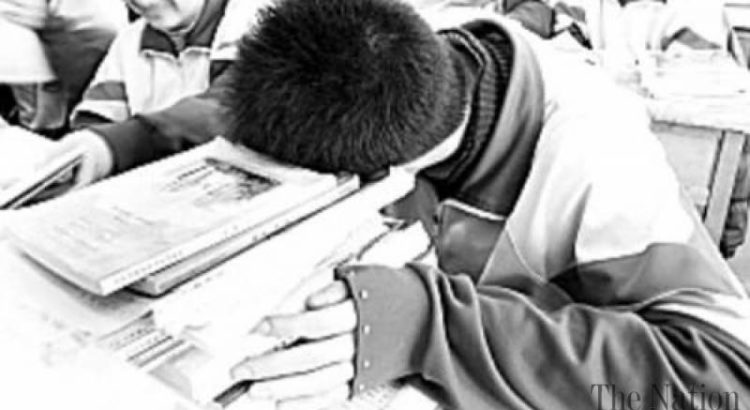
Education is prioritized on such a huge level that important tools needed to survive in the society are often ignored

We have been raised in an environment where we are made to believe that education is essential and the path to a successful life. We have heard Urdu sentences like “Parhoge likhoge banoge nawab, kheloge kudo ge banoge kharab”, “Parho takay baray aadmi ban sako” with regards to study all our lives and children often think of it as boring as it may seem education is indeed important. Children and adults alike believe that education is so important to the point that nothing else is supposed to come in between and in some cases not even your own life.

While many people might be of the view that education does indeed come first above everything else and every other aspect even if it is important or a favorite pastime is something secondary which can only come after education or be successfully achieved after it, but I tend to disagree, education has often been confused with gaining knowledge or perhaps even gaining some degree. For me education is not important as people think it is, gaining knowledge on the other hand is.

The importance of education has been pressurised upon people through different institutions of society like educational institutions and even parents. This mindset can be traced to even the smallest of things for example most people might remember that back in school, it was a common practice among teachers to take games, P.E. or a free period in order to complete their syllabus. While teachers might have been of the view that it was for the benefit of the students, the truth is it was done in order to just wrap up things quickly. If schools were really concerned about the benefit of the students, they would have made it against the rules to do such a thing because it doesn’t give students the time to relax but instead most schools are now just a money-making business that puts up information in brains of students for which they don’t even get enough time to process.

Another issue is that of tuition centers. It’s one thing if a child doesn’t go to school and is attending a tuition centre but what is the point of wasting your money on a school if you’re going to send your child to a tuition centre anyway? Even the excuse that your child is weak in a certain subject is not a valid one because isn’t it the incompetence of the school and teachers or their parents in the first place if the child is weak in a certain subject?

Not only that but while most parents, teachers and schools emphasise on studies, they either very rarely or never take into consideration things like sports or arts. Their misconception is that those are things that are simply useless and can be done at a later time or is something extra that does not need any time at all. The person’s time is fully prioritised on studying that they do not have the time to do anything else.

Education is prioritized on such a huge level that important tools needed to survive in the society are often ignored such as how to pay your bills, how to cook, how to buy a house or how to drive. A disagreement to this might be that without education you might not able to even know this but the thing is a formula in physics is not going to help you solve these problems; someone has to educate you on this stuff. Not everyone is going to learn from YouTube tutorials.

Then there comes another problem; the question what are you studying? If you’re not doing medical or engineering, your education is invalid. It is true that people have become more acceptable towards other disciplines today but the mindset which disregards other disciplines still exists today and is unfortunately pretty common. People need to realise that every person is different and they all have their qualities and flaws, but the society unfortunately tends to focus on the latter as if their flaws are the only things they see in a person.

Formal education and gaining knowledge is necessary. It is not something that should be done to impress the society but to have a successful path for one’s self. Pressurising people on studying in order to become a better person in a society on the other hand is wrong and should be discouraged. There should be a certain time for studying with breaks in between. This is something that should be realised by parents, teachers and schools. Having four periods with one break followed by another four periods is unhealthy and helping none. There needs to be a more open and liberal approach to education with a focus on other important things as well. Only then will the person and the society in general be on the path to successful road.

Source of the notice: https://nation.com.pk/24-Jun-2018/education-and-sanity

Comparte este contenido:

Minedu: Nuevo Perú pide dejar sin efecto cambios en textos escolares

América del Sur/Perú/26.06.18/Fuente: larepublica.pe.

Pedido se da luego que un informe periodístico revelara que el Minedu está elaborando nuevos libros que tienen opiniones conservadoras y omiten historia del terrorismo.

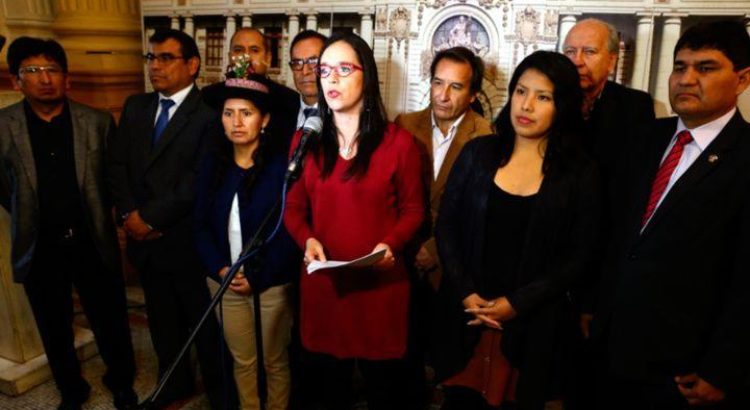
La bancada de Nuevo Perú envió un oficio al Ministerio de Educación (Minedu) para que deje sin efecto los cambios que se quiere hacer en los textos escolares, luego que un informe periodístico revelara que se está elaborando el material educativo con opiniones conservadoras y omitiendo la historia del terrorismo.

Así lo dio a conocer a través de Twitter, la parlamentaria Tania Pariona, quien señaló que “los niños, niñas y adolescentes tienen derecho a la verdad y a un futuro sin violencia”.

En el documento- dirigido al ministro de Educación, Daniel Alfaro– Nuevo Perú considera que “los textos escolares que pretenden publicarse presentan una visión sesgada de la historia reciente, abordando el terrorismo que vivió nuestro país de forma descontextualizada, inconsciente y en base a un uso arbitrario y tendencioso de las fuentes”.

Asimismo, señala que “es deber y competencia del Ministerio de Educación garantizar la formación de los estudiantes y ello implica desarrollar debidamente lo anotado en el Curriculum, respetando los instrumentos y enfoques asumidos por el Estado Peruano”.

Por ello, solicitan dejar sin efecto el proceso de revisión de los textos educativos sobre los hechos del periodo de violencia 1980-2000 y se archiven los textos en consulta. Además, piden una reunión de trabajo con el titular de Educación para abordar estos y otros temas de interés de la bancada.

Fuente de la noticia: https://larepublica.pe/politica/1266144-minedu-nuevo-peru-pide-efecto-cambios-textos-escolares

Comparte este contenido:

United Kingdom: Parents have clear views on the education system, it’s time they were heard

Europe/United Kingdom/26.06.18/By Charles Parker/Source: www.telegraph.co.uk.

On an almost daily basis we hear from educators, politicians and commentators on what needs to change in education. But we rarely hear from parents, despite the fact they have a clear perspective on the outcomes. It’s their children that the system teaches and they see first hand whether it’s working.

Recent research from the Baker Dearing Educational Trust shows that 80 per cent of parents think the current education system needs to change to reflect 21st century Britain, which suggests they have concerns.

The research surveyed 1,000 parents with teenagers at mainstream schools and their responses were compared with 450 parents whose children attend University Technical Colleges (UTCs), technical schools for 14-18 year olds.

The results found that for two thirds (66 per cent) of parents their biggest fear is that their child will not find a job when they leave education and nearly half (48.1 per cent) of parents said they felt stressed about their child’s education.

It is completely understandable that parents are concerned about the future and whether their children will secure the careers they deserve.

Parents are hearing about high youth unemployment and graduates not being able to find jobs. Their children are staying at home longer and finding it harder to rent, let alone buy, their own homes.

«It is completely understandable that parents are concerned about the future and whether their children will secure the careers they deserve.»

Futurist, Rohit Talwar says that youngsters need to be ready to have 40 jobs during their career and work, potentially, up to the age of 100.

Although no one really knows what’s in store it’s clear that the way we’ve been working and living is going to change greatly. So for UTC parents it must be reassuring to know that their child is confident and has a clear understanding of the industry they want to work in.

Nearly two thirds (64 per cent) of mainstream school parents surveyed said they wanted a greater variety of choice in the type of school for their child and 69 per cent said they wanted the option to select a technical education if it reflected their child’s talents.

It’s really hard for schools to keep pace with the modern world of work, where the skills requirements are changing all the time. In order to cope with these changes, young people will need to be well grounded in basic behaviour, social skills, communication and teamwork. They will need to have the ability to adapt, learn new skills and master technologies that haven’t even been conceived yet.

Recently, Nicky Morgan showed she had been listening to working parents when she offered them the right to request childcare from their school that reflects a full working day.

I agree that it is important that schools align themselves with the working day for three reasons. First, it helps children in their transition between school and work. Second, parents will be pleased that children remain in school where they are safe and supervised to do their homework and extra-curricular activities.

But finally it makes sense on a social level for everyone’s quality of life. It keeps learning and homework within the working day rather than dragging into the evening when parents and children are too tired to concentrate.

UTCs are ahead of the curve on this as they have been operating on a working day since the first one opened.

Schools are working hard to deliver the talent employers need but employers need to change too. They need to take a long-term view of their skills requirements and integrate better with the education system.

In Europe, collaboration is normal, but in the UK the worlds of education and employment are largely separate.

Employers and the university control the governing bodies of UTCs. This means they are required to understand more about education and it helps the senior leaders of the school to better understand the needs of employers. It’s testing for both sides, but it seems to be paying off.

The research showed that about eight out of 10 parents believed the UTC was preparing their child for the world of work compared to just over 6 out of 10 parents with children at mainstream schools.

The skills challenge we face will not be solved by one single system or education program. This is not just a problem for the Government, educators or industry. Our research show parents have clear ideas and should play a larger role in engineering future solutions.

Source of the notice: https://www.telegraph.co.uk/education/educationopinion/11960332/Parents-have-clear-views-on-the-education-system-its-time-they-were-heard.html


Comparte este contenido:

Guatemala: Volcán de Fuego deja a más de 15 mil niños fuera de las escuelas

Centro América/Guatemala/25.06.18/Fuente: www.telesurtv.net.

La tragedia en Guatemala desincorporó de clases a los niños de las zonas afectadas, mientras el Gobierno busca alternativas para que puedan recibir escolarización en medio del desastre.

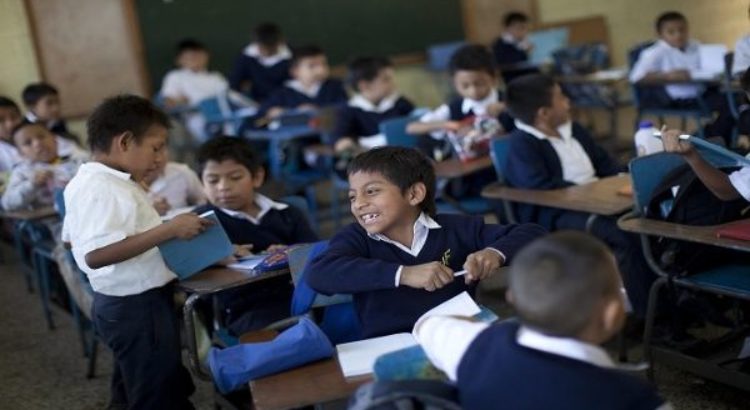
El desastre en Guatemala ocasionado por la erupción del Volcán de Fuego dejó a 15 mil 115 niños sin clases desde la suspensión formal el pasado 3 de junio por parte del Ministerio de Educación guatemalteco (Mineduc).

Por el momento, las instituciones educativas de las zonas afectadas sirven de albergues para los damnificados.

“Mientras se construyen los albergues de transición, muchos colegios han ofrecido sus instalaciones sin costo para que los niños vayan a estudiar”, puntualizó el Ministerio de Educación de Guatemala.

El ministro de Educación de Guatemala, Óscar Hugo López, realizó una segmentación de los niños afectados por la tragedia del volcán, y los dividió en tres grupos.

>> OMS evaluará efectos del volcán de Fuego en los guatemaltecos

El primer grupo de infantes está conformado por 668 menores de edad quienes han paralizado sus actividades escolares ya que la tragedia destruyó sus casas y sus centros educativos, en segundo lugar se agrupó a 2.237 niños quienes están junto a sus padres en zonas de alto riesgo sin intenciones de desalojar sus lugares de residencia.

Por último se encuentran 12.110 pequeños que no tiene posibilidad de retomar las actividades escolares porque sus escuelas están siendo utilizadas como refugios y centros de acopio.

En este sentido, el primer grupo de infantes serán ubicados temporalmente en carpas donadas por la comunidad internacional, mientras transcurre el periodo de recuperación y reconstrucción de las comunidades abatidas por el Volcán de Fuego.

“Se colocarán entre 25 y 30 carpas. El plan es que se ubiquen donde se construirán las residencias, pero se analiza si se puede hacer en lugares cercanos a los albergues”, informó el ministro López.

Asimismo, la prensa local informó que estos niños desplazados como consecuencia de la tragedia serán atendidos por psicólogos voluntarios antes de retomar las clases.

“Con estos niños se trabajará con una atención psicosocial antes de empezar el currículo. No podemos entrar de lleno con las materias, pues los niños pasan por una pérdida de territorio y familia”, señaló el ministro.

Fuente de la noticia: https://www.telesurtv.net/news/volcan-fuego-deja-ninos-fuera-escuelas-guatemala-20180625-0020.html

Comparte este contenido:
Page 2513 of 6196
1 2.511 2.512 2.513 2.514 2.515 6.196