Page 2801 of 6196
1 2.799 2.800 2.801 2.802 2.803 6.196

Dubai Investments to invest $20m in Africa Crest Education

Dubai/February 13, 2018/Source: https://www.khaleejtimes.com

Dubai Investments PJSC, the leading, diversified investment company listed on the Dubai Financial Market, has announced $ 20 million direct investment into Africa Crest Education Holdings (ACE) – an investment company promoting quality education across the African continent.

Khalid bin Kalban, managing director and CEO of Dubai Investments, said: «Dubai Investments is pleased to partner with ACE and SABIS on this project. This is part of the Company’s continued efforts to boost its investments in the education sector and making a foray into the African continent. SABIS has a long-standing history of offering quality schooling and is a respected name in global education landscape and this partnership will go a long way in opening school doors to millions across Africa.»

The investment will fund development of SABIS operated schools in Africa, with an initial target pipeline of projects in Kenya, Egypt, South Africa, Uganda and Morocco. Dubai Investments subsidiary Al Mal Capital advised DIC on its investment in ACE. Al Mal Capital will also continue to manage the investment in ACE on DIC’s behalf. Investbridge Capital arranged and advised on behalf of Africa Crest Education.

Dubai Investments will join founding investors: Investbridge Capital (IBC), an independent alternative asset management and advisory firm based in Dubai International Financial Centre; Centum – a leading East Africa’s Investment Company listed on Nairobi and Uganda Securities Exchanges; and SABIS, a 130+ years’ global school operator educating over 70,000 students across five continents in the project.

Mark DeSario, co-founder and chief executive officer of Investbridge Capital and Board member of ACE, says: «Having Dubai Investments join the Founding Shareholders is a welcomed event and one we believe adds great value to ACE. Dubai Investments is the largest listed diversified investment company listed on the Dubai Financial Market with a market cap of c. US$ 3 billion. Their investment in ACE confirms that strong and robust business execution strategies in the education sector, based on the fundamentals, matched with deeply experienced partners and a well-structured project pipeline will attract the very best institutional investor base.»

The initial project in Kenya, The SABIS International School – Runda, is currently under construction and now accepting applications for its opening in September 2018. The school will be located on a state-of-the-art campus of 80,000 m² within Runda neighbourhood in Nairobi providing outstanding, non-selective, co-educational English-medium education serving local & international communities.

Johnny Harb, the CEO of ACE, said: «Africa Crest Education with its strong ties to SABIS® is looking at expanding its school network across the African continent. With a young and growing population, the demand for private education in Africa is increasing, and we are glad that Dubai Investments decided to join ACE making a positive impact through the delivery of a top notch educational system. The upcoming period is auspicious for ACE’s growth; as we benefit from DI’s deep experience and exposure to real estate investments.» – business@khaleejtimes.com

Source:

https://www.khaleejtimes.com/dubai-investments-to-invest-20m-in-africa-crest-education
 

Comparte este contenido:

Malaysia: The needs of students always a priority for Education Ministry

Malaysia/ February 13, 2018/By Awaina Arbee/Source: https://www.nst.com.my

The Education Ministry has allocated a total of RM2.9 billion to aid more than 5.2 million students for this year.

Education Director-General Datuk Dr Amin Senin said the ministry had always prioritised students’ needs, and that was why the allocation for education aid goes up every year.

«People should understand that the ministry spends about RM8,000 yearly on a student by providing numerous aid to help them during their schooling sessions.

«Sometimes, the public do not know these things. The purpose of the Education Tour (Jelajah Pendidikan) is to explain to the people that there are no compromises when it comes to education,» he said.

Amin said the government, through the ministry has always been consistent in helping students in school.

«In fact, for this year, more than 5.2 million students benefitted from an allocation of RM2.9 billion in Selangor. We have allocated RM221.4 million involving three categories; General Aid RM133.5 million; Special Aid RM45.7 million, and One Off aid RM42.3 million.

«To compare, education expenses in Malaysia is twice the amount of education expenses in other Asean countries,» told reporters after officiating the tour at the Hulu Langat Education District office today.

Amin said the tour was a form of interaction between the ministry and the public.

«With the National Blue Ocean Strategy as its theme, the programme is aimed at providing explanations about the services and opportunities in the education system in the country.

«This programme showcases the ministry’s efforts in developing students to meet global challenges, where we have provided them with holistic assessments, quality teachers and administrators and also an access to various 21-century education routes,» he said.

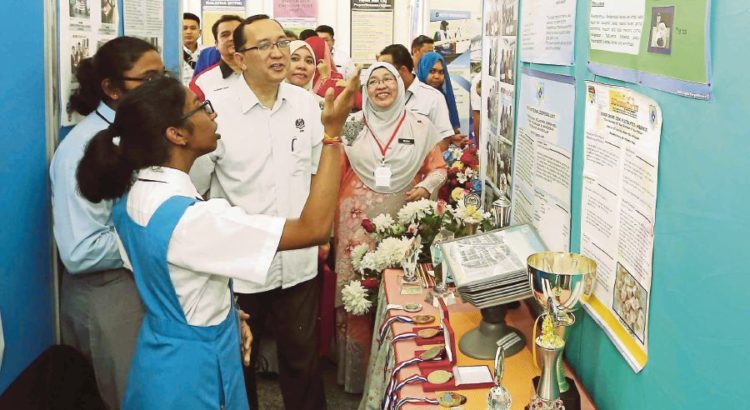
More than 6,000 visitors attended the Education Tour at the Hulu Langat Education District office from Feb 10-11.

The tour will continue at five other locations which include Langkawi, Kedah from Feb 22-24; Pasir Puteh, Kelantan (March 8-10); Parit Buntar, Perak (March 30 – April 1); Temerloh, Pahang (April 13-15) and Tawau, Sabah (April 20-22).

Among the schools that participated in the Education Tour here from Feb 10-11 were SK Jalan Empat; SK Saujana Impian; SK Sungai Kantan; SK Bandar Teknologi Kajang; SMK Jalan Empat; SMK Tinggi Kajang; SMK Bandar Baru Sungai Long; SMK Jalan Bukit and SK Jalan Semenyih.

Source:

https://www.nst.com.my/news/nation/2018/02/334528/needs-students-always-priority-education-ministry

Comparte este contenido:

Australia: Closing the Gap targets in childhood mortality and early education back on track

Australia/February 13, 2018/By: Paul Karp/ Source: https://www.theguardian.com 

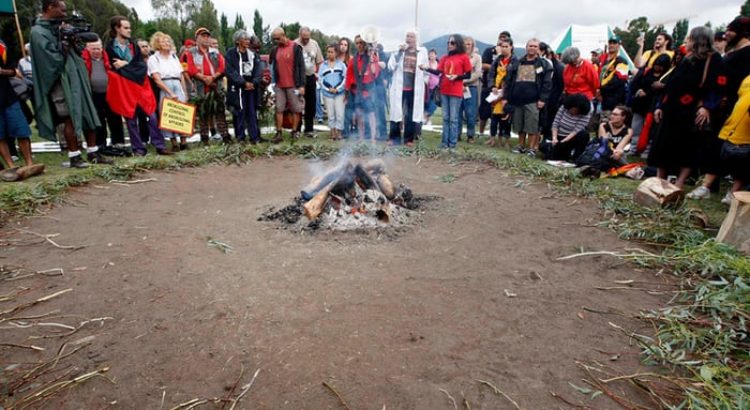
Three of seven key targets to reduce Indigenous disadvantage are on track to be met – but four still lagging after 10 years.

Three of the seven Closing the Gap targets were met in the past year compared with just one a year earlier, with the national childhood mortality and early childhood education measures back on track.

The updated measures of Indigenous disadvantage, which will be reported to parliament by Malcolm Turnbull on Monday, show the most promising results since 2011, and a marked improvement from figures released a year ago when only the goal of halving the gap in year 12 attainment by 2020 was on track to be met.

The remaining four targets, including a key one to close the 10-year gap in life expectancy between Indigenous and non-Indigenous Australians by 2031, are lagging.

As well, three of the remaining four targets – to halve the gaps in employment, reading and numeracy, and in school attendance for indigenous students – are due to expire in 2018.

The Indigenous affairs minister, Nigel Scullion, said Turnbull would use the occasion to build on the government’s $1bn Indigenous procurement policy and “unveil a range of new measures to turbo-charge the Indigenous business sector”.

In response Bill Shorten will promise a $9m compensation fund over three years for stolen generations survivors in the Northern Territory and Australian Capital Territory, part of a $17m package to address Indigenous disadvantage.

According to figures from the Department of the Prime Minister and Cabinet, child mortality has dropped by 33% between 1998 and 2015, with overall mortality down 15% in the same period.

Chronic diseases were also down with fewer Indigenous people dying from circulatory disease, which was down 45% from 1998 to 2016, respiratory disease was down 24% from 1998 to 2015 and kidney disease down by 47% from 2006 to 2015.

Scullion said “solid progress” had been made in other target areas compared with a decade ago, even where Australia is not on track to meet the benchmarks.

But progress varies across states and territories. All states and territories except the NT achieved the early childhood education benchmark.

South Australia, Western Australia, the NT and Australian Capital Territory met the grade for year 12 attainment. Only New South Wales met the employment benchmark. For reading and numeracy only Tasmania and the ACT did so.

In his speech to parliament Shorten will unveil a commitment to boost support for the families of stolen generations survivors and efforts to tackle the rising number of Indigenous Australians in out-of-home care.

The announcement comes 10 years after Kevin Rudd’s apology to the stolen generations as debate rages about the effectiveness of the Closing the Gap goals, following a report claiming the strategy has been “effectively abandoned”.

The Labor package would include payments of $75,000 to stolen generations survivors who were removed from their families, responding to a recommendation in the 1997 Bringing them Home report.

If Labor is elected, the scheme would be accessible to about 150 surviving members of the stolen generations in the Northern Territory and any survivors in the ACT and Jervis Bay, and includes $7,000 for one-off payments for funeral costs. Victoria is the only state not to have a similar compensation scheme.

Labor also proposed a national healing fund for the stolen generations and their families to pay for programs such as family reunion, return to country and aged-care services.

Since 2008 the number of Indigenous children removed from their families has risen rapidly from 9,070 to an estimated 17,664.

Shorten will promise to tackle those “unacceptably high” rates of out-of-home-care, with a national summit on First Nations children in the first 100 days of a Labor government.

Shorten will say the apology was “much more than a set of well-chosen words”.

“It was not just an expression of sorrow or regret – but a declaration of intent, a promise for action.”

He will say the commonwealth must live up to its rhetoric by not just saying sorry but “making good”.

The Indigenous health minister, Ken Wyatt, who suggested on Sunday that the government could still legislate an Indigenous voice to parliament outside the constitution, said the government is “committed to making a difference”.

“Closing the Gap is not just about government responsibility, it is also the responsibility of the myriad first nations and non-Indigenous organisations that receive funding for programs designed to address targets,” he said.

Kevin Rudd, who introduced the Closing the Gap strategy, said the original targets were always going to be hard to meet because “overcoming 200 years of disadvantage is a bloody hard thing”.

“So when people say they’re too hard and we’re not on track to meet them all, I say, ‘so what?’,” he told Sky News.

“Let’s not bash the targets, let’s enhance the targets but we should not water them down.”

Closing the Gap: progress report

 Close the gap in life expectancy by 2031: On track with overall mortality rate down 15% (from 1998 to 2015)

 Halve the gap in child mortality by 2018: Down 33% (between 1998 and 2015)

 Have 95% of all indigenous four-year-olds enrolled in early childhood education by 2025: On track

 Close the gap in school attendance by the end of 2018: little progress

 Halve the gap in reading and numeracy for Indigenous students by 2018: on track in the ACT and Tasmania

 Halve the gap in Year 12 attainment by 2020: on track

 Halve the gap in employment by 2018: on track in NSW

Source:

https://www.theguardian.com/australia-news/2018/feb/12/closing-the-gap-targets-in-childhood-mortality-and-early-education-back-on-track

Comparte este contenido:

Indian: English, cost of education in private schools reasons for dropout in Delhi: Study

Indian/February 13, 2018/By: PTI/ Source: http://www.newindianexpress.com

Communication in English, cost of extracurricular activities and «inadequate reimbursement» on education expenditures are major reasons for students from economically weaker sections and disadvantaged groups dropping out of private schools in Delhi, says a study by NCPCR.

The study on ‘Implementation of Section 12(1) (c) of Right To Education Act, 2009 in Delhi pertaining to Admission of Children from Disadvantaged Sections in Private Schools’ also found that the dropout rate in 2011 was around 26 per cent, which came down to 10 per cent in 2014.

The section 12 (1) (c) of the RTE Act fixes the responsibility of private unaided schools to provide free and compulsory education to children from weaker and disadvantaged sections by admitting at least one-fourth of the total strength of class 1 or pre-school education.

«In the initial phase in 2011, the dropout rate was at around 26 per cent which has come down to 10 per cent in 2014 but shows no major progress after that.

«The dropout percentage, particularly at the entry level class i.e. primary and pre-primary and major share of the dropout is at the primary level,» according to the study conducted by the National Commission for Protection of Child Rights (NCPCR).

The study by the apex body for protection of child rights in India was based on data submitted by 650 schools across Delhi on year-wise dropout rates.

The study highlights that one of the main «excuses» given by a school is that after allotment (under EWS category), parents did not show interest for admission while the institute also did not try to follow-up with them.

«Due to lack of follow-up by the school or authorities, the seats remain vacant,» it said.

«Parents claimed that books and extra-curricular activities cost a lot, which pushed them to leave school,» the study said.

It also flagged concern over another trend noticed about dropouts — that schools have no clarity on what next steps they need to follow in case the EWS/DG category students leave school or don’t join at all.

According to documents collected by the NCPCR during onsite visit of schools, in case the child does not join their school at all then it needs to send a notification to the DoE stating that the student allotted to them has not joined and the seat is empty but it is not practiced when the student leaves in between for personal reason.

«As per the analysis of the data, it is clear that most of the schools don’t take any initiative to fill the empty seats while few try filling it with general category students.

The schools quote absence of proper guidelines from the DoE to maintain the ratio till class 8 as a reason of not taking admission after entry class,» the study said.

However, section 12 (1) (c) clearly states that the school shall admit in class 1, to the extent of 25 per cent of total strength of that class and provide education till completion of elementary education.

The RTE Act, 2009 nowhere restricts the schools from taking admission in any other elementary level class to maintain the 25 per cent ratio, it said.

According to the guideline of the Directorate of Education, all schools are allotted an amount of Rs 1,598 per EWS student per month as tuition fee reimbursement.

For books and uniforms, all schools are expected to fill in details of the expenditure incurred in a given format and submit it to the DoE. The amount claimed gets reimbursed via cheque to the school and is then distributed to the students.

The schools are supposed to submit utilisation certificate within a month of the receipt of the cheque.

«Parents have complained that cost of books and extra curricular activity is too high and the reimbursement amount is not enough,» the study said.

It quoted a parent as saying that, «I pay around Rs 3,100 per quarter to the school for my son. Apart from that I spend about Rs 12,000 on his books. His uniform cost is extra. In case the school takes the child for picnic, I pay for it.»

One of the major reasons for higher cost of books in private schools is the violation of section 29 (1) of the RTE Act i.e. when the curriculum and evaluation procedure laid down by the academic authority is not followed, according to the study.

Suggesting the way forward, the NCPCR stressed then need for conducting regular orientation programmes for teachers and principals on how to include the children in EWS/DG category in the mainstream.

It said similar to the in-service training of government school teachers, training of private school teachers should be conducted by respective schools through the District Institutes for Education and Training (DIETs).

Noting that section 12 (2) of the RTE Act states that the total expenditure on education has to be reimbursed by the State, it said these children should be included in important co-curricular activities conducted in the school.

The NCPCR also suggested that the medium of instruction should as far as possible be mother tongue and schools should make efforts for multilingual teaching, besides prescribing NCERT books and their use be strictly implemented, especially in schools affiliated to CBSE/ICSE or any other private board.

Source:

http://www.newindianexpress.com/cities/delhi/2018/feb/11/english-cost-of-education-in-private-schools-reasons-for-dropout-in-delhi-study-1771732.html

Comparte este contenido:

Perú: Educación reprobada

América del Sur/ Perú / 12.02.2018 / Fuente: gestion.pe.

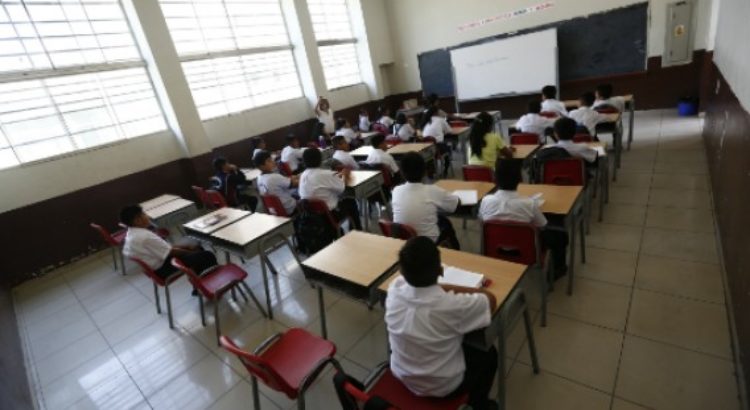
Si hace dos años el 27% consideraba que la educación pública había mejorado, según la última encuesta Pulso Perú, ahora solo el 12% opina lo mismo.

 El próximo mes se inician las clases escolares y las familias ya lidian con los gastos de matrícula, compra de útiles y demás.

En un contexto de estancamiento de los ingresos y de caída del empleo adecuado, el desánimo de las personas se magnifica y se extiende a los ámbitos directamente ligados al desembolso de dinero. Pero también contribuye a esa percepción el mal manejo de la huelga de profesores del año pasado, que impactó negativamente sobre la imagen que tenía la reforma del sector.

Si hace dos años el 27% consideraba que la educación pública había mejorado, según la última encuesta Pulso Perú, ahora solo el 12% opina lo mismo, mientras que el porcentaje que piensa que la calidad siguen siendo la misma pasó de 52% a 67%.

La educación privada tampoco sale bien parada, pues su calificación como “buena” disminuye en 17 puntos porcentuales (hasta 43%), aunque el 60% de jefes de familia escogería un colegio privado para sus hijos, si contase con los recursos para costearlo.

Si bien los indicadores de rendimiento escolar mejoran gradualmente, los avances se han visto ensombrecidos por eventos negativos, pues además de la huelga, El Niño costero dejó inutilizables o seriamente dañadas decenas de colegios, sobre todo en el norte del país.

La pésima actuación del Gobierno en la reconstrucción de la infraestructura, también golpeó a la educación, a lo que se suman los constantes reportajes sobre las lamentables condiciones en que muchos niños estudian, tanto en zonas alejadas como en la periferia de Lima.

El año pasado, el Ministerio de Educación invirtió S/ 248 millones más que el 2016, pero el avance de su ejecución presupuestal fue de 73%. Quizá se trate de un nivel adecuado, de acuerdo con los estándares, pero lo que genera preocupación es la enorme brecha que existe entre las necesidades de inversión en infraestructura educativa y lo que el Estado está destinando para reducirla.

El ministro Idel Vexler ha dicho que se impulsarán proyectos bajo el esquema obras por impuestos, lo que podría ayudar a paliar las necesidades de colegios adecuados.

A estas carencias de infraestructura hay que añadir los aparentemente pocos esfuerzos que se hacen para disminuir el ausentismo.

Según el INEI, el 20.8% de niños entre 3 y 5 años no asiste a educación inicial. En suma, de acuerdo con la opinión de los peruanos, la educación no ha mejorado sustancialmente y su costo no justifica su calidad. Y no están muy equivocados.

Fuente de la noticia: https://gestion.pe/opinion/editorial/editorial-educacion-reprobada-227056

Comparte este contenido:

La OEI renueva el convenio con Veolia para la Educación basada en la sostenibilidad medioambiental en Iberoamérica

OEI/ 12.02.2018 / Fuente: www.oei.es.

La Organización de Estados Iberoamericanos prestará apoyo de nuevo a Veolia en 2018 en su proyecto Alrededor de Iberoamérica, una iniciativa que pretende fomentar una educación basada en los valores de la Democracia y la ciudadanía activa y responsable con el medioambiente, para lograr un desarrollo sostenible de la región iberoamericana. Esta campaña, que ya va por su sexta edición, forma cada año a más de 30 mil niños de colegios públicos de Brasil, Chile, Ecuador, México, Argentina y Perú.

La edición de 2018 busca la elaboración de material didáctico en español y portugués, centrado en el ‘Reciclaje Animado: animales en vías de extinción’ y el lanzamiento de un concurso sobre la misma temática en las instituciones de los países participantes. Estas acciones contarán con la ayuda de representantes de las Oficinas Nacionales de la OEI.

Veolia es uno de los principales grupos mundiales especializado en la gestión óptima de los recursos, como el agua o la energía, y de los residuos. Además, trabaja para garantizar el acceso universal a estos recursos y avanzar hacia modelos de desarrollo sostenible.

La Organización de Estados Iberoamericanos ya ha participado como entidad colaborado en sus proyectos en el pasado, con el fin de lograr que los estudiantes iberoamericanos tengan una educación de calidad, equitativa e inclusiva, tal como se recoge en el Programa ‘Metas 2021: la Educación que queremos para los Bicentenarios’.

Fuente de la noticia: http://www.oei.es/Educacion/Noticia/la-oei-renueva-el-convenio-con-veolia-para-la-sostenibilidad

Comparte este contenido:

España: «No» a la Coca-Cola en las escuelas de Andalucía

Europa/ España / 19.02.2018 /Fuente: www.publico.es.

Andalucía se ha convertido en la primera comunidad autónoma que legisla contra la obesidad y lo ha hecho con la misma virulencia que antaño ejerció el Gobierno de España contra el tabaco. No en vano, el Ejecutivo de Susana Díaz otorga a los trastornos alimenticios la consideración de “pandemia” del siglo XXI. La obesidad afecta al 16,6% de la población adulta y a uno de cada cuatro niños andaluces, el grupo más vulnerable y en el que más se ha pensado al diseñar la ley.

Quizá por eso, la norma trae consigo todo un catálogo de medidas punitivas contra aquellos que faciliten a los jóvenes productos asociados a la obesidad infantil, desde el cierre temporal de un negocio de hostelería, el embargo de bienes o la retirada de la mercancía, hasta multas por valor de 250.000 euros.

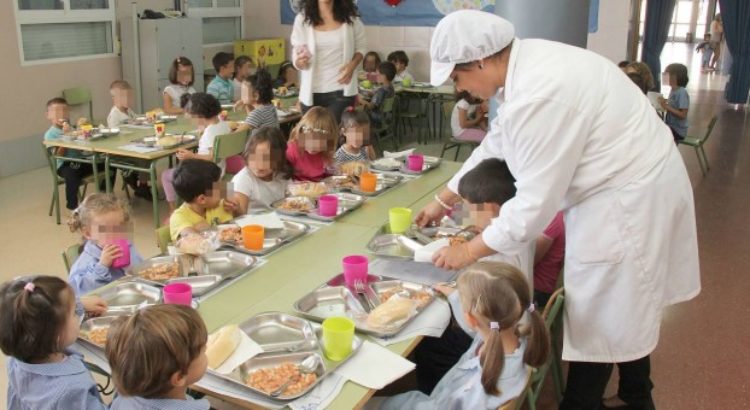
La Junta de Andalucía ha prohibido por ley la venta de bollería industrial y bebidas azucaradas en los centros escolares de esta región. La norma, que ha entrado en vigor este mes, obliga a los colegios de Infantil y Primaria a retirar las máquinas expendedoras automáticas que facilitan estos productos, pero afectará mucho más a los institutos de Secundaria y Bachillerato, donde sí se permite la presencia de estos dispositivos, pero sujeta a ciertas reglas y, por supuesto, prohibiendo la venta en centros docentes de alimentos y bebidas proscritas, a saber, “con un alto contenido en ácidos grasos saturados, ácidos grasos trans, sal o azúcares”. El mismo reglamento se aplicará a las cantinas, bares y comedores ubicados dentro de instalaciones escolares.

Un Bollycao, por mencionar alguno de los alimentos vetados, excede de las 200 kilocalorías que la ley ha fijado como tope. Una Coca Cola, una Pepsi o un refresco similar contiene un exceso de azúcares y sustancias estimulantes cuya venta está prohibida en las escuelas andaluzas y, desde ahora, sujeta a condiciones en otros edificios públicos, por ejemplo un centro de salud.

Los hospitales y ambulatorios andaluces no tendrán que retirar las máquinas de refrescos y café (la cafeína también está vetada), pero sí están obligados a instalar una fuente de agua natural justo al lado o, en su defecto, introducir botellas de agua en las máquinas expendedoras de refrescos.

Las empresas responsables de las máquinas expendedoras tendrán que ofrecer agua potable en los centros educativos, bien habilitando fuentes a una distancia máxima de dos metros de la máquina, bien integrando el acceso al agua en el propio dispositivo. La ley también les obliga a mostrar en un lugar visible para los alumnos “la cantidad de calorías netas por porción envasada” de los alimentos que se venden en un instituto.

La ley andaluza contra la obesidad (nombre oficial Ley para la Promoción de una Vida Saludable) ha tardado más de dos años en ver la luz, en parte por la resistencia que ha ofrecido el sector de la hostelería y las empresas que distribuyen los alimentos proscritos, que afrontan las sanciones más duras recogidas en la ley. El texto final ha rebajado el volumen de las multas respecto al primer borrador (la horquilla llegaba a los 300.000 euros), pero siguen siendo cuantiosas: una falta leve está castigada por debajo de 3.000 euros y una infracción muy grave hasta 250.000 euros.

Se considera falta leve, por ejemplo, que un centro educativo no compruebe si las máquinas expendedoras informan de manera clara del impacto que pueden tener los productos que venden en la salud de los niños (del mismo modo en que aparece en las cajetillas de tabaco). En este caso, también supone una falta leve el no ponerse en contacto con las empresas fabricantes o distribuidoras de dichos productos para reclamar la información que exige la ley.

Una falta grave, multada con 3.000 a 15.000 euros, amenaza a las empresas de catering (y también a la dirección de centros) que dispensen en los centros educativos “menús no adaptados a las necesidades nutricionales del alumnado”. Tiene la misma consideración penal “la promoción y publicidad de alimentos envasados o bebidas refrescantes” que vulneren los “criterios nutricionales” que establece la ley “en los centros sanitarios con atención a menores en edad pediátrica”. También es una sanción grave que los bares no oferten el acceso gratuito a agua potable.

El catálogo de infracciones muy graves es el más extenso, e incluye la prohibición de la venta en centros escolares de alimentos y bebidas saturados de grasas y azúcares. La ley también prohíbe a las empresas que fabrican o distribuyen estos productos hacer campañas de promoción alimentaria, promoción del deporte (una carrera popular) o patrocinios de equipos y eventos deportivos en el ámbito académico “sin estar autorizado para ello”. Además está multado con hasta 250.000 euros la instalación de máquinas expendedoras en colegios de Infantil y Primaria, así como la venta de alimentos envasados y bebidas perniciosas en fiestas y celebraciones escolares.

Intervenir productos y embargar cuentas

Con carácter preventivo y para no llegar a imponer sanciones, la ley andaluza introduce una serie de “medidas provisionales” contra los establecimientos y empresas de restauración que pongan en riesgo la vida saludable de los andaluces, por ejemplo: la suspensión o cierre temporal del negocio; la retirada o intervención de los productos que venden “por razones de sanidad, higiene o seguridad”; el embargo preventivo de “bienes, rentas y cosas fungibles”; el depósito, retención o inmovilización de vehículos de reparto; la intervención de ingresos por la venta de productos “ilícitos y prohibidos” o la congelación de ingresos que dependan de la Administración Pública…

La Consejería de Salud, responsable de la norma, también ha introducido cambios en currículum escolar de los andaluces para fomentar programas de educación física. En un plazo de dos años, se establecerá un tiempo mínimo de cinco horas a la semana de ejercicio físico y ampliar las actividades extraescolares que incluyen esfuerzo muscular.

Esto no implica necesariamente ampliar las horas de la asignatura de gimnasia. Algunas escuelas andaluzas ya regulan este hábito mediante prácticas de 15 minutos al día de ejercicio físico nada más empezar la jornada escolar, algo que se ha demostrado repercute positivamente en el rendimiento académico. El fomento del ejercicio también se regula en empresas de más de 50 empleados, que tendrán la obligación de habilitar aparcamientos para bicicletas a su entrada.

Los bares y restaurantes están a partir de ahora obligados a ofrecer de forma gratuita un recipiente con agua y vasos para sus clientes, y los restaurantes y supermercados deberán disponer de menús saludables y de diferentes tamaños de raciones de alimentos frescos y perecederos en cantidades adaptadas a la composición de diferentes unidades familiares.

La ley introduce la figura de cartas de compromiso y un distintivo oficial para las empresas y entidades que promuevan los hábitos de vida saludable.

Fuente de la noticia: http:///sociedad/andalucia-prohibe-vender-coca-cola-bollycao-colegios-multa-250000-euros.htm.

Comparte este contenido:
Page 2801 of 6196
1 2.799 2.800 2.801 2.802 2.803 6.196