La Corte Suprema de Justicia había otorgado una medida cautelar a seis universidades cuyas carreras de Medicina fueron clausuradas por el Consejo Nacional de Educación Superior (Cones). Las carreras no contaban con los requisitos necesarios, según la mayor instancia de educación superior; sin embargo, la Corte trabó la clausura de las mismas.
Al respecto, la Universidad Autónoma de Asunción (UAA), Universidad del Pacífico (UP), Universidad Católica Nuestra Señora de la Asunción (UCA), Universidad del Cono Sur de las Américas (UCSA), Universidad Columbia del Paraguay, Universidad Iberoamericana (UNIBE), Universidad San Carlos (USC), Universidad Paraguayo Alemana (UPA) y la Universidad Americana (UA) emitieron un comunicado.
Dichas instituciones educativas expresaron su repudio por la decisión tomada por la Corte Suprema de Justicia. “Seguir permitiendo el funcionamiento de dichas universidades significa que no solamente están fuera de la ley y, como resultado, que puedan salir a practicar como médicos personas sin tener la capacidad necesaria para ejercer la medicina”, reza el texto.
De esta manera, responsabilizan a los magistrados que tomaron la decisión en lo que respecta a los posibles casos de mala praxis por parte de los egresados de las instituciones clausuradas por el Cones. Finalmente, solicitaron cordura, seriedad y responsabilidad ante esta situación y «que se deje a los organismos como el Consejo de Educación Superior, que cumplan con lo que la ley establece».
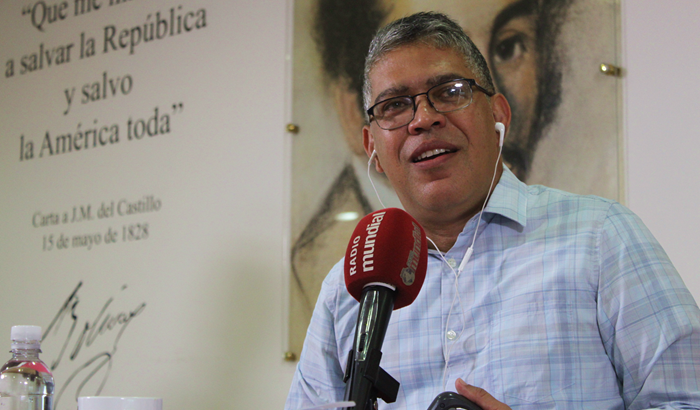
El incremento del 60 por ciento del salario mínimo decretado por el Presidente Nicolás Maduro beneficiará a los trabajadores y trabajadoras tanto activos como jubilados del Ministerio del Poder Popular para la Educación, informó el ministro del Poder Popular para la Educación, durante la emisión número 31 de su programa radial Encuentro Popular, transmitida a través de YVKE Mundial.
Durante su intervención, Jaua resaltó la protección que ha brindado la revolución a la clase trabajadora, y prueba de ello es el tercer incremento salarial establecido por el primer mandatario nacional en lo que va de año, situación que contrasta con los despidos y recortes presupuestarios que afectan a los trabajadores de la educación en países como Argentina, México y Brasil.
El ministro Jaua detalló que a partir del 1° de mayo el ingreso mínimo integral quedó en 200.021 bolívares, incluyendo cestaticket, que subió de 108 mil a 135 mil bolívares, mientras los jubilados y pensionados cobrarán 65 mil veintiún mil más un bono especial contra la guerra económica equivalente al 30% del salario mínimo, es decir 19 mil 506 bolívares, para un ingreso total de 84 mil 527 bolívares mensuales.
Además, el titular del despacho educativo explicó que la tabla salarial de los docentes con una dedicación de 36 horas quedó establecida de la siguiente manera: los Docentes con grado I comenzarán a devengar un total de 247 mil 555 bolívares; los educadores con grado II, 277 mil 074 bolívares; los docentes con grado III, 283 mil 347 bolívares; mientras que los docentes con grado IV, 289 mil 593 bolívares; los maestros y maestras con grado V pasarán a cobrar 323 mil bolívares, y los educadores con grado VI recibirán 352 mil bolívares mensuales.
En cuanto a los docentes que tienen una dedicación 33,33 horas semanales, el incremento salarial se hará de la siguiente forma: Docentes grado I, 139 mil 416 bolívares; Docente grado II 266 mil 769 bolívares, Docente grado III 272 mil 637 bolívares, Docente grado IV 278 mil 461 bolívares, Docente grado V 309 mil 598 bolívares, Docente grado VI 336 mil 374 bolívares, afirmó el ministro Jaua.
Finalmente, Jaua Milano informó que actualmente 700 mil familias son protegidas por la Gran Misión Hogares de la Patria, y agregó que estos hogares pasarán a recibir 70 mil bolívares mensuales a partir del mes de mayo.
Nicaragua/Mayo de 2017/Autor: Raúl Lenín Rivas/Fuente: El 19 Digital
Por un monto de US$ 55 millones de dólares es el nuevo convenio de préstamo suscrito entre el Gobierno de Nicaragua y el Banco Mundial para financiar el proyecto Alianza para Calidad de Educativa (ACE), que está orientado a apoyar las prioridades estratégicas y brechas financieras identificadas en el nuevo Plan de Educación Básica y Media 2017-2021.
“Realmente es un honor poder firmar un convenio de financiamiento por 55 millones de dólares que asegura que esta estrategia, este plan es un plan financiado en el cual hemos estado trabajando en los últimos meses para asegurar los impactos necesarios en la mejora de la calidad, cobertura con equidad, desarrollo humano, fortalecimiento institucional”, expresó el titular del Ministerio de Hacienda y Crédito Público, Iván Acosta Montalbán.
El ministro señaló que con este convenio se viene a asegurar que el Gobierno de Nicaragua va por el buen camino movilizando recursos dirigidos a la inversión social.
Este proyecto tiene como objetivo prioritario mejorar los resultados del aprendizaje a través de una mejor calidad de la educación preescolar y básica, así como la inversión en escuelas más seguras frente a desastres naturales.
ACE consta de tres componentes: mejora de las prácticas docentes en preescolar, primaria y secundaria a nivel Nacional; mejora de las condiciones físicas de los ambientes de aprendizaje en escuelas priorizadas; y apoyo a la gestión y monitoreo del proyecto.
“Este proyecto va en línea con los objetivos planteados en la estrategia del sector educativo y beneficiará a cerca de un millón estudiantes y se enfoca en dos componentes: la mejora de la práctica docente y la mejora en la infraestructura escolar”, explicó el Representante del Banco Mundial en Nicaragua, Luis Constantino.
Añadió que en lo referido a la formación docente el proyecto se propone mejorar las prácticas de 52 mil maestros haciendo uso de estrategias que incluye proceso de observación del trabajo que realizan en las aulas de clase y se les brindará asesoría.
En cuanto a infraestructura escolar, Constantino indicó que se buscará mejorar las condiciones físicas en 45 escuelas rurales con altos niveles de pobreza.
“También se busca lograr que la infraestructura escolar pueda resistir los embates de los desastres que ocasionan los fenómenos naturales como terremotos, inundaciones y marejadas ciclónicas”, apuntó el directivo del Banco Mundial.
Por su parte, el Asesor Presidencial en temas de Educación, Salvador Vanegas, detalló que este financiamiento se ha dispuesto para un periodo de cinco años que se centra, además del fortalecimiento docente y mejora de la infraestructura escolar, en el crecimiento de capacidades para mayor eficiencia del Ministerio de Educación referido al diseño de proyectos y a la capacidad administrativa y financiera de la institución.
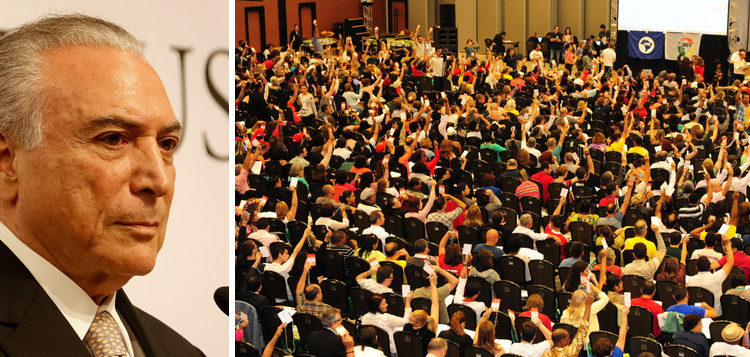
Resumen: Ante el temor de gobierno emitió un decreto en el que convoca la 3ª Conferencia Nacional de Educación (CONAE), dejando sin efecto un decreto ya emitido en mayo de 2016, llamando a la Conferencia Nacional que tendrá lugar en 2018; Como deslegitimar el organismo oficial que construye la Conferencia, el Foro Nacional de Educación (FNE); educadores y entidades de los movimientos sociales denuncian que la medida sirve para obstruir la participación de la FNE en la construcción de la CONAE, teniendo la sociedad civil el derecho de debate y construcción del curso de educación brasileña.
O Governo Temer segue sua agenda de retirada de direitos e medidas antidemocráticas. Através de um decreto revogatório emitido na última quarta-feira (26), foi convocada a a 3ª Conferência Nacional de Educação (Conae), anulando um decreto já emitido em maio de 2016, chamando a Conferência Nacional a ser realizada em 2018, deslegitimando o órgão oficial que constrói a Conferência, o Fórum Nacional de Educação (FNE).
Educadores e entidades dos movimentos sociais denunciam que a medida serve para obstruir a participação do FNE na construção da Conae, retirando da sociedade civil o direito do debate e construção dos rumos da educação brasileira.
Guilherme Barbosa, diretor da União Brasileira dos Estudantes Secundaristas (Ubes), é membro do FNE e considera a atual conjuntura preocupante. «O MEC desestrutura e desrespeita o FNE, não garantindo aspectos estruturais para sua manutenção e o seu devido funcionamento legal e institucional, além de não respeitar suas decisões. O decreto convocando uma nova Conferência desrespeita todos os indicativos e as decisões encaminhadas em reunião pelo pleno do FNE, que é soberano na construção da Conae», afirma.
«O Plano Nacional de Educação delega ao FNE a construção e elaboração da Conae e o MEC hoje desrespeita e desestrutura esse encaminhamento, reflexo de um projeto político que dirige o Ministério, inibindo a participação popular na construção das políticas educacionais e desorganizando a sociedade civil», conclui Guilherme.
Madalena Guasco, Secretaria Geral da Confederação Nacional dos Trabalhadores em Estabelecimento de Ensino (Contee) e também membro do FNE, enumera quais são os principais impactos do Decreto Revogativo, «colocou nas mãos da Secretaria Executiva do MEC a responsabilidade das conferências, quando essa função cabe ao Fórum, adiou as conferencias municipais e estaduais para o segundo semestre de 2018, sem garantia de financiamento e transferiu a Conferência Nacional para o final de 2018, depois das eleições, que será esvaziada se acontecer, já que as etapas estaduais terão muita dificuldade de realização», esclarece.
Tumulto e dificultação
O presidente da Confederação Nacional dos Trabalhadores em Educação (CNTE) e presidente do FNE, Heleno Araújo, emitiu um comunicado denunciando os impactos nocivos do decreto revogativo. Segundo afirma um trecho da nota, «além de representar uma medida unilateral, considerando que esta coordenação vem empreendendo esforços para promover o diálogo e preservar a atribuição do FNE, a medida não havia sido sequer cogitada em qualquer reunião ou discussão pública. Esse decreto é nitidamente ilegal ao meu juízo, ao estabelecer que as conferências devam ocorrer «sob a orientação do Ministério da Educação», na pratica, parece desejar tumultuar e dificultar um processo em curso», denuncia.
O Comitê Nacional em Defesa da Educação Pública reuniu-se nesta terça-feira (2), em Curitiba (PR), e está discutindo ações de denuncia ao Decreto Revogativo, tendo como perspectiva uma audiência pública no senado no próximo dia 9 de maio, reunindo o MEC, Ministério Público e o FNE. O Comitê também está organizando a realização de uma Conferência Popular de Educação, que aprovará um manifesto, provavelmente no início de 2018.
Importância histórica da FNE
O Fórum Nacional de Educação foi uma bandeira levantada pela sociedade civil desde 1946 no Brasil, construída após a 1ª conferência Nacional, em 2010, e se tornou órgão de estado estabelecido no PNE. O FNE é um espaço plural no qual os órgãos de estado, Governo, empresários, gestores públicos e privados, movimentos sociais, sindicais e entidades nacionais de educação debatem e acompanham e constroem de forma democrática as políticas públicas. Sua atribuição é também convocar as Conferências Nacionais a cada 4 anos, além de acompanhar as conferências municipais e estaduais, momento que toda a sociedade participa e constrói os rumos da educação no país. Com as medidas atotadas pelo Governo Temer, o abismo entre a participação do popular e rumos do país torna-se cada vez maior.
Cuba/Mayo de 2017/Autores: Dianet Doimeadios, Irene Pérez/Fuente: Cuba Debate
Ocurrió el 17 de mayo del año 2008, el Pabellón Cuba fue la sede y la comunidad LGBTI, por primera vez, la protagonista. Aquel día nació la primera Jornada Cubana contra la Homofobia y la Transfobia, evento que este miércoles inició su décima edición.
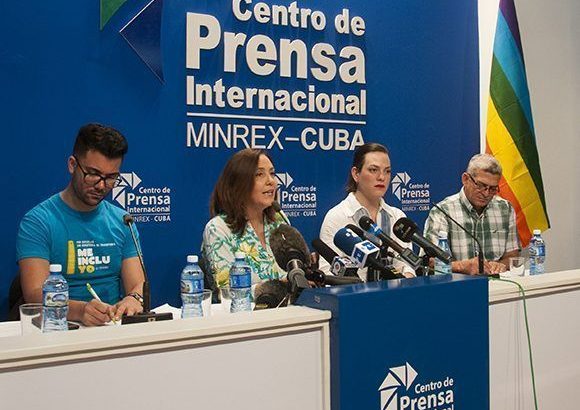
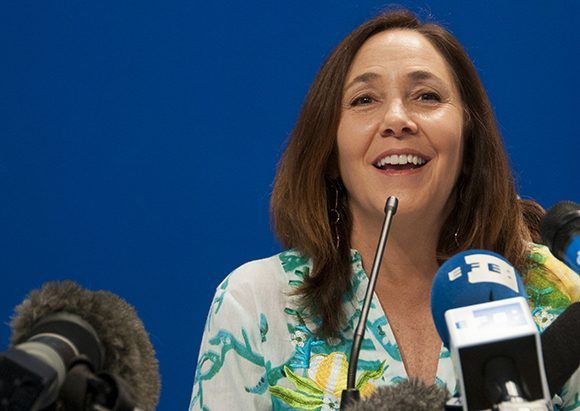
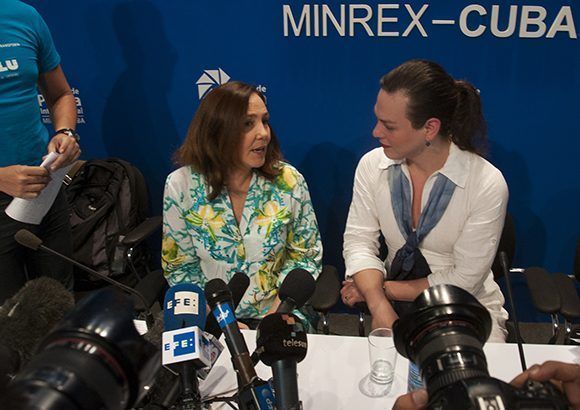
Una década después, la sociedad cubana es más tolerante, respetuosa e inclusiva, destacó hoy en conferencia de prensa Mariela Castro Espín, directora del Centro Nacional de Educación Sexual (Cenesex).
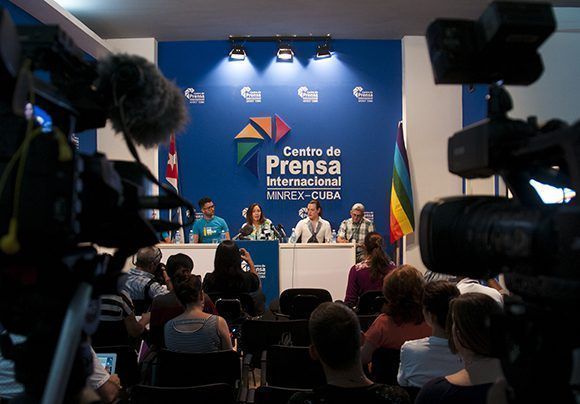
“Hemos avanzado a nivel político, porque el tema se ha posicionado dentro del Partido, que se ha de encargar, y lo ha hecho, de que nuestras propuestas se expresen en la política del país, incluso a nivel legislativo. El trabajo del Cenesex es de referencia mundial, nos hemos fortalecido, formado miles de activistas por los derechos sexuales en toda Cuba”, resaltó Mariela en el Centro de Prensa Internacional de La Habana.
La Jornada, que se extenderá hasta el próximo 20 de mayo, comenzó con la presentación de la campaña educativa “Me incluyo”, que cada dos años renueva su eje temático, el cual se centra en esta ocasión en el bullying o acoso escolar homofóbico y transfóbico.
“¿Por qué hemos escogido la escuela? Precisamente, porque es una de las instituciones más importantes de la sociedad”, dijo la directora del Cenesex.
Aunque “Cuba tiene un nivel bastante bajo de incidencia de esta problemática, no significa que no exista. Para nosotros no es importante la cantidad, sino la vivencia de cada ser humano. Este comportamiento discriminatorio hace mucho daño. No hacemos la campaña porque es un problema grande, sino porque existe y no hay conciencia de ello”, aseguró la Doctora.
Numerosas investigaciones de las ciencias sociales, jurídicas y médicas denuncian al bullying como una realidad, que permanece invisibilizada en la mayoría de los casos, pero subsiste en los centros educativos del país, explicó la sexóloga.
Por tal motivo, la campaña que se desarrolla en estrecha alianza con el Ministerio de Educación (MINED), se enfoca no solo en educar a la población en general, sino en formar a los maestros. “Queremos brindarles herramientas metodológicas, que les permitan prevenir este fenómeno en las escuelas, el espacio idóneo para que los niños aprendan a amar y respetar a todos”, afirmó Mariela.
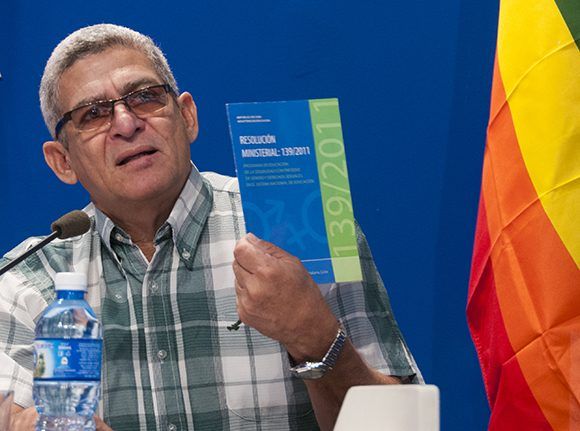
El Doctor Alcides Roca Zayas, especialista del Departamento de Salud Escolar del MINED y coordinador del Programa de Educación de la Sexualidad con Enfoque de Género y Derechos, también presente en la rueda de prensa, aseguró: “En las 10 mil 400 instituciones educativas cubanas promovemos acciones con el fin de erradicar todo tipo de violencia, que refuercen los derechos humanos y sexuales de los educandos, para que estos disfruten de una vida sana, responsable y feliz”.
El alcance internacional de la Jornada Cubana es reconocido por diversos líderes globales. Esta mañana, la actriz y cantante transexual chilena Daniela Vega, protagonista del filme “Una mujer fantástica”, dijo:
“Yo viví un proceso de amor en mi casa y un proceso de contención escolar cuando la necesité y hoy soy resultado de ello. Es difícil cuando el Estado no reconoce ciertos derechos, como pasa en Chile, y es muy alentador que ocurra en un lugar como Cuba, que desde las instituciones tengan la capacidad de replantearse la existencia y la diversidad humana como algo válido y positivo”.
El amplio programa del evento promete exposiciones de fotografía, una muestra cinematográfica en conjunto con el Ministerio de Desarrollo Social de Uruguay, conferencias magistrales, paneles teóricos, espectáculos culturales y la tradicional Conga, el 13 de mayo, desde La Piragua y hasta el Pabellón Cuba Cubana, sitio fundacional de la Jornada.
“Por escuelas sin homofobia ni transfobia” es el lema de la décima Jornada Cubana, cuyos mensajes mensajes de inclusión y respeto ante la diversidad pretenden hacer de este mundo un espacio un tilín mejor, porque “las sociedades que sueñan tienen mucho por hacer, y cuando logran algo, tienen que seguir soñando”, dijo hoy la Doctora Mariela Castro Espín.
Mariela Castro Espín, directora de CENESEX. Foto: Irene Pérez/ Cubadebate.
Mariela Castro y Daniela Vega. Foto: Irene Pérez/ Cubadebate.
Alcides Roca Zayas, especialista del Departamento de Salud Escolar del MINED. Foto: Irene Pérez/ Cubadebate.
La 10ma Jornada Cubana contra la Homofobia y la Transfobia, se extenderá hasta el 20 de mayo con La Habana y Villa Clara como sedes principales. Foto: Irene Pérez/ Cubadebate.
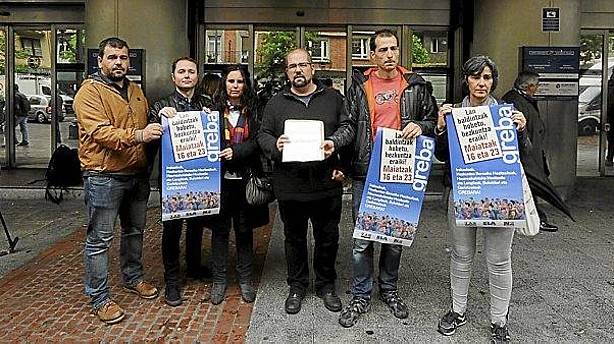
Las aguas bajan revueltas en la enseñanza pública vasca, que se enfrenta a dos nuevas jornadas de huelga los días 16 y 23 de este mes si mañana no hay ningún avance en la mesa sectorial convocada por el Gobierno Vasco. Y, de hecho, parece difícil que las movilizaciones vayan a enfriarse. Las centrales ELA, LAB y Steilas, organizadoras de los paros, ya han movido ficha registrando ayer la convocatoria y respondiendo a la oferta del Gabinete de Uriarte criticando, precisamente, que no haya “ninguna propuesta concreta”.
Así que, de momento, 30.000 trabajadores de cuatro colectivos: profesorado, haurreskolas, educación especial y empleados de limpieza y cocina están llamados a secundar dos jornadas de huelga con las que reivindicar una “mejora de las condiciones de trabajo”. Los paros afectarán a 250.000 alumnos.
Representantes de los tres sindicatos convocantes escenificaron ayer ante la Delegación del Gobierno Vasco en Bilbao el registro de la convocatoria reclamando al Ejecutivo de Urkullu antes de la mesa sectorial de mañana una respuesta “concreta” a las reivindicaciones de los cuatro colectivos. En este sentido, criticaron que la reunión con Educación, a la que todavía no han decidido si acudirán, está enfocada únicamente sobre los docentes.
La consejera Cristina Uriarte defendió, en su momento, la voluntad de diálogo del Gobierno Vasco, al tiempo que dijo no compartir “ni los motivos ni las argumentaciones” de los paros.
El portavoz de ELA, Xabier Irastorza, detalló que desde el pasado 22 de marzo, cuando convocaron otra huelga para denunciar que la situación de la educación pública era “grave”, hasta ahora, “no ha habido ningún cambio” y “la única propuesta” que han recibido “del Gobierno Vasco ha sido para el colectivo de docentes”, pero es “una propuesta de mesa de negociación sin propuesta concreta”. Es por eso que Irastorza reclamó “un verdadero proceso de negociación en los cuatro ámbitos” que tildó de “precarizados y problemáticos”.
“Que abra la negociación y ponga una proposición que dé respuesta de verdad a la situación que sufre la educación en Euskal Herria”, demandó más concretamente al Ejecutivo vasco.
inversión del 6% Varias son las medidas que, en opinión de los sindicatos, revertirían la “grave situación” de la enseñanza pública vasca. Desde LAB Aritz Alboniga detalló ayer algunas de estas cuestiones. El sindicalista consideró “fundamental” aumentar la inversión en educación del 3,5% del PIB actual al 6%, “que es la media de la UE”.
También demandan incrementar las plantillas al menos en 2.000 personas; reducir la temporalidad del actual 40% -9.000 trabajadores (38% personal docente, 41% haurreskolas, 58% educación especial y 63% cocina y limpieza)- al 6%, estabilizando más de 6.000 puestos de trabajo en los diferentes colectivos, y reducir las ratios de alumnado un 10%.
También proponen recuperar el poder adquisitivo del personal de educación; realizar las sustituciones desde el primer día; retribución íntegra de las bajas desde el primer día; recuperar las medidas que facilitan y acompañan la jubilación; sacar la Lomce de las aulas y derogar Heziberri, “la versión vasca de la Lomce”.
Por último, piden desarrollar un modelo de inmersión lingüística en euskera que posibilite un alumnado euskaldun y plurilingüe, así como tener en cuenta la voz y posibilitar la participación de la representación sindical, los agentes educativos y la ciudadanía ante una hipotética Ley de Educación.
Por su parte, desde Steilas, Joaquín Akarregi señaló que, “después del éxito de la convocatoria del 22 de marzo -con un seguimiento del 75% según los sindicatos y del 41% según el Gobierno Vasco- y de no haber recibido ninguna respuesta por parte de la Administración”, los sindicatos mantendrán una reunión con Educación este jueves (por mañana), “y ya veremos cuál es su postura”. “Después, nosotros ya decidiremos, pero, de momento, seguimos por la senda de la movilización”, recalcó.
Además de los paros, los trabajadores están llamados a secundar las manifestaciones que se van a celebrar el día 20 en las tres capitales vascas a las 12.00 horas.
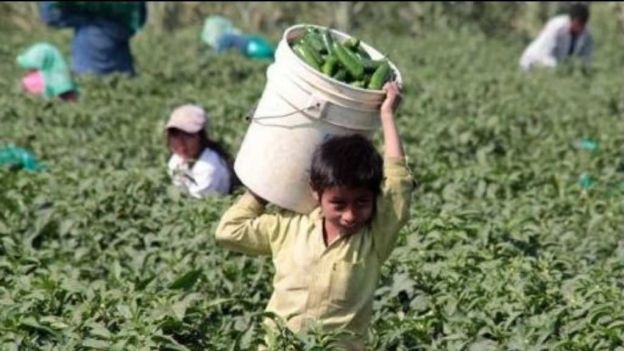
La Comisión Nacional de los Derechos Humanos (CNDH) señaló que entre los grupos más vulnerables de discriminación laboral se encuentran jornaleros agrícolas, migrantes, pueblos indígenas, niñas, niños y adolescentes y personas con alguna discapacidad.
En el marco del Día del Trabajo, la CNDH refrendó su compromiso de impulsar las mejores prácticas administrativas, para una mayor protección y respeto de los derechos laborales.
En un comunicado, la institución autónoma también resaltó su compromiso por difundir las normas internacionales del trabajo y la normatividad en la materia entre trabajadores, empleadores y autoridades laborales, para el fortalecimiento de la cultura en favor de los derechos fundamentales en el país.
“Para este organismo nacional, el papel de los derechos humanos laborales como motor de la justicia social debe reflejarse en la voluntad de la autoridad para desarrollar e impulsar una cultura de respeto y difusión de esos derechos básicos, especialmente en beneficio de personas y grupos de atención prioritaria”, destacó.
Imperante incorporación de derechos humanos en política laboral
En ocasión del Día Internacional del Trabajo, la CNDH refirió que es imperante la incorporación de la perspectiva de los derechos humanos en la política laboral.
Asimismo, reconoció la importancia de la Norma Oficial Mexicana 025 en Igualdad Laboral y No Discriminación, la cual promueve la adopción y cumplimiento de procesos y prácticas en favor de la igualdad de género y no discriminación en los centros laborales.
Así como de la Norma Oficial Mexicana 034 sobre las condiciones de seguridad para el acceso y desarrollo de actividades de trabajadores con discapacidad en los centros de trabajo, la cual abona al fortalecimiento de los mecanismos de protección y respeto a los derechos de ese sector poblacional.
Indicó que el derecho al trabajo se encuentra reconocido en los artículos 5° y 123 constitucionales, así como en diversos instrumentos internacionales como son el Artículo 23 de la Declaración Universal de Derechos Humanos, el numeral 6 del Pacto de Derechos Económicos, Sociales y Culturales, en relación con los Artículos 7 y 8.
Y el Artículo 6 del Protocolo de San Salvador, y en numerosos Convenios y Recomendaciones de la Organización Internacional del Trabajo.
En ese sentido, recordó que el Comité de Derechos Económicos, Sociales y Culturales ha señalado en sus Observaciones Generales que el derecho al trabajo deberá darse en condiciones equitativas, satisfactorias y de igualdad entre hombres y mujeres, dando acceso a seguridad social, favoreciendo el respeto a la integridad física y mental de las y los trabajadores.
“La protección del derecho humano al trabajo es vital para el logro de los Objetivos de Desarrollo Sostenible en particular el Objetivo 8, por el cual se busca promover el empleo pleno y productivo, el trabajo decente para todos, mediante políticas que apoyen la creación de empleos y el emprendimiento, entre otras metas”.
Finalmente, la Comisión puntualizó que el goce y disfrute de los derechos humanos laborales debe constituir, permanentemente, el foco de los esfuerzos del Estado mexicano para construir una sociedad más justa, con mejor calidad de vida, que permita a cada persona alcanzar su desarrollo en los ámbitos intelectual, personal y social y, en general, su autorrealización.
OtrasVocesenEducacion.org existe gracias al esfuerzo voluntario e independiente de un pequeño grupo de docentes que decidimos soñar con un espacio abierto de intercambio y debate.
¡Ayúdanos a mantener abiertas las puertas de esta aula!




 Users Today : 75
 Total Users : 35490887
 Views Today : 86
 Total views : 3604309