Page 4409 of 6203
1 4.407 4.408 4.409 4.410 4.411 6.203

Canadá: Education minister orders urgent review of York Region District School Board

Canadá/Enero de 2017/Fuente: CBC News

RESUMEN: El ministro de Educación de Ontario ordenó una «revisión urgente» de la Junta Escolar del Distrito de la Región de York después de que ella dijo que la junta no abordó adecuadamente las cuestiones de gobernabilidad y equidad dentro de la junta directiva. La ministra Mitzie Hunter emitió una declaración el jueves para decir que nombró a dos personas para llevar a cabo la revisión: Patrick Case, profesor de derecho y ex administrador de la Junta de Educación de Toronto, y Suzanne Herbert, ex viceministra de Ontario. El movimiento se produce cuando la junta sigue envuelta en controversia sobre las acusaciones de racismo y otros problemas de los padres y miembros de la comunidad, incluyendo las llamadas a un administrador para renunciar después de que ella se disculpó por usar un insulto racial con respecto a la madre de un estudiante.

Ontario’s education minister has ordered an «urgent review» of the York Region District School Board after she says the board failed to adequately address governance and equity issues within the board.

Minister Mitzie Hunter issued a statement Thursday to say she has appointed two people to conduct the review: Patrick Case, a law professor and former trustee with what used to be the Toronto Board of Education, and Suzanne Herbert, a former deputy minister in Ontario, including deputy of education.

The move comes as the board remains embroiled in controversy over allegations of racism and other problems from parents and community members, including calls for a trustee to step down after she apologized for using a racial slur regarding a student’s mother.

A petition calling for Nancy Elgie to resign her post as trustee has more than 1,500 signatures, but board chair Loralea Carruthers says the board has no authority to force a trustee, who is elected to his or her post, to step down.

Elgie wrote a letter of apology last week to parent Charline Grant in which she admitted to using «a racial slur» when referring to Grant during a board meeting last November. Grant alleges that Elgie called her the N-word, which the trustee has not directly admitted. No one at the board has provided details about the results of an investigation into the incident.

YRDSB Chair responds

In a written statement released Thursday, Carruthers said she welcomes Hunter’s decision to conduct a thorough review of the board.

«It is clear that there is a lot of hard work the Board must do to regain public trust,» Carruthers said. «I am committed to doing this hard work together with you.»

She went on to say she hopes to be «upfront and transparent» with parents and appreciates the willingness of people bringing forward their concerns regarding issues of systemic racism and Islamophobia within the board.

Carruthers also apologized to Grant and other parents in her statement for the hurt caused by Elgie’s comments, saying she has «strongly urged [her] colleague to do what is required to make this right.»

Carruthers’s statement does not specify what she thinks Elgie must do to rectify the situation, but the board chair does say she thinks the trustee’s apology was «sincere.»

Board dealing with several issues

The board has also been dealing with questions about trustees’ travel expenses, as well as concerns about how it handled an investigation into controversial Facebook posts by a teacher in Markham.

On Thursday, Hunter noted that back in November, she asked board leadership to come up with a plan for dealing with these issues by Jan. 13. «Unfortunately, their proposal also fails to address these issues,» Hunter said in a statement.

Hunter said she expects a final report with recommendations for next steps by April 7.

«The reviewers will recommend improvements, particularly regarding equity, accountability and transparency, to regain public confidence in the school board,» Hunter said.

«In addition, they will recommend ways to improve the working relationships at the board, including amongst trustees, between the board and the director of education, between the director of education and senior staff, and with the community. In addition, they will review whether board members and the director of education are fulfilling their legislated duties.

Community responds

The National Council of Canadian Muslims applauded the minister’s response Thursday.

«It’s clear that trust has been broken,» the organization’s spokeswoman Amira Elghawaby said in a news release.  «The Minister’s decision to launch a review is being welcomed by many York families who now feel the serious concerns they have about their children’s well-being are being heard.»

Fuente: http://www.cbc.ca/news/canada/toronto/education-minister-orders-york-board-review-1.3953402

Comparte este contenido:

Costa Rica: Gobierno justifica impuestos en educación y salud

Costa Rica/Enero de 2017/Autor: Greivin Granados/Fuente: La Prensa Libre

El Gobierno justificó los impuestos en educación y salud que se contemplan en una alternativa que se presentará sobre el proyecto de Ley del Impuesto al Valor Agregado (IVA).

El Poder Ejecutivo presentó ante la corriente legislativa un texto sustitutivo para buscar en la Asamblea Legislativa una medida que pueda mejorar la recaudación tributaria en Costa Rica.

Dentro de las medidas, se habló de la posibilidad de establecer una tasa del 4% del IVA a los servicios de salud y educación, dos de los servicios más solicitados que demanda la sociedad.

José Francisco Pacheco, viceministro de Egresos, justificó la propuesta al señalar que los sectores no se pueden excluir y que, si ello pasa, se rompe la cadena.

“El problema de excluir sectores o servicios puntuales es que se rompe la cadena. Recuerde que el IVA es una gravación que se va haciendo a lo largo de toda la cadena productiva.

Si se rompe una de ellas, se rompe la posibilidad de darle seguimiento a ese sector, y por tanto, la evasión se podría incrementar.

Pacheco comentó que la tarifa se bajaría para que no haya un rompimiento en la cadena por el IVA, y que en caso que se rompa, habría un mayor problema con la evasión fiscal.

“Lo que se suele hacer en estos casos, sobre todo cuando los sectores son sensibles, es bajar la tarifa, el porcentaje, entonces sería menor al que contemplaría el resto de la canasta, pero excluirlo del todo, generaría evasión fiscal y, por lo tanto, estaríamos propiciando algo que justamente la ley busca eliminar.

El Gobierno preparó los últimos esfuerzos para hacer pasar los proyectos de IVA y Renta

Esa es la razón técnica del porqué estos sectores tendrían que tener al menos una tarifa básica, es más o menos 8 o 9%”, señaló.

Según Hacienda, el proyecto alternativo pretende mantener el nivel de responsabilidad en materia fiscal.

El Gobierno señaló que el subpaquete presentado en la Comisión de Asuntos Hacendarios busca darle al Gobierno un oxígeno para que pueda acomodarse y contar con el espacio suficiente para discutir la reforma fiscal.

Fuente: https://www.laprensalibre.cr/Noticias/detalle/101377/gobierno-justifica-impuestos-en-educacion-y-salud-


Comparte este contenido:

Panamá: Costo de la vida asfixia a la educación pública

Panamá/Enero de 2017/Autor: José Alberto Chacón/Fuente: Panamá América

El sistema educativo panameño seguirá fracasando, según expertos.

La anómala situación económica que atraviesa el país ha obligado a los colegios particulares a aumentar las matrículas.

Así lo explicó Katya Echeverría, vicepresidenta de la Unión Nacional de Centros Educativos Particulares (Uncep).

Echeverría aseguró que para el nuevo año lectivo, cerca de 20 mil alumnos migraron hacia el sector público porque sus padres no pueden hacerse cargo de los gastos.

También contó que, a raíz del aumento salarial que acordó el Ministerio de Educación (Meduca) con los maestros y profesores de las escuelas públicas, los docentes del sector privado les están exigiendo un incremento.

Otro punto en el que hizo énfasis esta fuente es que le propusieron al Meduca darles incentivos para no aumentar la matrícula.

Por ello, la institución nombró una comisión para que tratase el tema.

Echeverría afirmó que si no reciben los estímulos económicos, el incremento será inminente.

«Si esos incentivos no se dan, es muy probable que para el 2018 se vea el incremento para los padres de familia».

Las cifras de Echeverría sobre la cantidad de estudiantes que se mudarán al sector particular se suman a los 26 mil alumnos extranjeros que ya ingresaron al sistema panameño en 2016.

Para Diógenes Sánchez, secretario general de la Asociación de Profesores de Panamá (Asoprof), se está llegando a límites que empeoran la calidad de la educación.

«Hay hacinamiento por la cantidad excesiva de alumnos. Tenemos salones de 45 estudiantes cuando el Programa de las Naciones Unidas para el Desarrollo (PNUD) habla de solo 25», contó el dirigente magisterial.

En contrapunto, Aixa Gómez, de la Confederación Nacional de Padres de Familia, opinó que no debe haber problemas con los extranjeros porque ellos también tienen derecho a la educación.

«Ellos merecen la misma oportunidad, siempre y cuando no se desmejore la situación de los nacionales», comentó.

Según la Organización de las Naciones Unidas para la Educación, la Ciencia y la Cultura (Unesco), el acceso a la educación es un derecho fundamental de cada ser humano.

Esta no se puede negar por ningún motivo.

Fuente: http://www.panamaamerica.com.pa/nacion/costo-de-la-vida-asfixia-la-educacion-publica-1058045

Comparte este contenido:

Australia: Literacy and numeracy tests for Australian Year 1 students

Australia/Enero de 2017/Fuente: The Australian

RESUMEN: Es probable que los niños de seis años de Australia tengan que mostrar sus habilidades de contar, nombrar formas y pronunciar palabras bajo una prueba de «toque ligero» para comprobar su progreso escolar. El ministro de Educación, Simon Birmingham, ha nombrado un panel de cinco personas para desarrollar las nuevas evaluaciones para los estudiantes del primer año. Informarán a los ministros de educación de la nación a mediados de este año. El senador Birmingham ha estado presionando para las pruebas de habilidades después de varios estudios, incluyendo comparaciones internacionales, encontró que los niños australianos se estaban quedando atrás.

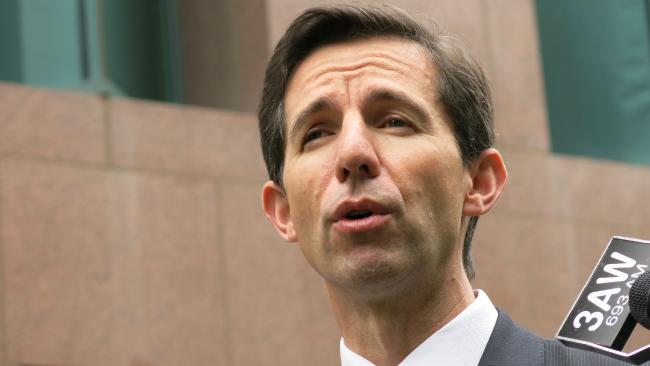
Australia’s six-year-olds are likely to have to show off their counting skills, name shapes and sound out words under a “light touch” test to check their schooling progress.

Education Minister Simon Birmingham has appointed a five-person panel to develop the new assessments for Year 1 students.

They’ll report back to the nation’s education ministers in the middle of this year.

Senator Birmingham has been pushing for the skills tests after several studies, including international comparisons, found Australian children were falling behind.

Performance is at best plateauing and the gap between the brightest students and those struggling is growing.

“These skills checks are not expected to be a confronting test but rather a light touch assessment that ensures teachers, parents and schools know at the earliest possible stage if children aren’t picking up reading or counting skills as quickly as they should, enabling them to intervene rapidly,” Senator Birmingham said today.

He says the nation can’t afford to wait any longer to act on turning around declining education results.

The Year 1 tests are likely to be based on assessments used in England that involve children verbally identifying letters and sounds in real and made up words, simple counting, recognising numbers, naming shapes and demonstrating basic measurement knowledge.

The plan was first flagged in the budget last year and is reportedly expected to lead to a shake-up in phonics teaching.

The panel will also consider the best way to implement the tests, including a trial and when and how often they should be conducted.

The teachers union has labelled the tests a distraction from school funding issues.

Australian Education Union president Correna Haythorpe doubts the tests will help lift literacy and numeracy standards without schools also getting resources to help students identified as struggling.

Panel designing Year 1 skills check

* Mandy Nayton – chief executive of Dyslexia-SPELD Foundation

* Pamela Snow – head of the La Trobe Rural Health School, registered psychologist, having qualified originally in speech pathology

* Jennifer Buckingham – education research fellow at Centre for Independent Studies

* Steven Capp – principal, Bentleigh West Primary School, Victoria

* Geoff Prince – director of Australian Mathematical Sciences Institute

* Allason McNamara – maths teacher and president of Australian Association of Mathematics Teachers

Fuente: http://www.theaustralian.com.au/national-affairs/education/literacy-and-numeracy-tests-for-australian-year-1-students/news-story/fa826a1ae116a9a954abb1ff303b37c2

Comparte este contenido:

Ghana’s prisoners to have university education behind bars

Ghana/Enero de 2017/Autor: Ismail Akwei /Fuente: Africa News

RESUMEN: El Servicio Penitenciario de Ghana está a punto de introducir programas de educación universitaria a reclusos calificados que quieran mejorar académicamente. Según el jefe de relaciones públicas para el servicio penitenciario, el superintendente Vitalis Ayeh, tres universidades ghanesas han sido invitadas a extender sus programas de educación a distancia a los reclusos, informó el portal de noticias ghanés GhanaWeb. «Estamos en conversaciones con las Universidades de Ghana, Cape Coast y [Educación], Winneba para extender sus servicios al Servicio de Prisiones de Ghana para que estos internos que han calificado para ingresar a la universidad pero porque están sirviendo en la prisión y no pueden Ir a la universidad [puede beneficiarse] «, dijo el superintendente Vitalis Ayeh.

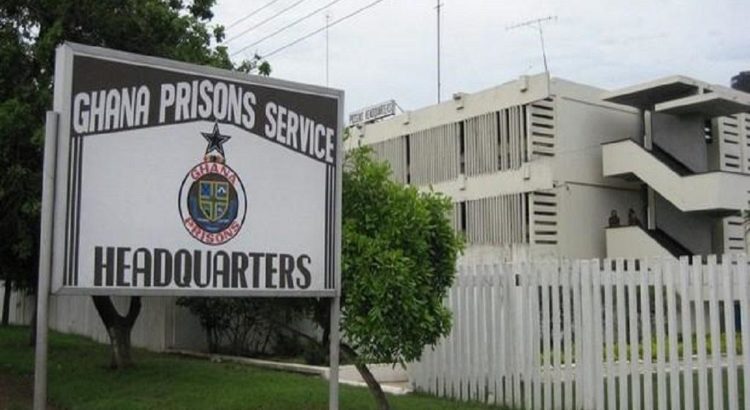
The Ghana Prisons Service is on the verge of introducing university education programmes to qualified inmates who want to improve academically.

According to the head of public relations for the prison service, Superintendent Vitalis Ayeh, three Ghanaian universities have been invited to extend their distance learning programmes to inmates, local Ghanaian news portal GhanaWeb reported.

“We are in talks with the Universities of Ghana, Cape Coast, and [Education], Winneba to extend their services to the Prisons Service of Ghana so that these inmates who have qualified to enter university but because they are serving in the prison and cannot go to the university [can profit],” Superintendent Vitalis Ayeh said.

“They can benefit from the distance education system and they can come out better off,” he added, saying the talks with the universities are at an advanced stage.

They can benefit from the distance education system and they can come out better off.

The prisons in Ghana have ongoing educational programmes including technical and vocational training, Information and Communication Technology as well as primary and secondary school education.

If an agreement is reached, it will be the first university education programme at the overcrowded prisons in Ghana.

According to a 2016 Ghana Prisons Service statistics, the country has a total inmate population of 13,685, filling 43 prisons built to hold 9,875 inmates.

Last year, the Chairman of the Ghana Prisons Service Council, Rev Dr Stephen Yenusom Wengam, called for both state and private support to transform the state of prisons in the country.

Fuente: http://www.africanews.com/2017/01/26/ghana-s-prisoners-to-have-university-education-behind-bars/

Comparte este contenido:

China: How China’s new philanthropists can help deliver education for all

China/Enero de 2017/Fuente: South China Morning Post

RESUMEN: En Asia, la educación es un principio central de la sociedad. La ONU ha priorizado el tema con la misión de promover «una educación de calidad inclusiva y equitativa». La matriculación en la enseñanza primaria en los países en desarrollo ha alcanzado el 91%, pero 57 millones de niños siguen sin estudiar. Ahora es el momento para que la filantropía respalde enfoques innovadores que puedan abordar la tarea a mano. La prestación de una educación inclusiva y equitativa en todos los niveles requerirá más que un cheque en blanco. La automatización de las industrias significa que el futuro crecimiento económico será menos dependiente de empleos de gran intensidad de mano de obra, con profundas implicaciones para la política educativa. Pero los gobiernos en todo el mundo se enfrentan a retos para asegurar que la educación se adapte a las necesidades cambiantes.

In Asia, education is a central tenet of society. The UN has prioritised the issue with a mission to promote “inclusive and equitable quality education”. Enrolment in primary education in developing countries has reached 91 per cent, but 57 million children remain out of school .

Now is the time for philanthropy to back innovative approaches that can tackle the task at hand. Delivering inclusive and equitable education at all levels will take more than just a blank cheque.

The automation of industries means future economic growth will be less dependent on labour-intensive jobs, with profound implications for education policy. But governments everywhere face challenges in ensuring education keeps pace with changing needs.

Take China. Resources have been invested in public education, but are still scarce and severely imbalanced. Quality teachers are concentrated in larger cities. Students dropping out of school is a serious issue in rural areas, especially for migrant workers who have to leave their children behind. China had 61 million “left-behind” children in 2014, accounting for 22 per cent of all its children.

Action is needed to ensure these children have the necessary skills to enter the workforce. According to the “Yidan Prize Forecast: Education to 2030”, a study conducted by the Economist Intelligence Unit, China’s youth unemployment rate hit 10.8 per cent in 2015, and is projected to increase to 14 per cent in 2030.

Philanthropy in China is still at an early stage. Yet it is home to the world’s fastest-growing population of high-net-worth individuals. A new generation of philanthropists is already showing a growing willingness to step forward.

However, while good intentions are welcome, money without purpose achieves few results.

Philanthropy is best when it acts as a beacon for creative voices from around the world to gather to find solutions. This means putting philanthropy to work by funding effective programmes with measurable results, to enhance traditional models.

Technology will be key, helping to lower the cost of quality education and boosting outcomes, such as through big data applications, and using analytics to deliver an optimal learning environment. This may provide the next exciting stage in the growth of massive open online courses.

Investment has had a fantastic impact on students around the world, through better technology in the classroom, higher funding to institutions and scholarships for underprivileged students. A new generation of philanthropists can extend this impact by embracing their role as champions of innovative approaches to our biggest challenges.

Fuente: http://www.scmp.com/comment/insight-opinion/article/2065010/how-chinas-new-philanthropists-can-help-deliver-education

Imagen de archivo

Comparte este contenido:

Estados Unidos: Trump Order Will Block 500,000 Legal U.S. Residents from Returning to America From Trips Abroad

Estados Unidos/Enero de 2017/Autor: Marcelo Rochabrun/Fuente: Propública

RESUMEN: Al prohibir a los recién llegados de siete países que ingresen a los Estados Unidos durante los próximos 90 días, el presidente ha utilizado un lenguaje que afectará a los que están en los Estados Unidos ya con visas y tarjetas verdes. Una portavoz del Departamento de Seguridad Nacional dijo a Reuters el sábado por la mañana que la orden ejecutiva del Presidente de hecho detendrá a los titulares de tarjetas verdes de siete países de regresar a los Estados Unidos si viajan al extranjero. «Abrirá a los titulares de tarjetas verdes», dijo la portavoz. Cuando más detalles se filtraron esta semana sobre una serie de órdenes ejecutivas relacionadas con la inmigración del presidente Donald Trump, mucha discusión pública se centró en la prohibición de 30 días de nuevas visas para ciudadanos de siete países «propensos al terrorismo». Pero la orden firmada esta tarde por Trump es en realidad más severa, aumentando la prohibición a 90 días. Y sus efectos podrían extenderse mucho más allá de impedir que los recién llegados de Irán, Irak, Libia, Somalia, Sudán y Yemen, entren en los EE.UU., advogados consultados por ProPublica dijo.

In banning newcomers from seven countries from entering the United States for the next 90 days, the president has used language that will affect those who are in the U.S. already on visas and green cards.

A spokeswoman for the Department of Homeland Security told Reuters on Saturday morning that the President’s executive order will, in fact, stop green card holders from seven countries from returning to the United States if they travel abroad. “It will bar green card holders,” the spokeswoman said.

When details leaked earlier this week about a spate of immigration-related executive orders from President Donald Trump, much public discussion focused on a 30-day ban on new visas for citizens from seven “terror-prone” countries.

But the order signed this afternoon by Trump is actually more severe, increasing the ban to 90 days. And its effects could extend well beyond preventing newcomers from Iran, Iraq, Libya, Somalia, Sudan and Yemen, from entering the U.S., lawyers consulted by ProPublica said.

It’s also expected to have substantial effects on hundreds of thousands of people from these countries who already live in the U.S. under green cards or on temporary student or employee visas.

Since the order’s travel ban applies to all “aliens” — a term that encompasses anyone who isn’t an American citizen — it could bar those with current visas or even green cards from returning to the U.S. from trips abroad, said Stephen Legomsky, a former chief counsel to the U.S. Citizenship and Immigration Services under President Obama.

“It’s extraordinarily cruel,” he said.

The order bans the “entry” of foreigners from those countries and specifically exempts from the ban those who hold certain diplomatic visas.

Not included in the exemption, however, are those who hold long-term temporary visas — such as students or employees — who have the right to live in the United States for years at a time, as well as to travel abroad and back as they please.

“If applied literally, this provision would bar even those visitors who had made temporary trips abroad, for example a student who went home on winter break and is now returning,” Legomsky said on Friday evening executive order.

Trump made “extreme vetting” of foreigners a cornerstone of his campaign, particularly those from countries that are predominantly Muslim and that he considers hostile to the U.S.

“I’m establishing new vetting measures to keep radical Islamic terrorists out of the United States of America. We don’t want them here,” Trump said this afternoon, describing the intention of the executive order. “We want to ensure that we are not admitting to our country the very threats our soldiers are fighting overseas.”

Trump signed the directive just before 5 p.m. but it took the White House almost three hours to release the actual text.

About 25,000 citizens from the seven countries specified in Trump’s ban have been issued student or employment visas in the past three years, according to Department of Homeland Security reports.

On top of that, almost 500,000 people from the seven countries have received green cards in the past decade, allowing them to live and work in the United States indefinitely. Legally speaking, green card holders are considered aliens. While lawyers are unsure if they would actually be barred from reentering the U.S. if they have traveled abroad, they conceded it’s a possibility.

The White House did not immediately respond to a request for comment asking for clarification on the meaning of the executive order.

Citizens of Iran and Iraq far outnumber those from the other five countries among green card and visa holders. In the past 10 years, Iranian and Iraqi citizens have received over 250,000 green cards.

Iran also has the 11th most students in the U.S. among foreign nations, according to the Institute of International Education’s Open Doors report, which tracks the demographics of international students.

“We are inundated with calls and questions of how this is going to affect people,” said Jamal Abdi, policy director for the National Iranian American Council, an organization that advocates for better relations between Iranian and American people.

Abdi is concerned the temporary ban will become permanent. The order says the 90-day ban is meant to allow the U.S. and the seven targeted countries to discuss what information would need to be shared in order to start granting visas once again. But if no agreement is reached, citizens would remain blocked from entry.

“My interpretation is that the Iranian government is not going to comply regarding sharing information,” Abdi said, “which would render this a permanent ban.”

Fuente: https://www.propublica.org/article/trump-executive-order-could-block-legal-residents-from-returning-to-america

Imagen: https://www.nytimes.com/2017/01/28/us/trumps-immigration-ban-disapproval-applause.html?_r=0


Comparte este contenido:
Page 4409 of 6203
1 4.407 4.408 4.409 4.410 4.411 6.203