Page 4824 of 6179
1 4.822 4.823 4.824 4.825 4.826 6.179

Argentina: Seminario Internacional «Políticas de formación docente inicial y continua»

América del Sur/Argentina/Octubre de 2016/Fuente: Rosario 3

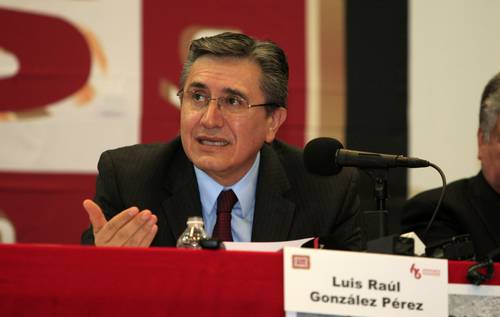
La Oficina Regional para América Latina del Instituto Internacional de Planeamiento de la Educación de la UNESCO convocan a participar del Seminario Internacional «Políticas de formación docente inicial y continua». El encuentro tendrá lugar los días 8 y 9 de noviembre en el Centro Cultural de la Ciencia, Tecnología e Innovación Productiva, Godoy Cruz 2270, de la Ciudad Autónoma de Buenos Aires.

La UNESCO y el IIPE vienen subrayando la prioridad de la temática docente en cuestiones vinculadas con la formación de calidad, el desarrollo profesional, las condiciones que definen la carrera y otros aspectos a ser tenidos en cuenta para el diseño de políticas en la materia.

La problemática de la formación docente, debe ser comprendida en marcos amplios, que contemplen los desafíos de escenarios complejos para la educación. En el caso de la formación continua o permanente, es menester identificar políticas que promuevan la actualización de los docentes a lo largo de su trayectoria, atendiendo a la vez, a las demandas de los sistemas educativos.

A través del sitio web del seminario www.buenosaires.iipe.unesco.org/seminario-internacional/ el docente podrá registrarse y seguir los paneles de expositores en simultáneo durante el evento.

Participarán del encuentro: Gloria Calvo (Colombia), Cristian Cox Donoso (Chile, a confirmar), Monserrat Creamer (Ecuador), Ricardo Cuenca (Perú), Mariano Fernández Enguita (España), María Figueroa (Colombia), Laura Fumagalli (Argentina), Ana Laura Martínez (Uruguay), Sylvia Schmelkes del Valle (México), Emilio Tenti Fanfani (Argentina), Cecilia Veleda (Argentina).

El seminario se desarrollará bajo la forma presencial abierto al público, con transmisión simultánea por Internet. La participación es libre y gratuita y se otorgará certificado de asistencia para ambas modalidades.

El seminario abordará los siguientes ejes:

– Políticas de formación docente inicial y continua en América Latina.
– Ser docente hoy en América Latina: desarrollo profesional y carrera docente.
– El conocimiento requerido para la toma de decisiones: los aportes de la investigación.

Más info: iipeseminario@iipe-buenosaires.org.ar

Fuente: https://www.rosario3.com/noticias/Seminario-Internacional-Politicas-de-formacion-docente-inicial-y-continua-20161019-0036.html

Foto de archivo

Comparte este contenido:

Nueva Zelanda: Tribute to Helen Kelly

Oceanía/Nueva Zelanda/Octubre de 2016/Fuente: Scoop Independent News

RESUMEN: Helen fue una apasionada defensora de la educación pública de toda la vida, y se reconoció en septiembre del año pasado, cuando fue nombrada miembro honorario de NZEI por su enorme contribución a la meta de la educación pública de calidad en Nueva Zelanda. El Presidente NZEI, Louise Green dijo que el movimiento sindical había perdido una gran líderesa, pero los que la conocieron personalmente también habían perdido a una amiga compasiva y valiente que siguió luchando por una vida mejor para los demás hasta el final de su propia. «Ella era realmente alguien que hizo una verdadera diferencia en la vida de innumerables neozelandeses. Su fallecimiento es una pérdida para todos nosotros, pero especialmente enviamos nuestro amor y simpatía a su marido Steve y su hijo Dylan «, dijo la Sra Green. Helen era una apasionada activista por la igualdad salarial, algo que ella recomiendo encarecidamente a NZEI para llevar adelante, especialmente para el personal mas bajo en la educación como los ayudantes de maestros y el Ministerio de Educación de trabajadores de apoyo. Helen ha contribuido activamente a los derechos de los trabajadores a través de sus actividades a nivel internacional y ha asumido un papel de liderazgo en muchos de los debates y negociaciones en la Organización Internacional del Trabajo. Durante todo esto, Helen ha sido una firme defensora de los derechos de la mujer, la educación pública de calidad, los derechos de nuestra tamariki y las actividades de NZEI Te Riu Roa.

Helen Kelly’s many friends and former colleagues at NZEI Te Riu Roa are mourning her passing.

As a former teacher, Helen’s advocacy for public education was a lifelong passion, which was recognised in September last year when she was made an Honorary Fellow of NZEI for her enormous contribution to the goal of quality public education in New Zealand.

NZEI President Louise Green said the union movement had lost a great leader, but those who knew her personally had also lost a compassionate and courageous friend who continued to fight for a better life for others right to the end of her own.

“She was truly someone who made a genuine difference in the lives of countless New Zealanders. Her passing is a loss to all of us, but we especially send our love and sympathy to Helen’s husband Steve and her son Dylan,” said Ms Green.

Helen started her career as a primary school teacher in Johnsonville, where she was made a union delegate on her first day in the job.

In 1993 Helen became the co-ordinator of the NZEI/Combined Early Childhood Union of Aotearoa general election campaign. She held a number of roles after the unions amalgamated in 1994.

She played a prominent role in the primary pay parity campaign of the 1990s and continued the fight into the next decade on pay parity for kindergarten teachers.

Helen was a passionate campaigner for pay equity, something she strongly encouraged NZEI to carry forward, especially for low paid staff in education such as teacher aides and Ministry of Education support workers.

In 2002 Helen was appointed General Secretary of the Association of University Staff – now the TEU.

In her years as President of the CTU, Helen garnered huge respect from workers, employers and governments alike whilst retaining the ability to hit hard when needed. She played the pivotal role in causing this government to agree to a massive review of our Health and Safety laws.

She is a personal hero to the families of those tragically lost in the Pike River disaster and those who have lost their lives in our forests. More latterly, she has thrown the spotlight on the appalling safety record and poor working conditions of farm workers.

Helen has actively contributed to the rights of workers through her activities internationally and has taken a leading role in many of the debates and negotiations at the International Labour Organisation.

During all of this, Helen has been a staunch advocate for women’s rights, quality public education, the rights of our tamariki and the activities of NZEI Te Riu Roa. Even in the past few weeks she was actively engaging on social media to support the joint NZEI-PPTA «Better Funding, Better Learning» campaign.

In the past year since her cancer diagnosis, she campaigned for improved access to life-saving drugs through Pharmac, and legal access to medicinal cannabis for pain relief.

Fuente: http://www.scoop.co.nz/stories/ED1610/S00037/nzei-tribute-to-helen-kelly.htm

Comparte este contenido:

Nearly 1,600 cases of school violence recorded across Vietnam in past 7 years

Asia/Vietnan/Octubre de 2016/Fuente: Tuoitrenews

RESUMEN: Cerca de 1.600 confrontaciones físicas entre alumnos de diversas partes de Vietnam han sido registrados en los últimos siete años, según un informe publicado por el Ministerio de Educación. El Ministerio de Educación y Capacitación, en coordinación con el Instituto de Ciencias de la Educación de Vietnam, organizó una conferencia el miércoles para abordar las preocupaciones sobre la aparente disminución de la depravación moral de los estudiantes vietnamitas en los últimos años. De acuerdo con estadísticas del Ministerio de Educación y Formación, cerca de 1.600 combates estallaron entre los estudiantes desde el inicio del año escolar 2009, muchos de los cuales fueron clasificados como criminales violaciónes. La gravedad de la violencia también aumentó con el tiempo a un ritmo alarmante, dijo el ministerio, agregando que muchos de los incidentes de armas, incluian cuchillos, machetes, e incluso pistolas de fabricación casera. La violencia no parece ser el único problema que afecta a la moralidad de los adolescentes. Otro informe del Ministerio de Salud mostró las adolescentes constituyen alrededor de 120.000 casos anuales de 1,4 millones de abortos del país.

The Ministry of Education and Training, in coordination with the Vietnam Institute of Educational Sciences, organized a conference on Wednesday to address concerns over the apparent decline in moral turpitude of Vietnamese students in recent years.

According to statistics from the Ministry of Education and Training, nearly 1,600 fights broke out between students since the beginning of the 2009 school year, many of which were categorized as criminal violations.

The severity of the violence also increased over time at an alarming rate, the ministry said, adding that many of the incidents involved weapons, including knives, machetes, and even homemade guns.

The majority of confrontations arose from childish reasons.

Another concern addressed at the conference was the prevalence of violent school videos finding their way onto social media.

In one case, several students filmed their gang attack on one victim and later published the videos online.

In a more recent case, footage depicting two schoolgirls from the north-central province of Nghe An being attacked by a group of female students from another school was uploaded to Facebook on October 4.

The attackers only left the scene after one of the victims was bleeding, sparking immense concern from the public over the responsibility of the local education sector.

Violence does not seem to be the only issue of morality affecting teens. Another report by the Ministry of Health showed teenage girls make up around 120,000 of the country’s annual 1.4 million abortion cases.

According to Tu Du, the biggest maternity hospital in southern Vietnam, about 400 female patients between the ages of 11 and 18 come to the hospital annually to terminate their pregnancy.

Fuente: http://tuoitrenews.vn/society/37518/nearly-1600-cases-of-school-violence-recorded-across-vietnam-in-past-7-years

Foto de archivo

Comparte este contenido:

Canadá: Kings and Dalhousie students protest high tuition fees

América del Norte/Canadá/Octubre de 2016/Fuente: CBC News

RESUMEN: activistas estudiantiles de la Universidad de Dalhousie y la Universidad de Kings College de Halifax protestaron el miércoles contra el aumento de las tasas de matrícula por la entrega de los fideos instantáneos gratis a los estudiantes.«Las tasas de matrícula son tan altos que [los estudiantes] no pueden permitirse el lujo de primera necesidad como alimentos,» dijo Charlotte Kiddell, la silla de Nueva Escocia de la Federación Canadiense de Estudiantes.La federación está llamando a una enseñanza gratuita y ha organizado una huelga estudiantil a nivel nacional el 2 de noviembre para instar primer ministro Justin Trudeau a la altura de su discurso pre-electoral sobre el apoyo a los estudiantes de post-secundaria.En abril, la junta de gobernadores de Dalhousie aprobó un aumento de la matrícula general del tres por ciento, junto con los aumentos adicionales para algunos programas, como la ingeniería.

Student activists at Dalhousie University and the University of Kings College in Halifax protested Wednesday against rising tuition fees by handing out free instant noodles to students.

«Tuition fees are so high that they [students] can’t afford basic necessities like groceries,» said Charlotte Kiddell, the Nova Scotia chair of the Canadian Federation of Students.

The federation is calling for free tuition and has organized a nationwide student walkout on Nov. 2 to urge Prime Minister Justin Trudeau to live up to his pre-election talk about supporting post-secondary students.

In April, Dalhousie’s board of governors approved a general tuition hike of three per cent, along with additional increases for some programs such as engineering.

According to the university’s online calculator, full-time Dal undergraduate students will pay anywhere from $5,430 to $10,121 this year in tuition and incidental fees, depending on the program of study.

Kings student Ethan Speigel said he supports the federations’s call for free post-secondary education.

«One of the laws recently passed in Ontario is that families of low income under $50,000 per year get free tuition. And I think that’s an incredible initiative that Nova Scotia should follow,» he said.
A meeting with the PM

In January, Kiddell spoke to Trudeau as part of a special CBC program. She said their conversation focused mainly on the cost of a university or college education.

«He had a lot of inspiring things to say, but there’s been a really disappointing lack of action and I want to see that change,» said Kiddell.

She said the University of Kings College is a good example of what happens when tuition fees increase. She said student enrolment is down and most of the students registered come from families in the two highest income brackets.

Kiddell is specific about what would constitute fair tuition fees.

«I would say no tuition is reasonable tuition,» she said.

Fuente: http://www.cbc.ca/news/canada/nova-scotia/kings-dalhousie-students-tuition-fees-instant-noodle-1.3812240

Foto de archivo

Comparte este contenido:

Paraguay se unió al “Miércoles negro”

América del Sur/Paraguay/Octubre de 2016/Fuente: La Nación

Paraguay se unió al “Miércoles negro” al igual que otros países del mundo, al convocarse anoche cientos de mujeres de todos los estamentos sociales vestidas de negro, frente de la Plaza del Panteón Nacional de los Héroes. Llegaron desde diferentes puntos del país para sumarse a la movilización en contra del feminicidio.

“Vivas nos queremos Py” se denominó el evento de Facebook, a través del cual se convocó a toda la ciudadanía para demostrar solidaridad con la movilización que se realiza en el mundo. Durante el acto se conversó sobre el feminicidio en el país y hubo un minuto de silencio por las víctimas, además de un micrófono abierto para quienes llevaron música, poesía e historias sobre la violencia femenina.

La convocatoria se realizó por todas las mujeres asesinadas y desaparecidas, contra la violencia, el terrorismo machista, la impunidad, el encubrimiento y la inacción.

El colectivo Acción Directa Caracolito y feministas autoconvocadas realizaron esta actividad en solidaridad con el paro de mujeres que se está gestando en Argentina y México, luego de darse a conocer el feminicidio de la adolescente de 16 años, Lucía López, en Mar del Plata, Argentina.

El colectivo estudiantil “Educación de luto” también se unió para “lamentar y repudiar la violencia que sufren las mujeres, la cual tiene una evidente relación con las falencias del sistema educativo actual, machista y excluyente”. En San Lorenzo también hubo movilización.

EN EL PAÍS

Desde el año 2010 a junio del 2015 el total de feminicidios fue de 359 casos en nuestro país. El 2015 terminó con el registro de 23 casos. En lo que va del año 2016 se cuentan 22 casos registrados de mujeres asesinadas a manos de su pareja o ex.

Según datos del sitio Mujeres Libres de Violencia, que reúne a diversas organizaciones, en lo que va del año 2016, existen 27 casos de feminicidio publicados en prensa. Más de dos mujeres por mes y 6 partos de niñas de entre 9 y 15 años en el 2015, según datos oficiales.

Fuente: http://www.lanacion.com.py/2016/10/20/paraguay-se-unio-al-miercoles-negro/

Foto de archivo

Comparte este contenido:

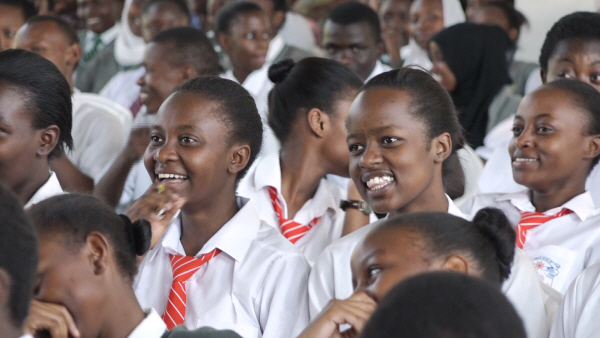
Tanzania: Teachers Relieved As School Receives Text Books

África/Tanzania/Octubre de 2016/Autor:Issa Yussuf/Fuente: All Africa

RESUMEN: «Fuimos a la cama pobres, pero despertamos ricos!» Esa fue la manera como el Sr. Kidume Balozi Mbarouk, un maestro de la Escuela Secundaria Mlimani, Matemwe en el norte de Unguja podía expresar su felicidad después de recibir un lote de libros de texto de funcionarios del Foro para Educadoros Africanos (FAWE) . «Tenemos que conseguir los libros. Estos minimizaran el problema de la escasez de libros frente a nuestra escuela», dijo Mbarouk al agradecer a los donantes. El envío contenía Ciencias, Matemáticas y libros en inglés. Habló durante la ceremonia de entrega que tuvo lugar en la escuela, unos 58 kilómetros al noreste de la ciudad de piedra. Sr. Mbarouk estaba encantado de que los libros ayudarian a los estudiantes en el pueblo.

«We went to bed poor, but woke up rich!» That was the best way Mr Kidume Balozi Mbarouk, a teacher at the Mlimani Secondary School, Matemwe coastal Village in North Unguja could express his happiness after receiving a consignment of text books from Forum for African Women Educationalists (FAWE) officials.

«We are to get the books. These will minimise the problem of book shortage facing our school,» Mr Mbarouk said when thanking the donors. The consignment contained Science, Mathematics and English books.

He was speaking during the handing over ceremony held at the school, about 58 kilometres, North East of the Stone Town. Mr Mbarouk was delighted that the books would help students in the village.

«Many students leave far away from the school. It is unfortunate that despite leaving home at dawn, they arrive late for class,» Mr Mbarouk said. He said that the learning environment has not been conducive to the students, particularly as it places schoolgirls at risk of abuse and time wasting for students instead focusing on studies. The teacher said female students are worst affected with unfavorable learning environment leading to poor performance in class.

«In most cases, female students are inactive in classrooms compared to male. We need to encourage them, help them build confidence so they can challenge the boys. Some times they are afraid even to talk in class,» said the headteacher.

He said ‘TUSEME’ clubs introduced at the schools to help build courage and confidence on female students, has had little impact to some female students who continue to be afraid to speak in public and in classroom.

Tuseme is a studentcentered empowerment model that uses theatre-fordevelopment techniques to identify and address concerns that hinder girls’ social and academic development.

Through Tuseme clubs, girls develop action plans to solve their problems, involving the support of peers, educators, parents and community members. He said the school head teacher Mr Mohamed Mzee Choum has been committed to support ll programs including TUSEME for the development of the students including girls. Mlimani School has three-hundred students with only 15 teachers out of which four are females.

Mr Mbarouk said «We wish to have more female teachers, because their presence at school is very important especially to the female students, and as most of the girls are ignorant of their rights.»

He said teachers and schools committees have been collaborating to address problems facing the female students including recent formation of the ‘special coastal committee to oversee performance in the three schools in the region.

The teacher said most of the students in the area pass science subjects compared to arts and indication that the students in the village like sciences and if empowered they can do much better.

But many are male, «for example in the past form IV examinations, only two out of 13 who passed the exams, were female.» «We are trying to encourage female student and also call upon their parents to motivate the children to study hard despite the fact that they live faraway from schools, and have little time to study at home,» he said. Let us support the development of women; Mr Mbarouk said, it is because they are a blessing in the family and in the nation.

All religions teach us about educating women, but many parents have not shown seriousness in supporting female children. Mr Mbarouk was joined by Teacher Mr Khamis Mkanga to call for concerted efforts in ensuring the ‘Girl Child’ is not in any way denied education, as the teachers thanked FAWE for donating the books and its Tusema project.

«Many of our children in Matemwe had never visited city centre, they did not have shoes and good dress like skirts, but fortunately the FAWE projects has enabled the student visit town, put on shoes, and wear decently,» the teacher said adding that it looks funny but it is real.

Mr Mkanga said there have been some noticeable developments recorded in the Matemwe schools in terms of confidence among students and performance in examinations; however, more efforts are required to achieve the goals.

«Poverty in families is another issue of concern that affects female students. I think FAWE should increase the number of students being supported by the organization. Many female students need help,» said Mr Mkanga.

He said in effort to narrow the gap between boys and girls in participatory learning, Matwemwe schools have been inviting other schools from city centre like Vikokotoni School, to come and mix-up with their colleagues through debates and socialization.

The teachers said the method has been working, as it has benefited some students by building their confidence. Students get little support including lack of word of encouragement from their parents or guardian at home.

«They are left to struggle on their own, and not even asked if they do go to school,» he said. He said the frequent meetings, in which teachers and parents are reminded about their parental role and contribution towards the development of students, are used to send the message across the Matemwe community.

Ms Chachi Haji Vuai, student at Mlimani School Matemwe said being a member of the TUSEME club, she can argue or challenge with men, «It took me sometime to get the courage and confidence because it is still a taboo in our society to challenge with men.»

«I am happy to be in the club, and also thank FAWE for supporting my education. I would have ended in primary school, but now I hope to complete my secondary education,» Ms Vuai said as her classmate Ms Zabibu Mohamed Moumin said the programs are important to them.

«Boys benefit too, but FAWE and TUSEME targets young women, it is good we are happy, but it is unfortunate that more girls in the villages need support than what FAWE can offer,» Ms Moumin said adding that life skills has ‘empowered young girls.’

Mr Suleiman Makame Mati, student at Mlimani and member of TUSEME Club, said the club has helped him in many ways including being bold and confident in studies, «Tuseme is mainly for women, but men like me, have also benefited, » he said. Mr Mati said celebrating ‘International Girls Day’ is good because it reminds the public about respecting dignity of girls.

«Life at home and even at school is unfavorable to young women compared to men. Therefore a girl Day is important!» Teacher Ms Kazija Juma Ali, Tuseme Club mentor at Kiwengwa School thanked FAWE for establishing the Tuseme clubs and providing books as «It will enable us improve our newly set school library. We need books for library to help our students.»

However, the teacher asked FAWE to increase sponsorship to the young ladies in schools, «at least from the current five to ten students to be supported by FAWE.»

The Forum for African Women Educationalists (FAWE) is a pan-African non-governmental organization founded in 1992 by five women ministers of education to promote girls’ and women’s education in sub-Saharan Africa by making sure they have access to schools and are able to complete their studies and fulfill their potential, in line with UNESCO’s Education For All movement.

Fuente: http://allafrica.com/stories/201610190412.html

Foto de archivo


Comparte este contenido:

Chile: Escolares de 10 comunas del Maule presentarán sus investigaciones científicas

América del Sur/Chile/Octubre de 2016/Autora: Anita Lara/Fuente: Maulee

Una oportunidad para conocer el trabajo de investigación científica y la generación de desarrollos tecnológicos que realizan estudiantes de establecimientos de la Región del Maule, es el Congreso Regional  Escolar de Ciencia y Tecnología Explora de Conicyt, que organiza el PAR Explora de Conicyt Maule de la Universidad de Talca, y que se efectuará el próximo 25 de octubre  desde las 9:00 horas en el Campus Curicó de la Universidad de Talca  (Camino Los Niches Km Uno, Curicó).
En la ocasión se presentarán 24 proyectos realizados por científicos escolares del Maule, quienes expondrán el proceso resultado de sus investigaciones  de una forma pública, tanto en stand  como en presentaciones orales frente a un panel de expertos,  las que se pueden presenciar gratuitamente por el público general y delegaciones escolares.
“Queremos que la comunidad conozca y aprenda con el trabajo que realizaron los estudiantes de la Región. Hay ciencia de gran nivel realizada desde las aulas maulinas. pensada en buscar soluciones a problemas que afectan a los habitantes de nuestra región”, comentó Iván Coydan, director del PAR Explora de Conicyt Maule /RSU-UTalca.
Entre los temas que se presentarán en la máxima cita de la ciencia escolar de la Región se encuentran en categoría educación básica: la generación de biocombustibles en base a cochayuyo, la utilización de las  semillas de limón como agente antibacteriano en aguas contaminadas o la creación de basureros públicos inteligentes que avisan vía internet cuando están al tope de su capacidad.
En tanto  en categoría educación media se presentarán investigaciones que buscan encontrar un antídoto frente a las picaduras de araña de rincón, la utilización de campos magnéticos para la aceleración de producción de leguminosas, el Queule, árbol en peligro de extinción como agente antibacteriano y antioxidante o la invención de un cargador de teléfonos con la energía que se produce al pedalear en bicicleta.
 
Charlas magistrales
 
El Congreso Regional de Ciencia y Tecnología contará con la presencia de destacado investigadores, académicos y científicos del País, quienes compartirán sus apreciaciones técnicas con los estudiantes, y conversarán con el público general  y con las delegaciones escolares.
Entre los científicos que participarán se encuentran el matemático  y académico UTALCA,  Ricardo Baeza, premio nacional de ciencias exactas, quien presidirá el comité científico evaluador del Congreso. La charla magistral del evento será dictada por Claudio Tenrreiro, decano de la Facultad de Ingeniería de la Universidad de Talca, quien expondrá sobre energía nuclear.
Además  se realizarán conversatorios científicos con profesionales del Comité Pro Defensa de la Flora y Fauna (Codeff)  y con académicos de la Universidad de Talca. El aprendizaje lúdico e interactivo estará presente con los game center de los videojuegos: Protecteros de la Ciencia, Poliniza Bichos e Inti Sabe, realidad aumentada. Todos desarrollados por el PAR Explora de Conicyt Maule.
Las delegaciones escolares que deseen visitar el Congreso  o participar en algunas de las charlas científicas deben inscribirse en el siguiente link: https://goo.gl/wuyogs o en la página web: www.explora.cl/maule
Fuente: http://www.maulee.cl/escolares-de-10-comunas-del-maule-presentaran-sus-investigaciones-cientificas/
Foto de archivo
Comparte este contenido:
Page 4824 of 6179
1 4.822 4.823 4.824 4.825 4.826 6.179