28 de diciembre de 1895. En el Salon Indien del Gran Café del número 14 del Boulevard des Capucines de París, algo más de treinta espectadores asistieron a la primera proyección pública del cinematógrafo, el invento con el que Auguste y Louis Lumière estaban a punto de cambiar la historia de la humanidad.
El cinematógrafo Lumière no solo permitía filmar imágenes en movimiento sobre un soporte químico, sino que permitía proyectarlas sobre una pared o una pantalla, convirtiendo el individualista kinetoscopio de Edison en una experiencia compartida y social.
¿Podrían imaginar los hermanos y científicos Lumière que su invento llegaría a tener para la cultura popular universal un impacto tan grande?
¿Se imaginan el Siglo XX sin cine o sin televisión?
https://youtu.be/NwRAUniWJPY
El cine cumple 125 años en medio de una pandemia mundial que está haciendo replantear muchas cosas, también el futuro del cine en las salas. Pero no existe riesgo en que el invento que nació como experiencia colectiva y devino finalmente en cultura y arte acabe desapareciendo. Más que nunca se consume contenido audiovisual: películas, series, videoclips, televisión… pero su consumo es cada vez más individual, alejándose de la tradicional exhibición cinematográfica que durante tantos años ha transmitido la magia del cine.
No dejemos que Edison le gane la partida a los Lumière.
Una lista con grandes obras representativas del séptimo arte
Para celebrar los 125 primeros años del cine, el equipo de Industrias del Cine ha elegido mediante votación 125 películas imprescindibles para apreciarlo, entenderlo y amarlo. 125 películas que, de una manera u otra, han marcado un antes y un después, han sido puntas de lanza de corrientes estilísticas y narrativas o se han convertido en iconos de la cultura popular.
Son estas 125 películas como podrían haber sido otras 125 diferentes. El cine es un arte inabarcable, rico en lenguajes, en historias, en emociones. En Industrias del Cine hemos elegido estas 125, procurando ser representativos de lo mucho y bueno que se ha hecho a lo largo de la historia y en lo ancho del globo, con la única norma de no repetir película de ningún cineasta.
Aun así, cineastas y películas fundamentales de la historia del cine han quedado lamentablemente fuera de este acotado listado. Nuestras sinceras disculpas por no incluir películas como El gabinete del Doctor Caligari, El acorazado Potemkin, Napoléon, Ser o no ser, El tercer hombre, Los diez mandamientos, Mary Poppins, Dos hombres y un destino, Rocky, El cazador, La princesa prometida, Cinema Paradiso, Magnolia, Amèlie, Oldboy, Olvídate de mí o La llegada, por citar solo unos ejemplos. Así como tampoco aparecen grandes obras maestras dirigidas por directores que ya aparecen representados con una película.
La lista se complementa con alguna sorpresa o película inesperada, y como no, con alguna presencia discutible. No es un listado académico, es un listado que combina rigor histórico con filias y fobias personales de los miembros del equipo de Industrias del Cine.
A continuación, os dejamos con el listado de 125 películas imprescindibles de la historia del cine.
– 1 –
Viaje a la luna
Georges Méliès. Francia, 1902.
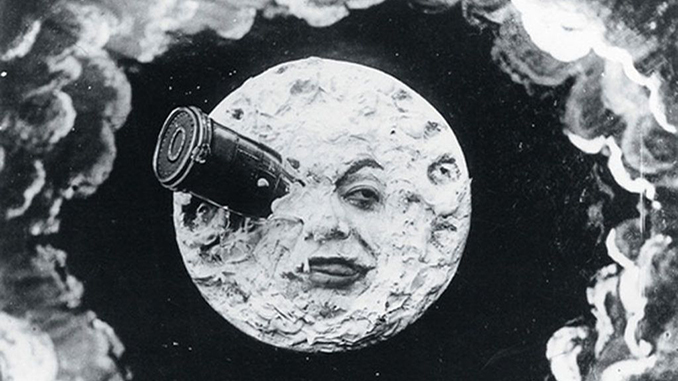
Es imprescindible por ser uno de los primeros films de ciencia ficción y un pionero en implementar novedosos efectos especiales.
– 2 –
Intolerancia
D. W. Griffith. Estados Unidos, 1916.
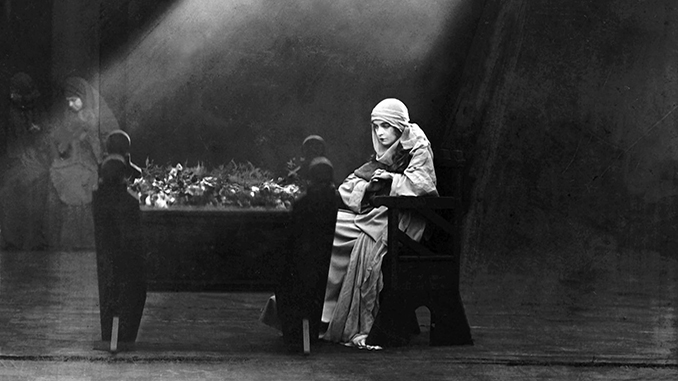
Es imprescindible porque Griffith fue uno de los creadores del lenguaje cinematográfico moderno, dejando atrás la teatralidad del primer cine,.
– 3 –
Nosferatu
F. W. Murnau. Alemania, 1922.

Es imprescindible porque se trata de la primera gran adaptación de Drácula al cine y es una obra maestra del expresionismo alemán.
– 4 –
El maquinista de la general
Buster Keaton. Estados Unidos, 1926.
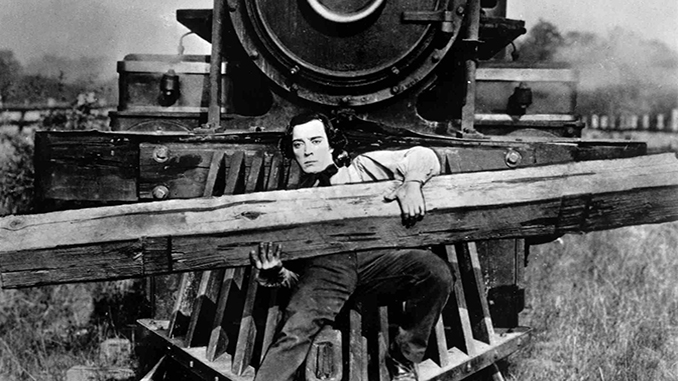
Es imprescindible porque la imaginación y el talento de Buster Keaton no tenían límites.
– 5 –
El cantor de jazz
Alan Crosland. Estados Unidos, 1927.

Es imprescindible por ser la primera película sonora: una audacia de Warner Bros.
– 6 –
Metrópolis
Fritz Lang. Alemania, 1927.
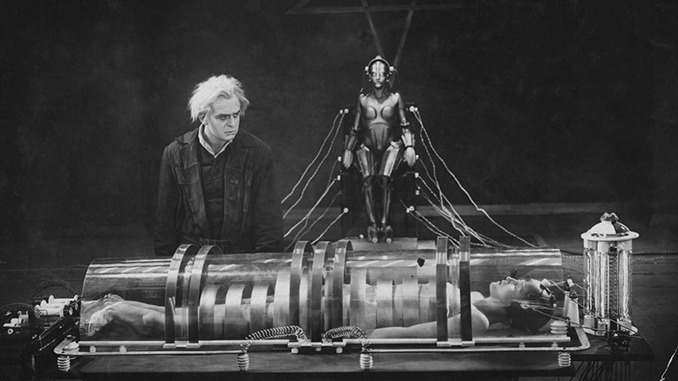
Es imprescindible porque fue y sigue siendo visionaria estética, técnica e ideológicamente.
– 7 –
La caída de la casa Usher
Jean Epstein. Francia, 1928.
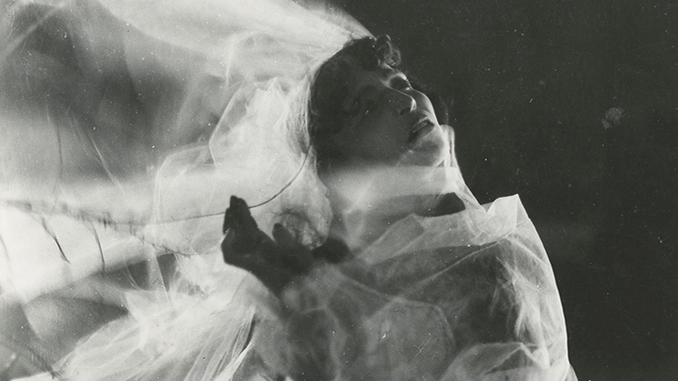
Es imprescindible porque traslada al cine la belleza del onirismo de Edgar Allan Poe.
– 8 –
El hombre de la cámara
Dziga Vertov. URSS, 1929.
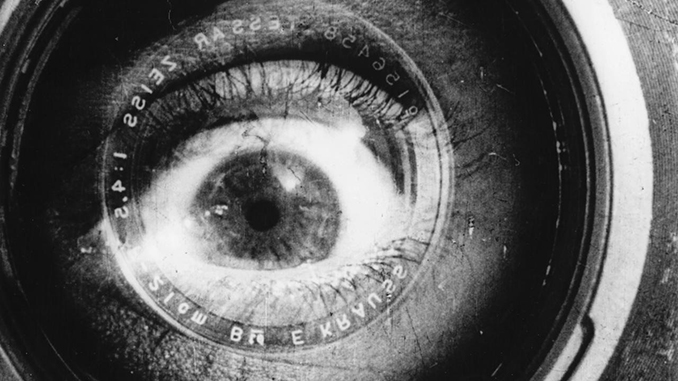
Es imprescindible porque el montaje pasó a ser el elemento central en la creación cinematográfica.
– 9 –
El doctor Frankenstein
James Whale. Estados Unidos, 1931.
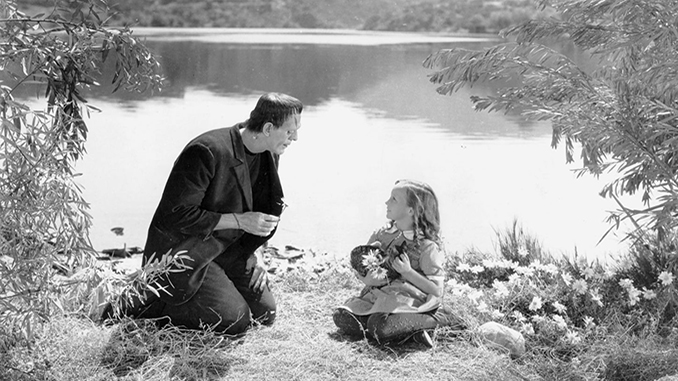 Es imprescindible porque dio vida cinematográfica al tan aterrador como bello monstruo en la piel de Boris Karloff y es representativa de la exitosa franquicia de Monstruos Clásicos de la Universal iniciada en 1925.
– 10 –
King Kong
Merian C. Cooper y Ernest B. Schoedsack. Estados Unidos, 1933.
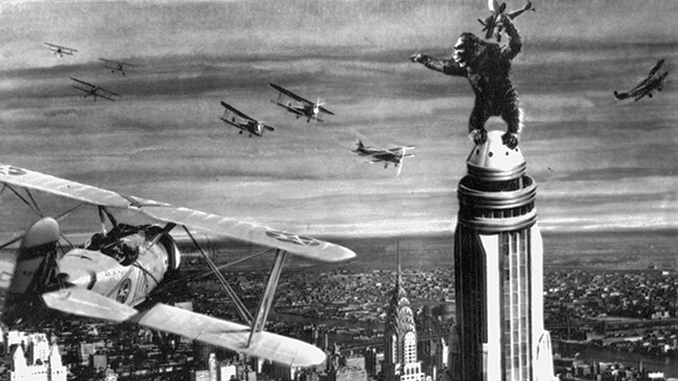
Es imprescindible porque era una hermosa historia de amor con unos icónicos efectos visuales, que a día de hoy, siguen sorprendiendo.
– 11 –
Una noche en la ópera
Sam Wood. Estados Unidos, 1935.
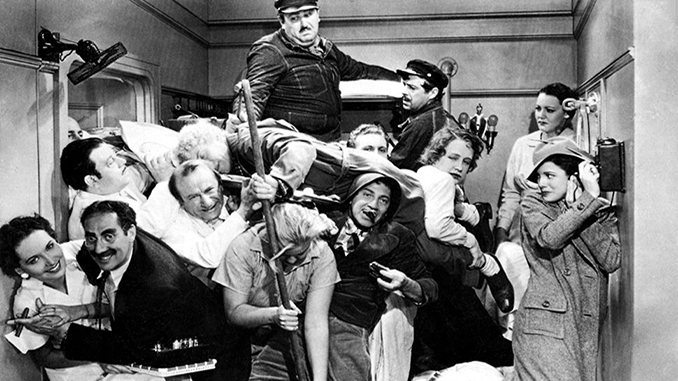
Es imprescindible porque así lo estipula la parte contratante de la primera parte que será considerada como la parte contratante de la primera parte.
– 12 –
Tiempos modernos
Charles Chaplin. Estados Unidos, 1936.
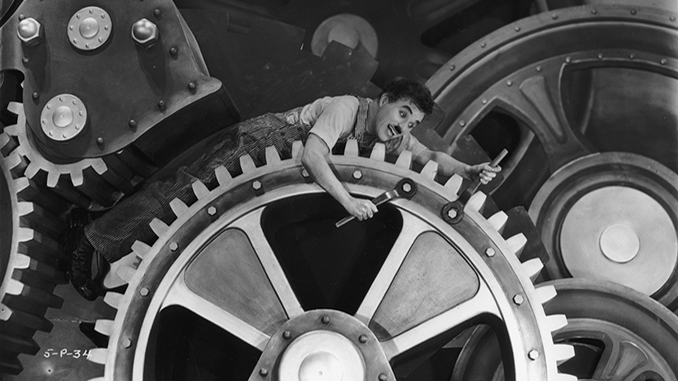
Es imprescindible porque es la primera película sonora de un genio como Charles Chaplin.
– 13 –
Blancanieves y los siete enanitos
David Hand. Estados Unidos, 1937.
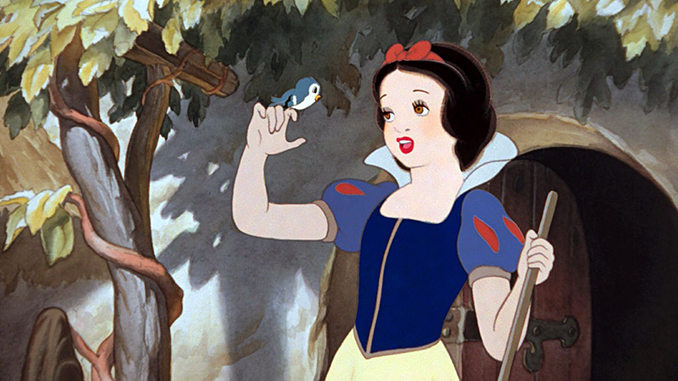
Es imprescindible porque fue el primer largometraje de animación producido por Disney de la historia.
– 14 –
La fiera de mi niña
Howard Hawks. Estados Unidos, 1938.
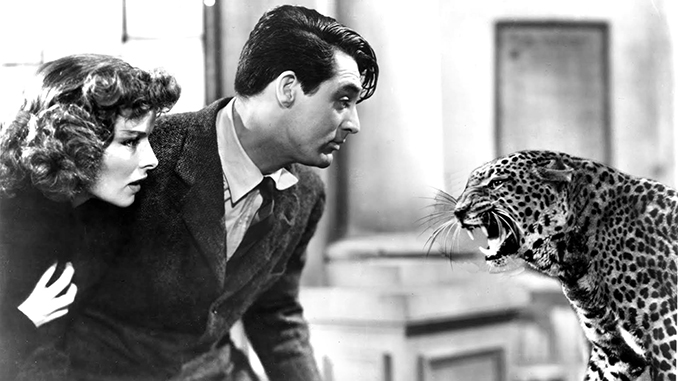
Es imprescindible porque demuestra que un gran fracaso en taquilla no impide que con el tiempo te conviertas en un clásico.
– 15 –
Lo que el viento se llevó
Victor Fleming. Estados Unidos, 1939.
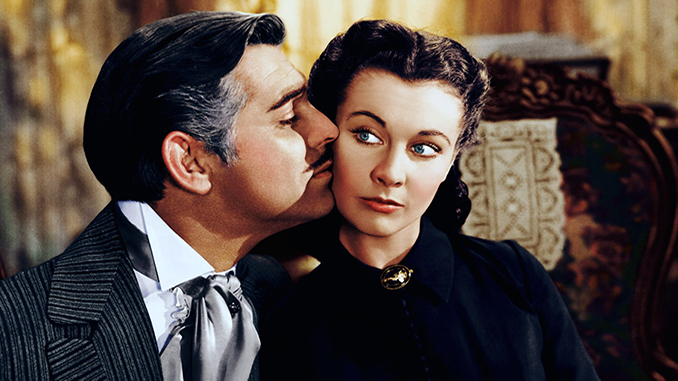
Es imprescindible por ser la que se supone es la película más taquillera de la historia si se ajustase la inflación.
– 16 –
Ciudadano Kane
Orson Welles. Estados Unidos, 1941.
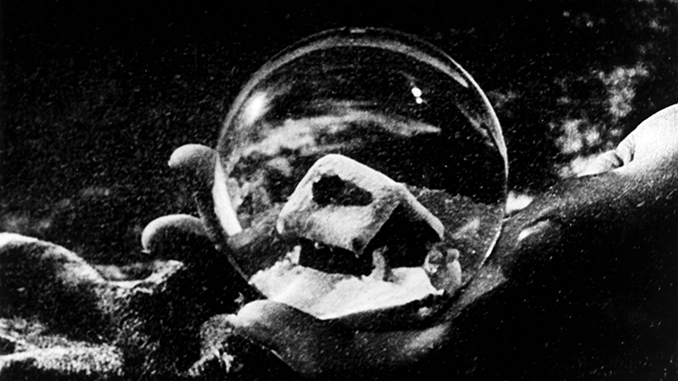
Es imprescindible porque Roger Ebert dijo que era “la mejor película de la historia” y no somos quién para desmentirle.
– 17 –
Casablanca
Michael Curtiz. Estados Unidos, 1942.
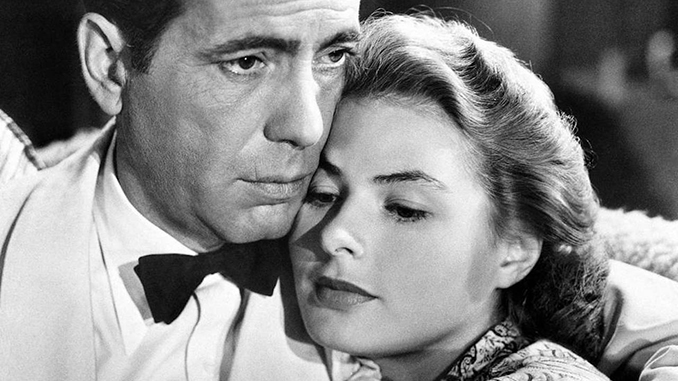
Es imprescindible por tener el mejor guión cinematográfico jamás escrito y los diálogos más célebres de la historia.
– 18 –
Breve encuentro
David Lean. Reino Unido, 1945.
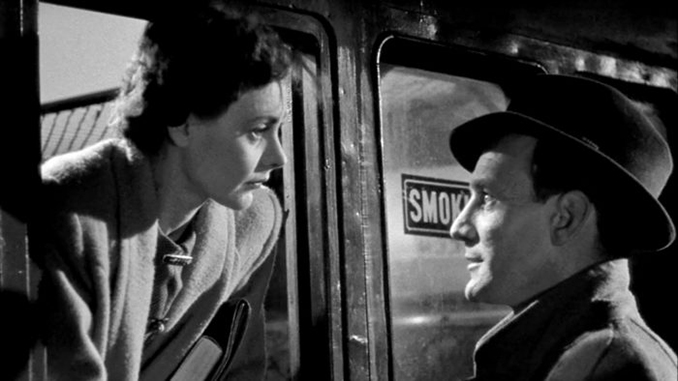
Es imprescindible porque es una obra maestra, directa y concisa, aunque sea prácticamente desconocida.
– 19 –
Roma, ciudad abierta
Roberto Rossellini. Italia, 1945.
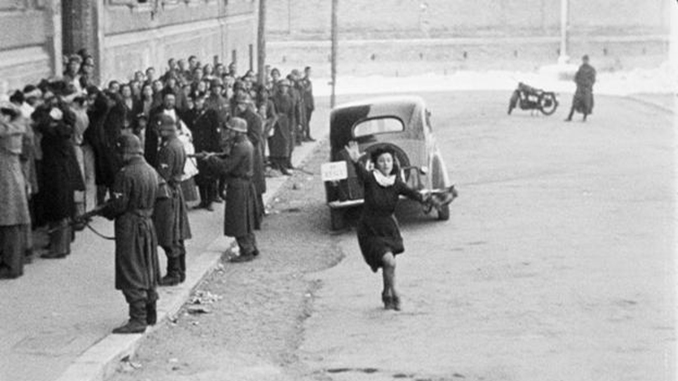
Es imprescindible porque muestra el dolor de manera desgarradora, realista y brutal, y es una referencia fundacional del neorrealismo italiano.
– 20 –
Qué bello es vivir
Frank Capra. Estados Unidos, 1946.
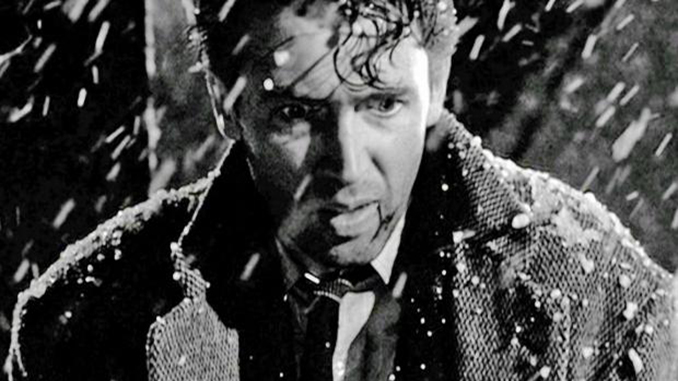
Es imprescindible por regalarnos el final más bonito de la historia del cine y hacernos creer que todavía quedan buenas personas.
– 21 –
Ladrón de bicicletas
Vittorio de Sica. Italia, 1948.
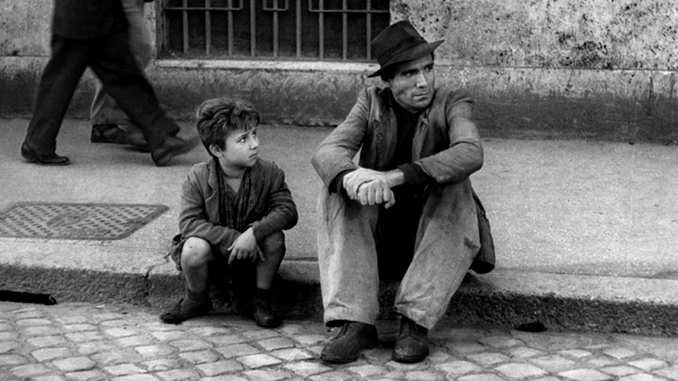
Es imprescindible por ser la obra cumbre del Neorrealismo italiano y porque nunca un padre y un hijo se han querido tanto en la gran pantalla.
– 22 –
Eva al desnudo
Joseph L. Mankiewicz. Estados Unidos, 1950.
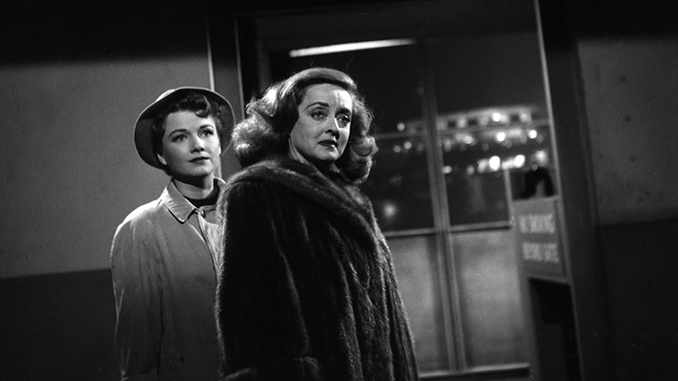
Es imprescindible porque contiene, probablemente, la mejor actuación de la mejor actriz conocida, Bette Davis.
– 23 –
Un tranvía llamado deseo
Elia Kazan. Estados Unidos, 1951.
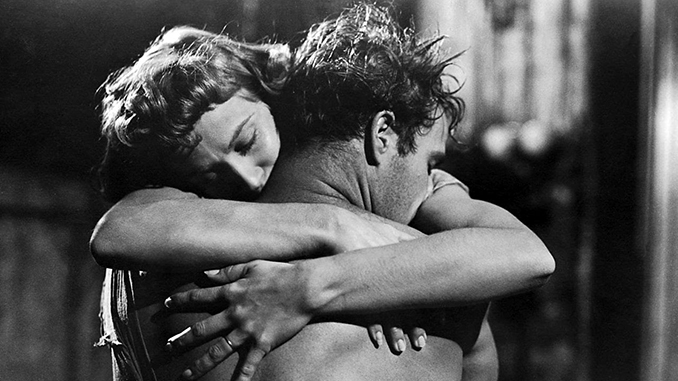
Es imprescindible porque Marlon Brando marcó un nuevo estilo interpretativo… ¡Stella!.
– 24 –
Cantando bajo la lluvia
Stanley Donen y Gene Kelly. Estados Unidos, 1952.
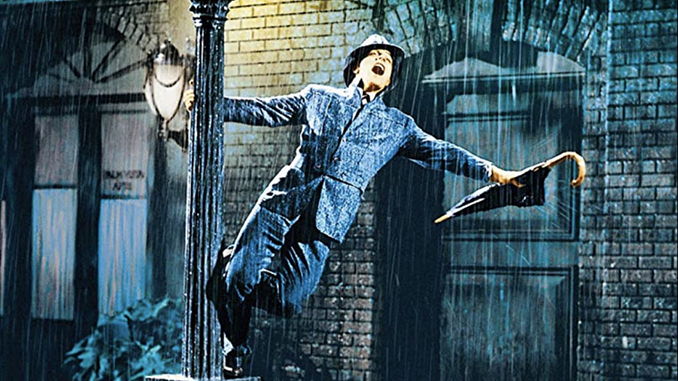
Es imprescindible porque esta película te alegra cualquier día por malo que éste sea.
– 25 –
Abismos de pasión
Luis Buñuel. México, 1953.
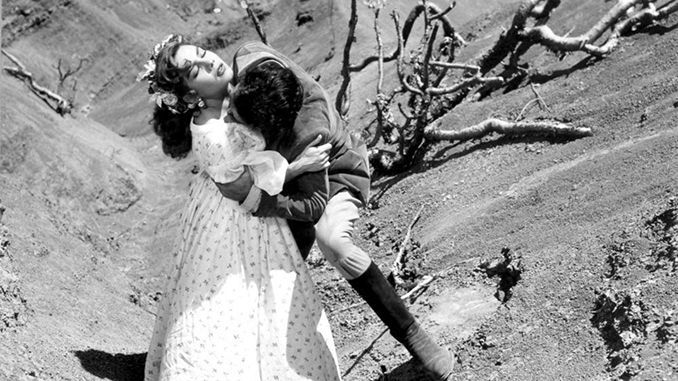
Es imprescindible porque es expresión máxima del amour fou surrealista de Buñuel.
– 26 –
Los siete samuráis
Akira Kurosawa. Japón, 1954.
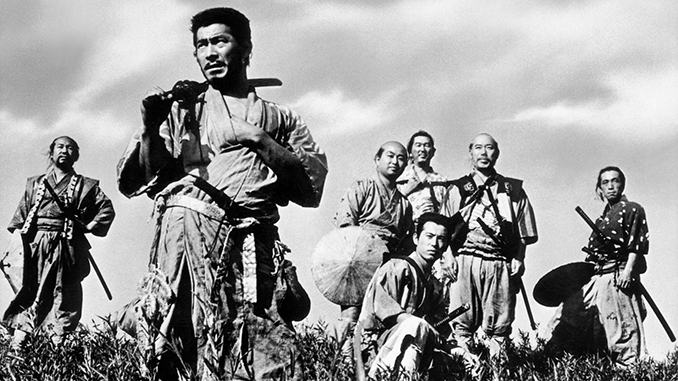
Es imprescindible por ser la película de aventuras que más ha influenciado en el cine de Occidente.
– 27 –
La noche del cazador
Charles Laughton. Estados Unidos, 1955.
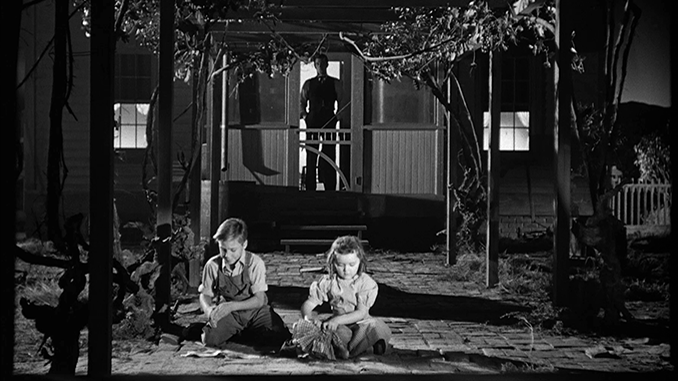
Es imprescindible porque es de una perversidad tan exacta y atroz que sorprende que sea la única obra de su director.
– 28 –
El cebo
Ladislao Vajda. Suiza, 1958.
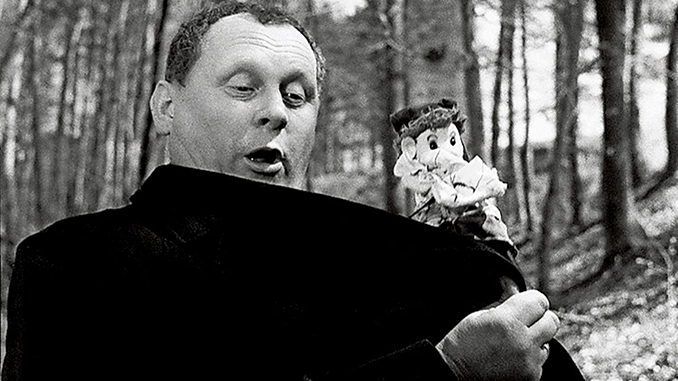
Es imprescindible porque es cine negro a plena luz del día de una España en plena letargia franquista.
– 29 –
Mi tío
Jacques Tati. Francia, 1958.
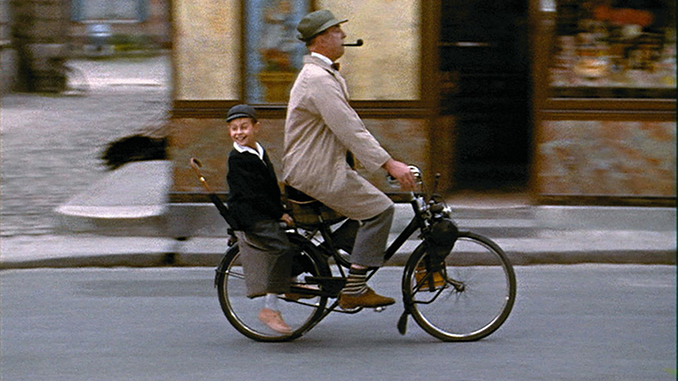
Es imprescindible porque esta aparentemente sencilla comedia fue la más feroz crítica a la sociedad de consumo filmada hasta entonces.
– 30 –
Ben-Hur
William Wyler. Estados Unidos, 1959.
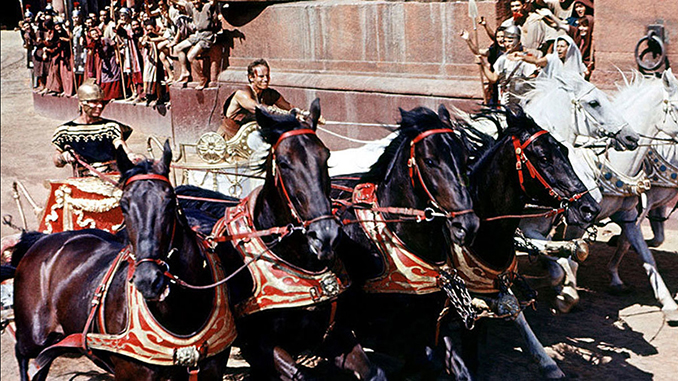
Es imprescindible por ser una producción de enorme escala, ya no se ruedan películas así.
– 31 –
Los cuatrocientos golpes
François Truffaut. Francia, 1959.
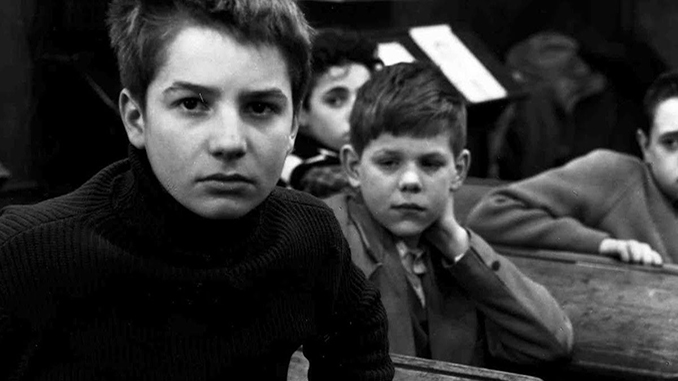
Es imprescindible porque François Truffaut supo romper con las normas hasta entonces establecidas por el Hollywood dorado y abrir una nueva puerta en la que otro cine era posible.
– 32 –
El apartamento
Billy Wilder. Estados Unidos. 1960.
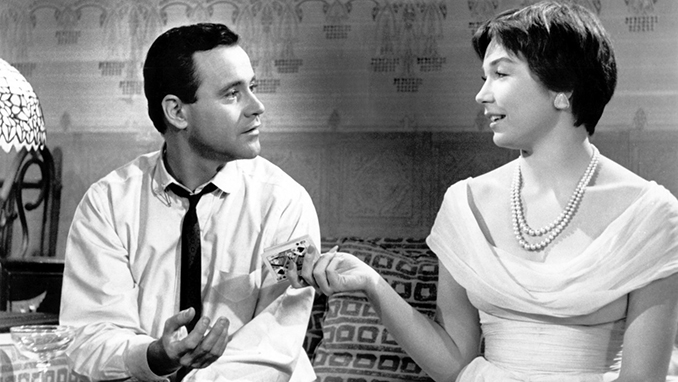
Es imprescindible porque el amor triunfa, y eso no pasa siempre.
– 33 –
Psicosis
Alfred Hitchcock. Estados Unidos, 1960.
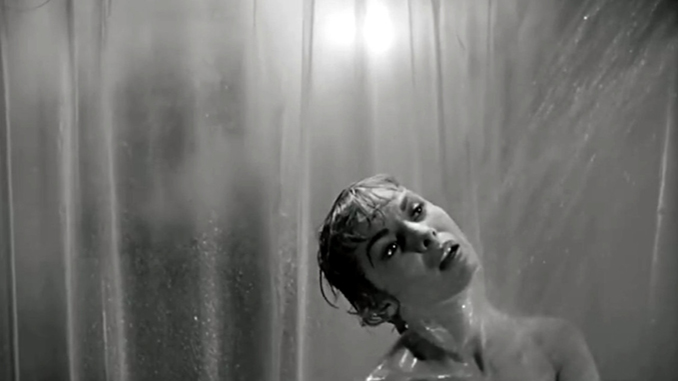
Es imprescindible porque estando en la cima, su director dio un giro de 180 grados a su carrera.
– 34 –
Desayuno con diamantes
Blake Edwards. Estados Unidos, 1961.
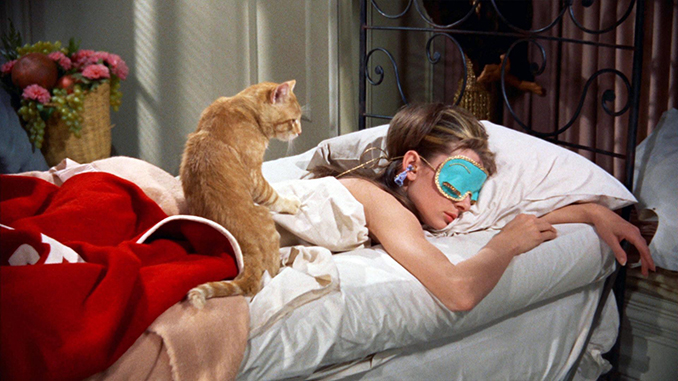
Es imprescindible porque convirtió en un icono de la cultura popular a Audrey Hepburn y por Moon River, probablemente la canción más bonita escrita nunca para una película.
– 35 –
West Side Story
Jerome Robbins y Robert Wise. Estados Unidos, 1961.
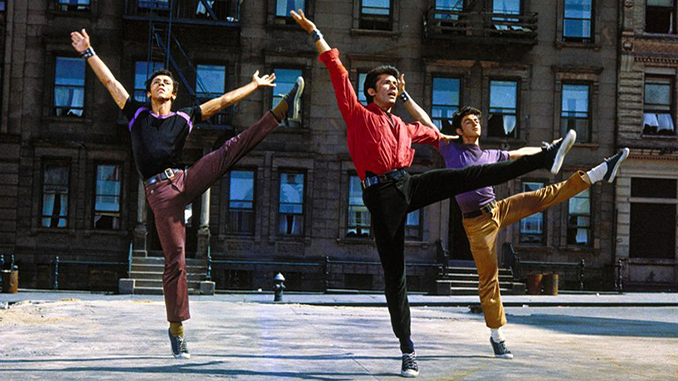
Es imprescindible porque Shakespeare estaría orgulloso de la mejor adaptación filmada de su Romeo y Julieta.
– 36 –
Agente 007 contra el Dr. No
Terence Young. Reino Unido, 1962.
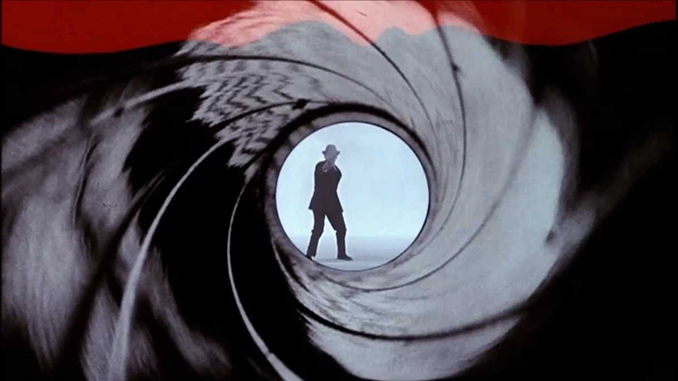
Es imprescindible por ser la primera vez que vemos a James Bond en pantalla. Nace un género en sí mismo alrededor de un personaje.
– 37 –
Cleo de 5 a 7
Agnès Varda. Francia, 1962.

Es imprescindible por ser una de las propuestas más respetadas de la Nouvelle Vague. Además, dirigida por la legendaria Agnès Varda.
– 38 –
El hombre que mató a Liberty Valance
John Ford. Estados Unidos, 1962.
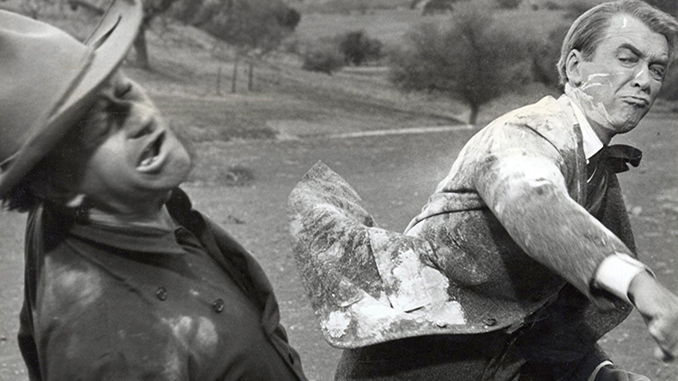
Es imprescindible porque suponía el fin de un género, el western, y el fin de una época.
– 39 –
Matar a un ruiseñor
Robert Mulligan. Estados Unidos, 1962.
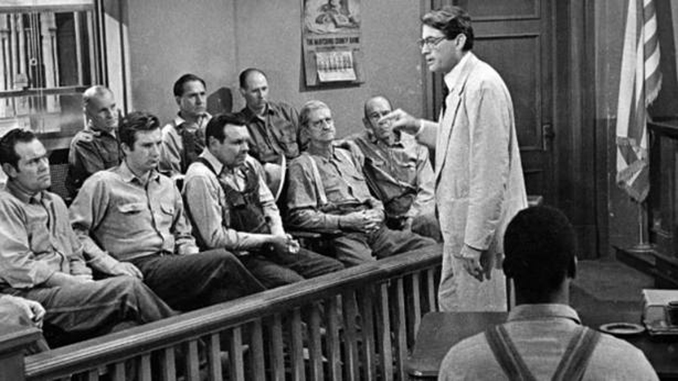
Es imprescindible por legarnos al abogado Atticus Finch, el mayor héroe americano de la historia del cine.
– 40 –
El gatopardo
Luchino Visconti. Italia, 1963.
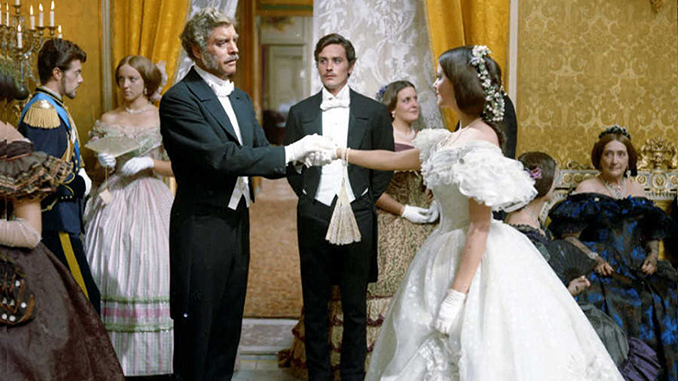 Es imprescindible porque nos mostraba que todo tiene que cambiar para que todo siga igual.
– 41 –
El verdugo
Luis García Berlanga. España, 1963.
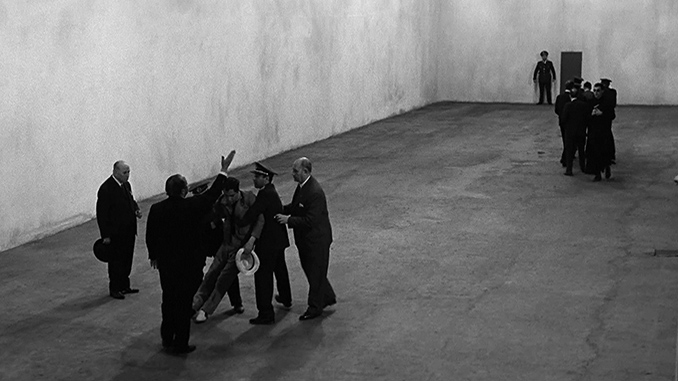
Es imprescindible por cómo Berlanga supo convencer a la censura franquista de que su película no iba en contra de la pena de muerte y por ser, quizás, la mejor comedia española de la historia.
– 42 –
Los paraguas de Cherburgo
Jacques Demy. Francia, 1964.
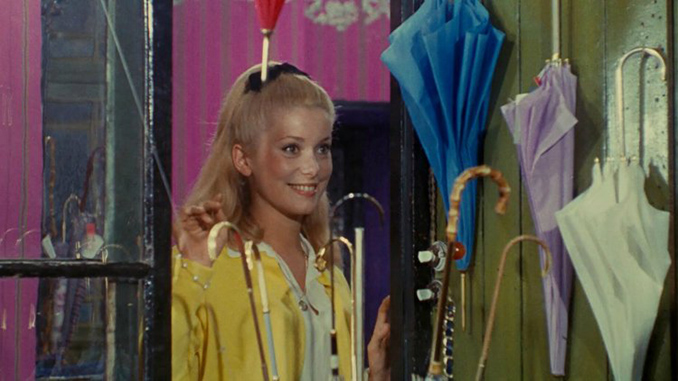
Es imprescindible por narrar la triste y bella historia de un primer amor truncado por la guerra y hacerlo totalmente cantando.
– 43 –
La muerte tenía un precio
Sergio Leone. Italia, 1965.
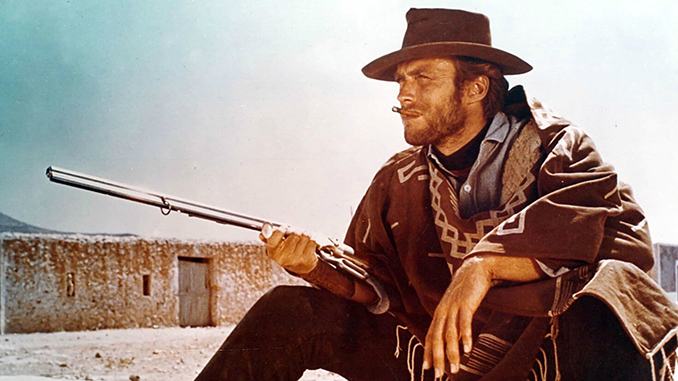
Es imprescindible por ser un exponente del puro spaghetti western y del universo de Sergio Leone.
– 44 –
El joven Törless
Volker Schlöndorff. República Federal Alemana, 1966.
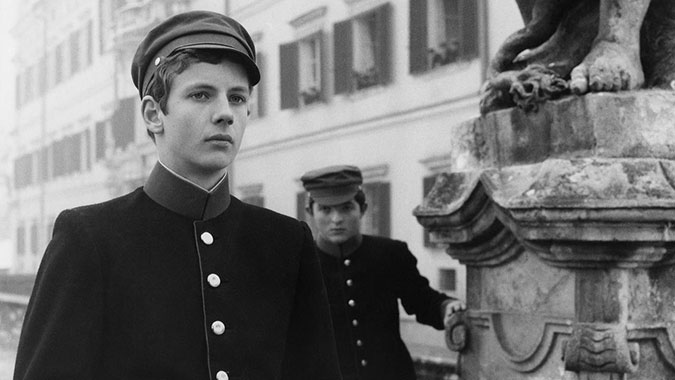
Es imprescindible por ser un exponente de las corrientes centroeuropeas aparecidas en los años sesenta, nacidas al amparo de las nuevas olas francesas.
– 45 –
Persona
Ingmar Bergman. Suecia, 1966.
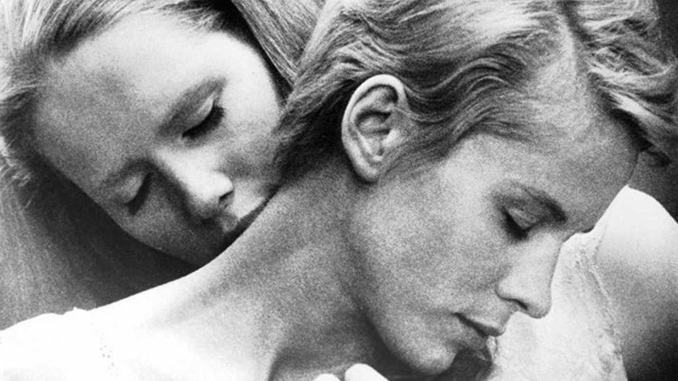
Es imprescindible porque toda película que afronte la dualidad tiene que mirarse en el espejo de Bergman.
– 46 –
El graduado
Mike Nichols. Estados Unidos, 1967.
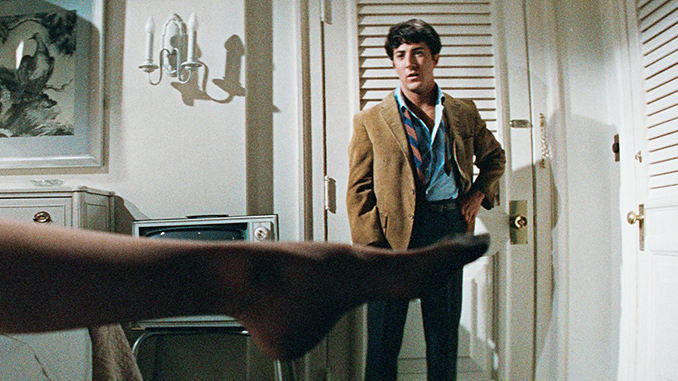
Es imprescindible por ser la punta de lanza del Nuevo Cine Estadounidense, nacido tras la caída del restrictivo y censor Código Hays.
– 47 –
Reflejos en un ojo dorado
John Huston. Estados Unidos, 1967.
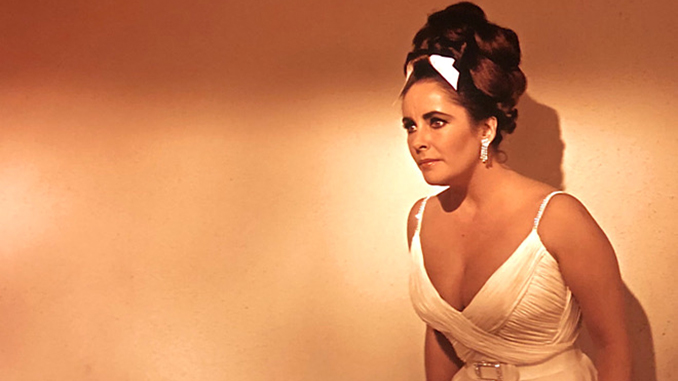
Es imprescindible porque es un drama sureño que abrasa a unos personajes abismales en el páramo de sus vidas burguesas.
– 48 –
2001: Una odisea del espacio
Stanley Kubrick. Estados Unidos, 1968.
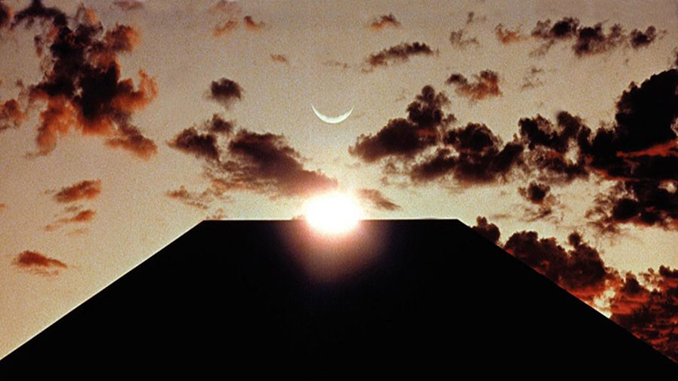
Es imprescindible por ser la película más amada/odiada de la historia y seguir creando debate más de 50 años después.
– 49 –
If…
Lindsay Anderson. Reino Unido, 1968.
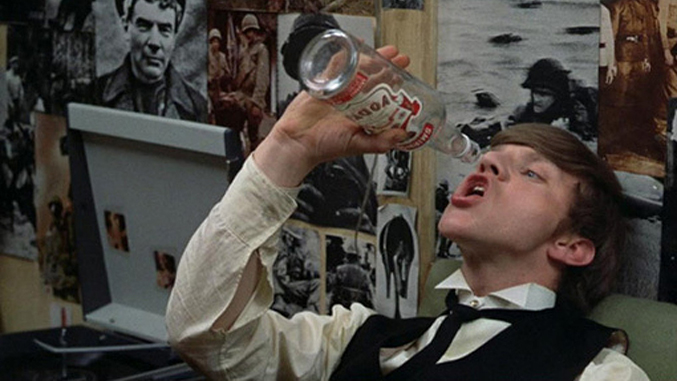
Es imprescindible por su necesidad de mostrar la rebeldía, el inconformismo social, la lucha obrera y el desalentador futuro de las nuevas generaciones, pilares del Free Cinema inglés.
– 50 –
Cowboy de medianoche
John Schlesinger. Estados Unidos, 1969.
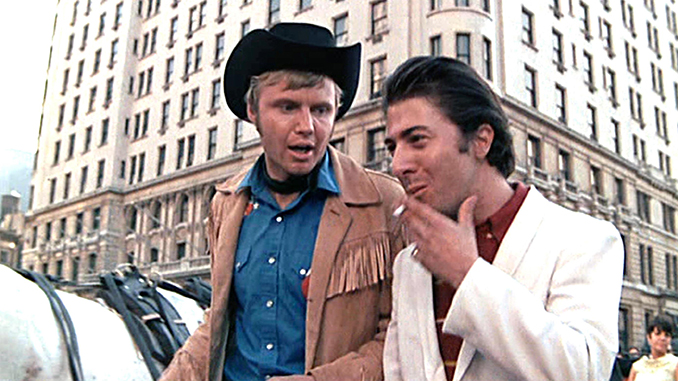
Es imprescindible por ser una obra adelantada a su tiempo y la primera y única calificada X en ganar el Oscar a la mejor película.
– 51 –
Z
Costa-Gavras. Argelia, 1969.
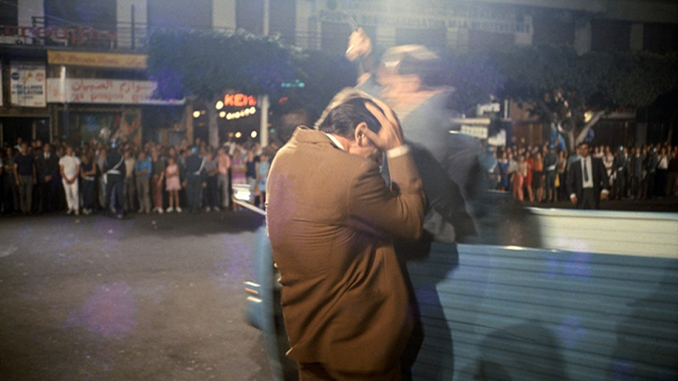
Es imprescindible por ser ejemplo paradigmático de cine político comprometido, como buena parte de la filmografía de su director, Costa-Gavras.
– 52 –
El padrino
Francis Ford Coppola. Estados Unidos, 1972.
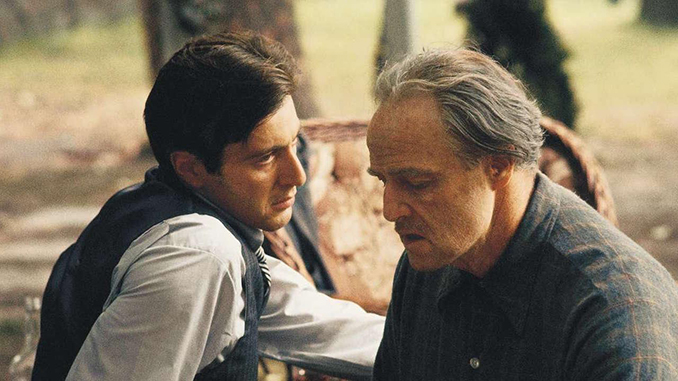
Es imprescindible porque demostró que un desconocido director de 31 años podía dirigir la gran obra maestra del cine moderno americano.
– 53 –
El exorcista
William Friedkin. Estados Unidos, 1973.
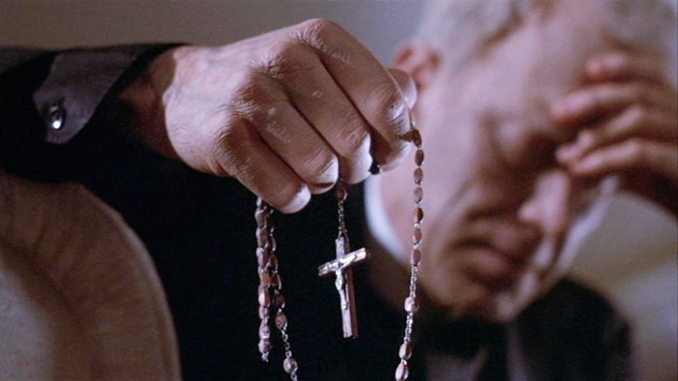
Es imprescindible por ser la mejor película de terror de la historia. Y punto.
– 54 –
Amarcord
Federico Fellini. Italia, 1974.
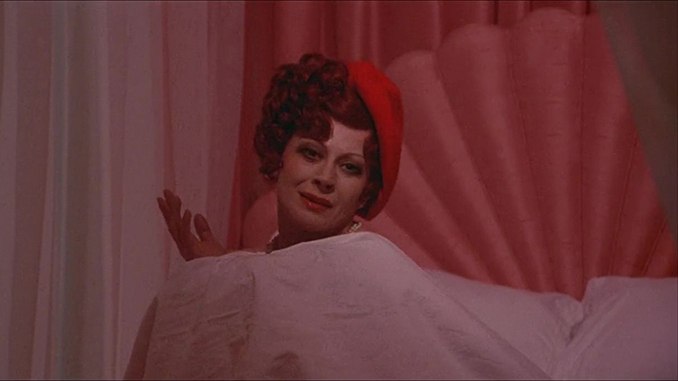 Es imprescindible por representar la alegría absoluta en tiempos de fascismo.
– 55 –
Chinatown
Roman Polanski. Estados Unidos, 1974.
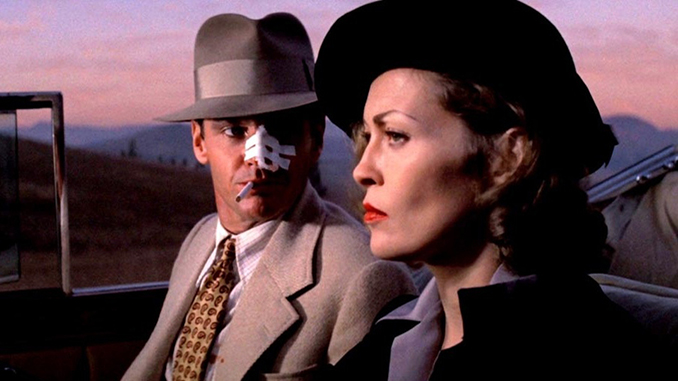
Es imprescindible porque es un doloroso Neo-Noir sobre la imposibilidad de lapidar los secretos del pasado.
– 56 –
Furtivos
José Luis Borau. España, 1975.
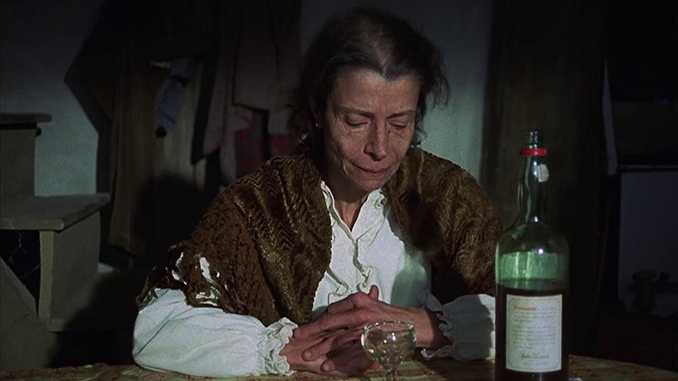
Es imprescindible porque muestra la crudeza de la España de la Transición con una madre, Lola Gaos, áspera y atroz castradora de su hijo, Ovidi Montllor.
– 57 –
Tiburón
Steven Spielberg. Estados Unidos, 1975.

Es imprescindible no solo por ser el primer éxito mundial de Spielberg sino por sentar las bases de los blockbusters.
– 58 –
Network, un mundo implacable
Sidney Lumet. Estados Unidos, 1976.
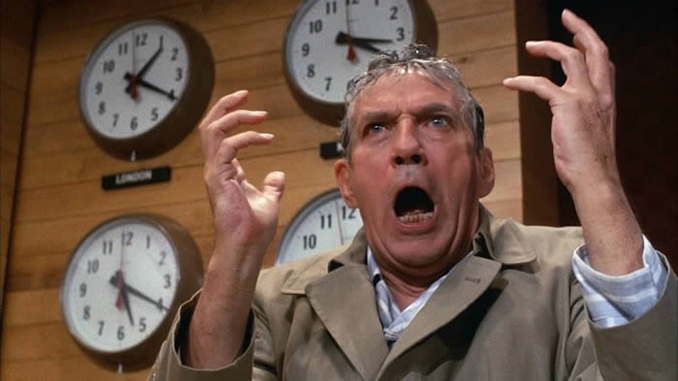
Es imprescindible porque debería ser visionado obligatorio el primer día de clase en todas las facultades de periodismo del mundo.
– 59 –
Star Wars. Episodio IV: Una nueva esperanza
George Lucas. Estados Unidos, 1977.
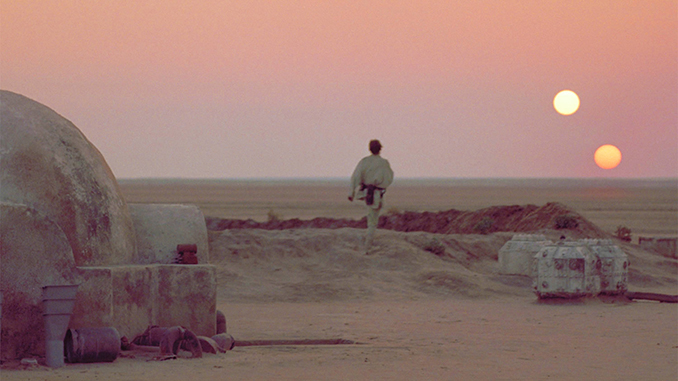
Es imprescindible por imaginar un universo mucho más lejano con una historia llena de infortunios familiares, espadas láser y unos rebeldes que desafiaban a todo un imperio.
– 60 –
Superman
Richard Donner. Reino Unido, 1978.

Es imprescindible porque Christopher Reeve nos hizo creer que podía volar y sentó las bases del género de superhéroes.
– 61 –
La vida de Brian
Terry Jones. Reino Unido, 1979.
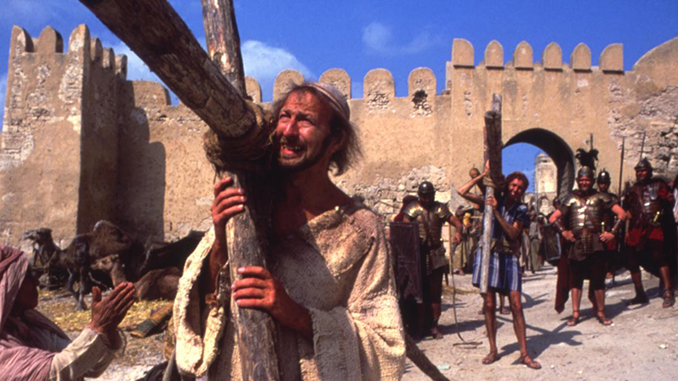
Es imprescindible por ser la obra cumbre de los genios del humor Monty Python y por su revolucionaria crítica al fanatismo religioso.
– 62 –
Manhattan
Woody Allen. Estados Unidos, 1979.
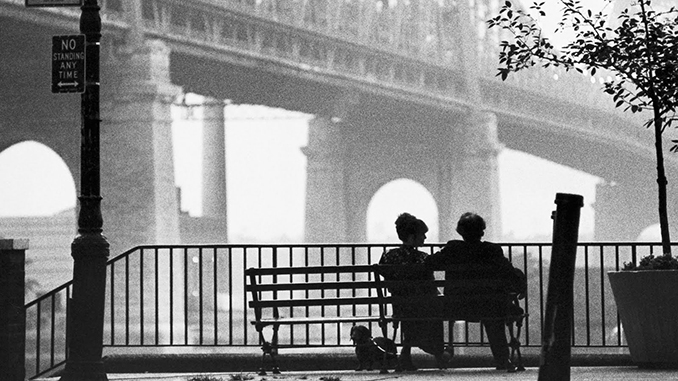
Es imprescindible porque pocas veces se ha filmado un retrato tan hermoso de una ciudad.
– 63 –
Toro Salvaje
Martin Scorsese. Estados Unidos, 1980.
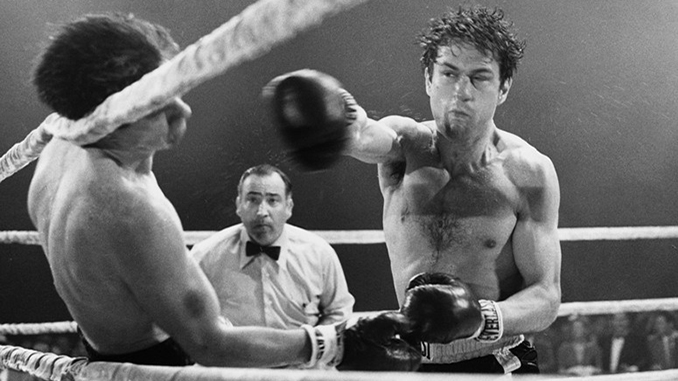
Es imprescindible porque nos muestra el horror y la lucha de un hombre contra sí mismo.
– 64 –
Posesión infernal
Sam Raimi. Estados Unidos, 1981.

Es imprescindible porque el terror y el gore no serían lo mismo sin la cinta de Sam Raimi. ¿Quién no se acuerda de ella cuando aparece una cabaña?
– 65 –
Blade Runner
Ridley Scott. Estados Unidos, 1982.
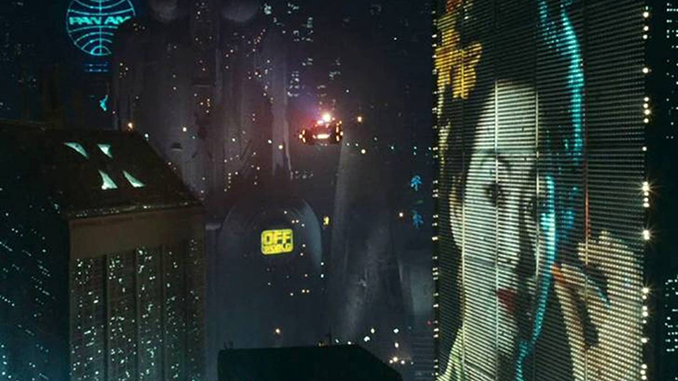 Es imprescindible porque nos mostraba que la empatía era la clave para ser humano.
– 66 –
El sur
Víctor Erice. España, 1983.
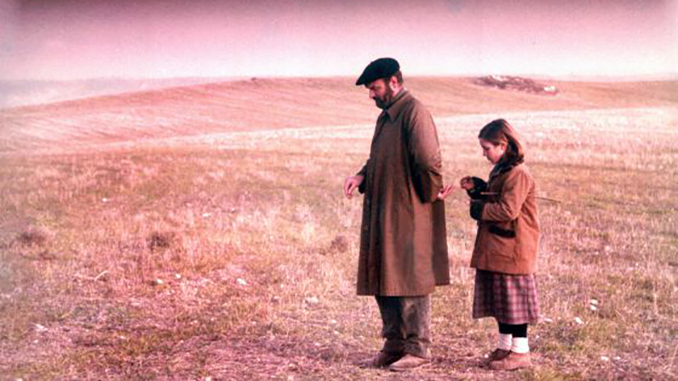
Es imprescindible porque en lo inacabado de la obra yace la belleza de un drama rural, el de gran parte de los vencidos de la Guerra Civil española.
– 67 –
Los santos inocentes
Mario Camus. España, 1984.
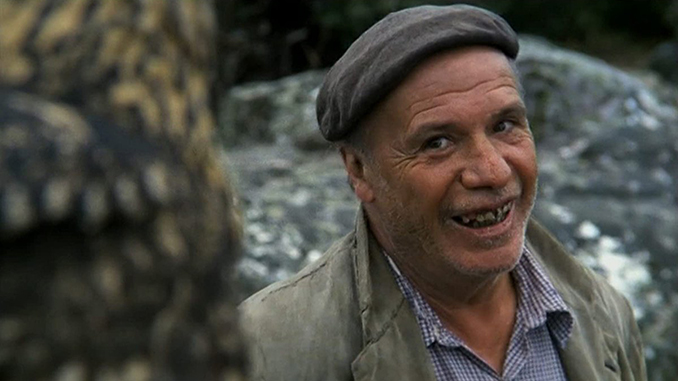 Es imprescindible por retratar la vida rural de la España franquista de una manera brutal, directa, amarga y despiadada.
– 68 –
París, Texas
Wim Wenders.
República Federal Alemana, 1984.

Es imprescindible por ser un canto a la libertad incondicional por encima de ataduras morales.
– 69 –
Regreso al futuro
Robert Zemeckis. Estados Unidos, 1985.
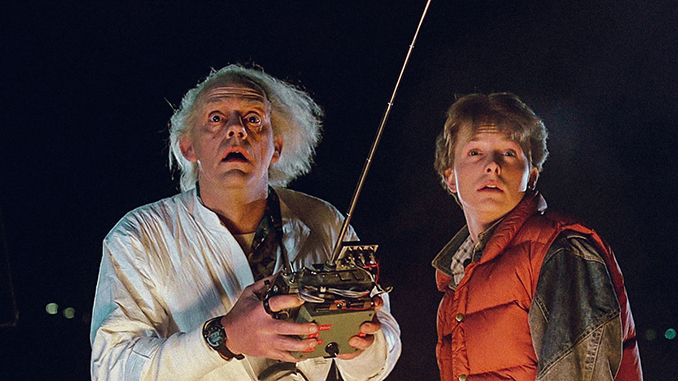
Es imprescindible por aunar cine de aventuras, ciencia ficción, comedia y romance y ser una de las películas más icónicas de los años 80.
– 70 –
Bajo el peso de la ley
Jim Jarmusch. Estados Unidos, 1986.
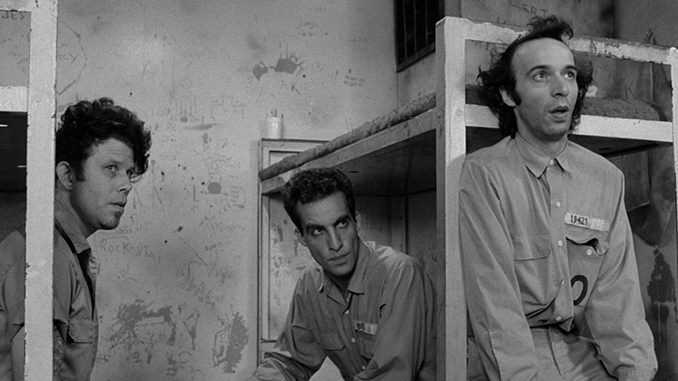
Es imprescindible por descubrirnos a Jim Jarmusch, el más emblemático director independiente del cine americano.
– 71 –
Akira
Katsuhiro Otomo. Japón, 1988.
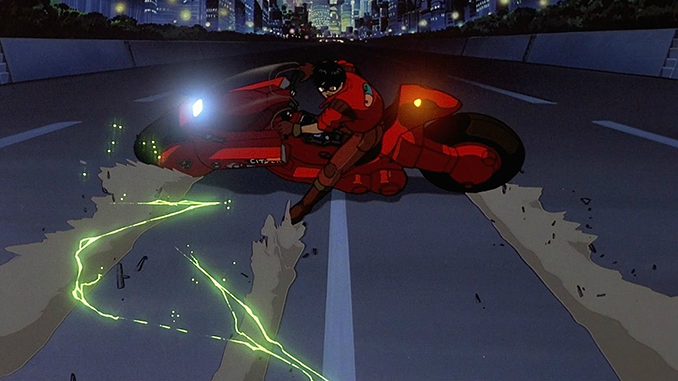 Es imprescindible por predecir el futuro y su estética e introducir el anime en el mundo occidental.
– 72 –
Amanece que no es poco
José Luis Cuerda. España, 1989.
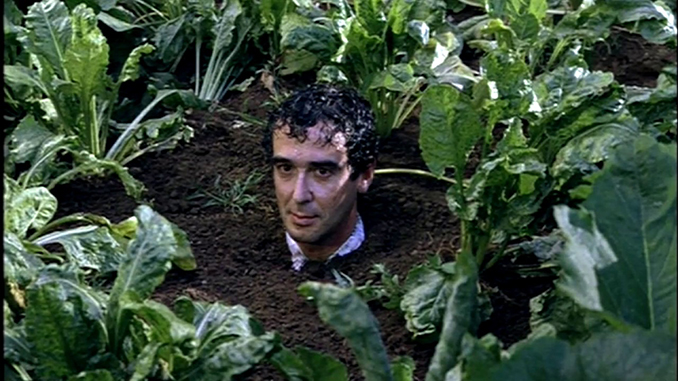
Es imprescindible por ser una obra de culto del humor absurdo en la comedia española.
– 73 –
Haz lo que debas
Spike Lee. Estados Unidos, 1989.
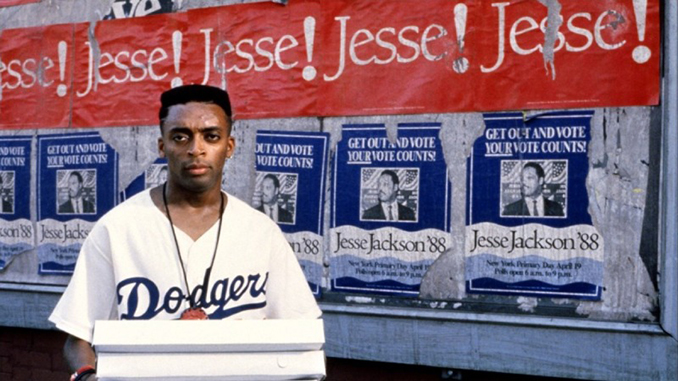
Es imprescindible por dar, desde dentro, el protagonismo a los problemas de toda una comunidad que hasta entonces solo había optado a papeles secundarios.
– 74 –
Sacrificio
Andrei Tarkovsky. Suecia, 1989.
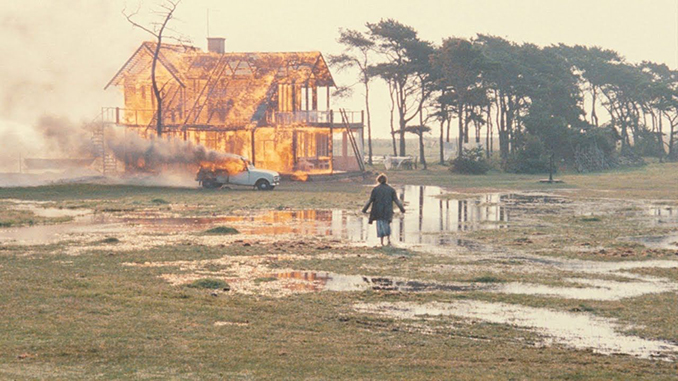 Es imprescindible por ese plano secuencia final, nunca ver arder una casa había sido tan bello.
– 75 –
Eduardo Manostijeras
Tim Burton. Estados Unidos, 1990.

Es imprescindible porque a pesar de sus claras influencias estilísticas, resulta una clase magistral sobre luz, color y forma y consolidó a Tim Burton como uno de los directores de la década.
– 76 –
Pretty Woman
Garry Marshall. Estados Unidos, 1990.
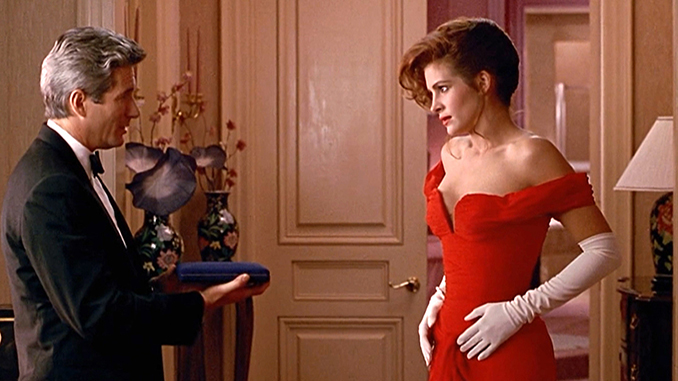
Es imprescindible porque el inesperado romance entre un banquero adinerado y una prostituta de poca monta se ha convertido en un evento anual de la televisión.
– 77 –
El silencio de los corderos
Jonathan Demme. Estados Unidos, 1991.
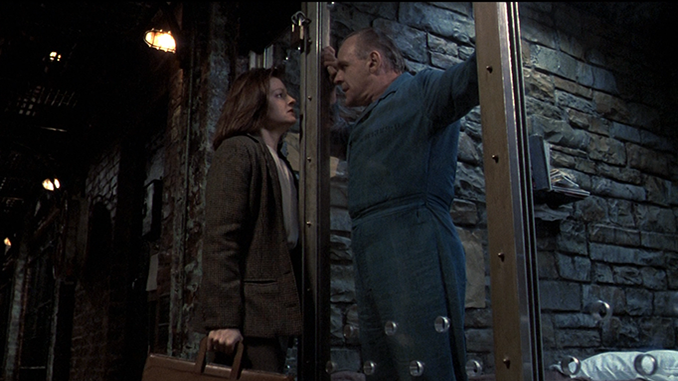
Es imprescindible por conseguir que un film de terror ganase los Oscar más importantes, incluyendo el de Mejor Película.
– 78 –
JFK: Caso abierto
Oliver Stone. Estados Unidos, 1991.
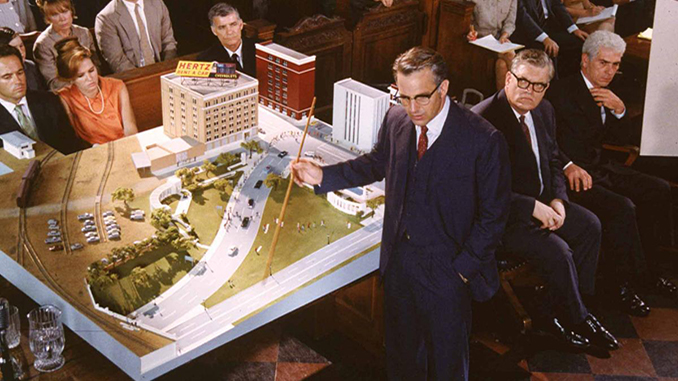
Es imprescindible porque da una clase magistral de montaje cinematográfico intentando arrojar luz al magnicidio más importante de Estados Unidos en el Siglo XX.
– 79 –
Atrapado en el tiempo
Harold Ramis. Estados Unidos, 1993.
Es imprescindible porque demuestra que aunque no las merezcas, la vida te da segundas oportunidades (y terceras, y cuartas, y…).
– 80 –
El piano
Jane Campion. Nueva Zelanda, 1993.
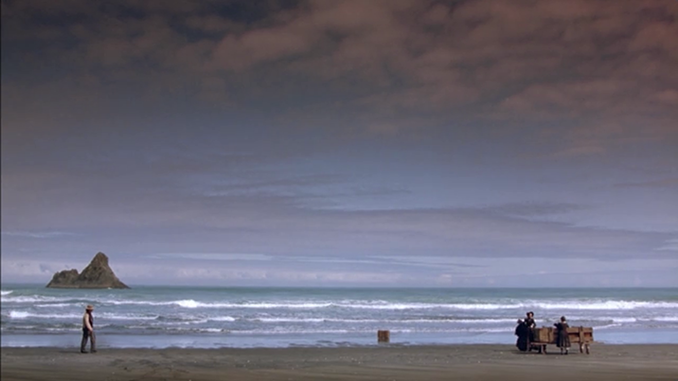
Es imprescindible por ser la primera y hasta el momento única película dirigida por una mujer ganadora del Festival de Cannes.
– 81 –
A través de los olivos
Abbas Kiarostami. Irán, 1994.

Es imprescindible porque puso en el mapa una cinematografía tan sugerente como la iraní.
– 82 –
Cadena perpetua
Frank Darabont. Estados Unidos, 1994.
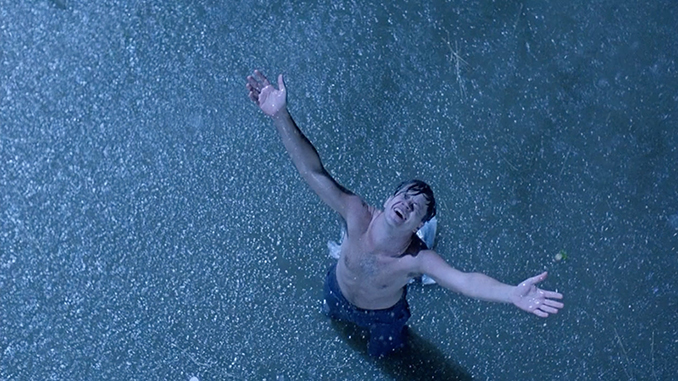
Es imprescindible porque explica una historia de amistad de manera muy bella, y por eso se ha convertido en un clásico.
– 83 –
El rey león
Rob Minkoff. Estados Unidos, 1994.
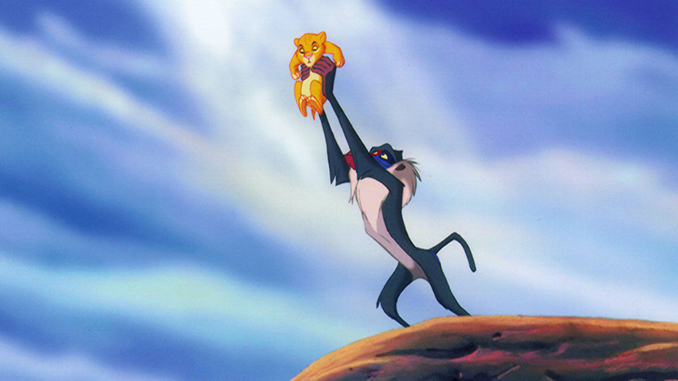
Es imprescindible por introducir la tragedia shakesperiana en el cine de animación y ser la cima del resurgimiento de Disney en los años 90.
– 84 –
Pulp Fiction
Quentin Tarantino. Estados Unidos, 1994.

Es imprescindible por ser un clásico del cine moderno, su estructura narrativa rompedora, su hibridación genérica y por la escena de baile más icónica de los 90.
– 85 –
El odio
Mathieu Kassovitz. Francia, 1995.

Es imprescindible porque explica perfectamente lo que pasa todavía hoy en las banlieues de París.
– 86 –
Seven
David Fincher. Estados Unidos, 1995.
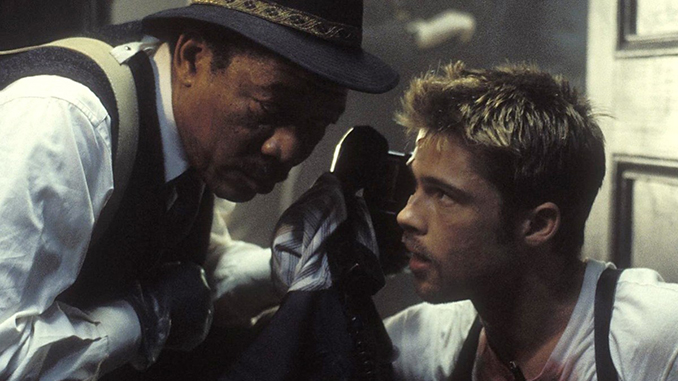
Es imprescindible porque creó un estilo temático y estético que duró una década.
– 87 –
Toy Story
John Lasseter. Estados Unidos, 1995.
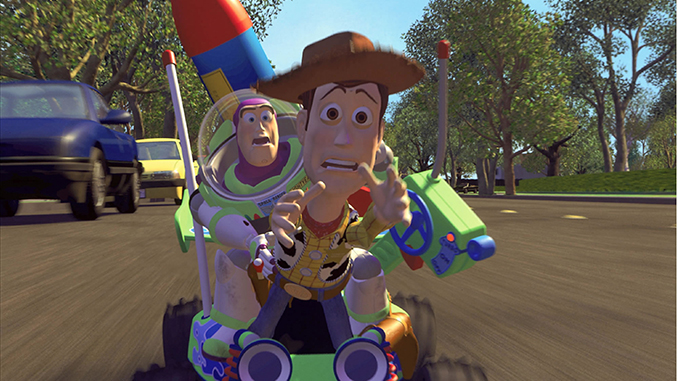
Es imprescindible porque es el primer largometraje de animación hecho íntegramente con ordenador.
– 88 –
Fargo
Joel Coen. Estados Unidos, 1996.
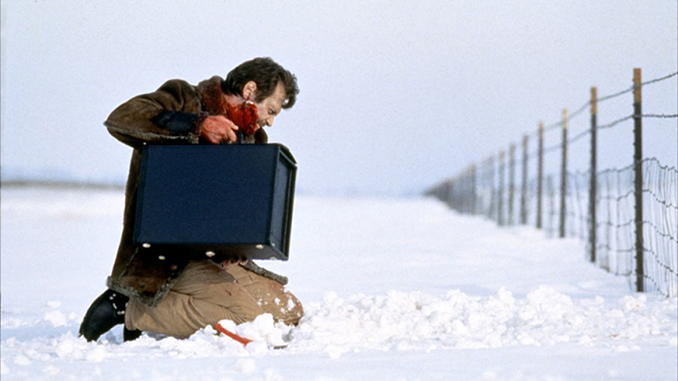
Es imprescindible porque esta es una historia verídica. Los eventos retratados en este filme tuvieron lugar en Minnesota en 1987. A petición de los sobrevivientes, los nombres han sido cambiados. Por respeto a los fallecidos, el resto ha sido contado exactamente como ocurrió.
– 89 –
Trainspotting
Danny Boyle. Reino Unido, 1996.
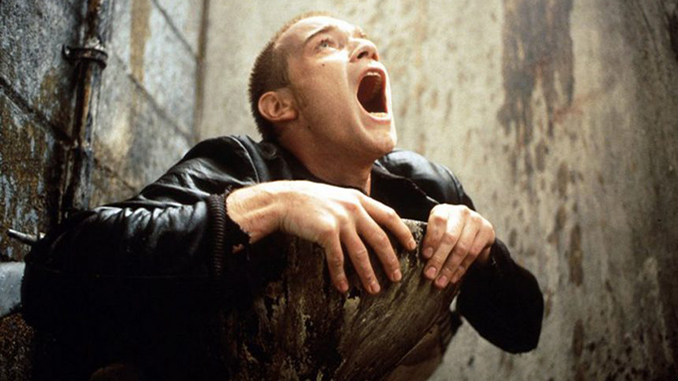
Es imprescindible por acercarnos de manera frenética al mundo de las drogas, con una banda sonora vital y un emergente Ewan McGregor.
– 90 –
La vida es bella
Roberto Benigni. Italia, 1997.
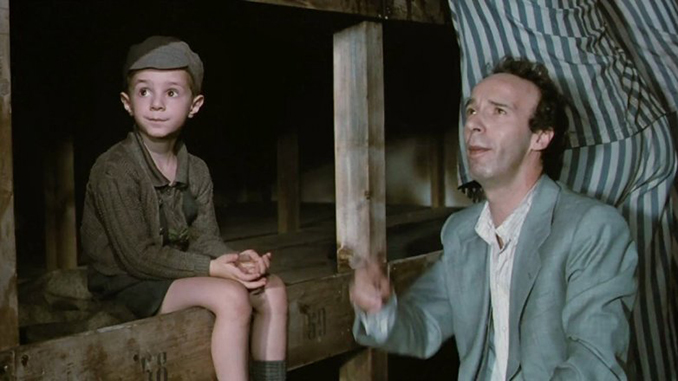
Es imprescindible porque en un contexto bélico y en un escenario descorazonador como son los campos de concentración, un padre supo convencer tanto a su hijo como a los espectadores de que la vida no es solo bella, sino que vale luchar por ella hasta el último aliento.
– 91 –
Titanic
James Cameron. Estados Unidos, 1997.
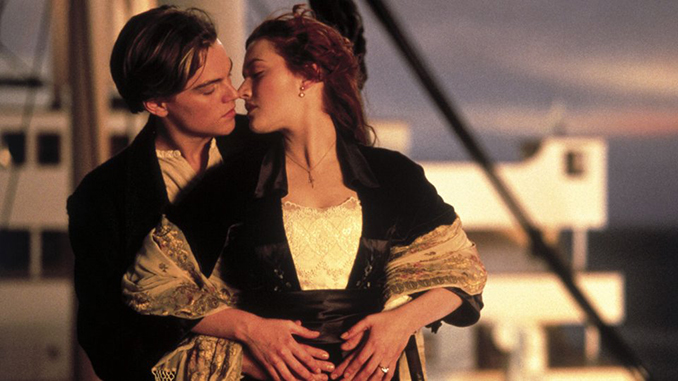
Es imprescindible por ser una de las tres películas con más Oscar en su haber y porque es la película con mayor número de espectadores en España.
– 92 –
El show de Truman
Peter Weir. Estados Unidos, 1998.
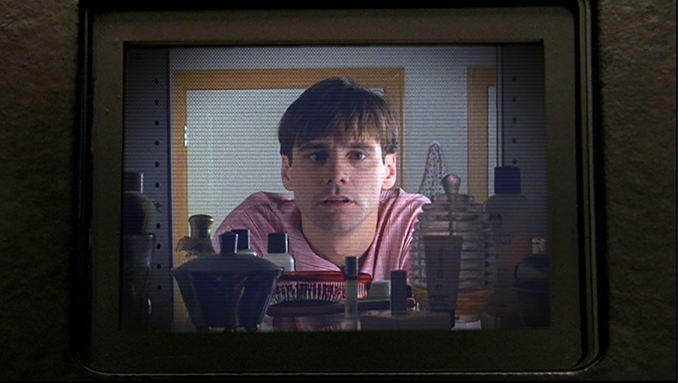
Es imprescindible por ser una perturbadora comedia que expone dilemas morales y éticos en la expansión del sensacionalismo en los medios de comunicación.
– 93 –
Los idiotas
Lars von Trier. Dinamarca, 1998.

Es imprescindible por su irreverencia general y por pertenecer al Dogma 95, manifiesto cinematográfico del cual Lars von Trier fue uno de sus precursores.
– 94 –
Ringu
Hideo Nakata. Japón, 1998.
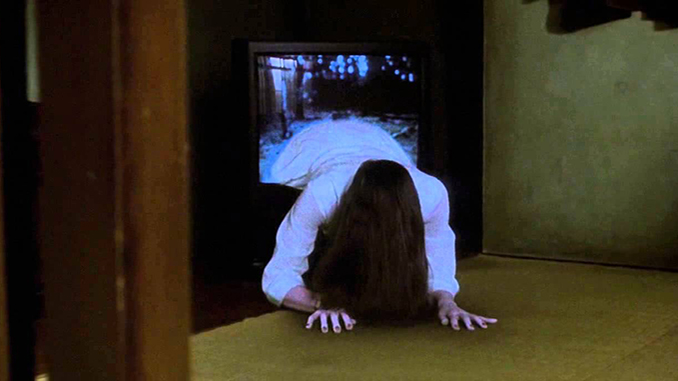
Es imprescindible porque la cinta de Hideo Nakata fue pionera en la expansión del género J-Horror fuera de la escena nipona.
– 95 –
American Beauty
Sam Mendes. Estados Unidos, 1999.
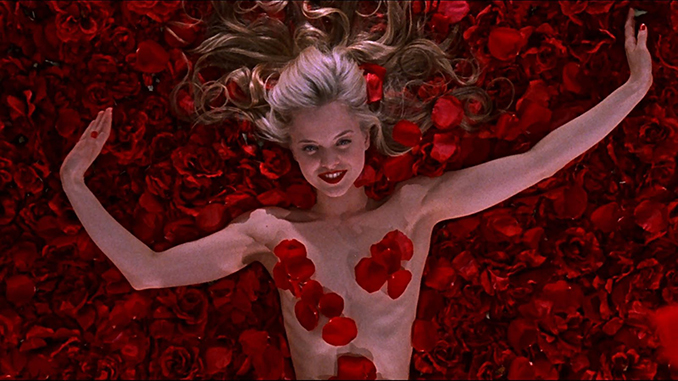
Es imprescindible porque anticipó la destrucción del sueño americano dos años antes del 11-S.
– 96 –
Matrix
Lilly y Lana Wachowski. Estados Unidos, 1999.
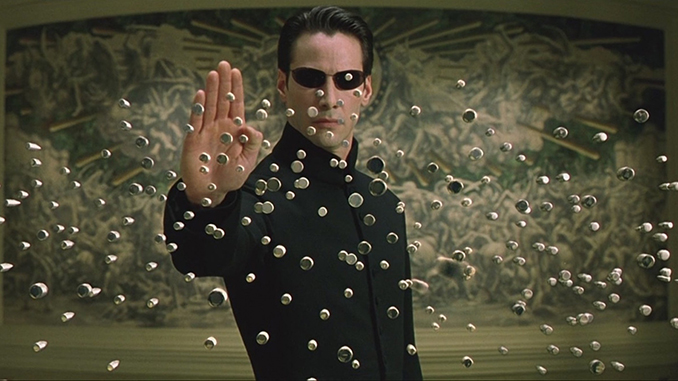
Es imprescindible porque revolucionó de una manera tan brutal los efectos especiales que su influencia llega todavía a nuestros días.
– 97 –
Todo sobre mi madre
Pedro Almodóvar. España, 1999.
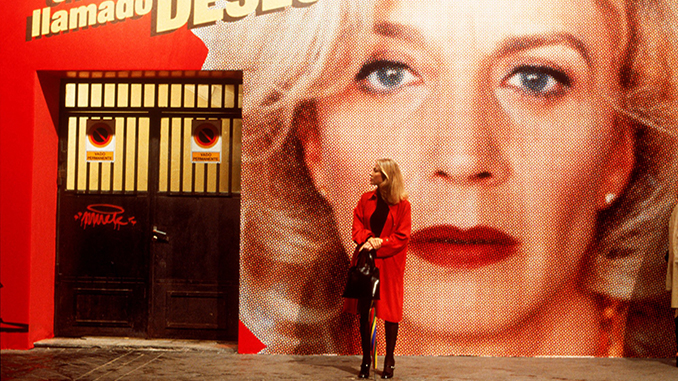
Es imprescindible porque es la depuración absoluta del estilo Almodóvar y supuso la consolidación internacional del manchego.
– 98 –
Deseando amar
Wong Kar-Wai. Hong Kong, 2000.
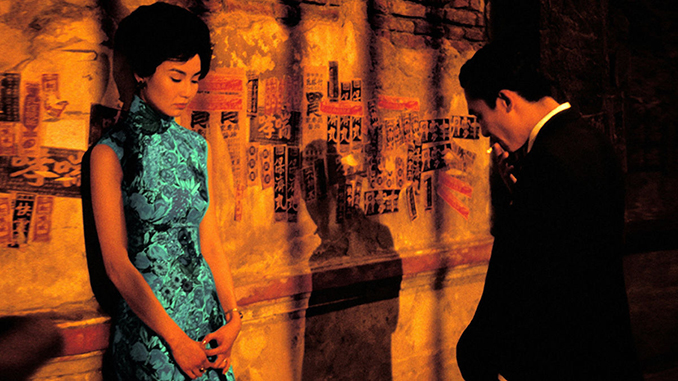
Es imprescindible porque demostró que en cualquier rincón del mundo se pueden vivir apasionadas historias de amor.
– 99 –
La comunidad
Álex de la Iglesia. España, 2000.
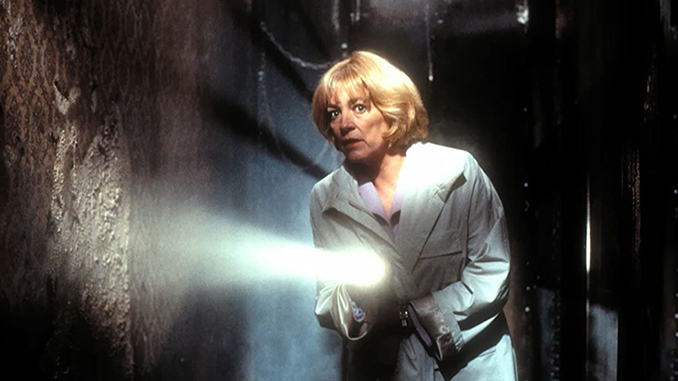 Es imprescindible por mezclar tan bien el humor de Ibáñez con el cine de Berlanga, creando un cine con identidad propia.
– 100 –
Tigre y dragón
Ang Lee. Taiwán, 2000.
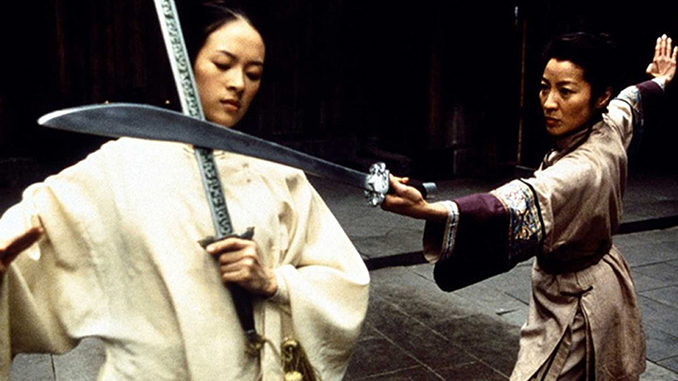
Es imprescindible por representar la belleza onírica con peleas de espadas y kung fu.
– 101 –
El señor de los anillos: la comunidad del anillo
Peter Jackson. Nueva Zelanda, 2001.
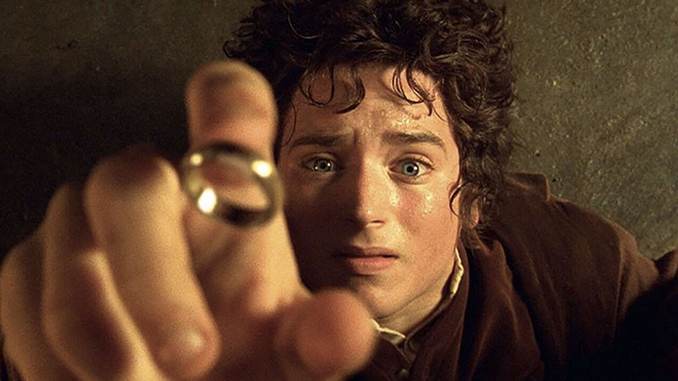
Es imprescindible porque no pasan los años para la trilogía de Peter Jackson y fue un fenómeno que junto a Harry Potter animó a que más literatura fantástica fuera adaptada al cine, demostrando que ya ningún mundo de fantasía era irresistible al celuloide.
– 102 –
El viaje de Chihiro
Hayao Miyazaki. Japón, 2001.
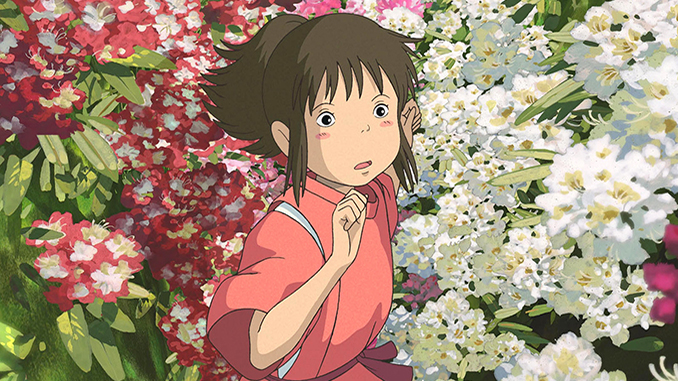
Es imprescindible porque la cinta de Hayao Miyazaki fue la primera película de animación japonesa reconocida por la Academia con el Oscar a Mejor Película de Habla no Inglesa. Y es una obra maestra.
– 103 –
Mulholland Drive
David Lynch. Estados Unidos, 2001.

Es imprescindible porque es un puzzle en el que no es necesario que todas las piezas encajen para resultar fascinante.
– 104 –
Shrek
Andrew Adamson y Vicky Jenson. Estados Unidos, 2001.
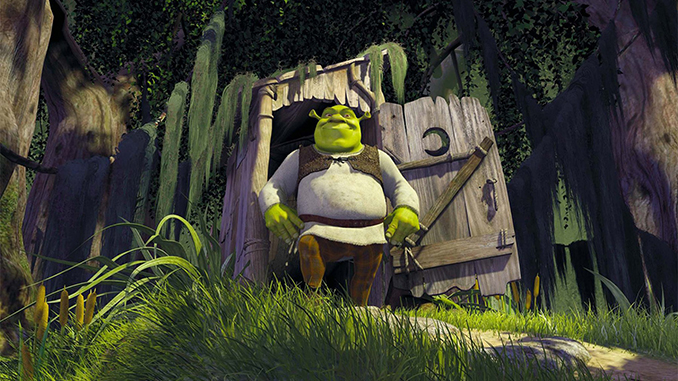
Es imprescindible porque le dio la vuelta a las películas de príncipes que rescatan princesas y generó un personaje icónico para la historia del cine.
– 105 –
Bowling for Columbine
Michael Moore. Estados Unidos, 2002.

Es imprescindible porque es un escalofriante estudio sobre la irracional necesidad de poseer armas de la autodenominada “mejor nación del planeta”.
– 106 –
Ciudad de Dios
Fernando Meirelles y Kátia Lund. Brasil, 2002.
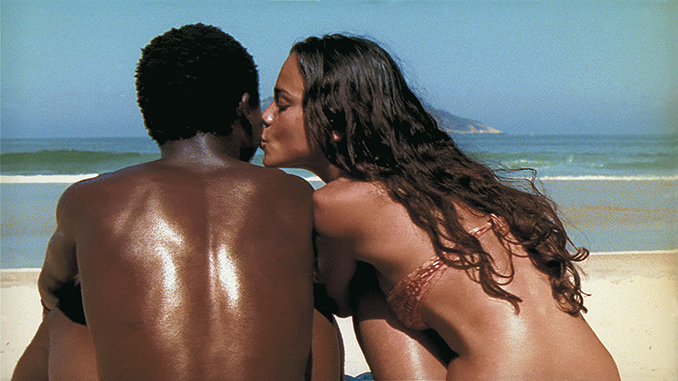
Es imprescindible por instaurar un estilo de filmar los suburbios de cualquier lugar del mundo.
– 107 –
Irreversible
Gaspar Noé. Francia, 2002.
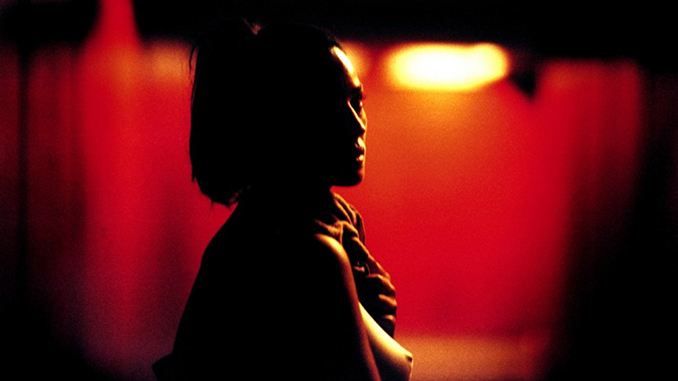
Es imprescindible porque muestra toda la crudeza de una violación y, además, no nos damos cuenta hasta el principio de lo triste que es.
– 108 –
Lost in translation
Sofia Coppola. Estados Unidos, 2003.
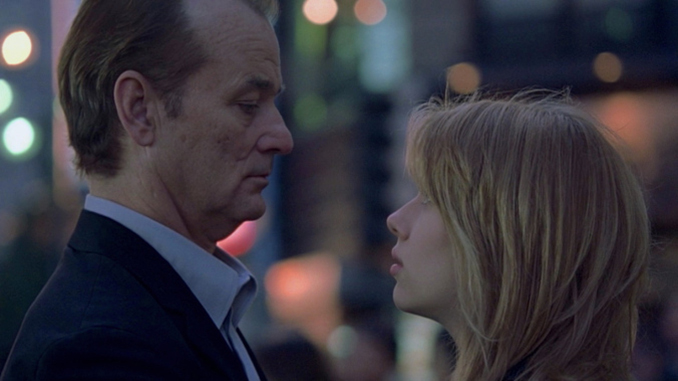
Es imprescindible por ser uno de los más bellos retratos sobre la soledad y por la personal voz de su directora, ganadora del Oscar a Mejor Guion Original.
– 109 –
Love Actually
Richard Curtis. Reino Unido, 2003.
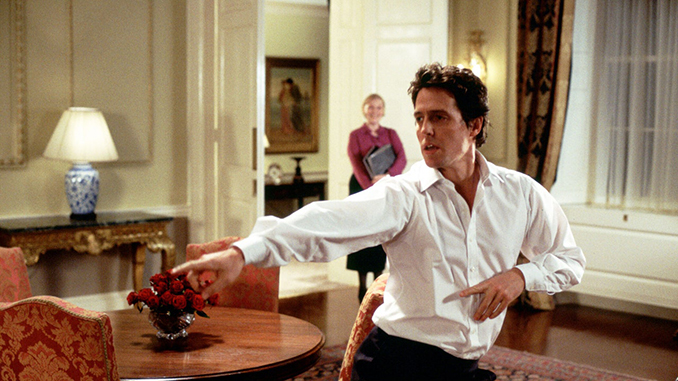
Es imprescindible por convertirse en un clásico navideño moderno y representar como pocas la comedia británica con el sello de Richard Curtis.
– 110 –
Juno
Jason Reitman. Estados Unidos, 2006.
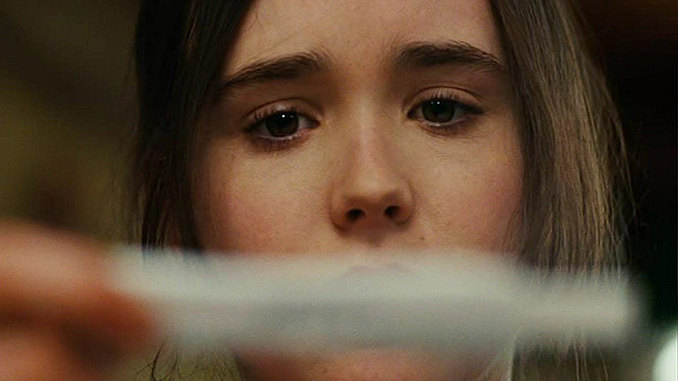
Es imprescindible por ofrecer una visión original y optimista de una temática tradicionalmente ligada al drama: un embarazo adolescente.
– 111 –
Persépolis
Marjane Satrapi y Vincent Paronnaud. Francia, 2007.
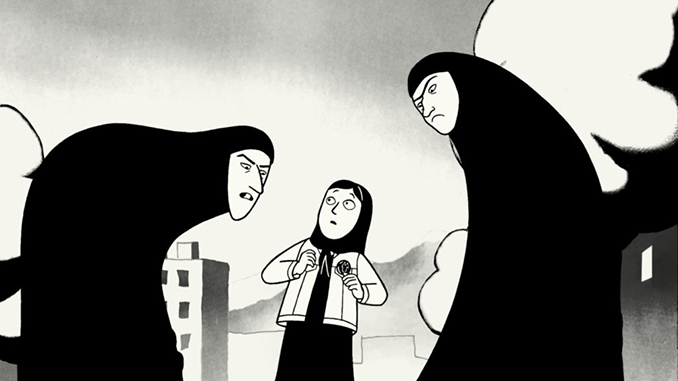
Es imprescindible porque evidencia el fundamentalismo religioso y la opresión machista en un canto a la libertad narrado en forma de cómic.
– 112 –
Déjame entrar
Tomas Alfredson. Suecia, 2008.

Es imprescindible por hacer una aproximación actual, más humana y social del mito del vampiro, desde la cual compadecernos y aterrorizarnos por igual ante la criatura y su devenir entre las personas.
– 113 –
El caballero oscuro
Christopher Nolan. Estados Unidos, 2008.
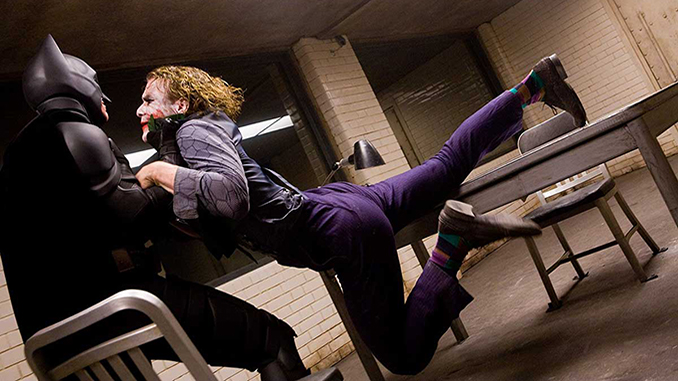
Es imprescindible porque el cine de superhéroes nunca volvió a ser igual (para bien o para mal) después de Nolan.
– 114 –
Canino
Yorgos Lanthimos. Grecia, 2009.
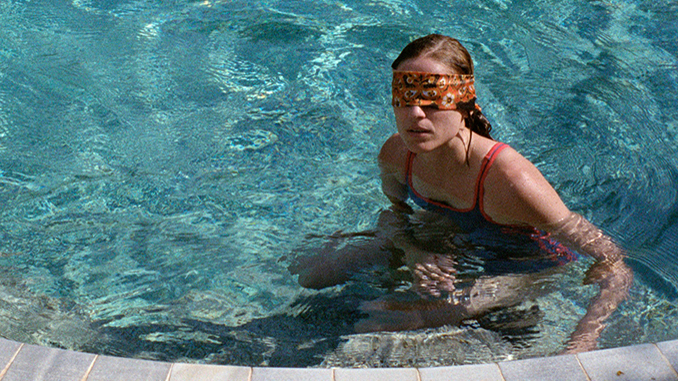
Es imprescindible por contar con uno de los guiones más valientes del cine reciente y por cuestionar visceralmente los roles de la educación y la familia.
– 115 –
En tierra hostil
Kathryn Bigelow. Estados Unidos, 2009.

Es imprescindible por ser una magnífica película bélico-dramática cuya directora pasará a la historia por alzarse con el primer Oscar a la Mejor Dirección para una mujer. Casi nada.
– 116 –
La cinta blanca
Michael Haneke. Alemania, 2009.
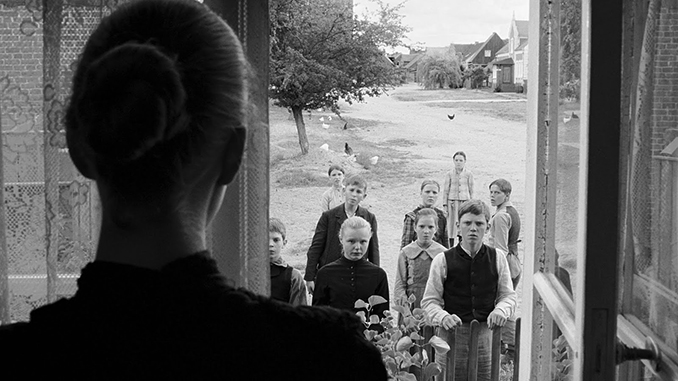
Es imprescindible porque Michael Haneke explora los orígenes del nazismo a través de la historia de unos niños en una aldea protestante.
– 117 –
La caza
Thomas Vinterberg. Dinamarca, 2012.

Es imprescindible porque muestra cómo una mentira puede arruinarle la vida a una persona.
– 118 –
Her
Spike Jonze. Estados Unidos, 2013.

Es imprescindible porque presenta una historia de (des)amor distópica que cuestiona el futuro de la convivencia entre humanos y máquinas.
– 119 –
La gran belleza
Paolo Sorrentino. Italia, 2013.

Es imprescindible porque una vez superados los traumas del pasado, somos capaces de ver la belleza.
– 120 –
La vida de Adèle
Abdellatif Kechiche. Francia, 2013.

Es imprescindible por captar con tremenda naturalidad la esencia misma de la vida, del primer amor y el primer desamor.
– 121 –
Mad Max: Furia en la carretera
George Miller. Australia, 2015.
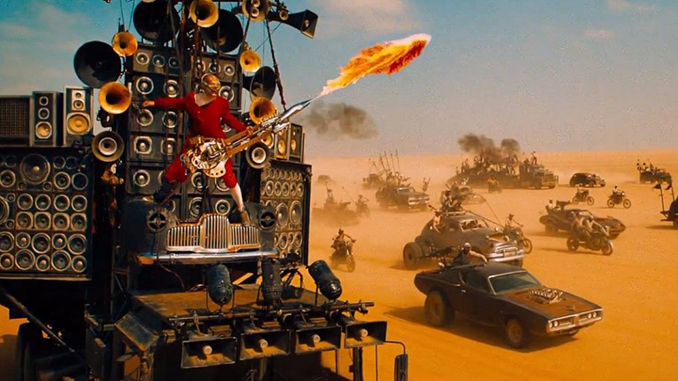
Es imprescindible porque demuestra que nunca es tarde para pegarle un puñetazo a Hollywood en la cara.
– 122 –
La La Land
Damien Chazelle. Estados Unidos, 2016.
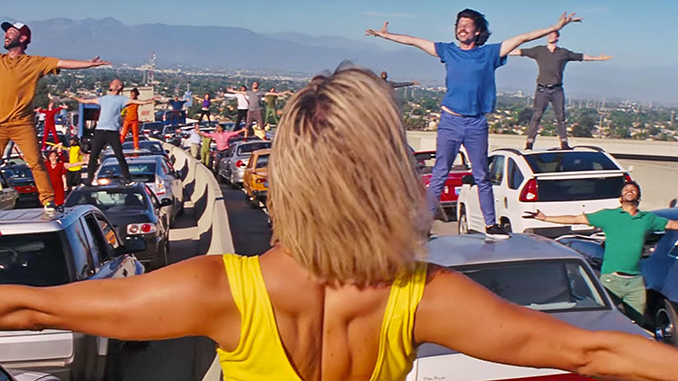
Es imprescindible porque además de convertirse en un clásico instantáneo siempre será recordada como la ganadora, por unos minutos, de los Oscars 2017.
– 123 –
Yo, Daniel Blake
Ken Loach. Reino Unido, 2016.

Es imprescindible por plasmar con la crudeza y el humanismo que caracterizan el cine de Ken Loach las dificultades que viven los trabajadores en paro en un sistema perverso que limita las ayudas sociales.
– 124 –
Roma
Alfonso Cuarón. México, 2018.

Es imprescindible no solo por su belleza, sino también por haber hecho temblar los cimientos de la distribución cinematográfica convencional.
– 125 –
Parásitos
Bong Joon-ho. Corea del Sur, 2019.

Es imprescindible porque esta feroz comedia sobre la lucha de clases hizo historia por ser la primera película no hablada en inglés en ganar el Oscar a la Mejor Película.








 Users Today : 137
 Total Users : 35527523
 Views Today : 183
 Total views : 3756949