Page 249 of 621
1 247 248 249 250 251 621

La escuela nigeriana que reúne a huérfanos de Boko Haram y de sus víctimas

Nigeria/23 noviembre 2017/Fuente: El Diario

  • El 20% de los alumnos de la escuela primaria de Maiduguri, noreste de Nigeria, son huérfanos de combatientes de Boko Haram y el 80%, de sus víctimas.
  • Hauwa Modu, de 11 años, vio cómo Boko Haram decapitaba a su padre y cómo su madre embarazada murió en la larga huida a pie hacia Maiduguri.
  • La guerra contra Boko Haram ha dejado 20.000 muertos, 2,6 millones de desplazados y miles de secuestrados.

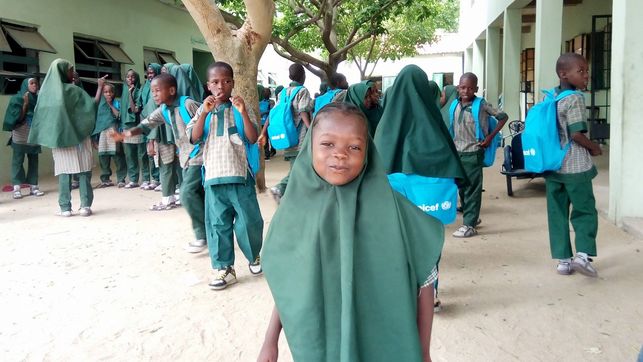
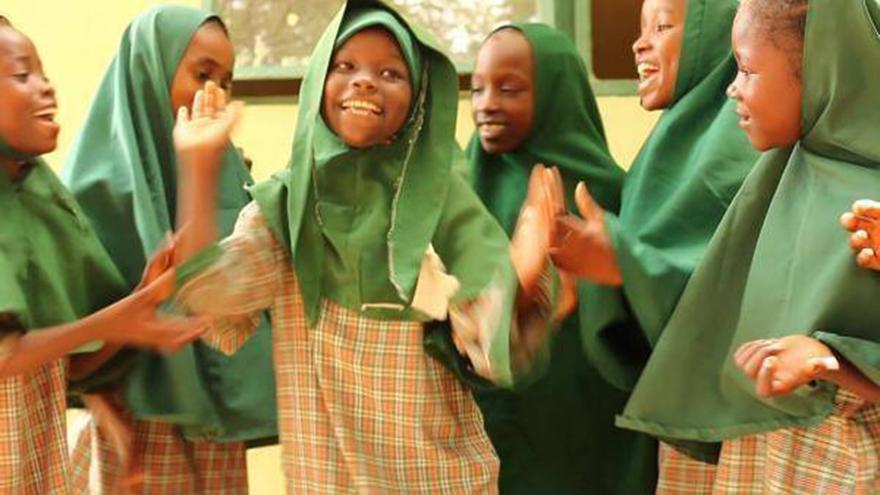
Es una clase insólita. Un compañerismo inesperado. Un grupo de huérfanos, todos uniformados, da la bienvenida a una visita a su pequeña escuela primaria del noreste de Nigeria durante la clase de plástica.

Algunos son los hijos de combatientes de Boko Haram. Otros, los hijos de sus víctimas. “Buenos días”, corean en hausa los estudiantes de ocho años. La luz resplandeciente de la mañana atraviesa la ventana. “¡Bienvenido!”.

En la Escuela Proezas del Futuro, la palabra “bienvenido” tiene una carga especial. En el noreste de Nigeria, los hijos de los combatientes muertos de Boko Haram, el grupo yihadista que aún controla partes de la región, a menudo son temidos y estigmatizados por buena parte de la población civil.

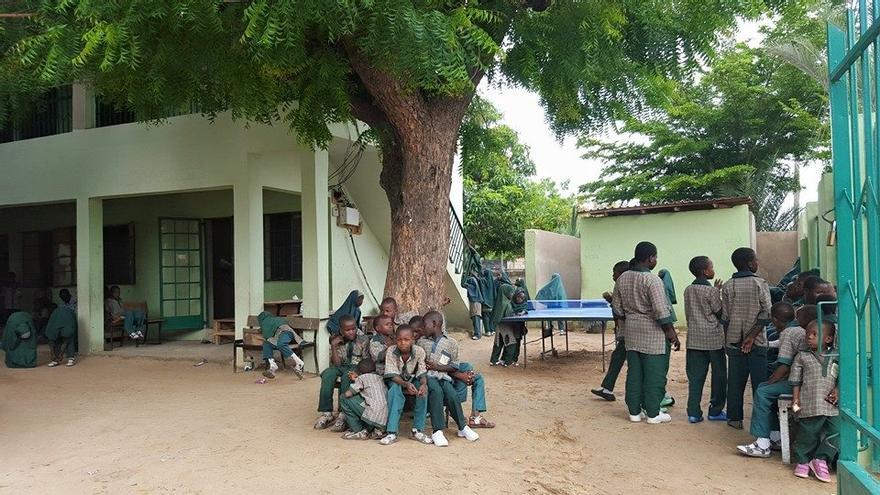
Pero esta escuela es diferente. Da la bienvenida y acoge públicamente tanto a los huérfanos de yihadistas como a los hijos de los civiles y soldados asesinados por la organización terrorista. Escondida en una tranquila callejuela de Maiduguri, la capital de la región, la escuela tiene 450 estudiantes: el 20% de Boko Haram y el 80% de sus víctimas.

De acuerdo con los propios estudiantes, se trata de un modelo de cohesión extrañoFuera, en el patio del recreo, Hauwa Modu, de 11 años, explica cómo los combatientes de Boko Haram decapitaron a su padre delante de ella y cómo su madre embarazada murió en la larga huida a pie hacia Maiduguri.
Futureprowess

Pero, una vez en clase, todo esto queda olvidado, cuenta Hauwa. “Todos vivimos y aprendemos juntos”, explica. “No hay diferencias entre nosotros”.

Fuera de las paredes de la escuela, este tipo de integración es más difícil de encontrar. Las mujeres rescatadas de las manos de Boko Haram han denunciado en ocasiones haber sido rechazadas por sus familias y comunidades, que temen que hayan sido radicalizadas durante su secuestro. Por su parte, también se acusa a los hijos de Boko Haram de heredar el extremismo de sus progenitores. Incluso la novia de un combatiente de la organización terrorista se negó al principio a criar a su bebé recién nacido, temiendo que con el tiempo se convirtiese en un insurgente.

Proezas del Futuro intenta precisamente cambiar este tipo de actitudes. Fundada en 2008 por un reconocido abogado, Zannah Mustapha, en sus inicios la escuela no tenía una misión política. Sin embargo, en 2009 Mustapha se dio cuenta que la guerra contra Boko Haram — que ha dejado 20.000 muertos, 2,6 millones de desplazados y miles de secuestrados— estaba rompiendo los vínculos sociales en el noreste de Nigeria. “Ahí fue cuando se nos ocurrió poner a los hijos de Boko Haram, de las fuerzas de seguridad y de la comunidad local en la misma escuela”, señala Mustapha.

Aprincipio la escuela fue criticada. Suleiman Aliyu, el director, recuerda cómo los detractores afirmaban: “Estos son los hijos de Boko Haram, ¿por qué deberíamos admitirlos?”. Pero nosotros decimos: “¿Deberíamos permitir a estos niños seguir el camino de sus padres? La respuesta es no. Si los estigmatizas estás creando más problemas, pero si les muestras amor, esos niños cambiarán, incluso si tienen esa misma mentalidad [extremista]”.

Para crear este ambiente positivo todo el personal tiene que matricular a sus hijos y así “mostrar el compromiso con la escuela”, explica Aliyu. Muchas de las madres de los estudiantes siguen vivas y se las anima a participar en una asociación de padres cuyos miembros tienen poder de decisión en la dirección de la escuela. Es una estructura que refuerza la cohesión, indica Mustapha.
Futureprowess

 Todas las viudas son parte de la escuela”, señala. “Las viudas de terroristas de Boko Haram y el resto trabajan juntas y así sienten que son parte de una misma comunidad. Ni siquiera saben que es la misma gente que mató a su marido”.

La escuela también ofrece terapia psicológica a las madres y a los hijos para que puedan aceptar y reconciliarse con sus terribles experiencias pasadas. “Hay muchos niños aquí que han presenciado el asesinato de sus madres y padres”, cuenta Aliyu. “Hay madres que han visto cómo asesinaban a sus maridos o, incluso, a sus hijos. Están traumatizadas y les decimos que nos dejen invitar a un especialista”, añade.

De vuelta en el patio del recreo, el sistema parece funcionar. Ibrahim Garwa, de 12 años, todavía recuerda el día que mataron a su padre de un disparo cuando estaba sentado en el jardín de casa. Pero Ibrahim no se lo recrimina a ninguno de sus compañeros de clase que, por capricho del destino, nacieron en el grupo que asesinó a su padre.

 No hay problema”, cuenta Ibrahim. “Sabemos quién es quién, pero lo hacemos todo juntos. Lo que sus padres estaban haciendo no está bien y por eso es tan importante que tengan una educación diferente”, sentencia.

Fuente: http://www.eldiario.es/theguardian/nigeriana-huerfanos-Boko-Haram-victimas_0_581292649.html
Comparte este contenido:

Angola celebra día de educador con deudas en sector

Angola/23 noviembre 2017/Fuente: Prensa Latina

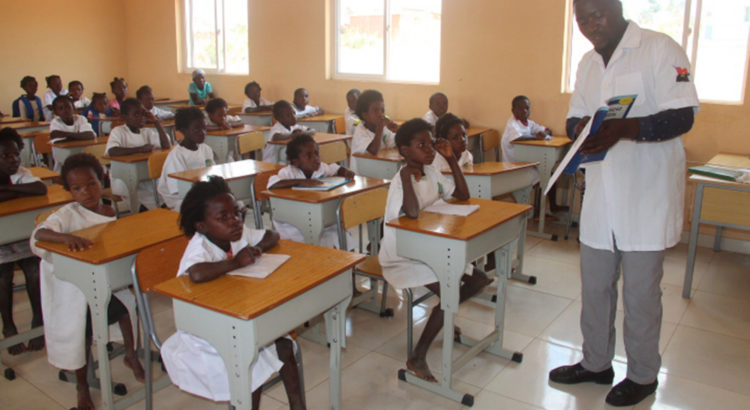
Angola celebra hoy el Día del Educador con deudas en el sector educacional, incluidas la escasez de centros para atender todos los niños en edad escolar y un analfabetismo que ronda el 25 por ciento de su población.
La fecha se instituyó en 1978 por el primer presidente del país, Antonio Agostinho Neto, y marcó el comienzo de la campaña de alfabetización, toda vez que hace casi 40 años había 85 iletrados por cada 100 personas.

Aunque en Angola hay más de 10 millones de niños y adolescentes escolarizados, todavía varios centenares se encuentran fuera del sistema educacional, tanto por ausencia de escuelas como por lejanía de estas, sobre todo en zonas rurales.

La escasez de centros escolares también tiene su reflejo en la duración de las sesiones de clases, pues un mismo salón lo emplean dos grupos de alumnos, o sea en la mañana y en la tarde, además de los que reciben lecciones en lugares improvisados.

En materia de educación de adultos también la tarea es inmensa, y hay sectores que abogan por la creación del estatuto del alfabetizador, en aras de superar la tasa de analfabetismo, que afecta a por lo menos seis millones de angoleños adultos, algunos de ellos menores de 30 años de edad.

‘Tenemos en el país alfabetizadores sacrificados que transmiten conocimientos a ciudadanos analfabetos en condiciones precarias (…) Que el Día del Educador sirva este año para que se evalúe el papel del alfabetizador en nuestra sociedad, que quiere superar definitivamente el oscurantismo y crear condiciones para que Angola sea un país próspero’, publicó este miércoles el Jornal de Angola en un comentario de opinión.

La actual tasa de analfabetismo no satisface los objetivos del ejecutivo para mitigar y declarar zonas libres de analfabetismo o incluso todo el territorio nacional, explicó recientemente el secretario de Estado de Enseñanza Prescolar y General, Joaquim Cabral.

En el país hay unos 19 mil 650 alfabetizadores voluntarios que reciben un subsidio de 10 mil kwanzas (unos 60 dólares al cambio oficial), pero la crisis económica que vive el país ha motivado atrasos en esos pagos.

Entre los programas de enseñanza para superar el analfabetismo, se destaca el método cubano Yo, sí puedo, que desde 2012 enseñó a leer y escribir a dos millones de angoleños.

Fuente noticia: http://www.prensa-latina.cu/index.php?o=rn&id=133307&SEO=angola-celebra-dia-de-educador-con-deudas-en-sector

Fuente imagen: http://cdn2.portalangop.co.ao/angola/pt_pt/files/highlight/2016/10/47/0,7da50067-acc3-49dd-824f-e5c4a345fe80.jpg

Comparte este contenido:

Kenia: Teachers’ sacrifice and critical role lauded in good results

Kenia / 22 de noviembre de 2017 / Por: OUMA WANZALA / Fuente: http://www.nation.co.ke/

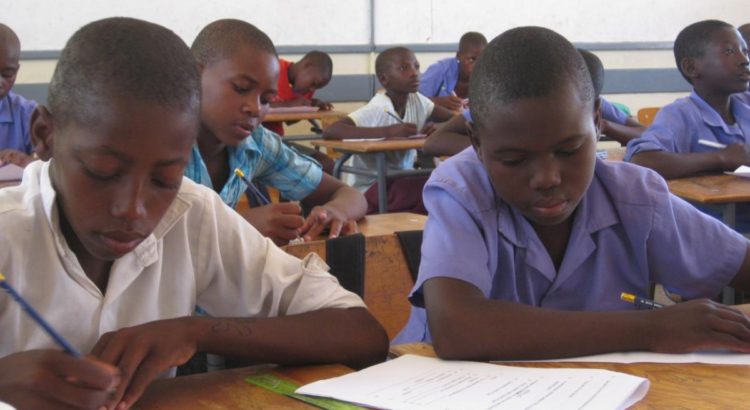
The critical role and sacrifice that teachers played in the administration of this year’s Kenya Certificate of Primary Education (KCPE) was evident on Tuesday when the results were released.

The Teachers Service Commission Chief executive Nancy Macharia explained during the event how teachers were kept incommunicado during the process with head teachers waking up as early as 4am to collect examination materials.

“I commended teachers for accepting critical role of centre managers, which required them to wake up as early as 4am to be in containers and they did it in a splendid manners, waking up at 4am is not easy.

«They also prepared the candidates from nursery to Standard Eight and going even to mark the examination,” Mrs Macharia said.

POLITICS
She went on: “We are very proud of teachers for fantastic job, supervisors and invigilators who assisted the process by agreeing to implement tough examination rules including g remaining incommunicado as they were not required to have phones during the exams.”

“You can imagine some of them are mothers, others are fathers and you can imagine the anxiety of staying without phones and not disobeyed these rules until the exams were over and we appreciate them.”

Mrs Macharia said the improved performance in the national examination also indicate teachers are working as the year was not good due to high political temperatures.

CANDIDATES
However, Mrs Macharia cautioned those who engage in irregularities.

“We are appealing to a few errant teachers who failed to stick to professional ethics to style up,” she said.

Kenya National examination Council (Knec) chairman George Magoha lauded the teachers for the good work saying it was evident during monitoring of the examination.

“I saw candidates doing the mathematics calculation with confidence. That shows they were ready,” Prof Magoha said.

IRREGULARITIES
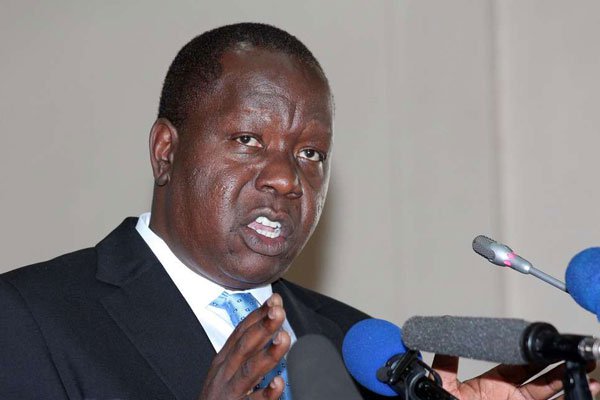
Education Cabinet Secretary Fred Matiang’i also praised teachers for good work.

“I thank the teachers and parents who, in one way or another, prepared the candidates until they were ready to sit the examinations,” the CS said.

He said the government will work towards improving the welfare of teachers so that they can focus on teaching.

Dr Matiang’i said last year, the Ministry exposed a scandal in some private schools that operated multiple examination centres with an aim of engaging in unethical practices meant to enable them to record favourable ranking in national examinations.

Fuente noticia: http://www.nation.co.ke/news/education/Teachers–sacrifice-lauded-in-good-KCPE-results/2643604-4197800-wlojf0/index.html

Comparte este contenido:

Kenia: Public universities staff set for contract employment

Kenia / 22 de noviembre de 2017 / Por: OUMA WANZALA / Fuente: http://www.nation.co.ke/

Tough times await public universities as the government moves to reform the sector it says has been riddled with financial mismanagement and poor governance.

The second phase of the reforms of the sector, which started in February, will see thousands of teaching and non-teaching staff put on contract, a number of them retrenched, a freeze in setting up satellite campuses, and development of a single payroll system, among other changes.

The radical reforms were unveiled on Wednesday by Education Cabinet Secretary Fred Matiang’i at a meeting attended by vice-chancellors and council chairpersons of the 31 public universities at the Kenya School of Monetary Studies in Nairobi.

STRIKE

However, the universities management questioned the motive of the reforms, saying some of them cannot be hurriedly rolled out without appropriate consultation.

Kisii University VC John Akama said the proposals need to be interrogated further, noting that the government should not be preoccupied with financial mismanagement yet the universities are struggling to remain afloat.

Prof Akama said a critical issue such as the lecturers’ strike that started on November 1 had been ignored by the ministry yet it is important as learning is not going on at the institutions.

“No one is talking about the lecturers’ strike. We cannot talk about quality education when we have no resources. The issue of funding of public universities should be properly interrogated,” said Prof Akama.

The chairman of the Vice-Chancellors Committee, Prof Francis Aduol, said there is need to revisit some of the policies that are being developed by the government regarding universities.

“We should not rush these reforms. As vice-chancellors, we will look at the proposals and make our recommendations,” said Prof Aduol, who is also the VC of the Technical University of Kenya.

SATELLITE CAMPUSES

The government has frozen the establishment of satellite campuses across the country, a move it believes will allow universities to expand existing campuses.

The establishment of satellite campuses was aimed at tapping into Kenya’s growing population that is thirsty for education.

The government is proposing the employment of staff at two levels — contract as well as permanent and pensionable. The proposal is set to be effected next year.

The move is aimed at weeding out staff who do not work yet earn salaries and are assured of pension.

The decision will prompt the institutions to allocate funds for retrenchment.

“We must get rid of staff who only teach one lesson and use the rest of the time to do their own business.

TERMS

“We cannot have a cleaner on permanent terms. We must get out of this obsession with permanent and pensionable terms,” said Dr Matiang’i.

Putting staff on a single payroll will also affect the institutions since those with parallel programmes need lecturers to teach the students.

“Lecturers are supposed to teach for eight hours. After that, it is extra work. If we do not want to pay them, then we must collapse self-sponsored programmes into regular,” said a senior lecturer.

The decision to demand self- sponsored students’ funds from universities could complicate the matter as the cash is normally used to finance development projects.

“You cannot collect money, give it to the government and expect it to wire back the same cash for development.
“The government should keep off and allow these institutions, which are independent, to run their affairs,” said Universities Academic Staff Union secretary-general Constantine Wasonga.

Fuente noticia: http://www.nation.co.ke/news/Universities-staff-contract-employment/1056-4193974-137jdbx/index.html

Comparte este contenido:

UN supports education in S. Sudan pastoralist communities

Sudan/November 21, 2017/Source: http://www.sudantribune.com

South Sudan government in partnership with United Nations Food and Agriculture Organization (FAO) and the UN Educational, Scientific and Cultural Organization (UNESCO), have unveiled on an initiative to provide extended education services to nomadic pastoralist communities.

JPEG - 59.5 kb
A cattle keeper carrying a gun in Lakes state (File/ST)

Officially launched on Thursday, the Pastoralist Livelihoods and Education Field Schools (PLEFS) and the Pastoralist Education Program Strategy Framework will reportedly offer active and constructivist approach tailored to meet the needs of adults, youth and children in pastoralists’ communities.

Serge Tissot, the FAO Representative in South Sudan, said PLEFS, the first of its kind in South Sudan, will provide pastoralists with sustainable and high-quality learning opportunities as they move.

«The partnership between the three line ministries, FAO and UNESCO is unique and has realized a way for marginalized communities to access vital services in challenging conditions,» said Tissot.

«FAO is committed to strengthening livelihoods, and integrating basic literacy and numeracy skills into the field school approach really improves pastoralists’ way of life,» he added.

The program, officials said, is currently being implemented by FAO and UNESCO in the central regions and it will be brought to other pastoral communities across the country in the near future.

«It is our long-term vision to see to it that pastoralist communities receive adequate services and infrastructure to improve their livelihoods,» said James Janka Duku, Minister of Livestock and Fisheries.

Illiteracy rates are high in South Sudan, a country that broke away from Sudan in July 2011. More than 80% of the South Sudanese population, UN estimates show, cannot read or write. Also, according to the UN Children Fund (UNICEF), fewer than 1% of girls in South Sudan complete primary education.

Comparte este contenido:

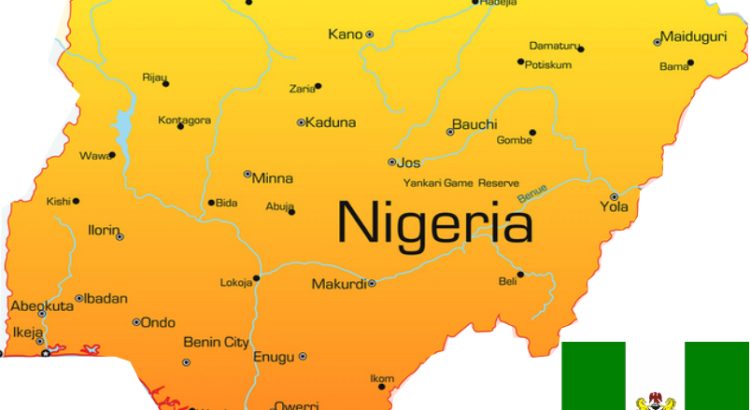
Nigeria: Change Should Begin With Education

Nigeria/November 21, 2017/Source: http://allafrica.com

The Federal Executive Council [FEC] held a special retreat in Abuja last Monday on the challenges of education in Nigeria. The retreat had the theme: «Education in Nigeria: Challenges and Prospects.» President Muhammadu Buhari declared it open while Vice President Yemi Osinbajo and most ministers were present. The decision to hold the retreat was first made in June at a FEC meeting chaired by then Acting President Osinbajo. Minister of Education Malam Adamu Adamu said at the time that «[FEC] members agreed that the falling standards in education are so serious that we will need a ministerial retreat to look at all the issues…Initially, we had prepared a blueprint but FEC felt the issue is beyond that because there are crises in all the areas of education, in out of school children, in technical education and training, in ICT, in all the areas you can think of.»

The minister increased the areas of educational malaise when he spoke at the 2017 Convergence Education Summit in Abuja last week. He said, «The education sector is plagued with so many challenges. Some of the challenges include dearth of qualified technical teachers, dilapidated and inadequate classrooms, lack of tools and equipment for technical and vocational education, poor data for educational planning and administration. Others are dearth of critical ICT infrastructure and services, low access to tertiary education due to insufficient institutions, multiplicity of curriculum-related issues, problem of out-of-school children and poor funding, among others.» The list looks very long but the minister actually left out other areas such as poor quality of teachers in many states, high drop-out rate, inability of many parents to pay their children’s exam fees, widespread malpractice in exam administration, the problem of fake certificates and sexual abuse, among others.

President Buhari’s opening speech at the retreat was overshadowed by a remark he made about Kaduna State Governor Nasir el-Rufai’s plan to sack 21,780 teachers who failed a basic competency exam. Most newspapers seized on that remark and had screaming headlines that «Buhari backs el-Rufa’i’s plan to sack teachers.» This was unfortunate because the Kaduna controversy is but a flash in the pan when it comes to tackling the major problems devilling education in Nigeria.

In his speech at the retreat, Minister of Education Malam Adamu Adamu called for a state of emergency to be declared in education. He said «all change must begin with education because if we get education right, other areas of our national life will be right and they will fall in line.» This is true indeed but what is the solution? The minister said, «What is needed is vastly improved funding accompanied by a strong political will.» He said while the Buhari administration has the will, what it «must now do is to make the funds available.» Both are easier said than done. The APC administration’s political will to solve the deep-rooted problems of the education sector is yet to be proved. As for funding, Malam Adamu said among sub-Saharan African countries, Nigeria commits far less to education as a percentage of its budgets than smaller and less endowed nations in the region.

«From 1999 to date,» the minister said, «the annual budgetary allocation to education [in Nigeria] has always been between four per cent and 10 per cent.» He said none of the E9 or D8 countries other than Nigeria allocates less than 20 per cent of its annual budget to education. It is true that for a developing country such as Nigeria, all sectors of the socio-economy are yearning for greater attention. If however we believe, beyond mouthing slogans, that education is the sector with the greatest multiplier effect for national development, then we must up our game and greatly increase spending in education at all levels to address the myriad of problems that have already been identified.

That assertion has caveats, however. The education sector is not spared from the national malaise of corruption. It cannot be said that this country has got real value for the amounts we invested in education, less though they are compared to other countries. The anti-corruption campaign being waged in other sectors must also be waged vigorously in the education sector, otherwise pumping in more money could be an exercise in futility.

It was not said after the FEC retreat whether it accepted the minister’s prayer to declare a state of emergency in education. In case it decides to do so at a later date, the elements in this declaration and the timelines for achieving specific targets should be made clear to all Nigerians so that we can all monitor compliance. Besides, the problems of education in Nigeria cannot be tackled by the Federal Government alone. In fact, state and local governments have a greater role to play in education than the Federal Government. The sectors the latter are mainly responsible for, i.e. primary and secondary education, are the ones that have suffered the greatest quality deterioration and are more badly affected by other problems. Needless to state, the Federal Government’s heavy investment in tertiary education can hardly achieve desired results if the two lower tiers of education are in crises.

That is why last week’s ministerial retreat should be followed up by a wider stakeholders’ summit involving the other tiers of government as well as non-government actors in the sector, local and international. At the end of it, a comprehensive yet simple blueprint of action with reasonable timelines should be produced and widely circulated in the country. At that point the President should bring his full moral authority to bear to get all actors to key into the program and bestow on it the political will and resource infusion. Hopefully within a few years the country will begin to reap the fruits of such concerted action.

Source:

http://allafrica.com/stories/201711190024.html

Comparte este contenido:

Worsening security holds back Africa’s progress

África/Noviembre de 2017/Autor: Steve Johnson/Fuente: Financial Times

Resumen:  África se ha convertido en un continente menos seguro y respetuoso de la ley en la última década, según una encuesta influyente.

El Índice anual de Gobernabilidad Africana de la Fundación Mo Ibrahim también advierte sobre la desaceleración del progreso en educación en un continente donde el 41 por ciento de la población tiene menos de 15 años, y el deterioro de las perspectivas para aquellos que viven en áreas rurales.

Mo Ibrahim, un multimillonario de telecomunicaciones sudanés-británico, temía que los sistemas educativos que no están capacitando a los alumnos para el trabajo corrían el riesgo de alimentar la violencia.

«Jóvenes, desempleados, sin esperanza, ¿qué van a hacer? Ellos intentarán este viaje a través del Sahara, al otro lado del Mediterráneo, enfrentando la muerte en el desierto o en el mar, o entrarán en estos grupos terroristas que pueden proporcionar algún tipo de ingreso, alguna forma de redención y respeto propio «, dijo. «Es una situación peligrosa con consecuencias peligrosas».

Africa has become a less safe and law-abiding continent in the past decade, according to an influential survey. The Mo Ibrahim Foundation’s annual Index of African Governance also warns of slowing progress in education in a continent where 41 per cent of the population is under 15, and deteriorating prospects for those living in rural areas. Mo Ibrahim, a Sudanese-British telecoms billionaire, feared that education systems that are failing to equip pupils for work risked fuelling violence. “Young people, unemployed, no hope, what will they do? They will try this trek across the Sahara, across the Mediterranean, facing death either in the desert or in the sea, or get into these terrorist groups that can provide some form of income, some form of redemption and self respect,” he said. “It’s a dangerous situation with dangerous consequences.” The overall measure of governance in Africa’s 54 states, based on 100 indicators, ticked up to 50.8 in 2016, on a scale of 0 to 100, after flatlining since 2010. However Mr Ibrahim warned that the pace of progress has slowed in the past five years compared to the previous five. “The slowing, and in some cases, even reversing progress in a large number of countries, or in some key dimensions of governance, is worrying for the future of the continent,” he said. Three of the four pillars that feed into the overall index: human development; sustainable economic opportunity; and participation and human rights, have improved over both five and 10 years, albeit at a slowing pace. However the fourth pillar, safety and the rule of law, has deteriorated over both time periods, as the first chart shows. In particular, the index flags up worsening social unrest, armed conflict, human trafficking, personal safety, crime and corruption. Share this graphic Troubled states such as South Sudan, Burundi and Libya have experienced the sharpest deterioration in the past decade, followed by the likes of Egypt, Mozambique and Cameroon. Charles Robertson, chief economist at Renaissance Capital, an emerging market-focused investment bank, cited “constant terrorism concerns in Egypt and Kenya, mutinies in Ivory Coast and unrest in Addis Ababa,” while South Sudan was “degenerating” and “crime remains a problem in South Africa”. The failure to establish the rule of law in Libya, meanwhile, has created a lucrative opportunity for human traffickers across the region, Mr Robertson said. There have been some positives though, such as Nigeria’s success in curbing Boko Haram, an Islamist group. Share this graphic Mr Robertson attributed many problems to weaker commodity prices, which have damaged government finances. This saps many countries’ ability to keep a lid on economic and social problems given that “in low per capita GDP countries conflict and disruption is more common”. The index’s human development measure, which includes health and welfare, has risen solidly, despite sharp slides in Libya and Ghana. However the education component of this has stalled. Share this graphic Mr Robertson, who has written extensively on the link between education and economic growth, said that while primary school enrolment and literacy rates were improving, he shared Mr Ibrahim’s concerns about the quality of education in some countries. “Malawi has gone from 75 children per class in 2000 to 126. How can they teach and learn much?” he said. Share this graphic Mr Ibrahim’s other major concern centred on opportunities in rural areas, which his index suggests have worsened since 2009-13. “Agriculture is the mainstream of the African economy. We have half our population living on the land and off the land,” he said. “We need to work this land and improve productivity. How can we make agriculture more sexy so young people want to do it? How can we increase the income of smallholders?” At the country level, Ethiopia is one of a quartet where overall economic opportunities are deteriorating at an accelerating pace, despite its high-profile, largely Chinese-funded attempt to copy Beijing’s development model. Share this graphic And, while most countries with “increasing deterioration” at headline level have the excuse of ongoing crises, Mr Ibrahim raised red flags over the direction of travel in Botswana and Ghana, even if they still remain among the best governed countries. One apparent success story, however, is Zimbabwe. Despite only being ranked 40th out of 54 countries, it has made among the biggest advances over the past five years. Significant improvements have been realised in economic development, human rights, security and the rule of law — at least before last week’s attempt to topple President Robert Mugabe. Mr Ibrahim was equivocal about the military intervention: “I’m not excited at all. This is a quarrel between factions in the ruling party, some wearing uniforms and some not, so what difference does it make? It’s the same generation. It’s not like we have a Mandela coming out of prison to take over.”

Fuente: https://www.ft.com/content/23c5d21a-cacb-11e7-aa33-c63fdc9b8c6c

Comparte este contenido:
Page 249 of 621
1 247 248 249 250 251 621