Page 423 of 622
1 421 422 423 424 425 622

Presidente sudafricano lamenta muerte de estudiante en protestas.

África/Sudáfrica/22 Octubre 2016/Fuente:Prensa Latina 

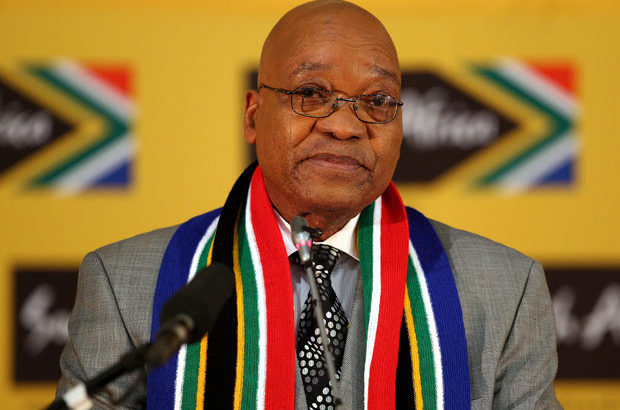
El presidente sudafricano, Jacob Zuma, expresó  su tristeza por la trágica muerte de Benjamin Lesego , uno de los líderes estudiantiles en la Universidad Tecnológica de Tshwane, en esta capital.
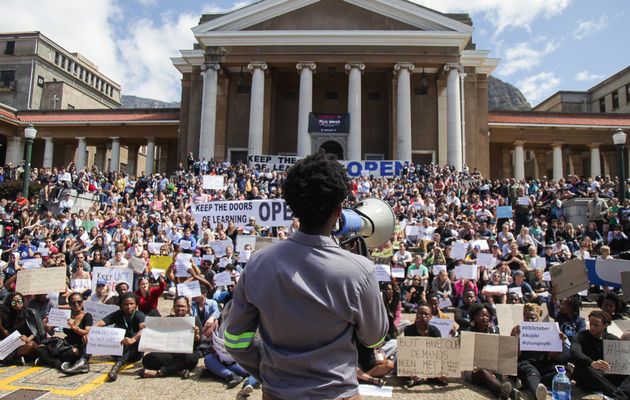
Lesego falleció luego de ser atropellado por un vehículo ayer en la tarde durante una de las violentas protestas que acontecen en distintas instituciones del país hace varias semanas en contra del alza de las cuotas de matrículas en 2017.

‘Estamos muy tristes por la pérdida de la vida de este joven de una manera tan horrible ‘, dijo Zuma en un mensaje divulgado por la Presidencia.

El mandatario reiteró que su gobierno apoya el reclamo del acceso a esa enseñanza, especialmente para los de menos recursos. ‘Estamos de acuerdo en que la educación universitaria es cara para los pobres’.

Queremos trabajar con los estudiantes, padres y todas las partes interesadas para encontrar soluciones, añadió el gobernante al solicitar a los estudiantes volver a clases para que no pierdan el año académico.

Las movilizaciones estallaron después del anuncio el 19 de septiembre del incremento de las cuotas de ingreso a las 24 universidades públicas del país el próximo curso sin exceder el tope del ocho por ciento.

Sin embargo, los jóvenes que reciben ayuda del gobierno y proceden de familias pobres no se incluyen en la disposición, explicó el ministro de Educación Superior, Blade Nzimande.

El pasado año, Zuma decretó el ‘cero aumento’ de los esos tributos para 2016, luego de la generalización del movimiento #FeesMustFall a lo largo del territorio nacional.

Los participantes en las acciones alegan que continuarán hasta el logro de una educación gratuita y de calidad, algo sobre lo cual el gobierno plantea que ha dado pasos.

Fuente: http://prensa-latina.cu/index.php?o=rn&id=35435&SEO=presidente-sudafricano-lamenta-muerte-de-estudiante-en-protestas.
Comparte este contenido:

Tanzania: Teachers Relieved As School Receives Text Books

África/Tanzania/Octubre de 2016/Autor:Issa Yussuf/Fuente: All Africa

RESUMEN: «Fuimos a la cama pobres, pero despertamos ricos!» Esa fue la manera como el Sr. Kidume Balozi Mbarouk, un maestro de la Escuela Secundaria Mlimani, Matemwe en el norte de Unguja podía expresar su felicidad después de recibir un lote de libros de texto de funcionarios del Foro para Educadoros Africanos (FAWE) . «Tenemos que conseguir los libros. Estos minimizaran el problema de la escasez de libros frente a nuestra escuela», dijo Mbarouk al agradecer a los donantes. El envío contenía Ciencias, Matemáticas y libros en inglés. Habló durante la ceremonia de entrega que tuvo lugar en la escuela, unos 58 kilómetros al noreste de la ciudad de piedra. Sr. Mbarouk estaba encantado de que los libros ayudarian a los estudiantes en el pueblo.

«We went to bed poor, but woke up rich!» That was the best way Mr Kidume Balozi Mbarouk, a teacher at the Mlimani Secondary School, Matemwe coastal Village in North Unguja could express his happiness after receiving a consignment of text books from Forum for African Women Educationalists (FAWE) officials.

«We are to get the books. These will minimise the problem of book shortage facing our school,» Mr Mbarouk said when thanking the donors. The consignment contained Science, Mathematics and English books.

He was speaking during the handing over ceremony held at the school, about 58 kilometres, North East of the Stone Town. Mr Mbarouk was delighted that the books would help students in the village.

«Many students leave far away from the school. It is unfortunate that despite leaving home at dawn, they arrive late for class,» Mr Mbarouk said. He said that the learning environment has not been conducive to the students, particularly as it places schoolgirls at risk of abuse and time wasting for students instead focusing on studies. The teacher said female students are worst affected with unfavorable learning environment leading to poor performance in class.

«In most cases, female students are inactive in classrooms compared to male. We need to encourage them, help them build confidence so they can challenge the boys. Some times they are afraid even to talk in class,» said the headteacher.

He said ‘TUSEME’ clubs introduced at the schools to help build courage and confidence on female students, has had little impact to some female students who continue to be afraid to speak in public and in classroom.

Tuseme is a studentcentered empowerment model that uses theatre-fordevelopment techniques to identify and address concerns that hinder girls’ social and academic development.

Through Tuseme clubs, girls develop action plans to solve their problems, involving the support of peers, educators, parents and community members. He said the school head teacher Mr Mohamed Mzee Choum has been committed to support ll programs including TUSEME for the development of the students including girls. Mlimani School has three-hundred students with only 15 teachers out of which four are females.

Mr Mbarouk said «We wish to have more female teachers, because their presence at school is very important especially to the female students, and as most of the girls are ignorant of their rights.»

He said teachers and schools committees have been collaborating to address problems facing the female students including recent formation of the ‘special coastal committee to oversee performance in the three schools in the region.

The teacher said most of the students in the area pass science subjects compared to arts and indication that the students in the village like sciences and if empowered they can do much better.

But many are male, «for example in the past form IV examinations, only two out of 13 who passed the exams, were female.» «We are trying to encourage female student and also call upon their parents to motivate the children to study hard despite the fact that they live faraway from schools, and have little time to study at home,» he said. Let us support the development of women; Mr Mbarouk said, it is because they are a blessing in the family and in the nation.

All religions teach us about educating women, but many parents have not shown seriousness in supporting female children. Mr Mbarouk was joined by Teacher Mr Khamis Mkanga to call for concerted efforts in ensuring the ‘Girl Child’ is not in any way denied education, as the teachers thanked FAWE for donating the books and its Tusema project.

«Many of our children in Matemwe had never visited city centre, they did not have shoes and good dress like skirts, but fortunately the FAWE projects has enabled the student visit town, put on shoes, and wear decently,» the teacher said adding that it looks funny but it is real.

Mr Mkanga said there have been some noticeable developments recorded in the Matemwe schools in terms of confidence among students and performance in examinations; however, more efforts are required to achieve the goals.

«Poverty in families is another issue of concern that affects female students. I think FAWE should increase the number of students being supported by the organization. Many female students need help,» said Mr Mkanga.

He said in effort to narrow the gap between boys and girls in participatory learning, Matwemwe schools have been inviting other schools from city centre like Vikokotoni School, to come and mix-up with their colleagues through debates and socialization.

The teachers said the method has been working, as it has benefited some students by building their confidence. Students get little support including lack of word of encouragement from their parents or guardian at home.

«They are left to struggle on their own, and not even asked if they do go to school,» he said. He said the frequent meetings, in which teachers and parents are reminded about their parental role and contribution towards the development of students, are used to send the message across the Matemwe community.

Ms Chachi Haji Vuai, student at Mlimani School Matemwe said being a member of the TUSEME club, she can argue or challenge with men, «It took me sometime to get the courage and confidence because it is still a taboo in our society to challenge with men.»

«I am happy to be in the club, and also thank FAWE for supporting my education. I would have ended in primary school, but now I hope to complete my secondary education,» Ms Vuai said as her classmate Ms Zabibu Mohamed Moumin said the programs are important to them.

«Boys benefit too, but FAWE and TUSEME targets young women, it is good we are happy, but it is unfortunate that more girls in the villages need support than what FAWE can offer,» Ms Moumin said adding that life skills has ‘empowered young girls.’

Mr Suleiman Makame Mati, student at Mlimani and member of TUSEME Club, said the club has helped him in many ways including being bold and confident in studies, «Tuseme is mainly for women, but men like me, have also benefited, » he said. Mr Mati said celebrating ‘International Girls Day’ is good because it reminds the public about respecting dignity of girls.

«Life at home and even at school is unfavorable to young women compared to men. Therefore a girl Day is important!» Teacher Ms Kazija Juma Ali, Tuseme Club mentor at Kiwengwa School thanked FAWE for establishing the Tuseme clubs and providing books as «It will enable us improve our newly set school library. We need books for library to help our students.»

However, the teacher asked FAWE to increase sponsorship to the young ladies in schools, «at least from the current five to ten students to be supported by FAWE.»

The Forum for African Women Educationalists (FAWE) is a pan-African non-governmental organization founded in 1992 by five women ministers of education to promote girls’ and women’s education in sub-Saharan Africa by making sure they have access to schools and are able to complete their studies and fulfill their potential, in line with UNESCO’s Education For All movement.

Fuente: http://allafrica.com/stories/201610190412.html

Foto de archivo


Comparte este contenido:

Sudáfrica: Police have arrested more than 500 people during protests for free university education

África/Sudáfrica/Octubre de 2016/Autora: Lynsey Chutel/Fuente: Quartz

RESUMEN: El presidente de Sudáfrica, Jacob Zuma, tenía 21 años cuando fue condenado por intentar derrocar al gobierno del apartheid y condenado a prisión 1963. En la actualidad, dirige un gabinete que incluye ministros que comenzaron sus carreras políticas como activistas juveniles. activismo de la juventud del país se inició ya en la década de 1930, y continúa en la actualidad, aunque bajo un clima político diferente. El nuevo movimiento juvenil está llamando a la educación universitaria gratuita, y estos líderes estudiantiles dicen que siguen la izquierda de trabajo deshecho por las generaciones anteriores. Al igual que sus predecesores, se están cumpliendo con la represión policial y una respuesta indiferente del gobierno. Los miembros del parlamento esta semana argumentaron en contra de la enseñanza gratuita, diciendo que el estado no debe ser tratado como un «libre para todos».

South Africa’s president Jacob Zuma was 21 years old when he was convicted for trying to overthrow the apartheid government and sentenced to prison 1963. Today, he leads a cabinet that includes ministers who began their political careers as youth activists. The country’s youth activism began as early as the 1930s, and continues today, albeit under a different political climate.

The new youth movement is calling for free university education, and these student leaders say they are continuing the work left undone by previous generations. Like their predecessors, they are being met with a police crackdown and an unsympathetic response from the government. Members of parliament this week argued against free education, saying the state should not be treated as a “free for all.”

South African police have arrested 567 young people since February. A recent spate of arrests has led to the detention of the leaders of the student protest movement. The police response to this year’s FeesMustFall protests has been harsh, marked by random arrests and a heavy presence on campus.

University of the Witwatersrand student leader Mcebo Dlamini was arrested in a raid on his campus residence. Dlamini faces charges ranging from theft to assault and was denied bail on Oct. 19. Police arrested 11 people at student housing at the University of KwaZulu-Natal in an overnight raid on Oct. 18. At Rhodes University, some protestors were arrested in the evening following demonstrations on the campus on the same day. In Port Elizabeth, three leaders of the FeesMustFall movement were arrested on Oct. 17 at the Nelson Mandela Metropolitan University.

Another student leader was allegedly detained by police and dropped off in a province in the north of the country. Police have denied that they are specifically targeting student leaders, saying instead that they are focusing on criminality within the protest movement.

Student leaders say they will continue protesting, but admit that the arrests have left them demoralized. They also seem to have lost control of the national demonstrations, with increasing cases of public violence and damage to property. The broad, inclusive movement that led a march to the seat of government in Pretoria last year has splintered into a movement that excuses violence as militancy, without a clear strategy.

Fuente: http://qz.com/813400/south-african-police-have-arrested-more-than-500-people-during-protests-for-free-university-education/

Foto de archivo

Comparte este contenido:

UNESCO calls for promotion of STEM education in Africa

África/Octubre de 2016/Fuente: Ghana Business News

RESUMEN: ONU para la Educación, la Ciencia y la Cultura (UNESCO) ha instado a los países africanos para fomentar la Ciencia, Tecnología, Ingeniería y Educación matemática (STEM) para acelerar el desarrollo socio-económico del continente. El Sr. Tirso Dos Santos,  representante  de la UNESCO en Ghana, dijo que la organización, es el único organismo especializado de las Naciones Unidas contempla la ciencia como una de sus mandatos básicos, se da cuenta de que la promoción de la innovación y STEM requieren de la cooperación en varios niveles. «Por lo tanto, fomentar y sacar adelante la sub-region, a través de la colaboración regional norte-sur, sur-sur, con el fin de resolver los urgentes problemas de desarrollo», declaró el Sr. Santos en Accra en un Taller Regional de Consulta sobre el fortalecimiento de la cooperación en la educación STEM en el África occidental.

The United Nations Educational, Scientific and Cultural Organisation (UNESCO) has urged African countries to promote Science, Technical, Engineering and Mathematics (STEM) education to speed up the continent’s socio-economic development.

Mr Tirso Dos Santos, the UNESCO Country Representative in Ghana, said the organisation, being the only specialized UN agency with science as one of its core mandates, realizes that promoting STEM and Innovation would require cooperation at various levels.

“We therefore encourage and pursue sub-regional, regional, south-south and north-south collaboration in order to solve pressing developmental challenges,” Mr Santos stated in Accra at a Regional Consultative Workshop on Strengthening Cooperation in STEM Education in West Africa.

The two-day workshop was organised by UNESCO in collaboration with the Directorate of Technical Cooperation in Africa (DTCA) under the Ministry of Foreign Affairs of Nigeria and the Ecowas Parliament.

It was attended by 35 participants from seven out of the eight countries covered by the UNESCO Multisectoral Office in Abuja.

The participating countries include Ghana, Nigeria, Benin, Cote d’Ivoire, Guinea, Liberia, and Togo.

Mr Santos said most countries in West Africa might struggle to attain the Sustainable Development Goals (SDGs) unless there was substantial investment in science education, promotion of scientific research, cooperation in education and development of human resource capital in the region.

“Indeed, in formulating the agenda 2030, science cuts across almost all of the 17 SDGs.

“Science has therefore, been recognized as being critical to meeting the challenge of sustainable development,” he said.

He explained that science was universal and cut across cultural and political borders, stating that “this is in no way to say that humanities or the arts are less important than the sciences”.

“The point here is that we all need to recognize what science could give to society and to harness that for our own good,” he said.

He said STEM education and capacity building should be promoted in low and middle income countries, particularly in cases where a widespread appreciation of the benefits and the resources for STEM education were lacking.

Mr Santos said: “To reduce the dependence on industrialized nations, we need to be scientifically literate.”

Mr Mahama Ayariga, Ghana’s Minister of Environment, Science, Technology and Innovation, in a speech read on his behalf by Mr John K. Arthur, a Director at the Ministry, said “although STEM education has become a priority in most parts of the world, sadly we cannot say the same for our sub-region”.

He said in Ghana’s case, a report by the National Council for Tertiary Education showed that only 39 per cent of the 127,502 students who were admitted to the eight public universities in the 2012/2013 academic year were admitted to science-related programmes.

He said this percentage was below the target of 60 per cent enrolment in science and technology-related disciplines for all universities in Ghana mentioned in the 2010-2020 Education Strategic Plan of the Ministry of Education.

He said Ghana had plans and policies in place to ensure that STEM education was supported, adding: however, the sad trend observed is that more and more students are fleeing from the study of science.”

Hajia Khadija Bukar A. Ibrahim, Nigeria’s Minister of State, Ministry of Foreign Affairs and Chairperson Presidential Inter-Ministerial Committee on the DTCA, in a speech read on her behalf, said STEM education was essential for accelerating the West Africa sub-region’s growth and development.

Mr Mohammed Kachallah, Acting Director General, DTCA, Nigeria Ministry of Foreign Affairs, gave an overview on “The Role of Secondary Education in Regional Integration and Development”.

He said there was an urgent need for the realignment of the curriculum as well as emphasises on the need to strengthen the teaching of STEM education in Africa.

Dr. Nelson Magbagbeola, Secretary General, ECOWAS Parliament, said in order to ensure a vibrant technology platform through STEM education, ECOWAS member-states must enthrone and sustain a culture of innovation and strengthen intellectual property systems.

Fuente: https://www.ghanabusinessnews.com/2016/10/19/unesco-calls-for-promotion-of-stem-education-in-africa/

Foto de archivo

Comparte este contenido:

Cuba y Argelia firman nueve acuerdos en áreas de educación y biotecnología

Centroamerica-Africa/Cuba-Argelia/21 de octubre de 2016/

Instituciones de Cuba y Argelia firmaron hoy nueve acuerdos bilaterales en áreas de la educación superior y la biotecnología, dentro del programa de la visita del primer ministro del país africano, Abdelmalek Sellal, a la isla, informan medios oficiales cubanos.

La rúbrica de estos convenios refleja «la voluntad de fortalecer las relaciones económicas y de cooperación bilaterales, sobre la base del aprovechamiento de las potencialidades de cada país», señala una nota de la estatal Agencia Cubana de Noticias.

Entre los acuerdos suscritos este viernes se incluyen dos convenios marco de cooperación entre las universidades de La Habana y Argel, y uno de colaboración entre la Universidad de Cienfuegos (centro de la isla) y la Escuela Nacional Politécnica de Orán.

Por su parte, representantes del Instituto Pasteur de Argelia y el cubano Instituto Finlay de Vacunas firmaron dos memorandos para cooperar «a mediano y largo plazo, en el desarrollo, producción y comercialización de vacunas combinadas», indica la nota.

El Grupo Industrial Farmacéutico de Argelia y la empresa importadora-exportadora Farmacuba rubricaron además dos cartas de intención para establecer proyectos conjuntos en el área de los hemoderivados y la producción de guantes de látex.

Abdelmalek Sellal llegó el pasado jueves a Cuba en visita oficial, y se reunió ayer con el presidente Raúl Castro, junto al que presidió la firma de un convenio en materia de salud.

El premier argelino fue recibido el mismo día por el exmandatario cubano Fidel Castro.

Sellal visita La Habana en un momento en el que el Gobierno de la isla busca nuevos socios para lograr un suministro estable de petróleo ante la caída de los envíos de Venezuela.

Por el momento no ha trascendido si en sus conversaciones los mandatarios abordaron el tema energético, a pesar de que hace unas semanas medios especializados adelantaron que la petrolera estatal argelina Sonatrach iba a enviar a Cuba, este mes de octubre, unos 515.000 barriles de crudo.

Tomado de: http://www.wradio.com.co/noticias/internacional/cuba-y-argelia-firman-nueve-acuerdos-en-areas-de-educacion-y-biotecnologia/20161014/nota/3274687.aspx

Comparte este contenido:

Los sindicatos argelinos estiman un seguimiento de la huelga del 70 por ciento frente al 9,2 del Gobierno

Argelia/20 octubre 2016/Fuente: Te interesa

Los sindicatos argelinos han reivindicado un 70 por ciento de seguimiento en la segunda jornada de huelga convocada para este martes contra la eliminación de la jubilación anticipada, una cifra que contrasta con el 9,24 por ciento de seguimiento que reconoce el Gobierno.

El sector de la educación, que es el motor de este movimiento, ha registrado la tasa de participación más alta, con un total de 76,3 por ciento, frente a un 75 por ciento del sector de la sanidad, un 70 por ciento de los empleados municipales y un 48 por ciento de la formación profesional, según ha informado el diario argelino ‘El Watan’.

La huelga, convocada por 16 sindicatos, continuó ayer por segundo día consecutivo en varios sectores de la función pública para exigir la anulación de la modificación del código de trabajo, que incluye la eliminación de la jubilación anticipada.

El ministro de Trabajo, Empleo y Seguridad Social, Mohamed El Ghazi, ha minimizado el impacto de la huelga, ya la participación habría sido de un 9,24 por ciento. De acuerdo con el inspector general del ministerio, Nedjadi Mseguem, la tasa registrada en el sector de la educación ha sido de un 21 por ciento.

«Esta huelga histórica que ha contado con la participación de trabajadores de varios sectores, se ha consolidado en su segundo día por la adhesión de más trabajadores, a pesar de las amenazas de los políticos y de la represión contra los sindicalistas», han asegurado los representantes del intersindical.

El Sindicato Nacional de los Profesionales de la Salud Pública (SNPSP) ha denunciado el «silencio del gobierno» para hacer frente al descontento de los trabajadores en cuanto a la edad mínima de jubilación.

El proyecto de ley que motivó la protesta establece la edad mínima de jubilación en 60 años para los hombres y 55 para las mujeres. La nueva ley fue desarrollada sin la presencia los representantes de los sindicatos, que reclaman que se les incluya en la redacción de un nuevo código de trabajo, así como la protección del poder adquisitivo de los ciudadanos. Las huelgas continuarán durante la próxima semana, los días 24 y 25 de octubre.

Fuente noticia: http://www.teinteresa.es/mundo/sindicatos-argelinos-estiman-seguimiento-Gobierno_0_1671433580.html

Fuente imagen: http://in-formacioncgt.info/ateneo/materiales-internacionales/mi-08.pdf

Comparte este contenido:

Protestas estudiantiles en Sudáfrica reflejan la actual situación de las masas negras

Sudáfrica/20 octubre 2016/Fuente: El Correo del Orinoco

Demandas de los estudiantes apuntan a que el gobierno retroceda con el aumento en matrículas, exigiendo una educación gratuita, de allí el nombre del movimiento #FeesMustFall.

Sudáfrica ha sido escenario en las últimas semanas de protestas estudiantiles que manifiestan el rechazo a la subida de 8% en las matrículas universitarias, y además muestran la profunda desilusión ante una realidad distinta a las promesas que fueron planteadas en la transición hacia el fin del régimen del Apartheid.

“Junto al rechazo estudiantil a la suba de matrículas, se está expresando un descontento no solo del movimiento, sino de sectores más generalizados quienes se sienten traicionados con el incumplimiento de promesas que fueron bandera en el año 1994”, así lo informó el periodista de Izquierda Diario, Juan Chingo, en contacto para el programa “Mientras tanto y por si acaso” transmitido por La Radio del SUR.

Demandas de los estudiantes apuntan a que el gobierno retroceda con el aumento en matrículas, exigiendo una educación gratuita, de allí el nombre del movimiento #FeesMustFall (las cuotas deben caer). También suman a sus exigencias una universidad “descolonizada” y la mejora de las condiciones del personal no académico de los campus.

Chingo sostiene que la realidad actual de Sudáfrica evidencia que el “fin” del apartheid ha sido una “reforma cosmética” del viejo sistema capitalista dependiente dominado por la minoría blanca, donde “un sector de la clase media y la élite negra se ha acomodado con casos de corrupción”, algo que las mayorías obreras y populares notan, “se dan cuenta que la igualdad de oportunidades y condiciones prometidas solo quedaron en palabras”.

“Las estructuras de poder capitalistas de la minoría blanca en Sudáfrica continúan y son más duras que de costumbre” expresó Chingo.

El periodista afirmó que actualmente el acceso a la educación esta signado por una desigualdad donde “los estudiantes negros tienen menor acceso a las ventajas educativas”. Agregó que hay un sector que ha culminado sus estudios y no ha podido ejercer debido a que no pueden pagar la matrícula final.

Pues además la crisis económica que golpea a Sudáfrica ha provocado que desde el año 2008 el aumento de las matriculas por parte del gobierno afecte fuertemente a la población.

“No ha cambiado la estructura universitaria, ha sido una minoría de profesores negros los que han sido incluidos en el sistema. El contenido de la cátedra de descolonización no ha sido modificado (…) por eso el movimiento estudiantil también reclama que el contenido tenga que ver con la realidad nacional y de África, un continente oprimido y saqueado por el conjunto de potencias imperiales” expresó.

Recordemos que los movimientos estudiantiles en Sudáfrica han tenido un alto valor protagónico a través de la historia, ya que fueron precursores del gran ascenso de las masas negras, obreras y populares que llevaron a la clase dominante a hacer una concesión con Mandela para otorgar el voto a la mayoría negra.

El periodista de Izquierda Diario manifestó que la lucha estudiantil sudafricana forma parte de los fenómenos políticos, económicos y sociales que está empezando a producir la crisis económica mundial. “La educación es un reflejo general de la situación de las masas negras en Sudáfrica” dijo.

La mayoría de los campus universitarios han sido ocupados por la policía, fuertemente armados con el consentimiento de las autoridades. En los años del Apartheid, eran comunes estas imágenes ya que las empresas de seguridad privada tienen vía libre para reprimir a los estudiantes.

La dureza en la lucha de los estudiantes de las universidades sudafricanas muestra a una juventud que se levanta contra la desigualdad y el racismo que, a más de dos décadas de la caída del Apartheid, continúan vigentes.

Fuente: http://www.correodelorinoco.gob.ve/multipolaridad/protestas-estudiantiles-sudafrica-reflejan-actual-situacion-masas-negras/

Comparte este contenido:
Page 423 of 622
1 421 422 423 424 425 622