Page 46 of 622
1 44 45 46 47 48 622

El «lucrativo negocio» de los secuestros masivos de escolares en Nigeria

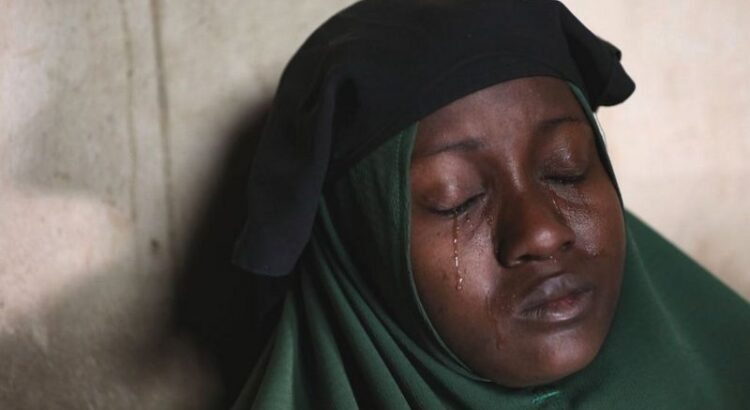
Desde diciembre, más de 600 estudiantes han sido secuestrados en escuelas en el noroeste de Nigeria, lo que pone de relieve la grave crisis que vive el país, en el que se producen una gran cantidad de raptos a cambio de dinero.

El secuestro hace unos días de casi 300 menores en la Escuela Secundaria de Ciencias para Niñas del Gobierno, un internado de Jangebe, en el estado de Zamfara, fue el segundo rapto masivo de escolares en el país en menos de 10 días.

El pasado 17 de febrero, 27 niños y sus maestros también fueron sacados de una escuela en Kagara, en el estado de Níger, siendo liberados al cabo de unos días.

Las autoridades dicen que los recientes ataques a escuelas en el noroeste del país han sido perpetrados por «bandidos», un término vago para llamar a secuestradores, ladrones armados, ladrones de ganado, pastores de la región de Fulani y otras milicias armadas que operan en la región y que están principalmente motivados por el dinero.

Muchos aquí creen que una infraestructura de seguridad débil y unos gobernadores que tienen poco control sobre la seguridad en sus estados (la policía y el ejército están controlados por el gobierno federal) y que han accedido a pagar rescates, han hecho de los secuestros masivos una lucrativa fuente de ingresos.

Es una acusación que los gobernadores niegan.

El gobernador de Zamfara, Bello Matawalle, quien en el pasado prometió a los bandidos «arrepentidos» que les daría casas, dinero y automóviles, dijo que la gente «que no se sentía cómoda» con su «iniciativa de paz» estaba saboteando sus esfuerzos para poner fin a la crisis.

Hasta ahora, las víctimas de secuestro generalmente eran viajeros que utilizaban las carreteras en el noroeste de Nigeria, y pagaban entre US$20 y US$200.000 por su libertad.

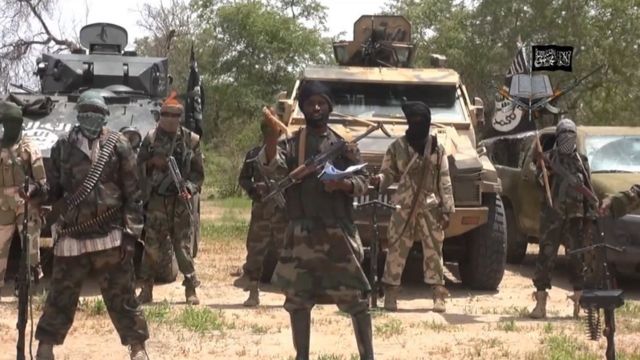
Pero desde el muy publicitado secuestro en 2014 de 276 colegialas de la escuela secundaria de Chibok, en el estado de Borno, a manos de militantes islamistas de Boko Haram, más grupos armados han recurrido al secuestro masivo de estudiantes.
Boko Haram
Pie de foto,
Boko Haram es uno de los grupos fundamentalistas más peligrosos del mundo.

Recompensas de coches y dinero

Secuestrar a cientos de estudiantes en lugar de a quienes viajan por carretera garantiza tener publicidad y la participación del gobierno en las negociaciones, lo que podría significar millones de dólares en pagos de rescate.

La experta en seguridad Kemi Okenyodo cree que esto ha hecho que los secuestros de escolares sean lucrativos para las bandas criminales.

«La decisión de pagar los rescates debe revisarse. ¿Cuáles son los mejores pasos a seguir para prevenir los secuestros y así evitar el pago del rescate?», se pregunta.

El presidente Muhammadu Buhari también ha insinuado que los gobernadores estatales están alimentando la crisis.

«Los gobiernos estatales deben revisar su política de recompensar a los bandidos con dinero y vehículos. Tal política tiene el potencial de ser contraproducente, con consecuencias desastrosas», señaló a través de su cuenta de Twitter.

Saltar contenido de Twitter, 1

Fin del contenido de Twitter, 1

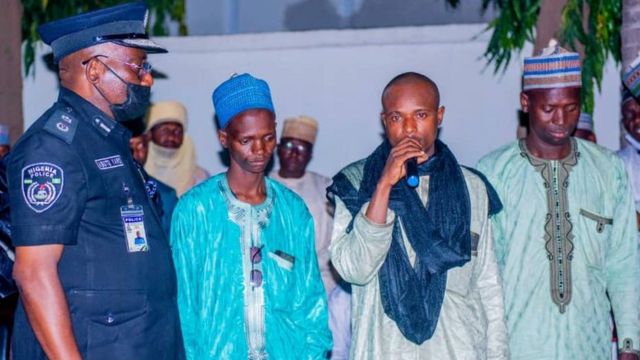
El autor intelectual del secuestro de más de 300 estudiantes en el estado de Katsina en diciembre fue indultado recientemente en el cercano estado de Zamfara, después de «arrepentirse» y entregar sus armas al gobierno.

El gobernador Matawalle prometió a Auwalu Daudawa y su pandilla alojamiento en la ciudad, junto con asistencia para mejorar sus medios de vida.

En julio del año pasado, Matawalle prometió a los bandidos dos vacas por cada fusil AK-47 que entregaran.
Auwalu Daudawa (con micrófono) y otros miembros de su banda
Pie de foto,
El autor intelectual del secuestro de 300 escolares en Kankara, Auwalu Daudawa (con micrófono), y otros miembros de su banda fueron alojados en la casa de gobierno del estado de Zamfara.

Problema creciente

A diferencia de su predecesor, quien fue severamente criticado por su manejo del secuestro de niñas de Chibok, Buhari no ha recibido grandes condenas públicas por la crisis de secuestros.

Esto se debe en gran parte a que logró negociar con éxito la liberación de algunas de las niñas de Chibok en sus primeros días de gobierno.

Sus partidarios también dicen que su gobierno ha sido más receptivo a asegurar la liberación de los estudiantes secuestrados, aunque decenas de ellos, incluida Leah Sharibu, una cristiana que fue secuestrada cuando Boko Haram atacó su escuela en Dapchi en 2018, permanecen en cautiverio.

La seguridad en Nigeria se ha deteriorado bajo el mandato de Buhari: se han reportado cuatro secuestros masivos de estudiantes desde que asumió el cargo en 2015.

El hecho de que tres de ellos hayan ocurrido en el noroeste del país pone de relieve el aumento de la inseguridad en esa zona, mientras que gran parte de la atención internacional se centra en la insurgencia de Boko Haram a cientos de kilómetros de distancia en el noreste.

Aunque el ejército está llevando a cabo un operativo contra los bandidos en la región, comunidades han sido saqueadas y la mayoría de las reservas forestales de la región están bajo el control de delincuentes.

Protección de las escuelas

Después de que secuestraran a las niñas de Chibok, se lanzó la Iniciativa de Escuelas Seguras para reforzar la seguridad en los colegios del noreste de Nigeria mediante la construcción de vallas a su alrededor.

Se prometieron al menos US$14 millones para el proyecto de tres años, que contó con el apoyo del Enviado Especial de las Naciones Unidas para la Educación Global, Gordon Brown, ex primer ministro de Reino Unido.

Muchas escuelas se construyeron como espacios temporales de aprendizaje como parte del plan, pero no se sabe si se construyeron vallas en las comunidades afectadas.

Aunque la mayoría de los secuestros recientes ocurrieron en el noroeste del país, una zona no cubierta por la Iniciativa Escuelas Seguras, el secuestro en 2018 de 110 niñas en un colegio de Dapchi, en el estado nororiental de Yobe, generó dudas sobre el éxito de la propuesta.
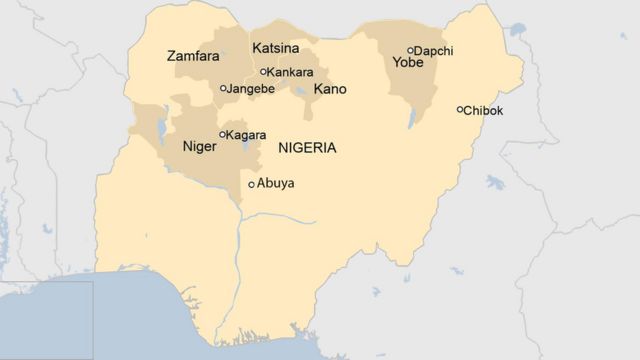
En este mapa se ve dónde ocurrieron los secuestros masivos de estudiantes.
Pie de foto,En este mapa se ve dónde ocurrieron los secuestros masivos de estudiantes.

El ejército de Nigeria ha instaurado destacamentos cerca de algunas escuelas, pero la cantidad de instituciones educativas que hay en el norte del país significa que muchas quedan desprotegidas.

Algunas escuelas han empleado a vigilantes armados, pero esto a menudo ha resultado ineficaz contra los bandidos fuertemente armados.

¿Cómo han reaccionado los nigerianos?

A diferencia del secuestro de las niñas de Chibok, que atrajo la atención mundial, no ha habido mucha reacción a los secuestros posteriores.

No ha habido hashtags como #BringBackOurGirls (#DevuelvanANuestrasNiñas) que atrajeron atención mundial en ese momento y ayudaron a presionar al presidente Goodluck Jonathan para que actuara, ni ha habido manifestaciones en Nigeria.

Bukky Shonibare, cofundadora del Grupo Bring Back Our Girls, que participó en las protestas en la capital, Abuya, cuando ocurrió el incidente de Chibok, dijo que los nigerianos estaban agotados por la frecuencia de los secuestros masivos.

«Hay un límite para lo que el corazón puede soportar. Los nigerianos pasaron por mucho después del secuestro de las niñas de Chibok… la gente está realmente exhausta«, le dijo a la BBC.

Shonibare señaló que, a pesar de la falta de manifestaciones en las calles, tras los secuestros posteriores, su grupo trabajó entre bastidores para ejercer presión.
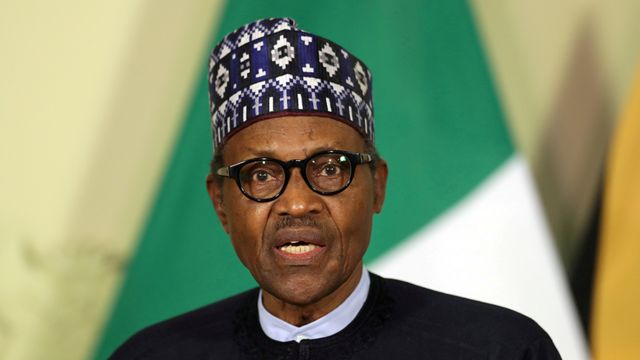
Muhammadu Buhari
Pie de foto,
Algunos activistas presionan al presidente para que actúe para frenar los secuestros, pero Muhammadu Buhari no ha recibido grandes condenas públicas por esta crisis.

Los nigerianos en las redes sociales se han burlado del manejo del presidente de la crisis de los secuestros usando el hashtag #ThingsMustChange (#LasCosasDebenCambiar), empleado por Buhari mientras hacía campaña para el cargo en 2015.

Este tweet de 2015, cuando dijo: «¿Cómo puede haber 219 niñas desaparecidas en nuestro país y nuestro líder parece incapaz de actuar? #ThingsMustChange«, ha sido destacado por los críticos.

Saltar contenido de Twitter, 2

Fin del contenido de Twitter, 2

El efecto sobre la educación

Las autoridades de los estados de Kano y Yobe ordenaron el cierre de más de 20 escuelas en los últimos días debido a la inseguridad.

Algunas escuelas también cerraron recientemente en los estados de Zamfara y Níger.

En Borno, Yobe y Adamawa, decenas de escuelas han estado cerradas durante años debido a la insurgencia de Boko Haram.

Para una región con una alta tasa de niños sin escolarizar, esta es una interrupción masiva de los logros que se habían registrado en los últimos años, agravada por las restricciones impuestas el año pasado debido a la pandemia de coronavirus.

Según Unicef, hay una tasa neta de asistencia de solo el 53% en las escuelas primarias del norte de Nigeria, aunque la educación a ese nivel es gratuita y obligatoria.
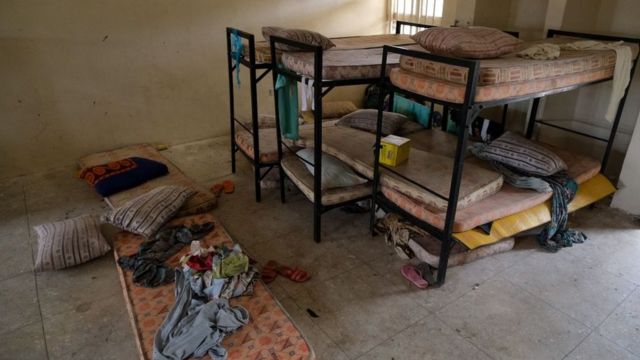
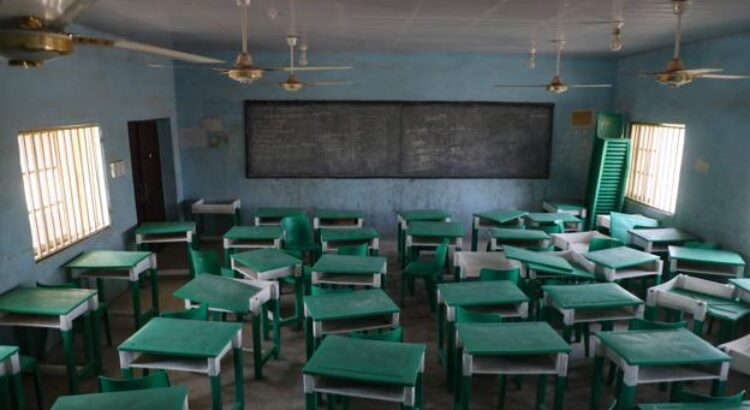
Escuela en Zamfara donde ocurrió el último secuestro masivo
Pie de foto,
Ataques, como el más reciente contra esta escuela para niñas en Zamfara, han alejado a muchas niñas del sistema educativo.

Los porcentajes de asistencia para las niñas son aún más bajos debido a las normas y prácticas socioculturales que desalientan la asistencia a la educación formal de mujeres, señaló el organismo.

«La implicación de estos [secuestros] es que los padres o tutores tienen miedo de permitir que los niños vayan a la escuela», afirmó Shonibare.

«Esto literalmente nos hace retroceder en los avances que hemos logrado [especialmente] en lo que respecta a la educación de las niñas», dijo.

La serie de ataques a escuelas en el noroeste representa un doble golpe para la educación en la región.

Fuente: https://www.bbc.com/mundo/noticias-internacional-56301523
Comparte este contenido:

Kenya: Moi University students demonstrate over delayed disbursement of HELB Loans

Africa/Kenya/12-03-2021/Autor(a) y Fuente: www.kbc.co.ke

According to the University student leadership, the loan has been delayed for three months now, a situation that has left most of the students helpless.

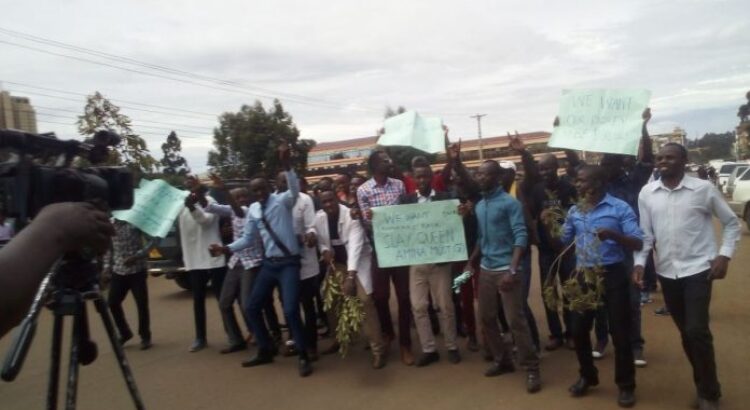
The angry students protested along Uganda Road in Eldoret town calling upon the HELB management to respond to the issue urgently warning that they will be forced to paralyze all activities in Eldoret town by Monday if they will not have received the loans.

“HELB is the only salary for the comrades, the delays cause a burden to us,” said the Chairman, Moi University School of Law Annex Chair, Budi Gini.

The students who were waving placards said the loan was supposed to have been disbursed the first or second week after the university opened.

«We have teamed up with the main campus, town campus, and the school of law, Annex to air our grievances,” said Kasina Manasseh, the Moi University Economic Students’ Association Assistant Secretary-General.

“The Dean of Students told us that he had contacted the HELB management and forwarded the names of the students on session, but when we contacted HELB, they claim the HELB loans have been disbursed partially, but nothing is reflecting in our bank accounts, who is tricking who?” posed Kasina.

Kasina claimed other universities such as the University of Nairobi, Kenya Methodist University, Maseno University among others have already received their money.

Source and Image: https://www.kbc.co.ke/moi-university-students-demonstrate-over-delayed-disbursement-of-helb-loans/

Comparte este contenido:

El «lucrativo negocio» de los secuestros masivos de escolares en Nigeria

Según Amnistía Internacional, La Violencia Protagonizada Por Bandas Armadas Dedicadas Al Robo Y El Secuestro De Personas Ha Provocado La Muerte De Más De Un Millar De Personas Solo El Año Pasado.


Desde diciembre, más de 600 estudiantes fueron secuestrados en escuelas en el noroeste de Nigeria, país en el que se producen una gran cantidad de raptos a cambio de dinero. El pasado 26 de febrero, 300 alumnas fueron secuestradas en la Escuela Secundaria de Ciencias para Niñas del Gobierno en la ciudad de Jangebe, en el estado de Zamfara. Fue el segundo rapto masivo de escolares en el país en menos de 10 días.

El ataque se produjo sobre la una de la madrugada y los asaltantes llegaron vestidos con uniforme de guardias de seguridad, lo que generó cierta confusión. Además, los hombres iban armados a bordo de motocicletas y vehículos tipo pick-up y obligaron a las niñas a subir a los coches.

Apenas unas semanas antes, otros 28 estudiantes y varios profesores de la Escuela de Ciencias del Gobierno en Kagara, en el occidental estado de Níger, fueron arrestados a manos de hombres armados y liberados al cabo de unos días tras negociaciones.

En este caso, los hombres armados y vestidos de militares entraron en la institución y, tras enfrentarse a la guardia de seguridad, consiguieron llevarse a los chicos sobre las tres de la madrugada. Aunque algunos de los empleados y estudiantes lograron escapar, el resto fue llevado a un bosque cercano y un estudiante falleció de un disparo.

El pasado 11 de diciembre, más de 340 personas fueron secuestradas en una escuela de Kankara, en el estado de Katsina. El suceso tuvo lugar cuando hombres armados con rifles atacaron la escuela y comenzaron a disparar contra los vigilantes de seguridad. El tiroteo dio la oportunidad a algunos estudiantes de saltar la valla y llegar hasta la ciudad.

El "lucrativo negocio" de los secuestros masivos de escolares en Nigeria

Las autoridades dicen que los recientes ataques a escuelas en el noroeste del país han sido perpetrados por «bandidos», un término vago para llamar a secuestradores, ladrones armados, ladrones de ganado, pastores de la región de Fulani y otras milicias armadas que operan en la región y que están principalmente motivados por el dinero. según informaciones de BBC.

Los secuestros masivos, una forma de obtener beneficios

La situación de inseguridad en las escuelas del norte y oeste de Nigeria y los sucesivos secuestros masivos han llevado al Senado a plantear la posibilidad de declarar el estado de emergencia en el país, tal y como informa El País.

Según Amnistía Internacional, la violencia protagonizada por bandas armadas dedicadas al robo y el secuestro de personas ha provocado la muerte de más de un millar de personas solo el año pasado.

Muchos creen que una infraestructura de seguridad débil y unos gobernadores que tienen poco control sobre la seguridad en sus estados (la policía y el ejército están controlados por el gobierno federal) y que han accedido a pagar rescates, han hecho de los secuestros masivos una lucrativa fuente de ingresos.

En los últimos años, diversos grupos han encontrado en el secuestro a civiles con el objetivo de pedir un rescate una forma de obtener beneficios. También lo han encontrado en el robo de crudo o el asalto a plataformas petrolíferas.

El grupo islámico Boko Haram ha encontrado en la inestabilidad del país el escenario perfecto para desarrollar sus actividades. Esta organización persigue establecer un gobierno de la Sharía en el país. El grupo no recibió la atención mundial hasta que en 2014 secuestró a 300 niñas en Chibok, de las que 100 siguen en paradero desconocido.

El hecho de que se secuestren niñas en escuelas en vez de otras personas garantiza la publicidad y la participación del gobierno en las negociaciones. El analista Bulama Bukarti ha reflexionado sobre e hecho de que se esté atacando constantemente el sistema educativo. «Ningún niño debería tener que elegir entre su educación y su vida. No se debe hacer que los padres vean la decisión de enviar a su hijo a la escuela como algo difícil. Estos ataques deben detenerse».

Fuente e imagen: https://nuevarevolucion.es/el-lucrativo-negocio-de-los-secuestros-masivos-de-escolares-en-nigeria/

Comparte este contenido:

Sudáfrica: SANEF condemns SAPS for shooting at Wits student journalists

SANEF condemns SAPS for shooting at Wits student journalists

Johannesburg – The South African National Editors’ Forum (Sanef) has condemned the police for shooting at two student journalists during clashes with Wits University student protesters on Wednesday.

The two student journalists, Nondumiso Lehutso and Aphelele Buqwane, who work for the Vow FM (Voice of Wits FM) and Wits Vuvuzela, a student newspaper, were shot with rubber bullets while reporting on the protests.

They needed treatment and were hospitalised, but a 35-year-old man who had just seen a doctor at a local medical centre in Braamfontein was caught in the line of fire and fatally wounded when he was shot with rubber bullets at close range by a police officer.

Sanef said it called on the Independent Police Investigative Directorate (IPid) to investigate the brutality of the police officers who endangered the lives of all journalists reporting the student protests at Wits University.

Relaying their experience, Lehutso said they were standing between the students and the police and recording the events as journalists when an on officer instructed her to run.

“An officer instructed us to run away from the scene. We noted shooting was about to take place and we should get away.

“We ran towards our arts faculty building, but someone closed the doors before we could get inside. I turned and the same officer that ordered us to run pointed his rifle towards us and he fired. I was hit twice in my thigh and butt cheek,” Lehutso said.

Buqwana said she was shot on the left thigh and was treated at the university’s health unit, even though one of the journalists in the groups they were with had shouted out “we are journalists”.

Sanef said: ”We note that journalists already face multiple risks, in war zones and, increasingly, in conflict-free countries. Year after year, dangers have increased for journalism itself. We appeal to the government to take action to protect journalists and to discipline the officers.”

Gauteng police spokesperson Captain Kay Makhubele said five student protesters who were arrested on Wednesday would be charged with public violence.

Ipid meanwhile is investigating the circumstances which led to the man’s death.

Fuente de la Información: https://www.iol.co.za/news/south-africa/gauteng/sanef-condemns-saps-for-shooting-at-wits-student-journalists-494f2b61-ec82-4069-b8af-9fdbb87522d1

Comparte este contenido:

Cameroon’s Authoritarianism Fuels its Anglophone Separatist War

Cameroon’s Authoritarianism Fuels its Anglophone Separatist War

Cameroon is dealing with a deadly though insufficiently reported civil war in its two English-speaking (minority) regions of the North-West and South-West. Since 2017, Anglophone separatists have been fighting for a new «Republic of Ambazonia«, derived from the Ambas Bay area in the Gulf of Guinea. On 10 January 2021, Cameroon’s soldiers killed at least nine civilians in the South-West region, and injured four more. In the second week of March there were further reports of the army killing many more civilians, although a military solution to the conflict.

The Anglophone Crisis

The conflict originated from peaceful protests in Anglophone Cameroon over longstanding grievances against the discrimination and marginalisation of the North-West and South-West regions. Anglophones’ principal complaints include poor resource allocation and lack of effective political representation. They claim that there is a deliberate cultural project of «Francophonisation» of the state.
In late 2016 Anglophone lawyers’ and teachers’ unions specifically decried the appointment of French-speaking teachers, judges and prosecutors to schools and courts in Anglophone Cameroon.

Spurred by social media, these protests lasted almost a year. But in October 2017, the violent repression of these protests, including branding the protesters as «terrorists» and authorising the use of deadly force on unarmed civilians, was a major factor in escalating this Anglophone dissent into a full-blown revolt and civil war.

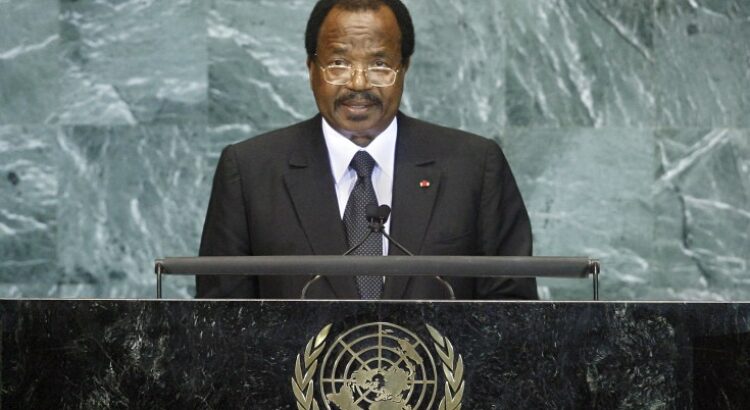
In his end-of-year address to Cameroonians in December 2020, Biya suggested the country had «returned to peace«. From a leader who has not visited any areas affected by the conflict, this claim is a patent denial of the reality of this conflict, or wishful thinking at best.

In truth, the war appears to no longer rile political authorities in the capital Yaoundé as it did before. But the conflict remains a deadly reality for civilians caught in the cross-fire between government forces and separatists.

In the January 2021 joint report on the conflict by the African Leadership Centre of King’s College London and the Research Centre for Trust, Peace, and Social Relations at Coventry University, Kiven James Kewir and his colleagues write that the conflict has resulted in «over 3,000 people killed, more than 200 villages burnt, over 750,000 people internally displaced and 1.3 million people in need of assistance». They conclude that «there is an urgent need to resolve the Cameroon Anglophone conflict». Cameroon scarcely makes it onto the radar when African conflicts are catalogued.

History of Anglophone grievances
Anglophone grievances in Cameroon date back to 1961, when former British Southern Cameroon voted in a United Nations’ plebiscite to join the newly independent French Cameroon to attain its own independence. Soon after the reunification of the two Cameroons, the country’s authoritarian leader then, Ahmadou Ahidjo, vigorously dismantled key democratic institutions and extended the brutal police state in French Cameroon to the Anglophone areas. Notwithstanding a few changes, including the bloody struggle for a return to multiparty politics in 1990, Cameroon’s authoritarian character has remained largely unchanged since Biya came to power in 1982.

In the ongoing civil war, government troops and Anglophone separatists wage campaigns of terror violating international norms of warfare. The war has been marked by controversial killings and gross violations of human rights variously attributed to both sides. These controversies and abuses include extrajudicial executions, abductions, torture, detentions, everyday harassments and extortions of the civilian populations, and even burning of houses with residents in them.

Government troops, much more than the separatist forces, have rightly come under greater scrutiny and criticism for impunity for their violence, putting Yaoundé on the defensive. Government has repeatedly rushed to deny accusations against its troops. This conflict persists largely because of the entrenched violence of authoritarianism in Cameroon.

As Cameroonian historian and philosopher Achille Mbembe remarked, this «useless» war could have been prevented if Cameroonian authorities had responded «more intelligently and less brutally». This intelligent response would have required political authorities to investigate and seek accountability for the causes of Anglophone grievances. However, Cameroon’s authoritarian state has resisted any efforts at accountability.

Role of Anglophone Cameroonian diaspora

The Anglophone Cameroonian diaspora in countries like South Africa, Belgium, Germany, the United Kingdom, and the United States plays a key role in this conflict. A considerable part of this diaspora is either sympathetic to or promotes the separatist cause as a lasting solution.

Unfortunately, Cameroon’s parliament is not independent; it is willed and directed by Biya. Ultimately, the United Nations and the African Union will need to establish a joint framework for the pursuit of political negotiations to end the war. Discussions within this framework must also focus on Anglophone demands for reform of the Cameroonian state, whether this is a return to the federal option adopted in 1961 or a new, more creative and internationally guaranteed option that would grant Anglophones autonomy on the management of their resources and public services.

Rogers Orock is a Senior Lecturer in Anthropology at the University of the Witwatersrand and a Bradlow Fellow in the African Governance and Diplomacy Programme at the South African Institute of International Affairs. He is researching the dynamics of the Cameroon diaspora in the conflict.

Comparte este contenido:

Ghana: We’ll work to justify our inclusion – New ministers

We’ll work to justify our inclusion – New ministers

The newly sworn-in Ministers of State for President Nana Akufo-Addo’s second term have promised to work solely in the interest of Ghanaians to ensure massive socio-economic transformation.

They have thus asked for support from citizens to enable them to do so.

Communication and Digitalization Minister, Ursula Owusu-Ekuful who spoke on behalf of the new Ministers after their swearing-in ceremony was grateful to the President for the honour done them.

“We express our sincere appreciation to the President and thank him for the confidence reposed in us. We pledge not to let you down and live up to the oaths that we have sworn and discharge our responsibilities to the best of our ability.”

Mrs Owusu-Ekuful expressed the commitment of her colleagues to delivering on their mandate in a manner that will be beneficial to the entire nation.

“We urge all Ghanaians to continue to remember us in your prayers so that we can work together to justify our inclusion”, she added.

In all 28 out of 30 Ministers of State were sworn into office at the Jubilee House on Friday evening.

The two sectoral ministers who could not be sworn into office are the Minister-designate for Finance, Ken Ofori Atta and Minister-designate for Chieftaincy and Religious Affairs, Ebenezer Kojo Kum.

Ken Ofori-Atta is yet to go before the Appointments Committee to be vetted due to complications from COVID-19 while Ebenezer Kojo Kum was unable to attend the swearing-in ceremony due to ill-health.

Akufo-Addo’s charge

President Nana Addo Dankwa Akufo-Addo has tasked his newly-outdoored ministers to make it a priority to add value to the country’s system of governance.

He said this is the only way the renewed four-year mandate given his New Patriotic Party (NPP) administration by Ghanaians can be well expressed.

“I am assured that the various background of each one of you will bring value to the governance of our country and enable us to deliver the commitments of our manifesto- the secret compact that ties us the New Patriotic Party to the Ghanaian people”, the President said.

While touting his first-term successes in the areas of health, education, infrastructure, accountability and industrialization, President Akufo-Addo assured that his government is in the “process of putting this nation onto the path of sustainable progress and prosperity,” in the next term.

President Akufo-Addo, therefore, encouraged the appointees to ensure continuous transformational leadership aimed at improving the socio-economic life of the ordinary citizen.

“I urge you to provide leadership that will ensure that work that we do, benefits the progress of our nation and help raise the living standard of our people. That is why we are here and that is why the Ghanaian people voted for us.”

Fuente de la Información: https://www.modernghana.com/news/1066057/well-work-to-justify-our-inclusion-new-minister.html


Comparte este contenido:

Uganda: Women’s day will not affect UCE exams- UNEB

Women’s day will not affect UCE exams- UNEB

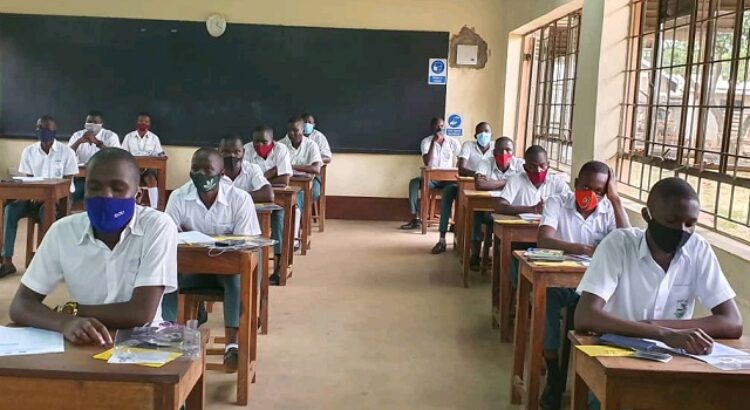
Kampala, Uganda | THE INDEPENDENT | The Uganda National Examinations Board-UNEB has said that the Uganda Certificate of Education-UCE examinations timetable will not be affected by Women’s day.

The Women’s day will be celebrated on Monday. However according to the UNEB timetable, there are two examinations scheduled on that day. They are Chemistry Practical (paper four), and IPS Art: Studio Technology (paper six).

Dan Odongo, the Executive Secretary UNEB notes that despite being a public holiday, the papers will go on as planned.

“…UNEB would like to inform candidates, heads of centres, scouts and invigilators, and the general public that although Monday, March 8 is a public holiday, UNEB examinations will go on as planned,” Odongo’s press statement reads in part.

He further directs heads of examination centres and other officials involved in the examination process to ensure that examinations of the day are carried out accordingly.

This is not the first time UNEB has scheduled an examination on a public holiday. In 2013, the examination body had scheduled three examinations; Chemistry, Music Aural, and Energy and Power on a public holiday- Eid-al-Aduha.

The timetable attracted public uproar with a section of sheikhs dragging UNEB to court saying the act was contrary to the Public Holidays Act. Although the court had refused to issue an interim injunction halting the scheduled papers, UNEB later on postponed the papers to a later date.

At least 333,889 candidates from 3,935 centers started their examinations on February 26, with the briefing. The first written examination was administered on Monday, March 1.

*****

Fuente de la Información: https://www.independent.co.ug/womens-day-will-not-affect-uce-exams-uneb/

Comparte este contenido:
Page 46 of 622
1 44 45 46 47 48 622