Page 512 of 622
1 510 511 512 513 514 622

Nigeria: Education standards and scrapping Post-UTME

África/Nigeria/Julio 2016/Autor: Editor / Fuente: guardian.ng

ResumenLa falta de un sistema de educación permanente siempre ha sido un inconveniente grave para Nigeria y ni siquiera los candidatos a la admisión en las instituciones educativas se salvan de sufrir el malestar general.

By scrapping the Unified Tertiary Matriculation Examination (UTME), otherwise called Post- JAMB (Joint Admissions and Matriculation Board) examination, the Federal Government once again advertises inconsistency in Nigeria’s educational system and quest for development. Lack of an enduring education system has always been a serious minus for Nigeria and not even the admission of candidates into educational institutions is spared the malaise. This is sad.

Virtually, every new administration, indeed, Minister of Education, throws up a new system that sets aside what was in place, often, with dire consequences.

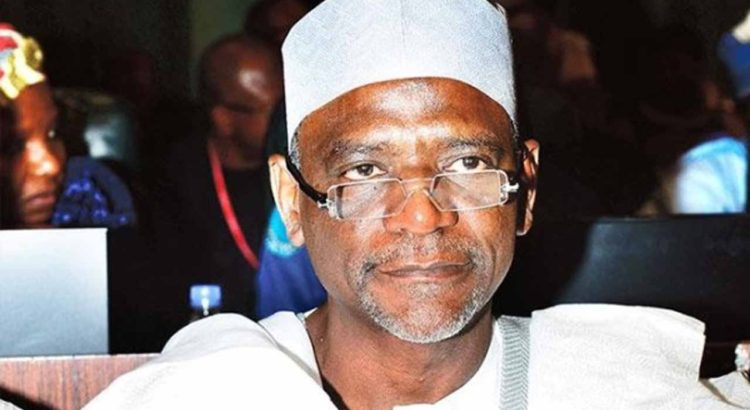
The latest jolt came from the Minister of Education, Adamu Adamu, who, the other day, in Abuja, announced the scrapping of Post-UTME after the 2016 combined Policy Committee meeting on admission into degree-awarding institutions, National Diploma, Nigeria Certificate of Education and National Innovative diploma-awarding institutions.

The meeting also set a flat cut-off point of 180 for an examination that carries 400 points. This lowering of standards is a shame that sets Nigeria up as a haven of mediocrity.

According to the minister, the Federal Government has confidence only in the examinations conducted by the Joint Admissions and Matriculation Board (JAMB).

He recalled that Post-UTME was introduced by many universities and polytechnics as further pre-requisite for admission irrespective of whether the students passed the JAMB examination or not.

The minister then directed that universities should not be holding examinations and if they had any complaint against JAMB, should bring it forth for resolution. He said tertiary institutions in the country must observe “the admission criteria based on merit, catchment area and educationally less developed states.”

The Federal House of Representatives has agreed with the decision and directed the Federal Ministry of Education and the National Universities Commission (NUC) to ensure the abolition of Post-UTME forthwith. It lamented that the examination had become subjective, streesful and exploitative to poor candidates and their parents.

UTME was introduced in 2005 without enough interrogation and analysis by the then Minister of Education presumably, to bypass alleged inefficiency of JAMB. But since then, no respite came the way of candidates and their parents.

Ten years later, the same UTME became even a more controversial examination by the way the universities and other tertiary institutions turned it to a money-making venture. The quality objective that informed its introduction was overlooked. At some point, universities differed on what they charged candidate against the flat N1000 rate fixed by government, with some charging as much as N5000 or more.

Turning what was supposed to be a screening exercise of candidates, with no strings attached, into another examination that clearly overrode the JAMB entrance requirement, was in bad fate and candidates as well as their parents were blatantly ripped off.

The UTME had all the trappings of the same gross malpractices that are often found in JAMB examination in the first place. Allegations of bribery, corruption, nepotism and favoritism were rife. Mounting complaints therefore prepared the ground for what has been done which is to scrap the test.

The decision, therefore, was absolutely necessary. As a matter of fact, it was long overdue. The inconveniences were unbearable and the purpose of introducing the pre-admission screening was defeated

Also the very low cut-off mark is deplorable and cannot produce the best brains that the country needs. With standards so low, Nigerians are celebrating mediocrity.

There must be a sensible way of setting standards. One is to go back to Advanced Level system in which higher school certificate education of two or more years prepares all students for university.

Also what is being done now is no more than dragging one part of the country down for another. Granted, a gap exists between the North and the South of the country in education, this is not the way to bridge it.

Reducing the entry point to the barest minimum is wrong as an attempt to ensure uniformity in the country.
It should be recognised that the level of educational penetration differs in different parts of the country and the way to raise the backward parts is to have special arrangement for them rather than push everybody at the same time.

In the United States, for instance, there are community colleges that were set up to see to the needs of candidates with lower academic capacity. From those colleges, they graduate to the universities. After some time, the system harmonises.

A similar arrangement once existed in the North through the schools of basic studies. That should be revived as there cannot be a single standard for all institutions.

University education is about excellence. But Nigerian universities have been reduced to less than their worth. Nigeria cannot excel when all universities are placed on the same level. Each university should be free to set its minimum entry point based on the standard it has set for itself. That would be the beginning of raising the standard of education in the country.

Fuente de la noticia: http://guardian.ng/opinion/education-standards-and-scrapping-post-utme/

Fuente de la imagen: http://cdn.guardian.ng/wp-content/uploads/2016/03/Adamu-Adamu-Minister-of-Education.jpg

Comparte este contenido:

Tanzania: How to Transform an Education System

África/Tanzania/Julio 2016/Autor: Jakaya Kikwete/ Fuente: project-syndicate.org/

Resumen:  Una semana más, se dice, es mucho tiempo en política. Ese fue el caso a finales del mes pasado, cuando, en un solo día, el Reino Unido votó a favor de abandonar la Unión Europea, su primer ministro, David Cameron, anunció su renuncia, y Gran Bretaña y Europa, por no hablar de los mercados globales, fueron arrojados en el caos. Cuando se trata de la educación, por el contrario, una semana puede ser un abrir y cerrar de ojos. El cambio ocurre durante años, si no décadas – y tal vez ni siquiera entonces. Pero, si tiene éxito, el establecimiento de un sistema educativo que funcione bien puede cambiar el rostro de un país – y volver a definir su destino.

A week, it is said, is a long time in politics. That was certainly the case at the end of last month, when, in a single day, the United Kingdom voted to leave the European Union, its prime minister, David Cameron, announced his resignation, and Britain and Europe, not to mention global markets, were thrown into turmoil.

When it comes to education, by contrast, a week can be the blink of an eye. Change happens over years, if not decades – and perhaps not even then. But, if successful, the establishment of a well-functioning education system can change a country’s face – and redefine its fate.

That is what happened in my country, Tanzania. From 2000 to 2009, primary-school enrollment rates in Tanzania more than doubled, from just over four million pupils to 8.5 million, or 96% of all primary-school-age children. In other words, at the primary level, Tanzania now boasts near-full enrollment.

Similar progress can be seen at the secondary level. Indeed, over the same nine-year period, the number of secondary schools in Tanzania more than quadrupled, from 927 to 4,102, and enrollment surged, from just over 250,000 students to nearly 1.5 million.

What changed? In short, Tanzania’s leaders, including me, recognized the vital importance of a strong education system – and we committed ourselves to building one.

Of course, few would argue that education is not important. But, when governments are working to provide more tangible basic necessities – say, ensuring that citizens have reliable access to clean drinking water or road links to markets and hospitals – educational reform can often fall by the wayside. Given education’s unmatched potential to enhance a country’s prospects, this is a mistake.

It is this understanding that impelled me, as President of Tanzania, to make education my number one priority. It was not an easy decision. I knew that some people would disagree with this approach, preferring to allocate more of Tanzania’s limited public budget to building wider highways or taller government buildings, or to expanding the military.

But I also knew that investing in education meant investing in my country’s future, so I decided that, rather than sinking a great deal of money, sometimes unproductively, into these other areas, we would commit 20% of the annual budget to education. Those funds were applied not just to building more schools, but also to building better schools, through investment in teachers, books, and technology. After all, simply enrolling more kids would mean little if they were not given all the tools they needed to succeed.

Tanzania can serve as a useful model for other countries seeking to upgrade their education systems. But, although we achieved success on a limited budget, the challenge that fiscal constraints can pose should not be underestimated – especially for the low- and middle-income countries, often in Africa, that face the biggest educational challenges today.

As a member of the International Commission on Financing Global Education Opportunity, I have seen firsthand how often governments’ desire to move education up their list of priorities is thwarted by fear of budgetary shortfalls and domestic pressure. As a result, promises to achieve universal primary education are consistently deferred.

When a government commits to improving education, it is betting that equipping its citizens for an unknowable future will yield broad-based, society-wide progress. This is good not only for the country itself, but also for its neighbors, for which a more stable and prosperous neighborhood can only be beneficial. In fact, given the interconnectedness of today’s global economy, better education in one country can bring benefits far beyond regional borders.

Clearly, the international community has an interest in supporting any government that makes the ostensibly obvious, yet practically difficult decision to place education at the forefront of its agenda. And, thanks to the visionary leadership of Norwegian Prime Minister Erna Solberg, this imperative is receiving the attention it deserves. Indeed, it will be a central theme at this week’s financing commission summit in Oslo.

Tanzania’s experience proves that transforming a country’s education system is possible, even if that country faces severe fiscal constraints. It is not quick or easy, and it often requires difficult trade-offs. But with a strong and sustained commitment to fulfill the promise of universal primary and secondary education – and a little international support – governments can ensure happier, more prosperous lives for their countries’ young people. One hopes that Tanzania is the first in a wave of countries putting education first.

Fuente de la noticia: https://www.project-syndicate.org/commentary/tanzania-education-commission-summit-oslo-by-jakaya-kikwete-2016-07

Fuente de la imagen: https://www.google.com/search?q=escuelas+tanzania&client=ubuntu&hs=K1n&channel=fs&source=lnms&tbm=isch&sa=X&ved=0ahUKEwiA8bibyNXNAhVMkh4KHVRmDygQ_AUICigD&biw=1301&bih=673#imgrc=RAj4W-0bi9jbkM%3A

Comparte este contenido:

Rwanda: Jomo Kenyatta University of Agriculture and Technology Commemorates

Resumen:

El personal y los estudiantes de la Universidad Jomo Kenyatta de Agricultura y Tecnología (JKUAT) Viernes visitaron el Kigali Centro Memorial en honor a las víctimas del genocidio de 1994 contra los tutsis. La visita estuvo en el marco de la conmemoración del 22 aniversario de las víctimas que perecieron en el genocidio en Ruanda. JKUAT Comunidad organizó el evento junto a los otros ruandés quienes encendieron la antorcha de la esperanza y recordaron los sucesos como una forma de asegurarse de que el genocidio y su ideología sean arrancados de los ruandeses y en todo el mundo.

 Staff and students of Jomo Kenyatta University of Agriculture and Technology (JKUAT) Friday visited the Kigali Genocide Memorial Center to honor victims of the 1994 genocide against the Tutsi.

The visit was in line with Rwanda’s 22nd commemoration of victims who perished in the genocide.

JKUAT Community organized the event to stand with the other Rwandese to light the torch of hope and remember to ensure that the genocide and its ideology are uprooted from Rwandans and across the world.

After laying wreaths on the mass graves, Dr. Wilson Cheruiyot, the director of JMUAT Kigali campus told students and lecturers that visiting the memorial is an occasion to strengthen their contribution in fighting genocide and its ideology.

He pledged the university’s support in working with other institutions to foster peace building, fighting divisionism and discrimination to ensure total healing. He promised support to the genocide survivors.

«On behalf of JKUAT fraternity and on my own behalf, we feel the same pain from the dark moments that this country went through. The tragic loss of innocent lives should never happen again,» he said adding that JKUAT whose vision is global excellence in training, research and innovation for development, will continue to extend its support to genocide survivor students, providing them with quality education that would improve their lives and contribute to the social and economic transformation.

He urged students to take the advantage of the social media in fighting genocide ideology and denial; urging lecturers to serve as good role models and strive to produce good intellectuals with constructive knowledge.

Cheruiyot observed that the commemoration should be a reminder on shared commitment to respect humanity.

«We must note that this commemoration has a huge magnitude in its role in building a better country,» he added.

JKUAT has introduced different public lectures, where they invite some public speakers from the government or any other organization for public lecture on how to commemorate, and showing students that reconciliation is possible even after such horrible atrocities.

The JKUAT students were called upon to join the Association of Genocide Survivor Students (AERG) so that they can stand together in promoting reconciliation and general development in the country.

In an exclusive interview with The New Times, Cheruiyot said that genocide deniers have not witnessed the aftermath of genocide and its skin-deep scars and called upon such people to visit Rwanda to enable them understand that tragic history. «I can say that when we talk about genocide, the outside world might not understand what took place but when somebody comes and visits Rwanda, they can have picture of what happened. The memorial tells it all; I wish all deniers could come and see this evidence, they would go and spread a message of what happened.»

Javan Kayonga, the guild president at JKUAT addressed the community with an emphasis to youth who should know that commemoration is important and urged them to learn from experiences and make sure the genocide ideology is thoroughly defeated.

The message of the JKUAT is «Remember, unite, renew»

About JKUAT

JKUAT Kigali Campus, located in Kicukiro District, was established in September 2013, offering a blend of Agricultural, Technological and Management based academic courses. These programmes run throughout the year on both fulltime and part-time bases.

All programmes are Senate approved and teaching and examination is as defined by the JKUAT senate regulations. With a strong team of qualified members of staff drawn from JKUAT, other reputable institutions of higher learning in Kenya and other parts of the world, all staff members who teach must be approved by the University Senate.

JKUAT Kigali Campus prides itself as a university of global excellence in training, research and innovation for development, and quick to adapt its learning delivery platform to rapidly evolving learning environments. This has resulted in the creation of a vibrant ambience on campus that engages students in a variety of learning activities.

The cultural ethos of the institution is rooted in its philosophy: character is life. At JKUAT Kigali Campus, strong emphasis is placed on theory and practice, and on character formation, aimed at producing well rounded and well grounded graduates.

Fuente: http://allafrica.com/stories/201607010002.html

Comparte este contenido:

Africa. Under the influence of … Congolese virtuoso Ray Lema’s ‘Nangadeef’

Bajo la influencia de … virtuoso congoleño Ray Lema ‘Nangadeef’

Africa/Santo Tomé y Príncepe/29 de de Junio , 2016/Noticias /

Este es el primero de una nueva serie llamada «bajo la influencia», en la que pedimos a expertos para compartir lo que creen son las obras más influyentes del arte en su campo. Aquí, afrofuturismo Michael Shakib SOMBCONT introduce «Nangadeef» de Ray Lema, un disco que fue lanzado en 1989 en Mango Records.El álbum fue lanzado cuatro años antes de la acuñación del término «afrofuturism» por el crítico cultural Marcos Dery . Esto es importante tener en cuenta, como la investigación académica y la discusión en torno a este término sólo cobró impulso a finales de 1990. La conversación en torno a este álbum se centra precisamente en el hecho de que la claridad Afrofuturistic obra musical «Nangadeef» generalmente se pasa por alto en las discusiones académicas sobre afrofuturism de África y de la diáspora.El álbum ofrece al oyente la oportunidad de explorar la fusión musical africano que es «consciente futuro». Y lo hace dando una visión aural tanto en la música electrónica y los sonidos tradicionales de África al mismo tiempo y con igual vigor. El álbum explora paisajes sonoros Afrofuturistic dentro de un contexto de música africana, casi independientemente de los paisajes sonoros Afrofuturistic explorados por artistas negros en la diáspora.de la diáspora.

Fuente:https://theconversation.com/under-the-influence-of-congolese-virtuoso-ray-lemas-nangadeef-60666

fuente imagen https://ssl.gstatic.com/translate/buttons11.png

La cubierta del álbum de Ray Lema, ‘Nangadeef’


Under the influence of … Congolese virtuoso Ray Lema’s ‘Nangadeef’


Este es el primero de una nueva serie llamada «bajo la influencia», en la que pedimos a expertos para compartir lo que creen son las obras más influyentes del arte en su campo. Aquí, afrofuturismo Michael Shakib SOMBCONT introduce «Nangadeef» de Ray Lema, un disco que fue lanzado en 1989 en Mango Records.

» Nangadeef » es un álbum de nueve pistas por progresiva congoleño icono cultural, etnomusicólogo y músico virtuoso Ray Lema . Cuenta con obras de arte clásico Afrofuturistic en la portada, diseñada por el fotógrafo londinense Richard Haughton .

El álbum fue lanzado cuatro años antes de la acuñación del término «afrofuturism» por el crítico cultural Marcos Dery . Esto es importante tener en cuenta, como la investigación académica y la discusión en torno a este término sólo cobró impulso a finales de 1990. La conversación en torno a este álbum se centra precisamente en el hecho de que la claridad Afrofuturistic obra musical «Nangadeef» generalmente se pasa por alto en las discusiones académicas sobre afrofuturism de África y de la diáspora.

El álbum cuenta con una impresionante alineación de África, América y músicos británicos. Ellos trabajaron muy bien juntos para moldear la visión de Lema para el registro. El Mahotella Queens , Jesse Johnson , Courtney Pino y músicos de la sesión de todo el continente crean una increíble fusión de la música tradicional africana y sonidos futuristas.

Ray Lema con el Queens Mahotella en «Lo que necesitamos ‘.

paisajes sonoros del disco puede ser descrito como la música africana tradicional fusionado con sonidos occidentales contemporáneos. Esta fusión se establece en un fuerte contexto general de la electrónica , lo que le confiere un carácter Afrofuturistic distinta. Ya sea intencional o no Lema ha creado una obra maestra que, durante años, ser diseccionado por cualquier persona interesada en afrofuturism y su desarrollo casi independiente en el continente.

¿Por qué es y fue influyente

El álbum ofrece al oyente la oportunidad de explorar la fusión musical africano que es «consciente futuro». Y lo hace dando una visión aural tanto en la música electrónica y los sonidos tradicionales de África al mismo tiempo y con igual vigor. El álbum explora paisajes sonoros Afrofuturistic dentro de un contexto de música africana, casi independientemente de los paisajes sonoros Afrofuturistic explorados por artistas negros en la diáspora.

Ofrece una nueva dimensión a la forma en que vemos el desarrollo de afrofuturism en África y en otras partes del mundo. También nos da una idea de cómo los músicos africanos estaban pensando en el futuro sonido de la música africana a finales de 1980.

Musicalmente, nos ofrece la previsión de cómo los estilos musicales del continente podrían fusionarse, modificar y desarrollar la tecnología como la música y los cambios en el contexto de África.

La pista ‘Kamulang’ de ‘Nangadeef’.

Por qué sigue siendo relevante

Afrofuturism ha sido disecado y tenía sentido por los estudiosos de todo el mundo durante los últimos 18 a 20 años. Actualmente existe una necesidad en lugar presionando para entender cómo se desarrolló en el continente africano. Además, si su desarrollo en África es diferente a su desarrollo en otros lugares. Cada vez más tenemos que entender que dentro de nuestro propio contexto. Por lo tanto, tenemos que explorar las obras de nuestros propios artistas para hacerlo.

Hasta hace poco las discusiones sobre afrofuturism casi siempre se han centrado en Afrofuturists prominentes en la diáspora. Ejemplos de ello son Sun Ra , Octavia Butler, , Funkadelic y Lee «Scratch» Perry .

Ha habido un descuido general de Afrofuturists en el continente africano que han sido instrumentales contribuyentes a la historia en constante evolución de este fenómeno. Aquí artistas como Francis Bebey , Ray Lema, Alec Khaoli y William Onyeabor vienen a la mente. «Nangadeef» es relevante hoy en día, ya que es un repositorio en gran parte inexplorado de los datos Afrofuturistic.

Además, la colaboración pan-africana y la fusión cultural en África es muy necesario por varias razones socio-históricos. Los africanos han, durante mucho tiempo, estado sujeto a las divisiones internas que nos imponen nuestros amos coloniales. Estas divisiones han impedido la comprensión de la cultura del otro, las tradiciones y similitudes abrumadoras. Estas divisiones también han fragmentado y aislado los elementos que constituyen nuestra identidad musical colectivamente rica y el patrimonio.

La pista ‘Pongi’ de ‘Nangadeef’.

Un disco como «Nangadeef» nos permite imaginar nuestra identidad musical fuera de nuestras divisiones históricas y actuales. En todo caso, el álbum es futurista en su capacidad para hacer que el oyente se olvide de que África es de hecho un problemático continente con una historia de divisiones impuestas en colonias que hacen que el ideal cultural panafricano parece descabellada. Nos dice que tenemos buena música en el continente que aún no se ha explorado, fundido, experimentado con y escuchado.

«Nangadeef» sigue siendo relevante hoy en día como los sonidos en el disco se pueden escuchar en posteriores grabaciones y contemporáneas, tanto dentro como fuera del continente. Piense Mbongwana estrella y jugo de Rocket y la Luna . Fuera de ser un posible vestigio de la historia cultural, el álbum todavía tiene un atractivo musical.

Musicalmente, sigue siendo en gran parte inexplorado, a pesar de su genio. Es fácil ver cómo el álbum se haya entendido mal e incluso se pasa por alto en la liberación en 1989. Hoy en día se produce la penetración y la intriga para el estudioso culturales, el oyente más exigente y la pista de baile » shazammer » por igual. Me volvería a ir tan lejos como para decir que el disco necesita ser muestreado por artistas electrónicos, neo-soul y hip-hop africanos que buscan Afrofuturistic sonidos del continente.

Mi relación con el álbum

He comprado el registro de hace un año a partir de un colector prolífica música africana y la etiqueta ex-disco, A & R van Reenen Jumbo . La primera cosa sobre el registro que me llamó la atención fue la portada. Parecía tan tribal y futurista, que es lo mío. entonces me dio al álbum una escucha sólo para descubrir que la música refleja mi percepción del arte de la cubierta. Desde entonces, el álbum ha sido un favorito en mi hogar.

«Nangadeef» me intrigó porque estoy fascinado con afrofuturism y cómo se manifiesta en la música, y también debido a su sensación panafricana. Me encanta cómo el registro me educó y me entretuvo 27 años después de haber sido puesto en libertad. Se siente tan nuevo para mí, tanto musicalmente como conceptualmente. También me hizo pensar acerca de cómo la progresiva tradicional y pueden coexistir en el tiempo presente, y lo hacen bastante bien.

Pájaros del mismo plumaje

El álbum es de ninguna manera el único que hace lo que hace. Sin embargo, es un brillante ejemplo de cómo los artistas africanos fueron empujando los límites y ser progresiva. Para ampliar aún más nuestra comprensión de las ideas Afrofuturistic panafricanas y sonidos aparecido en «Nangadeef» Recomendaría los álbumes siguientes:

Comparte este contenido:

México será sede de la Cumbre de Habilidades de la OCDE en 2018

América del Norte/ Ciudad de México/Redacción Marmor

El Secretario General de la Organización para la Cooperación y el Desarrollo Económicos (OCDE), José Ángel Gurría, y el Secretario del Trabajo y Previsión Social, Alfonso Navarrete Prida, acordaron que México sea sede de la próxima Cumbre de Habilidades, en 2018.

En una reunión bilateral, ambos funcionarios compartieron puntos de vista sobre las experiencias de los países que integran la OCDE en materia de desarrollo de habilidades para la inserción laboral, y plasmaron a México como la nueva ubicación del evento, en reconocimiento al trabajo que el Gobierno del Presidente Enrique Peña Nieto ha realizado en los últimos años sobre la materia.

Durante el encuentro, el titular de la STPS agradeció a José Ángel Gurría el buen gesto y afirmó que es un gran honor la elección de nuestro país como sede de este importante evento ministerial.

Los países de la OCDE tenemos un gran aliado en esta organización de primer nivel, que con su capacidad técnica y amplia experiencia en diversas áreas, ha contribuido de forma sustantiva al desarrollo de políticas públicas en nuestras regiones, enfatizó Navarrete Prida, quien acudió con la representación presidencial.

Esta Cumbre, organizada bianualmente por la OCDE, reúne las áreas de trabajo, educación y desarrollo económico de cada nación para analizar la reconversión de habilidades y el impacto de las políticas públicas en materia laboral.

Ambos funcionarios también trataron asuntos de la agenda multilateral en el ámbito laboral y tuvieron como punto en común el desarrollo de capacidades prácticas en el corto plazo, con certificaciones que ayuden para la inserción en la materia, sin dejar de lado la importancia de la vinculación escuela-trabajo.

En este sentido, José Ángel Gurría consideró oportuna la decisión del Gobierno de México de solicitar la asistencia técnica de la OCDE para la elaboración de la “Estrategia de Competencias Eficaz para México”.

Este proyecto, implementado por la OCDE en conjunto con las dependencias federales que integren el Comité Nacional de Productividad, tiene como objetivo principal ofrecer una evaluación estratégica del Sistema Nacional de Habilidades y Competencias requeridas para una fuerza laboral mejor capacitada.

“El tema es concentrarnos en las habilidades laborales, en los oficios…, en las habilidades que les permitan tener un marco de trabajo y que esas habilidades, además, puedan ser homologables a los países vecinos fundamentalmente los Estados Unidos y Canadá, donde nosotros tenemos permeabilidad en migración laboral.

“Y hacia abajo en un inicio sano de recepción de migrantes que de todas maneras llegan como los hondureños, guatemalteco, salvadoreños, que se asientan en fincas cafetaleras en Tabasco y en tercer lugar en el Distrito Federal”, señaló el titular de la STPS.

En el marco de esta importante reunión, Navarrete Prida sostuvo otro encuentro bilateral con la Secretaria de Estado de Trabajo y Asuntos Sociales de Noruega, Christl Kvam, en la que se conversó sobre la posibilidad de suscribir un convenio marco de cooperación entre ambos países en materia de acuacultura, como un proyecto inicial, para proveer de alimentación necesaria, sobre todo en algas.

0 0 0

Comparte este contenido:

Kenia: Kenya’s school arson attacks lead to national debate

Africa/Kenia/Junio de 2016/BBC

RESUMEN: Esta semana, se han producido otros cuatro incendios en las escuelas, y los informes de los medios dicen que ha habido al menos 16 incidentes de fuego en las escuelas en el oeste de Kenia este año, sobre todo alrededor de Kisii.
Los kenianos han estado debatiendo el tema en los medios sociales y los programas de radio. Algunos sugieren que se trata de una cuestión de indisciplina, causada por la mala crianza de los hijos, y que el apaleamiento debe ser presentada de nuevo.
Kenya prohibió el castigo corporal en el año 2001. Los expertos y los políticos también están estudiando el problema para ofrecer sus propias soluciones.
Los periódico Estándar de Kenia informan que los funcionarios de educación han identificado varias razones detrás de los disturbios de la escuela.

Por: Dickens Olewe
School arson attacks carried out by students appear to have become a trend in Kenya, leaving people to speculate about the causes, although no-one seems to agree.
Last Saturday’s incident, when dormitories were burned down at a boarding school in western Kenya, was one of many this year.
But it caught people’s attention as it appeared to be the result of anger that students were not allowed to watch a live broadcast of a Euro 2016 football match.
Many thought that there must be a more profound reason.
This week alone, there have been four other school fires, and media reports say there have been at least 16 fire incidents in schools in western Kenya this year, mostly around Kisii.
Kenyans have been debating the issue on social media and radio talk shows.
Some suggest that this is a matter of indiscipline, caused by poor parenting, and that caning should be reintroduced.
Kenya banned corporal punishment in 2001.
The experts and politicians are also looking into the issue and offering their own solutions.
Kenya’s Standard newspaper reports that education officials have identified several reasons behind the school unrest.
These include:
• students panicking about expected stricter supervision in national exams
• poor school leadership
• the imposition of stricter rules
• drug abuse.
There was also the suggestion that some teachers may have been involved in the planning of the attacks.
Kenya’s Education Minister Fred Matiang’i joined the chorus of people blaming parents for the indiscipline.
He said they should take responsibility for «instilling the right values» and prevent students from taking antisocial behaviour into schools.
On a visit to the school affected on Saturday, Mr Matiang’i said the parents of those behind the arson should pay for the damage.
Deputy President William Ruto proposed his own solutions, calling for student mentoring and more prayers in schools.
Meanwhile, some local education officials have blamed politicians for not being good role models.
‘Bad teacher training’
John Mugo, head of education charity Twaweza, believes the problem lies with poorly prepared teachers.
He told the BBC that indiscipline was the result of the absence of guidance to teachers on how to manage students’ behaviour.
«The government banned caning in schools and has failed to introduce alternative ways of dealing with indiscipline,» he added.
He also thinks that the ministry of education, school management and students are not properly communicating with each other.
As if to underline how serious and difficult the problem is, on Monday, hours after the education minister visited a school to talk about arson there was a fire in one of its dormitories.
Generation gap
The Nation newspaper reported that school officials blamed an electrical fault rather than student action.
Fires were also reported at two other schools on Wednesday but the causes are yet to be established.
As Kenyans mull over who or what to blame for the worrying and frequent cases of school fires, a Facebook post which has been widely shared suggests that there is a yawning generation gap that will never be bridged.
«The average high school student does not know what [Minister] Matiang’i looks like, and they don’t care… They wouldn’t listen to authority from Nairobi even if it came with a fire-breathing dragon.»
Foto: Students set fire to school dormitories at Itierio Boys High School on Saturday night
http://ichef.bbci.co.uk/news/872/cpsprodpb/C74F/production/_90132015_arsonkenya2.jpg

Fuente: http://www.bbc.com/news/world-africa-36651683

Comparte este contenido:

Mozambique: Pupils Affected By Renamo Relocated to Other Schools

Africa/Mozambique/julio de 2016/All Africa

Resumen: Maputo – Los niños que son obligados por la milicia del movimiento rebelde Renamo a abandonar sus escuelas en la provincia mozambiqueña central de Manica están siendo reubicados, en la medida de lo posible, a otras escuelas, según el ministro de Educación Jorge Ferrao. Dijo además «Creemos que poner a estos niños en clases alternativas es la mejor salida», . «Lo que queremos es que estos niños sean capaces de seguir estudiando. Este proceso está en marcha, y muchos alumnos han regresado a las aulas».

Maputo — Children forced by the militia of the rebel movement Renamo to abandon their schools in the central Mozambican province of Manica are being relocated, as far as possible, to other schools, according to Education Minister Jorge Ferrao.
Speaking in the provincial capital, Chimoio, Ferrao said the pupils are being enrolled into alternative classes in schools located in areas where the Renamo gunmen are not active. He did not say exactly how many pupils have been able to resume their studies. They are receiving “recovery lessons” so that they can make up for lost time, and catch up with their colleagues whose education has not been disrupted.
“We think that putting these children into alternative classes is the best way out”, said Ferrao. “What we want is that these children are able to go on studying. This process is under way, and many pupils have returned to the classroom”.
Because of Renamo armed activity, 52 schools remain closed in parts of Barue, Mossurize and Manica districts, where Renamo is disrupting the normal functioning of public and private institutions alike.
The provincial education authorities say that the closures affect about 22,000 pupils, and hundreds of teachers.
“We have schools in very remote parts of these districts”, said Ferrao. “The schools have been directly affected and consequently many children are dropping out of education. The pupils are being put in alternative classes where they will also benefit from recovery lessons. We want them to have the same knowledge as those who remained permanently in the classrooms”.
The Renamo incursions into Manica province began early this year, and as from mid-February Renamo ambushes on the roads became frequent. The presence of the Renamo gunmen has also disrupted the health services, making it difficult to provide essential medical care to Manica communities.

Foto:
http://allafrica.com/download/pic/main/main/csiid/00180785:b9a21067b0939348a7c6d15856e3e6ce:arc614x376:w285:us1.png
Fuente: http://allafrica.com/stories/201606280360.html

Comparte este contenido:
Page 512 of 622
1 510 511 512 513 514 622