Page 533 of 622
1 531 532 533 534 535 622

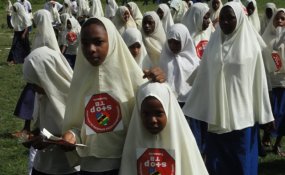
Tanzania: Resuming Studies After Bearing Child Still ‘A Taboo’

África/ 08 de Junio de 2018/Tanzania Dauily New

Síntesis: Ha habido puntos de vista contradictorios acerca de las estudiantes que se quedan embarazadas antes de completar su educación básica. De acuerdo con la política de educación de Zanzíbar de 2006, el Formulario de Cuatro es la educación básica.

Zanzibar — There have been conflicting views about female students who become pregnant before completing their basic education. According to Zanzibar education policy of 2006, Form Four is basic education.

Cases of female students getting pregnant before completing school are reported every year. They end up being mothers after giving birth and a few who are bold enough, continue with education to higher institutions of learning.

The only penalty under the education law, was expulsion from school for such students and a jail sentence after giving birth and so was the same for the responsible boy.

However, it was difficult to find men guilty because of the lack of DNA test to prove paternity. Since the victims were females, it sparked condemnation from gender activists who successfully put pressure on the government to have the law amended and fortunately in 2005 the law was changed to allow female student to continue with education after giving birth.

Twelve years since the law was passed and implementation started a consideration of female students have continued with education after giving birth. No statistics about students who have benefited so far, but it is estimated that only below one hundred girls have completed school after pregnancy.

Despite the fact that activists are happy with the law «the spinsters and single parent children protection Act, 2005,» enables female students to complete school, some members of the society including parents remain deeply divided over the rights for female students to continue with education after pregnancy.

Some of the opposing side says female teens who become careless about themselves and decide to get pregnant should not be allowed back into school, they should be considered ‘bad children’ (except in a case of forced rape).

Another view is that they should be punished for getting involved in such acts of shame.

Underage children who get pregnant while in school, need to realise that their time for child bearing would come later as their body is not prepared yet. Mr Othman Juma is among people who support the idea of allowing pregnant female students to continue with school after giving birth. «Pregnant female students should be allowed to attend class.»

Mr Juma said that it is of the utmost importance to their future and impregnated female students should be encouraged to attend classes because if women who become mothers at a young age are isolated, they are at a higher risk of poverty. Denying any person education is immoral and illegal, but denying a pregnant or parenting student education prevents them from improving their lives and their children’s lives, from empowering themselves and their family’s future, and will likely lead to more subsequent teen pregnancies.

Other observation from people who support the say every child has a right to education without discrimination, and therefore pregnant teens should be looked that same way, they are children who make mistakes and should be able to have an educated future.

Activists in Zanzibar are happy with «the spinsters and single parent children protection Act, 2005», terming as one of the good laws, arguably, because it allows female children impregnated while in school to continue with education after giving birth. «A spinster has been defined as unmarried female person who is of the age of between eighteen and twenty one and who has not been given birth to a child.

A single parent is one who has children born out of wedlock. But the law has clauses that also allow girls with the age before 18 to complete education.

The clause states «… where a girl is found to be pregnant while still at school she may immediately be suspended from school… and may reinstated to the school in the next academic year following her delivery or ay any time deemed most appropriate by the education authority but in any case suspension shall not exceed two academic years.»

But to the disappointment of activists, and students’ the law is not well understood by a considerable number of parents who oppose it arguing that it encourages underage consensual relationship and sex.

It is unclear about the number of impregnated students who have so far benefited since the law was introduced in 2005. Both the ‘Ministry of Education and Vocational Training,’ and activists have not conducted any study, but it is estimated that only below a hundred impregnated female students returned to school and completed their basic education during its twelve years of existence.

Despite the available chance to complete school after giving birth to a baby, many underage females who get pregnant never return to school because of the various reasons,.

These include reluctance by parents to allow their daughter to continue with school, ignorance, stigma and fear of being bullied at school. Ms Tufaa Omar, 16, has been lucky to have a father who after learning that her daughter was pregnant, never sulked.

Her fellow student was beaten up and isolated by her family. «I was afraid when I was raped, and did not tell anybody until I started to notice changes on my body, I informed my mother who became upset, thinking that my father would become furious,» Ms Omar said.

She said the father supported her until she gave birth to child, and managed to apply to complete her education and completed her ‘O’ Level, «I am now waiting to join to continue with higher education.»

Ms Tufaa (not her real name) feels sorry for her colleague who was beaten by her father before the family isolated her, and she never had a chance to complete her education and forced to remain at home without any income generating activity.

Activist Ms Asha Abdi from the Tanzania Media Women Association (TAMWA) said «in our awareness programs we publicized the law, encouraging parents and students who get impregnated to complete school after giving birth.»

To her observation, the law is well known among parents particularly Women, but the problems has been myths, sigma on children who get pregnancy, and misconception among some parents that the law provides room for underage age sex instead of discouraging.

«During our awareness campaign program in villages, some parents said the former law before amendment in 2005, was better because it had a punishment for children in school who get impregnated and male teenagers, who cause the pregnancy,» said Ms Abdi.

She said that some parents argue that the law allowing students to continue with education after pregnancy and delivery, is being serenity to children, and that they deserve punishment including imprisonment.

Between late 1990s and before 2005, activists raised their voices against the education law which at that time considered to be suppressing students, particularly girls because the punishment was to expel from school.

Although some boys were arrested and charged for impregnating, most of them cheat because the required DNA machine for testing is still unavailable, and the specimen for investigations are taken to Dar es Salaam. Normally it is costly, between 200,000/- and 400,000/=, and takes too long for a specimen to be taken to Dar es Salaam.

Most of the victims and their relatives get disappointed and decide to withdraw from the case from police. Despite the challenges in implementation, «the spinsters and single parent children protection Act, 2005» has been beneficial to many underage children, the Registrar of education and coordinator of the ‘go-back-to school for the impregnated students’ programme,’ said Ms Siajabu Suleiman Pandu.

She said last year 19 cases of pregnancy in schools were reported, and 14 out of the cases, ended in getting marriage, while information on other pregnant students is unknown. «It is a fact many cases of pregnancy are unreported, once a student gets pregnancy, most decide to stay at home or get married.»

A teacher at Mwanakwerekwe Secondary School who asked her name not to be disclosed said that at least there are two cases of underage pregnancy annually in the area, and that many girls opt to go for abortion secretly, or parents force them to get married instead of competing school.

Many parents regard the underage pregnancy or pregnancy out of wedlock as a shame to the family, and «normally the young girls do not get good cooperation from family members for sometime.» The question remains, should pregnant female students be allowed to complete their school?

 Fuente: http://allafrica.com/stories/201606080193.html

Comparte este contenido:

Cómo estimular el pensamiento científico y el razonamiento en tus hijos [INFOGRAFÍA]

Fuente: aulamar  / 8 de junio de 2016

Las matemáticas y la ciencia abarcan temas relacionados con la naturaleza además del estudio de los números o la geometría. Sin embargo, el pensamiento científico va más allá y se relaciona también con la capacidad para ser autónomo o la resolución de problemas de la vida cotidiana. Una visión lógica desarrollada ayuda a los niños a encontrar relaciones entre los hechos, las ideas o las causas y los efectos. Te damos algunas claves para que estimules el pensamiento científico de tus hijos y les ayudes a relacionar lo que aprenden en el centro escolar con lo que sucede en su entorno y a comprender mejor el mundo que les rodea.

5 consejos para fomentar el pensamiento científico

Descárgate en PDF la Infografía “5 consejos para fomentar el pensamiento científico”


¿QUÉ APORTA EL PENSAMIENTO CIENTÍFICO?

El pensamiento científico no solo es positivo en el ámbito académico, sino que ofrece múltiples ventajas en la vida diaria y en la formación del niño como persona. Puede que a tu hijo le espere un futuro en el mundo de la biología, la ingeniería o la medicina, o puede que opte por estudios relacionados con las letras. Sea cual sea su elección dentro de unos años, el razonamiento y la lógica le ayudarán a reaccionar ante los problemas, adaptarse a nuevas situaciones, solucionar retos… Entre otras cosas, con el desarrollo del pensamiento científico, el niño:

  • Mejora su capacidad de razonamiento y su habilidad para pasar de nociones básicas a complejas.
  • Aprende a resolver problemas en situaciones reales.
  • Practica la construcción de su propio aprendizaje.
  • Ejercita su capacidad deductiva y aprende a crear estrategias y soluciones propias.
  • Mejora su relación con el entorno físico y su percepción de los espacios, las formas, las partes y el todo…

CINCO CONSEJOS PARA FOMENTAR EL PENSAMIENTO CIENTÍFICO

Con algunas sencillas prácticas del día a día puedes ayudar a tu hijo a desarrollar su pensamiento científico, la lógica y la deducción. Puedes poner en práctica los siguientes consejos para conseguirlo.

  1. 1. Alienta su curiosidad. Invítale a que investigue, intente comprender cómo funcionan los objetos que utiliza cada día y realice pequeñas pruebas de acierto/error. Es importante, sobre todo cuando el niño es pequeño, que le permitas manipular los materiales, los juguetes, las prendas de vestir… A través del tacto y la vista los comparará, establecerá relaciones geométricas entre forma y tamaño y asimilará sus características y funciones. Cuando crezcan, los experimentos caseros pueden ser una herramienta perfecta. Estos canales de video pueden darte ideas.
  2. 2. Si no surge naturalmente, hazle preguntas. Si no es un niño curioso, puedes despertar su interés planteándole cuestiones sobre el mundo que le rodea y animándole a que trate de encontrar una explicación para aquello que no entiende.
  3. 3. Deja que lo intente. Siempre que sus prácticas sean seguras y bajo tu supervisión, dale espacio para que trate de solucionar de manera autónoma, según su propio criterio, los problemas que le surgen respecto al manejo de un objeto o situación. Siempre tendrás tiempo de aconsejarle, pero ten paciencia y permítele que pruebe.
  4. 4. Dirige sutilmente su aprendizaje. Si ves que le cuesta resolver un problema o afrontar una situación, no le des la respuesta. Trata de que la deduzca suministrándole algunas pistas o haciéndole las preguntas correctas para que él mismo encuentre las solución.
  5. 5. Utiliza el juego y la imaginación. Proponle retos o problemas cotidianos para que intente resolverlos, ve un poco más allá y pídele que invente objetos del futuro o inicia un relato y anímale a que lo termine pensando qué podría sucederles a los protagonistas y cómo reaccionarían.

SIETE RECURSOS DIVERTIDOS PARA ESTIMULAR EL RAZONAMIENTO

Si las TIC le motivan, puedes utilizar juegos online o para móvil y tableta que fomenten el espíritu científico, la resolución de problemas y la lógica:

– Selección de aventuras gráficas online, perfectas para ejercitar la deducción.
– Unblock Me. Mueve bloques de madera para sacar el de color rojo.App disponible para iOS y Android, con versiones gratuitas y de pago.
– Crazy Machines. Ayuda al profesor más loco a crear divertidas máquinas con sus inventos y objetos cotidianos. Disponible para iOS y Android, con versión Litegratuita.
– Cut the Rope. Consigue que Nom se coma su caramelo cortando la cuerda en el momento y del modo adecuado. App para iOS y Android.
– ¿Dónde está mi agua?. Ayuda al caimán Swampy a ducharse retirando tierra y evitando obstáculos para hacerle llegar el agua y recoger sus patitos de goma por el camino. Esta app de Disney para iOS y Android tiene una versión gratis con algunos niveles y otra completa de pago. Aquí puedes probarlo online.
– Bad Piggies. Tras el popular Angry Birds, esta entrega te invita a construir máquinas y artilugios para sus enemigos, los cerditos verdes. Descargable para Android (gratuito), iOS (de pago) y ordenador (de pago).
– Acertijos. Web con enigmas, juegos y pasatiempos online para ejercitar el razonamiento, la lógica y también la memoria, el cálculo o la observación.


Enlace original: https://aulamar.wordpress.com/2015/11/11/como-estimular-el-pensamiento-cientifico-y-el-razonamiento-en-tus-hijos-infografia/

Comparte este contenido:

La contaminación de los océanos por los combustibles fósiles equivale a cuatro vertidos como el de BP al mes

Fuente: elmundo.es  / 8 de junio de 2016

La quema de combustibles fósiles, principalmente petróleo y carbón, tiene un impacto generalizado en los océanos del planeta. La polución que genera cada mes sería equivalente a la que producirían cuatro vertidos de petróleo como el que en 2010 causó el grave accidente petrolero de la plataforma Deepwater Horizon de BP en el Golfo de México (EEUU).

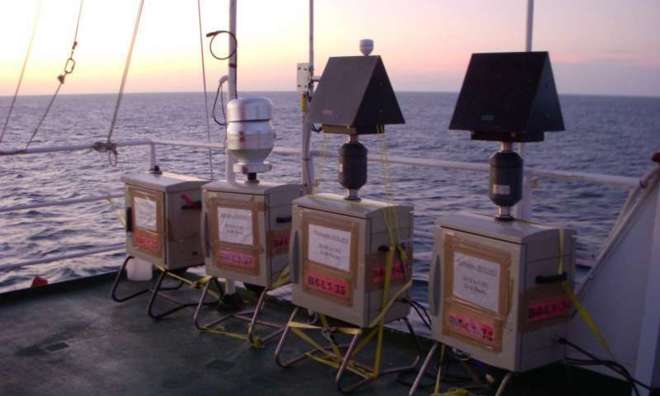
Así lo asegura un equipo de investigadores que durante la expedición oceanográfica española Malaspina , del CSIC, cuantificó la cantidad de sustancias contaminantes que llegan al Atlántico, al Índico y al Pacífico procedentes de la atmósfera.

Los resultados del análisis de las muestras de aire (gases y aerosoles), del agua de lluvia y de las aguas superficiales del océano que recogieron cuando viajaban a bordo del buque Hespérides, entre diciembre de 2010 y julio de 2011, se publican esta semana en la revista Nature Geoscience. Los análisis se realizaron en laboratorios de Madrid y en Barcelona.

Según detalla por teléfono Jordi Dachs, coautor del estudio e investigador delInstituto de Diagnóstico Ambiental y Estudios del Agua (CSIC), en Barcelona, su equipo midió un grupo de sustancias denominadas hidrocarburos aromáticos policíclicos: «Se producen sobre todo durante la quema de petróleo y carbón. Cuando la combustión es incompleta, es decir, que no se queman bien, se generan estos hidrocarburos».

Cada mes, aseguran, llegan a los océanos procedentes de la atmósfera unas 90.000 toneladas de hidrocarburos aromáticos policíclicos, es decir, cuatro veces más que las que generó el vertido en el Golfo de México, considerado el mayor de la Historia.

La expedición Malaspina no llegó a Asia, por lo que en esta cifra no estaría incluida la polución generada por la quema de combustibles fósiles en países como China o India.

Un problema generalizado

No obstante, según Jordi Dachs, más relevante que la cantidad de sustancias contaminantes producidas por la combustión incompleta de carbón o petróleo es que éstas parecen estar presentes en todas partes: «Es un problema generalizado», sostiene.

Debido a su cercanía, en las proximidades de los continentes había mayor concentración que en mar abierto. Y también había más hidrocarburos en los 100 metros superficiales que en el fondo. Aunque en este estudio no han tomado muestras de aguas profundas, saben por otras investigaciones que los más persistentes llegan a los 4.000-10.000 metros de profundidad.

A pesar de que no estudiaron específicamente las concentraciones de estos hidrocarburos en aguas próximas a España, los niveles detectados, señala el científico, eran similares a los encontrados en otras zonas.

Por lo que respecta al efecto que tienen en la vida marina, Dachs recuerda que «todavía existen pocos estudios. Los hidrocarburos más persistentes van al fondo del océano, hay otros que se degradan y otros que tienen efectos tóxicos», explica. De hecho, algunos de ellos, como el benzopireno, son cancerígenos.

Sin embargo, el investigador no cree que estos contaminantes supongan un riesgo para las personas si consumen pescado expuesto a estas sustancias: «Los peces pueden incorporarlos a su organismo y metabolizarlos, es decir, transformarlos en otras sustancias que pueden eliminar. Pero en esa transformación sí pueden sufrir efectos tóxicos».

La única forma de reducir las emisiones, señala el investigador, es disminuir la quema de combustibles fósiles, a los que los científicos atribuyan un papel clave en el aumento de temperaturas, y mejorar la eficiencia de los procesos de combustión. Sin embargo, Dachs lamenta que la tendencia a nivel global sea la contraria: «A nivel planetario, estamos aumentando el consumo de combustibles fósiles».


Enlace original: http://www.elmundo.es/ciencia/2016/05/16/5739e3d146163f13788b4647.html


Comparte este contenido:

Experts sound alarm over mental health toll borne by migrants and refugees

Fuente: .theguardian / 8 de junio de 2016

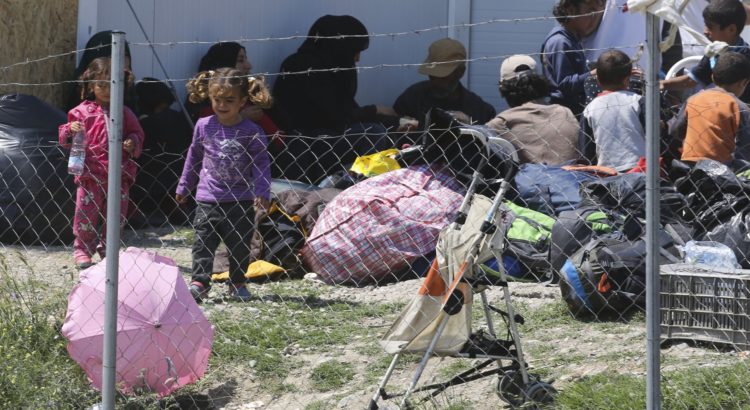
The grief of losing a child made more unbearable by the knowledge that you decided to take them in a boat that capsized; nightmares about torture;depression induced by the awfulness of living in a camp, unable to go forward or back.

As concern mounts about the conditions faced by refugees and migrants in camps across Europe, and more people die trying to reach the continent, the mental health of those who have risked everything in the hope of starting a new life inEurope is gaining more attention.

A report last year by the German Federal Chamber of Psychotherapists said 40%-50% of people arriving in Germany suffered from post-traumatic stress disorder (PTSD), with half also suffering from depression.

“They have nightmares or flashbacks to pictures or scenes. These memories feel very intense, and it is just like they are reliving the traumatising experience,” the report said. Other symptoms include jumpiness, sleep disorders, problems with concentration, and emotional numbness.

“It is shameful that people suffering with such psychological injuries do not get the help they need,” the report said.

Post-traumatic stress is just the tip of the iceberg. “PTSD is very important, but it is also the disorder that everyone jumps to, including the media. We see much more depression and anxiety disorders, and also, surprisingly, a lot of epilepsy and psychotic disorders, including schizophrenia,” said Dr Inka Weissbecker, global mental health and psychosocial adviser at the International Medical Corpsin Washington.

“There are huge amounts of anxiety – we see children bursting into tears when helicopters or airplanes fly over the camps, and we can’t understand why, until we realise what they’re associating it with,” said Harriet Zych, a nurse who worked in Idomeni – site of Europe’s largest informal refugee camp, on Greece’s northern border with Macedonia – before Greek police moved people to other locations in May.

“We came across many people in a state of collapse, whose problems turn out to be psychological rather than physical,” she said. “One man hit himself with a rock on his head until he became unconscious when he found out he couldn’t cross the border.”

Nikos Gionakis, a psychologist with the Athens-based mental health unit Babel, tells the story of Hassan, 34, who fled Syria with his four children. “Passing from Turkey to Greece, he was forced to get into a boat by smugglers. Two of his kids drowned as the boat sank. He was referred to Babel because of depression. He blames himself for not having been able to protect his kids,” Gionakis said.

The UN refugee agency, the UNHCR, says mental health disorders can hinder integration into host populations, creating long-term problems for European countries that are accepting refugees fleeing from conflicts in Syria and elsewhere.

In a paper to the European commission last year, the European Psychiatric Association said: “Acute and long-term psychiatric care needs to be provided to all asylum seekers in order to avoid reaching chronic conditions of mental disorders.”

Aid workers in Greece say diagnosis, never mind treatment, is almost impossible in the chaos of the camps and detention centres in southern Europe.

“You cannot say how many people are suffering from PTSD because diagnosis takes too long, and with such a stream of people, it is impossible. I am a trained psychologist with 40 years’ experience; it would take me two and a half hours to diagnose someone with PTSD,” said Renos Papadopoulos, director of the Centre for Trauma, Asylum, and Refugees at Essex University, who recently returned from Greece. “There is no evidence [on the prevalence of PTSD] because there cannot be evidence. The situation is complete chaos.”

“We don’t do diagnosis,” said Zoi Marmouri, a psychologist working for Médecins Sans Frontières in Idomeni. Even if diagnosis were possible, World HealthOrganisation (WHO) guidelines stipulate that clinical treatment is not appropriate for refugees on the move.

“Therapies should not be started without assurances that there can be follow-up. You have the potential to retraumatise people,” said Claire Whitney, Middle Eastmental health and psychosocial support adviser at the International Medical Corps.

The most effective treatments for PTSD include cognitive behaviour therapy with a trauma focus, eye movement desensitisation and reprocessing therapy, as well as narrative exposure therapy. But these take time as they involve slowly exposing people to their trauma, while building up their capacity to deal with it. “It cannot be rushed,” said Whitney. “When people actually have PTSD, it is one of the most complex problems to treat.”

The WHO says refugees and migrants needing diagnosis should be referred to existing non-governmental or state services. But even for those who make it into host communities, cost, stigma and language problems can lock them out of treatment.

“We have serious lacks in the services we can provide. If they need hospitalisation, there aren’t any specialised units for this,” said Gionakis.

International funds have been pledged for psychosocial support, although neither Britain’s Department for International Development nor the EU were able to provide a full breakdown.

Some experts warn there is a risk of overdiagnosing PTSD. “They are distressed, yes, but is this PTSD? Often it will not be. These are instead normal reactions to an abnormal situation,” said Papadopoulos.

The UNHCR and other agencies say much of the emotional suffering experienced by refugees and migrants is directly related to present-day stresses and concern about the future.

“People live in very difficult and inhumane conditions here in camps that are too crowded. Basic needs are not met,” says Gionakis.

The UNHCR advocates “psychological first aid”, which encourages those interacting with refugees to respond in a culturally sensitive and humane way that avoids distressing people further.

“The humanitarian principle of ‘do no harm’ is a huge part of it,” said Whitney. “What everyone was advising, for the most part, was really to focus on the most basic kinds of support, which do contribute to mental health. Often, basic needs must be provided before people are ready – and willing – to engage with therapy.”


Enlace original: http://www.theguardian.com/global-development/2016/jun/08/experts-sound-alarm-mental-health-toll-migrants-refugees-depression-anxiety-psychosis?CMP=twt_a-global-development_b-gdndevelopment

Comparte este contenido:

Cash Transfer Programs Succeed for Zambia’s Poor, Offer Lessons for Battling African Poverty, AIR Finds

Fuente AIR / 8 de junio de 2016

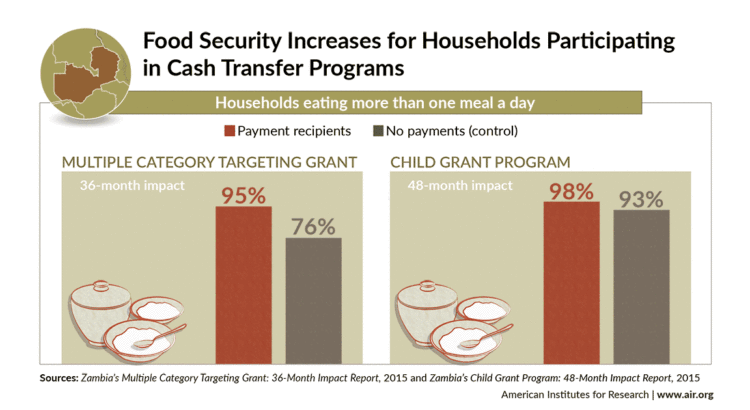
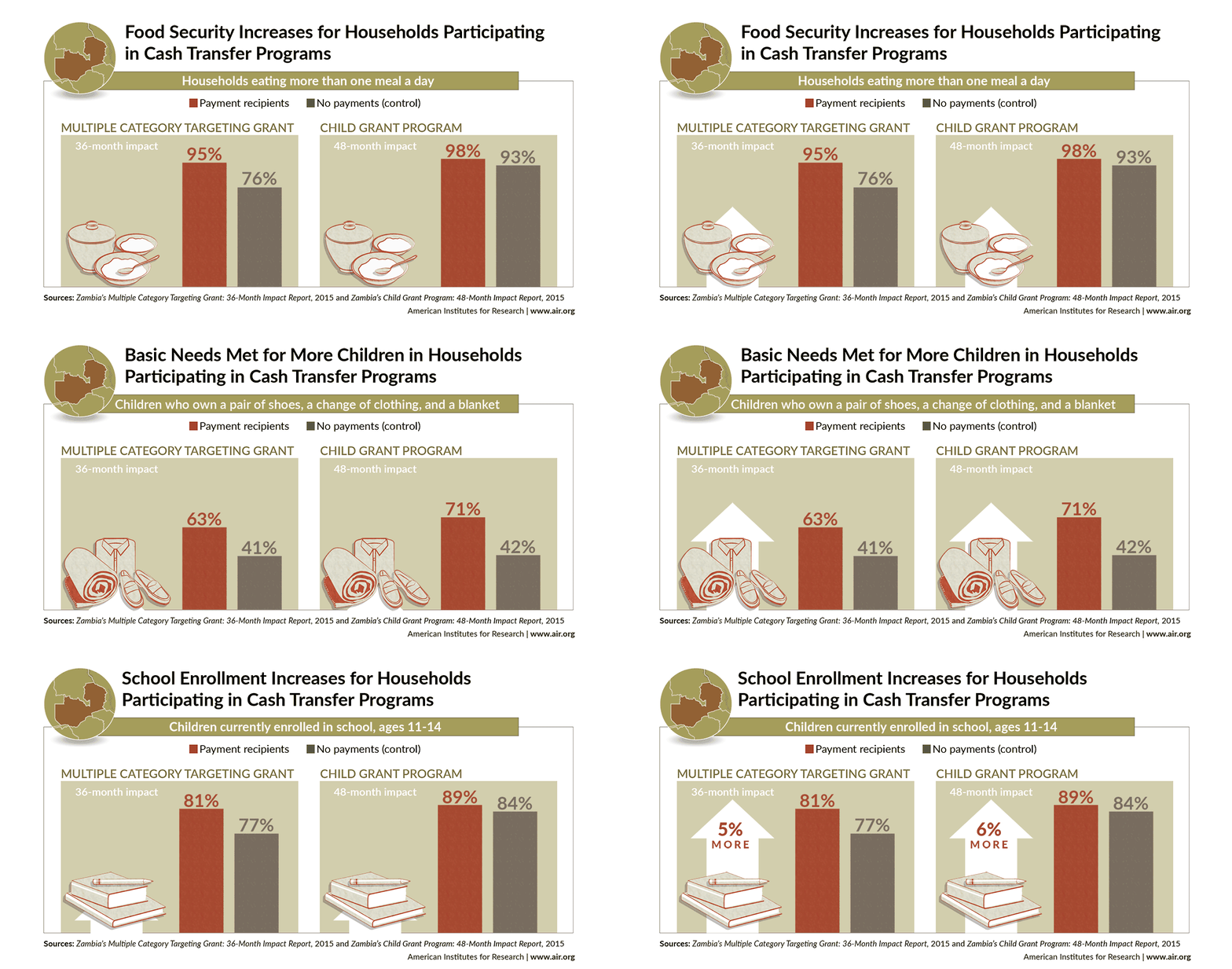
Programs designed to alleviate hunger and increase food supply through cash transfers to some of Zambia’s poorest families achieved those goals and more, final evaluations conducted by the American Institutes for Research (AIR) revealed.

Overall, researchers found that a cash-transfer program geared toward families with at least one young child had effects that amounted to a net benefit of 1.5 kwacha—Zambia’s currency—for each kwacha transferred. A second program for households with fewer able-bodied people to farm had effects that amounted to a net benefit of 1.68 kwacha for each kwacha transferred.

Besides eating more meals and building more reliable food reserves, families used the money to improve their housing, buy additional necessities for their children, acquire more livestock and reduce debt.

The studies, commissioned by UNICEF, are likely to be closely watched as African nations increasingly embrace cash transfers to combat the continent’s cycle of poverty. South Africa’s program is the largest, with roughly 16.1 million people—about a third of its population—receiving some kind of social grant.

Notably, the two Zambian programs were unconditional—providing small, consistent sums of money with no strings attached on how they were spent. The programs bucked general criticisms that cash transfers spark dependency. Rather, the discretionary approach empowered families, who used the grants to improve their living standards in ways that made sense given their individual circumstances. At no point during the multiyear grants did alcohol consumption increase. Nor was there any impact on fertility, according to the evaluations.

“The unconditional approach worked,” said Stanfield Michelo, director of social welfare at Zambia’s Ministry of Community Development and Social Welfare. “And because it did, the region is making positive strides. Without a doubt, the changes would not have been possible without AIR’s rigorous evaluations.”

Animated infographic: Zambia cash transfer results

The evaluation of the Child Grant cash-transfer program (CGP) lasted four years, and the evaluation of the Multiple Category Targeting Grant (MCTG) lasted three years. Begun in 2010 in three of Zambia’s poorest districts, the CGP was open to all households with at least one child under age 4. Half were randomly assigned to receive cash transfers of 60 kwacha ($12) a month, and half to a control group that did not receive funds. The MCTG was aimed at poor households with fewer able-bodied people to farm, due largely to a “missing generation” of parents in their 30s and 40s and disproportionally high numbers of adolescents and orphans cared for by widows and grandparents. As with the CGP, half the MCTG participants received the equivalent of $12 a month and half were in a control group that didn’t.

The studies were notable not only for their duration, but also for their use of randomization and control groups to tease out the program’s true effects.

“Few evaluations of cash transfer programs can make such strong causal claims with as much certainty as these two evaluations,” said David Seidenfeld, AIR’s senior director of international research and evaluation and lead study author. “The design of the study, which extended over several years, allowed us to see that the beneficiaries do not grow complacent over time, but instead find ways to grow the value of the transfer beyond benefits related to food security and consumption.”

Although the studies revealed persistent successes, they also offered future researchers and policymakers an idea of cash transfers’ limitations. The studies did not show consistent successes in education or child nutrition, possibly due to large-scale infrastructure issues—namely, the supply of social services, access to clean water, and a lack of health care and education facilities.

Among the studies’ principal lessons, researchers found that the degree of positive impact depended largely on the participants’ characteristics. For example, the multiple-category grants had large impacts on schooling because participating households had more school-age children. Overall, school enrollment jumps of 8 percent for children ages 11–14 and 11 percent for children 15–17 were attributed to the program, and these age groups are at the greatest risk of dropping out in Zambia, according to the report. By contrast, four years into the program, the child grants had no enrollment or attendance impacts for children in three groups: ages 4–7, 8–10 and 15–17.

“Another lesson is that the unconditional nature of the grants gave participants the flexibility to use the money to combat principal life challenges,” said UNICEF Zambia Representative Hamid El-Bashir Ibrahim. “For example, the CGP significantly affected many indicators commonly associated with resiliency—the ability to manage and withstand shocks. Households with transfers significantly improved housing quality and tools, livestock procurement, and opportunities to diversify income-generating activities so they could better withstand emergencies.”

“The overall results demonstrate unequivocally that common perceptions about cash transfers—that they are handouts and cause dependency, or lead to alcohol and tobacco consumption, or increases in pregnancy—are not true in Zambia,” Seidenfeld said. “Quite the contrary. Due to the unconditional nature of the grants, households had the flexibility needed to meet their most pressing challenges head on.”

The final reports on the Child Grant cash transfer program and the Multiple Category Transfer Grant program can be found on AIR’s website. The site also features a video of David Seidenfeld discussing lessons learned from the multiyear studies.

About AIR
Established in 1946, with headquarters in Washington, D.C., the American Institutes for Research (AIR) is a nonpartisan, not-for-profit organization that conducts behavioral and social science research and delivers technical assistance both domestically and internationally in the areas of health, education and workforce productivity. For more information, visit www.air.org.

###

Comparte este contenido:

Pensar desde los comunes: entrevista a David Bollier

Ni Estado o mercado, ni público o privado: entrevista a David Bollier sobre la alternativa de los comunes.

Por 01/03/2016 – 

El aire, la biodiversidad, el genoma, el lenguaje, las calles, Internet… Los comunes no nos rodean: nos atraviesan y constituyen, nos hacen y deshacen. De todos y de nadie, sostienen el mundo, son el mundo. En el cuidado y enriquecimiento de los comunes nos jugamos la vida misma. Es un asunto demasiado importante como para dejarlo en manos del Estado o del mercado. Nuestro desafío es hacernos cargo en común de un mundo común.

David Bollier es activista y una voz destacada dentro del movimiento de los comunes. Junto a Silke Helfricht, también activista de los comunes, han coordinado la antología Patterns of Commoning donde hacen hincapié en que los comunes no pueden definirse en términos de objetos, recursos ¡ni siquiera de bienes!, sino como estructuras, modelos y procesos sociales.

El libro recopila más de 50 ensayos provenientes de 20 países firmados por activistas, académicos y líderes de proyectos relacionados con los comunes. Los temas incluyen monedas alternativas, maquinaria agrícola de código abierto, bosques comunitarios, comunes de co-aprendizaje, comunes de teatro, proyectos de mapeado, el procomún urbano, los comunes digitales y mucho más. La revista Shareable entrevistó a Bollier sobre el libro y el futuro de los comunes, es la entrevista que puedes leer a continuación.

En el libro, Silke y tú hacéis hincapié en lo que describís como esa conciencia de pensar, aprender y actuar desde los comunes, algo vital para el movimiento del mismo nombre. ¿Qué supone esto para ti?

Supone la deconstrucción de algunas dicotomías que damos por sentadas, como las dicotomías entre lo público y lo privado, lo colectivo y lo individual, lo racional y lo irracional, ya que en la esfera de los comunes estas polaridades se confunden.

Tenemos que hablar del procomún como un todo orgánico, no como una máquina que podemos desensamblar o diseccionar. Es un organismo viviente y eso es, precisamente, lo que tenemos que estudiar: su vivacidad.

La ciencia moderna convencional se niega a explorar la vivacidad. Sin embargo, hace gala de muchas categorías reduccionistas incapaces de llegar a la esencia de -ya no sólo lo que es ser un ser humano- sino un ser humano vivo en un planetavivo. Creo que el procomún quiere entablar un diálogo con esas preocupaciones. Por tanto, no es de sorprender que no tenga cabida dentro de las categorías intelectuales convencionales utilizadas por los investigadores, por poner un ejemplo concreto.

Una de las cosas que más me llamaron la atención del libro es que los políticos y expertos no pueden diseñar o construir comunes desde arriba y esperar que prosperen. ¿Cuál es la distinción entre un procomún orgánico y uno fabricado?

Cuando los comunes están patrocinados por las instituciones, no pueden disfrutar de ese mismo espíritu de dedicación, propiedad y creación mutua que surge desde abajo. En tal sentido, siempre serán objetos dentro de una obra ajena con directores externos, en vez de ser la expresión de un brote creativo surgido de las propias personas para satisfacer sus intereses, necesidades y vida interior

Las instituciones son marcadamente incapaces de evidenciar o expresar las necesidades interiores de las personas y sus anhelos, pero creo que los comunes pueden hacerlo y lo hacen. Ahí está la esencia de esa vivacidad a la que me refería. Los comunes contienen una energía y un entusiasmo propios capaces de perpetuarse a sí mismos. A veces incluso vemos destellos de auténtica belleza y eso es muy especial. Todo esto se entiende en el contexto de que el procomún es un fenómeno social, histórico y cultural único y propio del momento en el que surge para expresar las necesidades reales de las personas.

Esto dista mucho del análisis de asignación de recursos que algunos utilizan para intentar comprender los comunes. Lo cual no quiere decir que algunos de esos análisis de recursos no tengan su razón de ser, pero solo constituyen una parte del todo.

El libro explora una noción muy interesante: hay muy pocos aspectos de la vida o de la producción que no podrían reestructurarse desde los comunes. En estos dos últimos libros, has presentado una sorprendente variedad de proyectos relacionados con lo comunal. Describe tu visión de una economía o un mundo basado en los comunes.

En cierto modo, eso es como preguntar qué aspecto tendrá un niño de tres años llegado a los cincuenta o a los ochenta.

Hay muchísimas experiencias vitales que, a decir verdad, son contingentes, impredecibles. Hay todo un proceso de desarrollo que creo que tiene que desplegarse y emerger antes de que podamos hacer predicciones.

Dicho eso, no creo que se trate de algo que precise de una autoridad central para diseñarlo, apropiárselo y después construirlo. Creo que se trata de un proceso de desarrollo más bien biológico, o incluso evolutivo, que se verá animado por muchos principios y dinámicas a pequeña escala.

Esa es la gran evolución y el drama que planteamos. Hay quien dice que tenemos que aumentar la escala de los comunes, pero ya se ha señalado que la palabra “escala” es un término jerárquico. Creo que más bien se trata de reproducir y federar. Eso conlleva una estructura muy distinta, dado que conservaría la integridad y el compromiso del contexto local sin dejar de lado una solidaridad y apoyo más amplios.

Es algo que ya vemos en Internet, donde hay un sinfín de tribus digitales distintas. No hay autoridad central, aunque a veces se necesitan ciertas infraestructuras para avanzar hasta el nivel siguiente.

Lo que lo mantendrá unido, en gran parte, será cierto tipo de ética y cultura emergentes que se están empezando a hallar la una a la otra. Si vas a cualquier encuentro de especialistas, activistas y comuneros, normalmente verás mucha alegría, acompañada del placer de encontrarse y aprender unos de otros… Aunque tengan trasfondos distintos, todos comparten gran cantidad de principios éticos e inquietudes culturales.

Este acercamiento al procomún basado en los patrones o modelos da por sentado que los comunes son sistemas complejos y vivos y pone de relieve sus cualidades emergentes y su crecimiento. También celebra el hecho de que estos patrones constituyen nuestra herencia cultural. ¿Qué beneficios surgen al estudiar los comunes bajo este cariz?

Te permite captar la realidad de esa complejidad humana que caracteriza a lo comunal, sin comprimirlo en categorías reduccionistas ni en modelos que no reflejan las fuerzas que los suscitan. No quiero plantearlo en términos absolutos. Y no cabe duda de que necesitamos muchísimos estudios académicos centrados en el procomún pero, al mismo tiempo, hay otra realidad muy fértil más allá de lo que logran los modelos teóricos.

Existe un punto óptimo entre la anécdota base y los modelos excesivamente abstractos. El modelado basado en patrones es una manera de recopilar algunas de estas formas recurrentes, pero se trata de un proceso desde abajo, en vez de una imposición intelectual sobre la realidad.

El libro está concebido como un primer esbozo de estos “patrones de hacer procomún” a medida que fomentamos el desarrollo de un nutrido lenguaje de patrones derivado de los comunes y sus acciones asociadas. ¿Por qué es esto importante, y cómo sería ese lenguaje de patrones aplicado al procomún?

En su capítulo, Silke intenta describirlo mediante una aproximación: identificar ciertas temáticas notorias recurrentes surgidas a raíz de la experiencia vivida. Algunos ejemplos de estas temáticas serían: ¿cómo se protege el procomún? ¿Cómo creamos los sistemas legales o sociales para protegerlo?

Otro patrón podría ser: ¿cómo volvernos conscientes del propio procomún? ¿Cómo visibilizar mejor las dimensiones invisibles de los comunes? Silke ha intentado identificar algunos de estos patrones temáticos; son como hilos dorados que atraviesan gran parte de los relatos del libro, que aparecen en repetidas ocasiones.

Tenemos que empezar a educarnos para reconocer algunos de estos patrones y comenzar a entender la función interna de los comunes con una sensibilidad más sofisticada y mediante métodos más realistas. Todo ello sin caer en la rivalidad, la exclusividad y otros componentes propios del marco económico que rige el análisis.

Este es el segundo volumen de una trilogía en curso. ¿De qué tratará el tercero?

El siguiente libro, que apenas hemos comenzado, se pregunta qué significa todo esto a nivel macrodimensional, en términos políticos, económicos y de Estado.

En este libro nos hemos centrado en la dimensión interna de los gerundios del procomún y en la realidad vivida a pequeña escala. En el próximo queremos fijarnos en algunas de las macroimplicaciones y contemplar cuestiones como: ¿qué cambios necesita la ley para acomodar a los comunes? ¿Cómo habría que cambiar el rol del Estado para fomentar una sociedad centrada en el procomún? ¿Qué supone esto en términos de relaciones internacionales? De eso trata el tercer volumen.

Si te ha interesado esta entrevista, te interesará también saber que una red de publicaciones en castellano con licencias abiertas (Tinta Limón de Argentina, Sursiendo de México, La Libre de Perú, Guerrilla Translation y Traficantes de Sueños de España) acaban de traducir Pensar desde los comunes  de David Bollier, un texto básico para entender el alcance y la importancia de los comunes. Hay en marcha una campaña de crowdfounding para colaborar en su publicación.  Más información sobre el libro y la campaña.

Fuente: http://www.eldiario.es/interferencias/Pensar-comunes-entrevista-David-Bollier_6_489661061.html

Comparte este contenido:

End child labour in supply chains – It’s everyone’s business!

Fuente:  OIT / 8 de junio de 2016

This year, the focus for World Day Against Child Labour – marked on 12 June – is on child labour and supply chains. With 168 million children still in child labour, all supply chains, from agriculture to manufacturing, services to construction, run the risk that child labour may be present.

Child labour has no place in well-functioning and well regulated markets, or in any supply chain. The message that we must act now to stop child labour once and for all has been affirmed by the Sustainable Development Goals. Acting together, it is within our means to make the future of work a future without child labour.»

Guy Ryder, ILO Director-General

This year, the focus for World Day Against Child Labour  – marked on 12 June – is on child labour and supply chains. With 168 million children still in child labour, all supply chains, from agriculture to manufacturing, services to construction, run the risk that child labour may be present.

“Child labour has no place in well-functioning and well regulated markets, or in any supply chain. The message that we must act now to stop child labour once and for all has been affirmed by the Sustainable Development Goals. Acting together, it is within our means to make the future of work a future without child labour,” said ILO Director-General Guy Ryder.

To support businesses in their actions to remove child labour from their supply chains, the ILO and the International Organisation of Employers (IOE) have jointly created the Child Labour Guidance Tool , a resource for companies to increase their knowledge and ability to conduct business in line with international labour standards on child labour.

The tool draws on the long experience of the ILO’s International Programme on the Elimination of Child Labour (ILO-IPEC) in collaborating with employers to combat child labour in supply chains and incorporates contributions from the a wide variety of companies including Coca-Cola Company, AngloGold Ashanti, Vale, Japan Tobacco and Sterling Manufacturing.

In addition, the ILO provides peer-to-peer best practice and knowledge sharing through the Child Labour Platform , which aims to identify the obstacles to the implementation of the ILO Conventions on child labour in supply chains, develop practical ways of overcoming these obstacles, and catalyse collective action.

Examples of good practise case studies of addressing child labour in supply chains are available here .

“With globalization, supply chains have become increasingly complex, involving workers, small producers, and enterprises around the world. Ending child labour in this context is everyone’s.business,” said Beate Andrees, Chief of the ILO’s Fundamental Principles and Rights at Work Branch.

World Day Events

The ILO is organizing a series of events on the occasion both in Geneva and throughout the world.

Geneva

A high-level event to mark the World Day will be held on 8 June 2016 in the Human Rights Council room of the Palais des Nations from 13:30 to 15:00. This event will take place during the 105th Session of the International Labour Conference .

The panel discussion will start at 2:00 p.m. and the panellists include:

  • Guy Ryder: Director-General, International Labour Organization
  • MaryAnn Mihychuk: Minister of Employment, Workforce Development and Labour, Canada
  • Jacqueline Mugo: Executive Director, Federation of Kenya Employers and Secretary General of Business Africa
  • Philip J. Jennings: General-Secretary, UNI Global Union.
  • Katharine Stewart: Director, Ethical Trade and Sustainability Division, Primark
  • Andrews Tagoe: Head of Program, Rural Workers, General Agricultural Workers Union of Ghana and Anglophone African Coordinator for the Global March Against Child Labour,
  • Vicky Bowman: Director, Myanmar Centre for Responsible Business

The panel discussion will be moderated by Nomia Iqbal from the BBC.

The Minister of Labour, Employment and Social Security of Argentina, Jorge Triaca, will make an announcement about the next Global Conference on Child Labour.

The panel discussion will be preceded by a musical performance by the “Choeur pour l’abolition du travail des enfants”, a group of artists and media professionals that joined together in 2013 to sensitize the public on the worst forms of child labour. The Group led by:

Guy Valery Constant NEZA, includes: Akissi Delphine LOUKOU (aka Akissi Delta), Ami Sarah BAMBA, Valley Ahou Manuella ETTE (aka Nuella), Odia Sidimé, Général Sead, Alain Amani GOLY (aka. Spyrow), Diarra Adama Dujiminika Koné (aka Jimmy James), Arthur Oswald Koya (aka Thura), Prisca Melaine Koffi (aka Prisk), and Dali Eva Christelle Kouko.

Their song “Mon enfant” is available on YouTube .

UN Geneva correspondents as well as ILC-accredited journalists are welcome to attend the event.

Globally

Over 30 events will be taking place around the world in support of the 2016 World Day Against Child Labour, including In New York hosted by UNICEF and in Rome hosted by FAO.

Musical concerts will also be performed around the world as part of the Music Against Child Labour Initiative  (MACLI).

Media

Interviews by print, web or broadcast media can be scheduled in advance via the ILO Department of Communication: newsroom@ilo.org , +4122/799-7912.

Social media

Please support an end to child labour with the hashtag #childlabour

ILO’s Facebook: https://www.facebook.com/ILO.ORG/  
ILO’s Twitter: https://twitter.com/ilo  

Comparte este contenido:
Page 533 of 622
1 531 532 533 534 535 622