Page 547 of 622
1 545 546 547 548 549 622

IIPE: Curso la evaluación de la calidad educativa

Fuente: IIPE UNESCO/ 25 de Mayo de 2016

En las últimas décadas se han producido importantes desarrollos en los modelos y estrategias de evaluación educativa. Estos desarrollos se vieron impulsados por la relevancia y alcance que tuvieron los operativos de evaluación de la calidad, realizados a escala nacional e internacional, basados en pruebas estandarizadas con foco en los resultados del aprendizaje. Asimismo se han visto reflejados en la creación de organismos nacionales responsables de la aplicación de los operativos, en el desarrollo de diversos sistemas de indicadores y en la creciente participación de los países en estudios que permitieron comparaciones internacionales.

En la actualidad sin embargo, los debates generados en torno a la importancia de contar con estrategias evaluativas que contribuyan a la mejora de la calidad de la enseñanza permiten apreciar la existencia de una serie de consensos acerca de las limitaciones de estas experiencias. Entre estas pueden mencionarse la utilización de un concepto de calidad educativa acotado a los resultados medidos por las pruebas estandarizadas en determinadas áreas curriculares, un abordaje evaluativo fundamentalmente de tipo cuantitativo y externo así como una baja utilización de la información para diseñar planes de mejoras en las escuelas, o para comunicar a los padres los logros y los problemas que afectan a la educación de sus hijos.

Este conjunto de problemáticas sigue planteando desafíos al desarrollo de los sistemas nacionales de evaluación de la calidad educativa para un mejor aprovechamiento de sus resultados e induce a la formulación de una serie de preguntas: ¿Qué se entiende por calidad educativa? ¿Cómo abordar su evaluación desde una perspectiva integral? ¿Quiénes usarán sus resultados y con qué propósitos? ¿Cuál es la relación entre evaluación y la toma de decisiones? ¿Cómo encarar un mejor aprovechamiento de sus resultados?

Este curso se orienta a profesionales y técnicos, investigadores y funcionarios de áreas de planificación, evaluación y monitoreo de organismos públicos y no gubernamentales que trabajan en el campo de la educación. Se propone abordar y debatir tanto las cuestiones conceptuales como metodológicas que atraviesa actualmente la problemática de la evaluación de la calidad educativa y reflexionar en particular acerca de las formas de lograr mejorar el uso de sus resultados.

Objetivos:

♦ Analizar las cuestiones que se debaten actualmente en torno a la evaluación de la calidad educativa en América Latina
♦ Debatir acerca de las diversas formas de evaluar la calidad educativa desde una perspectiva ampliada
♦ Reflexionar acerca de los principales desafíos que se plantean para una mejor utilización de los resultados de las evaluaciones

Contenidos:

  • El concepto de calidad educativa: Sus principales atributos. La concepción de evaluación desde una perspectiva integral.
  • Las tendencias actuales en América Latina de la evaluación de la calidad educativa. Potencialidades y desafíos. Los sistemas nacionales de evaluación de la calidad educativa: la cuestión de la autonomía.
  • Las múltiples caras de la evaluación de la calidad educativa: un abordaje preliminar a la evaluación del desempeño docente, de los centros educativos y de políticas y programas.
  • El sentido de la evaluación: Uso y difusión. Los resultados de las evaluaciones y su papel en las políticas educativas.

Metodología del curso y duración:

El curso se desarrolla bajo la modalidad virtual en el campus del IIPE UNESCO Buenos Aires. Las actividades son de carácter individual y grupal pudiendo ser las siguientes: discusión en foro, ejercicios prácticos, estudio de casos, análisis de bibliografía, participación en redes de colaboración, producciones escritas de reflexión y opinión personal, entre otras. Es requisito de aprobación la participación activa y el ingreso asiduo al campus.

La propuesta formativa tiene 1 mes de duración.

Profesores:

Violeta Ruiz y Josette Brawerman
Especialistas invitados: Margarita Poggi / Pedro Ravella
Tutores: Luciana Cepeda

Agenda

Inicio: 9 de junio de 2016.
Duración: un mes
 

Comparte este contenido:

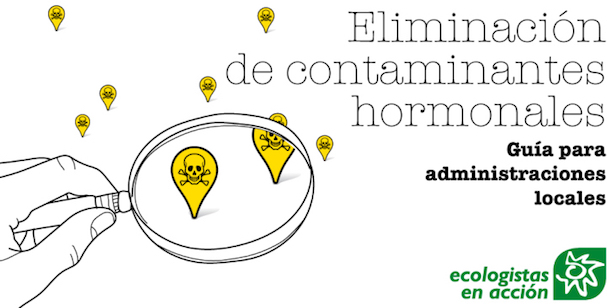
Ecologistas en Acción publica hoy «Eliminación de contaminantes hormonales. Guía para las administraciones locales»

España | Tercera Información | 23-05-2016

Ecologistas en Acción, dentro de su campaña ’Libres de contaminantes hormonales’, hace pública hoy una completa guía que puede ser utilizada por cualquier administración local o regional que quiera reducir la exposición de su población a los contaminantes hormonales.

Los contaminantes hormonales, también conocidos como disruptores endocrinos (EDC, Endocrine Disrupting Chemicals en inglés), son sustancias químicas sintéticas capaces de alterar el funcionamiento normal del sistema hormonal de humanos y animales.

La exposición de la población a estos tóxicos se relaciona con el incremento enfermedades y graves daños a la salud como infertilidad, malformaciones congénitas, cáncer de mama, próstata, testículos o tiroides, diabetes, obesidad, daños en el sistema inmune y alteraciones en el desarrollo neurológico, como autismo y síndrome de hiperactividad.

Los contaminantes hormonales son ubicuos. Se encuentran a nuestro alrededor en los alimentos con residuos de ciertos pesticidas, en los materiales de construcción, en el material clínico y en productos de consumo habitual como plásticos y latas en contacto con alimentos, productos de limpieza, material informático, ropa o cosméticos, por citar solo algunos.

Las administraciones públicas tienen la gran oportunidad de reducir la exposición de su población a los contaminantes hormonales a través de sus compras públicas, de las condiciones técnicas que establezcan en sus contratos, de la información de su población y de la formación de sus profesionales.

Esta nueva guía es una herramienta de extremada utilidad para las administraciones ya que facilita la elección de medidas sencillas y de bajo coste, pero con gran repercusión en la salud y el medio ambiente.

Para diversas áreas de responsabilidad pública, la guía proporciona información y alternativas seguras para:

1. Evitar el uso de plaguicidas tóxicos en jardines, zonas verdes y en la higiene de edificios públicos. La guía identifica qué sustancias tóxicas deben evitarse y cuáles son las alternativas a su uso.
2. Fomentar el consumo de alimentos sanos y el uso de envases y utensilios de cocina libres de contaminantes hormonales en guarderías, comedores escolares, residencias y centros hospitalarios.
3. Promover el uso de productos limpios a través de contratas y compras públicas. La guía aporta un listado de materiales sin tóxicos para la construcción y equipamiento de edificios públicos.
4. Informar a los ciudadanos y formar a sanitarios, educadores y periodistas sobre los contaminantes hormonales; sus riesgos, las principales fuentes de exposición y la forma de reducir esta exposición.
Aprovechando la utilidad de esta nueva guía, Ecologistas en Acción registra hoy mismo, en el Ayuntamiento de Madrid, una moción para reducir la exposición de la población y el medio ambiente a los contaminantes hormonales.

Junto a la moción, se entregarán varios ejemplares de la guía a los diferentes responsables políticos, para que comprueben que la reducción de los contaminantes hormonales es posible y puede suponer un gran beneficio para la salud de la población madrileña.

Esta moción ya se ha aprobado en los municipios de Lizarra (Navarra) y Anglès (Girona). También Aragón y La Rioja han aprobado Proposiciones No de Ley por las que se comprometen a solicitar a sus gobiernos un plan para reducir la exposición de su población a los contaminantes hormonales.

Tomado de: http://www.tercerainformacion.es/spip.php?article103574

Comparte este contenido:

Tanzania: Girl Scouts Redefine Abilities

Is it for girls?

Tanzania/ The Citizen, 21May2016

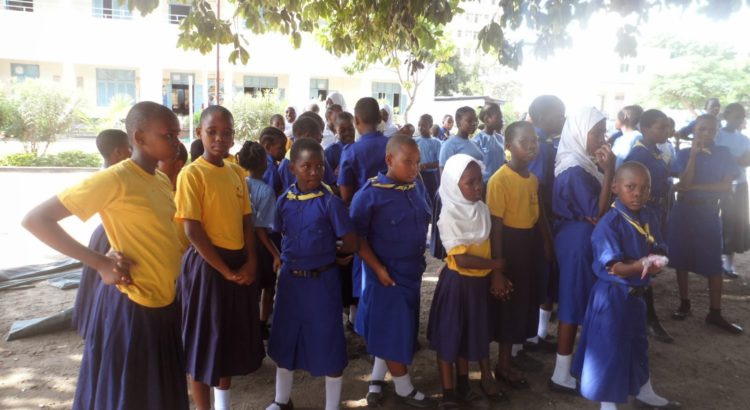
Resumen: El artículo hace referencia a la vivencia de las niñas de Tanzania que participan en el movimiento Scouts y los beneficios que les trae el desarrollo de habilidades como exploradoras que les permite manejarse de manera autónoma e independiente en contextos que suelen ser solo de hombres, debido a que interactúan con los niños, tanto que tienen la capacidad de tomar decisiones informadas acerca de sus cuerpos, y de ayudar a otras chicas que no son exploradores sobre cómo comportarse en torno a los niños.

«Girls need to know that there is a remarkable difference between Scout Girls and those who aren’t Scouts», says Rehema with a laugh. She knows that people think that if girls are scouts, they will be loose women because they constantly interact with boys. But she thinks that it is the other way round.

«It is because we interact with boys so much that we are empowered to make informed choices about our bodies. Actually, I always help other girls who aren’t scouts on how to behave around boys,» she says.

As a young girl training to become a nurse, Zahara has been empowered through training as a Scout. She says that she has great confidence in herself, a fact shared by all four girls. «Even when I am working in the wards, I find myself operating within the ethics of our training as Scouts – we have a duty (to perform) to other people. I am often asked by people, why am I not afraid of authority. People are often afraid of the police. I know that I am supposed to work with them and not fear them. Scouting has changed my perspective on this,» she says.

Heriet is currently a Form Five student at Jitegemee High School where she takes Geography as one of her subjects. She explains how Scouting has helped her improve in her studies, «As Scouts, we learn about life in nature.

I see what I learn in class vividly in nature. I have also learnt how to manage my time, since we are always timed in the tasks that we are given.»

On her side, Rehema testifies that she can now manage the house when her mom is away. «It has helped me do things quickly. I can manage time well. I can walk and save money. I am not lazy. And it has made me courageous. I am not afraid of men. Whatever task given to them, I can perform it as well, even better. I am a strong woman,» she says.

Assistant Chief Commissioner (Camp Sites), Devina Adosi, explains that The Scout Association was founded in 1907 by Robert Baden-Powell, a lieutenant-general in the British Army.

«Try and leave this world a little better than you found it and when your turn comes to die, you can die happy in feeling that at any rate you have not wasted your time but have done your best.» – is one of his famous words. This is why Scouts are taught how to care for others and for themselves – and how to become better people in their society.

As it was at the beginning when Scouts was founded, Devina says that they are soldiers with no intention of fighting or being easily recognized. She explains that there are four Scout groups based on age groups namely, Cub Scouts (6 – 10 years), Junior Scouts (10 – 15 years), Senior Scouts (16-17), Rover Scouts (18-26 years) and Scouts (27 and above). To become a scout, students can join the Scouts club in their school or join one nearest to their locality. Adults can also apply by registering at a Scouts office near them.

The Invisible Army

We are invisible, says Rehema. She explains that whenever you see a tragedy being reported on the news, the Scouts were probably there but no one thought to mention their contribution.

Zahara recalls in 2014 when people living in Jangwani swamp were affected by floods and relocated to Azania Camps. She was one of the Scout members who volunteered to help them at their time of need. She says they were able to save many lives and also assist in maintaining order at the Camp site.

«Be prepared» is what they keep saying to each other concerning any situation that they encounter. Devina explains that a Scout will never be stranded or unable to know what to do in a situation because they are trained to always be prepared. One of the things that most Scouts will carry with them is a scarf, even if it won’t be around their neck, it sure will be with them somewhere. A Scout can use this ‘neckerchief’ as a bandage in case someone they encounter is hurt. It can also be used as a dust mask, a sling, a napkin, a bib or a signal flag. They are governed by 10 Principles that reflect on their role to other people and to themselves.

In four minutes, Mwanahamisi Hussein (18), Heriet Komba (20), Zahara Kingalu (21) and Rehema Ramadhani (18), are able set up a tent in the woods without the help of a man. This isn’t the only impressive thing they can do. They can climb trees, cross over one side to another by gripping a rope. And most importantly; they can adjust themselves to adapt to any life situation, and to offer support to those in need. Their abilities are endless; they can extinguish a fire, save those who are drowning, give first Aid and peer education in their communities. They have been doing this for years now, Mwanahamisi being the longest member among them – 8 years in total.

Tomado de: http://allafrica.com/stories/201605230278.html
Fuente de laimagen: http://3.bp.blogspot.com/-YkwE3y4wXw8/UxjIK9VrMlI/AAAAAAAAALQ/OyOPMFdeRUA/s1600/SAM_5798.JPG
Comparte este contenido:

Nigeria: Minister of Education Hails E-Curriculum Solution

By Goddy Egene / This Day/ 23 Mayo 2016

Resumen:

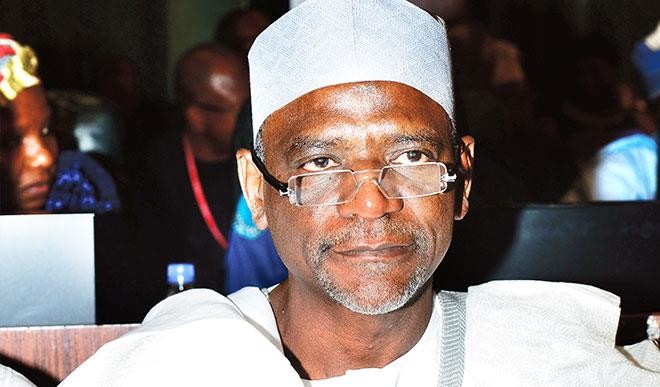
El Honorable Ministro de Educación, Mallam Adamu Adamu ha aplaudido la colaboración entre el Consejo de Nigeria para la Educación Investigación y Desarrollo (NERDC), una de las entidades paraestatales clave del Ministerio Federal de Educación e Sidmach Tecnologías Nigeria Limited, para el desarrollo del proyecto del portal e-plan de estudios. El portal de e-plan de estudios es una solución de gestión curricular basado en la web, eficaz para la Educación Secundaria Básica y Superior en Nigeria. La solución está diseñada para proporcionar un acceso digital a planes de estudios, la enseñanza y el aprendizaje de recursos para los profesores, los estudiantes y otros grupos de interés. El objetivo es garantizar el acceso en línea y fuera de línea para el plan de estudios nacional prescrito en todas las materias que se ofrecen en los niveles de educación secundaria básica y superior en Nigeria.

The Honourable Minister of Education, Mallam Adamu Adamu has applauded the collaboration between the Nigerian Educational Research and Development Council(NERDC), one of the key parastatals of the Federal Ministry of Education and Sidmach Technologies Nigeria Limited, on the e-Curriculum portal project. This unique technological solution, according to the minister, is a bold step toward achieving the federal government’s policy on information technology in education.

Adamu made this remark in an opening address at the stakeholders’ forum in Abuja recently, which was organised by NERDC, Sidmach in partnership with Microsoft. The forum was aimed at affording all stakeholders in the Education sector the opportunity to have further knowledge on the e-Curriculum portal and its benefits.

The e-Curriculum portal is a web-based, effective curriculum management solution for Basic and Senior Secondary Education in Nigeria. The solution is designed to provide digital access to school curriculum, teaching and learning resources for teachers, learners, and other stakeholders. The purpose is to ensure online and offline access to the prescribed national curricula in all subjects offered at the basic and senior secondary education levels in Nigeria.

The minister urged all state governments through their various commissioners for education and ministries to ensure that access to the approved national curriculum through this portal is facilitated for all schools, teachers and students in their States.

He stated that, «the Federal Ministry of Education will take appropriate steps to ensure that the Unity colleges and all other schools in Nigeria key into the effective use of the e-Curriculum to enhance the needed and desired outcome of repositioning every sector in the society, especially, the education sector.»

According to him, the education sector is too large to be left to government alone, urging other private sector organisations to emulate this partnership and find ways of complementing government’s efforts by lending their expertise and resources for the effective implementation of Government policies.

The Executive Secretary, NERDC, Prof. Ismail Junaidu, while delivering his speech, pointed out that e-Curriculum portal solution is aimed at advancing NERDC’s quest for national excellence, sustainable development and global competitiveness.

According to him, the e-Curriculum portal enable students and parents have online access to subject descriptions, prerequisites, objectives and the National Curriculum content standards, assist the policy-makers, Federal Ministry of Education (FME), State Ministries of Education (SMoE), and Local Education Authorities (LGEAs) in standardising curriculum across all schools under their jurisdiction and ensure that the curriculum is aligned with the National Curriculum content standards.

«It also encourages mentor and assist teachers to create collaboration groups and form networks to plan what is going to be taught, when it will be taught and the related tools and resources for instruction. Enhances the actualisation of NERDC’s efforts in providing the educational system with functional, sustainable, needs-driven, globally competitive curriculum and learner resources among others,» he noted.

The Executive Secretary credited their partner, Sidmach Technologies Nigeria Limited, for this bold initiative using the Public Private Partnership (PPP) model, their tremendous technical and resource support as well as enthusiasm for e-Curriculum portal project.

He stated that the objective of this PPP arrangement with Sidmach is to, among others, harness the potential of the private sector in tackling the challenges of access to the basic and senior secondary education curriculum; education standards, quality and teacher development.

On his part, the Managing Director, Sidmach Technologies Nigeria Limited, Chief Peter Arogundade, noted that e-Curriculum portal is a complete teaching and learning tool which helps teachers and students teach and learn better, using the NERDC approved curriculum. He stated further that the adoption and use of this e- resource will make work smarter and lives better.

He stated that since the commencement of operations in 1994, Sidmach has blazed the trail in the provision of innovative ICT solutions and over time, saying the company has explored PPP to deploy its projects, one of the outcomes is the e- Curriculum project done in partnership with NERDC and Microsoft.

Tomado de: http://allafrica.com/stories/201605230262.html

Fuente de la imagen: http://leadersandco.s3-eu-west-1.amazonaws.com/wp-content/uploads/2016/05/23025203/Minister-of-Education-Mallam-Adamu-Adamu.jpg

Comparte este contenido:

¿De qué se trata “hackear la educación”?

  Por Patricia Carolina Saucedo Añez

Pedro Muller reflexiona acerca de la caducidad de la escuela, una institución pensada para otro contexto histórico. En este sentido, señala la importancia de dos conceptos similares, pero diferentes: “estudiar” y “educarse”:

El educar se va más allá de memorizarse un par de nombres y olvidarlos al siguiente día, consiste en aprender tener la curiosidad de preguntarse qué hay detrás de lo obvio, es adquirir habilidades, ejercitar tu pensamiento lateral un pensamiento divergente o como muchos dicen “fuera de la caja”, educarse también es crear y hacer convertir nada en algo, innovar.

Nosotros aprendemos mejor en grupo es parte de nuestra naturaleza, discutir, pensar y reflexionar sobre un tema en específico sacar conclusiones, como muchos dicen la mejor manera de educarse es aprender.

Para concluir, Pedro nos invita a ver el siguiente video, en el que Logan LaPlante da una charla sobre la importancia de la creatividad y la idea de “hackear la educación” o “hackschooling”, referida a una concepción del aprendizaje como una experiencia grupal, basada en la experiencia del ensayo y error y, por sobre todo, la creatividad:

Puedes continuar leyendo el post de Pedro aquí y seguirlo en Twitter.

El artículo reseñado participó en la cuadragésimo sexta edición de#LunesDeBlogsGV el 23 de marzo de 2015.
Comparte este contenido:

Education of children in crises cannot wait

La educación de los niños en situaciones de crisis no puede esperar

23 mayo 2016/ Autor: Gordon Brown, Special to Gulf News/ Fuente: http://education.einnews.com/

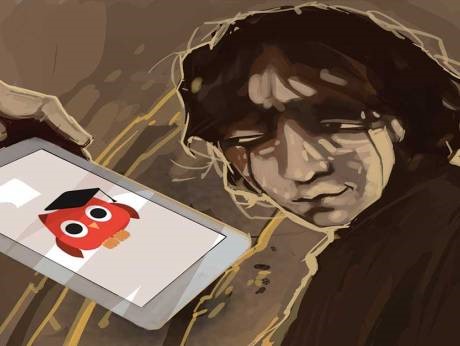
When disaster strikes, what can only be described as a begging bowl is handed around the world’s donor community — but a humanitarian fund for education in emergencies is about to be established

“Recall the face of the poorest and weakest man you have seen, and ask yourself if this step you contemplate is going to be any use to him.” These words, spoken by Mahatma Gandhi in 1948, should be taken as a test of our sincerity, and as a challenge to our complacency, when considering the fate of the 30 million children displaced from their homes by civil wars and natural disasters.

More boys and girls have been uprooted by crisis than at any time since 1945. They are likely to spend their school-age years without entering a classroom, their talents undeveloped and their potential unlocked. There are now 75 million young people whose education has been interrupted by conflict and crisis. Yet urgency — and international law, which mandates the education of all displaced children — fails to inspire action.

Displaced children are more likely to become the youngest labourers in the factory, the youngest brides at the altar, and the youngest soldiers in the trench. Without opportunity, children are vulnerable to extremists and radicalisation. Every year, close to a half a million girls are trafficked and vanish.

————————————————————————————————————-

“Recordemos la cara del hombre más pobre y débil que ha visto, y se pregunta si este paso contemplas va a ser ninguna utilidad para él. » Estas palabras, pronunciadas por Mahatma Gandhi en 1948, deben ser tomado como una prueba de nuestra sinceridad, y como un desafío a nuestra complacencia, al considerar el destino de los 30 millones de niños desplazados de sus hogares por guerras civiles y desastres naturales.

 Más niños y niñas han sido desplazados por la crisis que en cualquier momento desde 1945. Es probable que pasar sus últimos años en edad escolar, sin entrar en una sala de clase, su talento y su potencial no pueda ser desarrollado. En la actualidad hay 75 millones de jóvenes cuya educación ha sido interrumpida por el conflicto y crisis. Sin embargo, la urgencia – y el derecho internacional, que obliga a la educación de todos los niños desplazados – dejan de inspirar la acción.

 Los niños desplazados son más propensos a convertirse en los trabajadores más jóvenes de la fábrica, las novias más jóvenes en el altar, y los soldados más jóvenes de la zanja. Sin oportunidad, los niños son vulnerables a los extremistas y la radicalización. Cada año, cerca de medio millón de niñas son objeto de trata y se desvanecen.

—————————————————————————————————————-

The fate of these dispossessed is tethered to the thinnest of lifelines. When disaster strikes, what can only be described as a begging bowl is handed around the world’s donor community. Voluntary contributions are then administered by refugee agencies, charities, and NGOs, which heroically help refugees scrape by with the bare essentials — food, water, shelter, and protection.

In such circumstances, the right to education becomes an unaffordable “luxury”. While UN Peacekeepers are funded by assessed contributions levied on member countries, the millions of children displaced by crises have no guarantee that anyone will fund their schooling. Indeed, less than 2 per cent of humanitarian aid reaches education. Syria’s civil war, now entering its sixth year, and the first anniversary of Nepal’s devastating earthquake — two disasters that have forced millions more children into the streets — serve as painful reminders that we lack the means to return children to the classroom in the wake of such tragedies. A permanent fund securing education for children in emergency situations is long overdue. Instead of wasting months begging for aid, such a reserve fund would be capable of delivering it immediately. At the onset of an emergency, the fund would swiftly assess where dispossessed children are, develop a strategy, and put in place a plan to provide education for them.

Now, for the first time, we are in a position to deliver on this promise. Under the leadership of Unicef Executive Director Anthony Lake, Unesco director-general Irina Bokova, UN High Commissioner for Refugees Filippo Grandi, Chair of the Global Partnership for Education Julia Gillard, and World Bank President, Jim Yong-kim — and with the support of the UN Secretary-General, Ban Ki-moon — an unprecedented humanitarian fund for education in emergencies is about to be established.

The new “Education Cannot Wait” fund will respond to new realities and requirements. Most child refugees are likely to spend more than a decade out of their own countries, so their plight cannot be considered temporary. The breakthrough fund will support the education of refugees for up to five years, instead of the mere months of patchwork provisions that are presently on offer.

No longer will humanitarian, security and development needs be split into silos with their own addresses and agendas. A single fund will now meet these needs at once. After all, when refugee children find a place in school, they are more secure, their parents are more hopeful, and their states are more stable. The fund will not be bound by old World Bank rules that, until recently, excluded the education of refugee children in middle-income countries from concessional loans.

The initiative will be the first official humanitarian fund for education. And a parallel UN-led fund will have distinct windows through which businesses, foundations and individuals can contribute. To be sure, delivering an education to displaced children demands a departure from pure voluntarism: a shift toward assessed contributions collected by levies from wealthy countries. But, until this shift occurs, we will ask individual philanthropists, corporations and charities — as well as new and old aid donors — to come together to catalyse the venture. Our sense of urgency, coupled with the requisite funds, promises to have a significant impact. When it comes to securing schooling, no price tag is too steep.

The fund will harness today’s passions and key innovations. We want technology firms to play a central role in providing new ideas and disruptive thinking. We want firms that already offer refugees an online education, internet access and IT hardware to drive the provision of education to displaced and isolated girls and boys. In establishing this fund, we are ending the era of the formulaic crisis response.

It was Gandhi’s belief that reflection could motivate action by recalibrating our moral compass. What makes this fund unique is not the series of new benchmarks it sets. Rather, it signals a change in how we meet the challenges of an emergency. Going beyond present demands, the fund is based on the needs of the future.

In providing resources to deliver education, the fund is a bold affirmation of a better tomorrow — an unwavering promise to unlock talent, develop potential, and secure futures for all children, wherever they are. By establishing “Education Cannot Wait”, we are sending a message to the downcast and dispossessed everywhere. Education, at its best, offers something that food, shelter and healthcare can never themselves provide: hope, the chance to plan, and to prepare for the future.

— Project Syndicate

Datos Autor: Gordon Brown, former Prime Minister and Chancellor of the Exchequer of the United Kingdom, is United Nations Special Envoy for Global Education and Chair of the International Commission on Financing Global Education Opportunity.

Fuente del Artículo:

http://education.einnews.com/article/327357384/ppnmMGKLRBZ_aTuH

Image Credit: Niño Jose Heredia/Gulf News
Comparte este contenido:

Botswana: Dow Calls for Accreditation of Programmes

África/Botswana/ 22 de Mayo de 2016/Daily News

 Resumen: Ministro de Educación y Desarrollo de Habilidades , Dr. Unity Dow , ha instado a los proveedores de educación y formación para el desarrollo de programas de aprendizaje y registrar programas de aprendizaje Acreditar con Autoridad de clasificación Botswana

Gaborone — Minister of Education and Skills Development, Dr Unity Dow, has urged education and training providers to develop learning programmes and register accredit learning programmes with Botswana Qualification Authority (BQA).

Minister Dow was addressing BQA registered and accredited education and training providers in a consultative meeting in Gaborone.

She said HRDC had a duty to provide a list of priority skills in consultation with industry and the Business Botswana education and training sector committee. She spokes against any education and training providers who run programmes who has not been registered and accredited.

Dr Dow advised associations for educations and training providers like the Botswana association for private of tertiary education provider (BATEP) to develop self-regulatory strategies for like code of conduct for their members.

«I want to believe that we all see the need to conduct ourselves in an ethical and professional manner,» she said.

Minister Dow said the meeting was important since there is need to collectively discuss achievements and challenges in the education and training sector regularly, and paving way for the Pitso.

She said the ultimate objective is to improve the quality of education and training in Botswana for the good of the learner and the economy. «We have a duty to produce graduates who are job ready for both national and global markets», she explained.

She also urged National Student Representative Council to consult with local SRC’s on student issues to inform and educate the student’s communities of the services in the system. She said then should be followed with regular consultations with the leadership of education and training providers.

Dr Dow said in order to produce learners and graduates that are globally competitive they should have gone through a comprehensive all inclusive robust quality assurance system of education.

She admitted that the current unrest in some institutions are worrisome, hence she instructed BQA to enforce the law where students complaints are justified.

For his part BQA chairperson Mr Charles Siwawa said their commitment was to assist education and training providers to deliver quality education that would benefit Botswana and the international community.

He went on and said Botswana like any other country is facing issues of unemployment , job skills mismatch mainly because their curriculum is lacking on soft skills. However he gave word of advice to education and training providers that while developing programmes should mainstream those skills so to produce all rounded graduates.

«It is high time that as a country we pride ourselves with the quality of our human resource by developing and implementing robust learning programmes that meets the needs of both the learner and industry,» he said.

Mr Segwagwa said Botswana set its long term goals in vision 2016 with one of the pillars being an educated and informed nation. The pillar suggest that by the year 2016 Botswana should have a system of quality education that is able to adapt to changing needs of the country as the world changes.

 Fuente: http://allafrica.com/stories/201605230151.html

Fuente de la Imagen: https://www.google.co.ve/search?q=Botswana:+Dow+Calls+for+Accreditation+of+Programmes&biw=1024&bih=489&source=lnms&tbm=isch&sa=X&ved=0ahUKEwjx38O6nPHMAhVJWh4KHV8LAY4Q_AUICCgD#tbm=isch&q=ministerio+de+educacion+de++Botswana

Comparte este contenido:
Page 547 of 622
1 545 546 547 548 549 622