Page 60 of 400
1 58 59 60 61 62 400

Covid and Kids

Covid and Kids

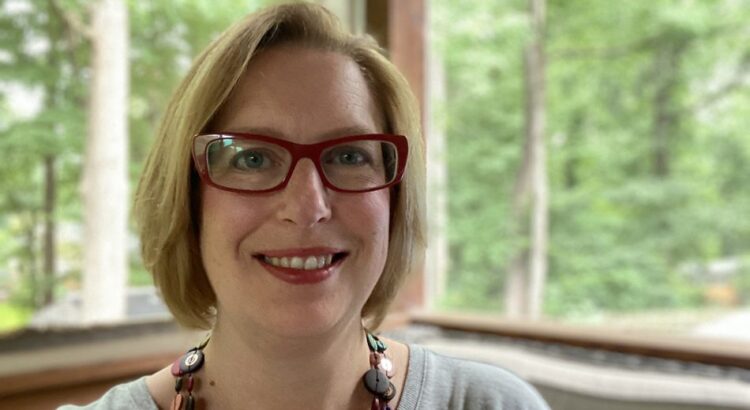
Are you a working parent stressing over how to advance your career during the pandemic? In this episode of HBR’s advice podcast, Dear HBR:, cohosts Alison Beard and Dan McGinn answer your questions with the help of Alyssa Westring, a professor at DePaul University’s Driehaus College of Business and coauthor of the book Parents Who Lead: The Leadership Approach You Need to Parent with Purpose, Fuel Your Career, and Create a Richer Life. They talk through what to do when you now want to quit your job to be a stay-at-home parent, your reduced salary and growth prospects are hurting your plans to have children, or a Covid-delayed job start date is tricky timing for your pregnancy.

Listen to more episodes and find out how to subscribe on the Dear HBR: page. Email your questions about your workplace dilemmas to Dan and Alison at dearhbr@hbr.org.

From Alison and Dan’s reading list for this episode:

HBR: A Guide for Working (From Home) Parents by Avni Patel Thompson — “Accept that things are not going to run completely smoothly and we aren’t going to all be our 100% productive selves. But with tempered expectations, a flexible approach and resourcefulness, you’ll be amazed at how we can all adapt. With any luck, we’ll emerge from this crisis even stronger and more collaborative: a modern take on an age-old approach to parenting.”

HBR: page. Email your questions about your workplace dilemmas to Dan and Alison at dearhbr@hbr.org.

From Alison and Dan’s reading list for this episode:

HBR: A Guide for Working (From Ho

HBR: How Working Parents Can Prepare for Coronavirus Closures by Stewart D. Friedman and Alyssa F. Westring — “Relentlessly seek to comprehend your boss’s expectations, with follow-up questions about specifics. Remember that the goal is to find ways to make things work for everyone, not just you. These conversations should not launch with how your work must accommodate your family life. Such zero-sum thinking (good for me, bad for my boss) isn’t likely to get you the support you need in the short term or build a strong foundation for your on-going relationship.”

HBR: When You’re Leaving Your Job Because of Your Kids by Daisy Wademan Dowling — “Many of my working-parent coachees are shocked, upon resigning, to find out how much their organizations value them – and are suddenly willing to provide new roles, more flexibility, even sabbatical leaves in a desperate bid to keep them. As firm as your intention to leave is, remain open to new options that are offered. You may find an unexpected solution that’s actually better than the one you’ve committed to. At the very least, it’s worth a conversation.”

HBR: You’ve Been Furloughed. Now What? by Tomas Chamorro-Premuzic and Becky Frankiewicz — “Ask yourself if your job is worth waiting for. Do you want to return to your pre-crisis life? If there is any inkling of doubt in your mind, there is no downside to applying for something new, and seeing what could materialize as a different future.”

Fuente de la Información: https://hbr.org/podcast/2020/08/covid-and-kids


Comparte este contenido:

Estados Unidos: Metrc Holds Summer Audiobook Club for College of Education Undergraduate and Master of Arts in Teaching Student

METRC Holds Summer Audiobook Club for College of Education Undergraduate and Master of Arts in Teaching Students

The NC State College of Education’s Media and Education Technology Resource Center (METRC) hosted an audiobook club this summer for undergraduate and Master of Arts in Teaching students. About a dozen students participated in the summer book club.

Participants selected popular young adult and elementary chapter books from a list of free audiobooks that were available on Audible and then met virtually for 30-minute discussions every first and third Wednesday throughout the months of May, June, July and August.

“As the spring semester wrapped up, we wanted to find a way for students to earn PGUs [Professional Growth Units] over the summer and stay connected to the College of Education. We believe reading and discussion reading can be a great way to connect students to each other and to their future students, particularly when we read and discuss young adult or children’s books together,” said Kerri Brown Parker, director of METRC.

The first meeting focused on building rapport among the students and deciding on the books or short stories that would be read and discussed. They chose Squint by Chad Morris, The Curious Case of Benjamin Button by F. Scott Fitzgerald, Talon by Julie Kagawa and Mystery of Alice by Lee Bacon, which was an Audible original.

“I was interested in exploring literature through a different medium. I was an English major so reading print is always my first choice and this was something a little different,” said Mandy Reid ‘21MAT. “I wanted to find out if listening to a book makes a difference in the way I might connect to the text. Does the narrator’s reading influence my experience? The audiobook club was a good way for me to think about these questions and how audiobooks might be used in the classroom. I learned that it is easy to get distracted while listening to an audiobook; however, for students who are more attuned to listening to podcasts or who might struggle with longer texts, audiobooks might be a useful tool in the classroom.”

Students had two weeks to listen to the selections. METRC Library Technician Hunter Pinder, who led the discussions, would send out a list of discussion questions to consider before each meeting. But the goal, Pinder says, was to keep the discussions informal and free-flowing in an effort to foster an environment of comfort and safety to speak freely, while remaining respectful and thoughtful. And during the discussions, Pinder would always find ways to relate the readings back to the classroom, which led to thought-provoking and deep discussions.

“I wanted people to come away from this with a renewed appreciation for reading. In schools, we see reading as an educational necessity, and it is; so much can be learned through reading and the humanities in general, and it is so vitally important for students to learn from it,” said Pinder. “But reading is also about human connection and expanding our worldviews, putting ourselves in other people’s shoes for a couple hundred pages in an attempt to get outside of our own ways of thinking. Reading opens up a whole world that we would never otherwise be able to experience, and there’s a beauty in that.”

The book club was established to engage undergraduate students and students in the Master of Arts in Teaching program with the College of Education during the summer and to provide a place for social interaction in a time when being social is difficult.

“We specifically selected a virtual audiobook club because some publishers have made access to those materials more accessible for students as part of the response to the coronavirus and we wanted to promote those types of resources that teachers and our future teachers can put in use for their own teaching and content development,” said Brown Parker.

Fuente de la Información: https://ced.ncsu.edu/news/2020/08/19/metrc-holds-summer-audiobook-club-for-college-of-education-undergraduate-and-master-of-arts-


Comparte este contenido:

Inmigrantes gaseados con un desinfectante industrial altamente tóxico

Por: Dave Lindorff

Traducido para Rebelión por Paco Muñoz de Bustillo


A medida que nos aproximamos al momento de la verdad del primer –y esperemos que único– mandato presidencial de Donald Trump (el 3 de noviembre, fecha de la elección), se multiplican las acusaciones de tendencias fascistas e incluso de nazis contra él y su Administración.

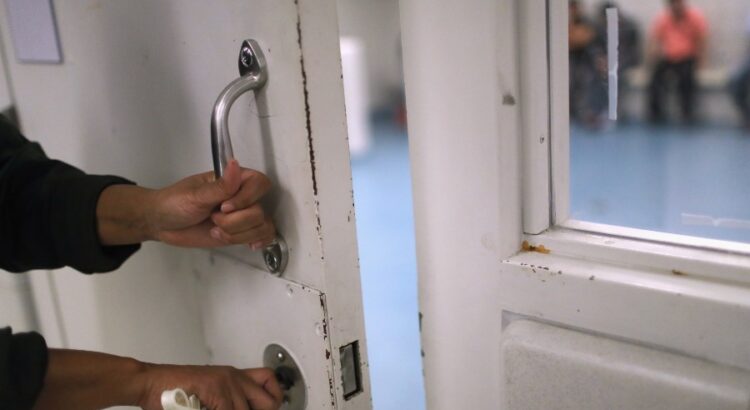
Pero esta última que quiero comentar es particularmente horrible: el uso de un poderoso desinfectante “exclusivamente para uso industrial” llamado HDQ Neutral contra inmigrantes detenidos en el ICE Adelanto, un centro de detención con ánimo de lucro en las afueras de Los Ángeles financiado por la Administración Trump.

Según un informe del diario británico Independent, este poderoso producto tóxico derivado del amoniaco ha sido utilizado para rociar a las personas detenidas en dichas instalaciones a pesar de que la empresa fabricante advierte de que solo puede utilizarse cerca de personas en exteriores, nunca en espacios cerrados. El caso es aún es más grave, porque según declaraciones de los afectados, el producto fue pulverizado directamente sobre los detenidos, aunque la etiqueta advierte de que “puede provocar daños permanentes a los ojos” y su inhalación puede provocar daños pulmonares, dificultad para respirar y asma.

¿Cuál es su conexión con los nazis? Tal y como señala Charles Vidich (autor de un elocuente y oportuno libro de próxima publicación sobre la historia de las cuarentenas en Estados Unidos, que abarca desde los primeros días de las colonias en el siglo XVII hasta el presente, Germs at Bay), el Zyklom B, el gas exterminador preferido por Hitler en los campos de exterminio, era en realidad un poderoso insecticida basado en el cianuro inventado a finales del siglo XIX. Este insecticida fue utilizado durante décadas, hasta bien entrado el siglo XX, para fumigar los barcos utilizados para el comercio internacional con el fin de exterminar a las ratas, ratones, pulgas y otras plagas. Los nazis utilizaron una variante del producto para eliminar judíos, gitanos, comunistas, personas con deformidades y retrasos y otros “indeseables” durante los años de la guerra.

Ahora tenemos a la Administración Trump, un individuo cuya familia posee un historial de simpatías nazis y que ha calificado de “buena gente” a los manifestantes nazis de Estados Unidos, utilizando un insecticida/desinfectante altamente tóxico y potencialmente fatal para rociar a inmigrantes detenidos que esperan la deportación.

Según informaron a Reuters una organización denominada Coalición para el Cierre de Adelanto y otra ONG llamada Earthjustice, los inmigrantes encerrados en el centro de detención de Adelanto han estado siendo rociados “cada 15 o 30 minutos”, en ocasiones directamente sobre el cuerpo, con un producto químico que según la compañía solo puede ser usado en exteriores o en zonas bien ventiladas. Los informes de las afecciones provocadas después del rociado mencionan sarpullidos, sangrados de nariz, náuseas, dolores de cabeza y dificultades para respirar entre otros síntomas.

Debo señalar que cuando supe por primera vez las maneras despiadadas en que sus propietarios trataban a los esclavos africanos en las colonias y posteriormente en Estados Unidos, me impresionó, a pesar de mi juventud, que esos propietarios blancos fueran más crueles con ellos que con sus propias bestias de carga. Cuando tuve más años comprendí que el maltrato a los esclavos –los latigazos, la mala alimentación, el trabajo excesivo– era un mecanismo de control, un proceso de deshumanización tanto del amo como del esclavo que no era necesario cuando se trataba con caballos o con el ganado. Me doy cuenta de que el mismo análisis es aplicable al modo en que el centro de detención y su personal abusan cruelmente de los inmigrantes detenidos.

Afortunadamente, el HDQ Neutral no es tan tóxico como el gas Zyklon B utilizado por los escuadrones de la muerte nazis en los campos de exterminio alemanes, pero estos hechos no dejan de ser un monstruoso ataque químico contra los estadounidenses “indeseables”, que solo se diferencia de las tácticas nazis contra sus víctimas humanas en el grado). La inhumanidad de los responsables que administran esta toxina contra sus víctimas cautivas no es muy diferente de la que fue castigada, a menudo con penas de muerte, en los Juicios de Núremberg tras la Segunda Guerra Mundial.

La única esperanza que nos queda es que cuando acabe esta pesadilla trumpiana en Estados Unidos, Donald Trump y sus esbirros criminales del Departamento de Seguridad Nacional se vean también arrastrados ante un tribunal para hacer frente a las acusaciones de crímenes contra la humanidad por su maltrato a los inmigrantes, incluidos niños pequeños, así como por sus otros crímenes monstruosos.

David Lindorff es miembro fundador de la web ThisCantBeHappening!, una publicación colectiva digital, y ha participado en el libro Hopeless: Barack Obama and the Politics of Illusion (AK Press).

Fuente: https://www.counterpunch.org/2020/08/18/gassing-immigrants-with-a-highly-toxic-industrial-disinfectant-in-detention/

 Foto: Nathaniel St. Clair

Comparte este contenido:

Perú: La educación por televisión vive un auge por la pandemia del coronavirus

América del sur/Perú/20 Agosto 2020/https://www.chicagotribune.com/

En un barrio pobre en una ladera de Lima, Perú, la jornada escolar de Delia Huamani no comienza con el bullicio de los compañeros de clase, sino con el destello de un televisor. Como las instalaciones de las escuelas están cerradas indefinidamente, ella recibe sus lecciones en casa, de la recién estrenada biblioteca de programas educativos que el país ha producido.

Como sustituto, está lejos de ser perfecto. Delia, de 10 años, dice que sus padres no pueden pagar libros —echa de menos leer sobre animales en la biblioteca de la escuela— y no tiene a nadie que revise su trabajo. Se apoya en su amiga Katy Bautista, de 12 años, a quien le gustaría pedirle a los presentadores de televisión que disminuyan la velocidad durante las lecciones difíciles.

“Cuando recogemos [la comida] en la olla común acá, hablamos y nos explicamos”, dijo Delia sobre Katy recientemente. “Y a veces ella me explica y yo no le explico nada, pero ella sí me explica y por eso es buena amiga”.

Sin embargo, a pesar de todas sus limitaciones, la educación televisada tiene una enorme ventaja para Delia, Katy y muchos más de los mil millones de niños en todo el mundo que están fuera de las escuelas por la pandemia del coronavirus: puede llegar a ellos.

En los países ricos, los debates sobre cómo impartir educación de forma remota se han centrado en cómo hacer que las clases en línea sean atractivas e interactivas. Pero esa conversación es pura fantasía para muchos de los estudiantes del mundo, incluidos millones de alumnos en países ricos, que no tienen conexiones de banda ancha ni computadoras.

Después de décadas de relevancia en declive frente a una fuerte inversión en el aprendizaje por internet, la televisión educativa vuelve a experimentar un auge. Los educadores y los gobiernos de lugares dispersos por todo el mundo, desesperados por evitar un revés a largo plazo para toda una generación de niños, recurren a tecnología más antigua.

Y están recurriendo al encanto y el glamur de los actores y presentadores de noticias conocidos localmente, así como a los maestros, para tratar de mantener la atención de los estudiantes desde el preescolar hasta la secundaria. Dicen que prestan atención a la lección fundamental de la era de YouTube: cuanto más corto y llamativo, mejor.

“Idealmente, uno tendría computadoras portátiles y todas estas cosas súper sofisticadas en casa”, dijo Raissa Fabregas, profesora de economía y asuntos públicos en la Universidad de Texas en Austin, quien ha estudiado la televisión educativa en México. “Pero si no los tienes, esto es mejor que nada”.

Gabriela Rojas, al centro, tiene 9 años y ayuda a su hermana, a la derecha, Luna Rojas, de 3, y a su vecina Yois Vasquez, de 6, con sus tareas escolares en Lima.
Gabriela Rojas, al centro, tiene 9 años y ayuda a su hermana, a la derecha, Luna Rojas, de 3, y a su vecina Yois Vasquez, de 6, con sus tareas escolares en Lima. (Marco Garro para The New York Times)

Los expertos dicen que si bien las lecciones de televisión no son tan valiosas como interactuar con maestros y otros estudiantes en línea, las transmisiones educativas pagan dividendos por el progreso académico de los niños, su éxito en el mercado laboral e, incluso, su desarrollo social.

Para hacer que las lecciones sean menos pasivas y más efectivas, muchas de las que se transmiten ahora usan todas las herramientas de los estudios profesionales: platós agradables a la vista, guionistas, animaciones 3D, tomas con varias cámaras, gráficos e incluso aplicaciones para teléfonos inteligentes.

En Estados Unidos, donde la educación varía mucho porque se maneja a nivel local, algunos lugares han prestado poca atención al desarrollo del aprendizaje a distancia y se han centrado en cambio en un esfuerzo infructuoso para reabrir escuelas. Otros han trabajado duro para desarrollar programas ambiciosos en línea. Pero eso es inútil para los cuatro millones de escolares que no tienen acceso a internet en casa, una dificultad especialmente prevalente entre los estudiantes negros, latinos e indígenas.

La televisión promete ser un complemento de bajo costo para la educación en línea y un sustento para estudiantes con pocos recursos. Existe un vasto catálogo de programación educativa, pero los analistas dicen que, en su mayoría, quienes hacen las leyes han perdido la oportunidad de hacer uso de ella.

“¿Cuántos padres en este momento tratan de descubrir cómo pasar el día mientras sus hijos solo están viendo la televisión o el iPad?”, dijo Melissa S. Kearney, profesora de economía de la Universidad de Maryland, quien ha publicado una investigación sobre Plaza Sésamo. “Podríamos hacer mucho bien sin las personas que están en una posición de confianza con esas familias pudieran mostrarles algo de ese contenido positivo”.

Desde marzo, muchas partes del mundo han recurrido a la educación televisada, con una variedad de estrategias. Los programas van desde grabaciones de lecciones en el aula hasta caricaturas educativas, y desde esfuerzos locales hasta nacionales. Algunos se enfocan en un grupo de edad, mientras que otros, como en Perú, han adaptado el plan de estudios nacional para todos los grados.

Muchas partes de China ofrecen una combinación de clases en línea y televisadas, pero la provincia de Sichuan decidió transmitir todas sus lecciones por televisión porque el gobierno dijo que le preocupaba que los estudiantes pasaran demasiado tiempo en sus computadoras.

En Tanzania, Ubongo, una organización que realiza dibujos animados educativos populares dirigidos tanto a los niños más pequeños como a los padres, decidió ofrecer sus programas de forma gratuita a las estaciones de televisión de toda África.

Delia dice que sus padres no pueden comprar libros, extraña leer sobre animales en la biblioteca de su escuela y no tiene a nadie que revise su trabajo.
Delia dice que sus padres no pueden comprar libros, extraña leer sobre animales en la biblioteca de su escuela y no tiene a nadie que revise su trabajo. (Marco Garro para The New York Times)

“Fuera de África, ha habido un impulso para el aprendizaje basado en internet”, dijo Cliodhna Ryan, directora de educación en Ubongo. “Pero en la mayoría de los países africanos, la mayoría de los niños simplemente no tienen ese acceso. Al final del día, la mejor herramienta educativa que alguien tiene es la que ya está en su poder”.

NJTV, la estación de televisión pública de Nueva Jersey, en Estados Unidos, comenzó a trabajar con el sindicato de maestros de ese estado para producir programas escolares después de enterarse de que 300.000 de los niños del estado no tenían internet, dijo John Servidio, gerente general de la estación.

Al final, más de 200 profesores grabaron lecciones desde sus propios hogares. Algunos eran claramente de baja tecnología, pero un profesor usó la colcha de su gato para construir un estudio de pantalla verde. Desde abril hasta que terminó el año escolar, los grados de tercero a sexto tuvieron todas las mañanas una hora de programación en la estación.

“Una estación comercial nunca sería capaz de apoyar esto”, dijo Servidio.

En Indonesia, también, la pandemia ha ayudado a revivir una red de televisión estatal que había estado perdiendo muchos espectadores por las estaciones privadas y Netflix. En un país donde casi un tercio de las personas no están conectadas a internet, la red estatal TVRI comenzó a transmitir en abril Belajar Dari Rumah (Estudiar desde casa) para niños de todas las edades.

Los padres no han sido del todo receptivos. Muchos indonesios, por ejemplo, dicen que ellos mismos no tienen la educación o el tiempo suficientes para asumir responsabilidades de enseñanza en casa. Muchos exigen que se vuelvan a abrir más escuelas, a pesar de que solo una parte del país se ha considerado segura para las clases presenciales.

Un grupo de mujeres en Pedregal, Perú organizó una olla comunitaria para alimentar a los vecinos durante la pandemia.

En Brasil, los funcionarios sacaron provecho del trabajo del Centro de Medios Educativos de Amazonas, que se fundó en 2007 para brindar lecciones televisadas a 300.000 estudiantes en áreas remotas. Desde que la pandemia del coronavirus llegó, los programas se han expandido a varios estados brasileños, los educadores los han adaptado a diferentes culturas y estilos de enseñanza. Más de 4,5 millones de niños los han visto, según el centro.

“Esta herramienta se fortaleció por la necesidad de llegar a un mayor número de personas y tener un mayor alcance, pero no se va a detener ahí”, dijo Wilmara Messa, directora del Centro de Medios Educativos de Amazonas, que tiene un equipo de producción de 60 personas.

Los analistas dicen que es demasiado pronto para saber cuán efectiva ha sido la educación televisada durante el confinamiento, pero hay evidencia dispersa de que los esfuerzos anteriores han sido efectivos.

En México, un programa de larga duración de transmisión de lecciones a estudiantes en áreas rurales llevó a los niños a permanecer en la escuela por más tiempo y ganar más cuando llegaron a la adultez. La profesora Kearney y un colega descubrieron que los niños en Estados Unidos con acceso a la programación de Plaza Sésamo tenían más probabilidades de estar en un nivel de grado apropiado para su edad.

Para resolver el mayor inconveniente del aprendizaje televisado —la falta de interacción y retroalimentación de los maestros— algunos lugares han diseñado formas para que los maestros monitoreen el progreso de los estudiantes. Muchos de ellos dependen de los teléfonos celulares, que son mucho más comunes en las regiones pobres del mundo que las conexiones de banda ancha, aunque incluso el acceso a un teléfono puede ser una barrera.

El estado de Amazonas, en Brasil, ofrece una aplicación para teléfonos inteligentes para complementar la escolarización televisada, lo que permite a los estudiantes hacer preguntas a sus maestros en tiempo real.

“Los estudiantes ven la televisión y tenemos un profesor en la pantalla y otro al lado a cargo de los comentarios que llegan a través de la sala de chat”, dijo Sabrina Emanuela de Melo Araujo, profesora de biología de secundaria.

Educacion
(Marco Garro para The New York Times)

Ubongo, la productora de dibujos animados con sede en Tanzania, ha combinado sus programas con una aplicación para teléfonos inteligentes que ofrece apoyo a padres y estudiantes. Y los profesores y estudiantes de todo el mundo utilizan servicios de mensajería como WhatsApp para estar en contacto.

Perú, una nación pobre con 32 millones de personas, ha sufrido uno de los peores brotes de coronavirus del mundo, con un recuento oficial de más de 500.000 casos y 25.000 muertes, cifras que, según los expertos, no capturan el número real.

En un país donde solo el 15 por ciento de los estudiantes de escuelas públicas tiene acceso a una computadora en casa, las lecciones transmitidas por televisión se han convertido en el modo de aprendizaje dominante durante la pandemia. En una encuesta del gobierno en junio, tres cuartas partes de los padres dijeron que sus hijos usaban los programas televisados, en comparación con una cuarta parte que usaba la educación en línea del gobierno. Casi todos enviaron tareas a los profesores a través de WhatsApp.

Las primeras transmisiones abordaron temas relacionados con los virus, como la buena higiene y evitar la desinformación. Los más recientes han combinado lecciones tradicionales con giros hechos para la televisión: para una clase de matemáticas de la escuela secundaria, un maestro real llama para corregir la comprensión defectuosa de las estadísticas de un presentador.

“Es ventajoso para los estudiantes que han desarrollado su capacidad de aprender solos”, dijo Heli Estela, maestro de secundaria en la región andina de Cajamarca, en el norte de Perú. “Y tenemos estudiantes así, que por sí solos se encaminan, pero no son muchos”.

Ha visto el esfuerzo tropezar, repetidamente. Al principio de la pandemia, dijo, pagó a su proveedor de internet más de cien dólares para instalar una antena porque su propia conexión era muy lenta. Estela envía mensajes a los estudiantes a través de WhatsApp para complementar las lecciones de radio y televisión, pero tratar de explicar los conceptos individualmente ha sido difícil.

En un distrito donde muchos padres son agricultores de subsistencia, algunos de sus 47 alumnos han perdido el acceso a los televisores cuando sus familias tuvieron que desplazarse a otros campos para trabajar. Una docena no se ha presentado en absoluto. Otros parecen hacer trampa en sus deberes.

Miriam Flores, de 37 años, instruye a Yois Vasquez, de 6, en una guardería gratuita que ofrece a las madres solteras que no tienen con quién dejar a sus hijos durante la suspensión de clases presenciales en Lima, Perú.
Miriam Flores, de 37 años, instruye a Yois Vasquez, de 6, en una guardería gratuita que ofrece a las madres solteras que no tienen con quién dejar a sus hijos durante la suspensión de clases presenciales en Lima, Perú. (Marco Garro para The New York Times)

“Para realmente empezar una etapa de educación remota, primero tienes que asegurar que todos tienen acceso a internet”, dijo, “pero este mal no nos avisó”.

En Perú, los funcionarios desarrollaron transmisiones educativas por primera vez en la década de 1960; Salvador Herencia, secretario técnico de Inversión en la Infancia, un grupo de la sociedad civil, recuerda haber escuchado lecciones en la radio cuando era niño. Posteriormente trabajó para el sistema nacional de teleeducación, y pasó a formar parte de una generación de educadores y guionistas que aportaron contenidos como forma de extender la escolarización a los peruanos pobres.

Pero los programas se agotaron durante las crisis económicas y políticas de la década de 1980, y el Estado pasó a segundo plano frente a las empresas en la creación de programas educativos. Ahora Perú, después de improvisar con programas existentes de México y Argentina al comienzo de la pandemia, ha reconstruido su propio sistema educativo televisado desde cero.

El gobierno ha dicho que las lecciones televisadas seguirán siendo una parte integral de su sistema educativo, y el primer ministro prometió que la “estrategia llegó para quedarse”.

“Es Back to the future, es retomar algo que no sabíamos que teníamos que hacer, y que fue interrumpido”, dijo Herencia. “Fue cortado. Pero esa discusión y esa pasión aún nos queda”.

Fuente e imagen tomadas de: https://www.chicagotribune.com/espanol/entretenimiento/sns-es-educacion-television-pandemia-coronavirus-covid-20200819-hpjhhzi4q5hgtd7ld5mtrehzmu-story.html

Comparte este contenido:

Estados Unidos: #WhyIChoseEducation: ‘I Have Always Enjoyed Being Around Kids from Elementary Age Through High School and/or College. I Enjoy Their Spirit, Optimism, Passion and Humor,’ Says Director of METRC Kerri Brown Parker

#WhyIChoseEducation: ‘I Have Always Enjoyed Being Around Kids from Elementary Age Through High School and/or College. I Enjoy Their Spirit, Optimism, Passion and Humor,’ Says Director of METRC Kerri Brown Parker

This is part of a monthly “Why I Chose Education” series in which NC State College of Education alumni, students, faculty and staff share why they chose education.

As a young girl, Kerri Brown Parker was always excited about starting a new school year and couldn’t wait for summer break to be over. School was an opportunity for her to learn new things, take on new challenges and experiences, and discover new passions and interests. Throughout her life, she was always drawn to working with kids, having served as a babysitter and camp volunteer. And she’s always enjoyed being in the company of children, regardless of age. So, when she decided to pursue a career in education, it was the perfect fit for her.

For the past seven-and-a-half years, Brown Parker has served in the NC State College of Education Media and Education Technology Resource Center (METRC) — first as the instructional technology and literacy librarian before being named director in 2017.

As director of METRC, she provides instruction with METRC resources in literacy and digital innovation; selects, purchases and manages access to library collections; leads and collaborates in future-ready technology developments in the college; and partners and teaches with faculty in technology and literacy resources and instruction. Brown Parker also leads professional development and information learning sessions around technology and literacy resources and instruction, and manages METRC operations and staff.

When she isn’t working, Brown Parker enjoys cooking complicated meals and trying new ingredients, spending time with family, playing board and video games with family and friends and challenging her mom to a game of MahJongg. She likes reading a magazine somewhere outside, whether in a hammock, by the pool or in a lounge chair. She also enjoys reading books, traveling, bicycling, getting crafty and watching sci-fi shows.

Brown Parker shares why she chose education, how education has shaped her into the person she is today and what has inspired her during these unprecedented times.

Why I Chose Education: I was the oldest cousin, the older sister, the neighborhood babysitter, the YMCA camp volunteer … generally drawn to working with kids. I have always enjoyed being around kids from elementary age through high school and/or college. I truly like and respect them. I enjoy their spirit, optimism, passion and humor. I’ve also been told I’m patient, a good listener, and have a talent for reading people’s needs, so teaching was a good fit for me.

How Education Has Shaped Me: I was the kid who couldn’t wait to go to kindergarten and was always ready for summer break to be over. I had good teachers, bad teachers, happy experiences and miserable experiences. School held friends, challenges, new experiences, music, science, anxiety, pride, embarrassment and … everything. I feel like education shaped so many parts of who I am and will continue to be. It’s where I learned from other working moms how to be a parent as well as where I learned that demeaning someone for being “bad at math” has long lasting consequences for self-esteem and even career choices. My closest friends are teacher-friends because there are so many emotions and strong experiences that happen among people who are passionate and caring about their students. It’s truly bonding. Educational experiences as a student, teacher and parent have shaped … all of me.

What I Enjoy the Most About Being Part of the NC State College of Education: Feeling like I contribute to the learning of a broad group of our students and future teachers by working with them individually, in classes and by influencing the faculty who teach them.

What Others Should Know About the NC State College of Education: We value excellence and have high expectations. I want to work in a place that knows educators are important and can truly influence the future so they better be well-prepared. The NC State College of Education is also a collegial place in which many different roles are valued for their contributions.

The Last Thing I Experienced That Inspired Me: Our job in METRC involves many different components and I was drawn to librarianship in large part due to the ever-changing nature of the work. I am sometimes a literacy consultant, a researcher, an instructional technology guide, a teacher, a manager and more. Due to the sudden shift to remote learning in March 2020, METRC staff also felt our role as … technology counselors. All of us in METRC have worked to not just help people survive in their new online reality but thrive, and I’ve been inspired by how our faculty and staff have responded. People are stressed but focused on continuous improvement and staying very positive about how they can continue working to influence a new generation of teachers. Faculty and staff have also been so thankful for the support and guidance we provide in METRC. I’m inspired by their attendance at workshops, willingness to participate in summer book studies, desire to talk out new ideas and general work ethic during so much change.

Fuente de la Información: https://ced.ncsu.edu/news/2020/07/30/whyichoseeducation-i-have-always-enjoyed-being-around-kids-from-elementary-age-through-high-school-and-or-college-i-enjoy-their-spirit-optimism-passion-and-humor-says-director/


Comparte este contenido:

Estados Unidos: As Colleges Move Classes Online, Families Rebel Against the Cost

As Colleges Move Classes Online, Families Rebel Against the Cost

Schools face rising demands for tuition rebates, increased aid and leaves of absence as students ask if college is becoming “glorified Skype.”

CORONAVIRUS SCHOOLS BRIEFING: The pandemic is upending education. Get the latest news and tips as students go back to school.

After Southern California’s soaring coronavirus caseload forced Chapman University this month to abruptly abandon plans to reopen its campus and shift to an autumn of all-remote instruction, the school promised that students would still get a “robust Chapman experience.”

“What about a robust refund?” retorted Christopher Moore, a spring graduate, on Facebook.

A parent chimed in. “We are paying a lot of money for tuition, and our students are not getting what we paid for,” wrote Shannon Carducci, whose youngest child, Ally, is a sophomore at Chapman, in Orange County, where the cost of attendance averages $65,000 a year. Back when they believed Ally would be attending classes in person, her parents leased her a $1,200-a-month apartment. Now, Ms. Carducci said, she plans to ask for a tuition discount.

A rebellion against the high cost of a bachelor’s degree, already brewing around the nation before the coronavirus, has gathered fresh momentum as campuses have strained to operate in the pandemic. Incensed at paying face-to-face prices for education that is increasingly online, students and their parents are demanding tuition rebates, increased financial aid, reduced fees and leaves of absences to compensate for what they feel will be a diminished college experience.

At Rutgers University, more than 30,000 people have signed a petition started in July calling for an elimination of fees and a 20 percent tuition cut. More than 40,000 have signed a plea for the University of North Carolina system to refund housing charges to students in the event of another Covid-19-related campus shutdown. The California State University system’s early decision to go online-only this fall has incited calls for price cuts at campuses from Fullerton to San Jose.
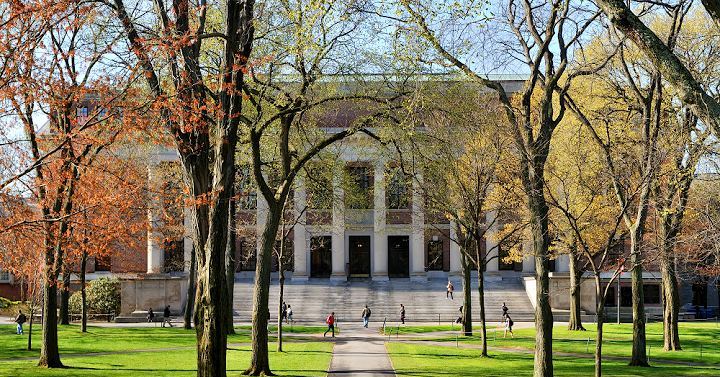
At Ithaca College — student population, 5,500 — the financial services team reports more than 2,000 queries in the past month about financial aid and tuition adjustments. Some 340 Harvard freshmen — roughly a fifth of the first-year class — deferred admission rather than possibly spending part of the year online, and a parents’ lobbying group, formed on Facebook last month, has asked the administration to reduce tuition and relax rules for leaves of absence.

Universities have been divided in their response, with some offering discounts but most resisting, arguing that remote learning and other virus measures are making their operations more, not less, costly at a time when higher education is already struggling.

“These are unprecedented times, and more and more families are needing more and more financial assistance to enroll in college,” said Terry W. Hartle, a senior vice president for the American Council on Education, a higher education trade group. “But colleges also need to survive.”

The roster of colleges that have rescinded plans to reopen their classrooms has been growing by the day. In the past two weeks, the University of Maryland, the University of Pennsylvania, the University of Southern California, the University of Virginia, Princeton and a host of other colleges announced plans to hold all or most of their classes online, citing concerns about the coronavirus. According to the Chronicle of Higher Education, less than a quarter of the nation’s 5,000 colleges are committed to providing instruction primarily or completely in person.

At Illinois State University, an 11th-hour shift infuriated Joseph Herff, a 22-year-old business major. He had locked into an off-campus lease and taken out $10,000 more in student loan debt by the time the school announced that its fall would be mostly online — the result of public health guidance and a shortage of coronavirus tests, according to the university’s president, Larry Dietz.

“I don’t have an issue with moving classes to online. I do have an issue though that classes are charged the same price,” Mr. Herff tweeted on an account that, until this month, he said in an interview, he had largely reserved for sports talk. “Why is this fair?”

Many colleges were facing financial dark clouds even before the coronavirus arrived. Population declines in some parts of the country have dampened enrollment, and soaring tuition has led many families to question the price of a college diploma. Moody’s Investors Service, which in March downgraded the higher education sector to negative from stable, wrote that even before the pandemic, roughly 30 percent of universities “were already running operating deficits.”

Since then, emptied dorms, canceled sports, shuttered bookstores and paused study-abroad programs have dried up key revenue streams just as student needs have exploded for everything from financial aid and food stamps to home office equipment and loaner laptops.

Public health requirements for masks, barriers, cleaning and other health protections also have added new costs, as have investments in training and technology to improve remote instruction and online courses.

Harvard’s campus in Cambridge, Mass. Roughly a fifth of Harvard’s first-year class deferred admission rather than spend the fall online.

“Starting up an online education program is incredibly expensive,” said Dominique Baker, an assistant professor of education policy at Southern Methodist University. “You have to have training, people with expertise, licensing for a lot of different kinds of software. All those pieces cost money, and then if you want the best quality, you have to have smaller classes.”

Chapman’s president, Daniele Struppa, said the university spent $20 million on technology and public health retrofits for the fall semester, and he estimates that the switch to an online fall will cost the school $110 million in revenue. He has cut spending “brutally” from the $400 million annual budget, he said, freezing hires, slashing expenses, canceling construction of a new gym, ending the retirement match to employees and giving up 20 percent of his own $720,000 base salary.

Only students who can demonstrate financial need will get help, he is telling families. “Tuition really reflects our cost of operation, and that cost has not only not diminished but has greatly increased.”

A survey by the American Council on Education estimated that reopening this fall would add 10 percent to a college’s regular operating expenses, costing the country’s 5,000 some colleges and universities a total of $70 billion.

“For institutions,” said Mr. Hartle, who lobbies for the council, “this is a perfect storm.”

Students are feeling tempest tossed, too.

Temple sociologist Sara Goldrick-Rab, founder of the university’s Hope Center for College, Community and Justice, said the organization has been “bombarded” with pleas for help from students who can’t cover their rent and don’t know how to apply for food stamps. At least a third of students had lost jobs because of the pandemic by May, according to the center.

Such situations, Ms. Goldrick-Rab said, are particularly risky because they often prompt students to take on second or third jobs or to become distracted, which in turn imperils financial aid that can be revoked if their grades fall.

Laurie Koehler, vice president for enrollment strategy at Ithaca College, said about one in six students reported in a just-completed survey that the pandemic had significantly hurt their ability to continue their studies. At Lafayette College in Easton, Pa., the school’s president, Alison Byerly, said she expects requests for additional financial aid to grow by up to 15 percent this year.

But the shift online also has accelerated fundamental questions about the future of higher education, said the director of the Edunomics Lab at Georgetown University, Marguerite Roza.

“This is a moment that is basically forcing students and parents to say, ‘What is the value? If I can’t set foot on campus, is that the same value?’”

Will Andersen, an 18-year-old incoming freshman at the University of Wisconsin-Madison, put it this way: “Who wants to pay $25,000 a year for glorified Skype?”

“Education isn’t just information,” agreed Yolanda Brown-Spidell, a Detroit-area teacher and divorced mother of five whose lament last month about remote learning in a private Facebook group for Harvard parents burgeoned into a lobbying push to ease school policies on tuition and fall housing.

“Being able to meet up with friends, have those highly intellectual conversations, walking over to CVS and getting ice cream at 1 in the morning,” she said, ticking off the parts of education her daughter, a rising junior, has missed while working at home on her computer. “And let’s not forget just not being home with your mama, with her eyes on you.”

Some families have sued. Roy Willey, a class-action attorney in South Carolina, said his firm alone has filed at least 30 lawsuits — including against the University of California system, Columbia University and the University of Colorado — charging universities with breach of contract for switching in-person instruction to online classes, and is closely monitoring the fall semester.

Most suits are in their early stages, though several universities have moved for dismissal. “If you and I go down to the steakhouse and order a prime rib, and prepay for it and sit at our table, and a while later the server comes by and says, ‘Here’s two hamburgers, we’re out of prime rib’ — well, we may eat the hamburgers, but they’re not entitled to the money we would have paid for prime rib,” Mr. Willey said.

“This is a moment that is basically forcing students and parents to say, ‘What is the value? If I can’t set foot on campus, is that the same value’,” said Marguerite Roza, director of the Edunomics Lab at Georgetown University.

A handful of universities have announced substantial price cuts. Franciscan University of Steubenville, a private Catholic university in Ohio with about 3,000 students, announced in April that it will cover 100 percent of tuition costs, after financial aid and scholarships, for incoming undergraduates. Williams College in Massachusetts took 15 percent off in June when it announced it would combine online and in-person instruction this fall.

More typical is the 10 percent cut at Catholic University in Washington, which plans to start the semester online and dramatically scale back the number of students allowed back onto campus. Johns Hopkins, Princeton, Georgetown University, Spelman University and other institutions are offering similar reductions. Lafayette College is limiting its 10 percent to students who study from home for the semester. The University of Southern California has offered a $4,000-per-semester “Living at Home Scholarship.”

Some schools are extending freebies. Pacific Lutheran University in Tacoma, Wash., has offered to tack on a tuition-free year of instruction for currently enrolled students, noting on its website that the current situation is not “the college experience they imagined.” St. Norbert College in De Pere, Wis., is offering a free semester.

But most colleges have kept prices flat, and a few have even increased them. They can’t afford to do otherwise without mass faculty layoffs, said Robert Kelchen, a Seton Hall University associate professor of higher education, even though the isolated, monitored experience campuses are selling this fall “is going to feel like some combination of a monastery and a minimum-security prison.”

“This crisis is demonstrating that there is real value in face-to-face instruction,” agreed David Feldman, an economist at William & Mary in Virginia and author, with Robert B. Archibald, of “The Road Ahead for America’s Colleges and Universities.” That recognition, he said, will generally protect better-endowed schools and those with state support.

Even so, he said, a culling is at hand for higher education. His prediction: a consolidation of public university branch campuses and a reckoning for some small, private liberal arts colleges that are already operating on thin margins.

“There will be a shakeout,” he said.

Fuente de la Información: https://www.nytimes.com/2020/08/15/us/covid-college-tuition.html

Comparte este contenido:

Migrantes detenidos en Estados Unidos son rociados con potente químico, denuncian ONG

América del Norte/Estados Unidos/16-08-2020/Autor(a) y Fuente: www.elsalvador.com

Según los activistas, los detenidos se quejan de problemas respiratorios y de visión, erupciones de piel, náuseas y dolor de cabeza tras las constantes aplicaciones del producto.

A los peligros de mantener encerrados a los indocumentados en Estados Unidos en centros de detención en medio de la pandemia del coronavirus, activistas y ambientalistas alertaron este jueves sobre los riesgos del uso de un desinfectante industrial que en ocasiones es rociado a los internos cada 30 minutos.

Inland Coalition for Immigrant Justice (ICIJ, en inglés) y la organización Earthjustice denunciaron el uso en un centro de detención para indocumentados del producto químico HDQ, un pesticida y desinfectante regulado por la Agencia de Protección Ambiental (EPA) de EE.UU. que se usa en la industria hospitalaria, y que debe ser aplicado siguiendo estrictos protocolos de seguridad por los riesgos que implica para la salud.

No obstante, en centros de detención como el de Adelanto, en California, estas organizaciones activistas aseguran que esas medidas de seguridad no se cumplen por parte del personal que trabaja en las instalaciones, operada por la compañía privada GEO.

“Han estado rociando este producto químico HDQ cada 15 a 30 minutos al día para prevenir la COVID-19”, aseguró en conferencia de prensa Kimberly Galindo, integrante de ICIJ y quien dijo mantener comunicación con los detenidos en Adelanto.

El pesticida se está usando de día y de noche, ahondó Raúl García, director de comunidades saludables de Earthjustice, quien agregó que las pautas de seguridad estipulan que el químico sólo debe usarse con equipo de protección y que únicamente debe ser rociado al aire libre o en áreas bien ventiladas.

“No debe ser inhalado ni ingerido, y, si lo es, la persona afectada debe ser trasladada inmediatamente a una área con aire fresco”, añadió García.

Según las denuncias de los activistas, ninguna de estas prácticas de seguridad se está llevando a cabo en el centro de Adelanto, donde los detenidos vienen denunciando problemas respiratorios y de visión, erupciones de piel, náuseas y dolor de cabeza tras las constantes aplicaciones del producto.

En aislamiento por buscar atención médica

A los problemas de salud que están enfrentando por el químico HDQ los detenidos, se suma el hecho que los guardias de GEO estarían tomando represalias contras los inmigrantes que necesitan buscar atención médica por esta razón, de acuerdo con Galindo.

“Si van a un hospital, de regreso los ponen en confinamiento solitario durante catorce días y sabemos que el confinamiento solitario no es autocuarentena”, denunció la activista de ICIJ.

Estos no serían los únicos problemas que afrontan los detenidos en Adelanto, ubicado al noreste de Los Ángeles.

La Unión Americana de Libertades Civiles (ACLU) denunció esta semana que los oficiales del Servicio de Inmigración y Aduanas (ICE) impidieron a una “vasta mayoría” de indocumentados acceder a unas 1,900 pruebas para detectar el coronavirus que se enviaron a esa instalación en mayo.

Según datos del ICE, desde que comenzó la pandemia en Adelanto se han reportado hasta el momento un total de trece contagios, y actualmente hay tres personas con positivos que han sido aisladas.

En total, en todos los centros de detención en Estados Unidos se han reportado desde el inicio de la pandemia un total de 4,531 casos, cinco de ellos letales. En la actualidad se registran 1,147 casos que son vigilados por las autoridades.

A medida que la pandemia avanza en Estados Unidos, el país mas golpeado por el coronavirus y con más de 5.2 millones de casos según el recuento independiente de la Universidad Johns Hopkins. más voces se han unido para urgir a ICE a que deje en libertad condicional a los indocumentados y puedan seguir sus procesos de asilo en hogares de familiares o allegados.

El congresista federal Mark Takano advirtió este jueves que las cárceles han sido focos de propagación del coronavirus, por lo que aseveró que “una política racional sería minimizar el número de personas en estos centros”.

El demócrata destacó que los inmigrantes detenidos por ICE enfrentan acusaciones civiles, que no son crímenes violentos, y que se les debería liberar bajo fianza, como se hizo en el Gobierno de Barack Obama (2009-2017).

“Muchos, muchos detenidos pueden ser liberados en la comunidad de forma segura, y ellos se presentarán en su audiencias”, aseguró Takano.

Fuente e Imagen: https://www.elsalvador.com/noticias/internacional/migrantes-detenidos-estados-unidos-rociados-potente-quimico-denuncian-ong/742084/2020/

Comparte este contenido:
Page 60 of 400
1 58 59 60 61 62 400