Page 244 of 773
1 242 243 244 245 246 773

Freedom of speech concerns over drive to attract Chinese students

Asia/ China/ 23.10.2018/ Source: www.rte.ie.

Chinese students offer a substantial financial reward for Irish universities. But some academics are concerned about what a greater dependence on revenue from China could mean for freedom of speech on campus, writesYvonne Murray

«I really miss the autumn in Beijing,» said Junhan Zhang, who is studying Irish at University College Dublin, «with the smell of roasted sweet potatoes and chestnuts.»

«But Autumn in Dublin is wonderful too».

Junhan is one of the rising number of Chinese students in higher education in Ireland today.

Second only to the US in terms of students sent, China represents an important market for Ireland’s cash-strapped colleges.

It is one that a delegation of 11 universities and technical institutions, headed by the Minister of State for Training and Skills John Halligan is in Beijing to get a bigger slice of.

«The purpose of the visit is to further collaboration and cooperation with the Chinese education system» he said.

«We have 62 collaborative projects at present and we have signed four memorandums of understanding.

«We now have over 3,500 Chinese students coming to Ireland. The Chinese market is now worth €35.7 million annually.

«Our story resonates around the world – we are a small country, with a small population but a really big hitter in education,» he adds.

There were just over 1,300 study visas granted to Chinese students in 2013, rising to 2,216 last year.

Applications so far this year suggest a further 20% rise.

Many of the applicants enter via joint programmes with Chinese higher-level institutions.
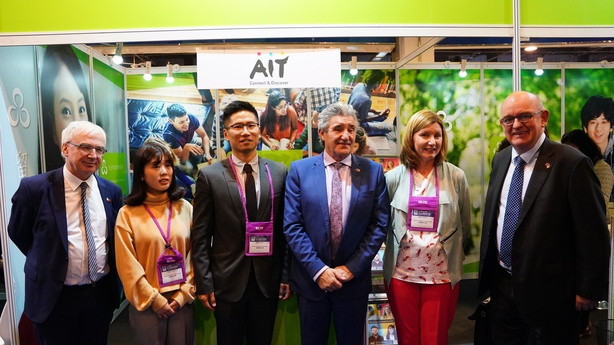
John Halligan (C) with Mary Simpson Director of International Office AIT, Jack Meng, Director of Asia, Irish Ambassador Eoin O’Leary and Niall O’Donnellan Enterprise Ireland

UCD’s partnership with the Beijing University of Technology, established in 2012, sees about 40-50 Chinese students joining the science, technology and commerce departments annually, each paying fees and administration costs of between €14,000 – €16,000.

This week, Maynooth University will sign a memorandum of understanding with Fuzhou University, in the southern province of Fujian, bringing Ireland’s total number of joint partnerships with Chinese higher education institutions to five.

The Maynooth-Fuzhou joint college of engineering is expected to see 1,200 Chinese science and technology students graduate over the next four years.

Maynooth University is hoping it will lead to future research and innovation partnerships, particularly in the fields of artificial intelligence and robotics.

The bite of funding cuts

Irish universities have been feeling the pinch of austerity for the past decade. Falling budgets and staff numbers have been blamed for a drop in the world rankings tables this year.

But Ireland could stand to gain from China’s current trade and political tensions with traditional study destinations such as the US and Australia.

«There are signs that Chinese students are becoming increasingly nervous about studying in the US, largely as a result of tightened immigration restrictions,» said Ellie Bothwell, the global rankings editor at Times Higher Education.

«Recent data also show that the number of Chinese people applying for Australian higher education visas has stalled.

«It has been suggested that visa problems and geopolitical tensions have played a factor in dampening interest.

«All this means that countries such as the UK and Ireland could see more university applications and enrolments from Chinese students in the near future,» she said.

The delegation this week is also keen to convey the message to China’s students that Ireland remains firmly within the EU, while its closest neighbour prepares to leave.

Academic freedom

But while an uptick in numbers could mean a substantial increase in fees – non-EU students pay three to four times as much in tuition as their European counterparts – some professors sound a note of caution.

«One concern about greater reliance on the Chinese market for fees is that it could prompt universities and their governing structures to be more accommodating should the Chinese authorities interfere in some way to curtail academic freedom,» said Alexander Dukalskis, assistant professor in the School of Politics and International Relations at UCD.

«We see some academic publishers that make money in the Chinese market, for example, adhere to the government’s censorship demands,» he said.

«It would be a problem if Irish universities perceived that they had to curtail academic freedom or engage in self-censorship to protect access to the Chinese student market.

«We ought to be very careful to never demonise Chinese students,» he added, «because we may not like some policies of the Chinese Communist Party.»

Restrictions on campus activities have tightened significantly in China in recent years, in line with a wider crackdown on civil society. In 2013, a document, reportedly aimed at «dangerous Western values» – which became known as the «Seven Speak Nots» – was posted online by a professor of law at a Shanghai university.

It revealed a government ban on teaching topics such as freedom of the press, human rights, judicial independence and past mistakes of the communist party. The professor, Zhang Xuezhong, was promptly dismissed from his teaching post.

Critics have accused China of attempting to also stifle debate abroad, via their Confucius Institutes – government-funded and controlled language and culture centres based on university campuses. As a result, several universities in Europe and North America have severed ties with the centres.

«The Chinese Communist Party views Confucius Institutes as a means to improve China’s image abroad,» said Prof Dukalskis.

«They are a very intentional and integral part of Beijing’s effort to cultivate a more amenable international environment for the CCP’s policies.

«Given that the Party, which ultimately controls Confucius Institutes, does not respect free academic inquiry domestically there ought to be major concerns about protecting academic freedom on campuses that host the institutes.

«For example, issues like repression in Xinjiang or Tibet, the policies and personal wealth of Xi Jinping, or the jailing of government critics are basically off-limits for academic inquiry in China and so universities abroad should be alert to the possibility that the Chinese Communist Party would seek to externalise censorship on these and similar issues,» he said.

«I am not aware of any such efforts in Ireland yet,» he added, «but there are troubling examples elsewhere that should stimulate awareness here»‘

The building of UCD’s Confucius Institute’s new premises has been stalled over a construction funding dispute.

On Friday in Beijing, Minister Halligan met with representatives of Hanban, the Confucius Institute’s governing body.

«We discussed it. We didn’t go into it in great detail,» he said, «we are engaged in further cooperation and collaboration over the next couple of weeks and months with them.»

When asked about what safeguards Irish universities have in place to protect academic freedom, he said: «We trust our universities and institutes of technology.

«I have ultimate faith, they do the right thing for their universities and for their country on that issue.»

Student life a long way from home

Fang Zhang has a PhD from Beijing Foreign Studies University and is studying Irish at UCD, on a Chinese government-sponsored scholarship.

«I understand it’s easy to have collisions in mutual understanding when it relates to politics,» he wrote in an email exchange, «but I feel myself as a patriot and I do not believe it is fair to criticise everything we are doing in China.»
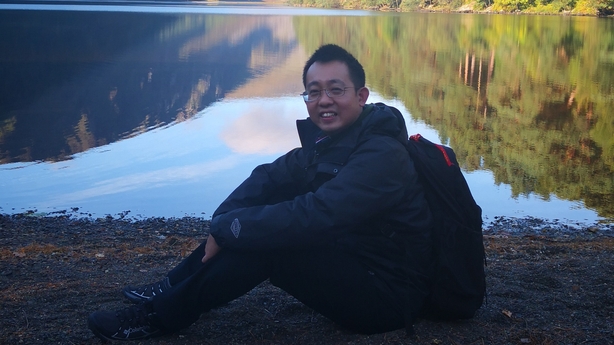
«It is more complicated than Westerners believe,» he added. «It is easy to criticise the Communist Party of China and the Chinese government, but without it, China would never grow as a strong country.»

A long way from China, Fang sometimes gets homesick, «mostly because of the food,» he said.

It is a sentiment echoed by Junhan.

«I have problems adjusting to the cuisine,» she said, «it is too oily and sweet.»

Despite the culinary challenges, both students feel welcome in Ireland. «You scarcely see cold faces like in some other countries,» explains Fang.

They will spend two years at UCD before returning home to teach Irish in Beijing.

«For the second year here, I would love to live with an Irish family, » said Junhan. «It is better if they have pets, have interests towards China and Chinese culture.»

«And accept Chinese cooking,» she adds.

Source of the notice: https://www.rte.ie/news/world/2018/1021/1005637-china-students-ireland/
Comparte este contenido:

Paris draws inspiration from Yerevan to give teenagers digital education

By: Clément Nicolas.

With the support of European funding, Paris has started a school for digital creation called ‘Tumo’. This concept, which comes from Armenia, allows young people aged between 12 and 18 to learn about digital creation in an autonomous manner. EURACTIV France reports.

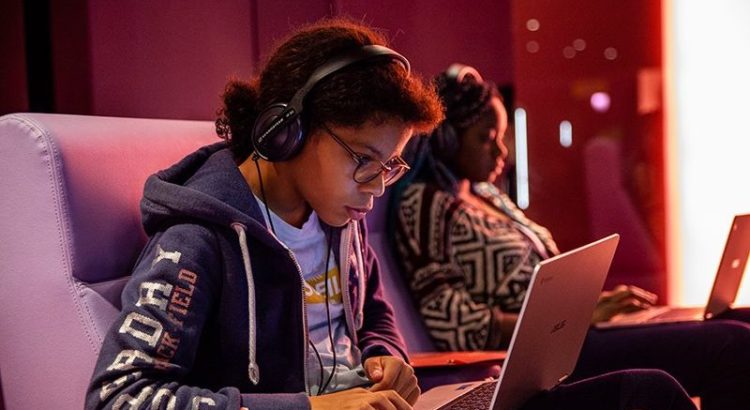
On the illuminated wall at the Forum des Images at Les Halles in Paris, moving human forms create a surreal atmosphere. Inside the building, for two hours a week, young Parisians are able to come and practice programming and digital drawing after school.

While the facility is designed to accommodate up to 4,000 apprentices in total, it has already brought together 800 young people.

In a large ‘classroom’, which resembles a boudoir with its comfortable sofas and its dimmed lamps, the pupils are absorbed by their tablets. They are attending a self-study course where everyone works at their own pace on different subjects including video, cinema, music, drawing and animation, among others.

A school where there are no marks

On 16-year-old Maxime Osty’s screen, logos are scrolling by. He is trying to learn how to reproduce them using the tutorial provided. “I came here because I wanted to discover how programming works, to confirm whether I like it or not,” he explained.

Next to him, 12-year-old Tidiane Ménega is passionate about music. “Here I can learn about electronic music, I’m working on beatboxing and I have even started a Youtube channel! And when you don’t know how to do something, you can ask the others or the coordinators”.

David Martinez is one of these, although he prefers to describe himself as a “coach”. “We’re here in support, we encourage them to keep going. In the course of the programme they can specialise in eight different areas. So far, we have noticed that what people like the most are the video game and cinema specialities,” he said.

His relationship with the children is much more straightforward because all marks are banned. There are no plans to award any qualifications, priority is instead given to the development of the children, who are asked to regularly attend and also to review their projects to improve them.

€1 million for innovation

“Tumo was chosen as the world’s most innovative school three years ago. The school’s about stumbling and valuing failure. It’s wonderful to see the joy on the kids’ faces who come here,” said Claude Farge, General Director of the Forum des Images, at the opening on 16 October.

He was accompanied by Anne Hidalgo, the mayor of Paris, and Carlos Moedas, European Commissioner for Research, Science and Innovation. The funds used to finance the facility came from the European Union.

The city of Paris was awarded a €1 million cheque in November 2017 for winning the European capital of innovation competition. This prize recognises a city’s commitment to the local development of innovations to the benefit of business and citizens.

With “Station F”, the world’s biggest start-up campus, and 5% of its budget reserved for citizens’ projects, the French capital had a number of arguments that it could present.

“I told Anne Hidalgo: so, what are you going to do with this money? She replied that she had seen something special in Yerevan, and it was amazing because I knew it too!” remembered Moedas.

The Parisian councillor visited the Armenian project in 2016. In Tumo, she sees “a school which will mark the lives of those who go there. Few initiatives are really reserved for teenagers, this was the opportunity to change that.”

Out of the 4,000 places available, 35% are reserved for children who live in priority areas, which is a sign of the social dimension that this initiative wants to take. It will also offer periodical placements with professional in the digital sector during the school holidays.

Source of the review: https://www.euractiv.com/section/digital-skills/news/paris-draws-inspiration-from-yerevan-to-give-teenagers-digital-education/

Comparte este contenido:

To LGBTQ, or not to LGBTQ, that is Taiwan’s question

By: Chris Taylor.

The region’s bright beacon of democracy ponders whether the right to a voice in public affairs can be too much of a good thing amid a row over same-sex marriage

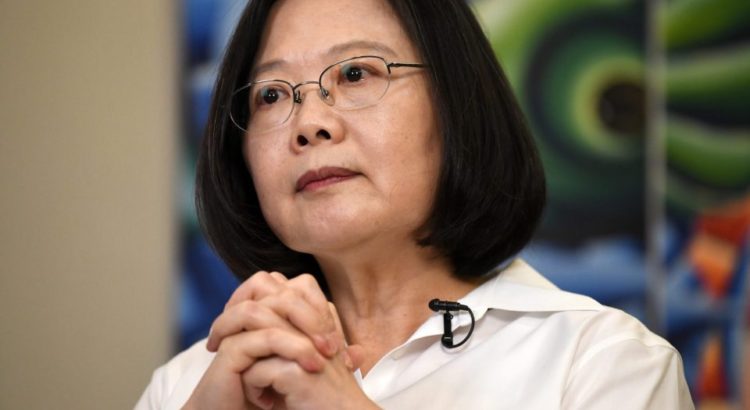
With the election of Taiwanese President Tsai Ing-wen, the passage of a law on marriage equality seemed a done deal, and the streets of Taipei briefly thronged with euphoric gay-pride marches.

The liberal world order, or what is left of it, applauded the island for the democratic evolution of its civil rights.

Today, many Taiwanese wonder aloud whether what they are dealing with is democracy run amok. True, those who dream or campaign for the vise-like control of Beijing via unification have been relegated to the loony fringe. But it is not unusual to hear Taiwanese mutter that democracy at rudderless full steam ahead can be too much of a good thing.

In 2017, the Council of Grand Justices ruled that same-sex marriage should be legalized by the legislature within two years. But there the ruling languished as opposition by Christian groups and other religious associations rallied to rouse anti-gay sentiment island-wide.

Actually, the ruling by Taiwan’s Grand Justices stipulated that if the legislature did not act within two years, marriage equality would automatically pass into law. This has allowed Tsai to continue to tout Taiwan as the first jurisdiction in Asia to legalize gay marriage despite her milquetoast public support for the law.

At this point, in the first of a series of yet more bewildering twists and turns, enter an amended Referendum Act and an Election Committee that appears incapable of saying no to any referendum proposition that comes its way.

Magic bullet

For many activists in Taiwan – largely those from the broadly pro-independence, so-called pan-Green camp – lowering the signature threshold required by the Referendum Act has long been seen as a magic bullet required for achieving positive democratic change.

In December 2017, their long-cherished dream became a reality and the act was amended. It lowered the required number of signatures to prompt a national plebiscite to 1.5% of the electorate, or around 280,000.

Tsai hailed the amendment as a historic moment in the evolution of democracy in Taiwan. They are words she may already have come to rue.

Anti-gay activists set about gathering signatures, prompting supporters of marriage equality to do the same. The newly lowered threshold to trigger plebiscites meant that both were successful.

The result is that on November 24, when Taiwanese are scheduled to troop to the polls to cast their votes for 22 local authorities, they will also be faced with the challenge of declaring their support or opposition for marriage equality in five separate referenda.

Four of them are phrased in language so similar as to render them almost identical, meaning that voters will be casting their ballots on the same question twice.

The conservative anti-gay Happiness of the Next Generation Alliance has innovatively added a referendum on whether homosexuality should be mentioned in sex-education classes. Namely: “Do you agree that the Ministry of Education and individual schools should not teach homosexual-related education, as detailed under the Enforcement Rules for the Gender Equity Education Act, in elementary and middle-level schools?”

Sam Yeh

Source of the article: http://www.atimes.com/article/to-lgbtq-or-not-to-lgbtq-that-is-taiwans-question/

Comparte este contenido:

Taiwan indigenous musician sounds clarion call for cultural, environmental well-being

Asia/ Taiwan/ 22.10.2018/ Source: www.taiwannews.com.tw.

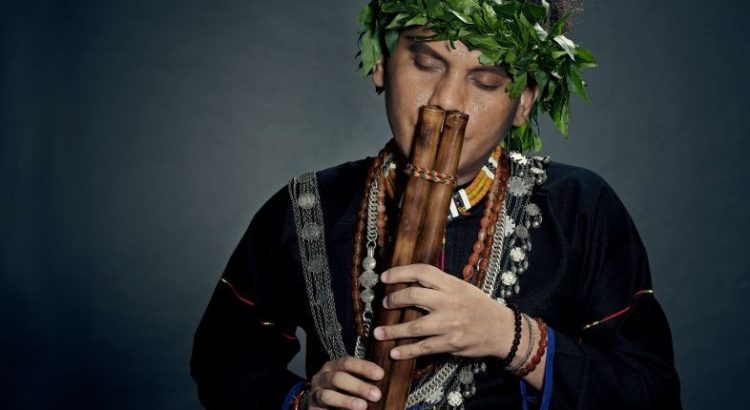
Sangpuy Katatepan Mavaliyw, a musician from Taiwan’s Pinuyumayan tribe, is cleareyed about the importance of environmental conservation, making it a central theme in his latest album “Yaangad,” or “life,” in the language of the indigenous people. “If Mother Nature is destroyed, other issues we fight for and the things we cherish will no longer exist,” he said.

A collection of original songs inspired by traditional tribal melodies, the record won Album of the Year at the 2017 Golden Melody Awards—the first time an indigenous language entry claimed the coveted honor. The soul-searching production was later named best album in the world traditional music category at the 2018 Independent Music Awards in the U.S.

Described by the GMA jury as possessing “an emotive voice rooted deeply in the land of Taiwan,” Sangpuy is a fixture in local and overseas music awards and festivals since his debut “Dalan” in 2012. Largely comprising traditional Pinuyumayan tunes blended with string instrument recordings, the album earned the artist his first GMA accolade of Best Aboriginal Singer in 2013.

“‘Dalan’ expresses my desire to spur young people’s interest in discovering our tribal songs,” Sangpuy said, reflecting his passion from an early age for Pinuyumayan culture and language.

“Dalan,” Sangpuy’s debut album of 2012, continues to attract attention and acclaim from music lovers at home and abroad. (Courtesy of KCS)

Born and bred in the Katratripulr community of southeastern Taiwan’s Taitung County, Sangpuy was initially exposed to indigenous knowledge and wisdom via the teachings of elders, as well as the tribe’s time-honored education system. Pinuyumayan boys are required to join the Palakuwan, a center of youth-based learning, and girls must study with their mothers or other matriarchal figures.

According to Sangpuy, this approach ensures the tribe’s language, music, oral traditions and values are passed down to the next generation. “Comprehending our language is crucial to understanding the essence of the profound Pinuyumayan culture,” he said.

“Perhaps my biggest motivation for learning the language of my people is a tape recording of my grandfather singing,” Sangpuy said. “I lost him at a young age and want nothing more than to honor his memory by perfecting my mother tongue and fully understanding the messages resonating in his voice.”

The recording “Yaangad” by Sangpuy is the first indigenous language entry to claim the prestigious GMA prize of Album of the Year. (Courtesy of KCS)

Another motivating factor is the six years Sangpuy spent as an assistant and leader of indigenous teenagers and young adults. As both positions demanded great dedication to the public affairs of Katratripulr, it was impossible for Sangpuy to leave his hometown or get married. “This experience offered me an invaluable way of connecting with the community I grew up in, as well as the priceless lesson of always remaining humble,” he said.

Through the Pinuyumayan education system, strong bonds are established among members of the tribe. This deep affection for and close link with Katratripulr remain the bedrock of Sangpuy’s life, even after he left home to work in northern Taiwan’s New Taipei City around the age of 27. The singer-songwriter believes a tribal saying best sums up this connection: “Unlike flies that only gather when there is something to be gained, our people are like bees and work together whenever or wherever for the welfare of the community.”

Such lessons on life and broader tribal philosophies are enshrined in Sangpuy’s music, especially the importance of maintaining a harmonious and respectful relationship with the environment. In “Yaangad,” the song “Kumuda,” or “What Happened,” is made up of a series of questions about what will the world be like if the ecosystem is destroyed. “The truth is humans need Mother Nature, but Mother Nature does not need humans,” Sangpuy said.

Tales told by the tribe’s elder are also a great inspiration to Sangpuy. The popular song “Sadeku na senan”, or “Light,” is based on story shared by his 96-year-old great-aunt. Centered on a warmhearted relationship between a god from the Moon and a mortal woman, the tale gave rise to a Sangpuy creation combining the familiarity of moonlight with an expression of gratitude for those who helped him in the course of his life.

With the well-being of the Earth and the tribe at the forefront of his mind, Sangpuy is irrepressible in sharing his music, life blessings, and delivering a message of care and concern for the environment. “Producing an album is like making wine; something to share with the world,” he said. “If someone is invigorated or moved by the taste, there is no finer compliment.”

As Sangpuy’s late father told him, sharing is the most noble of actions. This maxim, which has shaped his existence to date, is also helping the tribal talent remain true to his love for Mother Nature and roots while experimenting with new musical forms. (E) (By Chiang Pei-ying)

Source of the notice: https://www.taiwannews.com.tw/en/news/3556804

Comparte este contenido:

Violentos enfrentamientos estallan después de que Israel ha cerrado una escuela palestina en Cisjordania

Israel – Palestina / 21 de octubre de 2018 / Autor: Redacción / Fuente: News Front

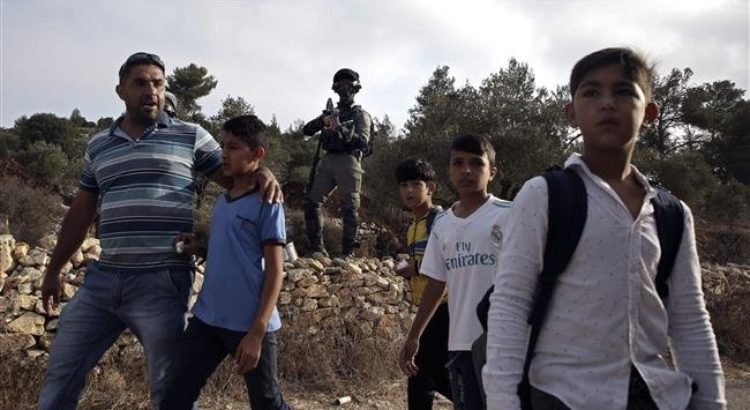
Una serie de feroces enfrentamientos se han desatado entre los manifestantes palestinos y las fuerzas israelíes después de que el régimen de Tel Aviv ordenó el cierre de una escuela palestina en la ocupada Cisjordania.

Los enfrentamientos se produjeron después de que los estudiantes trataran de ingresar a la escuela junto a algunos funcionarios locales en la ciudad de Sawiyah, al sur de Nablus, el lunes por la mañana.

Las tropas y la policía israelíes lanzaron gases lacrimógenos contra los manifestantes, incluso en las instalaciones de la escuela.

La Media Luna Roja Palestina dijo que al menos cuatro personas fueron alcanzadas por balas de goma, y ​​varias otras fueron afectadas por gases lacrimógenos. Un fotógrafo de la AFP estuvo entre los heridos en los enfrentamientos.

La escuela atiende a los pueblos palestinos de as-Sawiya y al-Lubban, al sur de Nablus, y se encuentra en una carretera principal que atraviesa Cisjordania.

Samer Ewass, un funcionario de la aldea, dijo que estaban protestando por la decisión israelí.

«Rechazamos esta decisión», dijo Ewass, y agregó: «Estos niños tienen derecho a la educación, tienen derecho a sentarse en la escuela como cualquier niño en cualquier país».

El ejército israelí emitió el domingo una orden para cerrar la escuela. El ejército israelí culpó a los estudiantes por tirar piedras a una carretera principal cercana utilizada por sus fuerzas y los colonos israelíes.

Docenas de estudiantes palestinos resultaron heridos después de que colonos y soldados israelíes armados allanaron una escuela secundaria en la ocupada Cisjordania el 11 de octubre.

A fines de agosto, el Consejo Noruego para los Refugiados (NRC, por sus siglas en inglés), una organización internacional, dijo que a los niños palestinos en los territorios ocupados simplemente se les estaba negando la educación mientras el régimen israelí continuaba con la muy culpable política de demoler sus escuelas recién construidas.

La NRC dice que unas 55 escuelas en la Cisjordania ocupada están amenazadas con demoliciones y órdenes de detención de trabajos por parte de las autoridades israelíes, la mayoría de ellas construidas con fondos de los estados miembros de la Unión Europea y otros donantes.

La UE ya ha anunciado que unas 100 estructuras, incluidas viviendas, refugios, redes de agua y escuelas, en Cisjordania y Jerusalén Este al-Quds han sido destruidas o confiscadas durante el año pasado.

Israel ha demolido tres escuelas palestinas en dos semanas, dejando a los estudiantes desesperados bajo el ardiente calor del sol de agosto.

Muchos creen que las controvertidas medidas de demolición adoptadas por Tel Aviv tienen como objetivo expulsar a más palestinos de Cisjordania.

Israel fue creado en 1948 después de una toma militar respaldada por Occidente de vastas extensiones de territorios árabes. En 1967, Israel ocupó toda la Ribera Occidental, incluido el este de Al-Quds, durante las operaciones militares de frente completo. Posteriormente se anexaron los territorios. Luego de la anexión, también comenzó a apuntalar asentamientos, considerados ilegales por la comunidad internacional debido a su construcción en el territorio ocupado.

Ningún movimiento ha sido reconocido por la comunidad internacional. Desde entonces, Tel Aviv también ha estado cambiando la demografía del territorio al desplazar las concentraciones de las poblaciones palestinas, ya sea en forma total o por etapas.

Más de 600,000 israelíes viven ahora en más de 230 asentamientos. Tel Aviv ha desafiado los llamamientos para detener la expansión de los asentamientos en los territorios palestinos ocupados.

Fuente de la Noticia:

https://es.news-front.info/2018/10/16/violentos-enfrentamientos-estallan-despues-de-que-israel-ha-cerrado-una-escuela-palestina/

ove/mahv

Comparte este contenido:

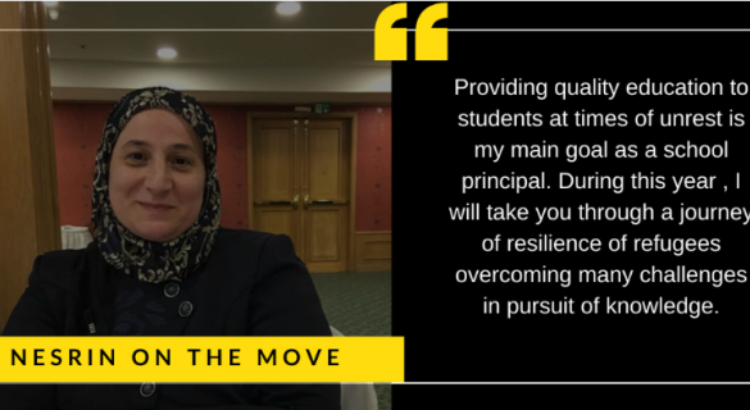
Una maestra sigue firmemente comprometida con sus estudiantes, ante el cierre de una escuela de la Agencia de las Naciones Unidas para los Refugiados Palestinos (UNRWA)

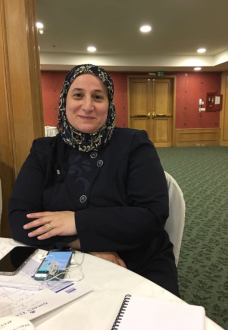
Nesrin Ayoub es la directora de una escuela primaria dirigida por el OOPS de 450 niñas de 6 a 16 años de edad en el campo de refugiados de Ein Hilweh, en el Líbano. Todos los niños son todos refugiados palestinos del Líbano y Siria. Las personas en el Campamento Ein Hilweh viven en condiciones difíciles de desafíos socioeconómicos y condiciones de seguridad inestables donde los enfrentamientos armados y disturbios estallan muchas veces al año.

Nesrin encabeza nuestra campaña #EducationOnTheMove, que rastrea a los migrantes y refugiados de todo el mundo cuando intentan acceder a la educación en sus nuevos países. Su objetivo es ayudarnos a comprender los mensajes del próximo Informe GEM 2019, Migración, desplazamiento y educación: construir puentes, no muros , en el contexto de las experiencias de la vida real de las personas.

Ella ha sido testigo de balas perdidas que ingresan a su clase cuando enseña, enfrentamientos armados en erupción mientras están en la escuela, con la escuela a veces golpeada y ventanas destrozadas. Tales disturbios llevan a los estudiantes a ser evacuados a refugios, e incluso ayudan a escapar fuera del campamento para buscar refugio en otro lugar. Las escuelas en el campamento cierran durante varios días durante el año escolar.

La propia Nesrin tuvo pesadillas desde las experiencias de su infancia hasta los 40 años, y ahora se encuentra con muchos niños traumatizados por la lucha. Al igual que con los otros maestros en el campamento, enfrenta numerosos desafíos para ayudar a los niños a regresar nesrina la escuela, brindar apoyo psicosocial a los niños y encubrir los días de enseñanza perdidos.

Los alumnos de Nesrin son los pocos afortunados. Nesrin no solo se ha beneficiado de la capacitación psicosocial y de emergencia, sino que, como refugiada palestina nacida en el campamento, siente una empatía natural con ellos. En este blog ella describe algunos de los altibajos del nuevo término.

“ El primer día de septiembre, mi corazón latía con alegría cuando crucé el puesto de control del ejército en la entrada del campamento. Mi escuela primaria había abierto sus puertas para el nuevo año académico, contra todo pronóstico. No es un secreto que UNRWA se enfrenta a una crisis de financiamiento sin precedentes y se temía que alrededor de 500,000 estudiantes que asisten a sus escuelas en todo el Medio Oriente (incluidos los estudiantes de mi escuela) se verían obligados a quedarse en casa este término , perdiendo la educación. Ese es su derecho.

nesrin blog 1Es cierto que algunas de nuestras clases estarán llenas de hasta 45 estudiantes o más; Pero haremos lo mejor de la situación. Siendo un antiguo alumno de la UNRWA y un maestro capacitado por la UNRWA, ahora maestro en jefe, me siento en deuda con la generosidad de la comunidad internacional y su continuo apoyo a los refugiados palestinos. Esta generosidad me motiva a trabajar tan duro como pueda para darles a los estudiantes la oportunidad de un futuro mejor «. 

Como ocurre todos los años, UNRWA proporcionó a los 450 estudiantes de mi escuela (y de todas las demás escuelas de UNRWA) libros, estacionarios, incluidos a todos los estudiantes de Siria. Todos mantenemos nuestras esperanzas de que la escuela permanecerá abierta durante este año académico. El primer día fue fenomenalmente bien, y el segundo día, tuvimos una ceremonia de graduación para los estudiantes de noveno grado que habían aprobado los exámenes oficiales. La celebración fue muy alegre y fue generosamente financiada por el gobierno belga. 

Pero nuestra alegría no duró mucho. Debido a la inestable situación de seguridad en el campamento, perdimos 4 de los 23 días que debíamos enseñar para el cierre forzado. Y para cada día que cerramos, necesitamos otro día para restablecer el sentido de normalidad en las clases.

Realizamos sesiones de apoyo psicosocial, establecemos árboles de comunicación para comunicaciones de emergencia con los padres, reflexionamos sobre los simulacros de evacuación y acordamos cómo compensar a los estudiantes por las horas de enseñanza perdidas. Dentro de las iniciativas de reforma, UNRWA nos ha capacitado bien para liderar la Educación en Emergencias, pero todavía tenemos que recurrir a la capacidad de nuestra propia persona para hacer frente a revivir este escenario una y otra vez. 

En la Asamblea General de las Naciones Unidas, el mundo había mostrado su amor y apoyo a los Refugiados de Palestina y al OOPS . El 5 de octubre, Día Mundial de los Maestros, mi corazón latía de nuevo. Soy un refugiado que sirve a refugiados y nada me impedirá crear recuerdos felices para mis alumnos. ¡La esperanza es eterna! 

Fuente: https://gemreportunesco.wordpress.com/2018/10/17/a-teacher-remains-fiercely-committed-to-her-students-as-unrwa-schools-face-closure/

Comparte este contenido:
Page 244 of 773
1 242 243 244 245 246 773