Page 251 of 773
1 249 250 251 252 253 773

Etiopía y Turquía estudian incremento de cooperación en educación

África/Etiopía/27 Septiembre 2018/Fuente: Prensa Latina
Etiopía y Turquía estudian hoy vías para incrementar la cooperación en materia educativa, con la firma de acuerdos que permitirán la construcción de nuevos centros escolares con financiamiento del país europeo.
Los convenios fueron rubricados por representares del Ministerio etíope de Asuntos Exteriores y la Fundación turca Maarif, que recibió de Ankara 75 millones de dólares para sus operaciones internacionales.

De acuerdo con el diario The Ethiopian Herald, Maarif se encargará de proyectos en Addis Abeba, Harar y Mekele.

Levent Sahen, director de la Fundación, precisó que la hoja de ruta trazada comprende no sólo apoyar a las autoridades en su intento de aumentar los recintos de enseñanza para responder adecuadamente al vertiginoso crecimiento de la población, sino mejorar la calidad del conocimiento impartido.

Ambos elementos son esenciales en lograr el objetivo de crecer, pero sobre todo crecer de manera sostenible, concluyó Sahen.

Fuente: https://www.prensa-latina.cu/index.php?o=rn&id=213729&SEO=etiopia-y-turquia-estudian-incremento-de-cooperacion-en-educacion
Comparte este contenido:

Two international union groups speak for fired teachers

Asia/Cambodia/27.09.18/Fuente: www.phnompenhpost.com.

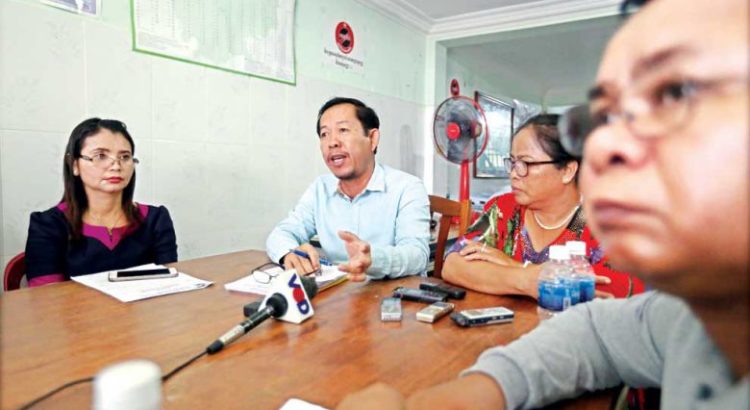
Two prominent international unions have written to the Ministry of Education accusing it of illegally firing several employees with ties to the now-dissolved Cambodia National Rescue Party, and asking that the group be reinstated.

In a letter, dated March 20 and sent to Education Minister Hang Chuon Naron, the International Trade Union Confederation (ITUC) and Education International (EI) say the ministry’s decision to terminate the teachers and education officers was in violation of international and local law.

“We believe their terminations . . . were politically motivated,” the letter reads. “Discrimination ‘without distinction whatsoever’ on all grounds including political opinion is strictly prohibited in the ILO [International Labour Organization] Convention No. 87 on freedom of association.”

Both organisations urged the ministry to reinstate the teachers without further delay.

“The right of the teachers in Cambodia to freedom of expression and association should be respected without undue interference,” the unions’ letter reads.

A total of 11 ex-CNRP members claim they were unjustly terminated from their positions with the ministry in January. Their termination letters, signed by Minister Chuon Naron, claim they were absent without permission.

However, the ex-employees say they had been allowed to take leaves of absence to pursue political roles with the CNRP. Following the party’s forced dissolution in November, however, they submitted letters to their respective provincial education departments requesting to resume their duties following standard procedure. The ministry, however, subsequently fired them.

Rong Chhun – a prominent former teachers’ unionist who was a CNRP appointee to the National Election Committee, only to resign in protest of the party’s dissolution – is among those terminated. Chhun on Wednesday said he believes the ITUC and EI have the “power” to push the ministry and the Cambodian government to reinstate them.

In addition, the American Federation of Teachers sent a letter to Cambodian Ambassador to the US Chum Bun Rong to express its concerns regarding the firings. The ILO also sent a letter to the Cambodian Independent Teachers Association acknowledging receiving its letter on this case.

Chuon Naron and ministry spokesman Ros Salin didn’t respond to requests for comment.

Fuente de la noticia: https://www.phnompenhpost.com/national/two-international-union-groups-speak-fired-teachers

Comparte este contenido:

Líbano: las escuelas discriminan a los niños con discapacidad

Asia/Libano/26.09.2018/Fuente: www.hrw.org.

Es necesario lograr escuelas inclusivas y poner fin a la dependencia de las instituciones

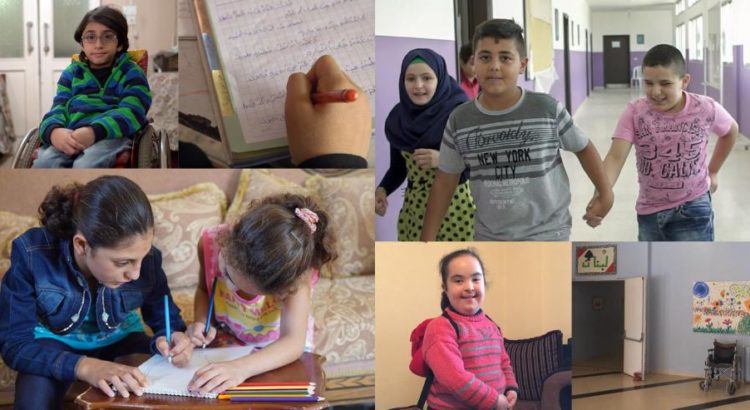
El sistema de educación pública del Líbano discrimina a los niños con discapacidad, dijo Human Rights Watch en un informe publicado hoy. A estos niños a menudo se les niega la admisión a las escuelas debido a su discapacidad. Y aquellos que logran matricularse, descubren que la mayoría de las escuelas no toman medidas razonables para proporcionarles una educación de calidad. Muchos niños con discapacidad en el Líbano asisten a instituciones que no tienen el mandato de proporcionar educación, o sencillamente no reciben ningún tipo de educación.
El informe de 75 páginas, ‘I would like to go to school’: Barriers to Education for Children with Disabilities in Lebanon,” (“‘Me gustaría ir a la escuela’: obstáculos a la educación para niños con discapacidad en el Líbano”), revela que aunque la ley libanesa prohíbe que las escuelas discriminen a los niños con discapacidad, las escuelas públicas y privadas excluyen a muchos niños con discapacidades. Para aquellos que logran matricularse, las escuelas a menudo carecen de adaptaciones razonables, como modificaciones al entorno del aula de clases y los planes de estudios, o de métodos de enseñanza para abordar las necesidades de los niños. Las escuelas también requieren que las familias de los niños con discapacidad paguen tasas y gastos adicionales que, de hecho, son discriminatorios.
Las prácticas de admisión discriminatorias están privando a los niños libaneses con discapacidad de recibir una educación”, señaló Lama Fakih, directora adjunta para Medio Oriente de Human Rights Watch. “Sin una opción real para obtener una educación inclusiva de calidad, miles de niños con discapacidades quedan rezagados”.
Bajo las leyes tanto libanesas como internacionales, todos los niños deberían tener acceso a una educación de calidad sin discriminación. La Ley Nº 220 del Líbano, aprobada en 2000, garantiza a todas las personas con discapacidad el derecho a la educación y a otros servicios, sin embargo  no se está poniendo en práctica, como pudo comprobar Human Rights Watch. El camino educativo de los niños con discapacidad en el Líbano está plagado de escollos logísticos, sociales y económicos que hacen que, a menudo, enfrenten una experiencia escolar comprometida, si es que siquiera pudieron llegar a matricularse.
Human Rights Watch entrevistó a más de 200 niños con discapacidad y sus familias, funcionarios del gobierno, expertos en derechos de las personas con discapacidad y personal docente, y visitó 11 escuelas públicas y privadas, 17 instituciones y 6 proveedores de servicios.
Las familias dijeron que las autoridades escolares alegaron varias razones, a veces inhumanas, para negar la admisión de sus hijos. “Aunque la exclusión no sea una política, se ha convertido en una costumbre”, señaló un experto en derechos de personas con discapacidad.
Pocas escuelas en el Líbano son físicamente accesibles y el gobierno no hace muchos esfuerzos para llevar a cabo adaptaciones que los niños podrían necesitar para prosperar. Human Rights Watch descubrió en casi todos los casos que los maestros y administradores escolares carecían de formación en educación inclusiva y que las escuelas no disponían de fondos para proporcionar suficiente personal, en particular ayudantes para brindar apoyo directo a uno o más niños. La educación inclusiva implica que los niños con discapacidad estudien en las escuelas de su comunidad con un apoyo razonable para alcanzar logros académicos y de otro tipo.
“Estamos haciendo lo que podemos”, dijo un maestro. “No tenemos los recursos ni las herramientas que necesitamos”.
Para los niños que no pueden matricularse en las escuelas, hay 103 instituciones especializadas financiadas por el Ministerio de Asuntos Sociales que sirven como alternativa para los niños con discapacidad. Sin embargo, los recursos educativos en muchas de estas instituciones son de mala calidad. Y la falta de monitoreo, los mecanismos de evaluación deficientes y la escasez de recursos apropiados generan serias preocupaciones sobre si estas instituciones cumplen con el derecho de los niños a la educación.
Las condiciones en algunas de las instituciones son problemáticas, descubrió Human Rights Watch. En dos de las instituciones residenciales visitadas no había separación entre los niños y los residentes adultos, lo que se traduce en una falta de privacidad y una supervisión inadecuada. En muchos casos, la distancia y el costo del transporte hacen que muchos niños terminen pasando la noche en estas instituciones, separándolos en la práctica de sus familias y comunidades durante períodos de tiempo considerables.
No hay datos claros sobre el número total de niños con discapacidad en el Líbano ni sobre cuántos asisten a la escuela. De los 8.558 libaneses de 5 a 14 años registrados en el Ministerio de Asuntos Sociales como niños con discapacidad, 3.806 se encuentran en instituciones financiadas por el gobierno, y algunos otros están distribuidos entre escuelas públicas y privadas.
Sin embargo, otros datos plantean la preocupación de que decenas de miles de niños libaneses con discapacidad puedan ser excluidos del registro oficial de discapacidad del Líbano. El Fondo de las Naciones Unidas para la Infancia (UNICEF), la Organización Mundial de la Salud (OMS) y el Banco Mundial estiman que el 5% de las personas menores de 14 años tiene una discapacidad, lo que arrojaría una estimación conservadora del número de niños libaneses de entre 5 y 14 años con una discapacidad de 40.000.
En los últimos años, el gobierno libanés ha dado pasos en la dirección correcta. El Ministerio de Educación ha realizado algunos esfuerzos para incluir a los niños con discapacidades de aprendizaje en las escuelas públicas. También está planificando un programa piloto para 2018 según el cual 30 escuelas públicas incluirán a niños con discapacidades de aprendizaje y 6 matricularán a niños con discapacidades visuales, auditivas, físicas e intelectuales moderadas.
El derecho a la educación se aplica a todos los niños, incluidos aquellos con discapacidad. Como Estado parte en las Convenciones sobre los Derechos del Niño y el Pacto Internacional de Derechos Económicos, Sociales y Culturales, el Líbano está obligado a proporcionar educación primaria obligatoria gratuita y acceso a la educación secundaria sin discriminación a todos los niños. La educación inclusiva beneficia a todos los estudiantes, no sólo a los estudiantes con discapacidad. Un sistema que satisfaga las diversas necesidades de todos los estudiantes beneficiaría a todos y es un medio para lograr una educación de alta calidad y puede promover una sociedad más inclusiva.
Los obstáculos que enfrentan los niños con discapacidad no son exclusivos del Líbano. La Organización de las Naciones Unidas para la Educación, la Ciencia y la Cultura (UNESCO) estima que más de un tercio de los 121 millones de niños en edad primaria y secundaria que no asisten a la escuela en todo el mundo son niños con discapacidad.
El gobierno libanés debería implementar y hacer cumplir la legislación vigente sobre derechos de las personas con discapacidad, dijo Human Rights Watch. El Ministerio de Educación debería proporcionar educación inclusiva en todas sus escuelas de forma que se logre la máxima inclusión de niños con discapacidad en las escuelas públicas y privadas convencionales, lo que incluye la adaptación de los planes de estudios y la contratación de personal con experiencia. El Ministerio de Asuntos Sociales debería crear y poner en práctica un plan de acción sujeto a un plazo límite para la desinstitucionalización.
“Dieciocho años después de que el Líbano aprobara una ley que garantiza que los niños con discapacidad puedan obtener una educación, casi no se ha hecho nada para que sea una realidad”, dijo Fakih. “El Líbano debe poner fin urgentemente a su dependencia de las instituciones y garantizar que los niños con discapacidades puedan obtener una educación de calidad en el aula junto con sus compañeros”.

Fuente de la noticia: https://www.hrw.org/es/news/2018/03/22/libano-las-escuelas-discriminan-los-ninos-con-discapacidad

Comparte este contenido:

Afganistán: Niñas luchan por su educación

Por Human Rights Watch

Inseguridad, inacción del gobierno y desvinculación de los donantes revierten logros clave

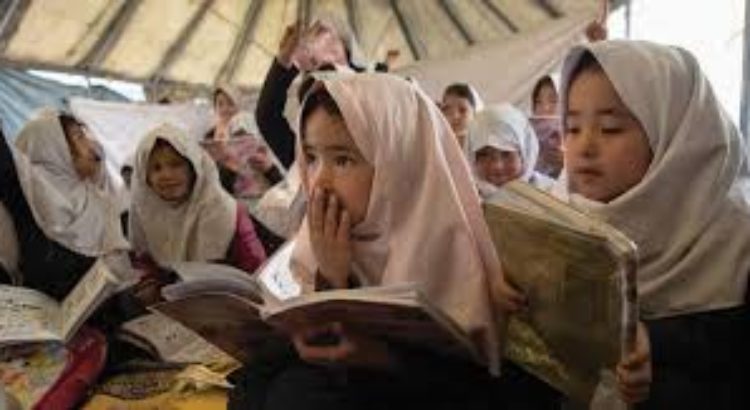
Los esfuerzos del gobierno afgano y de donantes internacionales a favor de la educación de las niñas aportados desde 2001, han mermado significativamente en los últimos años, señaló Human Rights Watch en un nuevo informe difundido hoy. A 16 años de que la intervención militar encabezada por Estados Unidos expulsó a los talibanes de Afganistán, se estima que dos tercios de las niñas afganas no asisten a la escuela.

“El gobierno afgano y los donantes hicieron grandes promesas en 2001 de incorporar a todas las niñas a la educación, pero actualmente la inseguridad, la pobreza y el desplazamiento están dejando a numerosas niñas fuera de las escuelas”, observó Liesl Gerntholtz, directora de derechos de la mujer de Human Rights Watch. “El gobierno debe renovar su estrategia para asegurar que todas las niñas tengan una escuela a la cual asistir; de lo contrario, existe el riesgo de que estos logros se desperdicien”.

El informe de 132 páginas, “No seré médica y algún día te enfermarás: El acceso de las niñas a la educación en Afganistán”, describe cómo, a medida que se deteriora la seguridad en el país y los donantes internacionales se desvinculan de su compromiso con Afganistán, los avances para escolarizar a las niñas se han estancado. El informe se elaboró a partir de 249 entrevistas realizadas en las provincias de Kabul, Kandahar, Balkh y Nangarhar, principalmente a niñas de entre 11 y 18 años que no pudieron completar su educación.

Los donantes internacionales y el gobierno afgano han destacado la educación de las niñas como un ejemplo exitoso, y hoy asisten a la escuela varios millones de niñas más que durante el régimen talibán. Pero el objetivo explícito de escolarizar a todas las niñas está lejos de concretarse, y la proporción de alumnas mujeres ahora está descendiendo en algunas partes del país. Según el gobierno, 3,5 millones de niños no asisten a la escuela, y de esta cifra el 85% son niñas. Solo el 37% de las adolescentes están alfabetizadas, en comparación con el 66% de los varones adolescentes.

El gobierno de Afganistán ofrece una cantidad menor de escuelas para niñas que para niños, tanto en el nivel primario como en el secundario. En la mitad de las provincias del país, menos del 20% de los docentes son mujeres, un obstáculo importante para la gran cantidad de niñas cuyas familias no aceptan que un hombre les imparta educación, sobre todo en la adolescencia. Muchos niños y niñas viven demasiado lejos de la escuela más próxima, y esto afecta en especial a las niñas. Alrededor del 41% de las escuelas no tienen edificios, y muchas carecen de muros de separación, agua y baños, lo cual afecta a las niñas de manera desproporcionada.

Khatera, una niña de 15 años que se crió en la provincia rural de Samangan, dijo a Human Rights Watch: “La escuela para niñas más cercana quedaba muy lejos, en otra aldea… En burro o a caballo, habría que viajar desde la mañana hasta el mediodía para llegar”.

Las niñas suelen permanecer en la casa debido a actitudes discriminatorias que no valoran ni permiten su educación. Un tercio de las niñas contrae matrimonio antes de los 18 años, y una vez que están comprometidas o casadas, muchas son obligadas a abandonar la escuela.

Pero muchas familias también hacen enormes esfuerzos por educar a sus hijas superando obstáculos colosales, y merecen contar con apoyo. Human Rights Watch dialogó con familias que se han trasladado a otras ciudades e incluso han cruzado el país con el fin de encontrar una escuela para sus hijas, que se han separado para permitir que sus hijas estudien, y que hacen que hermanos mayores realicen viajes peligrosos para trabajar en forma ilegal en Irán y, con sus ingresos, solventar los estudios de sus hermanas menores en su país.

Las leyes de Afganistán establecen la obligatoriedad de la educación hasta el noveno nivel, cuando los niños tienen por lo general alrededor de 14 años, aunque en realidad muchos niños no acceden hasta este nivel de educación —ni, a veces, a ningún otro. Los obstáculos administrativos y la corrupción crean escollos adicionales, sobre todo para las familias desplazadas y pobres. Aunque la matrícula es gratuita, enviar a los niños a la escuela genera costos, y muchas familias sencillamente no pueden permitirse enviar a ninguno de sus hijos a la escuela o, ante las limitaciones financieras, optan por favorecer la educación de los hijos varones. Alrededor de una cuarta parte de los niños afganos trabajan para ayudar a sus familias a subsistir en la pobreza acuciante, y muchas niñas tejen, bordan, mendigan o recogen basura en lugar de estudiar.

En la actualidad, los talibanes y otros grupos insurgentes controlan o se disputan más del 40% de los distritos de Afganistán. Los combates entre talibanes y fuerzas gubernamentales han obligado a miles de familias a abandonar sus casas, y hay en el país más de un millón de desplazados internos. En áreas controladas por los talibanes, estos suelen imponer a las niñas un tope de solo algunos años de escolarización, o directamente les prohíben toda posibilidad de educación. En áreas disputadas, las niñas que intentan asistir a la escuela enfrentan cada vez más amenazas a su seguridad. Durante el conflicto ha reinado el caos, las milicias y las bandas criminales han proliferado, y las niñas enfrentan amenazas como acoso sexual, secuestro y ataques con ácido, así como ataques y amenazas lanzados específicamente contra la educación de las niñas. En este contexto, la educación está cada vez más afectada, y el perjuicio causado a las niñas es desproporcionadamente mayor.

Los donantes han trabajado con el gobierno de Afganistán para desarrollar modelos innovadores que permitan que las niñas estudien incluso en medio de la escalada del conflicto, observó Human Rights Watch. La “educación comunitaria” consiste en una red de clases, a menudo organizadas en los hogares, que permite a los niños —en especial a las niñas— acceder a la educación en comunidades que están alejadas de una escuela pública. Sin embargo, dado que estas clases especializadas son financiadas exclusivamente por donantes e implementadas por organizaciones no gubernamentales, no tienen una relación estable con el sistema de escuelas públicas y se dictan de manera intermitente debido a los ciclos poco constantes del financiamiento a organizaciones no gubernamentales.

“Integrar estas escuelas comunitarias en el sistema de educación pública con financiamiento sostenible y controles de calidad sería vital para gran cantidad de niñas”, comentó Gerntholtz.

Según los estándares internacionales establecidos por la UNESCO, el gobierno debería destinar a educación al menos entre el 15% y el 20% del total del presupuesto nacional, y entre el 4% y el 6% del PBI. Las Naciones Unidas instan a los países menos desarrollados, entre ellos Afganistán, a alcanzar o superar el extremo superior de estos parámetros de referencia. Hasta 2016, el 13% del gasto público afgano y el 4% del PBI, se destinaba a educación.El gobierno de Afganistán, junto con sus donantes internacionales, debería incrementar el acceso de las niñas a la educación brindado mejor protección a las escuelas y los estudiantes; institucionalizando y ampliando los modelos educativos que ayudan a las niñas a estudiar; y tomando medidas concretas para cumplir con la obligación internacional del gobierno de brindar educación primaria gratuita y obligatoria y hacer que la educación secundaria sea también gratuita y esté disponible para todos. También deben fomentar e intensificar la “educación fundamental” para las personas que no han recibido o completado el ciclo de educación primaria (o básica) entero.

“Incluso ante las grandes dificultades que enfrenta Afganistán, el gobierno puede y debería trabajar para garantizar que las niñas y los niños tengan iguales oportunidades de acceso a la educación y para integrar la educación comunitaria de niñas en el sistema escolar nacional”, señaló Gerntholtz. “Los donantes deberían comprometerse a aportar financiamiento a largo plazo para la educación de las niñas y deben hacer más preguntas incisivas para saber a qué se destinan sus fondos”.

Selección de testimonios

“Para cuando llegáramos a la escuela caminando, la jornada escolar ya habría terminado”. – Najiba, de 15 años, explica por qué ella y sus ocho hermanos no iban a la escuela en Daikundi, Mazar-i Sharif, julio de 2016

“Los talibanes están cerca de nuestra casa. Si vamos a la escuela, nos matan. Si el gobierno pudiera brindar seguridad, estaríamos muy interesados en ir a la escuela”. – Paimanah, una niña de 12 años que estudiaba en un centro de educación comunitaria oculto en una casa de familia cerca de su propia vivienda, Kandahar, julio de 2016

“En el camino hasta la escuela pública hay muchos ladrones y jóvenes malvados”. – Hakim, de 13 años, estudiante de nivel 3 en la educación comunitaria, Kandahar, julio de 2016

“Lo más importante es convencer a los padres de que permitan a sus hijas ir a la escuela”. – Manija, de 17 años, estudiante de nivel tres en un programa de educación comunitaria, Kandahar, julio de 2016

“Los hombres molestan y amenazan a las niñas pequeñas. Los hombres nos tocaban y nos hacían otras cosas, y por eso dejamos la escuela. Eran hombres de la localidad que vivían cerca. Nadie hizo nada por detenerlos, nos pasó a muchas de nosotras. Muchas niñas dejaron la escuela por esto, más de cien abandonaron los estudios. La población de Kandahar no permite que sus niñas vayan a la escuela”. – Chehrah, una niña de 16 años que vivía a solo 100 metros de una escuela en Kandahar. Debido al acoso, le pidió a su padre si podía ir a otra escuela cercana en un área que ella considera más segura, pero en lugar de ello la sacó de la escuela en forma permanente, a la edad de 12 años.

“Pasaba en la calle justo frente a la escuela… Algunas estudiantes perdieron los ojos, les quemaban el rostro…La familia entera decidió que ninguna niña de nuestra familia irá a la escuela…Pero durante años los enfrenté y seguí los estudios”. – Maliha, de 17 años, estaba en el nivel cinco en una escuela pública cuando sus compañeras de clase fueron víctimas de un ataque con ácido. Quince estudiantes resultaron heridas, cuatro de gravedad.

“Tenemos 395 escuelas sin edificios. Esta es una enorme dificultad para las estudiantes mujeres porque son escuelas sin un muro perimetral, están abiertas. En estas áreas, en la mayoría de los distritos, las personas no envían a las niñas a la escuela si no hay un edificio y un muro perimetral”. – Funcionario de educación provincial, Jalalabad, julio de 2016

“En muchas áreas no hay maestras mujeres”. – Director de educación provincial, julio de 2016

“Vendemos fruta por 20 a 30 afganis [29-43 centavos de dólar estadounidense]. Los niños aquí corren por el mercado y comen cáscaras que recogen del suelo. Somos indigentes. Todos los niños son analfabetos… ¿Deberían ocuparse de la comida o de la educación? … Si tienes el estómago vacío, no puedes ir a la escuela.” – Un líder comunitario de un asentamiento informal en Kabul del pueblo Kuchi, que anteriormente fueron nómadas, explicó por qué en su comunidad pocos niños y niñas van a la escuela. Él tiene cinco o seis nietos que viven en el asentamiento, y ninguno de ellos va a la escuela.

“No tengo dinero para comprarle un lápiz a mi hijo, mucho menos a mi hija”. – Un trabajador del programa de educación comunitaria cuenta lo que responden habitualmente los padres cuando se les pregunta por qué sus hijas no van a la escuela.

“Necesitamos paz y necesitamos escuelas que sean iguales para niños y niñas e igualdad de educación para niños y niñas. Me parece que los niños [ahora] tienen más derecho de acceder a la educación”. – Qasima, una estudiante de 13 años del programa de educación comunitaria, Mazar-i Sharif, julio de 2016


Fuente de la reseña: https://www.hrw.org/es/news/2017/10/17/afganistan-ninas-luchan-por-su-educacion

Comparte este contenido:

Yemeni children brave new school year as war rages on

Asia/Yemen/26.09.18/Source: www.channelnewsasia.com.

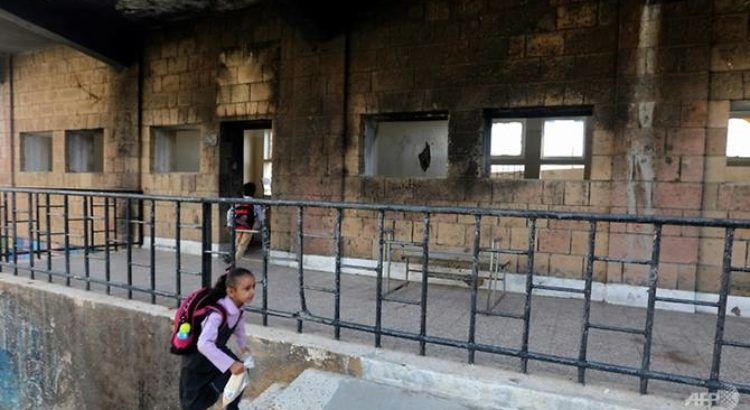
The walls are crumbling, the windows shattered, and the boys sit three to a desk. But by being enrolled in classes at all, the pupils are among the luckiest children in war-torn Yemen.

In the rebel-held capital Sanaa, students in olive green uniforms lined up for a morning salute at the Al-Wahda boys’ school.

«Onwards!» nearly 70 pupils chanted in unison, reaching forward to form a human chain.

But 15-year-old Alaa Yasser was not among them. Instead, he was working at a nearby car shop to support his family.

«I had to stop going to school to work with my father to help him earn a living,» said Yasser, whose family fled the southwestern city of Taez.

Two million children across the country have no access to education, according to the UN children’s agency (UNICEF), three years into a war that has pushed Yemen to the brink of famine and shows no sign of waning.


Hisham al-Saka, 12, also dropped out to help support his mother and sister after his father’s death in 2015.

«I wish I could go to school,» Saka said.

«But my mother cannot afford to pay for school supplies … she can’t even afford to get me and my siblings the uniforms.»

«DOCTORS, ENGINEERS AND PILOTS»

Yemen’s war prompted the already weak economy to collapse and, coupled with a blockade of its ports and airport, people are struggling to survive as prices skyrocket.

More than 22 million people – three-quarters of the population – are in need of humanitarian assistance, according to the United Nations.

Yemeni children face significant risks, with a high proportion of girls marrying at an early age.

More than 40 per cent are married before the age of 15, while three-quarters wed by 18, according to UNICEF.

Boys, meanwhile, are threatened with being drawn directly into the conflict as child soldiers, fighting in a war which has killed nearly 10,000 people.

Fifteen-year-old Mokhtar Yehya is one of the fortunate few enrolled at Al-Wahda.

«We want to carry on studying to become doctors, engineers, and pilots,» he told AFP.

«We hope that things will get better, so that our future is bright.»

«MESSAGE TO THE WORLD»

UNICEF estimates 4.5 million children risk losing access to state schools in Yemen, as teachers have not been paid in nearly two years.

More than 2,500 schools have been damaged or destroyed, while some are now used as shelters for displaced people or as camps run by armed groups.

image: data:image/gif;base64,R0lGODlhAQABAAAAACH5BAEKAAEALAAAAAABAAEAAAICTAEAOw==Yemeni teachers have not been paid in nearly two years
Yemeni teachers have not been paid in nearly two years AFP/Ahmad AL-BASHA


Christophe Boulierac, a UNICEF spokesman, said many teachers «have looked for other work to survive or are only teaching a few subjects. So, obviously, the quality of education is at stake.»

«Children are not getting their full lessons due to the absence of their teachers.»

Pupils have not be spared in the conflict between the Iran-backed Huthis and the Yemeni government, which is supported by a military coalition led by Saudi Arabia.

Last month, air raids on rebel-held areas killed more than 60 children, including 40 on a school bus in the northwestern Saada province.

The bombings continue to haunt pupils in the capital Sanaa, which the Huthis have controlled since 2014.

Taha Okbeh, a 14-year-old student at Al-Wahda, said his «message to the world» would be «to stop the war and the air strikes on our way to school».

In the government’s de-facto capital Aden, 300 kilometres south of Sanaa, children are busy with plans to rebuild their country.

«I want to be an architect and design tall buildings,» said 12-year-old Hamza Saber, a pupil at the Sama Aden school.

His classmate Hisham Moad is equally ambitious: «I want to be a lawyer, to defend people and their rights.»

Source of the notice: https://www.channelnewsasia.com/news/world/yemeni-children-brave-new-school-year-as-war-rages-on-10743998

Comparte este contenido:

Nepal: Barries to Inclusive Education

Asia/Nepal/25.09.18/Source: www.hrw.org.

Children with disabilities in Nepal face serious obstacles to quality, inclusive education, Human Rights Watch said today.

Despite progress in law and policy, the government segregates most children with disabilities into separate classrooms. It has yet to train teachers to provide inclusive education, in which children with and without disabilities learn together. Tens of thousands of children with disabilities remain out of school.

“Despite several new policies to promote disability rights, including for access to education, many children with disabilities in Nepal are not getting a quality, inclusive education,” said Alpana Bhandari, disability rights fellow at Human Rights Watch. “Public schools should provide adequate support for children with disabilities to learn in classrooms with other children and not segregate them.”

Based on research conducted in May 2018 in 13 public schools in five districts across Nepal, Human Rights Watch found that segregating children with and without disabilities has denied many children with disabilities their right to education. Human Rights Watch interviewed 80 children with disabilities, their families, representatives of organizations for people with disabilities, teachers, principals, government officials, and United Nations staff.

Human Rights Watch report “Futures Stolen: Barriers to Education for Children with Disabilities in Nepal,” which found many children with disabilities in Nepal faced barriers in accessing schools and obtaining a quality education. Since that time, Nepal has improved laws and policies regarding access to education for children with disabilities, and some children have benefited. Thousands of children with disabilities continue to face significant obstacles to education, however.

Based on UN and World Health Organization estimates, Nepal has 60,000 to 180,000 children ages 5 to 14 with disabilities. In a 2011 report, Human Rights Watch estimated that at least 207,000 children in Nepal have a disability. In 2016, UNICEF found that 30.6 percent of children with disabilities, or approximately 15,000 to 56,000 children, ages 5 to 12, did not attend school.

Very few mainstream public schools enroll children with disabilities. Out of more than 30,000 schools in Nepal, just 380 have what they call “resource classes,” where children with a particular disability, such as children who are blind or who have an intellectual disability, are grouped with others with a similar disability. In the schools Human Rights Watch visited, children in resource classes ranged in age from 7 to 17, with some even in their 20s. Children often remain in these classes for years, although some may move to mainstream classrooms in the higher grades, with limited support.

Nepal has no academic curriculum for children with intellectual disabilities, including children with Down Syndrome. Those who do attend school learn only basic skills, largely focused on self-care. Denying education based on a child’s disability is discriminatory, Human Rights Watch said.

In 2010, Nepal ratified the UN Convention on the Rights of Persons with Disabilities (CRPD), which guarantees the right to inclusive, quality education. Children with and without disabilities should learn together in classrooms with adequate support in an inclusive environment. Research shows that an inclusive approach can boost learning for all students and combat harmful stereotypes of people with disabilities.

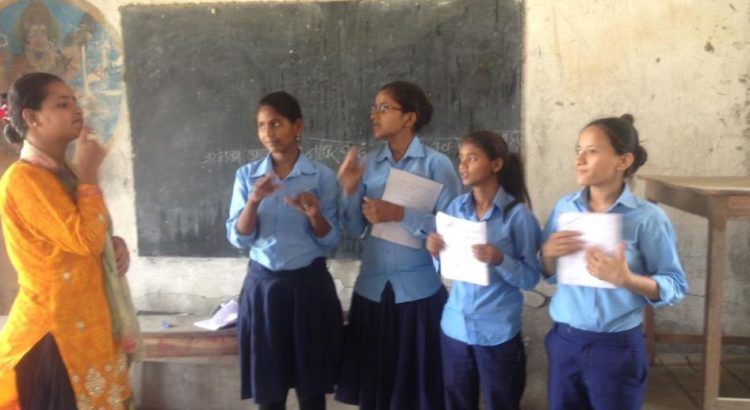
“Sunita,” 15, who is deaf, attends a resource classroom in a public school in Lalitpur. “I have never been to a regular class,” she said. “I want to learn together with others. It is more fun learning together with friends.”

Most mainstream schools visited also lack teachers trained in how to use accessible learning materials, such as braille and audio equipment, and how to make testing accessible. The classrooms lack accessible infrastructure.

A principal at a public mainstream school in the Gorkha district in western Nepal said that one former student with a physical disability crawled on his hands and knees to get from one classroom to another for the seven years he attended the school, because the school was not wheelchair accessible.

Since 2011, the Nepali government has introduced reforms to strengthen the rights of people with disabilities and to expand educational opportunity. The 2015 constitution says that education is a fundamental right and provides for free and compulsory primary education and free secondary education, as well as the right to free education through braille and sign language.

In 2017, Nepal adopted the Disability Rights Act and an Inclusive Education Policy for Persons with Disabilities. The policy says that children should be able to study, without discrimination, in their own communities, but also allows educating for children with disabilities separately.

The government is also developing an inclusive education master plan to create disability-friendly educational infrastructure and facilities, improve teacher training, and develop a flexible curriculum by 2030. However, the government has yet to articulate in law or policy a clear understanding of what quality, inclusive education in line with international standards requires and how to provide it.

Nepal’s major education reform, the School Sector Development Plan for 2016 to 2023, covers pre-school through high school education. The budget for the first five years is estimated at US$6.46 billion. Eleven percent of the cost is provided by international donors, including the World Bank, Asian Development Bank, and the European Union. The program builds on a previous reform plan, which the government acknowledged did not do enough to ensure education for children with disabilities.

The government should ensure schools are accessible for all children, children with disabilities are taught in mainstream classrooms, and all teachers are trained to provide inclusive education, Human Rights Watch said.


The overnment should also provide reasonable accommodations to support individual learning. This can include braille textbooks, audio, video, and easy-to-read learning materials; instruction in sign language for children with hearing disabilities; and staff to assist children with self-care, behavior, or other support needed in the classroom.

“Nepal’s government and its international partners have made education a clear priority, including for children with disabilities, but they need to do much more to make this vision a reality,” Bhandari said. “Support for children to study in mainstream classrooms, teacher training, and a flexible curriculum are essential to make sure children with disabilities aren’t left behind.”

Nepal’s Education System for Children with Disabilities

Until early July 2018, mainstream schools could apply to the Education Ministry for funding to teach children with disabilities. As of August 28, schools apply to local authorities instead. However, funding is only allocated if a school has a set minimum number of children with a specific type of disability. Because of the funding structure, children are compartmentalized into classrooms based on their disability. And if a school has funding for one type of disability, it may not have the resources to teach children with other disabilities.

Problems of Grouping Classes by Disability

The principal of one school in the Gorkha district told Human Rights Watch that his school has a resource classroom for children with intellectual disabilities and is not physically accessible, nor can it accommodate children with hearing and visual disabilities. Similarly, the principal of a public school in Mahottari, which has a resource class for children who are blind or have low vision, said that his school cannot enroll students with intellectual or hearing disabilities because the school does not have the necessary accessible learning materials, sign language interpreters, or trained teachers.

A teacher at a different public school in Mahottari said that the school has 10 students with visual disabilities. One girl is blind and has a mental health disability, which causes the student to frequently move around the classroom. The teacher said that she did not have the training and skills to teach this student, who was not making academic progress as a result.

If a neighborhood school doesn’t offer instruction for a child with a particular disability, the child may be forced to study and live in a school that does, in some cases as far as 500 kilometers from their home.

Ten-year-old Sita, who is blind and attends a school in Mahottari, said:

I live in a hostel … I go to school… I miss home, but I love school. There is no school near my home [that can educate blind children]. My mom says you cannot learn anything at home, and I must go to school to learn.

Shyam, who has cerebral palsy, attended a neighborhood school near his home in Kathmandu in the early grades. However, at the end of sixth grade, the teachers encouraged his parents to place him in another school because seventh grade and other upper grades were on upper floors. Shyam now travels with his father up to two hours each way by bus to attend a public mainstream school in Jorpati that enrolls children with cerebral palsy, Down Syndrome, and physical disabilities.

Segregation

Some schools that Human Rights Watch visited had children in different grades together in one resource classroom. Others had children in different grades in separate resource classes. In resource classrooms, children with hearing disabilities learn sign language and children with visual disabilities learn braille.

Human Rights Watch interviewed children who expressed their desire to study with children in mainstream classrooms, rather than to remain segregated. Sunita, the 15-year-old girl who is in a resource classroom for deaf students in a public school in Lalitpur, said:

I study in grade 5 … I have never been to a regular class. I want to learn together with others … It is more fun learning together with others. After grade 6, I would want to study together with friends. I [would] get a chance to teach sign language to other kids in the regular class and I can communicate with them. I want to be a teacher when I grow up because I want to teach children with hearing disabilities.

An Education Ministry official involved in developing an inclusive education policy said resource classes should be preparatory environments for younger children who should move to a mainstream classroom around grade six. However, based on interviews with principals, teachers, disability rights advocates, and parents of children with disabilities, children do not consistently move into mainstream classrooms as they get older, due to the lack of accessibility and reasonable accommodations.

Some older children remain in resource classrooms for their entire basic education, through grade 8. Some parents said that when their children did not move to the older grades in mainstream schools, they felt compelled to place their children in other segregated environments, such as a special school or vocational training program. Few older children studied in mainstream classrooms in the schools Human Rights Watch visited.

Gita, who is 16 and attends school in Lalitpur, was able to move into a mainstream classroom. She said: “I am 16 years old. I am in grade 10. … I am deaf. I joined the regular classroom in grade 7. I like studying together with others because learning together becomes fun, and we learn from each other.” A sign language teacher supports Gita’s learning in the mainstream classroom.

Lack of Physical Accessibility

Most schools visited had limited physical access for students with disabilities, including at school entrances, classrooms, and toilets. In some cases, this means that children who use wheelchairs cannot remain in school. The father of a 20-year-old man with cerebral palsy who uses a wheelchair said:

I enrolled my son in a public secondary school [in Kathmandu] for one year and he     passed grade 6. But then the teachers said, “Your child is disabled, your child does not fit         with children without disabilities. Take your child to a               school where children with disabilities attend. The seventh grade is on the third floor, and your child will not be able      to reach it.

Out of the 13 schools that Human Rights Watch visited, including two that were recently constructed after the 2015 earthquake, only one, in Jorpati, Kathmandu, was accessible for children who use wheelchairs. The school has an accessible entrance, no internal stairs, an accessible toilet, and a flat playground that allowed children who use wheelchairs to move freely. The school has 354 students, of whom 27 use wheelchairs. The principal said the school does not provide specific, individualized support for children in the classroom, such as an aide who can provide direct support in personal care, moving around the school, or other tasks. Instead, teachers encourage other students to support their peers who have physical disabilities.

Disability rights activists confirmed most schools lack physical accessibility. A disability rights activist and representative of the National Federation of the Disabled Nepal, who lives in the Gorkha district, said he is not aware of any public schools out of roughly 450 primary and secondary schools in the district that are accessible for students who use wheelchairs.

Under international human rights and Nepal law, public buildings – including schools – should be accessible for people with disabilities based on Universal Design principles. Universal Design means the design of products, environments, programs, and services should be usable by everyone to the greatest extent possible, without adaptation or specialized design. This should include assistive devices for particular groups of people with disabilities, as needed. Nepal’s Disability Rights Act of 2017 establishes accessibility standards for the construction of buildings, including educational institutions, housing, workplace, road, and transport facilities that are intended for public use, while the National Building Code requires public buildings and facilities to be accessible for people with disabilities.

The 2015 earthquake destroyed or damaged 92 percent of public schools, leaving many children, with and without disabilities, out of school across the country, according to a 2017 Asian Development Bank report. Newly built or renovated schools should adhere to Nepal’s National Building Code and Accessibility Guidelines and comply with accessibility obligations under the CRPD.

However, the two newly built schools that Human Rights Watch visited did not comply with national building codes and universal design principles. One, in the Gorkha district, had stairs at the entrance and no ramp or lift, and stairs inside as the only way to reach upper floors. In Lalitpur, the principal of a public school admitted the school does not meet national physical accessibility standards, and an additional building under construction is slated to have only an entrance ramp and only stairs internally to reach the upper floors.

Lack of Reasonable Accommodations

Human Rights Watch visited some schools where children with disabilities studied in a regular classroom with children without disabilities. However, most of the schools Human Rights Watch visited did not provide sufficient reasonable accommodations to ensure children with disabilities receive a quality education.

Schools do not have a full range of textbooks in braille, or material in audio or easy-to-read formats. Schools lacked adequate staff, such as aides to support children’s participation in mainstream education. The aides, who are not fully licensed teachers, can constructively address behavioral challenges, provide personal care assistance, or take on other support roles.

Typically, schools who teach deaf children only have one sign language teacher, who works in the resource classroom. The instruction is limited to approximately 5,000 words in sign language, a fraction of the spoken vocabulary taught in mainstream schools.

The lack of vocabulary, as well as the absence of visual materials, means that even deaf children in a mainstream classroom may not receive a full education. One sign language teacher at a school that Human Rights Watch visited said,

There are 46 students in the class, one of whom is deaf. It is difficult to teach children who are deaf due to a lack of visual materials and a limited sign language vocabulary. When the teacher teaches in the class and new words come up during a lesson, it becomes difficult to describe and explain the lesson.

Samjhana, an 18-year-old deaf student there, described her experience:

Sometimes it is difficult to understand lessons that are taught in the class. I ask my [sign language] teacher when I do not understand. The teacher tries to explain, but I do not understand the words. The learning is more fun and easier with something you can see and understand.

Children who are blind or have low vision learn braille in resource classes, but a limited number of textbooks are available in braille and very few, if any, materials are available in audio or digital formats. One 17-year-old girl, who is blind, described her experience in a mainstream classroom in Lalitpur:

The challenge I have is that I am not able to see and follow what is written on the blackboard. I depend on other students to understand what is written on the blackboard. Not many braille books are available. In this school, children who are blind do get the opportunity to learn, teachers are helpful and so are my friends.

In Kathmandu, Suman, 14, who is blind, attends a mainstream classroom in a school with a teacher who knows braille to support children with visual disabilities. Suman used technology at home to learn, though, since none was available at the school:

I got my digital tablet from an NGO … I also use my mobile telephone at home. I read books with the tablet. … The app has a voice, and I can read by listening. I spoke with my teachers about digital learning, and teachers say they are hoping to adopt that.

The lack of reasonable accommodations, such as aides, can also place serious burdens on families. Some family members may feel compelled to give up employment and the care of their other children to accompany their child with a disability at school. Hari, the father of an eighth grader with cerebral palsy who uses a wheelchair in Kathmandu, said he had to quit work when his son was 8 to accompany him in school all day. The public school Shyam attends does not provide an aide to help him move between classes and feed him. His father said:

My son is big. Who would care for him? I come to school every day to support my son in the school. The school does not provide assistance to support my child. … He can fall any time.

The school principal said the staff encourages Shyam’s classmates to help him with homework and classwork.

Lack of Reasonable Accommodations for Examinations

The schools Human Rights Watch visited provide few accommodations for students with disabilities during exams, though most are mandatory for passing to the next grade or for enrolling in high school or a university. The accommodations provided – such as a writing assistant for students with visual disabilities – are often ineffective. The assistant is often another child, typically from a lower grade, who is not paid.

In one example, there are no options for children with visual disabilities to take math and science tests in an accessible format. Tests often require description of diagrams or pictures, which blind children cannot see.

Nisha, in grade 10, who is blind and attends a public school in Mahottari, said:

The writing assistant helped me take my tenth grade exam. The writing assistant would read me the questions, and I would answer, and then the writing assistant would write down the answers for me. … I wish I could take exams on my own, not with the help of a writing assistant. It’s difficult to perform math and science exams because they have questions related to geometry and questions with drawings, and I cannot see them.

Furthermore, the family of the student taking the exam must pay for the transportation and meals for the assistant. Teachers and disability advocates said exams are not modified for children who are deaf who have been instructed in a limited vocabulary.

Children with Intellectual Disabilities

Children with intellectual disabilities do not receive an academic education and have few if any opportunities to enroll in secondary education or a university. Under the Disability Rights Act of 2017, a person is considered to have an intellectual disability if their “intellectual development does not progress with their age and therefore has difficulty performing activities based on age and environment.” The Education Ministry’s Curriculum Development Center created a curriculum for children with intellectual disabilities in 2015. The curriculum limits children with intellectual disabilities to learning practical life-skills in resource classrooms or special schools for up to 10 years. It includes tasks like personal hygiene, brushing teeth, going to the toilet, getting dressed, and eating independently. Children who are 14 and 15 years old can learn vocational skills such as candle-making, sewing, or origami.

A teacher in the resource classroom at a public school in Mahottari, said:

The school has not received any curricula for children with intellectual disabilities from the government. I teach children with intellectual disabilities using pictures. It would be possible to teach children with intellectual disabilities by using simplified curricula that suits their learning style.

Lack of Trained Teachers

Nepal’s 2017 Disability Rights Act (section 23.2) provides for special training for teachers who educate children with disabilities to promote their access to quality education, but does not mention training for teachers in inclusive education. Training is focused on developing specialized teachers, rather than training all teachers in inclusive methods that will benefit diverse learners. One mainstream classroom teacher said the only training she had on children with disabilities was a one-week program focused on discipline and classroom management conducted by a non-governmental organization.


The Education Ministry’s Center for Education and Human Resource Development, formerly the National Center for Education Development (NCED), is responsible for teacher training. The agency’s deputy director, Upendra Dahal, told Human Rights Watch the government provides one month of professional development training to special education teachers who work in resource classes or in special schools. He told Human Rights Watch the center is currently not offering the five-day refresher training that exists. Occasionally, the agency holds training sessions of a day or two for specific disability-related topics, such as teaching children with autism.

Human Rights Watch found some resource teachers had received less than a month of training. Kumar, a resource teacher for children with intellectual disabilities at a public school in Gorkha, said:

I have been a resource teacher for three years. I only received nine days of training from the Department of Education [Now the Center for Education and Human Resource Development]. Otherwise, I have received training from the local nongovernmental organization, Blind Association Gorkha. I do not know how to teach children with intellectual disabilities. I want to teach these students, but I do not know how to impart knowledge to them.

Monitoring

Until early 2018, federal, district, and regional authorities were responsible for monitoring schools. In mid-2018, with the decentralization of education funding to municipal and village authorities, local education offices will have that responsibility.

An Education Ministry official said monitors examine schools’ budget implementation, student attendance, teaching methods, uniforms, school sanitation, food quality, and quality of accommodations in residential schools.

For schools with resource classes, monitoring also examines whether schools have met requirements for a resource classroom. Those include the presence of a full-time, permanent teacher and of the required minimum number of children, and the “minimum enabling conditions,” which include a separate classroom, separate toilet for girls, a ramp at the school entrance, and a disability-friendly classroom, although there is no clear definition for this.

Recommendations

The government of Nepal should:

  • Guarantee quality, inclusive education for children with disabilities in community mainstream schools on an equal basis with others, in line with the CRPD
  • Ensure maximum inclusion of children in mainstream classrooms and avoid segregation of children with disabilities in separate classrooms. Education should be delivered in the most appropriate languages and modes and means of communication for the individual, and in environments which maximize academic and social development, in line with the CRPD.
  • Ensure reasonable accommodations for children with disabilities, based on individual learning requirements. These can include braille textbooks and other materials; digital, visual, audio, and easy-to-read learning materials; instruction in sign language for children with hearing disabilities; and aides to assist students with behavior, self-care, and other considerations.
  • Ensure children who require individual support, or support for small group coursework, are fully included in the school environment with other students.
  • Ensure all schools are physically accessible. Ensure all schools renovated or newly built adhere to Nepal’s building codes and Universal Design Principles.
  • Ensure the examination and assessment system is flexible and responsive to the needs and academic progress of individual learners, based on their individual learning requirements.
  • Mandate the Education and Human Resource Development Center to provide adequate pre-service and ongoing training in inclusive education for all teachers, including on how to address all children’s diverse learning needs.
  • Ratify the Marrakesh Treaty, which permits the reproduction and distribution of published works in formats accessible to people with visual disabilities.
  • Strengthen monitoring and oversight to ensure children with disabilities are enrolled in school and they receive reasonable accommodations to receive a quality education on an equal basis with other children in mainstream classrooms.
  • Collect data on the total number of children with disabilities in the country, including the number of children in and out of school, disaggregated by disability-type, location, and other demographic markers. Formulate educational policies, plans, and programs based on data.

Multilateral and Bilateral Donors should:

  • Ensure the government of Nepal prioritizes the inclusion of children with disabilities in schools across the country and provide adequate resources to ensure they can study in mainstream classrooms with flexible curricula, reasonable accommodations, and trained teachers and other staff
  • Support the government to improve systematic data collection on children with disabilities by age, gender, d


Source of the notice: https://www.hrw.org/news/2018/09/13/nepal-barriers-inclusive-education
Comparte este contenido:

Belarus, Kyrgyzstan agree on stronger cooperation with Pakistan in education

Asia/Pakistan/25.09.18/Sourcewww.thenews.com.pk.

Islamabad: Belarus and Kyrgyzstan on Wednesday agreed to increase cooperation with Pakistan in the field of education.

The agreement came as ambassadors of the two countries separately called on Federal Minister for Education and Professional Training Shafqat Mahmood here. Education secretary Arshad Mirza was also in attendance. During meeting with Ambassador of Belarus Andrei Ermolovich, the education minister said Pakistan and Belarus enjoyed good relations in the field of education and professional training.

«Our government’s top most priority is the promotion of education. We would like to promote our cooperation with Belarus in this field,» he said. The minister said though a number of memorandums of understanding and protocols had been signed between them, the two countries needed to work on their rapid implementation and further strengthening that cooperation.

Source of the notice: https://www.thenews.com.pk/print/370849-belarus-kyrgyzstan-agree-on-stronger-cooperation-with-pakistan-in-education

Comparte este contenido:
Page 251 of 773
1 249 250 251 252 253 773