Page 1713 of 6723
1 1.711 1.712 1.713 1.714 1.715 6.723

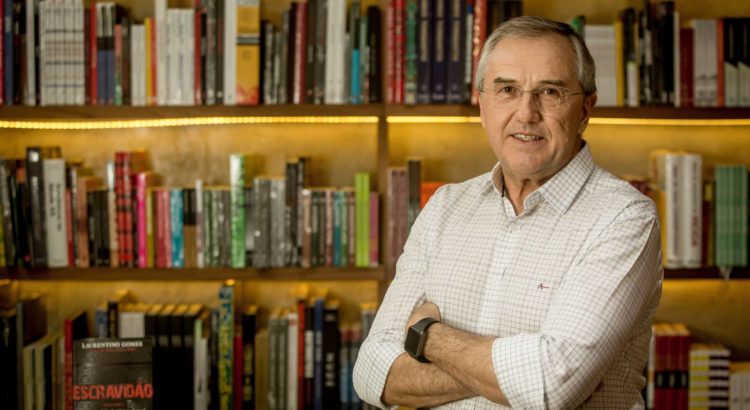
Laurentino Gomes: “La esclavitud africana dio origen al racismo y fue a escala industrial”

Por: Najara Galarraga Gortázar.

La esclavitud ha existido desde los albores de la historia, pero solo alcanzó escala industrial cuando los europeos trajeron por la fuerza a 12,5 millones de africanos a América. El desarrollo del continente habría sido imposible sin la explotación de los supervivientes. Escravidão (Esclavitud), del escritor y periodista Laurentino Gomes (Maringá, 63 años), es uno de los libros del momento en Brasil, un fascinante reportaje sobre un episodio histórico cuyo legado está presente en la desigualdad en el último país americano que abolió la esclavitud. El autor sostiene, en una entrevista en São Paulo con motivo del Día de la Conciencia Negra (el 20 de noviembre), que los países implicados deberían pedir perdón.

Pregunta. ¿Aprendió más con su trilogía sobre la fundación de Brasil o ahora con la esclavitud?

Respuesta. La anterior me ayudó a comprender cómo fue la construcción del Estado brasileño en el siglo XIX tras romper lazos con Portugal. Pero si quieres entender Brasil en una dimensión más profunda, debes estudiar la esclavitud, el tema más importante de nuestra historia. Todo lo que fuimos, somos y lo que nos gustaría ser tiene que ver con la esclavitud. Con casi cinco millones de cautivos africanos, fue el mayor territorio esclavo de América y el último en poner fin a la trata, en 1850, y a la esclavitud, en 1888. El país fue construido por esclavos en todos los sectores económicos, azúcar, oro, diamantes, café. Los abolicionistas del siglo XIX argumentaron que Brasil necesitaba hacer dos aboliciones: dejar de comerciar con personas e incorporar a los antiguos esclavos a la sociedad como ciudadanos, dándoles tierra, empleo y educación. Brasil nunca ha hecho esto.

P. ¿Por qué?

R. Brasil se convirtió en un paria internacional como Sudáfrica durante el apartheid. La Ley áurea (que ilegaliza la esclavitud) busca librarle de esta mancha, pero nunca hizo ningún esfuerzo por incorporar a los afrodescendientes porque significaba la renuncia de privilegios y riquezas. Por eso somos uno de los países más segregados del mundo, aunque no tuviéramos leyes de segregación racial como las de EE UU. Si mides Brasil con cualquier criterio, ingresos, empleo, seguridad pública, existe un abismo entre las oportunidades para la población blanca y la negra. Aunque desarrollamos el mito de que éramos una gran democracia racial, las manifestaciones de racismo son explícitas en las redes sociales y en el discurso del presidente de la República.

P. ¿Cuál es la traducción práctica de la segunda abolición en Brasil?

R. Si la riqueza de las naciones ya no son los recursos naturales sino el capital humano, Brasil nunca será un país decente mientras la gran mayoría de la población (negra) carezca de educación, salud y trabajo decentes. Afrontar la desigualdad social en Brasil es sinónimo de segunda abolición, porque la mayoría de los pobres son negros. Por eso digo que no es solo una reparación histórica, sino una inversión en el futuro. Esta es la principal agenda política en el futuro, incluso si tenemos un Gobierno hostil. Este es un tema atrapado en el siglo XIX. Cualquier Gobierno, partido político o campaña electoral enfrentará este legado.

P. ¿Cuál es la mayor diferencia entre la esclavitud de América y el cautiverio en el mundo?

R. Existió en el antiguo Egipto, Babilonia, la antigua Grecia y en África antes de la llegada de los europeos. La primera novedad es la escala industrial, con 12,5 millones de personas embarcadas en unos 35.000 viajes al Nuevo Mundo. La segunda, el nacimiento del racismo: es la primera vez en la historia que se asocia la esclavitud a la piel negra. Existe toda una ideología para decir que los africanos eran salvajes y que lo mejor que podía pasarles era ser esclavizados para incorporarlos a la supuesta civilización europea instalada en los trópicos.

P. La Iglesia católica distinguía entre indios y africanos.

R. Hubo una discusión filosófica y teológica sobre si esclavizar o no a los indios, pero la realidad es que fueron masacrados. Portugueses y españoles no pudieron llevar a cabo su proyecto inicial de esclavizar a los indios. Si hubieran tenido éxito, podríamos no haber tenido esclavitud africana.

P. Cuenta en su libro que algunos grandes pensadores de los siglos XVIII y XIX defendían la libertad y la esclavitud.

R. Sí, David Hume (filósofo y escritor británico) era accionista de una empresa de comercio de esclavos. Thomas Jefferson, que escribió la Declaración de Independencia de EE UU y defendía que todo ser humano nacía con los mismos derechos, poseía un gran lote de esclavos.

P. ¿Deben los países pedir perdón? Usted cuenta que el expresidente Lula da Silva lo hizo, pero el portugués Marcelo Rebelo de Souza, no.

R. Creo que sí. Es una cuestión de honestidad, algo simbólico, porque fue una masacre. Ahora, dudo si sería posible pagar esta deuda. En África existe ahora una élite heredera de aquellos aliados con los europeos que se beneficiaron de la trata. El rey Ashanti en Ghana suministraba cautivos a ingleses y holandeses. ¿Quién indemniza a quién? Es difícil. Pero una actitud política de pedir perdón es importante. El papa Juan Pablo II lo hizo en Senegal, no por toda la Iglesia, sino por los católicos implicados. También apoyó medidas prácticas, como las cuotas en escuelas y en la Administración, para personas de ascendencia africana. Existe una deuda histórica que debe abordarse con palabras y gestos concretos.

P. Cuenta que hubo un tiempo en que por cada cien habitantes de Brasil, 86 eran esclavos. ¿Por qué no se rebelaron?

R. Había manuales que aconsejaban a los agricultores que no mantuvieran grupos del mismo origen, cultura, idioma o región. Esto les impidió organizarse. Y había un sistema de recompensa y castigo. El rebelde era azotado; el cooperativo ganaba tiempo libre semanal, el derecho a cultivar un huerto, ir a misa y ganar su propia manumisión (su libertad). La principal forma de resistencia era tratar de ocupar los espacios que la sociedad le daba al esclavo para acercarse al universo de los blancos, como las hermandades religiosas. Hubo un blanqueamiento cultural: cuanto más rápido se alejara de la cultura africana, más ventajoso sería.

P. ¿Ha consultado testimonios de esclavos?

R. Poco. Desafortunadamente la historia de la esclavitud es contada por los blancos. Hay algunos testimonios y biografías relativamente raros. Otra fuente preciosa para escuchar a los esclavos son las preguntas de la policía cuando fueron acusados de delitos. Todo lo que se sabe de Palmares, el principal quilombo (asentamiento creado por esclavos huidos en Brasil) son expediciones militares.

Fuente de la entrevista: https://elpais.com/internacional/2019/11/19/actualidad/1574201523_512609.html

Comparte este contenido:

China arrasa en un ranking mundial sobre educación

Asia/ China/ 03.12.2019/ Fuente: elintranews.com.


La OCDE difundió el «informe PISA», en el que se destacaron los países asiáticos y Chile y Uruguay en Latinoamérica.

China y otros países asiáticos arrasaron en un ranking global sobre educación, manteniendo los buenos resultados que muestran desde los últimos años. Se trata del “Informe PISA”, que cada trienio la Organización para la Cooperación y el Desarrollo Económicos (OCDE) publica respecto a la calidad educativa en ciencias, matemáticas y comprensión lectora.

Los resultados de 2018, difundidos recién este 3 de diciembre, dejaron a cuatro ciudades de China (Beijing, Shanghai, Jiangsu y Zhejiang) como las mejor colocadas en el ranking global. La suma de ellas permite que el país chino arrase en los tres ítems evaluados. Luego, se posiciona Singapur, otra ciudad china como Macao, y el territorio de Hong Kong.

El primer país que aparece en el informe y no está ubicado en la zona de Asia oriental es Estonia. Luego están Canadá, Finlandia e Irlanda y posteriormente el ordenamiento vuelve a Asia con Corea del Sur. Estados Unidos, por su parte, es el 13º , aunque tiene una falencia en matemáticas respecto a las ciencias y la comprensión lectora.

En América Latina, Chile obtiene el primer lugar con el puesto 43º a nivel global. Muy cerca se ubica Uruguay (48º), Costa Rica, un lugar después, y México, que está 53º. El triunfo chileno a nivel regional repite lo mostrado en el anterior informe de 2015, aunque su índice aumentó. No obstante, ninguno de ellos logró alcanzar el promedio establecido por la OCDE como parámetro mundial.

Para realizar el informe, se establecieron una serie de ejercicios unificados que en mayo de 2018 se le realizaron a 600.000 alumnos de 15 años en 79 países. Como conclusión, el organismo evaluador lamentó que uno de cada cuatro estudiantes “no pueden completar las más básicas tareas de lectura. Esta situación se ve aún más agravada en los países más pobres, ya que como informó El Intransigente América, la UNESCO estimó que hay 12 millones de chicos que no pueden ir a la escuela primaria.

Fuente de la noticia: https://elintranews.com/mundo/2019/12/03/tifon-kammuri-deja-la-primera-victima-fatal/

Comparte este contenido:

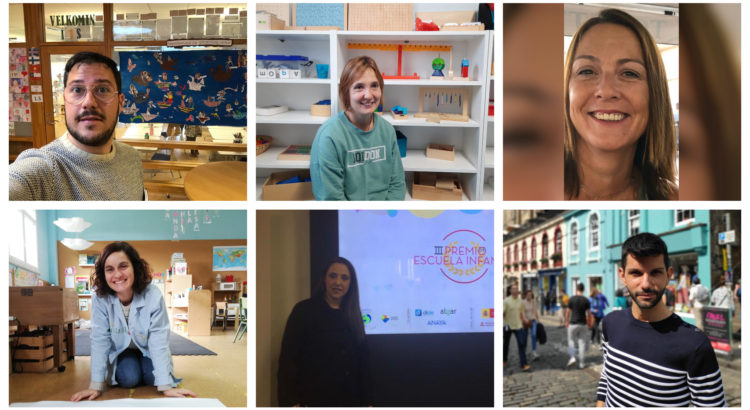
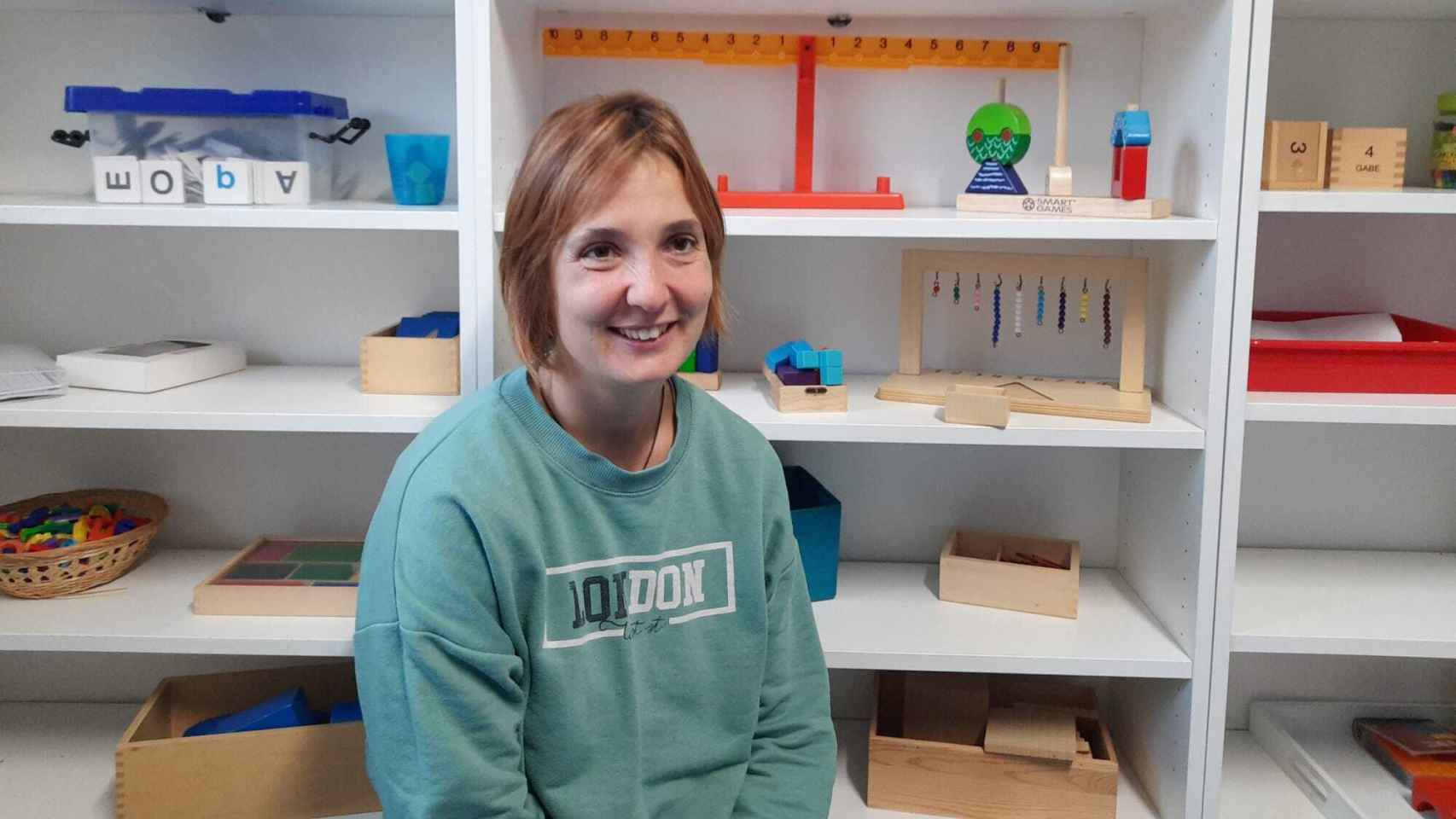
España: Estos son seis de los mejores maestros españoles de Educación Infantil

Europa/ España/ 03.12.2019/ Fuente: www.elespanol.com.

Con motivo del día del profesor EL ESPAÑOL ha hablado con seis maestros que han sido nominados a los ‘Goya’ de la educación en España, mejor denominados como los Premios Educa Abanca a los Mejores Docentes de España en 2019. Este periódico se ha puesto en contacto con seis maestros, nominados junto con otros 16, que pujan por ser finalistas en la categoría de Educación Infantil. Conocerán si quedan entre los mejores de este país el próximo 5 de diciembre.

  • 1 de 6

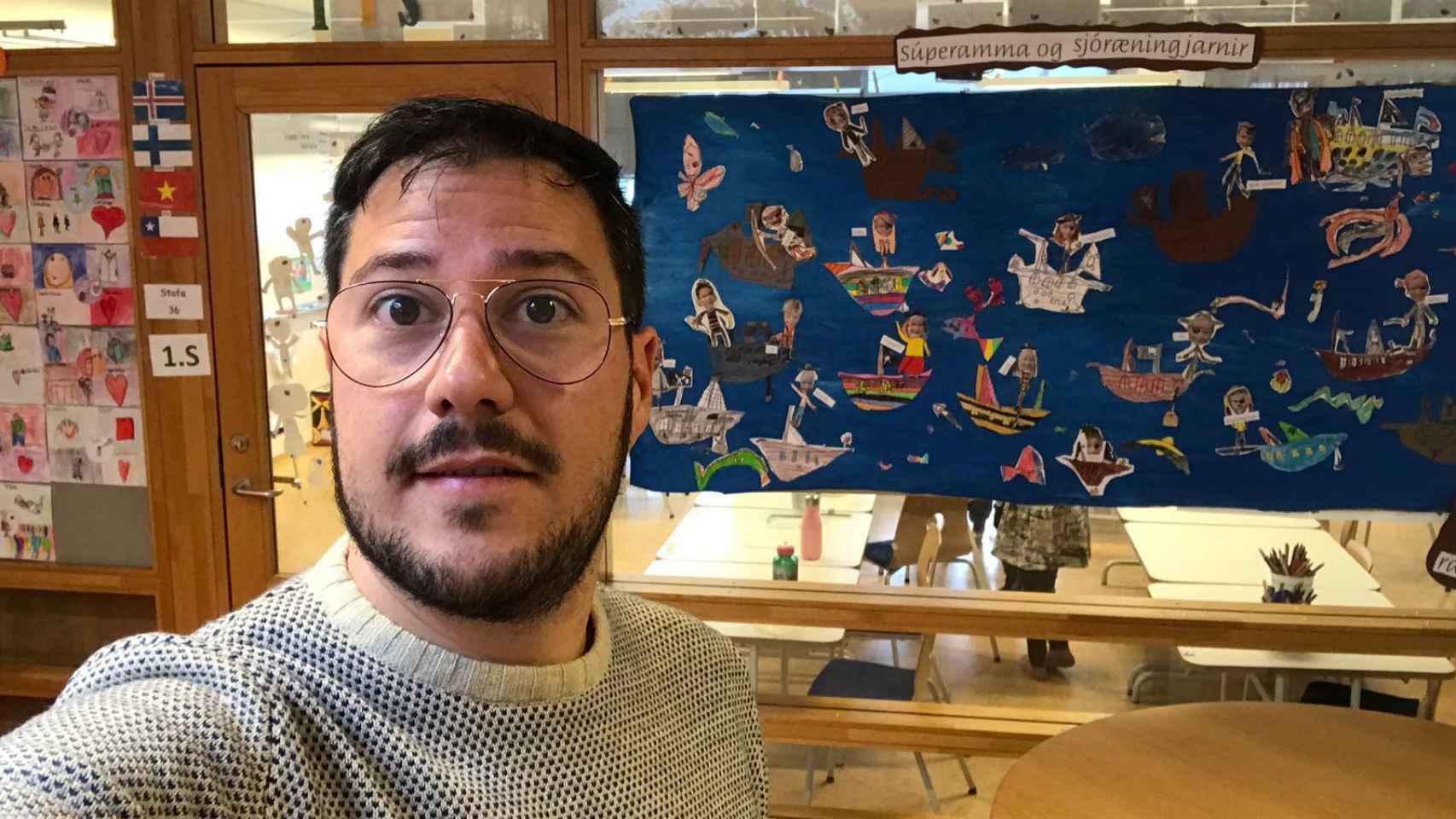
    Alberto Padilla

    Alberto Padilla ha revolucionado el colegio Juan Armario, situado en Alcalá de Los Gazules (Cádiz) con su implicación con los alumnos más pequeños del centro. El maestro considera fundamental implicar a las familias en el aprendizaje. Por ello, organiza certámenes de teatro y de música en los que padres e hijos participan aprendiendo el temario de este modo . Sus 26 alumnos de tres años asimilan conocimientos como la cultura romana a través del arte.

  • 2 de 6

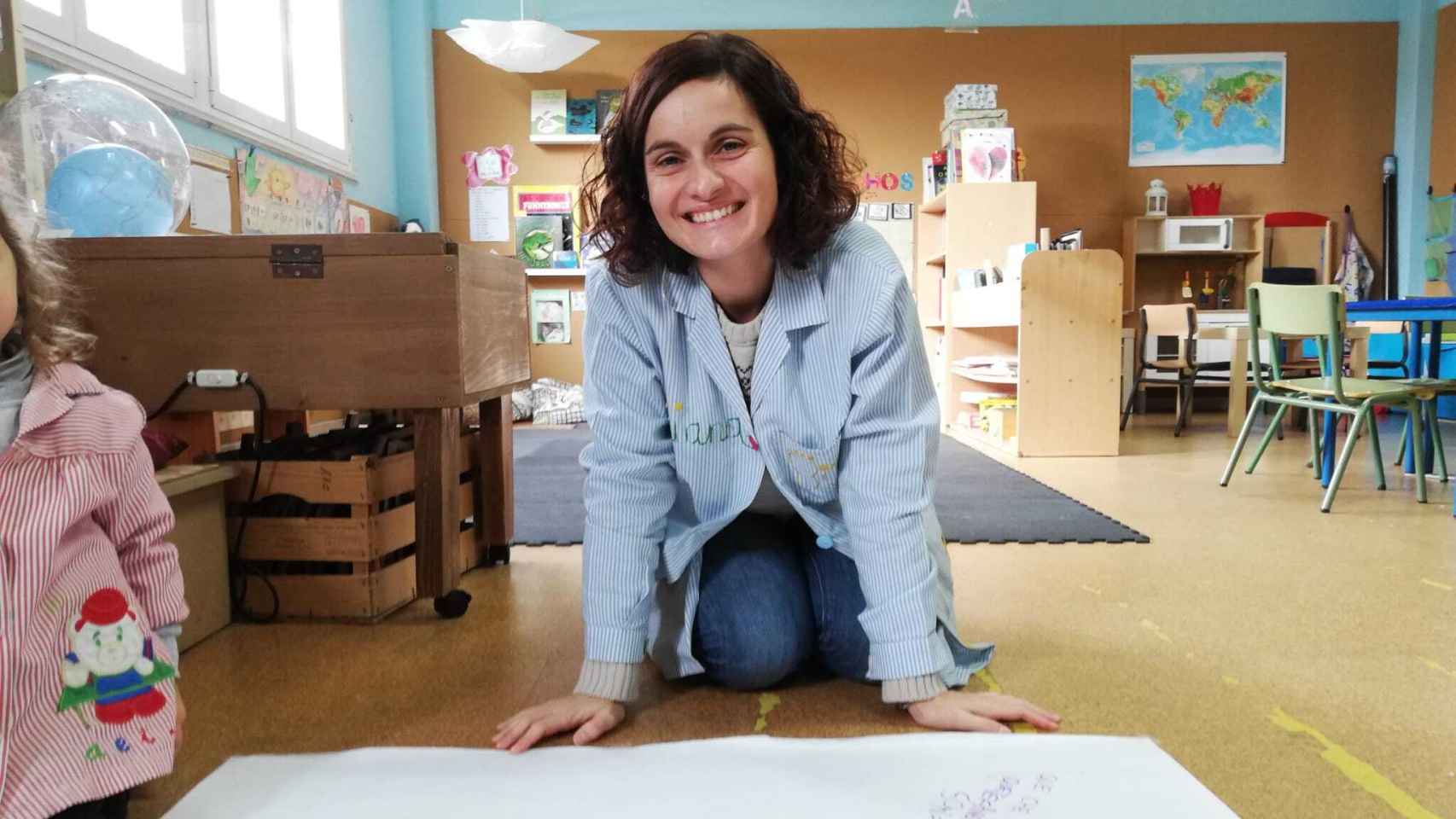
    Ariana Álvarez

    Ariana Álvarez es un maestra que ha entrado de lleno en el siglo XXI. Desde el colegio Neira Vilas, situado en Boqueixón (Galicia), enseña a sus alumnos, de ente 3 y 5 años, a leer y escribir a través de tablets. Aun así, tampoco olvidan los métodos tradicionales. No obstante, el centro apuesta por la robótica y las nuevas tecnologías para aprender las lecciones. Un apunte curioso es que los niños, junto con la ‘seño’, cocinan bizcochos para los cumpleaños de los compañeros. Así, la docente ha conseguido una gran cohesión entre el alumnado.

  • 3 de 6

    Felipe Moreno

    Este joven profesor del colegio valenciano Comtessa de Llucena, situado en Lucena del Cid utiliza un método muy sensorial y vivencial para enseñar a sus alumnos todo lo que les rodea. Por ejemplo, este otoño se han dedicado a coger hojas secas o castañas para aprender todo acerca de la estación. Además, la democracia es muy respetada. ¿Por qué? Porque cada mañana Felipe Moreno tiene una asamblea con sus alumnos para que sean ellos los que decidan qué quieren aprender ese día.

  • 4 de 6

    Rocío Collado

    Los niños a los que enseña Rocío Collado siempre se sienten como en casa: comen cuando tienen hambre y duermen cuando tienen sueño. Esta docente del colegio vallisoletano La Escalerita, situado en Arroyo de la Encomienda, dirige un equipo de maestros que atienden las necesidades particulares y emocionales de cada alumno. De este modo, hay niños en el centro que con 5 años ya tocan el violín o la guitarra porque detectaron que les encanta la música. Por ello, les llevaron a profesores particulares para que satisficiesen la demanda de los niños.

  • 5 de 6

    Cristina Parrondo

    Si hablamos de la maestra Cristina Parrondo, hay que decir que es la tercera nominada a los premios Educa Abanca del colegio Minerva, lugar donde trabaja y situado en Paterna (Valencia). La docente, como una más, está adaptada a la vanguardia en métodos educativos a través de la tecnología. Los ‘peques’ aprenden su temario gracias a ordenadores adaptados, cuyos teclados sólo tienen números, letras, flechas y colores. Con estas herramientas los niños crecen familiarizados con la informática. «Es un reto estar nominada, ya que mis dos compañeras que me antecedieron en la nominación fueron finalistas y quedaron quinta y novena a nivel estatal», cuenta la maestra.

6 de 6

Yolanda Macián

Esta docente del colegio valenciano Liceo Hispano enseña a sus alumnos todo a través de talleres. Por ejemplo, sus alumnos aprenden las estaciones a través de la naturaleza. Lleva a sus niños de 3 años en invierno a hacer muñecos de nieve o bien, este otoño han realizado cuadros con hojas secas para fomentar también su faceta artrítica. Yolanda Macián es una convencida de que «ningún alumno se puede quedar atrás» pese a que «cuando llegan tan pequeños no todos tienen la misma madurez». En consecuencia, adapta su metodología en función de lo que cada niño necesite dando apoyo personalizado a cada menor.

Fuente de la noticia: https://www.elespanol.com/reportajes/20191127/mejores-maestros-espanoles-educacion-infantil-novedosos-ensenanza/447735229_3.html#img_6

Comparte este contenido:

50,000 children missing from school: Australia’s ‘hidden disaster’ revealed

Oceania/ Australia/ 03.12.2019/ By: Fergus Hunter /Fuente: www.smh.com.au.

At least 50,000 Australian children are completely detached from formal education at any one time, a new report has found, challenging schools and governments to face up to a «hidden disaster» that is structurally entrenched and poorly understood.

The research from the University of Melbourne’s Graduate School of Education has sounded the alarm on children disappearing through «trap doors» in education systems that are failing to accommodate young people’s needs and embrace those who are struggling.

«Australia has a very serious educational problem that we seemingly do not want to acknowledge,» the researchers, Jim Watterston and Megan O’Connell, concluded. «It is an issue that needs to be brought out into the open and receive urgent attention.»

Through modelling based on internal education department data and statistics from multiple other sources, the report concluded 50,000 was a conservative estimate of the number of unaccounted school-age children who are completely disconnected from any form of education.

Some of the detached children may never have been enrolled in school while others fell out of the system along the way, having been expelled, dropped out, or moved home. The research emphasised this group of detached young people as distinct from students who are sporadically engaged at school.

«They’re not absent from school; they simply aren’t in one. We’ve allowed them to opt out and disappear through a range of different ‘trap doors’,» declared Dr Watterston, the dean of the Melbourne Graduate School of Education and a former teacher, principal and head of the Queensland and ACT education departments.

In the report – titled «Those who disappear: The Australian education problem nobody wants to talk about» – Dr Watterston and Ms O’Connell identified a number of drivers of detachment, including mental health issues, dysfunctional home lives, disabilities, behavioural disorders, bullying, and discrimination.

«These students either disappear or, worse still, are silently ushered out of the ‘back door’ by school leaders concerned about the reputational impact of these students on potentially lowered NAPLAN and ATAR scores or due to community concerns about their behaviour or ‘fit’,» the report found.

It lashed mainstream school systems for exhibiting hostility to students seen as problematic, who become «collateral damage» in a competitive school market focused on academic achievement.

The researchers have put forward a series of recommendations to tackle the issue. They called for a national approach led by the federal government, including early intervention and boosted support for accessible education programs and alternative environments to mainstream schools.

One student who has experienced disengagement and detachment from education, Eddie Wilkins, told The Age and The Sydney Morning Herald schools had failed to manage his personal circumstances.

Eddie, 16, has come from a difficult background and dealt with a number of behavioural issues. Having grown up in Bayswater in Melbourne’s east, he was excluded from the classroom for all of year 5, missed all of year 8 following surgery, only attended six hours a week in year 9 and was expelled in year 10.

«From my point of view, it was pretty unfair,» he said.

He said his teachers had been hostile to him because of his record and dismissive of his issues, including a sensory disorder that makes him sensitive to certain clothing.

«They’re pushing kids for better results – and I guess that’s a good thing – but the kids who aren’t getting good results are just ignored,» he said.

Eddie eventually ended up at Lynall Hall Community School in Richmond, an alternative setting that is significantly more accommodating to his needs. He is now more motivated to attend class.

«These kids exist right through the system,» said Dr Watterston. «It is time to take serious coordinated action to prevent our most vulnerable young people from falling through the cracks.

Source of the notice: https://www.smh.com.au/politics/federal/50-000-children-missing-from-school-australia-s-hidden-disaster-revealed-20191126-p53e5z.html

Comparte este contenido:

Education Can’t Wait Invests In Ethiopia Refugees’ School

Africa/ Ethiopia/ 03.12.2019/ Source: newbusinessethiopia.com.

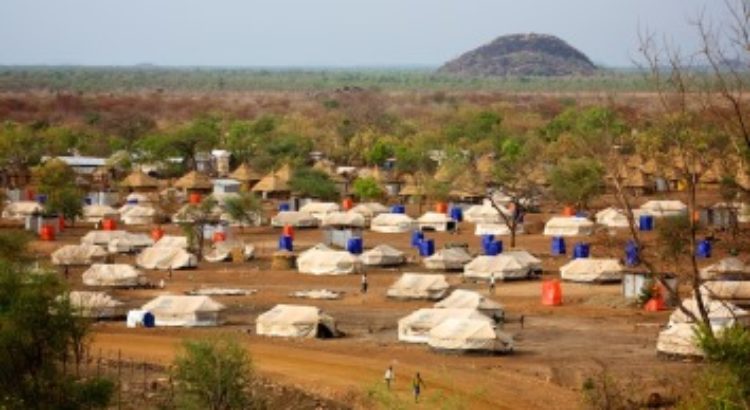
Education Can’t Wait (ECW), a global fund dedicated to education in emergencies, invests in the construction of 84 classrooms for refugees in Gambella region of Ethiopia.

The classrooms inaugurated this week were constructed in Nguenyyiel, Terkidi, Kule, and Jewi refugee camps and will enable 8,500 refugee children, 38 per cent of them girls, to receive quality education on a double shift basis, according to the press statement from UN agency for children – UNICEF.

The classrooms have been constructed as part of a US $15 million two-year investment from Education Cannot Wait aimed at expanding education opportunities for children affected by emergencies and protracted humanitarian crisis in refugee camps and host communities in Gambella and Benishangul-Gumuz regions.

In addition to these classrooms, Education Cannot Wait is supporting the construction of three new inclusive model secondary schools and 41 classrooms in eight secondary schools to benefit 3,600 children from refugee camps and the surrounding host communities in the two regions. The schools will be fully fitted with water, toilets, and furniture.

Since April 2017, Education Cannot Wait’s investment has surpassed its targets and reached over 138,000 children in refugee and host communities in the two regions.

The support has included training of 683 teachers at certificate and diploma level, distribution of 500 education and recreation kits and provision of school grants to improve education quality, training refugee and host community teachers in child-centered teaching methods and conducting accelerated school readiness classes for over 12,000 out-of-school children aged between six and seven years.

Partners in the school construction project include the Ministry of Education, Regional Education Bureaus, the Agency for Refugee and Returnee Affairs, UNHCR, UNICEF, Plan International and the United Nations High Commission for Refugees.

ECW was launched by international humanitarian and development aid actors, along with public and private donors, to address the urgent education needs of 75 million children and youth in conflict and crisis settings. To date, ECW investments span more than 30 countries affected by armed conflict, disaster and forced displacement.

ECW’s investment modalities are designed to usher in a more collaborative approach ensuring relief and development organizations join forces to achieve education outcomes.

ECW is hosted by UNICEF. The Fund is administered under UNICEF’s financial, human resources and administrative rules and regulations, while operations are run by the Fund’s own independent governance structure.

Source of the notice: https://newbusinessethiopia.com/education/education-cant-wait-invests-in-ethiopia-refugees-school/

Comparte este contenido:

Reviving Higher Education in India

Asia/ India/ 03.12.2019/ Fuente: www.brookings.edu.

India has seen a dramatic increase in the capacity of its higher education sector in the last two decades. Enrolment in higher education has increased four-fold since 2001. With a Gross Enrolment Ratio (GER) of 26.3% (AISHE 2018-19), we are close to achieving the target of 32% GER by 2020. However, many important questions such as the quality of Higher Education Institutions (HEIs) and employment of graduates merit further examination.

In this report, we address these questions by examining the enrolment trend and patterns; graduation and employment patterns; and the quality assurance framework for HEIs in India. We also track the policy shifts that enabled this expansion. We offer context to India’s expansion by comparing it to other countries. We also compare the growth of India’s higher education sector to that of China over the last 25 years.

Despite the increasing number of professional colleges, three-year degrees in arts, commerce and sciences remain the most popular programmes as evidenced by high enrolment rates.

  • India has seen a rapid expansion in the higher education sector since 2001. There has been a dramatic rise in the number of higher education institutions (HEIs) and enrolment has increased four-fold. The Indian higher education system is now one of the largest in the world, with 51,649 institutions.
  • Despite the increased access to higher education in India, challenges remain. Low employability of graduates, poor quality of teaching, weak governance, insufficient funding, and complex regulatory norms continue to plague the sector. India’s gross enrolment ratio (GER) in 2018-19 was 26.3% but still far from meeting the Ministry of Human Resource Development’s target of achieving 32% GER by 2022.
  • As the government evaluates proposals to reform the University Grants Commission and implement the recently proposed Draft New Education Policy 2019, this Brookings India report takes a wider view of reforms necessary to respond to challenges facing higher education in India today. It examines the capacity of HEIs with respect to students as well as teachers; governance and accountability; funding and affordability; research and innovation; and, regulatory regime, to create a globally relevant and competitive ecosystem that can produce employable graduates and sophisticated knowledge workers.
  • The exponential growth of the sector has been due to the increased demand for higher education. The higher education sector has grown across all levels and disciplines. However, broad trends and patterns in enrolment, graduation and placement suggest that access to higher education continues to remain a challenge, especially at the postgraduate level.
  • Given the low proportion of students that go on to pursue postgraduate and doctoral education, a shortage of qualified teachers is a further problem that is plaguing even the best universities in India. High entry barriers, poor incentive structures, stringent tenure rules and rigid promotion practices lead to a limited supply of faculty.
  • Faculty shortage, low inputs available for research and inadequate industry linkages amplify the existing limited uptake of good quality independent research in HEIs across all disciplines. We find that while countries like the United States, China and South Korea have invested in research to build a skilled, productive and flexible labour force, HEIs in India, in contrast, lack the culture of independent academic research.
  • The higher education sector in India is crippled due to the lack of financial, academic and administrative autonomy granted to institutions. Overall, this has resulted in the poor quality of institutions as well as education. Under the affiliating university model, the supervisory authority for most colleges is the university or a government authority; both lack the capacity to effectively regulate their constituent colleges and hold them accountable. In contrast, autonomous HEIs are at an advantage since they have the power to constitute their own academic councils and make decisions on academic matters.
  • In the last three decades, the government has taken a step back from its role as the primary funder of higher education. Union funding for government and government-aided HEIs is skewed in favour of central universities, and state governments spend a lot more than the central government on higher education. While, there is little to no data on how the higher education sector is funded, we do know that household expenditure on higher education is now the biggest source of funding. Private HEIs are funded almost entirely by student fees. Research suggests that the average tuition fee for an engineering degree from a private institution is almost twice as that of a public institution, while private HEIs account for three-fourths of all enrolments.
  • Limitedassessment and accreditation capacity of the NAAC and NBA has been a significant barrier in linking the performance of an institution to autonomy and funding decisions. Thus far, NAAC has retained the exclusive power to accredit HEIs, allowing corruption and profiteering to creep into the sector.
  • Several proposals, committees and draft policies in the last decade have suggested the need to revamp the University Grants Commission in order to resolve the numerous roadblocks in an over-regulated regime in the Indian higher education sector. The distribution of functions, roles and responsibilities among several agencies and providers has inhibited innovation and creativity, and led to issues with accreditation of HEIs, their autonomy and inadequate funding. Some recent measures—for instance, granting Institution of Eminence status to select HEIs, enactment of IIM Bill 2017, many proposals made under the DNEP19—demonstrate that these issues have been acknowledged and reforming the regulatory regime is non-negotiable.


Fuente de la noticia: https://www.brookings.edu/research/reviving-higher-education-in-india/

Comparte este contenido:
Page 1713 of 6723
1 1.711 1.712 1.713 1.714 1.715 6.723