Redacción: El País
Amadou Diaw es una persona clave en el desarrollo educativo de Senegal en el último cuarto de siglo y uno de los principales mecenas culturales de Saint Louis
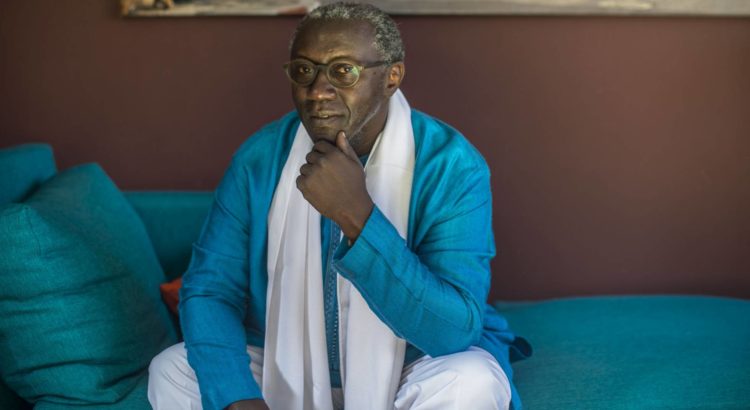
Impecable en estilo y formas, Amadou Diaw (Dakar, 1961) abre cada día las puertas de su casa, situada en el sur de la isla de Saint Louis, en el barrio de Sindoné, a mucha gente, según vaya surgiendo. Es el espíritu de la teranga senegalesa que él reivindica: la acogida, la hospitalidad, la fluidez en las relaciones.
Invita a entrar no solo a un antiguo almacén de la época colonial magníficamente rehabilitado y reconvertido en vivienda con vistas al río Senegal, sino también a un fondo pictórico homenaje al primer pintor de Saint Louis, Iba N’diaye, a decenas de obras sobre las artes y culturas de Senegal y a una cocina en donde se experimenta la fusión gastronómica y se revisitan platos tradicionales.
Diaw es una figura inevitable en el impulso cultural actual en la ciudad. Todas las pistas llevan a él, en todos los encuentros sale su nombre. El que fue y sigue siendo un gran hombre de negocios, dice no buscar reconocimiento político, sino devolver a la ciudad de la que se siente originario, “lo que pueda aportar” al final de su carrera. Por esa razón, desde hace unos años su proyecto faro es la revitalización de Saint Louis, que para él representa los pilares que África debe exportar al mundo.
En este sentido, Diaw es el promotor de diferentes iniciativas, como el primer encuentro de turismo (2015), el
Foro Saint Louis, los museos de la fotografía
Mupho o la rehabilitación de una decena de edificios históricos del casco antiguo, lo que ha servido para reavivar la inversión en la ciudad (patrimonio mundial de la Unesco desde el año 2000) tras la
amenaza de entrar en la lista de bienes en peligro.
Un mediodía de abril nos recibe en su despacho, rodeado de libros y cuadros, y fotos en las que se le ve con todos los jefes de Estado que ha tenido el país desde su independencia. Poco importa el bando político. Su secretaria entra y sale de la pieza ordenando papeles hasta que Diaw silencia el teléfono: se sienta cómodo en un sillón de cuero marrón, sin más expectativas que conversar.
Pregunta: Usted ha nacido en Dakar, pero se reivindica saintlouisien. ¿Cuál es el encanto de esta ciudad? Háblenos de la historia de Saint Louis.
Respuesta: Saint Louis ha tenido varias vidas. Aún no se sabe científicamente si ha habido población antes de la llegada de los colonos, lo que sí es seguro es que cuando llegan los primeros franceses a la zona, venidos de Normandía, negocian la isla con los jefes tradicionales a través de un contrato por el cual, para asentarse, tuvieron que pagar algo a modo de alquiler en el que se incluían barras de hierro, muchas telas, y también aguardiente. Tras ellos, por aquí pasaron muchos pueblos: ingleses, marroquíes, sirio-libaneses, bambaras desde Malí, otros reinos del interior de Senegal… Saint Louis es una ciudad en la que se han superpuesto diferentes civilizaciones a lo largo de la historia. Su particularidad es ese mestizaje: africanos, europeos, árabes, bereberes, cristianos, musulmanes… Cada una de las comunidades aportó algo. El Saint Louis del que estamos orgullosos no lo ha creado una sola comunidad: han sido todas y cada una de ellas.
No conozco una densidad tan fuerte de creatividad en otra ciudad de África del oeste
¿Cuál sería para usted una época importante pero quizá poco conocida de la historia de la ciudad?
En la época de las independencias, Saint Louis juega un papel extraordinario y poco conocido, y de la que estamos montando una exposición para dar a conocer a la población. La gran presencia de gente de ultramar en la etapa de entreguerras en Francia propició el encuentro de grandes intelectuales como Aimé Césaire, Léopold Sédar Senghor, Léon-Gontran Damas, quienes, influenciados también por las teorías sobre la raza que llegaban desde la comunidad negra de América, crearon la corriente literaria y política de la Negritud. La expansión de estos mensajes de reivindicación de pertenencia al mundo negro (tanto África, como el Caribe, las Antillas, Guadalupe, etc.) se hace alrededor de una casa editorial, Présence Africaine, fundada por un saintlouisien, Alioune Diop.
En el ámbito político aparece otro importante hombre de la ciudad: Lamine Guèye, diputado francés originario de Saint Louis que consigue hacer pasar una ley que se conoce como la Ley Lamine Guèye por la cual ya no solo eran considerados como ciudadanos franceses los habitantes de Dakar, Gorée, Rufisque y Saint Louis, sino todas las personas del África Occidental Francesa y territorios de ultramar.
En el plano educativo, es importante resaltar que todos los líderes africanos de ese período de la historia fueron formados en Senegal: las mujeres en Rufisque y los hombres entre Gorée y Saint Louis. En el sur de la isla, desde la escuela que hoy se llama Ameth Fall hasta el liceo Faidherbe, se formaron la mayoría de los hombres que después construyeron el África independiente. Saint Louis es la ciudad colonial, pero también es donde nacen los movimientos políticos que se opusieron a la colonización.
En este contexto, ¿cuál es la historia de Amadou Diaw?
Yo vengo de ese Saint Louis: mi referente es Lamine Guèye; mi abuelo fue un médico muy respetado, en mi familia ha habido políticos, escritores, hombres de la administración que han sido clave en la construcción del país. ¡Si me pinchas en las venas, no sale sangre, sale Saint Louis!
Nací en Dakar porque a finales de los años cincuenta la capital senegalesa se traslada allí y, con ella, parte de mi familia. Crezco allí, pero con una cultura saintlouisienne muy fuerte. Por eso me considero un retornado: vuelvo a mis orígenes.
El Saint Louis del que estamos orgullosos no lo ha creado una sola comunidad: han sido todas y cada una de ellas
Efectivamente, en los últimos años vuelve a la ciudad con un proyecto de renovación cultural, ¿por qué la cultura?
La cultura porque está ligada a la educación, sector al que me he dedicado durante 25 años: no se puede construir un buen sistema educativo sin enseñar cultura. Y en ese sentido, Saint Louis es un polo de creación inigualable: música, danza, teatro, pintura… ¡Todo eso en una pequeña superficie! No conozco una densidad tan fuerte de creatividad en otra ciudad de África del oeste. Saint Louis es la capital cultural de África, aunque no está suficientemente presentada al mundo.
Apuesta especialmente por la fotografía, ¿qué le atrae de esta disciplina?
En esta ciudad nació la fotografía africana. Aunque Bamako (Malí) se haya llevado ese título, ¡fue aquí! Así que quiero revivir ese espíritu. Todos mis proyectos culturales van a confluir en los Museos de la Fotografía, ya que es una herramienta potentísima y tenemos que usarla para inmortalizar nuestro modo de vida, antes de que desaparezca.
Ese es también el espíritu de su otro gran proyecto, el Foro Saint Louis: mostrar los valores africanos al mundo.
Así es. Pensamos que África tiene mucho que ofrecer al mundo: tolerancia, apertura, elegancia, mestizaje, historia… Son elementos que hay que exportar, y Saint Louis es el ejemplo.
La primera edición de este foro ha sido en la ciudad, pero después ha volado a otras latitudes… ¿Aquí no ha funcionado?
Sí, y volverá, pero si mandamos el mensaje de Saint Louis solo a la ciudadanía africana no tiene tanto impacto. Hay que dirigirlo al mundo. Es el mundo el que necesita escuchar esos mensajes. El año pasado lo llevamos a Essaouira (Marruecos) y este año iremos a Berlín (Alemania). Y seguiremos, espero que en Asia, América…
¿Puede ser una contribución para cambiar las relaciones neocoloniales?
Si vamos a Berlín es porque fue allí donde se hizo la Conferencia de Berlín, en la que las potencias europeas se repartieron África en 1884. Es allí donde vamos a presentar un África unida y fuerte. A explicar al mundo que el África de ahora no es el que se diseñó en Europa a finales del siglo XIX.
En su apuesta cultural por la ciudad, ¿cuáles son los retos a los que se enfrenta?
Principalmente, hay un problema de accesibilidad a la ciudad desde el punto de vista de las infraestructuras y el transporte. Hay que hacer un buen Plan Marshall para la cultura en Saint Louis, y no creo que sea una cuestión de dinero solamente. El dinero se encuentra. Es una cuestión de compromiso y voluntad. En este proyecto hay que movilizar tanto a los saintlouisiens del mundo como a los habitantes de la ciudad. Si esto ocurre vendrán los inversores internacionales.
¿La implicación de la población?
Como en todos los países, en la cultura hay dos velocidades. La mayoría de la gente se interesa por la danza y a la música tradicional, pero hay una brecha: no a todo el mundo le interesa visitar un museo o entiende el arte contemporáneo. Yo creo que hay que ganarse a la población a través de la educación, introduciendo el arte en las escuelas.
Vamos a explicar al mundo que el África de ahora no es el que se diseñó en Europa a finales del siglo XIX
¿Cómo ve Saint Louis en 2029?
Espero, creo, sueño que en diez años Saint Louis será la ciudad africana de la cultura porque se accederá a ella sin dificultad, gracias a medios de transporte modernos para llegar desde Dakar. La entrada de la ciudad estará limpia y arreglada y habrá una población receptiva que dará la bienvenida con una gran sonrisa al visitante.
Las casas estarán rehabilitadas, según las normas Unesco, y espero que el río esté más cuidado y limpio de lo que está ahora. Tendremos un centro dinámico, con tiendas alrededor.
También veremos una ciudad religiosa con escuelas coránicas estructuradas, porque hay importante tradición de enseñanza del Corán aquí, y espero que la comunidad católica también tenga su catedral debidamente restaurada para rezar en la ciudad.
Para hacer todo lo que usted propone también hace falta voluntad política, ¿ve ese compromiso en la clase política actual?
No en la de hoy pero sí en la de mañana. Es la juventud que viene la que cambiará las cosas. Los políticos de hoy en día fueron formateados para otras cosas. En África hay un nuevo viento que sopla: las mujeres y los jóvenes vienen fuertes y van a cambiar el continente. Nadie podrá pararlos: van a cambiar el continente.
¿Hay alguna cosa que Amadou Diaw haya querido hacer pero que no haya sido aun posible?
¡No es posible no es saintlouisien! Aquí hacemos todo los días… Pero no tenemos prisa: nos tomamos nuestro tiempo.
AMADOU DIAW, EL EMPRESARIO QUE SUEÑA CON UNA NUEVA ÁFRICA
El hombre de negocios y fundador de un imperio en el ámbito de la educación superior privada en Senegal quiere promover otra imagen del continente y conectarlo al resto del mundo por sus valores y la excelencia de su juventud.
Amadou Diaw (Dakar, 1961) es un hombre atento, visionario y ambicioso, formado en una “cultura de la excelencia” que hoy reivindica y replica en cada acción que emprende tanto en su país natal, Senegal, como fuera de él.
Economista formado en Francia y en diversos organismos internacionales como la Organización Internacional del Trabajo, la Banca Mundial o las universidades de Georgetown o Harvard en Estados Unidos, pronto se lanza al ámbito privado en la agroindustria y después al sector de los seguros siempre en el extranjero y con cargos de importante nivel.
Con este bagaje, en 1986 vuelve a su país natal para continuar una fulgurante carrera con puestos de gran responsabilidad como Director Ejecutivo del Consejo Nacional de Empleadores de Senegal (CNES) y participando en las negociaciones para la puesta en marcha de la Nueva Política Industrial de Senegal (NPI) y las Políticas de Ajuste Estructural (PAS), desarrollando herramientas para el apoyo al sector privado que serán replicadas en la subregión por cuenta de la Banca Mundial.
Sin embargo, es por la labor en el ámbito de la educación superior, que su figura es ampliamente conocida. En 1992, cuando aún no había un marco regulador, Diaw funda el Instituto Superior de Management (ISM) en Senegal, la primera escuela privada de negocios del África Francófona que cumple ahora su cuarto de siglo.
Esta institución, que ocupa hoy en día un tercio de los establecimientos de educación superior en el país, se ha convertido en un referente en la subregión con ocho campus en Senegal que cuentan con cerca de 5.000 estudiantes de 30 nacionalidades, más de 50 convenios firmados con universidades de todo el mundo y otros 200 con empresas de diferentes sectores. Su calidad ha sido labelizada como Centro de Excelencia por la Unión Económica y Monetaria de África del Oeste (UEOMA) en 2005 y ocupa las primeras plazas en las clasificaciones de las bussiness schools de todo el continente.
Su modelo ha sido valorado por líderes internacionales del sector y acogido por el grupo Galilleo, tercer operador mundial en el ámbito de la educación, con quien Diaw se ha asociado recientemente para extenderse a otras capitales como Abiyán o Libreville. El éxito de la fórmula se basa en el desarrollo integral de la persona como individuo al servicio de la sociedad. “Debemos formar personas capaces de adaptarse a lo que viene, y no a una profesión, pues vivimos en un mundo en continua transformación”, afirma Diaw y añade que “los sistemas universitarios clásicos no tienen la suficiente flexibilidad para adaptarse a los cambios a la misma velocidad que lo hacen los privados, por la burocratización que les caracteriza”.
Fuente https://elpais.com/elpais/2019/05/28/planeta_futuro/1559063039_384395.html











 Users Today : 175
 Total Users : 35492255
 Views Today : 1328
 Total views : 3610756