
Por: Nueva Revolución
El embarazo y parto son acontecimientos que la mayoría de las personas piensan natural, seguro y muy feliz. Pero es evidente que dependiendo del punto del mundo en el que hayas nacido, se convierte en un proceso vital con muchos riesgos. La Organización Mundial de la Salud (OMS) estima que 830 mujeres y niñas mueren de complicaciones durante el embarazo y parto cada díay es la segunda causa principal de muerte entre las niñas de 15 a 19 años en todo el mundo.
1.2 millones de niñas y adolescentes mueren cada año. Y aunque en los lugares más pobres del mundo, el ratio de muertes aumenta, no es menos cierto que en países tan supuestamente desarrollados como Estados Unidos, el índice de mortalidad maternal se eleva de manera alarmante en comparación a otros países, de 700 a 900 mujeres mueren al año de complicaciones de embarazo o parto. Tres veces más que en cualquier otro país “desarrollado”. De hecho Estados Unidos ostenta las tasas más altas de mortalidad maternal de países ricos. Y es uno de los pocos donde las muertes maternas han aumentado en lugar de disminuir, y las mujeres negras tienen tres veces más probabilidades de morir a causa de complicaciones del embarazo o parto que las mujeres blancas. Y lo más desgarrador es que la mayoría de las muertes maternas se pueden prevenir. Entre otros motivos, a consecuencia de los recortes (nueva ley) del gobierno Trump que ha dejado sin cobertura a al menos 2,5 millones de pacientes en algunas de las comunidades más marginadas. Además de recortes al Fondo de Población de las Naciones Unidas (UNFPA), una agencia de las Naciones Unidas que combate las muertes maternas en entornos asolados por la pobreza y los conflictos, por ejemplo, Siria, Irak y Sudán del Sur, etc.
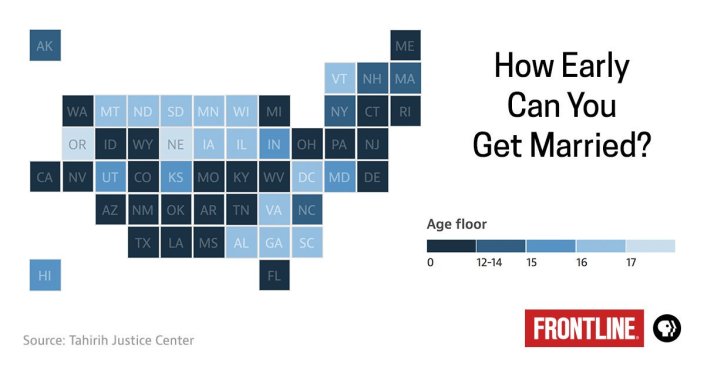
Resulta verdaderamente alarmante que mientras distintos gobiernos de los EEUU prohiben el aborto e incluso penalizan a las mujeres con cárcel o con tener que pagar un seguro extra para la práctica del aborto en caso de violación, permitan el negocio de la “gestación subrogada” y los matrimonios infantiles. (En 26 Estados de EEUU las niñas no tienen edad mínima para casarse, Texas es uno de los estados que no tiene límite de edad a la baja para casarlas). Niñas de hasta 12 años se les concede licencia de matrimonio en Texas, Illinois, Alaska, Louisiana, South Carolina y Tennessee. Tres niñas de 10 años en Tennessee fueron las más jóvenes de 207.468 menores que se casaron en EEUU entre 2000 y 2015. Casi el 90% de los niños que se casaron y lo hicieron con adultos (desde los 18 a los 60a) fueron niñas. (Para más datos pueden leer la investigación de Frontline). Todo ello mientras que la floreciente industria de los vientres de alquiler va copando más y más estados y que muchas mujeres pierden sus beneficios de planificación familiar y ven imitadas su cobertura de anticonceptivos y otras atenciones.
“Las mujeres que no pueden decidir sobre su embarazo son esclavas, porque el Estado reclama la propiedad de sus cuerpos y el derecho a decidir sobre el uso que deben hacerse de ellos” Margaret Atwood
No podemos olvidar que el aborto inseguro es otro de los factores que contribuyen a las muertes maternas por culpa de leyes restrictivas. La Organización Mundial de la Salud estima que al menos 22.000 mujeres mueren cada año por complicaciones relacionadas con el aborto. Muchas de estas mujeres ya son madres, dejando a sus hijos huérfanos. Que 214 millones de mujeres y niñas no tengan acceso a anticonceptivos y salud sexual, evitaría 53 millones de embarazos no deseados al año.
Además hemos de hablar de otro aspecto muy preocupante. Es incomprensible que cada vez sean más las mujeres sometidas a intervenciones y cesáreas innecesarias, poniendo en riesgo la salud de bebés y madres mientras la OMS exige que no se use la misma a menos que existan riesgos reales, mientras que en otros países ni siquiera tienen acceso a ella en caso de poner en peligro la vida de la madre o de sus hijos, por falta de medios.
Hoy por hoy las mujeres vulnerables y las madres pobres que viven en áreas rurales y en barrios marginales en todo el África subsahariana todavía no pueden someterse a una cirugía que les salve la vida. Según la Organización Mundial de la Salud, no tienen acceso al parto por cesárea. El 99% de las muertes maternas ocurren en países con ingresos bajos y medios. De hecho, una mujer en el África subsahariana tiene 175 veces más probabilidades de morir durante el parto que una mujer en un país desarrollado que invierte en políticas de salud. No hablemos ya de países en conflicto, el gobierno de Sudán en 2006 puso la tasa de mortalidad materna de Kordofan del Suren 503 por cada 100.000 nacidos vivos.
En la reunión de la Asamblea General de la Organización de las Naciones Unidas en septiembre de 2018, en Nueva York, los objetivos de “Desarrollo Sostenible” relacionados con la salud materna y neonatal ocuparon un lugar destacado en la agenda: garantizar que todas las mujeres en todo el mundo tengan acceso a cesáreas si son necesarias. Y como objetivo global, reducir la tasa de mortalidad materna a menos de 70 por 100.000 nacidos vivos. Una tasa elevadísima teniendo en cuenta la media de países desarrollados.
La situación en América Latina no es mucho mejor, el embarazo infantil en México es el resultado de una violencia estructural, la mayoría con un denominador común, los matrimonios infantiles, la violencia machista, las costumbres, la penalización del aborto, la falta de atención sanitaria y ahora los vientres de alquiler. El 70% de los embarazosen niñas, los padres son adultos. Patrones de violencia bien definibles que provocan no solo el aumento de las muertes maternas y neonatales, sino también de consecuencias graves en el estado de salud y nutrición del recién nacido así como en la salud futura de la madre. La violencia en el embarazo de mujeres indígenas.
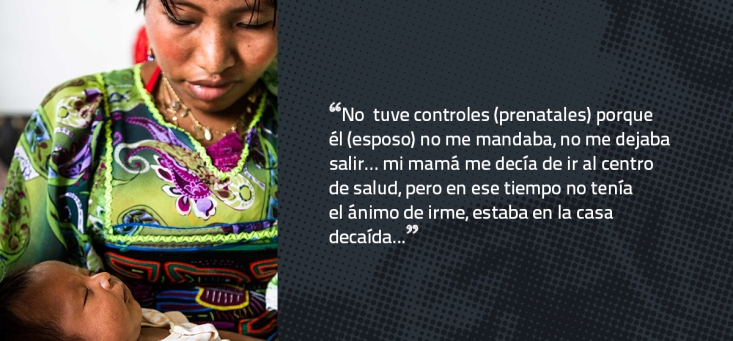
Tenemos que hacer hincapié en que el embarazo es la primera causa de muerte en adolescentes en países de América latina por complicaciones en la gestación y parto y que matan al año a 70.000 mujeres y niñas. Expertos de la Organización de las Naciones Unidas (ONU) abogan por la práctica de abortos seguros para todas las mujeres y niñas que los necesiten, no solo para las que tienen recursos. No podemos olvidar el reciente debate en Argentina que puso en pie a las feministas del país. Las cifras hablan por si solas. En 2016 murieron 245 mujeres embarazadas, 43 muertes por “embarazo terminado en aborto” (la DEIS no distingue entre provocados y espontáneos o naturales) Desde la democracia han muerto 3030 mujeres por abortos inseguros. En Argentina se realizan entre 370.000 y 520.000 abortos legales y no legales por año.
En La India muere una mujer cada 5 mn por embarazo “La maternidad subrogada necesita ser vista en el contexto del genocidio femenino” Rita Banerji
También podemos referirnos a países que además de falta de atención sufren el proceso de eliminación de mujeres y niñas por su sexo. (feminicidio en La India). En La India muere una mujer cada 5 minutos por embarazo. 173 mujeres cada 100.000 partos. (Recordemos el objetivo global de reducir la tasa de mortalidad materna a menos de 70 por 100,000 nacidos vivos).
La India es un claro ejemplo, y no ha hecho más que crecer, del feminicidio de 50 millones de mujeres “desaparecidas” en 2002 a 68 millones en 2017, lo que supone un 20% de población femenina. Además representa un tercio de las novias infantiles del mundo. Esto unido a la explotación reproductiva, los vientres de alquiler, hacen de este país un lugar de los más peligrosos para las niñas y las mujeres. Las clínicas de fertilidad son una mina. Y La India se ha convertido y sigue siendo un destino de bajo coste para la compra-venta de bebés. Por otro lado, el tráfico de miles de mujeres, a menudo adolescentes, como “novias” a lugares de La India donde la proporción de sexos de las niñas ha descendido tanto que los hombres no pueden encontrar mujeres para casarse, es de hecho una puerta a la práctica de “maternidad subrogada”. Esencialmente el tráfico de niñas a menudo adolescentes para sexo y procreación. Niñas y mujeres que son compradas a sus padres o secuestradas, y luego vendidas a una familia donde el esposo, sus hermanos e incluso el padre ‘comparten’ a la mujer. Si las mujeres se resisten, son golpeadas y a veces asesinadas. Una vez que tiene hijos, es vendida a otra familia de hombres para su “uso” sexual y reproductivo. Y lo curioso es que este sistema de violación colectiva y violencia sexual y reproductiva contra las mujeres es perfectamente legal, según nos decía Rita Banerji. La policía no arresta a nadie porque están “casados”. (Del artículo “Vientres de alquiler, la nuevademanda social” dónde se entrevista a Rita Banerji, fundadora de 50 Million Missing.)
Vientres de alquiler: “La realidad de un negocio misógino y explotador, que mueve alrededor de 400 millones de dólares anuales a través de más de 3000 clínicas y despoja de todo derecho a las mujeres y tiene una conexión directa con el feminicidio.” Rita Banerji
Referente a la salud sexual en dicho país, de las 26,8 millones de personas que viven con una discapacidad en La India, 11.8 millones son mujeres y niñas y tienen cuatro veces más probabilidades que otras mujeres de sufrir violencia sexual. En India, la práctica de histerectomías enérgicas para mujeres y niñas con discapacidad se hizo pública por primera vez en 1994, en zonas como Pune, es el mismo estado el que toma de decisión de someter a mujeres entre 18 y 40 años de edad a la práctica de estas cirugías irreversibles, con el consentimiento de los tutores.
No podemos olvidar tampoco las más de 300.000 mujeres que fueron esterilizadas (vídeo) por el programa de control de la natalidad forzado en Perú, en la década de los 90, durante el mandato del presidente Alberto Fujimori.
Parece que la radicalidad de las medidas de la nueva tanda de políticos de derechas siempre acaba afectando los derechos de los más vulnerables. Y en este tema, a las mujeres. Solo hay que hacer mención al discurso de Casado o Rivera, las políticas restrictivas de Andrzej Duda, Columbia, Italia, Estados Unidos o al ideario político del ultraderechista Bolsonaro, y su programa de planificación familiar. Por no mencionar el reciente y polémico fallo de una jueza argentina, país donde ni siquiera la mujer puede recurrir al aborto en libertad. ¿Cómo reconocer y proteger los derechos de las madres, si ni siquiera se les otorga el status de madre al parir? El fallo declara inconstitucional el artículo del Código Civil que estable que es madre quien pare. Un derecho por el que las feministas llevan luchando siglos, el derecho de filiación.
Para 2030 la agenda exige que los países deben reducir su tasa de mortalidad maternal a dos tercios de la de 2020. Reducir la tasa a menos de 70 por 100,000 nacidos vivos. Y que ningún país tenga ratios de mortalidad por encima de 140 muertes por cada 100.000 nacimientos. Las razones de que los embarazos se conviertan en un proceso vital con muchos riesgos tiene distintos orígenes, la mayoría relacionados con la pobreza, la falta de recursos, los recortes en programas de salud de las mujeres, leyes misóginas, la imposibilidad de acceder a aborto, o hacerlo a través del aborto inseguro, el matrimonio infantil y leyes que permiten que se exploten a niñas y mujeres a través de prácticas como la maternidad “subrogada”. Recordemos la tasa de mortalidad materna cada 100.000 partos de algunos países, teniendo en cuenta que Estados Unidos, Ucrania, India, Rusia, Georgia, Camboya, Nepal o Kenia con tasas tan altas de mortalidad, permiten el negocio de los vientres de alquiler:
- África Subsahariana (547)
- Brasil (44)
- Camboya (161)
- Canadá (7,3)
- China (17,7)
- EEUU (26) mujeres negras (43.5)
- Etiopía (353)
- Europa (7,2)
- España (5)
- Georgia (36)
- India(173)
- Irán (20,8)
- Kenia (510)
- Líbano (15,3)
- Nepal (258)
- Puerto Rico (15,1)
- Rusia (25)
- Sudán (311)
- Turquía (15,8)
- Ucrania (24)
Tasa de cada país en Indexmundi.
El Director General de la OMS, Tedros Adhanom Ghebreyesus ha priorizado la cobertura universal de salud especialmente para mujeres, pobres y vulnerables. Dada la antigua posición de Tedros como Ministro de Asuntos Exteriores y de Salud de Etiopía, no es sorprendente que su país se haya convertido en un líder en la lucha por la salud reproductiva, materna y neonatal. El gobierno etíope por ejemplo, ha desarrollado un plan nacional pionero para cirugía segura que se está implementando en todo el país. Más de tres millones de nacimientos al año tienen lugar en Etiopía, la mayoría en áreas rurales. El proyecto de El Ministerio de Salud de Etiopía está incluso preparando a personal no especializado, ante la falta de cirujanos especializados para atender ciertos procedimientos de emergencia como partos por cesárea, aliviando la carga de la cantidad limitada de cirujanos que trabajan principalmente en ciudades, salvando muchas vidas.
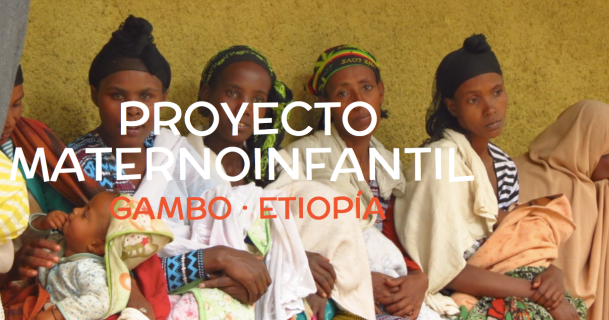
Organizaciones No Gubernamentales para el desarrollo (ONGD) como Alegría Sin Fronteras, que trabajan en el terreno en hospitales son un claro ejemplo de la gran labor que llevan a cabo por la salud de las mujeres y sus hijos. En Alegría Sin Fronteras tienen como objetivo último el empoderamiento de las poblaciones con las que trabajan, desarrollando distintos proyectos.
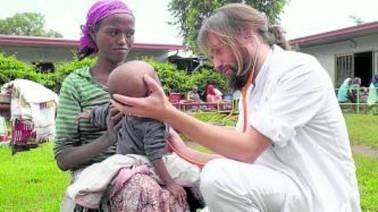 Las causas de la falta de atención médica durante el parto y el embarazo y sus consecuencias van íntimamente ligadas a la elevada mortalidad materna y perinatal. Cómo nos explica Iñaki Alegría, Director del Hospital de Gambo, existe el factor retraso en la decisión de acudir al centro debido a la pobreza, al desconocimiento o a la falta de ayuda para hacerse cargo de sus otros hijos. Retraso en alcanzar el centro sanitario, por ausencia de centro, por ausencia de carreteras, transporte… y retraso en ser atendido, por falta de equipamiento, recursos, etc… No olvidemos que en las zonas rurales de Etiopía los partos tienen lugar habitualmente en viviendas insalubres, sin agua corriente ni saneamiento, asistidos por la propia familia o por matronas tradicionales, por lo que la morbilidad y mortalidad materna y neonatal de dichas zonas son elevadas.
Gambo es una de dichas zonas rurales. Y la labor de esta ONGD, Alegría Sin Fronteras, es innegablemente importante y decisiva y se centra en distintos proyectos. El Hospital de Gambo ya cuenta con un departamento de maternidad y con consultas externas dedicadas al seguimiento del embarazo. Además, existe la posibilidad de que mujeres con embarazos de riesgo que viven en zonas alejadas se alojen cerca del hospital hasta dar a luz. El Proyecto Jan-Tan: ofrece seguimiento escolar, sanitario y nutricional a las niñas y los niños en situación de riesgo que habitan en la provincia de Dioulacolon, Senegal. El Proyecto Tanante: en Senegal, ofrece atención médica a la población de Madina Souane y forma a profesionales para poder ofrecer atención durante todo el año. El Proyecto CMAM: da respuesta a la crisis alimentaría de Etiopía, de las 8 zonas rurales situadas entorno la población de Meki, producida por la sequía en la que vive el país actualmente. Y mejora las condiciones de vida de los poblados mediante el empoderamiento de profesionales de la medicina locales. El Proyecto Grants4Ethiopia: provee educación, nutrición y sanidad. Facilita el acceso a la educacion a niños y niñas que viven en situaciones de extrema pobreza o en entornos familiares difíciles en Etiopía. El Proyecto Alegría Con Gambo: En Etiopía, que mejora el estado de salud de los niños y niñas menores de 5 años de la región rural de Gambo y sus alrededores a través del refuerzo y formación de la red de asistencia sanitaria primaria liderada por mujeres. Y el Proyecto Materno-Infantil: En Gambo, Etiopía. Cuyo objetivo es disminuir la morbilidad materna y perinatal y mejorar la salud materno-infantil en la región rural de Gambo.
En su felicitación al Dr. Tedros Adhanom Ghebreyesus como Director General de la Organización Mundial de la Salud (OMS), Women Deliver, afirma que su nombramiento llega en un momento en que el mundo necesita un defensor feroz y proactivo para la igualdad de género y la salud, los derechos y el bienestar de las niñas y las mujeres más que nunca. Tedros Adhanom incide en algo muy importante, y es que se debe incluir a las mujeres como socios clave y responsables de la toma de decisiones, que las mujeres tienen que ser tomadas en cuenta a la hora de legislar en salud y progreso.
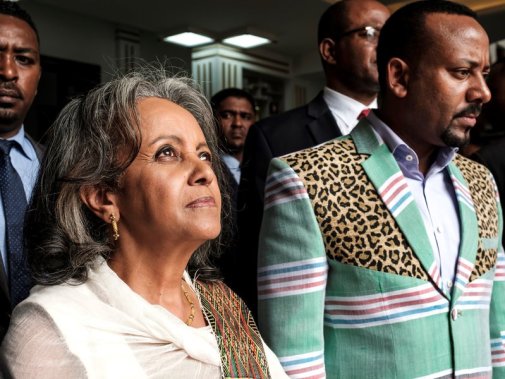
“Necesitamos convertirnos en una sociedad que rechace la opresión de las mujeres”, dijo Sahlework Zewde, nueva Presidenta de Etiopía ante Parlamento poco después de jurar el cargo.
“No seré una mujer libre mientras siga habiendo mujeres sometidas”
Fuente: https://nuevarevolucion.es/maternidad-y-violacion-de-derechos-humanos/








 Users Today : 31
 Total Users : 35490946
 Views Today : 41
 Total views : 3604389