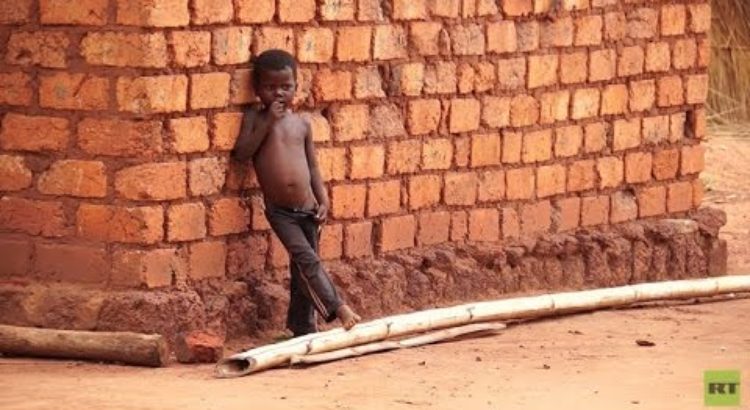
Una sangrienta guerra civil que estalló en la República Centroafricana condujo a la masacre indiscriminada de civiles. Ambos lados del conflicto reclutaron a huérfanos a los que enseñaron a luchar y arrojaron a la batalla. Estos niños soldados han visto horrores inimaginables y se han visto obligados a matar. Después de un alto el fuego declarado en mayo del 2015, comenzó el proceso de rehabilitación para muchos de ellos, pero aun así, se enfrentan de nuevo a una dura etapa.
Estonia / 21 de octubre de 2018 / Autor: Edison Veiga / Fuente: BBC Mundo
Sólo por detrás de Singapur y Japón.
En la última edición del Programa Internacional de Evaluación de Estudiantes (más conocido por sus siglas, Pisa), una prueba trienal realizada por la Organización para la Cooperación y el Desarrollo Económico (OCDE), Estonia obtuvo el tercer puesto.
Eso significa que la pequeña república bañada por el mar Báltico tiene la mejor educación de Europa o, incluso, la mejor de Occidente.
La ministra de Educación e Investigación del país, Mailis Reps, le contó a BBC News Brasil que «el éxito de la educación en Estonia se basa en tres pilares»:
La educación es valorada por la sociedad
El acceso es universal y gratuito
Hay amplia autonomía (de profesores y escuelas)
«Los estonios realmente creen que la educación abre una amplia gama de posibilidades», subrayó la ministra.
En Estonia la educación es gratuita e inclusiva en todos los niveles, explicó Reps, lo que significa que todos tienen las mismas posibilidades de inserción.
«También ofrecemos acceso igualitario a varios servicios de apoyo, según las necesidades, como comidas gratuitas en la escuela, suministro de materiales didácticos, servicios de asesoramiento, además de subsidios en transporte y, a partir de la enseñanza secundaria, alojamiento».
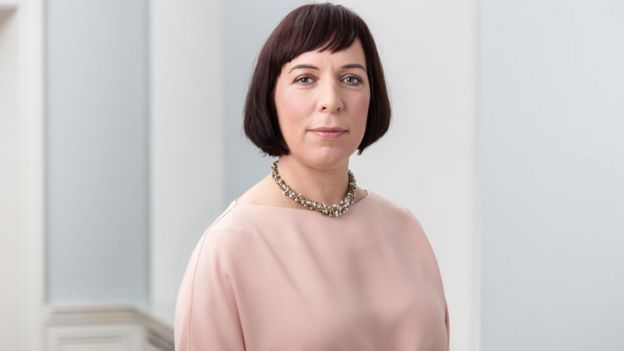
Derechos de autor de la imagenMINISTERIO DE EDUCACIÓN DE ESTONIAImage captionLa ministra de Educación e Investigación de Estonia, Mailis Reps.
Amor por las letras e inversión
Durante siglos, el pueblo estonio fue dominado por otras naciones, principalmente Suecia y Rusia. El país obtuvo su autonomía apenas en 1917.
De 1940 a 1991 se convirtió en un Estado miembro de la Unión de las Repúblicas Socialistas Soviéticas (URSS).
Por este motivo,Estonia es un joven país de solo 27 años. Pero hay algo que nunca cambió en la historia estonia: el aprecio de la población por las letras y la cultura.
Un ejemplo de ello son los registros históricos de hace 150 años que muestran que ya en esa época el índice de alfabetización de la población alcanzaba el 94%.
Cuando el país se modernizó e independizó, el gobierno decidió priorizar las inversiones en educación. Actualmente el Estado invierte el 6% de su Producto Interno Bruto (PIB) en la enseñanza.
En la práctica, significa que invierte unos US$7.400 por alumno al año en la enseñanza básica.
Si bien es una cifra alta comparada, por ejemplo, con lo que invierten los países latinoamericanos, contrastada con los otros países europeos no impresiona. La media de la Unión Europea (UE) —bloque que incluye a Estonia desde 2004—, es de unos US$10.800 por alumno al año.
Profesores valorados
Tal vez la respuesta a la eficiencia estonia, por lo tanto, esté en una mezcla de buenas inversiones y eficiencia en el uso de ese dinero. «Nos esforzamos por la excelencia en la educación porque creemos que cada persona debe tener la oportunidad de desarrollar y usar su mayor potencial», dijo la ministra.
Derechos de autor de la imagenMINISTERIO DE EDUCACIÓN DE ESTONIAImage captionEn Estonia los profesores tuvieron un incremento de ingresos del 80% en la última década. Hoy, el salario base de los docentes es de 1.150 euros (US$1330).
«La educación siempre ha sido una prioridad para las inversiones, ya sea los salarios de profesores, la red de escuelas o la infraestructura digital», resaltó Reps.
«El aumento salarial de los profesores estonios también se destaca a nivel internacional», señaló. En la última década, Estonia incrementó los ingresos docentes en un 80%.
Hoy el salario base de los docentes es de 1.150 euros (US$1330). «El año que viene el piso de la categoría será de 1.250 euros, y el promedio será de 1.500 euros», afirmó la ministra.
«Considerando el estándar general de vida, la educación es un área en el que se invierte un porcentaje considerable del presupuesto«.
«La clave está en el acuerdo con la sociedad. Todos deben entender la necesidad de la educación, solo así es posible obtener resultados», aseguró.
Autonomía y libertad en el aula
Las directrices de la enseñanza están en el currículo nacional. Pero cómo aplicarlas queda, en gran parte, a criterio de cada escuela.
«El currículo determina los resultados generales. La manera de alcanzarlos es elegida por los profesores», dice la ministra.
Además el currículo se actualiza constantemente.
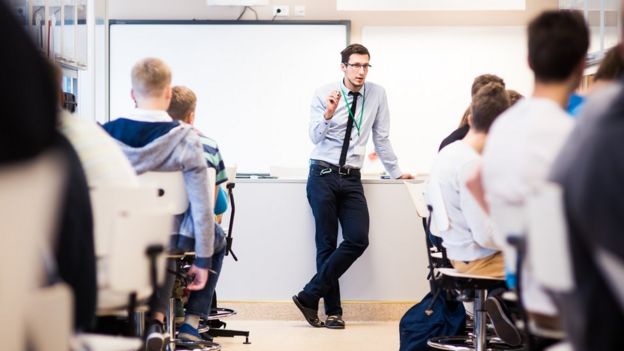
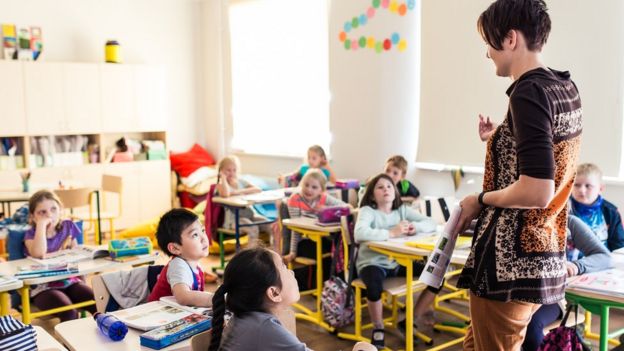
Derechos de autor de la imagenMINISTERIO DE EDUCACIÓN DE ESTONIAImage captionLos docentes estonios son valorados por la sociedad, tienen buenos sueldos y autonomía para decidir cómo dar su clase.
«En Estonia, las escuelas y los profesores disfrutan de un alto grado de autonomía en la toma de decisiones en todos los aspectos del aprendizaje y la enseñanza», completa.
Esta descentralización se volvió norma tras la disolución de la Unión Soviética. Fue cuando el gobierno decidió dar libertad a las escuelas, exigiendo de ellas, por otro lado, la responsabilidad en cuanto a las directrices.
En general, las materias se enseñan de forma integrada, es decir, sin la división clásica entre las disciplinas. Las competencias más valoradas son «aprender a aprender», ética, emprendimiento y educación digital.
Todos los profesores deben tener maestrías en sus áreas de actuación.
Durante el período escolar los alumnos deben aprender idiomas y literatura estonios, primera y segunda lengua extranjera, matemáticas, biología, geografía, física, química, humanidades, historia, civismo, música, arte, artesanía, tecnología y educación física.
Pero también son comunes las clases de historia de las religiones, diseño y economía.
En el contraturno —período del día en que los alumnos no tienen clases— todas las escuelas ofrecen clases de deporte, música, artes y talleres de tecnologías.
Es cuando también se solucionan los problemas individuales de los alumnos con bajo rendimiento. En el sistema educativo estonio, buenos y malos alumnos no están separados en clases diferentes.
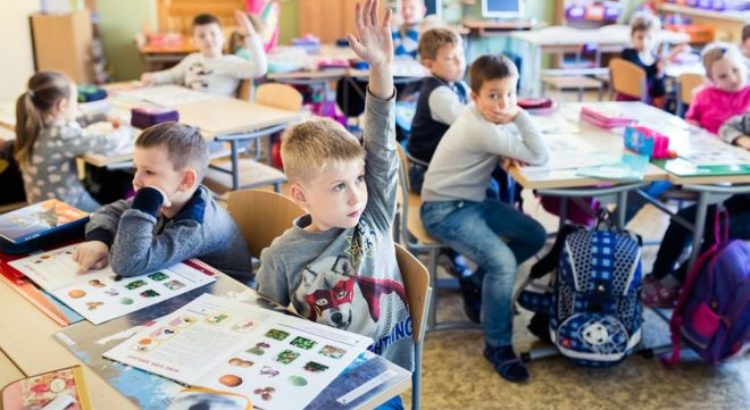
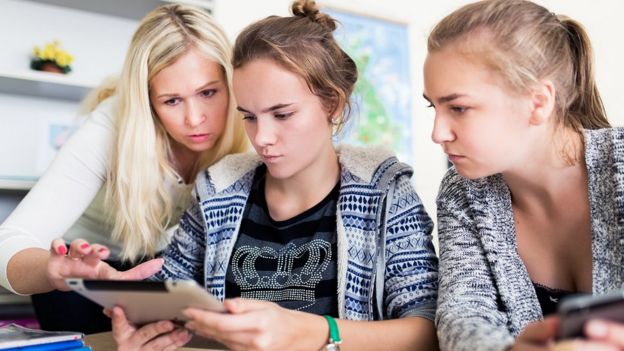
Derechos de autor de la imagenMINISTERIO DE EDUCACIÓN DE ESTONIAImage captionLos buenos y los malos alumnos no están separados en diferentes salas. Quienes tienen dificultades reciben asistencia después del horario de clase.
Pero aquellos con más dificultad reciben ayuda, fuera del horario de las clases, de profesores particulares, psicólogos y psicopedagogos, según la necesidad.
Éxito
Los buenos resultados se ven no solo en el lugar obtenido en el ranking Pisa, sino también analizando los índices de alumnos en el nivel más bajo de aprendizaje.
Solo el 8% de los jóvenes estonios de 15 años —la edad de los evaluados por Pisa— están en el nivel más bajo (por ejemplo, tienen dificultades para relacionar entre sí diferentes partes de un mismo texto).
La media de los países de la UE en esta categoría es del 15%.
«Claro que nos sentimos orgullosos de nuestras conquistas, de nuestra evaluación en Pisa», comentó Reps. «Pero el objetivo es la educación y no la puntuación en pruebas«.
Los candidatos a directores de escuelas son entrevistados por un consejo formado por padres, profesores y representantes del gobierno municipal. A la hora de contratar a un profesor, la responsabilidad le corresponde al director de la escuela.
¿Sirve para otros países?
Replicar un modelo de un país a otro, en opinión de la ministra estonia, no es algo tan factible.
«Cada país es diferente y no existe una receta o un modelo secreto que pueda ser usado solo copiando todo», señaló.
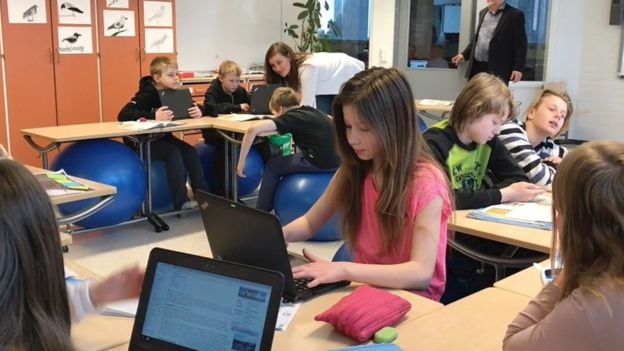
Image captionEstonia comparte sus prácticas educativas con Finlandia, otro país que es elogiado por sus niveles educativos.
Las salvedades son obvias: discrepancias en el tamaño de la población, problemas históricos aún no resueltos o incluso diferencias culturales.
«El modelo de Estonia fue formulado considerando a un país pequeño», destacó Reps.
Sin embargo, la funcionaria reconoció la importancia de formar alianzas entre naciones. En el caso de Estonia, con la igualmente exitosa Finlandia, que actualmente ocupa el quinto lugar en el ranking Pisa.
«Finlandia es nuestro principal socio cuando tratamos de mejorar nuestras prácticas educativas, siempre hay algo que aprender de los vecinos», subrayó.
«En cuanto a la formulación de políticas públicas en el campo de la educación estamos siempre abiertos a cambios y la innovación, pero al mismo tiempo valoramos y preservamos enfoques tradicionales que han funcionado bien», dijo la ministra.
«El futuro seguramente seguirá trayendo nuevos desafíos, principalmente con el desarrollo de nuevas tecnologías. Creemos que necesitamos aprender unos con otros y enfrentar los desafíos juntos», concluyó.
España / 21 de octubre de 2018 / Autor: José Antonio Marina (Coordinador) / Fuente: Faros
¿Te has preguntado alguna vez cómo influye la creatividad en el bienestar y desarrollo de tu hijo? ¿Crees que se puede entrenar la creatividad?
Desde el Hospital Sant Joan de Déu lo vemos claro: la creatividad es un factor clave para el correcto desarrollo de los niños.
Favorece que adquieran valiosas competencias que les guiarán a lo largo de su vida, contribuye a la expresión personal, a desarrollar su pensamiento abstracto y a ganar habilidades para afrontar los retos sociales, personales y laborales que la vida les plantee.
La creatividad debe entenderse como una habilidad que está latente en todos nosotros, y que si se entrena desde la infancia, nos aseguramos que como adultos la sepamos aplicar a los diferentes ámbitos y entornos en los que convivimos.
¡Si quieres saber cómo hacer de la creatividad un hábito, este cuaderno es para ti!
El 8º Cuaderno FAROS, coordinado por el profesor José Antonio Marina, Catedrático de Filosofía, experto referente en temas de educación y creatividad e impulsor de la Universidad de Padres online, aporta en detalle qué entendemos por creatividad y cómo podemos hacer que nuestros hijos o alumnos sean personas creativas. Además nos ayudará a comprender los dos niveles de la inteligencia humana y como éstas tienen relación con el pensamiento creativo.
Por otra parte la Dra. Mercedes Serrano (Neuropediatra) y la pedagoga Begonya Nafría, profesionales colaboradoras del hospital, nos ofrecen, desde una visión neuronal y pedagógica lo que representa la creatividad, qué relación tiene con el desarrollo del niño, qué mecanismos interactúan a nivel cerebral y cuáles son las barreras que impiden su expresión.
El cuaderno está dirigido principalmente a padres, madres y maestros, para que, tanto desde el ámbito doméstico como escolar podamos entre todos fomentar la creatividad en todos los aspectos de la vida cotidiana de los niños.
Coordinación y autoría:
El Cuadern ha contado con la colaboración de:
Coordinador:
José Antonio Marina. Catedrátic de Filosofía y Doctor Honoris Causa por la Universidad Politécnica de Valencia.
Israel – Palestina / 21 de octubre de 2018 / Autor: Redacción / Fuente: News Front
Una serie de feroces enfrentamientos se han desatado entre los manifestantes palestinos y las fuerzas israelíes después de que el régimen de Tel Aviv ordenó el cierre de una escuela palestina en la ocupada Cisjordania.
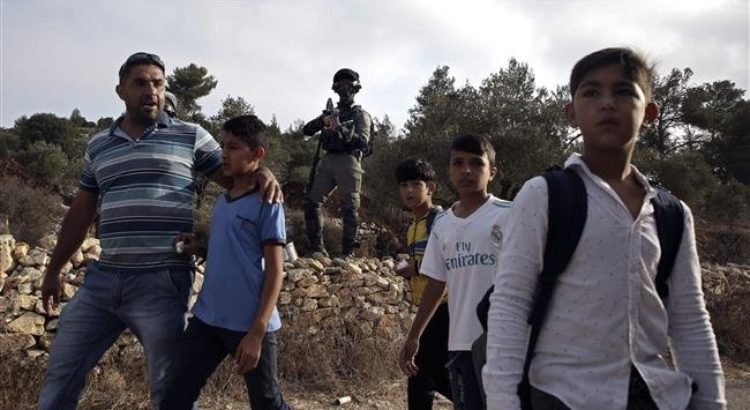
Los enfrentamientos se produjeron después de que los estudiantes trataran de ingresar a la escuela junto a algunos funcionarios locales en la ciudad de Sawiyah, al sur de Nablus, el lunes por la mañana.
Las tropas y la policía israelíes lanzaron gases lacrimógenos contra los manifestantes, incluso en las instalaciones de la escuela.
La Media Luna Roja Palestina dijo que al menos cuatro personas fueron alcanzadas por balas de goma, y varias otras fueron afectadas por gases lacrimógenos. Un fotógrafo de la AFP estuvo entre los heridos en los enfrentamientos.
La escuela atiende a los pueblos palestinos de as-Sawiya y al-Lubban, al sur de Nablus, y se encuentra en una carretera principal que atraviesa Cisjordania.
Samer Ewass, un funcionario de la aldea, dijo que estaban protestando por la decisión israelí.
«Rechazamos esta decisión», dijo Ewass, y agregó: «Estos niños tienen derecho a la educación, tienen derecho a sentarse en la escuela como cualquier niño en cualquier país».
El ejército israelí emitió el domingo una orden para cerrar la escuela. El ejército israelí culpó a los estudiantes por tirar piedras a una carretera principal cercana utilizada por sus fuerzas y los colonos israelíes.
Docenas de estudiantes palestinos resultaron heridos después de que colonos y soldados israelíes armados allanaron una escuela secundaria en la ocupada Cisjordania el 11 de octubre.
A fines de agosto, el Consejo Noruego para los Refugiados (NRC, por sus siglas en inglés), una organización internacional, dijo que a los niños palestinos en los territorios ocupados simplemente se les estaba negando la educación mientras el régimen israelí continuaba con la muy culpable política de demoler sus escuelas recién construidas.
La NRC dice que unas 55 escuelas en la Cisjordania ocupada están amenazadas con demoliciones y órdenes de detención de trabajos por parte de las autoridades israelíes, la mayoría de ellas construidas con fondos de los estados miembros de la Unión Europea y otros donantes.
La UE ya ha anunciado que unas 100 estructuras, incluidas viviendas, refugios, redes de agua y escuelas, en Cisjordania y Jerusalén Este al-Quds han sido destruidas o confiscadas durante el año pasado.
Israel ha demolido tres escuelas palestinas en dos semanas, dejando a los estudiantes desesperados bajo el ardiente calor del sol de agosto.
Muchos creen que las controvertidas medidas de demolición adoptadas por Tel Aviv tienen como objetivo expulsar a más palestinos de Cisjordania.
Israel fue creado en 1948 después de una toma militar respaldada por Occidente de vastas extensiones de territorios árabes. En 1967, Israel ocupó toda la Ribera Occidental, incluido el este de Al-Quds, durante las operaciones militares de frente completo. Posteriormente se anexaron los territorios. Luego de la anexión, también comenzó a apuntalar asentamientos, considerados ilegales por la comunidad internacional debido a su construcción en el territorio ocupado.
Ningún movimiento ha sido reconocido por la comunidad internacional. Desde entonces, Tel Aviv también ha estado cambiando la demografía del territorio al desplazar las concentraciones de las poblaciones palestinas, ya sea en forma total o por etapas.
Más de 600,000 israelíes viven ahora en más de 230 asentamientos. Tel Aviv ha desafiado los llamamientos para detener la expansión de los asentamientos en los territorios palestinos ocupados.
Chile / 21 de octubre de 2018 / Autor: Paulina Morles e Isabel Plaza / Fuente: El Mostrador
Por estos días se ha presentado un proyecto de ley que busca incorporar un curso sobre memoria y derechos humanos, de carácter obligatorio, en la educación básica y media. La iniciativa fue presentada por la diputada Carmen Hertz y ha recibido el respaldo de un espectro parlamentario que va desde el Frente Amplio hasta la Democracia Cristiana. Desde el gobierno, el ministro del Interior, Andrés Chadwick, consideró dicho proyecto como innecesario, debido a que “eso ya es parte de lo
currículums y mallas que establece el Ministerio de Educación y no es necesario establecerlo a través de una ley”. El ministro tiene razón en parte, debido a que efectivamente el tema de los derechos humanos se encuentra contenido en los principios que fundamentan las bases curriculares de la enseñanza parvularia, básica y media, emanadas del Mineduc. Sin embargo, se equivoca al afirmar que no es necesaria una ley. Basta observar que sólo para la enseñanza básica y media se integra este contenido como parte de los Objetivos de Aprendizaje Transversales (OAT), y si bien estos promueven que cada docente pueda vincularlos directa o indirectamente a su asignatura, ello no implica la incorporación de una didáctica adecuada para la formación docente. Vale decir, que los gobiernos de nuestro país han dejado en manos de sus educadores -a título individual- la responsabilidad de cumplir con las obligaciones contraídas por el Estado en materia de educación y derechos humanos, sin entregarles las herramientas necesarias para su aplicación.
Toda esta discusión nos remite al campo de la Educación en Derechos Humanos (EDH) y como Observatorio de Educación en Derechos Humanos, nos parece importante precisar algunas ideas al respecto. Esto, tanto en términos jurídicos como teórico-conceptuales, metodológicos y ético-políticos.
En primer lugar, ¿qué es la EDH? En el Manual de Educación en Derechos Humanos, Nancy Flowers la define así: “todo aprendizaje que desarrolle el conocimiento, las habilidades y los valores referentes a los derechos humanos”. En términos generales, se remite a ella como una práctica pedagógica que posibilita ejercer derechos propios, además de incorporar herramientas para el desarrollo integral de las personas y de las sociedades democráticas. En este sentido, se comprende esta educación como una expresión de los diversos aprendizajes que constituyen a los sujetos, que va más allá de un modelo universal de enseñanza, por lo que exige una perspectiva amplia para su abordaje.
«En primer lugar, ¿qué es la EDH? En el Manual de Educación en Derechos Humanos, Nancy Flowers la define así: “todo aprendizaje que desarrolle el conocimiento, las habilidades y los valores referentes a los derechos humanos”. En términos generales, se remite a ella como una práctica pedagógica que posibilita ejercer derechos propios, además de incorporar herramientas para el desarrollo integral de las personas y de las sociedades democráticas. En este sentido, se comprende esta educación como una expresión de los diversos aprendizajes que constituyen a los sujetos, que va más allá de un modelo universal de enseñanza, por lo que exige una perspectiva amplia para su abordaje.»
En segundo término, cabe señalar que la EDH ha sido reconocida por Naciones Unidas como parte de los derechos consagrados a todo ser humano. En efecto, en 2011 se promulga la Declaración de las Naciones Unidas sobre Educación y Formación en materia de Derechos Humanos, que establece en su artículo 1° que: “Toda persona tiene derecho a obtener, buscar y recibir información sobre todos los derechos humanos y las libertades fundamentales y debe tener acceso a la educación y la formación en materia de derechos humanos”. Junto con ello, esta Declaración establece que la educación y la formación en materia de DDHH engloba tres líneas de acción: 1) La educación sobre los derechos humanos, que incluye facilitar el conocimiento y la comprensión de las normas y principios de derechos humanos, los valores que los sostienen y los mecanismos que los protegen; 2) La educación por medio de los derechos humanos, que incluye aprender y enseñar respetando los derechos de los educadores y los educandos; 3) La educación para los derechos humanos, que incluye facultar a las personas para que disfruten de sus derechos y los ejerzan, y respeten y defiendan los de los demás (art. 2º, inciso 2).
En concordancia con estas orientaciones globales, el Plan Nacional de Derechos Humanos 2018-2021 (el primero que ha tenido Chile en toda su historia republicana) incorporó como segundo eje de acción a la educación en DDHH, la que deberá cumplir con el siguiente objetivo: “Promover y garantizar la sensibilización, formación y capacitación en derechos humanos para desarrollar una cultura de derechos humanos que contribuya a la prevención de sus vulneraciones”. Cabe destacar además que el primer eje de este plan es la promoción de la investigación, sanción y reparación de los crímenes de lesa humanidad, y de la memoria histórica. Lo anterior puede ser claramente leído en relación con la necesidad de que la EDH incorpore entre sus contenidos nucleares el respeto por los derechos humanos, pero también la pasada experiencia dictatorial como ejemplo nítido de irrespeto a aquéllos. Cabe precisar que este plan fue presentado al país en diciembre de 2017, cuando ya finalizaba el gobierno anterior, correspondiendo su ejecución a la actual administración. Tarea ineludible si se tiene en cuenta el derecho internacional de los DDHH, que establece la existencia de sujetos de derechos y sujetos de obligación, esta última categoría aplicable a los Estados.
Un tercer aspecto a remarcar apunta a la pregunta que da título a esta columna, acerca de si requerimos o no un curso de DDHH en la educación formal. Teniendo en cuenta los elementos antes enunciados, la respuesta es afirmativa. Pero no sólo lo es en virtud de esas referencias. Nuestro quehacer como Observatorio de Educación en Derechos Humanos -en las áreas de docencia, investigación y extensión- nos ha permitido arribar a algunas constataciones preocupantes. Por una parte, que pese a estar DDHH incorporado como tópico obligatorio en las bases curriculares, ello no implica que se los aborde efectivamente en las aulas. Por otra, que en los espacios educativos en que así ocurre, tampoco se produce -necesariamente, aunque suene paradojal- como enseñanza de los derechos humanos, sino muchas veces enmarcado (¿enmascarado?) o indirectamente tratado en temáticas afines como ciudadanía, educación en valores, ética, entre otros. Más aún, que los dos puntos antes referidos se deben, en buena medida, a la discrecionalidad con la que se abordan los derechos humanos en la escuela (cuando se hace), muchas veces dependiendo de las cosmovisiones ético-políticas de los directivos y/o de los profesores. La formación en DDHH en las carreras de pedagogía es una tarea urgente e ineludible; por cierto, no sólo en áreas afines como historia y geografía o ciencias sociales, sino en todo el espectro de las pedagogías, de manera tal que los futuros educadores y educadoras puedan incorporar los derechos humanos en disciplinas como las matemáticas, la biología, las artes, los idiomas, entre otros.
Tal y como enunciamos al inicio de esta columna, la presencia de estos contenidos en las bases curriculares no conlleva una obligación de incorporar una didáctica ad hoc durante la formación docente, que permita a las y los futuros profesores experimentar un saber sobre, por medio y para los derechos humanos. De esta forma, es insuficiente de parte del Estado, a través del Mineduc, promover un objetivo para el que no se disponen las metodologías pertinentes.
En cuarto lugar, que los hechos conocidos y debatidos estos últimos meses, en torno a la violencia en los espacios educativos, son una muestra de lo urgente que es -hoy más que nunca- educar en DDHH. Para ello, es necesario trascender a las visiones punitivas y a las explicaciones cortoplacistas, como las contenidas en el Proyecto Aula Segura, que se agotan en los casos particulares. Estamos frente a manifestaciones de violencia estructurales -por cierto, no sólo por parte de estudiantes- que responden a una forma de interacción social amparada en profundas condiciones de desigualdad y exclusión. Frente a todo esto, un curso obligatorio sobre derechos humanos permitiría supervisar su efectivo cumplimiento, revisar los contenidos trabajados a su amparo y contribuir a una cultura de la paz. Y a este respecto cobra sentido la propuesta de la destacada educadora peruana Rosa María Mujica, quien atribuye a la educación en derechos humanos los siguientes objetivos, entre otros: i) Promover el desarrollo de actitudes, valores, conductas y comportamientos como el respeto a la persona, la solidaridad, justicia, libertad, igualdad, tolerancia, participación y otros, para contribuir a la construcción de una cultura democrática; ii) Promover la participación responsable en la vida social y política y en las instituciones y organizaciones sociales.
Entonces, decimos sí a una asignatura obligatoria sobre DDHH. Pero requerimos mucho más. No solo
necesitamos enseñar DDHH en la educación formal, sino también en la informal y en todos los espacios posibles donde los derechos humanos requieran ser conocidos, difundidos y promovidos como requisito indispensable para una sociedad democrática, en donde para cada sujeto la dignidad humana sea una realidad. Requerimos, en definitiva, de una ley integral en materia de educación y formación en derechos humanos.
México / 21 de octubre de 2018 / Autor: Ricardo Dorantes / Fuente: Alto Nivel
Microsoft cree que es claro el rol que jugarán las escuelas y el sistema educativo mexicano para el futuro del país: el cambio tecnológico en los empleos.
En 2030, la generación que hoy inicia la educación básica estará pisando las aulas universitarias. Y Microsoft ya trata de visualizar ese salón de clases.
Será tan impresionante como suena, de acuerdo con Anthony Salcito, vicepresidente global de Educación para Microsoft.
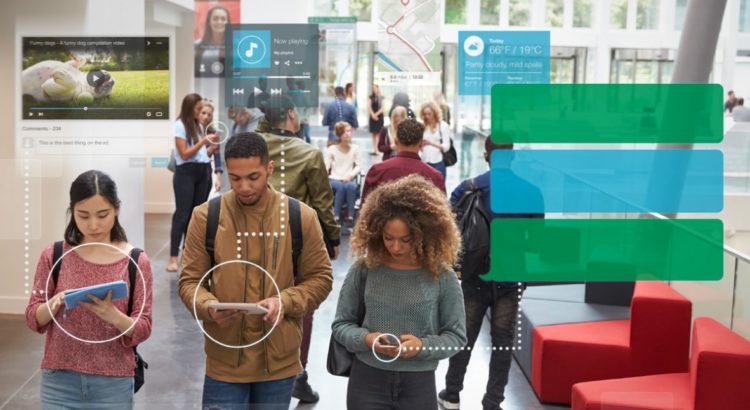
Sí, habrá Inteligencia Artificial, uso de Big Data, computadoras en cada pupitre, softwares diseñados especialmente para generar una mayor comprensión y entendimiento de los temas con la vida práctica. Sin embargo, la tecnología no es el objetivo, sino un medio.
Así lo dice Salcito, un hombre que se aleja de la imagen geek de los oráculos de la era digital: peinado perfecto, traje negro a la medida y la seguridad que debe tener el que sabe que su trabajo es diseñar el entorno del futuro para millones de personas.
“Lo primero en lo que se debe pensar es en un cambio de cultura, pues hay mucha negatividad en torno a esta conversación. La transformación de aulas y escuelas es muy mal vista por ciertos sindicatos y algunos grupos de profesores”, lanzó el directivo durante la más reciente edición de Bett Latin America, el encuentro que reúne a los visionarios de la educación en diferentes ámbitos.
México es, precisamente, una de esas economías en donde el sindicato educativo juega más como un actor político que defiende en ocasiones una burocracia oxidada, así como un elefante blanco que enriquece a sus líderes, más que como un ente especializado en el desarrollo de la educación y los profesores en el país.
“El periodo de transición en México busca cancelar la agresiva reforma educativa de la administración que sale. Una de las cosas que tenemos que hacer es estar seguros de continuar hacia adelante, de priorizar y construir los cambios que debemos hacer en las escuelas y en los salones de clases”, dice Salcito, en entrevista exclusiva con Alto Nivel.
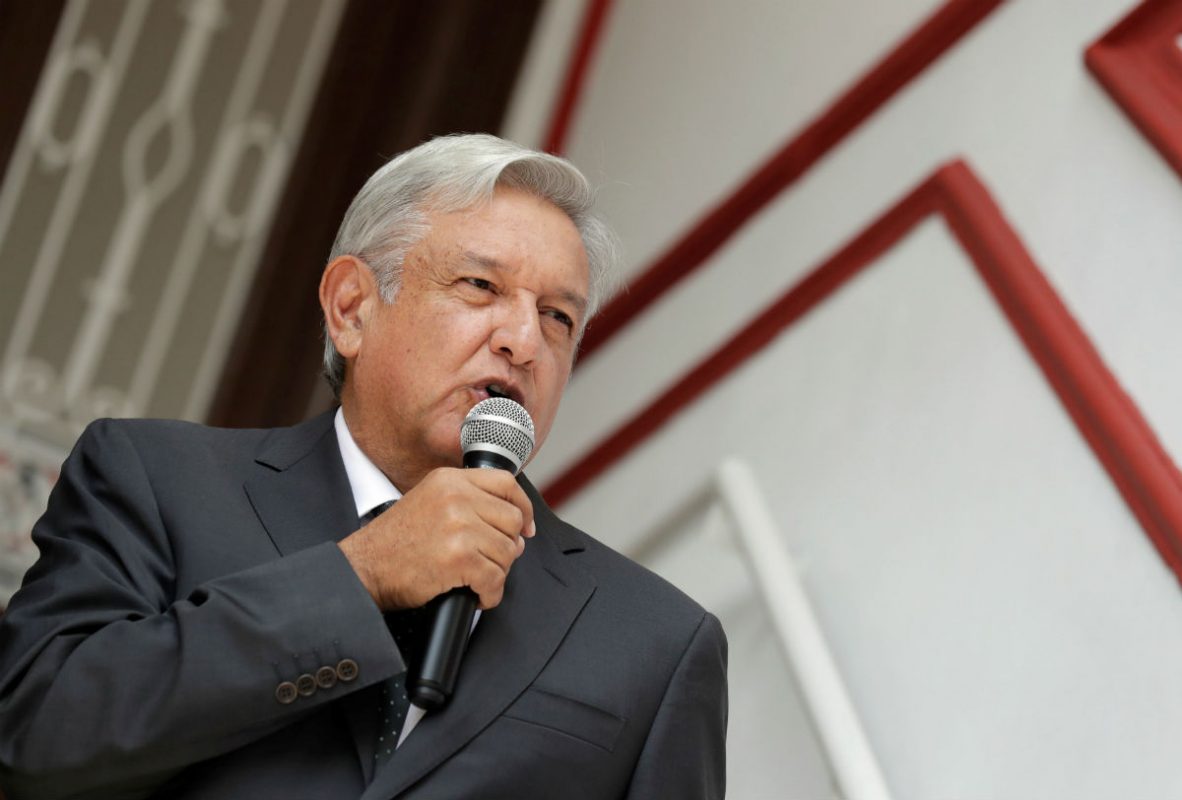
Uno de los primeros mensajes del Presidente Electo, Andrés Manuel López Obrador, fue asegurar que se cancelará la Reforma Educativa impulsada durante el sexenio que termina.
Reuters.
AMLO y el paquete de reformas.
La idea del nuevo Gobierno es, hasta el momento, una nueva Reforma que considere la opinión de maestros y enfocada a la equidad en la educación.
Hoy más que nunca, añadió Salcito, es claro el rol que jugarán las escuelas y el sistema educativo mexicano para el futuro del país, no sólo porque los trabajos demandan una conexión de las habilidades que se encuentran en la educación, sino porque los empleos cambiarán radicalmente con la influencia tecnológica y los jóvenes que ingresen al mercado laboral deberán contar con la confianza y habilidades para marcar diferencia a nivel local y global.
En el país ya se han puesto en práctica algunas iniciativas relacionadas con la interacción tecnológica en el salón de clases, como Educator Exchange, las cuales tienen como principal objetivo llevar la experiencia de las nuevas herramientas al campo de la funcionalidad.
Sin embargo, esto es solo el principio del camino. Salcito hace énfasis en uno de los errores más comunes en la planeación de los sistemas educativos.
“Muchos países, no solo México, consideran los cambios en el sistema educativo a un plazo de 5 o 6 años, es decir, un periodo de elección. Así es como perdemos el panorama importante: las transformaciones educativas se deben pensar a 20, 30 o 40 años”, advierte.
Otra de las razones del fracaso de la actualización educativa, y que contribuye más al rezago que a dar pasos hacia el frente, es el mal entendimiento que hay en torno a la tecnología.
“Se cree que la manera en la que se llega al cambio es la adquisición de las cosas –de los equipos tecnológicos–, pero el cambio se debe dar de adentro hacia afuera: hay que preguntarnos primero qué tan abierta es la mentalidad para adoptar nuevas tecnologías, enfoques y conexiones”, señala el experto.
De ahí que, para Salcito, las bases de la transformación educativa abordan por factores esenciales en donde la tecnología ni siquiera tiene un lugar.
“Lo primero es tener claro el propósito de lo que hacemos y para quién lo hacemos. Luego, un objetivo claro para lo que los alumnos están aprendiendo. Finalmente, hay que reconocer el valor del cambio de paradigmas, enfocarnos en la cultura y en la mentalidad, antes que en la infraestructura y la tecnología”, explica.
La tecnología, por otro lado, sí jugará un papel importante, pues no sólo servirá para llevar la educación a distancia –suplir falencias como la infraestructura educativa que persiste en zonas como Michoacán o Guerrero–, sino también para que los estudiantes puedan generar una conexión personal con aquello con lo que están aprendiendo.
Durante su presentación, Salcito expone el caso de unos jóvenes del Caribe mexicano, quienes diseñaron, a partir de un software de Minecraft, una estructura para albergar y preservar el coral en Cozumel.
Al final, se aprecia a los estudiantes colocando su diseño en el océano.
El objetivo es tan sencillo, y tan complejo, como querer impactar en el mundo que habitan. La tecnología es el medio. La mentalidad y la cultura, al final, el gran reto y la losa más pesada para que esto sea una realidad general.
OtrasVocesenEducacion.org existe gracias al esfuerzo voluntario e independiente de un pequeño grupo de docentes que decidimos soñar con un espacio abierto de intercambio y debate.
¡Ayúdanos a mantener abiertas las puertas de esta aula!




 Users Today : 61
 Total Users : 35490976
 Views Today : 105
 Total views : 3604453