Centro América/El Salvador/31 Mayo 2018/Fuente: El salvador
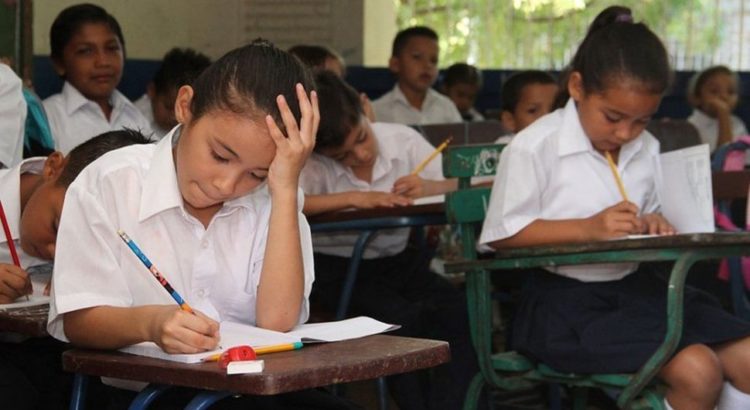
El Ministerio de Educación lanzó ayer la Política Nacional de Convivencia Escolar que busca, entre otras cosas, que se fomente el respeto. La institución verá que los centros de enseñanza públicos y privados tengan sus manuales de convivencia actualizados.
El Ministerio de Educación (Mined) revisará los reglamentos y planes de convivencia de las escuelas públicas y los colegios del país, según anunció ayer el viceministro de Educación, Francisco Castaneda, en el marco del lanzamiento de la Política Nacional de Convivencia Escolar y Cultura de Paz.
La política, que está orientada a mejorar el clima bajo el cual se da el proceso de enseñanza aprendizaje y superar cualquier tipo de violencia, se concretó tras 20 meses de trabajo, que incluyó consultas a estudiantes, docentes, personal administrativo, padres de familia de 112 centros escolares, así como a especialistas de ONG’S, universidades, agencias de cooperación, empresas, iglesias, entre otros actores.
“La política va a regir todas las normativas internas que tienen tanto el sector público como el privado; y a partir de hoy vamos a iniciar un proceso de divulgación de la política y a exigir también a los institutos nacionales, a los complejos educativos y a los colegios privados que deben tener sus manuales de convivencia actualizados, modernizados, que estén bajo la sombrilla de esta política”, afirmó Castaneda.
De acuerdo con las palabras del viceministro, al poner en sintonía los reglamentos de los centros educativos con la política favorecerá que se establezca una relación de respeto en su interior, así como entre familia y escuela, entre la escuela y la comunidad.
El funcionario también aseguró que con esta política dan un paso importante para la construcción de la cultura de paz y para tener una escuela libre de violencia, y si bien reconoció que en algunas zonas del país se debe de trabajar mucho por el tema de la violencia, también subrayó que en este año no tienen registrado homicidio de estudiantes, ni maestros del sistema educativo público.
El Ministro de Educación, Carlos Canjura, afirmó que es una responsabilidad de todos contribuir a fomentar de forma sistemática la convivencia en la sociedad: “Nosotros tenemos la tarea y estamos trabajando desde la primera infancia con el tema de la asignatura de moral, urbanidad y cívica”, citó.
Norbert Eichler, primer secretario y cónsul de la Embajada de Alemania en El Salvador, destacó el papel que juegan las escuelas en proporcionar a los niños la educación formal, pero también en forjar cualidades y valores tales como la tolerancia, empatía y consideración por los demás.
Eichler, quien destacó el esfuerzo que se ha hecho en el diseño de la Política Nacional de Convivencia Escolar, detalló que el problema de la violencia afecta también las escuelas alemanas, en la mayoría de las cuales se han establecido programas de prevención, en los que todos los miembros de la comunidad educativa, y especialistas trabajan juntos.
Mélida Hernández de Barrera, directora de prevención y programas sociales del Mined, tras agradecer el apoyo de las distintas organizaciones, señaló que están realizando una guía para que cada escuela haga su plan de convivencia, de acuerdo a su contexto y a sus recursos.
Centro América/Haití/31 Mayo 2018/Fuente: Prensa Latina
La vulnerabilidad de la mujer haitiana en la esfera de la sexualidad, es hoy uno de los grandes retos del sistema nacional de salud, afirmaron expertos de este ámbito en el país.
De acuerdo con los especialistas, la información de calidad y sin tabúes sobre la sexualidad permitirá a las féminas cuidar bien de su cuerpo.
En conferencia de prensa, la activista feminista Daniÿle Magloire, subrayó que la educación sexual debe participar en una deconstrucción de las representaciones estereotipadas y los conceptos erróneos que las mujeres tienen sobre sus enfermedades.
Asimismo, criticó la idea mecánica que vincula la salud femenina con la única función reproductiva.
‘Las mujeres no pueden definirse únicamente a partir de su potencial de procreación, ellas existen independientemente de este potencial ‘, señaló Magloire.
Investigadores en el campo de la medicina alertaron también que los embarazos precoces, la calidad y acceso a la atención y la capacidad de los hospitales, son otros lastres del sistema sanitario que inciden directamente en las mujeres.
Para el director de Salud Familiar, Reynold Grand’Pierre, un paso significativo sería la planificación del embarazo, que permitirá a las mujeres dar a luz en la edad adecuada y con las condiciones correctas.
Según el funcionario, la edad promedio para la primera relación sexual en el país es entre 13 y 14 años para los niños, y entre 16 y 18 para las niñas.
Por su parte, el médico Jean Joseph Exumé, advirtió que el sistema de salud debe invertir en la capacitación de sus especialistas, para lograr sus objetivos.
‘No se puede concebir una buena medicina sin un sistema de seguro confiable y una residencia adecuada para los profesionales de la salud’, apuntó.
El encuentro, que celebró el día internacional de Acción para la Salud de la Mujer, estuvo organizado por el Colectivo sobre el Derecho a la Salud Sexual y Reproductiva y reunió a varias representantes de las organizaciones feministas como la Red de Mujeres de las Radios Comunitarias de Haití y Solidaridad fanm Ayisyen.
Los diputados vietnamitas analizaron varias enmiendas al proyecto de Ley de Educación Superior y el Programa de elaboración de leyes y ordenanzas en 2019 y los ajustes del mismo para 2018.
El ministro de Educación y Formación, Phung Xuan Nha, leyó un informe sobre el proyecto de Ley de Educación Superior, mientras el jefe de la Comisión de Cultura, Educación, Juventud, Adolescencia e Infancia, Phan Thanh Binh, presentó una evaluación del Parlamento sobre el mismo.
El jefe de la Comisión de Asuntos Jurídicos de la Asamblea Nacional, Nguyen Khac Dinh, expuso el borrador del Programa de leyes y ordenanzas en 2019 y los ajustes del mismo para el presente año, los cuales fueron discutidos con posterioridad.
En la sesión vespertina, los legisladores trabajarán en grupo y debatirán las modificaciones de los borradores sobre leyes de Educación y de Educación Superior.
Según el proyecto, se prevé modificar 36 artículos de la Ley de Educación, añadir tres y anular otros diez.
El documento refiere que la ley se centra en contenidos clave como el gasto escolar de estudiantes pedagógicos, la estandarización del nivel profesional de los docentes, la verificación de la calidad de la educación y el reconocimiento de diplomas extranjeros, el financiamiento para el sector y la responsabilidad de las escuelas, las familias y la sociedad en la educación.
Las reuniones corresponden al quinto periodo de sesiones de la Asamblea Nacional de la XIV legislatura.
América del sur/Colombia/31 Mayo 2018/Fuente: Semana
La capital de la montaña será la primera ciudad en Latinoamérica en iniciar la unión con el canal Discovery en la Escuela para generar nuevas herramientas de aprendizaje en las instituciones paisas.
Esta semana fue anunciada por la Alcaldía de Medellín la alianza entre la entidad, la Secretaría de Educación, el canal de televisión Discovery en la Escuela y TigoUne para generar nuevas formas de enseñanza en las aulas de 25 instituciones educativas de la ciudad, el objetivo es que los profesores logren por medio de distintos cursos, adhiriendo los programas emitidos en el canal, potenciar las competencias investigativas de sus alumnos.
Los docentes tendrán acceso a los contenidos emitidos en televisión y en la página web de canal educativo. Con esto se pretende enriquecer los contenidos de las clases “para apoyar el desarrollo profesional y enseñar a los estudiantes una forma entretenida de reforzar su rendimiento académico y tecnológico”, según lo indicó la Alcaldía.
Durante un año, los bibliotecarios y maestros deberán participar en jornadas de capacitación sobre el uso de la plataforma, talleres webinar y formaciones para diseño de evaluación del proceso, también deberán aumentar su videoteca con los contenidos asignados. Además, cada colegio tendría que crear un proyecto donde se evidencie la articulación con los aprendizajes adquiridos.
Según Luis Guillermo Patiño, secretario de educación de Medellín, la alianza les permitirá a los colegios beneficiados, “que todos los canales académicos de ciencia e innovación que tiene el canal Discovery pueda llegar a más de 25 instituciones educativas de la ciudad de Medellín para que los maestros puedan de una manera creativa y pedagógica llevar diferentes problemáticas del ámbito científico, tecnológico y humano los estudiantes de los colegios públicos”.
Además agregó que “lo importante es que de una manera divertida y amena con la más alta tecnología y procesos pedagógicos Discovery, los maestros de Medellín y los niños van a utilizar estas plataformas, lo van a llevar al día cotidiano en cada una de sus clases y lo van a tener al servicio del aprendizaje en diferentes áreas del conocimiento. Pero a partir de un proceso de formación de talleres para que ellos puedan hacerlo muy bien”.
El proyecto se iniciará en primera medida como un piloto que ayudaría a replicar los conocimientos adquiridos en 25 colegios oficiales, “14 de ellos bajo el enfoque pedagógico Stem+H, que integra disciplinas de Ciencia, Tecnología, Ingeniería, Matemáticas y Humanidades para el desarrollo de competencias. Además, fortalecerán con contenidos digitales las bibliotecas escolares de los establecimientos participantes”, apuntó la entidad administrativa.
Europa/España/31 Mayo 2018/Fuente: El diario la educación
La huelga, indefinida, busca conseguir estabilidad para los docentes andaluces, con contratos de interinidad y sin posibilidad de entrar en el funcionariado desde hace una década.
“No pedimos más dinero, eso que quede claro”. Tajante, así se expresa Isabel Ruiz, una de las profesoras de la Universidad de Málaga que ayer se han puesto en huelga, aunque con algunos matices, para conseguir mejorar las condiciones de sus contratos y alcanzar una estabilidad laboral que ahora mismo no tienen.
Y es con matices porque todavía están esperando, en Málaga y Sevilla al menos, a que la autoridad laboral les diga cuáles son los servicios mínioms que deben cumplir en esta convocatoria de huelga. Realizada precisamente en la época de los exámenes. Por su parte, el profesorado de Granada acudirá a la huelga el próximo día 4 de junio para poder cumplir con los plazos legales de convocatoria de huelga.
Según Ruiz, el comité de empresa comunicó a la UMA (Universidad de Málaga) su intención de ir a la huelga el pasado día 18 de mayo. Hasta el 24 la universidad no se puso en contacto con el profesorado para hablar de los servicios mínimos. En esa reunión, “en la que no hubo posibilidad de negociación”, asegura Ruiz, la UMA habló de unos servicios mínimos del 100%. Las y los trabajadores entienden que se vulneraría así su derecho a la huelga, pero están a la espera de lo que diga la autoridad competente para tomar las medidas que sean oportunas en este sentido.
Los contratos en la universidad española, de abajo arriba son; profesor siustituto interino, profesor asociado, profesor ayudante doctor y profesor contratado doctor. De ahí se salta al profesor titular y al catedrático, las dos únicas figuras de funcionariado.
Este profesorado en huelga es el ayudante doctor; sus contratos son de 5 años. Pasado ese tiempo pueden, previa acreditación, habitualmente pasaban a ser contratados doctores, es decir, dejaban de tener contratos temporales para ser empleados fijos de la universidad.
El problema, explica Isabel Ruiz, es que con los decretos de 2012 de racionalización del gasto público, las universidades dejaron de contratar personal. “Pedimos ser indefinidos, no fijos”, reclama Ruiz. Y poder concursar, cuando se abra esa posibilidad, para alzancar una plaza dentro de la función pública que ahora mismo se les niega.
Manuel Fernéndez ex profesor en la Facultad de Educación de la misma universidad, la de Málaga. Esayudante doctor desde hace dos años. Le quedan tres por delante. Si este conflicto no se aclara, al día siguient ede su finalización de contrato, estará en la calle, con la única posibilidad de volver a ser profesor sustituto interino, el escalón más bajo. Con un salario no muy por encima de los 600 euros, a pesar de ser doctor.
Esto es lo que reclaman, no verse abocados a la precariedad laboral y poder tener contratos indefinidos. Entre otras cosas porque la acreditación siguiente, para ser titulares, se vio modificada muy duramente hace algún tiempo por la ANECA, la Agencia de acreditación. Entre los innumerables requisitos, relata Manuel Fernández, se encuentra el “dirigir investigaciones que no puedo dirigir” por el tipo de contrato que tiene.
Según los datos que manejan, en Málaga el número de docentes con este tipo de contratos es de entre 130 y 150. en Sebilla de unos 250 y en Granada también de unos 250. Se trata de las tres universidades más grandes de la comunidad autónoma. Según Ruiz, el resto de los centros universitarios se han solidarizado con ellos en la huelga, pero no tienen números como para sumarse a los paros.
Segúnexplica Isabel Ruiz, han hablado con los partidos políticos del Parlamento andaluz. todos, dicen, se muestran de acuersdo scon su reivindicación y, además, les aseguran que no sería un cambio complejo de legislación. Todos salvo, explica Fernández, el PSOE, que ha dicho que harían el cambio en función de lo que dijeran los rectores.
Y los rectorados no quieren oír hablar del asunto. Según fuentes consultadas, el problema radica en el hecho de que este tipo de contratación, dependiente de la acreditación de méritos, eitaría la tristemente famosa endogamia universitaria. Y es esto parte de lo que se quiere mantener.
La posibilidad que plantean las universidades andaluzas, dice Ruiz, se lleva aplicando años en la Universidad de de Extremadura sin que haya supuesto ningún problema. Ninguno de los contratos de este personal ha sido impugnado por el gobierno central o autonómicos. Los huelguistas cuentan con un informe del Decano de la Faculad de Derecho de la Universidad de Sevilla que asegura también la legalidad de esa medida. Algo a lo que al parecer se niegan las diferentes universidades.
La pelea comenzó hace un año, con otra convocatoria de huelga que el rector, al menos el de Málaga, puedo frenar con la firma de un acuerdo para estabilizar a las plantillas. Después de un año la situación no ha mejorado; sigue igual.
En el día de ayer se llevó adelante el plenario de Secretarios Generales de aten en la ciudad de Zapala. Allí se terminó de definir si se aceptaba o rechazaba el acta que se consiguió tras casi tres meses de huelga. Por aceptar la propuesta hubo 2204 votos y 1512 por rechazarla.
La huelga llevada adelante por las trabajadoras y trabadores de la educación de Neuquén fue la más larga de los últimos años. Casi tres meses de una huelga enorme por su masividad y porque logramos empalmar con sectores de la comunidad demostrando la política de vaciamiento de la educación pública que lleva adelante el gobierno. Cada docente se puso al hombro esta lucha, organizándose con sus escuelas, en las reuniones distritales, con sus familias para poder participar activamente en la huelga, motorizando fondo de lucha y generando actividades en los barrios para contar a la comunidad porqué estábamos luchando. Fueron días largos en los que las maestras demostraron con total convicción que la lucha es el camino para defender la escuela pública y las condiciones laborales.
El gobierno del MPN ha sido el gran derrotado del conflicto. A partir de su estrecha relación carnal con la conducción de ATE-CTA, que aprobó automáticamente la renovación del aumento por IPC del año pasado, aisló nuestra lucha del resto de los trabajadores estatales. Apostó al desgaste primero y después a quebrarnos mediante la violencia de los punteros. Fracasó rotundamente.
La huelga
La lucha docente comenzó el 5 de marzo en el marco del paro nacional de CTERA contra el cierre de la paritaria nacional. Neuquén como el resto de las provincias tendría así que pelear contra el Pacto Fiscal que los gobernadores firmaron con Macri donde cerraban filas en el techo salarial del 15 % para todo el año.
La lucha en la provincia fue no solo por la recomposición salarial y contra el techo del 15 % sino también en defensa de la escuela pública, incorporando al pliego la pelea porque se terminen de construir los jardines y las escuelas que faltan, porque se garantice el transporte escolar para las y los estudiantes de las zonas rurales y porque se aumenten las partidas para refrigerio y comedores.
Se puso en evidencia que mientras el Estado provincial vacía de presupuesto la escuela pública subsidia a la educación privada con 670 millones de pesos por año. Que mientras la provincia recibió un 34 por ciento más de regalías petroleras en el primer trimestre del año miles de trabajadores y trabajadoras viven en condiciones de miseria sin tener acceso a la red de gas, a la vivienda, a la salud y a la educación. El hecho de haber incluido en el pliego las demandas que exceden lo salarial permitió conquistar el apoyo de la comunidad. En este contexto desde la Agrupación Negra impulsamos la realización de acciones como la audiencia en defensa de la educación pública convocada en la Legislatura por el Diputado del PTS FIT Raúl Godoy, así como las movilizaciones y festivales realizados por la distrital del Oeste y las seccionales de Plottier, Cutral Co, Centenario y San Martín de los Andes.
Si bien la huelga comenzó con paros escalonados, que se sucedieron durante el mes de marzo, se volvió ininterrumpida evaluándola cada 5 días después que el gobierno aplicara los descuentos masivos en el mes de abril con la intención de disciplinar a las y los maestros. La respuesta de la base docente se le impuso a la conducción provincial que pretendía comenzar a retroceder. Las maestras dieron un mensaje contundente: masividad y continuidad de la medida.
Hicimos de todo: marchamos desde distintos puntos de la ciudad, permanecimos bloqueando la casa de gobierno, volanteamos en los puentes carreteros, cortamos la ruta, realizamos actividades en los barrios, fuimos a cada presentación pública del Gobernador Omar Gutiérrez exigiendo una respuesta integral a los reclamos.
El gobierno del MPN también hizo de todo por intentar quebrar la huelga: descuentos masivos , campaña en los medios intentando poner a la comunidad en contra , cosa que no logro , impulsó en la legislatura provincial el proyecto de presentismo, nos otorgó el aumento miserable del 6,3 % por decreto, que se rechazó contundentemente en las asambleas, impuso la resolución 600 para ponernos “tutores” (carneros) en las escuelas para reemplazar a las y los huelguistas. Montaron una provocación en la escuela 207 donde fueron reconocidos punteros del partido provincial para generar hechos de violencia. Incluso reventaron las ruedas del auto de nuestra compañera Yazmín Muñoz Sad, secretaria de DDHH y Género de ATEN Capital. Querían amedrentarnos. No lo lograron.
En medio de la huelga atravesamos los golpes económicos contra el pueblo trabajador, con la vuelta al FMI, la disparada del dólar y la devaluación de los sueldos y tarifazos brutales contra el pueblo trabajador. Por eso nuestra huelga, de alguna manera catalizaba la bronca de muchos trabajadores y de alguna manera actuaba como un acto de desagravio ante tanto atropello patronal expresada por el gobierno de Macri y los gobernadores que aplican los planes a rajatabla. Por eso estuvieron junto a nosotras los obreros de MAM y sus familias, las gestiones obreras, las obreras textiles, entre otros trabajadores.
¿Cómo llegamos a la última negociación con el gobierno?
Si el gobierno se sentó a negociar fue producto de: la mala jugada con los tutores y punteros en las escuelas y de la disposición de las maestras a no dejar pasar este ataque al derecho a huelga.
Que realizamos un encuentro de trabajadores de distintos sectores en lucha con presencia de delegaciones nacionales logrando un gran pronunciamiento y apoyo político. De ese encuentro salió una acción coordinada en el parque industrial el 23/5.
Que logramos nacionalizar el conflicto, moción peleada por la Agrupación Negra en todos los lugares de la provincia en los que intervenimos. Esta nacionalización que empujamos apoyados en los mandatos de las asambleas logró poner en la arena nacional el conflicto de Neuquén. A pesar de los 650 votos la conducción TEP hizo todo lo posible por supeditar toda política nacional a la participación en la Marcha Federal de la CTERA. La secretaria general de ATEN Capital Angélica Lagunas -de IS- terminó acoplándose a esta política llevando a la columna de ATEN a quedar diluída en una marcha nacional que llegó tarde y sin propuesta de continuidad de un plan de lucha.
A pesar de ello logramos llevar adelante una acción junto a compañeras independientes de Neuquén y conjuntamente con los docentes de la Corriente Nacional 9 de Abril un corte de la 9 de Julio a la altura del obelisco el día 23 a la mañana. Esta acción generó un gran hecho mediático que posibilitó que millones de personas se enteraran que en Neuquén hacía 44 días que estábamos en lucha y la necesidad que la CTERA llamara a un plan de lucha nacional.
El gobierno tuvo que montar el escenario de la mediación penal, porque no podía confesar que las maestras de Neuquén le habían ganado la pulseada en su estrategia de quebrar la huelga. El gobierno del MPN que venía diciendo que no tenía nada más para ofrecer y que ya había cerrado la discusión se tuvo que sentar a negociar producto de la relación de fuerzas impuesta por la tenacidad de las trabajadoras y trabajadores, incluso contra la conducción provincial de ATEN que un mes atrás quiso aceptar la miserable propuesta del 6% diciendo que era lo máximo que podíamos obtener.
¿Cuál fue la propuesta?
En relación al salario:
Es un acuerdo a enero de 2019(se terminaría de cobrar en marzo del 2019) es decir que se medirá en octubre de 2018 y enero de 2019 el IPC y de acuerdo al porcentaje que dé será el aumento en ambos trimestres. El gobierno que decía que no podía dar más que un solo trimestre tuvo que proponer el acuerdo anualizado. Una muestra más del retroceso del gobierno de MPN y un revés para las conducciones de ATE y UPCN que arreglaron rápidamente acuerdos parciales con el gobierno dejándonos a las docentes luchar en soledad . A este acuerdo se suma un bono a cobrar por única vez y en dos cuotas a partir de julio de 4000$.
En cuanto a la devolución de los días descontados, habla de errores de liquidación a corregir en Julio. Habrá que esperar para ver si eso es efectivamente devolución de los descuentos ilegales.
Sobre la Resolución 600(tutores) habla de dejar sin efecto pero no la deroga ni anula.
El resto del pliego referido a las condiciones educativas, transporte, infraestructura y partidas para refrigerio habla que se tratará en el ámbito del CPE en mesas técnicas.
Claramente esta acta no es lo que salimos a buscar sobre todo porque hay puntos que no están expresados de manera concreta y una vez más deja los puntos que nos unen a la comunidad para tratar en mesas técnicas , que sabemos por las luchas pasadas que nunca se terminan de definir .
Desde la Agrupación Negra planteamos el rechazo porque opinamos que no podíamos resignar el pliego de reclamos que logramos que empalme con la comunidad desnudando la situación de la escuela pública como lo del refrigerio, transporte, continuidad de obras, construcción de jardines.
La conducción provincial TEP (kirchnerista) propuso aceptar el acta planteando el gran acuerdo que logró con el gobierno, como si hubiera tenido algún mérito.
Hace un mes atrás plantearon aceptar el miserable 6,3% que había ofrecido el gobierno porque plantearon que era lo máximo que se podía obtener, porque se había hecho todo hasta ese momento y que ya habíamos “agotado el manual sindical”. Lo que estaba claro para las maestras es que esta conducción no quería luchar o por lo menos luchar en serio.
Siendo parte de la comisión directiva de la CTERA, una y otra vez justificaron porqué la central sindical no podía llamar a un plan de lucha nacional en estos casi tres meses de huelga , sin embargo se pusieron a trabajar furiosamente cuando de un día para el otro se decretó la marcha federal impulsada por la CTERA que nada dijo del conflicto de Neuquén y de la enorme huelga que estábamos llevando adelante.
Siendo parte también de la conducción provincial de la CTA se negaron a exigir públicamente que ésta rompiera la tregua con el gobierno y plantearan un plan de lucha de todos los estatales de la provincial. En vez de hacer eso la conducción de Quintriqueo se dedicó a sacarse fotos con Gutiérrez celebrando acuerdos a la baja para las y los trabajadores estatales. La conducción TEP, con su política burocrática y conciliadora con el gobierno provincial (venían pasando juntos la Reforma de Media) salió derrotada de este conflicto, mientras las bases se fortalecieron.
El TEP como todos los referentes sindicales del kirchnerismo tiene su vista puesta en el 2019 mientras las maestras enfrentamos al gobierno hoy. Desde la agrupación Negra (impulsada por militantes del PTS junto a compañeras independientes) pusimos nuestras fuerzas a disposición del triunfo: la visita de Nicolás Del Caño, que aportó 50 mil pesos de fondo de lucha, la presencia de Nathalia Gonzalez Seligra, diputada nacional, junto a compañeras de la 9 de abril nacional durante la marchas en Neuquén, sumado al aporte desde la banca de Raúl Godoy en la Legislatura de Neuquén, que aportó 30 mil pesos más e impulsó la audiencia en defensa de la escuela pública, presentó pedidos de informes sobre los subsidios a la educación privada que se tomó en la huelga como una denuncia concreta para desnudar el vaciamiento presupuestario.
Desde la Agrupación Negra creemos que esta huelga no fue igual a las anteriores: primero porque las maestras la tomaron en sus manos logrando que las conducciones hicieran lo que las bases decidían. Segundo porque se logró empalmar con la comunidad tomando el problema de la educación pública. Tercero porque logró una organización desde abajo como son las distritales haciendo que cientos de trabajadoras de la educación desplegaran una enorme creatividad e iniciativas para que esta huelga triunfe y con el fondo de huelga se organizó de manera ejemplar la distribución de fondos para actividades por escuela, así como el reparto de víveres a las compañeras más necesitadas, cuarto porque a pesar de que el acta no refleja todo por lo que salimos a pelear demuestra que las maestras teníamos razón y el gobierno no y tuvo que hacer una propuesta anualizada , quinto porque sacamos la conclusión que acá no termina la lucha que como sindicato estamos fortalecidas y que hay que mantener la organización para que el gobierno no quiera imponer nuevos ataques después de la firma del acta, trabajando con toda la comunidad educativa, para poner en pie un gran movimiento educativo en defensa de la escuela pública .
Esta es la tarea que tenemos por delante, vamos docentes.
Los docentes de Puerto Rico claman por el cese de las medidas que perjudican la educación en la isla.
La Federación de Maestros de Puerto Rico (FMPR) denunció este martes a través de un comunicado oficial la malversación de fondos que ha venido ejecutando el gobierno de Puerto Rico y la Junta de Supervisión Fiscal puertorriqueña (JSF), en referencia al presupuesto asignado para los maestros y ciudadanos de la isla caribeña.
«Cierran cientos de escuelas y echan de ellas a miles de niños, dejan en la calle a numerosos maestros transitorios y siembran desasosiego entre las comunidades escolares, por otro lado se asignan barrilitos y entregan las agencias y propiedades a la empresa privada y los amigos del alma”, señaló en el comunicado la presidenta de la FMPR, Mercedes Martínez Padilla.
El comité vocero de la FMPR denunció que se está gestando un acuerdo que vulnera la estabilidad laboral y social de los maestros de Puerto Rico.
Destaca que con el incumplimiento de la ley 80 de 1976 se estaría violando las reivindicaciones laborales y los beneficios allí estipulados para los empleados despedidos de manera injustificada.
Según fuentes ligadas a la Federación de Maestros, la gestión de Ricardo Rosselló ha impulsado un acuerdo para despedir de manera arbitraria e injustificadas a los empleados y profesionales.
“Ricardo Rosselló traicionó a los trabajadores y trabajadoras a cambio de 30 monedas. El aumento eleva el presupuesto de La Fortaleza a un total de $21,823,000.00”, afirmó Martínez Padilla.
«Se ha indicado que además se legislará para impedirle a estos empleados demandar a las empresas por los daños causados», dice el comunicado.
Exhorta además al cumplimiento de la ley para el beneficio y la tranquilidad de los trabajadores y que se invierta en la educación.
«Reclamamos que se detenga el despilfarro escandaloso del dinero del presupuesto en partidas que solo persiguen financiar la politiquería. Exigimos que parte de los fondos malversados se dirijan a detener el cierre de 265 escuelas impuesto por la secretaria de Educación, Julia Keleher», indica.
OtrasVocesenEducacion.org existe gracias al esfuerzo voluntario e independiente de un pequeño grupo de docentes que decidimos soñar con un espacio abierto de intercambio y debate.
¡Ayúdanos a mantener abiertas las puertas de esta aula!








 Users Today : 68
 Total Users : 35491090
 Views Today : 83
 Total views : 3604611