Page 5536 of 6794
1 5.534 5.535 5.536 5.537 5.538 6.794

Nace movimiento en contra la discriminación en Francia

Europa/Francia/Septiembre 2016/Noticias/http://www.hispantv.com/

Ciudadanos franceses se han unido para crear un movimiento de defensa de los derechos humanos y de denuncia del racismo, la discriminación y la islamofobia.

Ciudadanos franceses denuncian la islamofobia y el racismo. Piden una primavera de libertad, igualdad y fraternidad.

El racismo latente ha logrado aflorar en una parte de la sociedad que ve cómo el discurso político de la izquierda que se define como socialdemócrata, y el de la derecha conservadora, acaban confundiéndose para dar forma a un racismo de Estado.

Los ejemplos no faltan. Se denuncia la elaboración de leyes destinadas a estigmatizar a una parte de la sociedad y, en especial, a los ciudadanos de confesión musulmana.

Prohibir a las jóvenes cubrirse la cabeza en la escuela, excluirlas por llevar faldas demasiado largas, o utilizar la normativa municipal para prohibir la apertura de mezquitas, no son más que otros ejemplos.

Cuando se constata la falta de libertad, igualdad y fraternidad, hay ciudadanos que deciden movilizarse y lo hacen por convicción social. Porque piensan que una sociedad más justa es posible.

Juan José Dorado, París.

xsh/rba

Fuente :

http://www.hispantv.com/noticias/francia/288860/movimiento-racismo-discriminacion-islamofobia-justicia

Fuente imagen:

https://lh3.googleusercontent.com/VWJqnLRjgQhl8uso6Kb_XeeNa75ihmj4UMu-Ml3GoqGaQnYiv5akH7gMa3XFuRSE-zfIfr0=s152

Comparte este contenido:

China: Nanning intercambio de experiencias educativas y partido nacional

Asia/China/Septiembre 2016/Noticia/http://gx.people.com.cn/

南宁机关党建工作先进经验再次走向全国

Reseña:

Señalan que la reunión se llevo a cabo con las autoridades municipales de Nanning, la capital de la región autónoma de Guangxi en la República Popular de China, con el Comité de la Asamblea General y el título se denominó: «El Fortalecimiento de la Educación y la promoción de formas innovadoras «,  para poner en práctica la disciplina del partido unido general. Nanning  y los órganos municipales toman como base importante la educación ideológica así como las formas innovadoras, para fortalecer la educación, y mejorar continuamente el nivel de la mayoría de los miembros. Es decir construir una fuerte línea ideológica de defensa contra la corrupción y la degeneración, de igual forma exponen que explorar y poner en practica el trabajo conlleva a una mejor formación de los involucrados,haciendo referencia que la experiencia de años anteriores demuestra una educación innovadora bajo la forma de aprender desde la praxis.

Fuente:

http://gx.people.com.cn/n2/2016/0921/c179430-29037394.html

Fuente imagen:

南宁机关党建工作先进经验再次走向全国

人民网南宁9月21日电  9月19日—21日,第二十七届全国城市机关党建工作经验交流会在山东济宁举行,南宁市直机关工委领导介绍了南宁机关党建典型经验,南宁机关党建工作先进经验再次走向全国。

本次全国城市机关党建工作经验交流会相比往年规模更大,交流也更广泛。中央直属机关工委、中央国家机关工委、山东省委领导参加会议并讲话。南宁市、济宁市、长沙市、太原市、福州市分别作了大会交流发言。

会上,南宁市直机关工委向大会作了题为《创新方式 强化教育 推动全面从严治党落到实处》的经验介绍。此前, 2014年11月在长沙召开的全国机关党建工作经验交流会、2015年6月在温州召开的全国部分城市机关党建工作交流会、2015年7月在西宁召开的第二十六届全国城市机关党建工作经验交流会、2016年6月在宁夏吴忠市召开第四届全国机关党建工作研讨会,南宁市全部都作了典型发言。

据了解,党的十八大以来,南宁市直机关工委牢牢抓住思想教育这一重要环节,创新方式,强化教育,不断提高广大机关党员思想建设水平,筑牢拒腐防变的思想防线,摸索和实践出众多工作亮点。

主题党课巡讲 及时传达中央精神

2014年以来,南宁市直机关工委一直把“主题党课巡讲”作为加强党员学习教育的一项重要工作抓实抓好。每年根据上级党委的统一部署,确定教育宣讲主题,从自治区、市有关单位挑选专家、学者组成巡讲团,集中备课,统一提纲,使宣讲既有理论高度,又紧密结合机关实际,做到有的放矢,生动有效。同时,采取每课评议的方式,不断改进方式方法,实现边授课、边整改、边提高。

2014年以来,南宁市直机关工委分别以“践行三严三实,推动南宁又好又快发展”、“践行群众路线,做忠诚干净担当共产党员”、“开展‘两学一做’,做一名合格共产党员”为主题开展主题党课巡讲280多场次,听取报告党员群众65000多人次,“主题党课巡讲”取得了良好效果,2015年,荣获“南宁市学习型党组织建设创新案例”。

支部书记讲堂 覆盖基层党组织

南宁市直机关工委要求各支部开设“支部书记讲堂”,每个支部书记每季度都要在所在党支部讲党课一次以上,加强党员理想信念、党风党纪、道德品行和法治教育。

在“两学一做”学习教育中,市直机关工委举办了“市直机关党支部书记‘两学一做’示范培训班”,共400多名支部书记和党务干部参加了培训。培训班邀请有关领导、学者作辅导,让支部书记先学一步,为推动各党支部“两学一做”学习教育深入全面开展打下坚实基础。培训结束后,各支部书记立即在所在支部围绕“两学一做”为党员上党课。“支部书记讲堂”成为了党员思想教育的重要平台。

开设网上党校 党员教育更便捷

今年6月,南宁市直机关工委与人民网合作,在人民网广西频道开设了“南宁市直机关‘两学一做’网上党校”,结合机关实际,开发制作形象直观、丰富多样的学习资源,及时推送“两学一做”学习教育内容。

目前,“网上党校”设开展“两学一做”背景、学党章党规、学系列讲话、做合格党员、重温《党委会的工作方法》、时事系列专题教育等六大板块内容。“网上党校”以微课视频形式为主,有专家讲解、情景动画、交互练习、图形可视化、专家访谈、在线讨论等,可满足大规模党员在线学习、互动交流的需求,党员获取知识更加快捷有效。

先进事迹报告会 增强教育感染力

在纪念中国共产党成立95周年之际,南宁市直机关工委与市委组织部举办了主题为“信仰·力量”的南宁市优秀共产党员先进事迹情景报告会。

报告会通过优秀共产党员亲身讲述、视频播放、受益人讲述、情景剧表演等多种形式,生动呈现共产党员的思想品质和精神境界。市第四人民医院艾滋病科的杜丽群等7位优秀共产党员的先进事迹感染了全场。这些优秀共产党员用朴实的行动践行了自己对本职工作的无限热爱、对党和人民的无限忠诚,增强了对广大党员教育的感染力。

创新培训方式 党务干部收获多

南宁市直机关工委每年将党务干部培训纳入全市干部教育“十二大工程”。为增强培训的针对性和实效性,提高办班的水平和质量,2014年以来,采取了分期分类方法,对机关党组织书记、专职副书记、基层党务干部三个层次进行分类培训,针对不同培训对象实施不同培训内容,不断提高机关党务干部的思想政治素质和履职能力。

此外,南宁市直机关还积极开展异地培训。2014年以来,南宁市直机关工委先后组织市直机关部分党务干部到井冈山干部学院和石家庄市委党校进行培训,取得了良好的效果。

党建工作“南宁经验”受到欢迎

在经验交流会上,连续多年面向全国介绍的“南宁党建工作经验”推陈出新,亮点突出,受到了参会人员的欢迎。

《紫光阁》杂志社副总编辑裴季壮在点评大会交流发言时说:“南宁机关党建工作经验实在、管用、操作性强,值得其他城市借鉴和推广”。

作为交流会承办方,济宁市直机关工委书记颜廷洲介绍说,在大会交流发言的城市是在中央直属机关工委建议以及大会组委会根据经验材料甄选确定的,南宁作为发言介绍经验的五个城市之一,机关党建工作经验具有很好的借鉴意义。

太原市直机关工委书记孙锁刚2013年曾到南宁参观考察。如今,他还清楚地记得南宁“能帮就帮 敢做善成”的城市精神。特别是,南宁市直机关将党建作为各项工作的统领,促进全市中心工作的开展,让他印象深刻。他说,几年过去了,从南宁市今年的发言材料中,他发现南宁党建工作又有了新举措和新经验,例如开设网上党校推进“两学一做”学习教育,就是一个非常好的做法。

机关党建工作交流会目的就在于相互学习、共同提高。聊城市直机关工委书记袁焕臣在分组讨论中表示,上次经验交流会,他了解到了南宁市直机关工委设立媒体记者站的做法,回去后,他立即借鉴,在聊城市直机关也设立了记者站,如今,各项宣传工作比以往上了一个大台阶,促进了当地党建工作的更好开展。(杨胜东)

Comparte este contenido:

África: Ruanda más de 20.000 estudiantes de la escuela técnica nacional en exámenes vocacionales

Africa/Ruanda/Septiembre 2016/Noticias/http://allafrica.com/

Resumen:

Un total de 20.000 estudiantes de la escuela secundaria técnica de todo el país, ayer, dio inicio a sus exámenes nacionales, a partir de documentos prácticos que finalizarán el 30 de septiembre. En ese mismo orden  expresan que El Ministro de Estado para la educación primaria y secundaria, Olivier Rwamukwaya, ofició en el lanzamiento del ejercicio de gira por salas de examen en el Centro Integrado Politécnico regional (IPRC) -Kigali en Kicukiro Distrito, donde 1.029 candidatos de nueve escuelas alrededor de Kigali en espera de sus asignacion . Finaliza Rwamukwaya  con agrado  ya  que había visto, y agregó que los estudiantes estaban siendo preparado para contribuir al desarrollo de sí mismos y su país.

Fuente:

http://allafrica.com/stories/201609220153.html

Fuente imagen:

https://lh3.googleusercontent.com/W_uUrhsw7CYt1VRVbgc6kpSNKT7rctbPtIe5pjRKToJk2bUFmMszwUICWQM1c1NvPFp9Lw=s138

Rwanda: Over 20,000 Sit National Technical, Vocational Exams

A total of 23,942 technical secondary school students from across the country, yesterday, kicked off their national examinations, beginning with practical papers that will end on September 30.

The exams, which are administered at the school level and supervised at the national, provincial, district and sector levels, are being conducted in 113 centres for 168 schools and examined by 1,032 assessors from schools and industry, grouped into 344 panels.

Of the candidates, 10,656 (46.7 per cent) are girls, while 13,286, representing 53.3 per cent, are boys. A total of 23,563 are school candidates, while 379 are private candidates.

The Minister of State for Primary and Secondary Education, Olivier Rwamukwaya, officiated at the launch of the exercise by touring examination rooms at Integrated Polytechnic Regional Centre (IPRC)-Kigali in Kicukiro District, where 1,029 candidates from nine schools around Kigali are sitting their papers.

Rwamukwaya said he was encouraged by what he had seen, adding that the students were being prepped to contribute to develop themselves and their country.

«I am happy because from what I have seen in their practical examinations it is encouraging because we can now see that when they are done here, they will contribute to the development of the nation when they get employed or even when they employ others,» the minister said.

Rwamukwaya also commended the use of English language in the exams, which he said strategically places the students in job markets locally and beyond borders.

«We are also happy that they can explain what they are doing in English, which is the standard language used in all schools in Rwanda and that, too, should be applauded because they can navigate more markets anywhere in the world,» he said.

The Principal of IPRC-Kigali, Eng. Diogene Mulindahabi, told The New Times that the number of females has been increasing over the years and more efforts were being put into encouraging more to join.

«We are always encouraging them. We invite them, talk to them and take advantage of females who are already pursuing technical education to share their stories with them. We started with 3 per cent females (of the total student population) but we are now at 20 per cent,» he said.

Comparte este contenido:

China: El Ministerio de Educación profundiza la reforma del sistema de evaluación de profesores universitarios

Asia/China/Septiembre 2016/Noticias/http://news.sciencenet.cn/

El  Ministerio de Educación y la profundización de la Reforma del Sistema de Evaluación  de profesores Universitarios

Reseña:

Se señala que en la Oficina de Educación de Xinjiang Cuerpo de Producción y Construcción, los servicios competentes del Departamento de Educación donde se encuentran adscritos  todos los colegios y universidades se determinó la profundización de la Reforma del Sistema de Evaluación  de profesores Universitarios,con el objeto de:» fortalecer y mejorar aún más la  universidad y el trabajo ideológico en la nueva situación de los consejos» donde se requiere profundizar en la reforma del sistema de evaluación de los profesores ,en este sentido  la universidad hizo la siguiente guía de evaluación para determinar: En Primer lugar, comprender los requisitos generales de la evaluación. En segundo lugar, para fortalecer los esfuerzos de evaluación ética. En tercer lugar, el desempeño docente excepcional En cuarto lugar, mejorar la guía de evaluación científica. En quinto lugar, la importancia de la evaluación de los servicios sociales. En sexto lugar, el Desarrollo Profesional de Maestro. Siete, fortalecer la organización y puesta en práctica.

Fuente:

http://news.sciencenet.cn/htmlnews/2016/9/356721.shtm

Fuente imagen:

https://lh3.googleusercontent.com/A0ZHRfNOFHsBmW5FMIWqtUYdouxvi2yq92nUlObIMHBwDfagrVVk6WkFJKyvdlvj5owxIw=s128

教育部:严格高校教师教育教学工作量考核

教育部关于深化高校教师考核评价制度改革的指导意见
各省、自治区、直辖市教育厅(教委),新疆生产建设兵团教育局,有关部门(单位)教育司(局),部属各高等学校
为全面贯彻党的十八大和十八届历次全会精神,深入贯彻习近平总书记系列重要讲话精神,深化高等教育领域综合改革,破除束缚高校教师发展的体制机制障碍,激发高校教师教书育人、科学研究、创新创业活力,按照中共中央《关于深化人才发展体制机制改革的意见》和中共中央办公厅、国务院办公厅《关于进一步加强和改进新形势下高校宣传思想工作的意见》要求,现就深化高校教师考核评价制度改革提出如下指导意见。
、把握考评总体要求
(一)将教师考核评价作为高等教育综合改革的重要内容。考核评价是高校教师选聘、任用、薪酬、奖惩等人事管理的基础和依据。考核评价政策是调动教师工作积极性、主动性的“指挥棒”,对于新时期高校推动教学改革、提高教育质量、坚持正确科研导向、促进科研成果转化、开展创新创业和社会服务,具有全局性和基础性影响。完善教师考核评价制度是当前和今后一段时期深化高等教育综合改革的紧迫任务。
)坚持问题导向推进改革。近年来各地各高校积极探索教师考核评价改革,在教师分类管理、考核指标体系建立、评价机制创新、强化聘期考核等方面做了有益尝试,积累了不少经验,但仍然存在教师选聘把关不严、师德考核操作性不强;考核评价缺乏整体设计,对教师从事教育教学工作重视不够、重数量轻质量的情况还比较严重;考核评价急功近利,考核结果的科学运用有待完善等问题。必须通过深化改革,有针对性地加以解决。
(三)坚持考核评价改革的正确方向。以师德为先、教学为要、科研为基、发展为本为基本要求,坚持社会主义办学方向,坚持德才兼备,注重凭能力、实绩和贡献评价教师,克服唯学历、唯职称、唯论文等倾向,切实提高师德水平和业务能力,努力建设有理想信念、有道德情操、有扎实学识、有仁爱之心的党和人民满意的高素质专业化教师队伍。
(四)把握考核评价的基本原则。坚持社会主义办学方向与遵循教育规律相结合,全面贯彻党的教育方针,以立德树人为根本任务,培养社会主义合格建设者和可靠接班人。同时,各高校要从自身发展阶段和办学特色出发,遵循高等教育规律,探索建立科学合理的考核评价体系。坚持全面考核与突出重点相结合,全面考核教师的师德师风、教育教学、科学研究、社会服务、专业发展等内容,同时针对当前教师队伍发展的突出问题和薄弱环节,进行重点考察和评价。坚持分类指导与分层次考核评价相结合,根据高校的不同类型或高校中不同类型教师的岗位职责和工作特点,以及教师所处职业生涯的不同阶段,分类分层次分学科设置考核内容和考核方式,健全教师分类管理和评价办法。坚持发展性评价与奖惩性评价相结合,充分发挥发展性评价对于教师专业发展的导向引领作用,合理发挥奖惩性评价的激励约束作用,形成推动教师和学校共同发展的有效机制。
二、加强师德考核力度
(五)将师德考核摆在教师考核的首位。完善师德考核办法,健全师德建设长效机制,将师德考核贯穿于日常教育教学、科学研究和社会服务的全过程。推行师德考核负面清单制度,建立教师师德档案。将师德表现作为教师绩效考核、职称(职务)评聘、岗位聘用和奖惩的首要内容。高校教师有师德禁行行为的,师德考核不合格,并依法依规分别给予相应处分,实行师德“一票否决”。
(六)严把选聘考核思想政治素质关。把思想政治素质作为教师选聘考核的基本要求,贯穿到教师管理和职业发展全过程。在教师招聘过程中,坚持思想政治素质和业务能力双重考察。严格聘用程序,规范聘用合同,将思想政治要求纳入教师聘用合同,并作为教师职称(职务)评聘、岗位聘用和聘期考核的重要内容。
三、突出教育教学业绩
(七)严格教育教学工作量考核。所有教师都必须承担教育教学工作,都负有关爱学生健康成长的重要责任,要将人才培养的中心任务落到实处。建立健全教学工作量评价标准,把教授为本专科生上课作为基本制度,明确教授、副教授等各类教师承担本专科生课程、研究生公共基础课程的教学课时要求。教师担任班主任、辅导员,解答学生问题,指导学生就业、创新创业、社会实践、各类竞赛以及老中青教师“传帮带”等工作,应计入教育教学工作量,并纳入年度考核内容。
(八)加强教学质量评价工作。完善教学质量评价制度,多维度考评教学规范、教学运行、课堂教学效果、教学改革与研究、教学获奖等教学工作实绩。引导教师贯彻党的教育方针,遵守教学纪律,改进教学方法,启发学生思考,指导合作学习与研究性学习。学校应实行教师自评、学生评价、同行评价、督导评价等多种形式相结合的教学质量综合评价。
(九)健全教学激励约束机制。提高教师教学业绩在校内绩效分配、职称(职务)评聘、岗位晋级考核中的比重,充分调动教师从事教育教学工作的积极性。除访学、进修、培训、组织派遣、产假等原因外,教学工作量不能达到学校规定要求或教学质量综合评价不合格的教师,其年度或聘期考核应为不合格。
(十)强化课堂教学纪律考核。把坚持党的基本路线作为教学基本要求,坚持正确的育人导向,严格高校课堂教学纪律,加强对教师课堂教学活动、教学实践环节等的督导力度。对在课堂传播违法、有害观点和言论的,依纪依法严肃处理。
四、完善科研评价导向
(十一)坚持服务国家需求和注重实际贡献的评价导向。鼓励原始创新和聚焦国家重大需求,引导教师主动服务国家创新驱动发展战略和地方经济社会发展,推进科教结合,提升人才培养质量。扭转将科研项目与经费数量过分指标化、目标化的倾向,改变在教师职称(职务)评聘、收入分配中过度依赖和不合理使用论文、专利、项目和经费等方面的量化评价指标的做法。
(十二)探索建立“代表性成果”评价机制。扭转重数量轻质量的科研评价倾向,鼓励潜心研究、长期积累,遏制急功近利的短期行为。完善同行专家评价机制,积极探索建立以“代表性成果”和实际贡献为主要内容的评价方式,将具有创新性和显示度的学术成果作为评价教师科研工作的重要依据。防止学术不端。
(十三)实行科学合理的分类评价。针对不同类型、层次教师,按照哲学社会科学、自然科学等不同学科领域,基础研究、应用研究等不同研究类型,建立科学合理的分类评价标准。对从事基础研究的教师主要考察学术贡献、理论水平和学术影响力。对从事应用研究的教师主要考察经济社会效益和实际贡献。对科研团队实行以解决重大科研问题与合作机制为重点的整体性评价。注重个体评价与团队评价的结合。
(十四)建立合理的科研评价周期。教师科研评价周期原则上不少于3年;科研团队考核评价周期原则上不少于5年。统筹年度考核、聘期考核、晋升考核等各类考核形式,根据绩效情况,可以减少、减免考核,适当延长考核评价周期。共享考核评价结果,避免不必要的重复评价。
五、重视社会服务考核
(十五)综合考评教师社会服务。突出社会效益和长远利益,综合评价教师参与学科建设、人才培训、科技推广、专家咨询和承担公共学术事务等方面的工作。鼓励引导教师积极开展科学普及工作,提高公众科学素质和人文素质。鼓励引导教师主动推进文化传播,弘扬中华优秀传统文化,发展先进文化。充分认可教师在政府政策咨询、智库建设、在新闻媒体及网络上发表引领性文章方面的贡献。建立健全对教师及团队参与社会服务工作相关的经费使用和利益分配方面的激励机制。
(十六)完善科研成果转化业绩的考核。大力促进教师开展科研成果转化工作。聘任科研成果转化、技术推广与服务岗位的教师,主要考察其实施科研成果转化的工作绩效,并作为职称(职务)评聘、岗位聘用的重要依据。落实国家关于高校教师离岗创业有关政策,保障教师在科技成果转化中的合法收益。鼓励教师积极参与技术创新和产品研发,把科研成果转化作为着力培育大众创业、万众创新的新引擎。
六、引领教师专业发展
(十七)将教师专业发展纳入考核评价体系。高校应调整完善教师考核评价指标体系,增设教师专业发展考评指标,根据学校实际情况细化对教师专业发展的具体要求。确立教学学术理念,鼓励教师开展教学改革与研究,提升教师教学学术发展能力。落实每5年一周期的全员培训制度。加强教师教学基本功训练和信息技术能力培训。鼓励青年教师到企事业单位挂职锻炼,到国内外高水平大学、科研院所访学以及在职研修等。职业院校专业课教师每5年到企业顶岗实践不少于6个月。
(十八)建立考核评价结果分级反馈机制。高校应建立教师考核评价的校、院(系)分级管理体系。维护教师权利,考核结果应通知教师本人。注重与教师的及时沟通和反馈,科学分析教师在考核评价中体现出来的优势与不足,根据教师现有表现与职业发展目标的差距以及影响教师职业发展的因素,制订教师培养培训计划,提供相应的帮助和指引,促进全体教师可持续发展。
(十九)积极推进发展性评价改革。支持高校普遍建立教师发展中心,完善教师培训和专业发展机制。支持高校开展教师发展性评价改革,加大对教师专业发展的政策支持与经费投入。通过引领示范,以点带面,逐步全面推开发展性评价改革。
七、切实加强组织实施
(二十)合理运用考核评价结果。充分尊重和切实保障高校教师在办学中的主体地位,加强考核评价结果运用。考核评价结果要作为职称(职务)评定、绩效分配、评优评先、继续培养的重要依据,充分发挥考核评价的鉴定、指导、激励、教育等综合功能。
(二十一)建立政策联动机制。要探索建立院校评估、本科教学评估、学科评估和教师评价政策联动机制,优化、调整制约和影响教师考核评价政策落实的评价指标。扭转评价指标过度强调教师海外学历、经历或在国外学术期刊上发表论文的倾向,并作为院校评估、本科教学评估和学科评估改革的重要内容。
(二十二)推进部门协调落实。建立健全学校主要领导牵头,人事管理部门协调,教学、科研、研究生等管理部门配合的协调机制,做好人员配备和工作保障。加强高校教师管理信息系统建设,充分利用信息化手段,采集整合教师工作的各类数据信息,形成完整准确的教师考核评价工作信息数据库,为考核评价提供基础,实现学校管理部门间的信息共享。
各高校要把教师考核评价制度改革工作摆在学校改革发展的重要位置,列入重要议事日程抓实抓好。要结合实际制订本校教师考核评价制度改革实施方案,并报学校教育主管部门备案。
教育部
2016年8月25日

《教育部关于深化高校教师考核评价制度改革的指导意见》答记者问

为深化高等教育领域综合改革,破除束缚高校教师发展的体制机制障碍,激发高校教师教书育人、科学研究、创新创业活力,切实加强高校教师队伍建设,教育部印发了《关于深化高校教师考核评价制度改革的指导意见》(以下简称《指导意见》)。日前,教育部相关部门负责人就研究制定该文件的有关情况回答了记者的提问。
一、问:社会各界对高校教师考核评价工作十分关注,请介绍一下文件出台的背景。
答:改革完善高校教师考核评价制度是对习近平总书记重要讲话和中央系列文件精神的贯彻落实。习总书记在2014年教师节重要讲话中,对广大教师提出做有理想信念、有道德情操、有扎实学识、有仁爱之心的党和人民满意的好老师要求,2016年教师节又勉励广大教师做学生锤炼品格、学习知识、创新思维、奉献祖国的引路人。中共中央印发的《关于深化人才发展体制机制改革的意见》明确提出,创新人才评价机制,突出品德、能力和业绩评价,改进人才评价考核方式。中办、国办印发的《关于进一步加强和改进新形势下高校宣传思想工作的意见》提出严把教师聘用考核政治关、扎实推进师德建设、强化高校课堂教学纪律等要求。改革完善高校教师考核评价制度是对习总书记重要讲话和中央文件精神的贯彻落实。
改革完善高校教师考核评价制度,是深化高校人事制度改革、建设高素质专业化队伍的迫切需要。近年来各地各高校积极探索教师考核评价改革,积累了不少经验,取得了一定成效,但仍然存在教师选聘把关不严、师德考核操作性不强;考核评价缺乏整体设计,对教师从事教育教学工作重视不够、重数量轻质量的问题还比较严重;考核评价急功近利,考核结果的科学运用有待完善等问题,亟待进一步改进和完善。
高校教师考核评价制度改革具有一定的工作基础和经验积累。近年来,一些高校如南京大学、中国人民大学等,承担了教师考核评价改革试点项目,先行先试,积累了一定的改革经验。许多高校综合改革方案将教师考核评价作为改革的重要内容,在制订的章程中基本都有关于“教职工考核”的相关要求。高校反映,深化教师考核评价改革需要国家层面政策文件的宏观指导。
二、问:近些年高校教师考核评价取得了哪些主要成效?
答:随着我国教育体制改革的不断深化,很多高校对教师考核评价制度改革进行了积极探索研究,主要体现在以下几个方面:一是加强制度建设,引导全面发展。如浙江大学在培养教师教学能力上下功夫,通过强化教学基本职责、设立教学研究与发展中心、建立责任教授制度、设立奖教金、开展青年教师教学技能比赛等多种形式,推进教师教学能力的提升,提高人才培养质量。二是实行过程管理,弱化量化指标。如南京大学等高校在制定考核方案时,对科研考核进行了简单化、宽松化、弹性化改造,不以数字和速度论英雄,淡化教师对数字和速度的追求。三是制定阶段性目标,实行聘期考核。如中山大学从2003年开始实施聘任制,与教师签定教师职务聘任合同,每三年进行一次聘期考核,通过三次聘期考核已有近200人不再续聘教师岗位,同时对不再续聘教师实行人性化管理,畅通人员立体化分层流转退出机制。四是改进考核手段,丰富考核主体。如南京大学将长江学者考核改为举办述职报告会,既实现了对长江学者聘期贡献的考核,又对其他青年学者的发展起到了引领示范作用。五是关注个体差异,实行分类管理。如浙江大学从2010年开始实施教师岗位分类管理,通过设立教学为主岗位和团队教学岗位,鼓励保障一部分教师专心教学、安心从事一线基础教学工作。
三、问:制定《指导意见》的总体考虑有哪些?
答:考核评价政策是调动高校教师工作积极性、主动性的指挥棒,对新时期高校办学具有全局性、基础性的影响。《指导意见》将改革考核评价机制作为当前和今后一段时期推进高校综合改革的切入点,牢牢把握以下几条总体要求:一是坚持考核评价改革的正确方向。以“师德为先、教学为要、科研为基、发展为本”为基本要求,坚持社会主义办学方向,坚持德才兼备,注重凭能力、实绩和贡献评价教师,克服唯学历、唯职称、唯论文等倾向。二是把握考核评价的基本原则。坚持社会主义办学方向与遵循教育规律相结合、全面考核与突出重点相结合、分类指导与分层次考核相结合、发展性评价与奖惩性评价相结合,推动学校和教师共同发展。三是力求解决考核评价存在的突出问题。坚持问题导向,以解决问题为文件起草的出发点,从扭转教师从事教育教学工作重视不够等方面,提出具有针对性的解决措施。
四、问:高校教师考核评价制度复杂性、综合性很强,请问文件是如何形成的?
答:为研制好文件,使之更好发挥指导作用,文件起草过程中认真学习领会中央政策精神,研判分析理论研究成果,吸收借鉴各地各校有益经验,通过多方征求意见、反复修改完善,形成最终印发稿。主要经历以下过程:一是设立专项课题,开展系统调研。委托相关高校开展“高校教师考核评价机制改革”课题研究。课题组对全国62所高校的经验材料和创新案例进行书面调研和分析汇总,并赴相关省份和高校实地调研,形成专题调研报告。二是汇集精干力量,落实文件起草。在课题研究基础上,成立由教育部相关司局牵头、有关高校和省级教育部门负责人及专家组成的文件起草组,着手起草《指导意见》框架稿,数易其稿,形成文件征求意见稿。三是广泛征求意见,反复修改完善。就文稿多次召开工作研讨会,当面听取教育部门和高校意见建议。同时,书面征求各省级教育部门和部属高校意见。根据反馈意见和中央最新政策文件精神,对文件稿进一步修改完善,形成印发稿。
五、问:请介绍下《指导意见》的主要框架?
:《指导意见》力求行文“短、新、实”,共22条约4100字。包括三个方面的内容:一是提出总体要求(第1-4条)。包括明确教师考核评价是高等教育综合改革的重要内容、坚持问题导向推进改革、坚持考核评价改革的正确方向、把握考核评价的基本原则等内容。二是明确主要措施(第5-19条)。包括加强和改进师德考核、突出教育教学业绩和教学质量考核、完善科研评价导向、重视社会服务考核、引领教师专业发展等内容。三是强化组织保障(第20-22条)。包括合理运用考核评价结果、建立政策联动机制、推进贯彻落实等内容。
六、问:《指导意见》的政策亮点有哪些?
:考核评价是高校教师选聘、任用、薪酬、奖惩等人事管理的基础和依据。考核评价政策是调动教师工作积极性、主动性的“指挥棒”,对新时期高校办学具有全局性、基础性的影响。《指导意见》将改革考核评价机制作为当前和今后一段时期推进高校综合改革的切入点,针对存在有待完善的问题,提出针对性的解决措施:
1.严把教师选聘考核师德关。强调在教师招聘过程中,坚持思想政治素质和业务能力双重考察。将思想政治要求纳入教师聘用合同,并作为职称评聘、岗位聘用和聘期考核的重要内容。把坚持党的基本路线作为教学基本要求,加强对教师课堂教学活动、教学实践环节的督导力度。
2.切实扭转对教师从事教育教学工作重视不够的现象。加强对教学工作的激励和约束,提高教师教学业绩在校内绩效分配、职称评聘、岗位晋级考核中的比重,充分调动教师从事教育教学工作的积极性。要求高校明确教授、副教授承担本专科生课程、研究生基础公共课程的教学课时要求,加强教学质量评价,切实将人才培养的中心任务落到实处。
3.调整完善科研评价导向。探索建立“代表性成果”评价机制,鼓励潜心研究、长期积累,遏制急功近利的短期行为。针对不同学科领域和研究类型,建立分类评价标准和合理的科研评价周期。
4.综合考评教师社会服务工作。综合评价教师参与学科建设、人才培训、科技推广、专家咨询和承担公共学术事务等方面的工作。充分认可教师在政府政策咨询、智库建设、在新闻媒体及网络上发表引领性文章方面的贡献。
5.将教师专业发展纳入考核评价体系。要求高校在教师考核指标体系中增设教师专业发展指标,细化对教师专业发展的要求。落实5年一周期的教师全员培训制度。支持高校普遍建立教师发展中心。
6.推动建立各类评估评价政策联动机制。提出建立教师评价政策与院校评估、本科教学评估、学科评估的联动机制,扭转过度强调教师海外学历、经历或在国外学术期刊上发表论文的倾向。


Comparte este contenido:

EEUU: ONU pugna por el fortalecimiento económico de las mujeres

 América del Norte/EEUU/Septiembre/ Noticia/http://www.un.org/

ONU  pugna por el fortalecimiento económico de las mujeres

El informe, presentado hoy en Nueva York, sugiere siete ejes de acción para mejorar la situación de las mujeres en ese campo.Entre las propuestas se cuentan cambiar de las regulaciones que limiten el  acceso de las mujeres al trabajo, garantizar la igualdad de oportunidades y reconocer y redistribuir las tareas no remuneradas.

Igualmente, insta a facilitar su acceso a servicios financieros, tecnológicos y de propiedades; cambiar la cultura de las empresas que erradique prácticas discriminatorias y brechas de género; y mejorar las prácticas del sector público en materia de empleo y contratación. El presidente de Costa Rica, Luis Guillermo Solís, uno de los copresidentes del panel, indicó que durante la elaboración del informe se evaluaron en detalle las diversidades y necesidades de las mujeres. “Se ha propuesto una ruta para avanzar. Es necesario hacer el salto de la producción teórica a un plan de acción que impacte la vida de las mujeres en sus ingresos, en su visibilización como trabajadoras que producen y transforman la sociedad y las competencias requeridas para el desarrollo de sus países”.

Fuente:

http://www.un.org/apps/news/story.asp?NewsID=55034#.V-QMPvkrKUk

Fuente imagen:

https://lh3.googleusercontent.com/rdsOCLJ-rBQKKOG6zDRSoO0Yjb9OIQh79gUfSQMM1KA4TbEs_oaK3KG-l5hGHt3Z1Mrde00=s128


Greater focus on women’s empowerment can help achieve Global Goals – UN chief

Gender equality remains the greatest human rights challenge of our time, and one way to achieve the goal is by empowering women to have greater choices economically and control over their lives, United Nations Secretary-General Ban Ki-moon declared today, urging the international community to spearhead efforts that provide opportunities for women and girls.

“I look forward to a time when all societies everywhere can reap the benefits of gender equality,” said the Secretary-General at the high-level panel on women’s economic empowerment event today at UN Headquarters in New York, co-organized by the panel’s secretariat and UN Women.

I firmly believe in a ‘50-50 planet’

“As I said this week to the General Assembly – and the world – I am proud to call myself a feminist,” he added.

Mr. Ban launched the 20-member panel at the World Economic Forum earlier this year in order to lead a discussion on closing gaps for women’s economic empowerment and in line with his leadership on and commitment to gender equality and women’s empowerment.

Consisting of representatives of government, business and civil society, and co-chaired by Luis Guillermo Solis, President of Costa Rica and Simona Scarpaleggia, CEO IKEA, Switzerland, the high-level panel is charged with supporting and providing guidance on the implementation of the 2030 Agenda for Sustainable Development to improve economic outcomes for women and promote women’s leadership in driving economic growth. An interim report of the panel was presented to the Secretary-General at today’s event.

UN Secretary-General, Ban Ki-moon, said today that gender equality remains the greatest human rights challenge of our time, declaring, once again, that he was proud to call himself a feminist. Mr. Ban was speaking at a high level event on women’s economic empowerment, held on the sidelines of the UN General Assembly. Mr Ban said that a 50/50 planet where there is gender equality, can be achieved through women empowerment.

Noting in his remarks that he established UN Women – which was created in 2010 – to be the global champion for women’s empowerment, helping to bring the Beijing Platform for Action to life, the UN chief also recalled that he launched the UNiTE to End Violence against Women campaign, and was also the first person to sign up to the #HeForShe campaign to engage men and boys in the fight for gender equality.

“I firmly believe in a ‘50-50 planet’,” Mr. Ban said.

“One way of achieving this goal is through women’s economic empowerment. This is a uniquely potent way for women to have greater choice and exert control over their own lives. At the same time, it will benefit their families, their communities and their countries’ economies,” he noted.

In that regard, the Secretary-General said that the panel is already making progress to curate a portfolio of activities that can overcome barriers and promote fruitful investment.

“I urge you to continue to this work in support of the 2030 Agenda for Sustainable Development. Your work is an important contribution to fulfilling the promise to leave no one behind,” Mr. Ban told the panel, encouraging members to set indicators of achievement by 2020 so that progress towards substantive equality can be measured.

Noting that he has “great faith” in the panel, the Secretary-General said that the group’s work has the ability to transform opportunities for women and girls. He also thanked the panel for its strong commitment and leadership.

The high-level panel is backed by the UN Women, the UN International Labour Organization (ILO), the International Monetary Fund and the World Bank, with support for its work provided by the UK Department for International Development.

A second report of the panel, informed by the first year of implementations of the 2030 Agenda, will be issued in early 2017.

Comparte este contenido:

África: El Grupo de Alto Nivel (HLP) para el empoderamiento de la mujer para promover la igualdad de género.

África/Septiembre 2016/Noticias/http://allafrica.com/

Reseña:

Se expone que el Grupo de Alto Nivel (HLP) para el Empoderamiento de la Mujer económica actual presenta sus primeros resultados al Secretario General de la ONU en un evento en Nueva York, que se celebró en el marco de la Asamblea General de la ONU. El informe tiene como objetivo llamar la atención sobre los desafíos que enfrentan las mujeres más desfavorecidas, para llevar el trabajo informal de los márgenes de la corriente principal, para poner de relieve cómo las leyes discriminatorias limitan la elección y para arrojar luz sobre la centralidad del trabajo remunerado y el cuidado, que es uno de las barreras más penetrantes e importantes para el empoderamiento económico de las mujeres. de esta manera la investigación muestra que las mujeres invierten sus ingresos en sus familias y comunidades, en particular en la salud y la educación. McKinsey Global Institute estima que si las mujeres en todos los países debían jugar un papel idéntico al de los hombres en los mercados, tanto como $ 28 de trillón se añadiría a la economía mundial en el año 2025.

Fuente:

http://allafrica.com/stories/201609221490.html

Fuente imagen:

https://lh3.googleusercontent.com/rdsOCLJ-rBQKKOG6zDRSoO0Yjb9OIQh79gUfSQMM1KA4TbEs_oaK3KG-l5hGHt3Z1Mrde00=s128


Africa: First Report by High-Level Panel on Women’s Economic Empowerment Outlines Drivers to Advance Gender Equality

The High-Level Panel (HLP) for Women’s Economic Empowerment today presents its first findings to the UN Secretary-General at an event in New York, held in the context of the UN General Assembly.

The HLP, created by UN Secretary-General Ban Ki-moon in January 2016, aims at placing women’s economic empowerment at the top of the global agenda to accelerate progress under the 2030 Agenda for Sustainable Development.

The report aims to draw attention to the challenges faced by the most disadvantaged women, to bring informal work from the margins to the mainstream, to highlight how discriminatory laws limit choice and to shed light on the centrality of unpaid work and care, which is one of the most pervasive and significant barriers to women’s economic empowerment.

“The launch of this first report, which has been enriched by passionate and vigorous debates, represents a major milestone for the work of the HLP. It has drawn on the substantial and robust evidence about key issues, identified the fundamental drivers and principles and delivered a call to action,” said Luis Guillermo Solis Rivera, President of Costa Rica and Co-Chair of the HLP.

“Something all panel members agree upon is that economic empowerment is about rights, justice and creating a movement that will leave no woman behind. This report provides the added value of concreteness by showing good examples on how society can come together to accelerate women’s economic empowerment. After all, if we do not act, we are missing out on huge gains for global sustainable development and economic growth”, added Simona Scarpaleggia, CEO of IKEA Switzerland and Co-Chair of the HLP.

Today’s report highlights seven primary drivers to unlock the potential of women to fully participate in the economy and achieve financial independence: tackling adverse norms and promoting positive role models; ensuring legal protections and reforming discriminatory laws and regulations; recognizing, reducing and redistributing unpaid work and care; building digital, financial and property assets; changing corporate culture and practice, improving public sector practices in employment and procurement, and strengthening visibility, collective voice and representation.

The HLP brings together a diverse group of stakeholders including governments, private sector, trade unions, commercial banks, civil society organizations and multilateral organizations, such as UN Women, all of which are crucial to building greater economic empowerment and realizing rights for women.

“Closing the pay gap between women and men and finding solutions to the unpaid work done by millions of women and girls will have a huge impact on women’s ability to shape change in their live— especially the poorest. With money in their pocket and increased control over their own time and resources, women can make decisions about how to make life safer and better for themselves and their children, whether that is completed education or further skills training, health care, including their sexual and reproductive health, or simply better food for the family. This is the time, for us, and for the world, to put gender equality and women’s empowerment at the centre of the changes to which we all aspire, and make a real impact on poverty,” said Phumzile Mlambo-Ngcuka, Executive Director of UN Women.

Research shows that women invest their income back into their families and communities, including in health and education. McKinsey Global Institute estimates that if women in every country were to play an identical role to men in markets, as much as $28 trillion would be added to the global economy by 2025.

Complete version of the Interim report will be available online at: www.womenseconomicempowerment.org and highlights of the interim report can be downloaded here.

UN Women is the UN organization dedicated to gender equality and the empowerment of women. A global champion for women and girls, UN Women was established to accelerate progress on meeting their needs worldwide.

For more information, visit www.unwomen.org.


Comparte este contenido:

Uruguay: Otoño en primavera

América del Sur/Uruguay/Septiembre 2016/Noticias/http://kaosenlared.net/
Marcha contra la criminalización de la protesta, ayer, en Avenida del Libertador. Foto: Pablo Albarenga
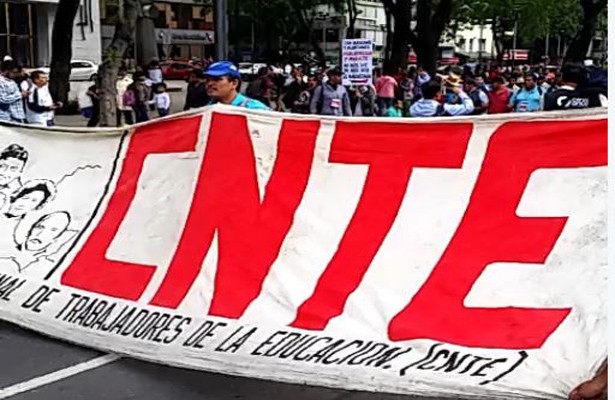
La coordinación del Movimiento Estudiantil, en la que participan la Federación de Estudiantes Universitarios del Uruguay (FEUU), los gremios de las carreras del Consejo de Formación en Educación y varios gremios de secundaria, organizaron ayer una marcha desde el liceo Bauzá hasta la sede del Consejo Directivo Central (Codicen) de la Administración Nacional de Educación Pública, con dos reivindicaciones: en contra de la criminalización de la protesta, al haberse cumplido un año del desalojo del Codicen, y en contra del recorte al presupuesto para la educación.
Durante la oratoria, los estudiantes recordaron lo que ocurrió el 22 de setiembre de 2015, cuando se aplicó “una medida autoritaria que no había sido implantada desde el pachecato”, en relación al desalojo de la ocupación en el local del Codicen por parte de gremios estudiantiles. Diego Almada, integrante del Centro de Estudiantes del IPA, añadió, en diálogo con la diaria, que se reclama el “desprocesamiento de los compañeros que fueron procesados” y “que se detenga, por parte de la Policía, el hostigamiento y persecución a militantes”.
También manifestó que “se complica cada vez más la promesa del 6%” del Producto Interno Bruto para la educación, y los estudiantes expresaron su preocupación por el Hospital de Clínicas, ya que “podría estar peligrando su funcionamiento a corto plazo”
Fuente:
http://kaosenlared.net/noticias-uruguayas-24-septiembre-2016/
 Fuente imagen: 
https://lh3.googleusercontent.com/qc9_iSJS-AAD8PuFB74umstCZRcQc-jVO6ETK6uo770B8ADmi0DEwVbywlNFiMB80J8HQA=s128
Comparte este contenido:
Page 5536 of 6794
1 5.534 5.535 5.536 5.537 5.538 6.794