Page 1541 of 2546
1 1.539 1.540 1.541 1.542 1.543 2.546

España: Sindicatos de la enseñanza concertada navarra insisten en reclamar al Gobierno la subida salarial del 1%

España/30 junio 2016/ Fuente: Eco Diario

Los sindicatos del sector de educación concertada en Navarra SEPNA-FSIE, UGT, ELA y LAB se han concentrado este miércoles frente al Departamento de Educación del Gobierno foral para denunciar de nuevo «la discriminación a la que son sometidos» los trabajadores de la red concertada, a los que no se les ha aplicado la subida salarial del 1 por ciento que sí se ha reconocido a la red pública.

PAMPLONA, 29 (EUROPA PRESS)

Los sindicatos han advertido de que si no reciben respuesta del Ejecutivo para septiembre, llevarán a cabo otro tipo de medidas «para dejar de ser tratados como trabajadores de segunda».

Representantes de las cuatro centrales sindicales se han concentrado en Pamplona frente a la sede de Educación con una pancarta en la que se leía ‘Trabajadores de la concertada, no discriminación’ y han lamentado que siguen sin tener respuesta a su demanda, a pesar de haber mantenido reuniones con el consejero, el director general de Educación, la presidenta del Gobierno, distintos parlamentarios y el Defensor del Pueblo.

Pilar López, del sindicato SEPNA-FSIE, ha asegurado en declaraciones a los medios que el departamento ha reconocido su reivindicación pero no ha incluido la subida del 1% en los presupuestos del 2016, «a pesar de haberlo solicitado a tiempo». «Se comprometieron a presentarlo para los presupuestos del 2017 pero nosotros exigimos que sea desde el 1 de enero del 2016», ha explicado López.

La responsable sindical ha afirmado que el Departamento de Educación «ha incumplido la promesa de reunirse con los sindicatos antes de finalizar el curso escolar para hablar del acuerdo del sector educativo, cuya vigencia finaliza el 31 de agosto».

Por su parte, Alejandro Gastaminza, del sindicato UGT, ha explicado que reclaman la subida del 1% al igual que se le ha concedido a la enseñanza pública y ha recalcado que el Gobierno «tendrá que explicar por qué a unos sí y a otros no».

Fuente noticia: http://ecodiario.eleconomista.es/sociedad/noticias/7671839/06/16/Sindicatos-de-la-ensenanza-concertada-navarra-insisten-en-reclamar-al-Gobierno-la-subida-salarial-del-1.html

Fuente imagen: http://www.navarra.com/media/navarra/images/2016/06/29/2016062914365748111.jpg

Comparte este contenido:

Africa: M’banza Congo, aspiración angoleña a Patrimonio Mundial Cultural

Angola/30 junio 2016/Fuente: Prensa Latina

El gobierno de Angola sigue preparando hoy las condiciones técnicas, materiales y de diplomacia para presentar la candidatura de la histórica ciudad M’banza Congo como Patrimonio Mundial Cultural.

Así quedó patentizado durante el encuentro de trabajo que sostuvo aquí la ministra de Cultura, Carolina Cerqueira, y el embajador angoleño en la Organización de las Naciones Unidas para la Educación, la Ciencia y la Cultura (Unesco), Diakumpuna Sita José.

Según la agencia estatal de noticias Angop, en la reunión Cerqueira solicitó el apoyo institucional del diplomático para fortalecer la colaboración con el departamento ministerial de Cultura y la aproximación con países vecinos, representados en la Unesco, con la finalidad de garantizar el proceso exitoso del proyecto.

La funcionaria reafirmó la disponibilidad de proseguir la colaboración con la agencia especializada de la ONU en la realización de acciones conjuntas, con vista a fortalecer iniciativas a favor de la cultura de la paz, de los valores cívicos, culturales y de ciudadanía.

Sita José corroboró por su parte su empeño en respaldar el proyecto M’banza Congo y continuar con el intercambio de informaciones y datos que faciliten el desarrollo del proceso, el cual no solo constituirá una conquista para Angola, sino para la República Democrática del Congo, Congo Brazzaville y Gabón.

Formado entre los siglos XIII y XIV, el Reino del Congo lo constituyeron seis provincias que ocupaban parte de los actuales territorios de Angola, Congo-Kinshasa, Congo-Brazzaville y Gabón. Era el hogar de los monarcas Menokongo.

Capital de ese reinado, M’Banza Congo fue fundada en 1483, antes de la llegada de los portugueses que, cuando entraron a la región en el siglo XVI, ya encontraron una gran ciudad, considerada en la época la mayor de África subsahariana.

En su momento de esplendor, la urbe se extendía desde la costa atlántica, en el oeste, hasta el río Nkisi, en el este, y desde el torrente Congo, en el norte, hasta el afluente Dande, en el sur.

Bajo la influencia de los misioneros lusos, fue construida en la ciudad en 1549 la Catedral de Sao Salvador do Congo, la más antigua de África subsahariana, con el nombre de Nkulumbimbi. El papa Juan Pablo II la visitó en 1992.

La localidad fue saqueada varias veces durante las guerras civiles del siglo XVII, especialmente en la batalla de Mbwila y abandonada temporalmente en 1678.

Volvió ser ocupada en 1705 por los seguidores de Beatriz Kimpa Vita, profeta religiosa congoleña y líder del movimiento cristiano conocido como antonianismo.

M’banza Congo atesora, entre sus bienes, el antiguo Palacio Real (actual Museo de los Reyes del Congo), el Árbol Sagrado denominado Yala Nkuwu y el Cementerio de los Reyes del Congo. Actualmente es capital de la provincia de Zaire, a 350 kilómetros al norte de Luanda.

El proyecto de inscripción de la urbe en la lista de Patrimonio Mundial, denominado «M’banza Congo, ciudad a desenterrar para preservar», fue presentado en el 2007 por el Ministerio de Cultura, con la realización de una mesa redonda internacional.

Fuente: http://www.prensa-latina.cu/index.php?option=com_content&task=view&id=5018791&Itemid=1

Comparte este contenido:

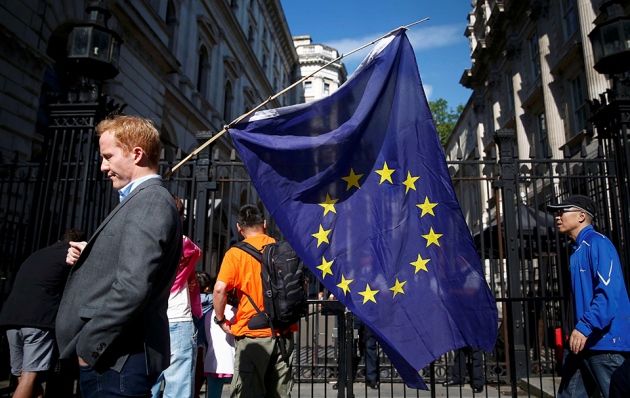
Reino Unido: UK scientists in limbo after Brexit shock

Europa/Reino Unido/28 de Junio de 2016/Autores: Alison Abbott, Daniel Cressey, Richard Van Noorden/Fuente: Nature

RESUMEN: El 23 de junio, el 52% de los que votaron en el referendo del país se pronunció a favor de salir de la UE. Nadie está seguro de cómo ‘Brexit’ afectará a la ciencia, pero muchos investigadores están preocupados por el daño duradero. Más allá de los efectos inmediatos económicos y la pérdida potencial de financiación de la UE – que actualmente suministra cerca del 16% del Reino Unido, dinero de la investigación universitaria – los científicos temen una pérdida de movilidad entre el país y el continente. Los investigadores ya se movilizan para presionar para que el Reino Unido siga siendo un participante en los programas de ciencias de la UE, y de los fondos nacionales para compensar cualquier déficit. El Reino Unido también es de lejos el mayor receptor de préstamos a las universidades de la UE y las instituciones de investigación del Banco Europeo de Inversiones (BEI), que reciben más de 2,8 mil millones € desde 2005 – alrededor del 28% del total de préstamos del BEI para la educación superior y la investigación sobre ese período. préstamos convenidos son seguras, pero el destino de aquellos que apenas están empezando a ser considerado es clara, dice el portavoz del BEI Richard Willis.

The dust from last week’s vote by the United Kingdom to leave the European Union is nowhere near settled, but the country’s researchers are already bracing for the fallout.

On 23 June, 52% of those who voted in the country’s referendum came out in favour of leaving the EU. No one is sure how ‘Brexit’ will affect science, but many researchers are worried about long-lasting damage. Beyond the immediate economic impacts and the potential loss of EU funding — which currently supplies some 16% of UK university research money — scientists fear a loss of mobility between the country and the continent.

“I was on a career panel only yesterday, singing the praises of the UK as a wonderful place of opportunity for young scientists, and I feel like that has changed overnight,” said Vanessa Sancho-Shimizu, an infectious-diseases researcher at Imperial College London, in response to a Nature survey last Friday. She is a Spanish national and one of many scientists who expressed similar views.

Researchers are already mobilizing to lobby for the United Kingdom to remain a participant in EU science programmes, and for domestic funding to make up any shortfalls. “We need some kind of rapid monitoring to catch fallout problems early and implement remedial measures,” says Mike Galsworthy, who led the Scientists for EU campaign.

“If the science community wants to have an impact on the UK’s negotiation strategy, it needs to clearly know what its own priorities are and start the process of making that case, strongly,” says John Womersley, chief executive of the UK Science and Technology Facilities Council. Getting a guarantee to remain part of Horizon 2020, the EU’s €74.8-billion (US$82.9-billion) programme of research grants, should be the community’s top — and only — objective, he adds.

Jamie Martin, an independent education consultant who advocated for Brexit, offers “total reassurance” to worried scientists. Most academic groups had lobbied for the United Kingdom to remain in the EU. Martin says that “the good news for them is that the people at the top of the Vote Leave campaign share their instincts on science”. This includes being open to skilled people from other countries and understanding the importance of continued funding, he says.
People

Exactly when the United Kingdom will leave the EU is unclear. There is no set date for the government to invoke ‘article 50’ of the EU Lisbon treaty, but once it does, it will trigger a process of negotiation that must conclude within two years. Campaigners for a Leave vote — including former London mayor Boris Johnson, whom many expect will lead the next government — have said that there is no need to do this immediately, and informal negotiations with the rest of the EU can take place first.

Those in favour of Brexit say that a United Kingdom outside the EU could allow in more skilled researchers while still driving down overall immigration numbers. ‘Leave’ campaigners have advocated a points-based immigration system such as Australia’s, which would attempt to level the playing field between EU and non-EU researchers.

But it’s unclear whether the United Kingdom will still be attractive to talented researchers. Some have said that they feel less welcome in the country as a result of both the vote and the campaign leading up to it, which featured highly charged rhetoric around immigration.
Money

Even laboratories staffed primarily by UK nationals could feel the pinch. EU research funds have supplied an estimated €8 billion to the country over the past decade.

The United Kingdom is also by far the largest recipient of loans to EU universities and research institutions from the European Investment Bank (EIB), receiving more than €2.8 billion since 2005 — some 28% of total EIB loans for higher education and research over that period. Agreed loans are secure, but the fate of those that are just beginning to be considered is unclear, says EIB spokesman Richard Willis.

Leading campaigners for the Leave side pledged before the vote that universities and scientists in the United Kingdom who now get funding from the EU “will continue to do so”.

The country could try to negotiate access similar to the agreements that 15 other non-EU countries currently hold within Horizon 2020. But that might not be possible if the country acts to restrict free movement of people, as many Leave supporters have demanded. Switzerland, a non-EU member, is an associated country, but its researchers were cut out of full access to Horizon 2020 after the nation voted in a 2014 referendum to restrict immigration.

“The long-term future worries the hell out of me.”

“The long-term future worries the hell out of me,” says Steven Cowley, who directs the Culham Centre for Fusion Energy in Abingdon, UK. The centre operates the Joint European Torus (JET), a nuclear-fusion facility, on behalf of the European Commission. The contract for JET runs out in 2018, but Cowley says he is confident that it will be extended, because it provides crucial expertise for ITER, the international fusion experiment under construction in southern France. The real problem, he says, is that the United Kingdom will not be able to compete to host the next major European facility.

As for ITER itself, the EU is one of seven major international members of the project. The United Kingdom will have to rejoin it, either as an individual nation member — which would mirror its membership of CERN, the European particle-physics lab — or perhaps with ‘associate member’ status similar to that held by Switzerland.
Policy

A UK exit from the EU could also reshape the policy landscape for the countries that remain in the bloc.

Germany, Italy and Austria are among the nations that have opposed EU funding for research on human embryonic stem cells. Others, including the United Kingdom and Sweden, called for research to be funded under appropriate ethical oversight — leading to a deal in which research collaborations can be funded as long as partners from countries where the research is forbidden do not handle human embryonic stem cells themselves. The United Kingdom was “in the forefront of guiding us into an acceptable and workable way around the issues”, says stem-cell researcher Christine Mummery of the Leiden University Medical Center in the Netherlands. “If the UK cannot participate in decisions like this, it makes me nervous.”

Other European scientists fear for the future of their own countries’ science bases if the UK vote empowers other anti-EU movements. Right-wing populist politicians in France, the Netherlands and Denmark are already calling for their own referendums.

James Wilsdon, a science-policy researcher at the University of Sheffield, UK, says that beyond the questions about continued access to EU funding and policy, there is a more fundamental issue that UK researchers must come to grips with: the fact that most academic experts, research lobby groups and other experts came out in favour of staying in the EU and were ignored by the public.

“Here you have such a major question around which there was such a torrent of solid analysis and empirical evidence, and we’ve had a rejection of that by 52% of the public,” he says. “That needs to provoke some serious soul searching and reflection.”

Fuente: http://www.nature.com/news/uk-scientists-in-limbo-after-brexit-shock-1.20178

 

Comparte este contenido:

Vigencia del Pensamiento de Simón Rodríguez

Autor: Gerson Gómez

Para entender el pensamiento de vida y obra de quien consideran los historiadores “El Maestro de América”, hay que comenzar por entender la realidad socio-económica de la época en la que nace (28 de Octubre de 1869), las características de la sociedad colonial, signadas por los primeros ideales de transformación, movimientos subversivos que surgían por la inconformidad de los sectores que se encontraban en desventajas, en relación con el poder y su participación en la sociedad, teniendo ésta una economía netamente mono-productora del café y cacao, riqueza que sólo disfrutaban, los Blancos Criollos en convenios monopólicos con la corona española, y que por herencia habían heredado, de sus padres venidos de España. Los Blancos Peninsulares, ejercían el poder político y altos cargos ligados a las órdenes de la Corona, Capitanía General, Gobernadores, oficiales de altos rangos, entre otros; que eran nombrados de forma directa por la Corona. La pugna entre Blancos Peninsulares y Blancos Criollos había arreciado por el poder político, ya que los beneficios de una sociedad explotadora y esclavista, se agudizaban a fines del siglo XVIII, la influencia de la Ilustración y de los ideales republicanos de la Revolución Francesa se divulgaban en la clase burguesa intelectual que añoraba la caída de un sistema que no llenaba las expectativas de cada uno de los sectores. El historiador Federico Brito Figueroa señala que a fines del siglo antes mencionado, el pardaje constituía la clase mayor en número; pero, sin ninguna participación política. Es necesario recordar, que para fines de este mismo siglo, las clases sociales fundamentales eran Blancos Peninsulares, Blancos Criollos, Blancos de Orilla, Pardos, Indios y Negros. Siendo los Pardos, de acuerdo con las creencias de la época, un sector de raza impura, productos de la mezcla de las clases antes mencionadas. Para esta época, la Corona por medio del Rey Carlos IV, promulgó la Real Cédula de Gracias al Sacar el 10 de febrero de 1795, que permitía al pardaje obtener títulos mobiliarios y darle más protagonismo a éstos, a pesar de las diferencias existentes entre éstos, los Blancos Criollos y los Blancos de Orilla. En este clima de diferencias tan pronunciadas de las clases sociales y con una nueva visión, la decadencia de la monarquía se cría Simón Rodríguez. Con la educación como emblema tiene el privilegio de ingresar como el Maestro a la escuela de Primeras Letras de Caracas, donde escribe su primer documento de relevancia crítica a los “Vicios de la Escuela de Primeras Letras de Caracas”. En esta escuela va a tener su cargo a más de 160 niños, entre éstos figuran uno de nueve años de edad, llamado Simón Bolívar (futuro Libertador). Sin dudas, Rodríguez va a forjar en éste, los ideales de transformación, que se fundamentaron en el ideal Rousseauniano, donde aplicó los principios de este pensador de cómo la libertad e igualdad y la consustanciación con la naturaleza .Al regreso de Europa el24 de Enero de 1824 “¡Oh mi Maestro, Oh mi Samuel ,Oh mi Robinson!…. Usted, formó mi corazón para la libertad, para la justicia, para lo grande, para lo hermoso. Yo he seguido el sendero que Usted me señaló. Usted fue mi piloto aunque sentado sobre una de las playas de Europa. No puede Usted figurarse cuán hondamente se han grabado en mi corazón las lecciones que Usted me ha dado; no he podido jamás borrar siquiera una coma de las grandes sentencias que Usted me ha regalado. Siempre presentes a mis ojos intelectuales las he seguido como guías infalibles”. Para Rodríguez, educar e instruir, se convertían en la base de la transformación de las sociedades; fue un observador de la sociedad de la época, con instintos investigativos innatos. Expresaba la necesidad de educar a quien se dedicaban a tareas como la Mecánica, Artes y Oficios de distintas tendencias que contribuyeran al progreso y transformación de la realidad socio-económica imperante. Señalaba que la formación de los ciudadanos, debía girar alrededor del contexto y las necesidades reales de los espacios. Estudiosos de la Educación en América Latina, entre ellos, José Martí, fundamenta este pensamiento en el Ensayo titulado “Nuestra América; Luis Beltrán Prieto Figueroa en el estado docente. Son muchos los pensamientos que se plasman de Simón Rodríguez en el estado docente y se consolidan en la instauración de los INCES, las Escuelas Técnicas y los institutos tecnológicos, y más recientemente, la creación de universidades poli-técnicas territoriales, en el caso venezolano. De la misma manera, el Estado Venezolano ha promovido con las misiones educativas fundamentadas en parte en los ideales de este insigne educador, una proyección y visión del mundo que se adelantó a su época, al fomentar la educación para la vida basada en la experiencia y el aprendizaje continuo durante toda la vida, enrumbado con el árbol de las tres raíces y misión Robinson, misión ribas, misión sucre, misión vuelvan caras, la micro misión simón Rodríguez ,uno de los principios de la educación robinsoniana se cumple que es el de la inclusión, se inicia en las políticas de Estado en el rescate y consolidación del pensamiento de Samuel Robinson como educador en América Latina. Sin duda, este se convierte en el más grande tributo que se le puede otorgar, a quien consideraba la educación, la esencia de la trasformación de los pueblos y quien dejara de existir dedicando su saber a negros, indios o aborigen y mestizos siendo esta última a la que pertenecía y con orgullo llevo durante su recorrido por los Estados Unidos y Europa creando Escuelas de Educación para el Trabajo. Se hace necesario al pensar en el Maestro, ejemplificar sobre algunas ideas y principios que para él eran indispensables. Al respecto, Sojo (2010), enfatiza ideas del Maestro: Las condiciones: Los espacios eran casas acomodadas y aseadas, debidamente alojados, vestidos, alimentados, curados y recibir instrucción, buenos maestros conocedores de los oficios de albañilería, carpintería y herrería, como base de la educación para el trabajo y la cualificación de los conocimientos de la mecánica posteriores a ellos, en relación a la mujeres otros oficios propios de su género y considerando sus fuerza. Sin duda, el Maestro Luis Beltrán Prieto Figueroa, propone la creación de los INCES y las Escuelas Técnicas en Venezuela, tomando en consideración los ideales de Simón Rodríguez citados por Sojo (2010), que postulaba al respecto que las Escuelas y la Educación para el Trabajo es: Un espacio para generar conciencia y ciudadanía: no había matricula, no había un determinado número de niños o padres, todos entraban voluntarios, acorde con sus necesidades. Y a su vez esta escuela formaba a los jóvenes para asumir el proyecto en otras ciudades. Es de hacer notar, que de acuerdo a la autora citada, la intención era establecer líderes creativos para la transformación real de los espacios. Es decir, que la escuela formará maestros dignos, con ideales transformadores y de progreso. Es por ello, señala Sojo (2010), que el Maestro Simón Rodríguez, parte del ideal que: La dignidad: Un principio de la educación popular que propulsó Rodríguez como bien los dice con sus palabras era la liberación del hombre y la mujer a partir del trabajo colectivo, así como la posibilidad de evitar la explotación por necesidad, convertidos en ciudadanos, evitaba que se les comprase la conciencia o fueran utilizados para fines perversos. Decía el maestro: “al entrar en las ciudades no se dejarían agarrar por el pescuezo (a falta de camisa) para ir por orden de los asistentes a limpiar caballerizas de los oficiales, ni a barrer plazas… los caballeros de las ciudades no encargarían indiecitos a los curas”…. Son muchos los pensamientos de vida y obra de Simón Rodríguez; pero, las más noble es la de educar a los más humildes en el ocaso de su vida.

REFERENCIA Sojo, M. (2010): Simón Rodríguez y el Proyecto de Educación Popular Disponible en: www.google.com. [Consultado en fecha 02/11/2014]. Carta de Simón Bolívar a su Maestro el 24 de Enero de 1824. Disponible en: www.google.com Autor: GERSON JOSE GOMEZ ESCOBAR Correo: gersonjosegomezescobar@gmail.com CNIE Aragua

Foto: http://www.venezuelatuya.com/biografias/imagenes/simonrodriguez4.jpg

Comparte este contenido:

Angola: Desconocimiento de leyes, mayor problema de DDHH en Angola

África/Angola/junio de 2016/ Prensa Latina

Luanda, 27 jun (PL) El mayor problema de los derechos humanos en el país es el desconocimiento de las leyes por parte de ciudadanos, afirmó la directora nacional de los Derechos Humanos, Ana Celeste Januário, citada hoy por el diario Jornal de Angola.
Desde el 2009, el Ministerio de Justicia y de DDHH realiza un diagnóstico sobre las principales preocupaciones en ese tema y se llegó a la conclusión que existe «un número elevado de ciudadanos que no conocen efectivamente las normas, leyes y mecanismos de promoción de los derechos humanos», dijo Januário durante un seminario acerca del asunto.

Para cambiar tal escenario, señaló, el Ejecutivo elaboró el Programa de Educación para la Cultura de los Derechos Humanos, que se implementa en todo o país.

El programa incluye la enseñanza de los Derechos Humanos en las escuelas de educación primaria y secundaria. Informó que existe un protocolo firmado con varias universidades públicas que prevé la inclusión de la disciplina en los planes académicos y en actividades extraescolares.

Recientemente Angola minimizó un informe del Departamento de Estado norteamericano relativo a la situación que impera sobre los derechos humanos en el país.

Angola no está preocupada con el contenido del documento, rechazado por países como China, manifestó el ministro angoleño de Relaciones Exteriores, Georges Chikoty.

Para Chicoty, el informe no refleja el progreso registrado por Luanda en los últimos años sobre la materia y solo representa la visión que los estadounidenses tienen acerca de asunto.

Recordó que Angola viene de una situación de guerra y aunque «pueden haber insuficiencias», existe un compromiso del gobierno por la construcción de una sociedad democrática, con el desarrollo de la sociedad civil y de los partidos políticos en la vida activa nacional. El jefe de la diplomacia refirió que Estados Unidos puede tratar este asunto con Angola, país abierto a continuar su labor sobre la materia, no solo con los norteamericanos, sino con organizaciones internacionales.

La comisaria para los Asuntos Políticos de la Comisión de la Unión Africana (UA), Aicha Abdulahi, reconoció que Angola es un buen ejemplo de promoción y protección de los derechos humanos en África.

«Después del conflicto interno (1975-2002), esta nación se recuperó y marcha con firmeza hacia la reconciliación nacional para proporcionar a su pueblo el mejor lugar para vivir en paz y unidad», indicó Abdulahi al intervenir en la 55 sesión ordinaria de la Comisión Africana de los Derechos Humanos y de los Pueblos (Cadhp), celebrada en esta capital.

Elogió el liderazgo del presidente José Eduardo dos Santos en el fomento y amparo de los derechos humanos en África, cuya posición justificó con la realización de la reunión.

Reconoció que, fruto de la determinación y coraje del pueblo, este país surgió como gigante económico en el continente y ofrece mejores condiciones de vida a sus ciudadanos.

Angola ratificó la Carta Africana de los Derechos Humanos y de los Pueblos en 1990.

Fuente: http://www.prensa-latina.cu/index.php?option=com_content&task=view&id=5011651&Itemid=1

Foto: http://www.africa.com.es/wp-content/uploads/bandera-de-angola.png

Comparte este contenido:

Reino Unido: The Brexit Challenge to Universities

Reino Unido: The Brexit Challenge to Universities

Articulo/Junio de 2016/autor: Christopher R. Marsicano

Resumen: referéndum en el Reino Unido, al salir de la UE tiene el potencial de disminuir significativamente el crecimiento de la educación superior en el país y en el extranjero, argumenta Christopher R. Marsicano.

The U.K.’s referendum on exiting the E.U. has the potential to significantly slow the growth of higher education at home and abroad, argues Christopher R. Marsicano.
June 21, 2016
By
Christopher R. Marsicano
Behind the steel spire atop St. Anne’s Cathedral in Belfast rises a modern structure of gleaming glass and steel. Ulster University is building a new campus right in the heart of Northern Ireland’s capital city. The university, once known only as an access-focused regional institution with a predominant emphasis on preprofessional degree programs, now boasts an excellent business school, a top-tier school of pharmacy and an eye-catching urban campus devoted to the arts.
Ulster University is emblematic of a resurgence of Northern Ireland: once mired in sectarian conflict, Belfast and its environs are now destinations for both tourists and foreign investors. Much of the rise of this country of 1.8 million is due to extraordinary investment from the European Union — investment that could soon end. Northern Ireland, like England, Scotland and Wales, is a constituent country of the United Kingdom and will take part in a referendum on continued membership in the E.U. this Thursday, June 23.
Polls on the potential British exit, or Brexit, have shown both sides running neck and neck, and the stakes could not be higher for Ulster and other universities in the United Kingdom. In fact, the results could also have a significant impact on American colleges and universities, as well.
British membership in the European Union has been exceptionally lucrative for Ulster University. The university received around 9.4 million pounds ($13.4 million) last year in E.U. funding. More than 1,700 students and around 400 scholars from other E.U. member states attend, teach and research at the university in some capacity. Its location around 45 minutes from the Irish border and only two hours from Dublin makes it a common collaborator with major universities to the south. The university’s Nanotechnology and Integrated Bioengineering Center, which was funded by a £1.6 million grant from the E.U., has generated 25 patents and three spin-off companies that are now valued at over $100 million.
Ulster, however, isn’t the only university in the United Kingdom receiving benefits from Britain’s E.U. membership.Higher education institutions received 16 percent of total E.U. research funding totaling £687 million ($1 billion) in 2013-14. People from other E.U. nations make up 15 percent of the academic workforce and 5 percent of the student bodies at British universities. Given the sheer impact of European support for universities in the U.K., it should come as no surprise that Ulster Vice Chancellor Paddy Nixon joined 102 university leaders, including vice chancellors from Oxford and Cambridge and the president of the London School of Economics, in an open letter in the Sunday Times expressing support for the European Union.
This expression of political support is emblematic of a change in university behavior. While university leaders chose to stay relatively silent on the two other recent major electoral events — the 2014 Scottish independence referendum and the 2015 general election — they emphatically support the campaign to remain in the E.U.
Yet despite university support for the European Union, a large minority of government officials and policy leaders want to leave. The leave campaign is led by Nigel Farage, the charismatic leader of the United Kingdom Independence Party whom many in the United Kingdom have compared to presumptive Republican presidential nominee Donald Trumpfor his bombastic style and anti-immigration stance.
Other major players include former London Mayor Boris Johnson, former Secretary of State for Education Michael Gove and other right-wing members of the Conservative party. The majority of Parliament, including Prime Minister David Cameron, Chancellor of the Exchequer George Osborne, Labour Party Leader Jeremy Corbyn and leaders of most of the minor parties, all support continued membership in the European Union. Cameron and Osborne represent the moderate wing of the Conservative party — constantly at odds with Gove, Johnson and the party’s right wing.
Brexit was a major political issue in the last general election, and leave campaigners argue that far-right Conservative gains in Parliament were a popular mandate for Brexit. Moderate Conservatives worked hard to renegotiate Britain’s responsibilities within the E.U. and believe that remaining in the European Union will be good for the United Kingdom. It should come as no surprise that both sides disagree on the impact Brexit would have on British universities.
The leave campaign argues that the European Union funds only 3 percent of all U.K. R&D spending and that money saved from not having to pay fees associated with E.U. membership could allow the U.K. government to expand domestic financial support for research. Furthermore, universities in nations outside of the E.U. are still able to apply for research funding; leave campaigners suggest that wouldn’t change.
Leave supporters also believe that, when it comes to U.K. universities’ ability to attract talented European faculty, a U.K. immigration policy absent of E.U. agreements on free movement of people could be devised in such a way that it would privilege scholars from other European countries traveling to Britain. Outside of the E.U., universities could raise fees on E.U. students, an action currently prohibited by E.U. laws that state universities in a given country must treat students from that country and other students from E.U. member states equally. There are also not enough spaces at universities to meet current demand. Leave campaigners argue that filling admissions spaces with domestic students could offset any drop in the E.U. student population.
University leaders and the remain campaign don’t agree. They note that a rise in E.U. student fees coupled with presumably more stringent immigration controls would result in an extremely decreased E.U. student population, as polls of E.U. students show that 80 percent would be less likely to pursue education in the U.K. E.U. students are some of the highest achieving in the U.K. system and are more likely than their British counterparts to pursue graduate degrees in the U.K.Brexit would raise fees on these students, limiting access to U.K. universities and potentially reducing overall institutional quality. It would also limit domestic student interaction with students from other countries. U.K. universities would become increasingly insular and homogenous in their student bodies as American competitors seek greater and greater diversity in their student populations.
Leaving the E.U., remain supporters argue, would also mean closing access to the Erasmus exchange program that allows students from E.U. member states to study in another member country as part of their academic program, further closing U.K. student engagement with their European counterparts. Students may also face adverse outcomes upon graduation should Brexit hurt Britain’s economy and job market. Leaders also fear that highly talented European academics seeking faculty or postdoc positions in the U.K.may seek positions elsewhere as uncertainty regarding their immigration and employment status over the next few years would grow exponentially in the days after a vote to leave. While long-term immigration reform might have some benefits, Brexit would decimate universities’ ability to recruit new faculty in the short term. Lastly, the remain campaign is quick to point out that, while U.K. contributions make up 11 percent of the total E.U. research budget, U.K. institutions receive more than 16 percent of total research grant funding.
What’s often overlooked in the debate between the leave and remain campaigns, however, is that if Britons vote to leave, there will be implications for American universities and students, as well. American universities might be the beneficiaries of Brexit when it comes to faculty recruitment. While emigrating to the United States might be difficult for European scholars when compared to an E.U.-member United Kingdom, stricter immigration controls in the U.K. may make the United States a more desirable location.
Furthermore, around 50,000 Americans study in the United Kingdom each year. A common language and history make the U.K. a top destination for American students, and neither will change with Brexit. The same could be said, however, for Ireland, an E.U. member with no plans on leaving any time soon. Google and other major American tech companies have built their European headquarters in Dublin, and if Brexit happens, many believe American companies with a major presence in London could move their operations across the Irish Sea to Dublin and into other major continental financial centers like Frankfurt and Luxembourg. Students who would have gone to the U.K. to study and intern in finance for a semester or two might soon find themselves more attracted to Ireland.
While American universities may be able to get their pick of scholars in the exodus of European faculty from British institutions that would follow Brexit, and American students may not recognize a tremendous difference between studying abroad in Dublin as compared to Edinburgh or London, the greatest influence Brexit could have on American universities is indirect, but hugely impactful. Most economist agree that a vote to leave would cause a British recession, at least in the short term, with some even saying the vote could trigger aglobal recession. David Cameron even warned that voting for Brexit would be like putting a bomb under the U.K. economy. For those American universities that are not in a position to compete for top European faculty or send students abroad, global volatility in the markets could cause significant damage to meager endowments and hurt fund-raising.
The cost of Brexit, therefore, is too high. Elite American universities would receive meager benefits, but the rest of the American higher education landscape could feel the effects of a recession too soon after emerging from the financial crisis of 2008. British universities will lose a major source of research funding, faculty and high-quality students. British students will feel the pinch of higher tuition and fees during a period of economic downturn. Brexit has the potential to significantly slow the growth of higher education at home and abroad and offers few benefits to postsecondary institutions on both sides of the Atlantic.
Along the banks of the River Foyle at the border between Northern Ireland and the Republic lies Derry. The walled city is home to a branch campus of Ulster University, and on June 9, the campus hosted two former prime ministers to talk about the potential ramifications of Brexit. Tony Blair and John Major both warned against leaving the European Union, saying it would effectively close off access to the border with the Republic. What neither gentleman noted, however, is that voting to leave the European Union would also effectively cut off access to research funding, high-quality international students and stellar faculty. University students, faculty and staff overwhelmingly support the remain campaign. One can only hope that they turn out to vote in two days’ time. Their universities are counting on them.

Fuente: https://www.insidehighered.com/views/2016/06/21/universities-face-major-challenges-brexit-essay

Comparte este contenido:

Vietnamese, Belgian parliaments look to cement connections

Asia/Vietnan/28 de Junio de 2016/Fuente:Vietnan.net

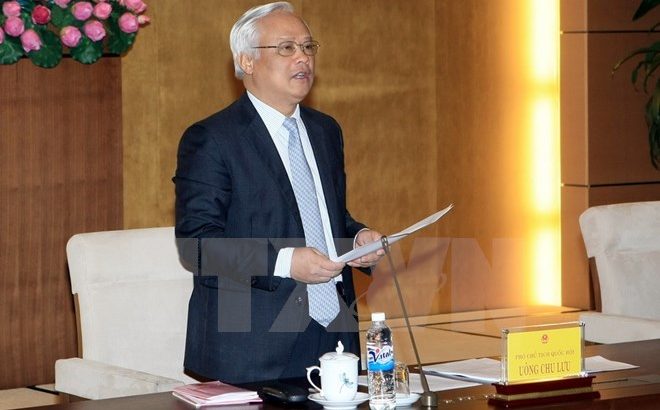
RESUMEN: El Vice Presidente NA Uong Chu Luu dio las gracias al Parlamento Federal Belga y al parlamento Valonia-Bruselas por proporcionar una ayuda no reembolsable para Vietnam. Hizo hincapié en que la ayuda se ha utilizado con eficacia en campos tales como el abastecimiento de agua potable, la educación, la gestión del Estado, el fortalecimiento institucional y la atención sanitaria. La cooperación entre Vietnam y Valonia-Bruselas ha aumentado recientemente, especialmente en la educación – formación. Se ha financiado por la comunidad francófona de Bélgica, proyectos en el lenguaje y la formación de mano de obra, las mejoras en la capacidad de investigación científica de las universidades vietnamitas han sido fecunda, añadió.

NA Vice Chairman Uong Chu Luu made the remark while meeting with Isabella Emmery, Vice President of the Parliament of the Federation Wallonie-Brussels, on June 27. The meeting was part of his working visit to Belgium and the European Union (EU) from June 25 – 29.

The guest rejoiced at the intensive and comprehensive development of Vietnamese – Belgian relations in every aspect and at the federal, regional and community levels.

Reiterating Vietnam’s consistent policy of enhancing the relationship with Belgium, an important EU partner of Vietnam, Luu highly valued regular political meetings and high-ranking visits between the two nations.

He also informed the host about the outcomes of the recent election of the 14th NA in Vietnam, noting that Vietnam has had a NA Chairwoman for the first time. Meanwhile, the rate of female NA deputies and the educational level of the new legislators in the 14th tenure are higher than in the past.

Luu thanked the Belgian Federal Parliament and the Wallonie-Brussels parliament for providing non-refundable aid for Vietnam. He stressed that the assistance has been used effectively in such fields as clean water supply, education, State management, institution reinforcement, and health care.

Cooperation between Vietnam and Wallonie-Brussels has been increasing recently, especially in education – training. Funded by Belgium’s French-speaking community, projects in language and manpower training, and scientific research capacity improvement in Vietnamese universities have proved fruitful, he added.

The Vietnamese NA Vice Chairman asked the parliament and government of Wallonie-Brussels to strengthen this partnership to help foster Vietnam’s education.

He also voiced his hope for stronger parliamentary connections between the two sides. He took this occasion to invite the President and Vice President of the Parliament of Federation Wallonie-Brussels to visit Vietnam in the near future.

For her part, Isabelle Emmery applauded the outcomes of the general election in Vietnam, adding that the Federation Wallonie-Brussels parliament and the Vietnamese NA can bolster ties in official training and environmental management.

As Vietnam is a member of the Francophone community, Wallonie-Brussels looks forward to working together with the Southeast Asian nation in drafting and exchanging documents written in French, she said.

The French-speaking community in Belgium will expand training assistance by offering scholarships for Vietnamese postgraduates, she said, noting that the region is also ready to share experiences in climate change response and urban transport management.

Later on June 27, NA Vice Chairman Uong Chu Luu met with the Vietnamese Embassy staff and representatives of overseas Vietnamese in Belgium.

Fuente: http://english.vietnamnet.vn/fms/government/159592/vietnamese–belgian-parliaments-look-to-cement-connections.html


Comparte este contenido:
Page 1541 of 2546
1 1.539 1.540 1.541 1.542 1.543 2.546