Page 47 of 100
1 45 46 47 48 49 100

Reino Unido: The Preventable Trauma Of COVID Childbirth

The Preventable Trauma Of COVID Childbirth

“The baby is dead. We can’t assist you here.” By the time she heard these devastating words, the pregnant Yasmelis Casanova had endured a long and painful journey, passing through multiple COVID-19 checkpoints, to the hospital in Caracas, Venezuela. She bled for hours without treatment. When doctors at a second hospital finally operated on her, they removed her ovaries without her prior consent.

Then, she spent 20 days there almost entirely alone; due to COVID-19 restrictions, visits were banned. Venezuela’s health-care infrastructure was crumbling well before the pandemic, but the COVID-19 crisis has pushed it to the point of collapse. Many women experiencing obstetric emergencies now struggle to reach hospitals, let alone gain access to adequate care. Yet such failures can be seen far beyond Venezuela, in rich and poor countries alike.

Last month, the United Kingdom (UK)-based political website, openDemocracy released the results of a global investigation into the treatment of women in childbirth during the COVID-19 pandemic. Across 45 countries – from Canada to Cameroon, from the UK to Ecuador – we found what doctors and lawyers describe as “shocking” and “unnecessary” breaches of laws and World Health Organization (WHO) guidelines intended to protect women and babies during the pandemic.

The WHO’s specific COVID-19 guidelines affirm, for example, that women should be accompanied by a person of their choice while giving birth. Yet, across Eurasia and Latin America – including in at least 15 European countries – women have been forced to give birth without companions.

Likewise, the WHO asserts that procedures like C-sections should be performed only when they are medically necessary or have the woman’s consent. Yet in 11 countries, women reported that they didn’t consent to C-sections, inductions, and episiotomies (the cutting of a woman’s vagina) that were performed on them, or said that they did not believe these procedures were medically necessary.

WHO guidelines also dictate that women receive breastfeeding support and the opportunity for skin-to-skin contact with new born babies. Yet mothers have been separated from new born babies in at least 15 countries – including at least six European countries – and prevented from breastfeeding in at least seven, even though there is no conclusive evidence that COVID-19 can be transmitted through breast milk. Doctors and health experts agree: none of this is necessary to prevent the spread of COVID-19.

Likewise, there have been multiple reports of pregnancy deaths in Africa, after transport and other lockdown restrictions prevented women from reaching hospitals. Many women in developing countries have been forced to give birth in unsanitary and unsafe conditions. Experts now warn that over the course of just six months, COVID-19 restrictions and health-service disruptions could cause up to 56,700 additional maternal deaths in low- and middle-income countries.

If this is not enough to expose the flaws in current COVID-19-prevention measures, consider how unevenly they are implemented (and lifted). In some parts of England, women can now take their partners to the pub, but not to antenatal appointments.

This reflects a long history of the “postcode lottery” dictating access to health care and other services, from in vitro fertilization clinics to domestic violence shelters. And it fits a wider global pattern of downgrading women’s rights and needs, including during childbirth. Just last year, a WHO-led study reported that 42 percent of the women interviewed by researchers in Ghana, Guinea, Myanmar, and Nigeria said they had experienced physical or verbal abuse, stigma, or discrimination in health facilities during childbirth.

In Latin America, several countries – including Argentina, Ecuador, Mexico, Uruguay, and Venezuela – have passed laws against the performance of medical procedures, such as C-sections, without informed consent. But they are very rarely enforced, and advocates report that authorities and medical staff normalise such obstetric violence.

In fact, before the pandemic, 40 percent of babies across Latin America were already being delivered by C-section, though this method poses higher risks for mother and baby. The WHO recommends a rate of around 15 percent, emphasising that C-sections should be carried out only when medically justified.

Furthermore, most African countries were already off track to meet their targets for reducing maternal and infant deaths by 2030, part of the United Nations (UN) Sustainable Development Goals (SDGs). As Jesca Nsungwa Sabiiti, Uganda’s maternal and child health commissioner, has noted, the pandemic is likely to delay achievement of the targets even further. But just as the COVID-19 crisis can impede progress, it can also spur change, by forcing governments and civil society to rethink how our health systems, economies, and societies are organised.

So far, discussions – especially among policymakers – have tended to be narrow, focused on short-term solutions. If we are to build the “equitable, resilient, and sustainable” post-COVID world that many leaders advocate, we must embrace a much more ambitious vision of what public health really means.

For example, laws protecting the vulnerable need to be enacted and enforced. Health bodies and other agencies must investigate violations and hold medical providers accountable. And governments and donors must allocate far more resources for advocacy in problematic areas such as maternal health, and for implementing a rights-based approach to medical training and service provision across the board.

The issue extends far beyond direct medical care. Today, women can be imprisoned for having miscarriages (as in El Salvador) and detained for non-payment of hospital bills after childbirth (as in Kenya). Structural inequality and discrimination based on gender, race, class, disability, and more still shapes every aspect of our lives, in rich and poor economies alike. All of these failures undermine public health.

Far too many women have felt alone, scared, and traumatised while giving birth during the pandemic. In openDemocracy’s investigation, one woman in Italy expressed her hope that policymakers and medical providers would learn from her suffering, and the suffering of those like her, so that other women wouldn’t have to endure what she did. We owe it to these women to ensure that they do.

Fuente de la información: https://theaseanpost.com/article/preventable-trauma-covid-childbirth
Comparte este contenido:

Estados Unidos: #WhyIChoseEducation: ‘I Have Always Enjoyed Being Around Kids from Elementary Age Through High School and/or College. I Enjoy Their Spirit, Optimism, Passion and Humor,’ Says Director of METRC Kerri Brown Parker

#WhyIChoseEducation: ‘I Have Always Enjoyed Being Around Kids from Elementary Age Through High School and/or College. I Enjoy Their Spirit, Optimism, Passion and Humor,’ Says Director of METRC Kerri Brown Parker

This is part of a monthly “Why I Chose Education” series in which NC State College of Education alumni, students, faculty and staff share why they chose education.

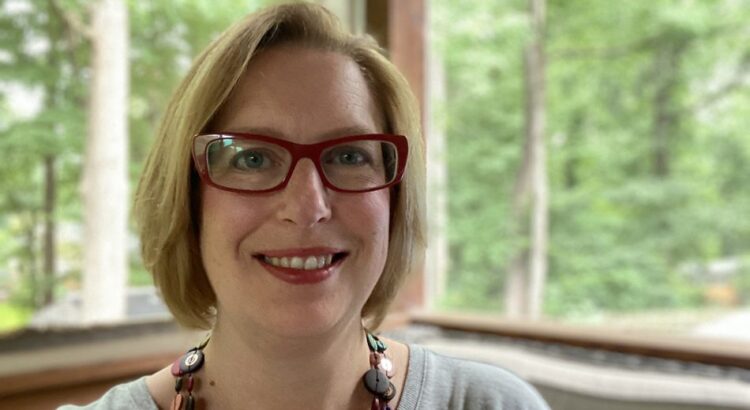
As a young girl, Kerri Brown Parker was always excited about starting a new school year and couldn’t wait for summer break to be over. School was an opportunity for her to learn new things, take on new challenges and experiences, and discover new passions and interests. Throughout her life, she was always drawn to working with kids, having served as a babysitter and camp volunteer. And she’s always enjoyed being in the company of children, regardless of age. So, when she decided to pursue a career in education, it was the perfect fit for her.

For the past seven-and-a-half years, Brown Parker has served in the NC State College of Education Media and Education Technology Resource Center (METRC) — first as the instructional technology and literacy librarian before being named director in 2017.

As director of METRC, she provides instruction with METRC resources in literacy and digital innovation; selects, purchases and manages access to library collections; leads and collaborates in future-ready technology developments in the college; and partners and teaches with faculty in technology and literacy resources and instruction. Brown Parker also leads professional development and information learning sessions around technology and literacy resources and instruction, and manages METRC operations and staff.

When she isn’t working, Brown Parker enjoys cooking complicated meals and trying new ingredients, spending time with family, playing board and video games with family and friends and challenging her mom to a game of MahJongg. She likes reading a magazine somewhere outside, whether in a hammock, by the pool or in a lounge chair. She also enjoys reading books, traveling, bicycling, getting crafty and watching sci-fi shows.

Brown Parker shares why she chose education, how education has shaped her into the person she is today and what has inspired her during these unprecedented times.

Why I Chose Education: I was the oldest cousin, the older sister, the neighborhood babysitter, the YMCA camp volunteer … generally drawn to working with kids. I have always enjoyed being around kids from elementary age through high school and/or college. I truly like and respect them. I enjoy their spirit, optimism, passion and humor. I’ve also been told I’m patient, a good listener, and have a talent for reading people’s needs, so teaching was a good fit for me.

How Education Has Shaped Me: I was the kid who couldn’t wait to go to kindergarten and was always ready for summer break to be over. I had good teachers, bad teachers, happy experiences and miserable experiences. School held friends, challenges, new experiences, music, science, anxiety, pride, embarrassment and … everything. I feel like education shaped so many parts of who I am and will continue to be. It’s where I learned from other working moms how to be a parent as well as where I learned that demeaning someone for being “bad at math” has long lasting consequences for self-esteem and even career choices. My closest friends are teacher-friends because there are so many emotions and strong experiences that happen among people who are passionate and caring about their students. It’s truly bonding. Educational experiences as a student, teacher and parent have shaped … all of me.

What I Enjoy the Most About Being Part of the NC State College of Education: Feeling like I contribute to the learning of a broad group of our students and future teachers by working with them individually, in classes and by influencing the faculty who teach them.

What Others Should Know About the NC State College of Education: We value excellence and have high expectations. I want to work in a place that knows educators are important and can truly influence the future so they better be well-prepared. The NC State College of Education is also a collegial place in which many different roles are valued for their contributions.

The Last Thing I Experienced That Inspired Me: Our job in METRC involves many different components and I was drawn to librarianship in large part due to the ever-changing nature of the work. I am sometimes a literacy consultant, a researcher, an instructional technology guide, a teacher, a manager and more. Due to the sudden shift to remote learning in March 2020, METRC staff also felt our role as … technology counselors. All of us in METRC have worked to not just help people survive in their new online reality but thrive, and I’ve been inspired by how our faculty and staff have responded. People are stressed but focused on continuous improvement and staying very positive about how they can continue working to influence a new generation of teachers. Faculty and staff have also been so thankful for the support and guidance we provide in METRC. I’m inspired by their attendance at workshops, willingness to participate in summer book studies, desire to talk out new ideas and general work ethic during so much change.

Fuente de la Información: https://ced.ncsu.edu/news/2020/07/30/whyichoseeducation-i-have-always-enjoyed-being-around-kids-from-elementary-age-through-high-school-and-or-college-i-enjoy-their-spirit-optimism-passion-and-humor-says-director/


Comparte este contenido:

Estados Unidos: As Colleges Move Classes Online, Families Rebel Against the Cost

As Colleges Move Classes Online, Families Rebel Against the Cost

Schools face rising demands for tuition rebates, increased aid and leaves of absence as students ask if college is becoming “glorified Skype.”

CORONAVIRUS SCHOOLS BRIEFING: The pandemic is upending education. Get the latest news and tips as students go back to school.

After Southern California’s soaring coronavirus caseload forced Chapman University this month to abruptly abandon plans to reopen its campus and shift to an autumn of all-remote instruction, the school promised that students would still get a “robust Chapman experience.”

“What about a robust refund?” retorted Christopher Moore, a spring graduate, on Facebook.

A parent chimed in. “We are paying a lot of money for tuition, and our students are not getting what we paid for,” wrote Shannon Carducci, whose youngest child, Ally, is a sophomore at Chapman, in Orange County, where the cost of attendance averages $65,000 a year. Back when they believed Ally would be attending classes in person, her parents leased her a $1,200-a-month apartment. Now, Ms. Carducci said, she plans to ask for a tuition discount.

A rebellion against the high cost of a bachelor’s degree, already brewing around the nation before the coronavirus, has gathered fresh momentum as campuses have strained to operate in the pandemic. Incensed at paying face-to-face prices for education that is increasingly online, students and their parents are demanding tuition rebates, increased financial aid, reduced fees and leaves of absences to compensate for what they feel will be a diminished college experience.

At Rutgers University, more than 30,000 people have signed a petition started in July calling for an elimination of fees and a 20 percent tuition cut. More than 40,000 have signed a plea for the University of North Carolina system to refund housing charges to students in the event of another Covid-19-related campus shutdown. The California State University system’s early decision to go online-only this fall has incited calls for price cuts at campuses from Fullerton to San Jose.

At Ithaca College — student population, 5,500 — the financial services team reports more than 2,000 queries in the past month about financial aid and tuition adjustments. Some 340 Harvard freshmen — roughly a fifth of the first-year class — deferred admission rather than possibly spending part of the year online, and a parents’ lobbying group, formed on Facebook last month, has asked the administration to reduce tuition and relax rules for leaves of absence.

Universities have been divided in their response, with some offering discounts but most resisting, arguing that remote learning and other virus measures are making their operations more, not less, costly at a time when higher education is already struggling.

“These are unprecedented times, and more and more families are needing more and more financial assistance to enroll in college,” said Terry W. Hartle, a senior vice president for the American Council on Education, a higher education trade group. “But colleges also need to survive.”

The roster of colleges that have rescinded plans to reopen their classrooms has been growing by the day. In the past two weeks, the University of Maryland, the University of Pennsylvania, the University of Southern California, the University of Virginia, Princeton and a host of other colleges announced plans to hold all or most of their classes online, citing concerns about the coronavirus. According to the Chronicle of Higher Education, less than a quarter of the nation’s 5,000 colleges are committed to providing instruction primarily or completely in person.

At Illinois State University, an 11th-hour shift infuriated Joseph Herff, a 22-year-old business major. He had locked into an off-campus lease and taken out $10,000 more in student loan debt by the time the school announced that its fall would be mostly online — the result of public health guidance and a shortage of coronavirus tests, according to the university’s president, Larry Dietz.

“I don’t have an issue with moving classes to online. I do have an issue though that classes are charged the same price,” Mr. Herff tweeted on an account that, until this month, he said in an interview, he had largely reserved for sports talk. “Why is this fair?”

Many colleges were facing financial dark clouds even before the coronavirus arrived. Population declines in some parts of the country have dampened enrollment, and soaring tuition has led many families to question the price of a college diploma. Moody’s Investors Service, which in March downgraded the higher education sector to negative from stable, wrote that even before the pandemic, roughly 30 percent of universities “were already running operating deficits.”

Since then, emptied dorms, canceled sports, shuttered bookstores and paused study-abroad programs have dried up key revenue streams just as student needs have exploded for everything from financial aid and food stamps to home office equipment and loaner laptops.

Public health requirements for masks, barriers, cleaning and other health protections also have added new costs, as have investments in training and technology to improve remote instruction and online courses.

Harvard’s campus in Cambridge, Mass. Roughly a fifth of Harvard’s first-year class deferred admission rather than spend the fall online.

“Starting up an online education program is incredibly expensive,” said Dominique Baker, an assistant professor of education policy at Southern Methodist University. “You have to have training, people with expertise, licensing for a lot of different kinds of software. All those pieces cost money, and then if you want the best quality, you have to have smaller classes.”

Chapman’s president, Daniele Struppa, said the university spent $20 million on technology and public health retrofits for the fall semester, and he estimates that the switch to an online fall will cost the school $110 million in revenue. He has cut spending “brutally” from the $400 million annual budget, he said, freezing hires, slashing expenses, canceling construction of a new gym, ending the retirement match to employees and giving up 20 percent of his own $720,000 base salary.

Only students who can demonstrate financial need will get help, he is telling families. “Tuition really reflects our cost of operation, and that cost has not only not diminished but has greatly increased.”

A survey by the American Council on Education estimated that reopening this fall would add 10 percent to a college’s regular operating expenses, costing the country’s 5,000 some colleges and universities a total of $70 billion.

“For institutions,” said Mr. Hartle, who lobbies for the council, “this is a perfect storm.”

Students are feeling tempest tossed, too.

Temple sociologist Sara Goldrick-Rab, founder of the university’s Hope Center for College, Community and Justice, said the organization has been “bombarded” with pleas for help from students who can’t cover their rent and don’t know how to apply for food stamps. At least a third of students had lost jobs because of the pandemic by May, according to the center.

Such situations, Ms. Goldrick-Rab said, are particularly risky because they often prompt students to take on second or third jobs or to become distracted, which in turn imperils financial aid that can be revoked if their grades fall.

Laurie Koehler, vice president for enrollment strategy at Ithaca College, said about one in six students reported in a just-completed survey that the pandemic had significantly hurt their ability to continue their studies. At Lafayette College in Easton, Pa., the school’s president, Alison Byerly, said she expects requests for additional financial aid to grow by up to 15 percent this year.

But the shift online also has accelerated fundamental questions about the future of higher education, said the director of the Edunomics Lab at Georgetown University, Marguerite Roza.

“This is a moment that is basically forcing students and parents to say, ‘What is the value? If I can’t set foot on campus, is that the same value?’”

Will Andersen, an 18-year-old incoming freshman at the University of Wisconsin-Madison, put it this way: “Who wants to pay $25,000 a year for glorified Skype?”

“Education isn’t just information,” agreed Yolanda Brown-Spidell, a Detroit-area teacher and divorced mother of five whose lament last month about remote learning in a private Facebook group for Harvard parents burgeoned into a lobbying push to ease school policies on tuition and fall housing.

“Being able to meet up with friends, have those highly intellectual conversations, walking over to CVS and getting ice cream at 1 in the morning,” she said, ticking off the parts of education her daughter, a rising junior, has missed while working at home on her computer. “And let’s not forget just not being home with your mama, with her eyes on you.”

Some families have sued. Roy Willey, a class-action attorney in South Carolina, said his firm alone has filed at least 30 lawsuits — including against the University of California system, Columbia University and the University of Colorado — charging universities with breach of contract for switching in-person instruction to online classes, and is closely monitoring the fall semester.

Most suits are in their early stages, though several universities have moved for dismissal. “If you and I go down to the steakhouse and order a prime rib, and prepay for it and sit at our table, and a while later the server comes by and says, ‘Here’s two hamburgers, we’re out of prime rib’ — well, we may eat the hamburgers, but they’re not entitled to the money we would have paid for prime rib,” Mr. Willey said.

“This is a moment that is basically forcing students and parents to say, ‘What is the value? If I can’t set foot on campus, is that the same value’,” said Marguerite Roza, director of the Edunomics Lab at Georgetown University.

A handful of universities have announced substantial price cuts. Franciscan University of Steubenville, a private Catholic university in Ohio with about 3,000 students, announced in April that it will cover 100 percent of tuition costs, after financial aid and scholarships, for incoming undergraduates. Williams College in Massachusetts took 15 percent off in June when it announced it would combine online and in-person instruction this fall.

More typical is the 10 percent cut at Catholic University in Washington, which plans to start the semester online and dramatically scale back the number of students allowed back onto campus. Johns Hopkins, Princeton, Georgetown University, Spelman University and other institutions are offering similar reductions. Lafayette College is limiting its 10 percent to students who study from home for the semester. The University of Southern California has offered a $4,000-per-semester “Living at Home Scholarship.”

Some schools are extending freebies. Pacific Lutheran University in Tacoma, Wash., has offered to tack on a tuition-free year of instruction for currently enrolled students, noting on its website that the current situation is not “the college experience they imagined.” St. Norbert College in De Pere, Wis., is offering a free semester.

But most colleges have kept prices flat, and a few have even increased them. They can’t afford to do otherwise without mass faculty layoffs, said Robert Kelchen, a Seton Hall University associate professor of higher education, even though the isolated, monitored experience campuses are selling this fall “is going to feel like some combination of a monastery and a minimum-security prison.”

“This crisis is demonstrating that there is real value in face-to-face instruction,” agreed David Feldman, an economist at William & Mary in Virginia and author, with Robert B. Archibald, of “The Road Ahead for America’s Colleges and Universities.” That recognition, he said, will generally protect better-endowed schools and those with state support.

Even so, he said, a culling is at hand for higher education. His prediction: a consolidation of public university branch campuses and a reckoning for some small, private liberal arts colleges that are already operating on thin margins.

“There will be a shakeout,” he said.

Fuente de la Información: https://www.nytimes.com/2020/08/15/us/covid-college-tuition.html

Comparte este contenido:

España: Asturias, entre las comunidades que menos dinero recibe del reparto de ayudas para los alumnos más vulnerables

Europa/España/16-08-2020/Autor(a) y Fuente: www.elcomercio.es

El Principado recibirá 1.549.524 euros del programa #PROA+, que pretende adaptarse a la situación educativa del próximo curso 2020-2021 | Este plan tiene como objetivos garantizar la continuidad y el avance educativo del alumnado.

Asturias, con 1,55 millones de euros, es una de las comunidades autónomas que menos dinero recibe del programa de refuerzo educativo #PROA+ para restablecer y reforzar el funcionamiento de los centros educativos el próximo curso.

El Boletín Oficial del Estado (BOE) ha publicado este jueves la resolución de 31 de julio de la Secretaría de Estado de Educación, por la que se publica el acuerdo del Consejo de Ministros de 21 de julio que formaliza los criterios de distribución a las comunidades autónomas, aprobados por la Conferencia Sectorial de Educación, así como la distribución resultante del crédito destinado este año al Programa de cooperación territorial para la orientación, avance y enriquecimiento educativo en la situación de emergencia educativa del curso 2020-21 provocada por la pandemia del COVID-19: #PROA+ (20-21).

Según este reparto, ya conocido, Asturias recibirá 1.549.524 euros del programa #PROA+ que pretende adaptarse a la situación educativa del próximo curso 2020-2021, provocada por la suspensión temporal de la actividad lectiva presencial desde marzo hasta el final del curso y el impacto negativo del confinamiento en el bienestar y en el progreso del alumnado.

Menos que Asturias recibirá Cantabria, con 1,47 millones. Después figura La Rioja (1,57), ientras que las más beneficiadas son Andalucía (5,34 millones), Cataluña (4,51) y Madrid (3,76 millones).

El criterio de reparto entre las comunidades se ha realizado teniendo en cuenta el número de alumnos escolarizados en Educación Primaria y Secundaria Obligatoria (50%); el porcentaje de alumnos con necesidades específicas de apoyo educativo (20%); la tasa de idoneidad a los 15 años (20%) y la dispersión de la población, en base al Censo de Población y Vivienda 2011 del Instituto Nacional de Estadística (10%).

Este plan tiene como objetivos garantizar la continuidad y el avance educativo del alumnado en el curso 2020-2021, con especial atención a los más vulnerables; y restablecer, reforzar y mejorar el funcionamiento de los centros educativos en las condiciones especiales para el próximo curso, flexibilizando su organización, garantizando las condiciones escolares recomendadas por las autoridades sanitarias

Asimismo, pretende reforzar la equidad educativa de la red de centros; impulsar y facilitar las necesarias adaptaciones de las programaciones didácticas en torno a las competencias clave y los aprendizajes fundamentales; reforzar la dotación y formación de los equipos docentes y de los profesionales de la orientación; y responder de forma integral a las nuevas necesidades educativas sobrevenidas, así como mitigar el impacto del confinamiento y suspensión de la educación presencial en el bienestar socioemocional del alumnado y profesorado.

CATÁLOGO DE ACTUACIONES

Cada centro educativo elegirá entre el catálogo de actuaciones del programa #PROA+, en función de sus necesidades y posibilidades en el curso 2020-21.

Estas actuaciones incluyen la adecuación del proyecto educativo del centro a las necesidades del curso 2020-2021, con adaptación de la programación curricular y estímulo a la renovación pedagógica inclusiva; y el impulso a las competencias docentes y orientadoras más necesarias, en coordinación con los servicios o redes de formación de la Comunidad Autónoma.

También, un plan de acompañamiento, motivación y refuerzo escolar personalizado para el alumnado con necesidades específicas de apoyo educativo; y la promoción de la implicación y colaboración de las familias y del entorno comunitario con el proyecto educativo del centro para el curso 2020-2021.

Estos 40 millones son una inversión inicial de otras previstas por el Ministerio de Educación y Formación Profesional destinadas a hacer frente a la situación de los centros provocada por la pandemia del COVID-19.

Fuente e Imagen: https://www.elcomercio.es/sociedad/educacion/asturias-educacion-fondos-proa-20200813104253-nt.html

Comparte este contenido:

Analía comienza la universidad en el extranjero: «El Covid-19 está en todos sitios, ¿por qué no vivir la experiencia?»

Por: Nieves Mira

El sector prevé este año una disminución del 40% de los alumnos que irán fuera a pasar el curso.

El coronavirus ha alterado indudablemente el ritmo de los países, y también muchos planes de futuro de quienes pensaban viajar, estudiar o emprender un nuevo rumbo en los próximos meses. Sin embargo, son muchos los alumnos que tenían tomada la decisión de pasar el próximo curso en el extranjero y que continúan en su empeño, según informan desde Aseproce, la patronal que agrupa a promotores de cursos en el extranjero.

Este sector mueve a una gran cantidad de alumnos que -de todas las edades- salen a estudiar y formarse fuera, en colegios o universidades de todos los países. Aproximadamente, según informa Óscar Porras, presidente de la asociación, unos 10.000 estudiantes se instalan en otro país cada año con fines académicos. Para este año la previsión es que el descenso de estos alumnos, por la situación pandémica actual, ronde el 40%. Sin embargo, desde el sector animan a que se planteen su decisión y no dejen pasar esta oportunidad: «Se puede estar tan cerca y tan seguro en Canadá o Gran Bretaña como en otra provincia española», afirma Porras. Con el final del curso tan atípico de este año, las agencias adheridas a Aseproce ofrecieron, según informan, la opción a estos alumnos de volverse a casa o seguir el curso en su destino de forma telemática.

ABC

Una experiencia que engancha

Muchos volvieron entre los meses de marzo y abril, cuando másazotaba la pandemia en España, pero otros tantos decidieron quedarse. Como es el caso de Analía, que se encontraba en Terranova (Canadá) en ese momento. Según cuenta, el aislamiento allí resultó fácil, sin vuelos ni ferri que los uniera con la península de Labrador, Terranova se cerró al máximo, pero los miembros de cada hogar podían salir de casa en bicicleta, a pasear por las montañas o a otras zonas de la isla. Volvió a España el 6 de mayo, pero este mismo mes de septiembre regresa a Canadá para iniciar sus estudios de Medicina en una de las mejores universidades del país, según cuenta emocionada. «Ir a estudiar fuera te cambia como persona, te hace madurar. Cuando vuelves a casa eres una persona nueva, más independiente, creces, te haces mayor. La experiencia personal es increíble».


Analía ya tiene experiencia en estudiar fuera: ha cursado previamente dos años escolares en Estados Unidos y Canadá, por lo que sabe que estar lejos de la familia «es duro, y más cuando eres muy familiar, pero al final conoces gente nueva con la que contar y te hace sentir como en casa». Según cuenta, la familia adoptiva con la que ha convivido este año es ya parte de su propia familia: «Me quieren y me siento igual de protegida y afortunada que con mi familia en España». Esta joven de 18 años lanza un mensaje de tranquilidad: «La enfermedad va a estar en todos los sitios, ¿por qué no voy a vivir la experiencia? Sobre todo si vas a un lugar seguro como es Canadá. Voy a cumplir mi sueño que es estudiar la carrera de Medicina en Terranova. Mi familia se encuentra tranquila, saben cómo voy a estar allí y es un país seguro. No puede pasar nada».

Una oportunidad única

También al otro lado del Océano Atlántico se instalará el próximo curso Naroa, una bilbaína de 15 años que comenzará en Estados Unidos el primer año de bachillerato el próximo mes de septiembre. Ella ya ha cursado varios talleres y campamentos de verano en el país norteamericano, en Washington y Portland, además de 2º de ESO en Irlanda. La joven es positiva, y piensa que «para septiembre todo volverá a la normalidad». Si algo ha aprendido, según cuenta, es que «cualquier persona con la oportunidad de irse fuera debe aprovecharla. Ojalá todos pudiéramos probar la experiencia». Pero también valora lo que una vivencia así puede aportar en el futuro a su currículum laboral: «Vivir fuera es el mejor entrenamiento para el futuro profesional».

Según cuenta Óscar Porras, «los jóvenes no tienen ningún problema en cuanto a continuar con la decisión de viajar al extranjero para cursar sus estudios. Son los padres los que están más atentos a la situación, y quizá algo más reacios», pero insiste en animar a sus hijos y superar las reticencias que puedan surgir. Si estando en el extranjero surgiera algún brote importante en el país o el alumno necesitara ser hospitalizado, Porras insiste en que estos cuentan con cobertura de asistencia médica en destino que cubre el coronavirus. «Una de las garantías que deben cumplir las agencias es tener habilitada una línea de comunicación permanente para familiares en caso de que lo requieran, gracias a un coordinador en destino al que contactar ante cualquier circunstancia», cuenta. El seguro de agencias de la patronal incluye entonces tanto asistencia médica con amplia cobertura como un apoyo a las familias para facilitar los traslados en caso de que sean necesarios. «El objetivo es que con información suficiente y un operador de viajes profesional, hasta las distancias más largas parezcan cortas», añade.

 Fuente e Imagen: https://www.abc.es/familia/educacion/abci-analia-comienza-universidad-extranjero-covid-19-esta-todos-sitios-no-vivir-experiencia-202008120114_noticia.html

Comparte este contenido:

Ministerio de Educación de Cuba anuncia los horarios para el próximo curso escolar

América Central/Cuba/16-08-2020/Autor(a) y Fuente: www.cibercuba.com

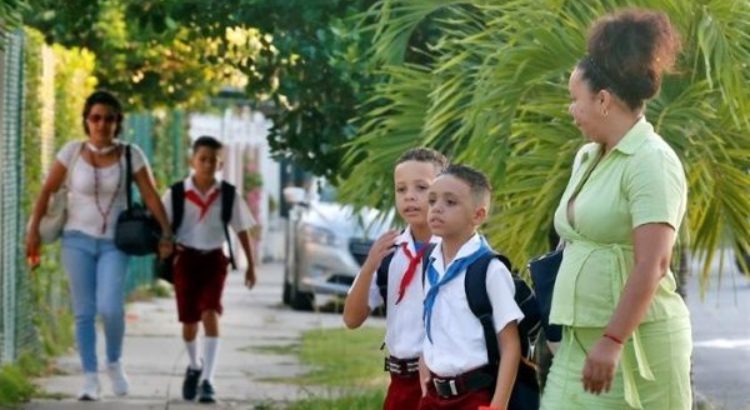
La ministra de Educación, Ena Elsa Velázquez Cobiella, informó en el espacio televisivo oficialista Mesa Redonda los horarios que se aprobaron para el inicio del curso escolar el próximo 1 de septiembre en casi toda la isla, excepto en La Habana, que por la situación del coronavirus aún se estudian las alternativas.

Las diferentes enseñanzas educativas tendrán horarios que se distribuirán a lo largo de toda la semana y que podrán ser en sesiones de la mañana o la tarde.

Las enseñanzas Primaria y Educación Especial permanecerán en las instituciones de lunes a viernes,mientras que el resto asistirán de manera fraccionada, acotó la ministra de Educación.

Los estudiantes de séptimo grado de la Secundaria Básica irán a las escuelas de lunas a jueves y darán sus clases en la sesión de la mañana, los de octavo grado en iguales días pero sus clases serán en la tarde, mientras que los de noveno grado solo irán los viernes y recibirán las clases durante todo el día.

Mientras tanto, los estudiantes de décimo grado de la enseñanza preuniversitaria recibirán sus clases docentes lunes, miércoles y viernes, en la sesión de la tarde, los de onceno grado martes y jueves en la tarde y los sábados en la mañana y duodécimo grado de lunes a viernes en las mañanas.

Los estudiantes de duodécimo grado dedicarán un mes a la preparación para los exámenes de ingreso con sus profesores, explicó Velázquez Cobiella.

Aquellos alumnos de primero y segundo años de Técnico Medio y primer año de Obrero Calificado asistirán tres días a la semana al centro y dos días lo dedicarán a la realización de actividades productivas y de servicios. Los que cursan el tercer año de Técnico Medio y segundo año de Obrero Calificado, asistirán a los centros dos días a la semana y el resto los dedicarán a las actividades productivas y de servicios.

Los estudiantes de las escuelas de oficios asistirán tres días a la semana y dos realizarán prácticas laborales, fundamentalmente a la producción de alimentos, enfatizó la funcionaria cubana.

Las Facultades Obrero Campesina culminan el semestre en el que están matriculados y los que se preparan para las pruebas de ingreso a la universidad asistirán lunes y viernes.

A la par se realizará la matrícula al nuevo ingreso y los estudiantes matriculados en la Educación Obrera Campesina, Secundaria Obrera Campesina, y escuelas de idiomas, iniciarán el curso en esta fase en el mismo semestre en el que se encontraban al momento en que se detuvieron las actividades docentes, que culminará en febrero.

Por último, los estudiantes de primer y segundo año de la formación pedagógica se incorporan a sus escuelas y los de tercero y cuarto a la práctica laboral

Las graduaciones en todas las enseñanzas se realizarán en la segunda quincena de octubre, a nivel de centro y cumpliendo las medidas higiénico-sanitarias orientadas, explicó la ministra de Educación, quien señaló que aunque se trata de un esquema propuesto por el MINED y discutido con los territorios, cada municipio «tiene la posibilidad de contextualizarlo, teniendo en cuenta las condiciones existentes y las experiencias vividas”.ç

Los horarios presentados se aplicarán en todo el país, excepto en La Habana, donde la situación epidemiológica se ha complicado debido al incremento de casos positivos de coronavirus en los últimos días. En la capital se acumulaban un total de mil 849 casos hasta este viernes.

«En la capital no se podrá reiniciar el curso escolar como estaba previsto el 1 de septiembre. En correspondencia con la situación epidemiológica iremos tomando las decisiones que se requieran, las que serán informadas a la población oportunamente», subrayó la ministra de Educación en la Mesa Redonda.

Fuente e Imagen: https://www.cibercuba.com/noticias/2020-08-15-u1-e199482-s27061-ministerio-educacion-cuba-anuncia-horarios-nuevo-curso-escolar
Comparte este contenido:

El problema educativo en la pandemia: una propuesta para construirlo desde otro punto de partida

Por: Rosa Guadalupe Mendoza Zuany

El problema educativo asociado a la pandemia está en proceso de construcción, y en este proceso, participan múltiples actores. La enunciación del problema educativo no es objetiva, ni neutral. Hoy por hoy es posible identificar relatos oficiales sobre dicho problema – tanto a nivel federal como emitidos por autoridades educativas locales -, así como diversos relatos alternativos por parte de docentes, sindicatos, investigadores educativos, partidos políticos, etc.

Estos relatos nos ofrecen caracterizaciones sobre el problema, sus causas e incipientes formas de contribuir a su solución. Al revisar cada relato sobre el problema social es posible identificar una selección de hechos que se plantea como objetiva e indiscutible, así como prioridades de intervención en el sector educativo. Así, diversos actores estamos construyendo el problema educativo desde posiciones específicas y, a la vez, validando o cuestionando los relatos oficiales.

Los relatos oficiales sobre el problema educativo a raíz de la pandemia por el Covid19, de forma resumida, se han centrado en la imposibilidad de las escuelas de ofrecer el próximo ciclo escolar una educación presencial. Así proponen la modalidad a distancia, fundamentalmente a través de la televisión y la radio, así como la entrega de materiales impresos que coadyuven al logro de aprendizajes esperados en “incuestionables” planes de estudio, a los que se opta simplemente por añadir una asignatura que enfatiza temas asociados a la vida saludable. Cabe señalar además, que en el planteamiento de un programa sectorial de educación este relato del problema educativo ni siquiera está presente, ya que parece concebirse como pasajero y sin efectos de largo plazo que atender.

Existen otros relatos muy influyentes en la opinión pública y la especializada en el ámbito educativo que hacen énfasis en la prioridad del logro de aprendizajes esperados en los planes de estudio, ante el riesgo y la alerta del desaprendizaje y del rezago. Se habla de catástrofe educativa. El abandono escolar es un elemento importante en los relatos alternativos que apuntan a un problema que se agudiza con la pandemia. Además, en estos relatos, la escuela es central, insustituible y el espacio de socialización indiscutible para NNA. Y si bien, reconocen la imposibilidad de una atención educativa presencial, conciben a la presencialidad como requisito indispensable para una educación de calidad.

Este preámbulo en el que recapitulo aquello que llama mi atención de la construcción del problema educativo, me lleva a presentar algunas consideraciones para el planteamiento del problema educativo desde una doble posición: 1) como investigadora educativa que ha centrado su indagación en la educación indígena e intercultural, en su articulación con preocupaciones socio-ecológicas presentes en las comunidades donde dicha educación se ofrece, y ante la crisis, en la investigación sobre la atención educativa brindada por los y las docentes a los NNA indígenas, su visibilización y sus retos; y 2) como madre cuyos hijos se encuentran en edad de asistir a la escuela.

Desde ese doble lugar, y partir de una investigación en proceso, observo que:

  1. En la construcción del problema educativo poco se ha considerado y ahondado en la atención educativa que han ofrecido las y los docentes, muchos de ellos, con adversas condiciones de trabajo. Poco se ha indagado sobre lo que sí han hecho, sobre su creatividad y sensibilidad para la atención educativa, de su acción más allá y a pesar de las instrucciones emitidas desde del gobierno federal y los gobiernos estatales. Y mucho se ha hablado de lo que no se ha logrado en términos de aprendizajes por la no presencialidad y por las deficientes estrategias educativas gubernamentales.
  2. El problema se presenta asociado a la escuela y no a la educación. La escuela se erige como el centro del problema y en donde se debe intervenir para solucionarlo. Así, los padres, las madres y la familia permanecemos en los márgenes en los que hemos sido colocados a través del tiempo; además nos ubicamos en estos márgenes como incapaces de enseñar lo que sabemos, de detonar aprendizajes relevantes y pertinentes en nuestros hijos e hijas, de generar y fortalecer en nuestros hogares espacios seguros y sensibles para afrontar la crisis que supone el confinamiento y la incertidumbre.
  3. En la construcción del problema educativo sólo tienen cabida los aprendizajes esperados, y concretamente aquellos aprendizajes “básicos” asociados a la lecto-escritura y las matemáticas – en un currículum que no fue pensado para este mundo en crisis, ni para el mundo post-Covid19, y que además, no está siendo cuestionado. Están ausentes preguntas como: ¿qué es relevante aprender en la escuela en medio de esta crisis? ¿Qué debemos enseñar a partir de esta crisis global y para qué? ¿Cómo podemos contribuir desde el ámbito educativo para transformar este mundo en crisis e incertidumbre? ¿Qué aprendizajes debemos priorizar?

Por lo anterior, me planteo el problema educativo considerando otros puntos de partida:

1) Repensando el rol de los padres, las madres y la familia en la educación de nuestros hijos e hijas, y también en la escuela. Si los padres y las madres fuimos colocados en los márgenes de la escuela para participar plenamente en el proceso de aprendizaje de nuestros hijos e hijas, ¿cómo hacer para que volvernos a ubicar al centro del proceso y que se valoren nuestros saberes y prácticas?

2) Valorando los “aprendizajes inesperados” (Mendoza Zuany, 2020) y visualizando un plazo más largo al logro de los esperados por el currículum (que debe ser repensado). Me pregunto por qué no replantear el relato de la catástrofe educativa, del rezago y del desaprendizaje, para construir el problema educativo en otros términos.

¿Qué pasaría en el mundo si dedicáramos un ciclo escolar a priorizar aprendizajes cotidianos sobre el cuidado de nuestro entorno natural y social, el cuidado de nuestra familia y nuestra comunidad, cómo alimentarnos sanamente y cuidar nuestro ser físico y espiritual, cómo convivir en la diversidad con respeto y aprendiendo de lo diverso, cómo ser empáticos con los demás, cómo no imponer ni lastimar a los demás cuando no nos ponemos de acuerdo, cómo ser mejores madres, padres, hijos, compañeros de trabajo…, cómo ser mejores personas? Valorar y propiciar la conexión de conocimientos, prácticas y capacidades locales-familiares-contextuales y escolares es crucial para afrontar la crisis socio-ecológica y sanitaria que supone el mundo post-Covid19 (Mendoza Zuany, 2019).

Al apropiarse del relato del rezago y del desaprendizaje, para muchos sería catastrófico que se dejara de aprender a leer, a escribir y matemáticas en la escuela – los «aprendizajes que importan» –sin reconocer que esto y muchas cosas más también se pueden aprender en la cotidianidad, en el contexto y el entorno de cada estudiante. Para mí, no sería catastrófico. Me parece que un ciclo escolar como que el que describo, sería lo mejor que le podría pasar a la humanidad en medio de esta pandemia.

Bibliografía

Mendoza Zuany, Rosa Guadalupe (2020) Los aprendizajes in-esperados en casa para el mundo post Covid19. Educación Futura, 29 de mayo

(http://www.educacionfutura.org/los-aprendizajes-in-esperados-en-casa-para-el-mundo-post-covid19/)

Mendoza Zuany, Rosa Guadalupe (2019) Conectar conocimientos locales-indígenas y escolares para afrontar la crisis socio-ecológica. Hacia una educación pertinente y relevante. Educación Futura, 17 de diciembre. (http://www.educacionfutura.org/conectar-conocimientos-locales-indigenas-y-escolares-para-afrontar-la-crisis-socio-ecologica/)

Fuente: https://insurgenciamagisterial.com/el-problema-educativo-en-la-pandemia-una-propuesta-para-construirlo-desde-otro-punto-de-partida/

Comparte este contenido:
Page 47 of 100
1 45 46 47 48 49 100