Las niñas de tan sólo tres a seis años se han convertido en favoritas de las mujeres traficantes de menores , ya que no se quedan embarazadas .
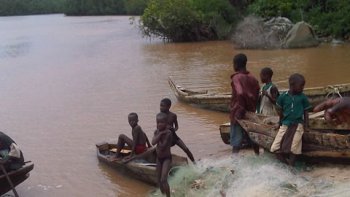
Esto es parte de los puntos más destacados de un estudio de la International Justice Mission (IJM) sobre el tráfico de personas para el trabajo en la pesca en comunidades empobrecidas en Ghana.
Una investigación de Joy News Kwetey Nartey ha encontrado que la contratación de niñas se está volviendo atractiva en las comunidades pesqueras.
Aunque los niños son la opción preferida de los traficantes de menores porque se utilizan para actividades pesqueras en el Lago Volta, la demanda de niñas está aumentando en las comunidades costeras.
Según el estudio, las niñas comienzan a trabajar en la industria pesquera a edades similares a las de los niños.
Algunas de las mujeres que eligen a las muchachas sobre los muchachos dicen que las niñas más mayores probablemente les quitarán a sus maridos y pueden quedar embarazadas a los 12 o 14 años.
Una abogada de IJM, Ama Amankwah declaró que los niños son contratados para realizar trabajos
«Contactamos a casi 800 niños en el lago Volta en el curso de la investigación y descubrimos que un poco más del 57 por ciento de esos niños habían sido enviados a esa área, para trabajar «,
El estudio de 2015 también encontró que tanto los niños como las niñas tienen papeles físicamente exigentes y a veces peligrosos en la industria pesquera del Lago Volta.
Trabajan muchas , horas a menudo dormir poco y trabajan durante la noche. Según el estudio, los servicios de las muchachas se requieren para tareas como proceso, preservando y venta de pescado.
Sin embargo, las niñas trabajan en el lago cuando los pescadores no cuentan con suficiente personal.
La Sra. Amankwah quiere que esto se detenga y que l gobierno intensifique sus esfuerzos para procesar a las personas que están detrás del tráfico de menores
Al comentar sobre este fenómeno, el Ministro de Empleo y Relaciones Laborales Bright Wireko-Brobbey aseguró que el plan de acción nacional del gobierno que a ser implementado ayudará a lidiar con la situación.
Aseguró que el Ministerio colaborará plenamente con todos los interesados pertinentes, organizaciones internacionales, el sector privado y las organizaciones civiles, y los gobernantes tradicionales, entre otros.
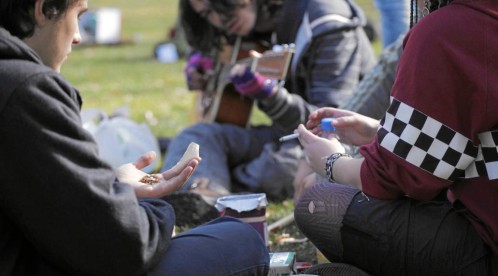
La última encuesta que elabora la Agencia de Salud Pública de Barcelona sobre Factores de Riesgo en Estudiantes de Secundaria (FRESC) alertó de que pese a bajar el consumo de tabaco, los adolescentes entre los 13 y los 17 años fuman más porros. Y el cannabis no es bueno. Una investigación del Hospital Clínic de Barcelona sugiere que la edad de inicio en ese hábito puede condicionar los cambios estructurales que causa en el cerebro, que son mayores cuando se comienza antes de los 16 años y pueden derivar en problemas de conducta en la edad adulta. Para reducir el consumo de marihuana y otras drogas, alcohol y tabaco inclusive, los departamentos de Enseñanza y Salut presentaron ayer en marcha el «Protocolo de prevención, detección e intervención sobre drogas en los centros de secundaria». Entrará en vigor el próximo curso 2017-18 y la medida más llamativa es que institutos y escuelas deberán comunicar a Enseñanza los casos graves de tenencia, consumo y venta de droga entre alumnos.
La consellera de Enseñanza, Meritxell Ruiz, y el conseller de Salud, Antoni Comín, defendieron que el protocolo quiere «convertir el conflicto en una oportunidad educativa, tanto para el alumnado como para las familias, más allá de la sanción». El protocolo, editado por ambos departamentos pretende evitar el consumo de drogas en los alumnos de secundaria a partir del establecimiento de un circuito en el que actúen todos los agentes implicados, la comunidad escolar, los cuerpos de seguridad, centros de salud mental infantil y juvenil, centros de atención y seguimiento, y servicios sociales y de juventud.
El protocolo dota de una herramienta a los profesores que trabaja con jóvenes de entre 12 y 21 años escolarizados en centros educativos de ESO, Bachillerato, programas de formación e inserción (PFI), ciclos formativos de grado medio y recursos especiales como las unidades de escolarización compartida (UECV).
Para activar medidas de prevención, el protocolo ofrece pautas de actuación para el profesorado, y programas, materiales y web para trabajar tanto en el aula como para las familias.
Si se detectan casos por intoxicación aguda, por estar bajo los efectos del consumo de drogas, por tenencia o consumo de ellas dentro del centro o por su venta, el caso se pondrá en conocimiento de la dirección del centro, que convocará al equipo interno de valoración y lo trasladará al tutor y otros miembros de la comunidad. El caso se valorará con el alumno a partir de una entrevista con él, también habrá una intervención con la familia del alumno y posteriormente con el grupo clase.
Dependiendo de la gravedad del caso detectado, la dirección podrá derivarlo a inspección de educación, abrir un expediente sancionador y aplicar sanción.En los casos de falta grave o delito, el caso se deberá trasladar a la Dirección General de Atención a la Infancia (DGAIA) o a la Fiscalía. El inicio en el consumo de alguna sustancia coincide en la mayoría de los casos con la franja edad de la ESO, entre los 12,5 y 15 años.
de edadada aquestes substàncies (sense fer consideracions respecte de l’existència de prescripció/recepta mèdica o no) va ser del 18,6%, i el dels que n’havien consumit algun cop a la vida sense recepta mèdica, del 9,3%. El percentatge dels que n’havien consumit en els últims trenta dies va ser del 7,1% i del 3,5%, respectivament (taula 2).
El consum de la resta de substàncies (cocaïna, èxtasi, al·lucinògens, amfetamines, substàncies volàtils, heroïna, etc.) estava molt menys estès. La prevalença de consum d’aquestes drogues alguna vegada a la vida es va situar entre l’1,0% i el 4,1%, i la prevalença de consum en els últims trenta dies, entre el 0,4% i l’1,9% (taula 2).
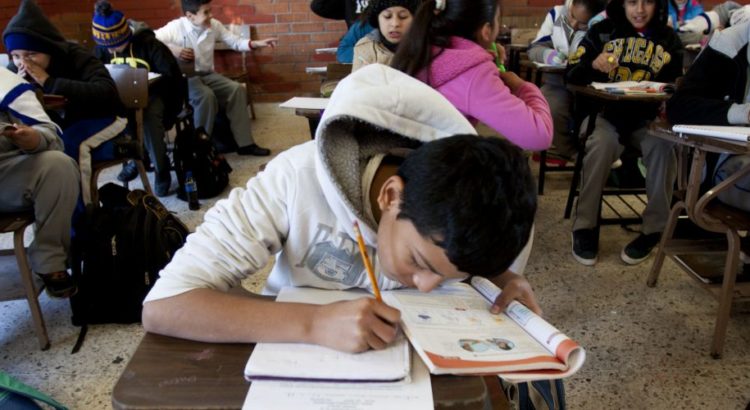
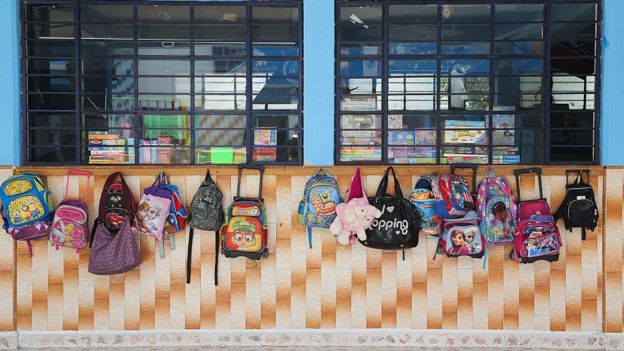
México hizo la inversión más grande para reparar escuelas, pero el dinero resulta insuficiente para mejorar la calidad de la educación en el país.
El dato suena paradójico: en los últimos 4 años el gobierno mexicano ha gastado más de 47.500 millones de pesos para mejorar los edificios de sus escuelas. Es la mayor inversión de la historia para el mantenimiento de los planteles que se consiguió con la cotización de bonos de deuda en la Bolsa Mexicana de Valores (BMV). Pero el dinero no es suficiente para mejorar la evaluación de la educación del país.
De entre los países de la Organización para la Cooperación y el Desarrollo Económico (OCDE), México tiene el peor desempeño en el aprendizaje de ciencias, lectura y matemáticas.
Son deficiencias que pretenden erradicarse con la Reforma Educativa promulgada en 2013.
Sin embargo, cuatro años y miles de millones de pesos después, el país sigue en el último lugar en la evaluación de la educación de la OCDE.
Y es que el dinero, por sí solo, ha sido insuficiente coinciden especialistas y autoridades.
De hecho, según organizaciones civiles existen por lo menos cuatro temas que mantienen el rezago en el sistema educativo del país:
Malas condiciones de las escuelas, problemas en la capacitación de los maestros, control de la disidencia sindical en los instituciones educativas en cuatro estados y la exclusión que padecen miles de alumnos que no pueden concluir sus estudios.
Sin mantenimiento
Hasta ahora, la inversión histórica en el presupuesto se concentra en dar el mantenimiento que por varios años dejó de aplicarse a los planteles.
Un tema urgente de atender pero es sólo un paso, le dice a BBC Mundo David Calderón, presidente ejecutivo de la organización Mexicanos Primero, una de las más activas en el tema educativo del país.
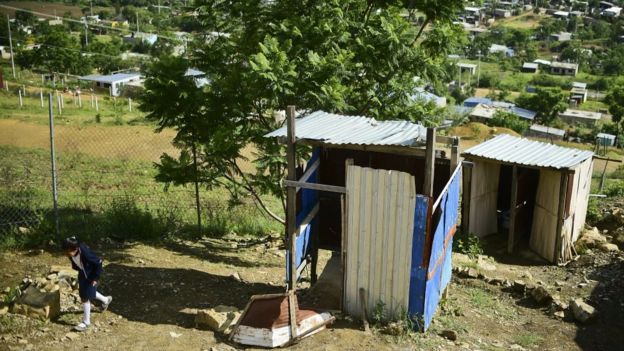
RONALDO SCHEMIDT/AFPEn el país existen miles de escuelas sin baños o en condiciones deplorables.
“El rubro de infraestructura es el que tiene avances más visibles, hay una diferencia importante con respecto a lo que se hacía”, explica.
“El cambio sí se nota, de un abandono y ausencia histórico bestial ahora hay un mínimo de infraestructura que no es la adecuada, tardará en llegar al resto del sistema”.
Algo en lo que no coinciden por completo las autoridades.
“Establecimos un nuevo modelo de infraestructura ligado al nuevo modelo educativo, no puedes separar los temas”, explica a BBC Mundo Héctor González de la Garza, director del Instituto Nacional de Infraestructura Física Educativa (INIFED).
Es el área de la Secretaría de Educación Pública (SEP) encargada de aplicar la inversión histórica en el mantenimiento de las escuelas.
“Mejores maestros con todo el proceso de capacitación y de evaluaciones que se realizan junto con el concepto de mejores escuelas ya está dando resultados tangibles en este momento”.
Dinero insuficiente
La calidad de los planteles es una parte del rezago en el sistema educativo mexicano.
GETTY IMAGESSe estima que la inversión en infraestructura educativa será cercana a los US2.400 millones.
En 2012, cuando inició el gobierno del presidente Enrique Peña Nieto, no estaba claro el número de escuelas –ni sus condiciones de operación- que existían en el país.
Un censo realizado durante más de un año en casi todo el país reveló que casi la mitad de los 150.000 planteles no tenían drenaje.
Además, una quinta parte carecía de agua potable y en más de 40.000 no había baños o electricidad.
En esto se concentran los recursos. “Componer sanitarios es muy evidente, pero hay que arreglar la instalación hidrosanitaria y eléctrica que no necesariamente se ve pero que es indispensable”, explica el funcionario.
“Debe tener agua para acceder al programa de bebederos, arreglar muros, pisos, techos, paredes, barandales, todo lo que implique seguridad para alumnos y maestros”.
Sin embargo, a pesar de la cuantiosa inversión no será posible resolver los problemas en todos los planteles, advierte David Calderón.
Un estudio de Mexicanos Primero revela que el 59% de las escuelas del país operan en malas condiciones. Remediar los problemas de todas no será posible en este gobierno.
PATRICIA CASTELLANOS/AFPLa suspensión de clases en algunos estados afecta al sistema educativo de México.
“Se necesitarían otros seis años para que las escuelas salgan de una situación precaria a una aceptable“, insiste.
El director del INIFED reconoce que la histórica inversión no alcanza para todo.
El programa Escuelas al 100, el mecanismo para aplicar los recursos, está dirigido a unos 33.000 planteles, los que se consideran “con mayores necesidades”.
El resto de las escuelas serán atendidas en la medida que se apliquen recursos oficiales de cada gobierno estatal.
Disidencia sindical
Otro de los temas que explican los problemas del sistema educativo mexicano es la capacitación de los maestros.
En el país existen 440 escuelas normales pero según datos de Mexicanos Primero sólo 17 de ellas tienen un nivel superior de educación.
El resto no cumple con los estándares internacionales, y en muchas de ellas existe un profundo activismo político que sustituye a las clases, afirma Calderón.
Parte de la responsabilidad es la Coordinadora Nacional de Trabajadores de la Educación (CNTE), el ala disidente del sindicato de maestros.
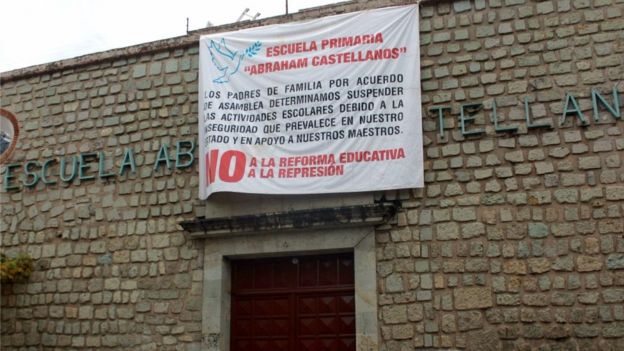
El grupo se opone a la Reforma Educativa y desde su promulgación, en 2013, impide que se aplique en los estados donde la disidencia tiene mayor presencia: Oaxaca, Chiapas, Guerrero y Michoacán.
Uno de los temas donde más hay resistencia es en la evaluación de los maestros, que forma parte central de la Reforma.
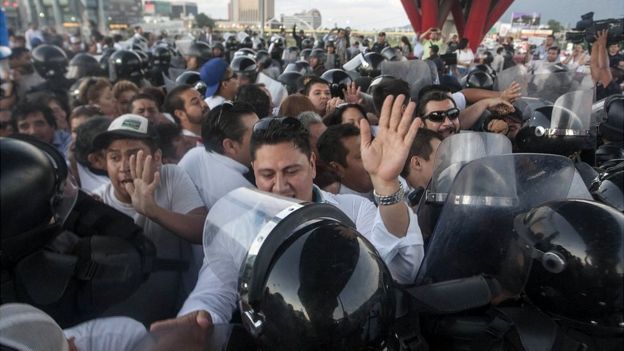
JULIO CESAR AGUILAR FUENTESLa protestas de maestros descontentos con la reforma educativo son frecuentes en México.
La CNTE bloquea la aplicación de exámenes y también suspende con frecuencia las clases en miles de planteles.
El resultado es, afirma Mexicanos Primero, un bajo desempeño escolar de los alumnos en las entidades con dominio de la disidencia.
“La formación de maestros sigue estando casi en el mismo estado que cuando empezó la reforma, se va a crear un desajuste”, advierte Calderón.
Y en esto poco ayuda el dinero. “Mucho del efecto positivo de tener mejores escuelas no va a fructificar hasta que no haya mejor formación de los maestros”.
“Si no cambias la lógica de las relaciones de aprendizaje tendrás un mejor escenario para el mismo fracaso, el logro de aprendizaje depende sustancialmente de las relaciones de aprendizaje entre alumnos y maestros”.
Indígenas, los más vulnerables en la educación
Uno de los problemas de fondo es la forma como durante décadas se impartieron las clases en México, con base en un modelo de memorización y no de entender lo que se estudia.
A pesar de la “inversión histórica” hay problemas estructurales que no van a ser solucionados.
Es una de las razones de la evaluación negativa del país ante la OCDE.
Pero también de la exclusión de miles de niños en las escuelas. De hecho de cada 100 estudiantes de educación básica sólo 57 logran ingresar al bachillerato.
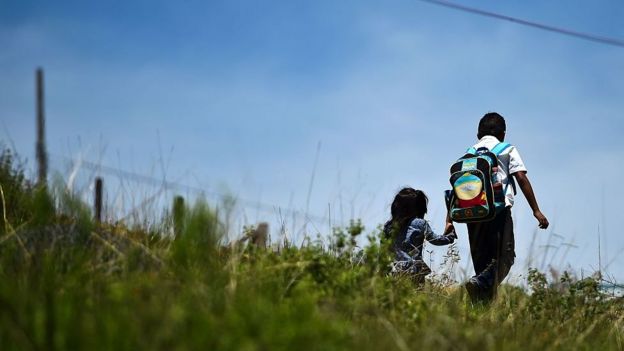
El caso más grave ocurre en las comunidades indígenas. Según Mexicanos Primero sólo 2 de cada 10 estudiantes de esos alumnos aprenden lo que se espera en los programas escolares.
Una de las razones es el abandono histórico que padecen. Las escuelas con peores condiciones en el país, por ejemplo, se encuentran en comunidades indígenas.
Los maestros en esos planteles reciben menos apoyo que sus compañeros de otros lugares, y el presupuesto para mantener las escuelas ha sido mínimo.
Esto empieza a remediarse ahora pero “el dinero no va a bastar, nos vamos a engañar si pensamos que mucho cemento produce mejor aprendizaje“, advierte David Calderón.
“Apenas se crean las condiciones mínimas de convivencia, seguridad y resguardo de los niños. Es una deuda de justicia”.
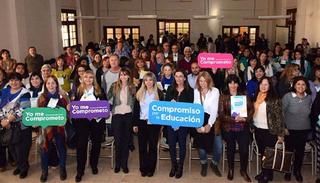
Se reunió Compromiso por la Educación y los trabajos en comisiones siguen abiertos a toda la comunidad.
«Compromiso por la Educación» tuvo su tercer encuentro en la ciudad, y los avances fueron notables.
Casi 170 personas asistieron el jueves último al llamado para trabajar en propuestas para desarrollar una mejor educación pública en la provincia y en la Argentina.
«Esto es un llamado a personas que vienen de diferentes sectores de la sociedad para ver qué están pensando sobre educación. Es una convocatoria multisectorial, a grupos heterogéneos, que no necesariamente están relacionados al sector; pero que de alguna manera les preocupa la problemática educativa», dijo la referente jurisdiccional de la Subsecretaría de Calidad e Innovación Educativa del Ministerio de Educación, Ciencia y Tecnología de la Provincia, Gloria Crespo.
«Compromiso por la Educación» es entonces un espacio de diálogo participativo, multisectorial y federal para llevar la educación al centro del debate cívico y generar acciones individuales y colectivas para su mejora. A su vez, es una nueva dinámica de trabajo que pone el acento en la participación, la transparencia y la rendición de cuentas.
«Lo que caracteriza a este espacio es su metodología de trabajo. La participación es lo central. Entonces nos organizamos para un trabajo en grupo de al menos 20 personas. Si bien nosotros convocamos a referentes, en este tercer encuentro vinieron muchas personas por cuenta propia; porque realmente les interesa la educación de los argentinos», dijo Crespo.
La movida tiene como piedra fundacional la Declaración de Purmamarca realizada en febrero de 2016 por el Consejo Federal de Educación (CFE), conformado por los 24 ministros de Educación de las provincias, el Ministro de Educación y Deportes de la Nación y los representantes del Consejo Universitario.
En un documento a un proceso de diálogo social, participativo, multisectorial y federal para colocar a la educación en el centro del debate y generar acciones que contribuyan a su mejora. Asimismo, el Plan Nacional Argentina Enseña y Aprende 2016-2021 en su eje IV «Comunidad educativa integrada» concibe a la educación como un proceso social que requiere la participación y el compromiso de todos los actores de la sociedad para su mejora.
«Todos tienen algo para opinar, aportar y pensar. Esto es un espacio de oportunidades para opinar, criticar y tirar ideas que luego se podrán hacer proyectos. Acá vinieron empresarios, padres, estudiantes y hasta periodistas a opinar sobre cómo queremos que sea nuestra educación», dijo el coordinador del Ministerio, Enrique Barrios.
El jueves participaron diversos niveles de gobiernos, sociedad civil, empresas, sindicatos, universidades, medios de comunicación, líderes de opinión y miembros de la comunidad educativa estudiantes, docentes y familias.
Ahora, los ejes trabajados en las comisiones seguirán siendo tratados hasta fin de año en donde finalmente se plasmarán en un documento que será elevado al Ministerio de Educación de Nación para su estudio. «La idea es desarrollar una educación que sea mejor para todos», concluyó Crespo.
Un hipotético viaje a la Antártida puede ser una buena herramienta de aprendizaje para que la vida más allá de la escuela entre en el aula.
Mark Twain nos animó una y otra vez a explorar, a soñar y descubrir. En la escuela del pasado se solía viajar leyendo -a veces en una escucha colectiva-, de la mano de autores tan reconocidos como Marco Polo, Stevenson, Kipling o Saint-Exupéry; también Herodoto, Estrabón e Ibn Battuta que nos pincelaron el mundo antiguo.
Desgraciadamente, en nuestras clases ha desaparecido el carácter nómada de las viejas historias de Livingstone vs Stanley o Cook, o las que se inventó Julio Verne. Sin embargo, las nuevas tecnologías nos acercan documentales de calidad -un buen reportaje puede ser tan fascinante como una visita real- que permiten organizar una aventura colectiva.
Nos apasionan más los que exploran mundos lejanos, por ejemplo la Antártida. Una lectura imaginativa de esa película se convierte en un cuento novelado que nos ayuda a contraponer invierno y verano -lo que significan temperaturas extremas allí y en nuestra ciudad-; desierto por falta de precipitaciones con capas de cielo de centenares de metros; posibilidades de colonización turística con preservación de enclaves singulares que son tesoros de la humanidad; mediciones en un mapa para entender lejanía en hemisferios y también día y noche.
El simple hecho de imaginar un viaje hasta allí, donde poca gente va e irá, permite conjeturar sobre qué haríamos en el continente helado; incluso antes cómo llegaríamos, o qué vestimentas nos llevaríamos. Estos asuntos de logística sirven como excusa para el diálogo, para fomentar el trabajo en equipo y la búsqueda de información.
Además se puede hablar de que los científicos viajan a la Antártida -donde se marcan todavía los límites de la vida porque los humanos no los han hecho suyos- para investigar. Scott y Amudsen buscaban otras cosas hace 106 años; también sería conveniente conocer su historia y escuchar la canción “Héroes de la Antártida” que les dedicó Mecano. Ahora los científicos se preguntan, absortos en su silencio admirativo y menos literario, cómo está afectando allí el cambio climático, si el hecho de que el agujero en la capa de ozono se abra o se cierre nos anuncia otros cataclismos.
Al mismo tiempo, allí donde compiten los blancos del suelo con negros nubarrones que exhibe el cielo sin avisar; se pueden observar adaptaciones de los seres vivos a situaciones límite de temperatura o aislamiento. En este inmenso territorio, casi 30 veces el tamaño de España, laboratorio de nuestros científicos y nuestro destino imaginado, el desierto es hermoso en su aparente sencillez y monotonía, pero los científicos aseguran que están ocurriendo cambios profundos en unos pocos años por el aumento de la temperatura global; una aventura diferente e inquietante que necesitamos conocer en directo.
Ya no caben en la escuela interpretaciones lineales del tipo de las lecciones escolares -estáticas y descriptivas- que definen el bioma antártico en lo supuestamente establecido para aprender. La vida diversa, grandiosa o pequeña, segura o impredecible, próxima o lejana, llama constantemente a la puerta de la escuela para configurar currículos abiertos. Dejémosla entrar.
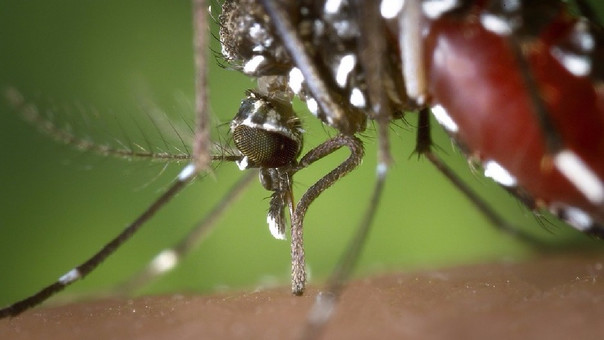
El 40% de la población mundial está en riesgo de sufrir la picadura de un mosquito Aedes Aegyptis y contraer dengue, producto de ello. De acuerdo con la Organización Mundial de la Salud, cada año se registran en todo el planeta 390 millones de contagios en zonas urbanas y semi-urbanas de climas tropicales y sub-tropicales, donde el principal vector de la enfermedad prospera.
El dengue puede causar fiebre, erupciones cutáneas y dolores de cabeza hasta sangrados severos que pueden acabar con la vida del infectado. La infección de un serotipo no proporciona inmunidad a las otras tres cepas del dengue, por lo que un individuo puede contagiarse más de una vez del mal.
Números preocupantes. De los países más golpeados por el virus, Indonesia tiene una de las mayores tasas de contagio, particularmente entre su población infantil. El virus es potencialmente letal, pero si se controlan las complicaciones que produce la mortalidad por dengue cae al 1%. Aun así, el acceso limitado a servicios de salud hace que la enfermedad represente todavía un peligro alto para los niños: en Indonesia, más de la mitad de infantes en zonas urbanas están infectados a los 5 años, y más del 80% ha sido contagiado por lo menos una vez a la edad de 10 años.
El estudio respectivo, publicado en PLOS One, fue diseñado para representar a toda la población pediátrica urbana Indonesia, conducido por la Facultad de Medicina de Universitas Indonesia, en colaboración con el laboratorio Sanofi Pasteur. Los investigadores recolectaron muestras de sangre de 3.194 niños de 1 a 18 años que vivían en 30 barrios urbanos indonesios.
Resultados. Los investigadores encontraron que el 69,4% de todos los niños dieron positivo para los anticuerpos contra el dengue; 33,8% de los niños de 1 a 4 años; 65,4% de los niños de 5 a 9 años; 83,1% de los de 10-14 años de edad; y 89% de loa de 15-18 años de edad. La mediana de edad para infectarse con el dengue por primera vez fue de 4,8 años. Asimismo, los datos arrojaron que era más probable que un niño contraiga el mal mientras viva con más familiares que alguna vez lo tuvieron.
Además, se calculó que en promedio el 13,1% de niños se contagia de dengue por primera vez cada año. “Los adultos, presumiblemente, se infectan con una frecuencia similar», dicen los investigadores. «Se necesitaría un enfoque de modelización para cuantificar esta carga, pero estos datos sugieren claramente que las infecciones por dengue resultan en una carga significativa de enfermedad sintomática y grave en la Indonesia urbana».
La picadura del mosquito afecta principalmente a los niños y adolescentes. | Fuente: GSK Indonesia
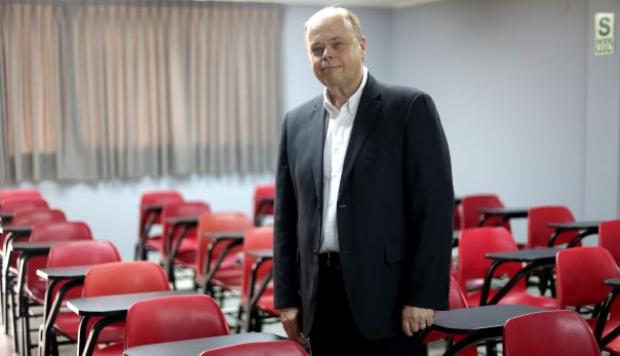
El finlandés Jari Lavonen conversó con El Comercio sobre las ideas que hacen de su país un líder en educación.
Nací en Finlandia en 1958. Soy decano de la Facultad de Educación de la Universidad de Helsinki y especialista en la enseñanza de física, química y matemáticas. También soy investigador senior. Aunque no lo crean, yo no era un buen estudiante.
Para muchos, Finlandia es sinónimo de buena educación. Su índice de abandono escolar no llega al 1% y suele disputar los mejores resultados en las pruebas PISA (en su última edición obtuvo el quinto puesto en ciencias, el cuarto lugar en lectura y el duodécimo en matemáticas). ¿Cómo lo hace? El finlandés Jari Lavonen –reconocido experto en el tema– destaca que en su país la educación es gratuita, que los niños finlandeses están entre los que menos horas pasan en el colegio, los que hacen menos tareas y, claro, los que empiezan a ir al colegio a los 7 años.
—En el Perú diríamos que 7 años es un poco tarde…
En la Unión Europea (UE) hay solo cuatro países donde la educación oficial empieza a los 7 años, en la mayoría de países suele empezar a los 5, 6 o incluso a los 4 años. En Finlandia tenemos una educación de preprimaria que empieza a los 6 años, pero el objetivo de esta educación es desarrollar las competencias básicas como la colaboración y la consideración con los otros. Todo ello a través de la creación de juegos. Esto es bastante importante porque los niños tienen que aprender a aprender.
—¿Y a los 7 años ya están listos para aprender?
Esto viene de una tradición bastante larga que dice que los seres humanos deberían ser responsables al momento de ir a la escuela. Además, hay investigaciones que afirman que es mejor ejercitar el cerebro a una temprana edad sin recurrir a una educación formal. También se ha comprobado que es mejor enseñar a leer y escribir a los niños a una edad más tardía porque aprenden mucho más rápido y así evitamos que se frustren.
—¿Cuáles son los errores más comunes cuando pensamos en la educación de los niños?
En muchos países, las autoridades buscan que los docentes sean efectivos y obtengan notas altas de los estudiantes en los exámenes. Sin embargo, esta concepción es bastante mala porque se centra en los exámenes y los exámenes evalúan cosas que se pueden medir, como la memoria u otras destrezas bastante simples. Muchos profesores o familias creen que eso es lo principal y al final le dan más importancia a los exámenes que al hecho de adquirir una competencia adecuada. Se está destinando la educación solamente a pasar los exámenes, ¿dónde quedan la creatividad, la colaboración? Se comete el error de dejar de lado estas capacidades para enfocarse en los ránkings y en la competencia entre las personas.
—¿Buscar la competitividad es otro error?
Yo creo que la competencia a nivel escolar no es positiva porque el trabajo debe ser distribuido entre las personas para que todo funcione bien. Si nos centráramos solo en los exámenes, estaríamos formando personas más comprometidas con la competencia que con la colaboración.
—¿Cuál es la relación que debe tener el profesor con el alumno?
Cuando un estudiante no obtiene resultados altos se suele culpar al docente, pero yo considero que poner toda la presión sobre el maestro no es efectivo. Hay que enfocarnos más en la disposición del docente, en que acompañe al estudiante, pero el centro del proceso es el alumno. El papel del profesor es apoyar a los estudiantes y hacer que ellos se comprometan con su aprendizaje. En Finlandia, los docentes les dan a los alumnos un ‘feedback’ escrito, no con calificaciones numéricas. En mi país los docentes son muy apreciados y la profesión de profesor es muy atractiva. Trabajar en eso es muy positivo.
—Mencionó la prueba PISA, en la que el Perú tiene malos resultados, pese a una última mejoría. ¿Qué es lo positivo y negativo de esa medición?
La prueba PISA es un examen suministrado por la OCDE con un objetivo: buscar el crecimiento económico de los países e identificar las naciones donde haya tres cosas fundamentales: materias primas, energía y gente inteligente. Esto porque obviamente va a considerar a países que tengan estos tres elementos para invertir o trabajar con ellos. Pero más allá de eso, lo que hace PISA no es medir qué tanto han aprendido los chicos, sino qué tantas competencias han desarrollado para aprender nuevas cosas. Yo creo que ese es su principal aporte. Para mí, el ránking no es importante, pero sí la información que brinda sobre diversas áreas.
—¿Cuáles son los principales enemigos de una buena educación?
Yo creo que el más importante es la inestabilidad. Es vital tener una política educativa estable. Si hay muchos cambios, no se va a poder hacer esto de una manera correcta porque se puede tener un ministro con buenas ideas, pero de nada sirve si este ministro cambia el currículo y luego viene otro ministro y lo vuelve a cambiar. La educación funciona cuando hay un ambiente pacífico, una visión común, solo así se puede avanzar. La desigualdad también es un enemigo importante. Mientras más equitativa sea la educación, mejor va a ser el resultado.
—¿Qué dice de un país el tener una mala educación?
Es curioso, las estadísticas dicen que no necesariamente mientras más dinero tenga un país, va a tener una mejor educación; y eso nos dice que no importa cuánto dinero tengamos, sino cómo usamos el dinero.
—Muchos creen que ir a la universidad es el objetivo, ¿debería ser así?
La respuesta es no. La sociedad necesita todo tipo de personas, no solamente a las personas que reciben una educación universitaria o que tienen un grado académico. En Corea del Sur, el 95% de las personas van a la universidad, se enfocan en tener buenas notas, en competir, pero terminan la universidad y no todas tienen trabajo. Esto también afecta a la población porque la gente está más interesada en estudiar que en formar una familia y tener hijos. No creo que eso sea muy positivo. La UE recomienda que alrededor del 40% de personas vaya a la universidad en cada país.
—Si tuviera que resumir en una frase para qué es importante estudiar, ¿qué diría?
Yo creo que es fácil. Es importante aprender habilidades de colaboración para poder desempeñarse bien en la vida y en el trabajo. Me parece que es eso. Para aprender cómo sobrevivir en la sociedad y ser una buena persona.
OtrasVocesenEducacion.org existe gracias al esfuerzo voluntario e independiente de un pequeño grupo de docentes que decidimos soñar con un espacio abierto de intercambio y debate.
¡Ayúdanos a mantener abiertas las puertas de esta aula!




 Users Today : 166
 Total Users : 35520368
 Views Today : 209
 Total views : 3703887